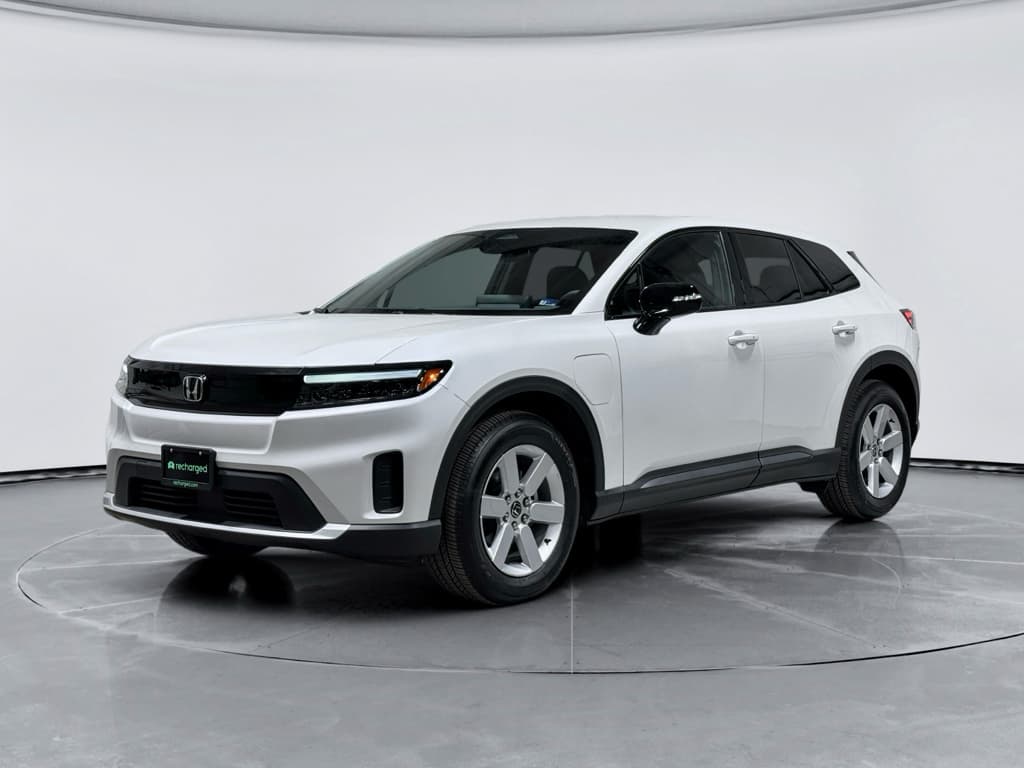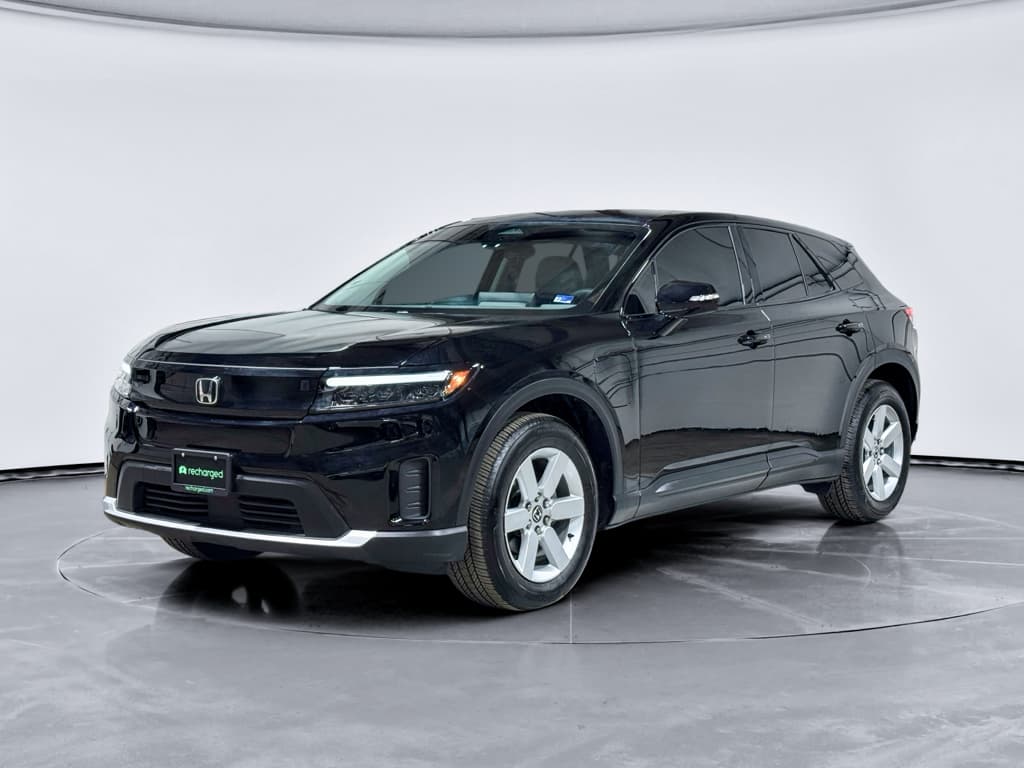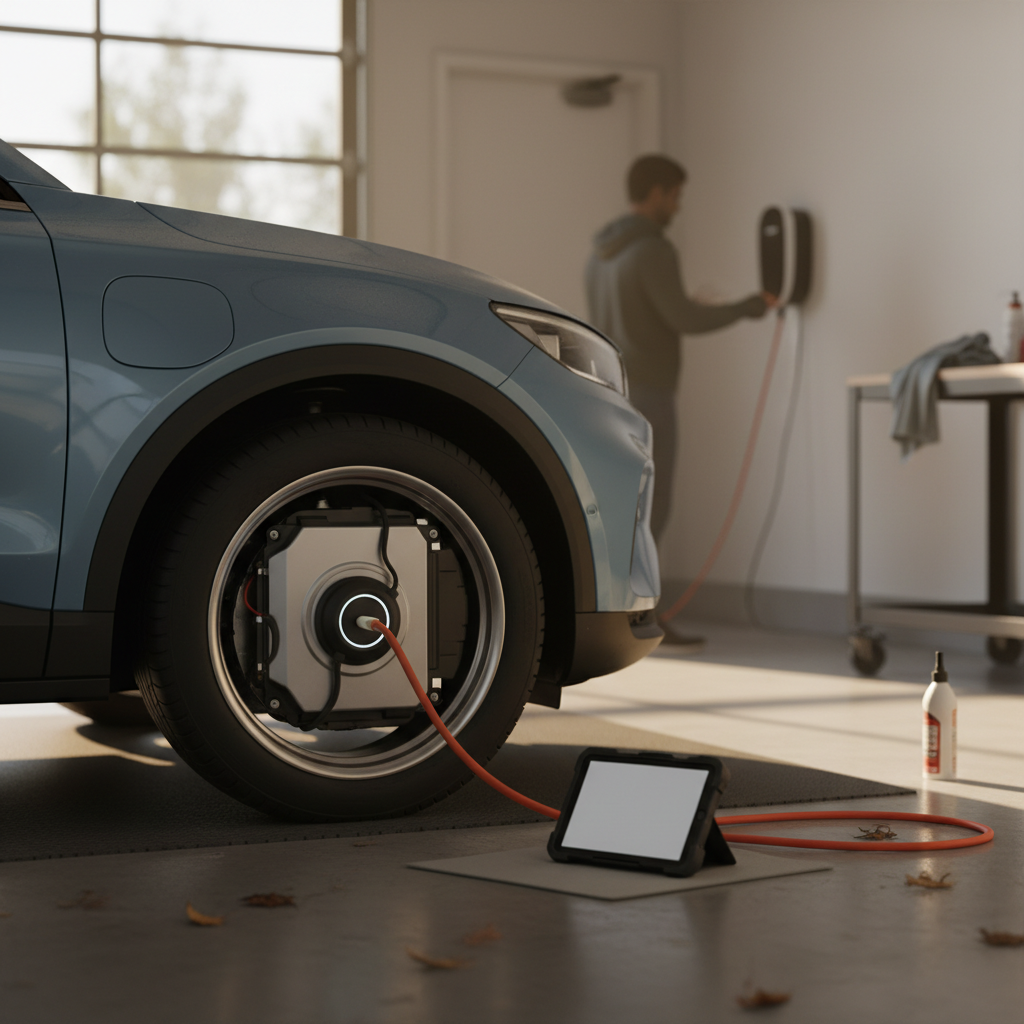
If you’re looking at a Honda Prologue, or already have one in the driveway, you’re probably wondering what the **Honda Prologue maintenance schedule** actually looks like. No oil changes, no timing belts… so what *does* this all-electric Honda really need, and how often does it need it?
Quick takeaway
Honda Prologue maintenance overview
The Prologue rides on GM’s Ultium EV platform and is backed by Honda’s own warranty and service network. That combination means you get **typical Honda simplicity** with the low-maintenance nature of a modern EV.
Honda Prologue ownership at a glance
Where to find the official schedule
How Honda Prologue EV maintenance differs from gas Hondas
What your Prologue doesn’t need
- No engine oil or oil filter changes
- No spark plugs, ignition coils, or fuel filters
- No timing belt or timing chain service
- No transmission fluid services for a multi‑gear automatic
- Far less wear on brake pads thanks to strong regenerative braking
What your Prologue does need
- Regular tire rotations and alignment checks
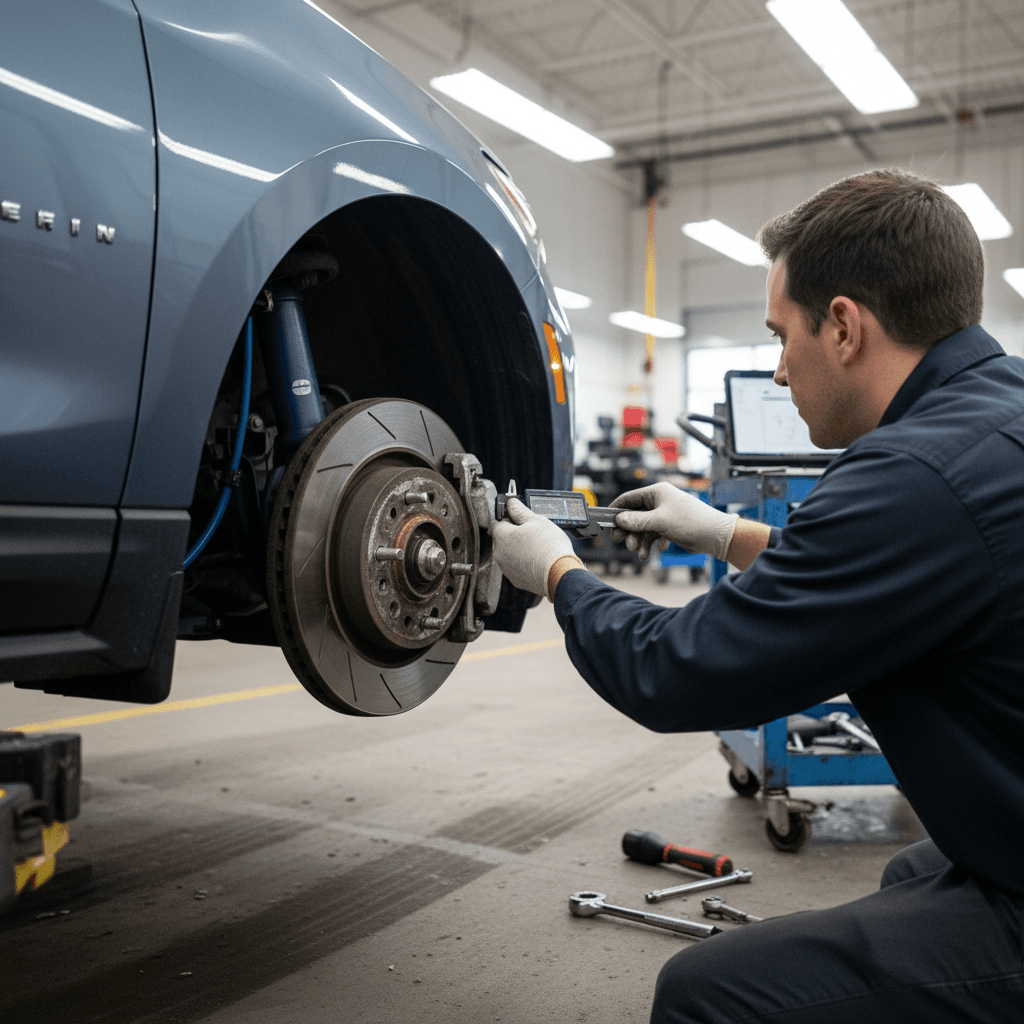
- Brake inspections and occasional fluid replacement
- Cabin air filter replacements for HVAC and heat pump performance
- Coolant service for the battery, inverter, and electronics at long intervals
- Software updates and EV system health checks at the dealer
Don’t ignore EV‑specific fluids
Honda Prologue maintenance schedule by mileage & time
Honda hasn’t published a radically complex schedule for the Prologue. Most dealers are following a **simple, EV‑friendly pattern** that lines up with other modern electric SUVs. Below is a realistic outline of what you can expect; always cross‑check with your owner’s manual and local dealer’s recommendations.
Typical Honda Prologue maintenance schedule
Approximate service intervals based on Honda dealer guidance and common EV practices. Use this as a planning tool, not a substitute for your owner’s manual.
| Mileage / Time | Key Services | Details |
|---|---|---|
| Every 7,500 miles or 12 months | Tire rotation; basic inspection | Rotate tires, inspect tread and sidewalls, check brakes, suspension, steering, lights, and wipers. |
| Every 15,000 miles or 2 years | Cabin air filter; brake inspection | Replace cabin air filter (more often in dusty areas), inspect calipers and pads, check for corrosion on low‑use brakes. |
| Every 30,000 miles | Alignment check; deeper inspection | Check alignment, steering components, suspension bushings, and perform more detailed underbody inspection. |
| Every 5 years or ~100,000 miles | High‑voltage coolant service | Replace EV system coolant for the battery, drive unit, and power electronics per Honda’s guidance. |
| As needed | Brake pads & rotors; 12‑volt battery | Thanks to regen, pads can last well beyond 60,000 miles, but low‑mileage city driving can still wear them. 12‑volt battery usually lasts 4–6 years. |
| At every visit | Software & bulletins | Dealers check for software updates, service bulletins, and any safety or performance campaigns while the car is in. |
Intervals are "whichever comes first" for mileage or time.
What about the "first service"?
Using Maintenance Minder and dash warnings
If you’ve owned a modern Honda before, you’ve probably met **Maintenance Minder™**. The Prologue uses the same basic philosophy: instead of a long checklist that nobody reads, the car watches your mileage and driving conditions, then tells you when it’s time for service.
- You’ll see a wrench icon and a code in the instrument cluster when service is due.
- Codes point to specific items, tire rotation, inspections, fluid checks, and so on.
- The system is mileage and time‑based; if you drive very little, you’ll still see annual reminders.
- If a warning lamp appears (ABS, tire pressure, battery, or high‑voltage system), that’s separate from routine maintenance and should be handled promptly.
Set a calendar reminder anyway
High-voltage battery and EV system maintenance
The high‑voltage battery pack is the heart of your Prologue. The good news: there’s no routine internal servicing, and it’s covered by a **separate EV battery warranty, typically 8 years or 100,000 miles, for defects and excessive capacity loss.** What it does need is smart use and occasional checkups.
Key ways to care for your Prologue’s battery
Little habits that add up to a long, healthy EV life
Avoid living at 0% or 100%
Be kind in extreme temps
Charge smarter, not always faster
If you see an EV system warning…
Real-world Honda Prologue maintenance costs
Because the Prologue is new, hard data is still coming in, but early cost‑to‑own models from sites like Edmunds and KBB already show what EV owners expected: **routine maintenance is significantly cheaper than for a comparable gas SUV**. Most of your spend goes to tires, brake service if you keep the car a long time, and the big coolant service further down the road.
Where Honda Prologue maintenance money actually goes
Typical cost buckets over the first 5–10 years of Prologue ownership, based on third‑party cost‑to‑own estimates and EV experience.
| Category | What’s involved | When it shows up |
|---|---|---|
| Tires | Rotations, occasional alignment, eventual replacement | Rotations every ~7,500 miles; new tires often around 30,000–45,000 miles depending on driving. |
| Brake service | Pad/rotor replacement, brake fluid | Pads can last 60,000+ miles thanks to regen; fluid replacement per Maintenance Minder or time interval. |
| Cabin filters & misc. | Cabin air filter, wipers, bulbs, washer fluid | Filter roughly every 15,000–20,000 miles; wipers and bulbs as they wear. |
| EV coolant service | Coolant for battery and power electronics | Often first needed around 5 years or ~100,000 miles. |
| Software & diagnostics | Dealer inspections, software updates | Typically bundled into regular service visits; may be covered during warranty or maintenance plan. |
Numbers will vary by region, driving style, and tire choice, but the categories stay similar.
Good news for your budget
Warranty, free maintenance, and recalls
On top of the low‑maintenance EV hardware, the Honda Prologue is backed by a familiar Honda warranty package. That gives you a safety net while you learn the quirks of your first EV.
- New Vehicle Limited Warranty: typically 3 years / 36,000 miles bumper‑to‑bumper.
- Powertrain coverage: about 5 years / 60,000 miles for eligible components (EV‑equivalent coverage varies by market).
- High‑Voltage Battery Limited Warranty: around 8 years / 100,000 miles against defects and abnormal capacity loss.
- Corrosion and seat belt warranties with longer time limits, as on other Hondas.
- Many Prologues include **2 years / 24,000 miles of complimentary basic maintenance**, covering those early tire rotations and inspections.
Keep up with recalls and service campaigns
DIY vs. dealer service for your Prologue
You don’t have to be afraid of EV maintenance, but you do need to respect the orange cables. The Honda Prologue splits nicely into **DIY‑friendly** and **dealer‑only** jobs.
What you can DIY, and what to leave to the pros
DIY: Tires & tire pressures
Checking tire pressures, topping up air, and even rotating tires (if you’re comfortable jacking the car properly) can be done at home or a trusted tire shop. Just make sure they know how to lift an EV without damaging the battery pack.
DIY: Cabin air filter & wipers
Replacing the cabin air filter and wiper blades is no harder on a Prologue than on a CR‑V. Your owner’s manual walks through the basics.
DIY: Washer fluid & basic checks
Feel free to top off washer fluid, visually inspect tires, and listen for unusual noises. Catching issues early is half the game.
Dealer only: High‑voltage system
Anything involving the high‑voltage battery, orange cables, or EV drive unit needs an EV‑certified Honda technician. There’s no safe way to DIY this at home.
Dealer only: Coolant & EV diagnostics
Battery and power‑electronics coolant service and specialized EV diagnostics rely on tools and procedures only the dealer will have.
Either: Brakes, alignment, tires
A good independent shop with EV experience can handle brake service and alignments, but some owners prefer to stick with Honda dealers while the car is under warranty.
Document everything for warranty peace of mind
Maintenance tips if you’re shopping a used Prologue
The Honda Prologue is still young, but used examples will start to hit the market as early adopters move on. Maintenance is a huge part of whether a used EV is a dream or a headache, and that’s exactly where a marketplace like Recharged leans in.
Used Honda Prologue: maintenance checks that matter
What to look at beyond a shiny paint job
Battery health & charging history
Service records & recalls
Tires, brakes, and alignment
Test drive and charging behavior
How Recharged can simplify used Prologue ownership
Ready to find your next EV?
Browse VehiclesHonda Prologue maintenance FAQ
Frequently asked questions about Honda Prologue maintenance
Bottom line: How much work is a Honda Prologue to maintain?
If you’re used to scheduling oil changes every few months, the Honda Prologue will feel almost suspiciously low‑maintenance. The schedule is simple: rotate the tires, keep up with inspections, swap cabin filters, and let Honda handle the long‑interval coolant and software updates. Take care of those basics and the Prologue’s Ultium‑based EV hardware is designed to quietly rack up miles without demanding much attention.
Whether you’re ordering a new Prologue or shopping a used one, understanding the **Honda Prologue maintenance schedule** turns this futuristic SUV into something familiar: a practical Honda with a predictable routine. And if you’re considering a used Prologue, a marketplace like Recharged, with verified battery health, transparent pricing, and EV‑savvy advisors, can make that low‑maintenance promise feel a lot more real from day one.