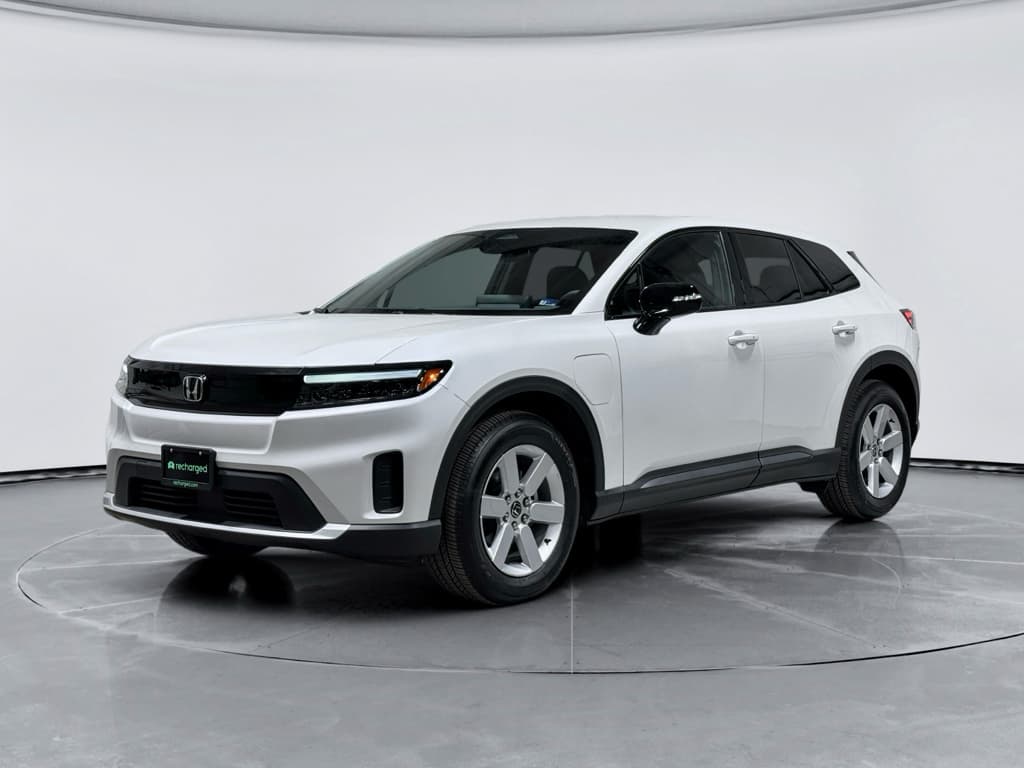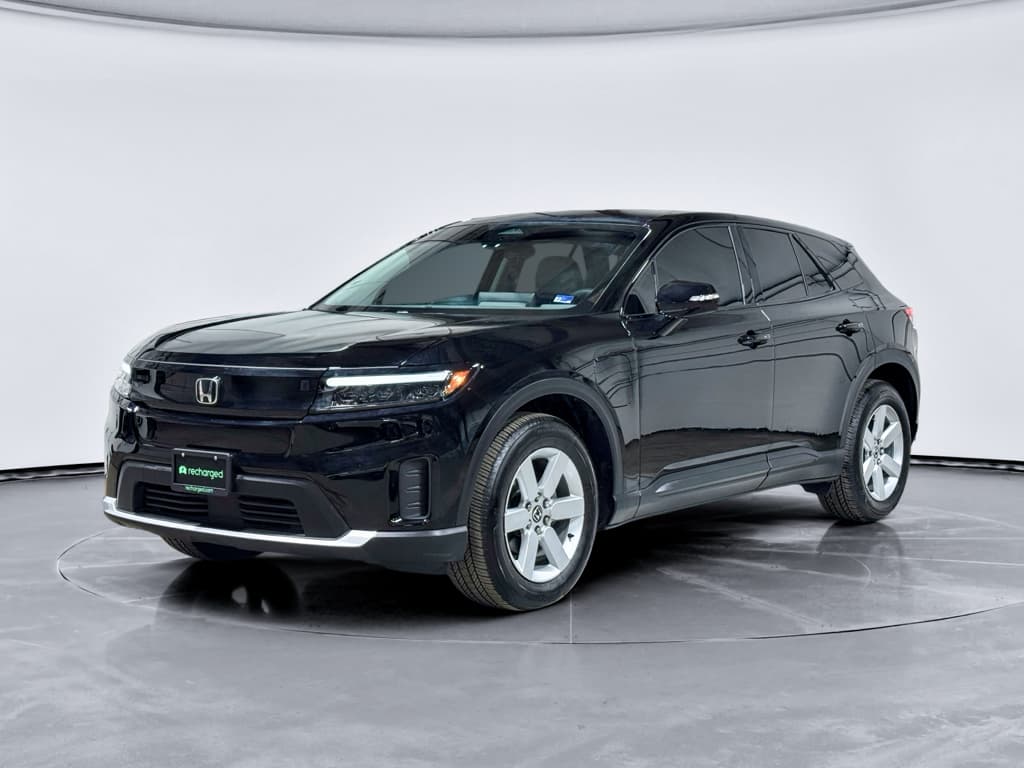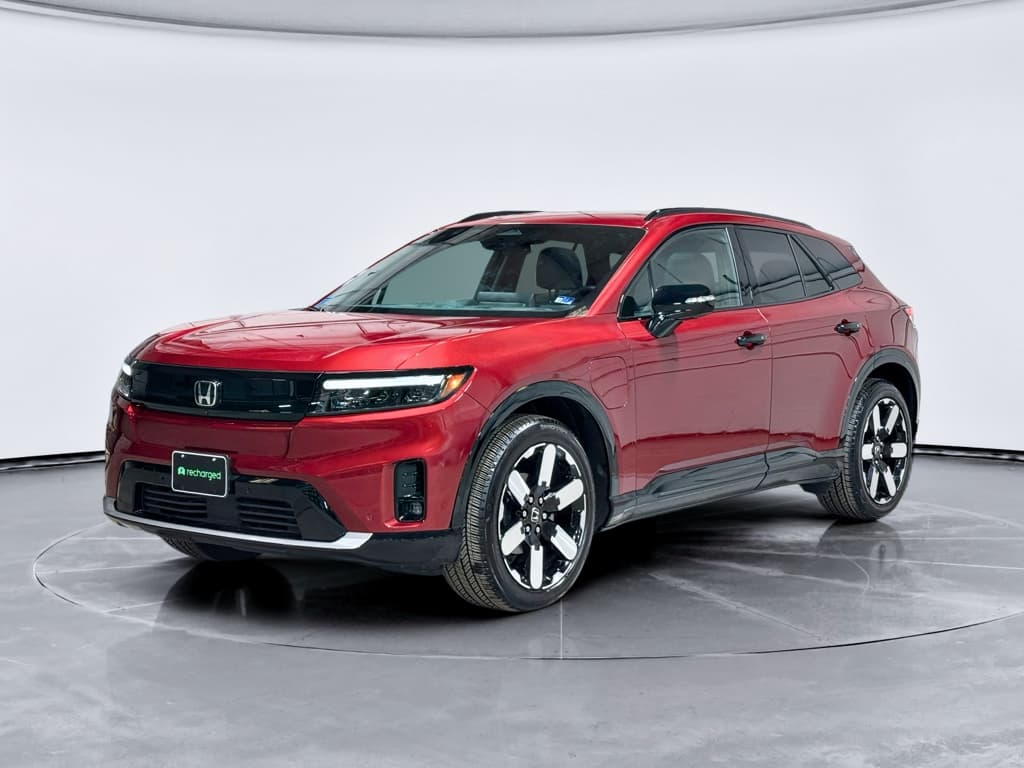
If you’re considering Honda’s all‑electric SUV, it’s smart to ask about the Honda Prologue depreciation rate before you sign a finance or lease contract. EV pricing has been volatile, incentives shift quickly, and some early electric models have lost value faster than buyers expected. The good news: you can make that volatility work for you if you understand how the Prologue is likely to depreciate, and how to position yourself on the winning side of that curve.
Quick take on Prologue depreciation
Honda Prologue depreciation basics
Depreciation is simply how much value your vehicle loses over time. If you buy a Prologue Elite for $59,000 and sell it three years later for $36,000, it has depreciated by $23,000, or about 39%. That loss is usually the single biggest cost of ownership, more than electricity, maintenance, or insurance.
Where the Prologue fits in today’s depreciation picture
So where is the **Honda Prologue** likely to land? Think of it as sitting between two worlds: EVs that have been punished by aggressive price cuts, and long‑proven Hondas that traditionally hold value extremely well. That tension is exactly why shoppers are asking about depreciation now, while the Prologue is still early in its life cycle.
How fast will a Honda Prologue depreciate?
Because Prologue sales started in 2024 and are still ramping in 2025–2026, we don’t yet have thousands of wholesale auction results like we do for a CR‑V or Civic. But we can build reasonable expectations by combining EV‑market averages with what we know about Honda crossovers and the Prologue’s pricing.
Illustrative Honda Prologue depreciation curve (assuming ~$50k transaction price)
These are directional estimates based on current EV and Honda crossover trends, not guarantees. Real‑world results will vary by trim, incentives, region, and mileage.
| Ownership point | Estimated value | Total depreciation | Retained value % |
|---|---|---|---|
| Year 1 | $38,000–$40,000 | $10,000–$12,000 | 80–76% |
| Year 3 | $30,000–$33,000 | $17,000–$20,000 | 60–66% |
| Year 5 | $20,000–$24,000 | $26,000–$30,000 | 40–48% |
Estimated Prologue retained value if you buy around $50,000 and drive 12,000–15,000 miles per year.
These are educated ranges, not promises
If those numbers hold, the **Honda Prologue depreciation rate** would likely be a bit steeper than a CR‑V Hybrid in the first 3 years, but less brutal than some early‑generation EVs that were hit by huge MSRP cuts and fast‑moving tech. In practice, your outcome will hinge on three levers you control: how much you pay up front, how long you keep it, and how well you preserve battery health and condition.
Why EVs (and the Prologue) depreciate differently
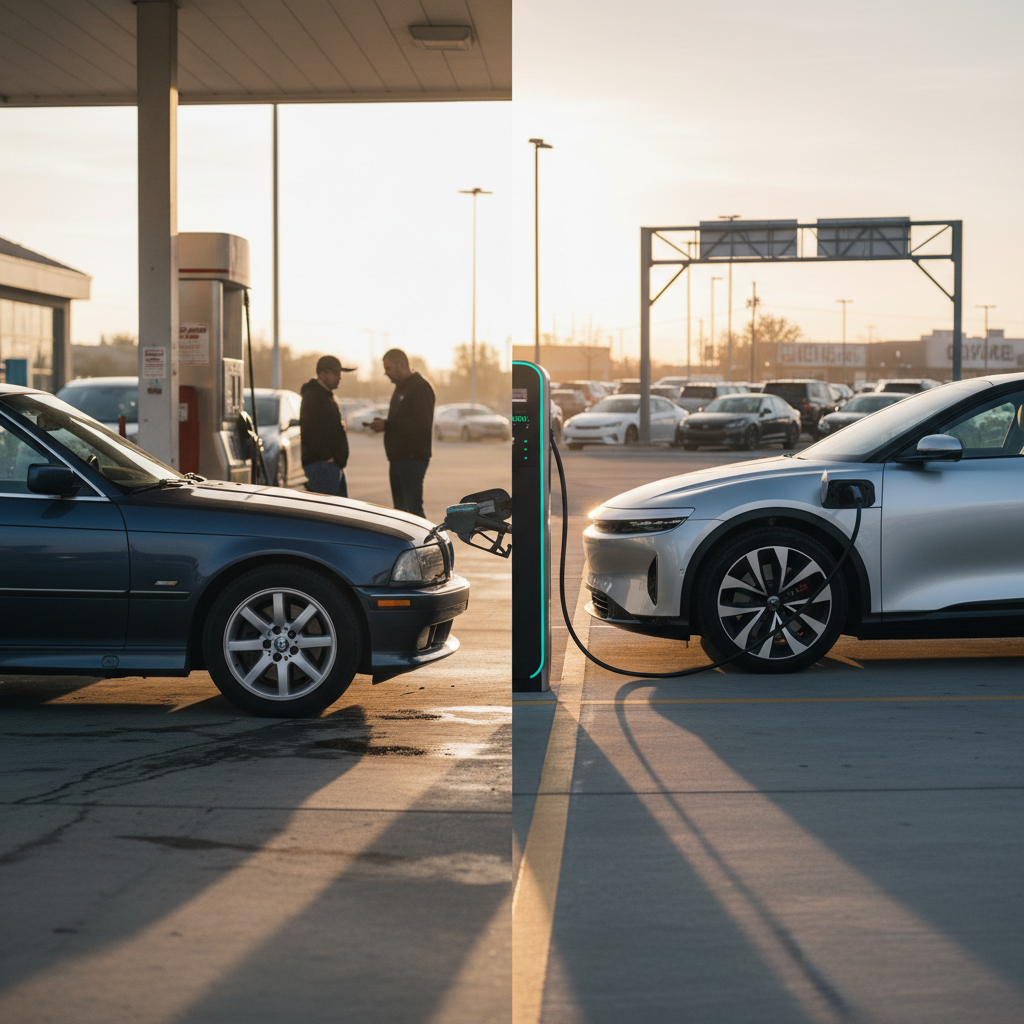
If you’ve compared used EV and gas‑car pricing lately, you’ve probably noticed a pattern: **EVs have taken a sharper hit**. Recent analyses show many electric models losing close to 60% of their value over five years, roughly 25–30% faster than the overall market. That has less to do with EVs being “bad cars” and more to do with market dynamics.
Key forces behind higher EV depreciation
These same forces will shape how the Honda Prologue holds its value.
Rapid tech improvements
Aggressive price cuts
Battery‑health uncertainty
The **Honda Prologue** sits in the middle of all this. It benefits from GM’s Ultium platform under the skin, competitive EPA‑rated range (up to around 308 miles on front‑drive trims), and DC fast‑charging capability around 150 kW. At the same time, it launches into a market where used EVs are already much cheaper than a couple of years ago, and where pricing power sits with buyers, not sellers.
The depreciation flip side
How Honda’s brand and pricing shape Prologue resale value
Historically, Honda’s mainstream crossovers and sedans, CR‑V, Pilot, Civic, Accord, have been **resale darlings**. Used‑car data over the last decade consistently shows Hondas holding value better than the average vehicle, thanks to perceived reliability, low real‑world maintenance costs, and strong demand from budget‑conscious shoppers.
Honda strengths that help the Prologue
- Brand trust: Many shoppers who would never buy a first‑generation EV from a startup are comfortable with a Honda badge.
- Dealer footprint: A broad retail and service network supports used buyers nationwide.
- Conservative design: Prologue styling is more mainstream than polarizing, which typically supports broader used‑market demand.
Market realities that push back
- Higher starting prices: 2025 Prologue MSRPs hover around the high‑$40ks to high‑$50ks, even before options and destination.
- Discounted new prices: Many buyers are already paying several thousand below MSRP, which sets a lower baseline for future used values.
- Tax‑credit distortion: Eligibility for the $7,500 federal credit effectively lowers the "real" new‑car price and puts pressure on near‑new used examples.
Put differently: **Honda’s reputation is a tailwind**, but it’s blowing into a headwind of EV‑specific pricing pressure. Expect the Prologue to outperform some less‑trusted EV nameplates on resale, but don’t assume CR‑V‑like retention in the early years.
Battery health and its impact on Prologue value
With any EV, the battery pack is both the most expensive component and the biggest question mark for used‑car shoppers. For the Honda Prologue, long‑term battery behavior will take years to fully understand, but we already know how the market responds: **clean, well‑documented battery health commands a premium; uncertainty gets discounted.**
Why Recharged cares so much about battery reports
- Fast‑charging to 100% daily or living at very high states of charge can accelerate degradation.
- Extreme heat, frequent DC fast charging, and heavy towing all put more stress on the pack.
- On the flip side, moderate charging habits (20–80%), garage parking, and software updates can keep degradation modest and predictable.
Because the Prologue shares its Ultium‑based battery tech with other GM‑built EVs, the market will watch those siblings closely. If they age gracefully, later‑model Prologues should benefit from stronger confidence and better resale.
How the Prologue compares to rival EV SUVs on depreciation
The Prologue doesn’t exist in a vacuum. Shoppers cross‑shop it heavily against the Chevrolet Blazer EV (which shares its platform), Tesla Model Y, Hyundai Ioniq 5, Kia EV6, Volkswagen ID.4, Ford Mustang Mach‑E, and Chevrolet Equinox EV. Each of these models has its own depreciation story, and that story will influence how the market prices a used Prologue.
Where Honda Prologue may sit in the EV‑SUV depreciation pack
Positioning the Prologue relative to key rivals based on brand strength, pricing behavior, and early resale trends in the segment.
| Model | Brand perception | Pricing behavior (2024–2025) | Likely 5‑yr depreciation vs Prologue* |
|---|---|---|---|
| Honda Prologue | Trusted mainstream, new to EVs | MSRPs steady but real‑world discounts common | Baseline |
| Chevy Blazer EV | Mainstream, some launch stumbles | Aggressive incentives and discounts | Slightly worse |
| Tesla Model Y | Very strong demand, but frequent price cuts | Large, sudden MSRP changes | Mixed: stronger late, volatile early |
| Hyundai Ioniq 5 | Rising reputation, strong tech | Heavier incentives, improving supply | Slightly better |
| VW ID.4 | Mixed early perception | Price cuts, heavy lease deals | Similar or slightly worse |
Lower expected depreciation is better for owners, higher expected depreciation is better for used‑EV buyers.
Why this matters to you
Strategies to reduce your Honda Prologue depreciation
You can’t control macro EV pricing trends, but you can absolutely control your own exposure to depreciation. Whether you’re eyeing a new Prologue at a Honda dealer or a used one on a marketplace like Recharged, a few strategic decisions make a big difference to your total cost of ownership.
6 smart ways to defend against Prologue depreciation
1. Focus on transaction price, not just MSRP
In 2025–2026, Prologue transaction prices are often several thousand below sticker once you factor in discounts and the $7,500 federal credit (if you qualify). The lower your real out‑of‑pocket cost, the slower your effective depreciation rate feels later.
2. Consider lightly used instead of brand‑new
Buying a 1–3‑year‑old Prologue means someone else already absorbed the steepest depreciation. On Recharged you can see **fair‑market pricing** based on real‑time market data, not just asking prices.
3. Prioritize mainstream specs over niche builds
Mid‑level trims, common colors, and 2WD or AWD configurations that match your region’s norms tend to be easier to resell than oddball combinations. That liquidity supports stronger resale value.
4. Protect and document battery health
Adopt gentle charging habits, keep software up to date, and get periodic battery‑health checks. When you sell or trade, a third‑party report, like the <strong>Recharged Score</strong>, gives buyers confidence and helps you justify a higher price.
5. Avoid ultra‑short ownership cycles
Flipping any new EV in 12–18 months is a recipe for painful depreciation, especially in a soft market. Plan on at least a 3‑year horizon unless you scored an unusually strong deal upfront.
6. Watch incentive and price‑cut timing
If a big tax‑credit change or factory incentive is clearly looming, it can be worth timing your purchase or sale accordingly. New‑car price cuts tend to drag used values down shortly after.
High‑risk moves that turbocharge depreciation
Buying a used Honda Prologue: what to look for
If you’re coming to this article as a **used‑EV shopper**, rising EV depreciation is not a problem, it’s your opportunity. The goal is to separate “cheap because demand is weak” from “cheap because the particular car has issues.” Here’s how to do that with a Prologue.
Key checks before you buy a used Prologue
These are exactly the items marketplaces like Recharged surface in a structured report.
Battery‑health verification
Charging history & capability
Usage pattern & history
At Recharged, every used EV listing includes a Recharged Score Report with verified battery health, pricing transparency, and expert inspection details. That level of documentation doesn’t just protect you as a buyer, it also creates a more rational market where genuinely well‑kept EVs aren’t unfairly dragged down by a few bad examples.
FAQ: Honda Prologue depreciation and resale value
Frequently asked questions about Honda Prologue depreciation
Bottom line: is the Honda Prologue a good long‑term bet?
Viewed purely through the lens of the **Honda Prologue depreciation rate**, this electric SUV is likely to sit in the messy middle: it probably won’t be a depreciation champion like the most in‑demand gasoline Hondas, but it also shouldn’t be a disaster if you buy smart, keep it a reasonable length of time, and protect the battery. We’re in a moment when EV pricing is resetting, incentives are powerful, and the used‑EV market is finally maturing.
If you want to minimize risk, consider letting someone else absorb that initial 1–3‑year hit and shop for a used Prologue with verified battery health and transparent pricing. That’s exactly the slice of the market Recharged exists to serve: giving you data‑driven confidence about depreciation instead of leaving you to guess. Whether you ultimately choose a Prologue or another electric SUV, treating depreciation as a lever you can actively manage, not just a cost you have to eat, is the surest way to make EV ownership work in your favor.