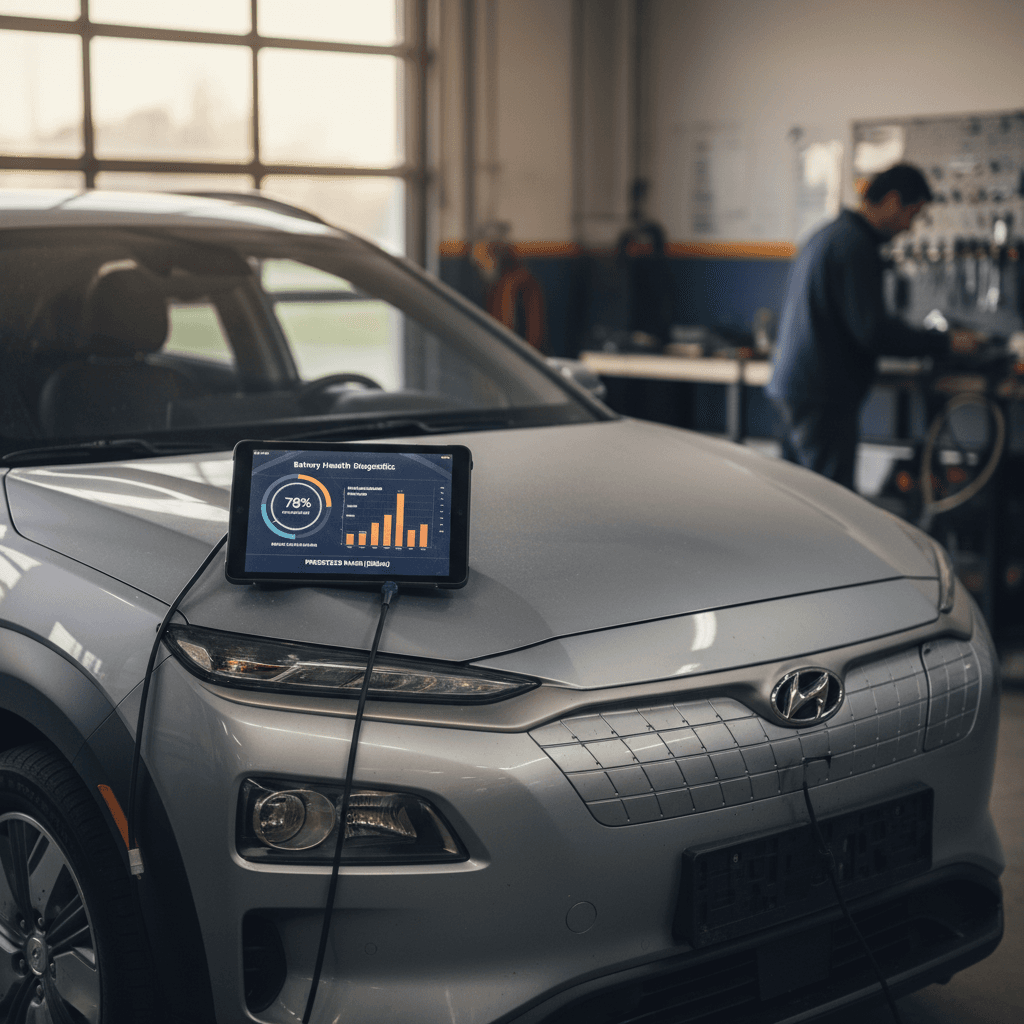
If you’re eyeing a **2019 Hyundai Kona Electric**, you’re probably wondering whether it’s a smart used buy in 2026, especially after all the headlines about battery recalls and fires. The short answer: when the recall work is done and the car passes a proper inspection, the 2019 Kona Electric can be a **strongly reliable, long‑range compact EV**. But there are a few non‑negotiables you need to verify before you sign anything.
Key takeaway on 2019 Kona EV reliability
2019 Kona Electric reliability at a glance
2019 Hyundai Kona Electric reliability snapshot
On paper and in many long‑term tests, the 2019 Kona Electric looks like a **durable, low‑drama EV**. Road‑test fleets from major reviewers ran 2019 cars for roughly a year with no serious mechanical failures reported, and owners often praise the car’s simple maintenance and strong range. Where reliability gets complicated is the **high‑voltage battery pack built by LG**, which is at the center of a major recall campaign.
The big story: 2019 Kona Electric battery recall
Every reliability conversation about the 2019 Kona Electric starts with its **lithium‑ion battery recall**. Hyundai and federal safety regulators flagged a manufacturing defect in battery cells used in 2019–2020 Kona EVs that could, in rare cases, cause an internal short and fire risk while parked, charging, or driving.
- The issue involved LG‑supplied cells where a folded anode tab could create an internal short circuit.
- Hyundai first issued a software‑update and inspection recall, then expanded it to include **full battery pack replacement** (Battery System Assembly) on affected cars at no charge to owners.
- U.S. owners were advised to park outside and away from structures until recall work was completed. That guidance still applies to any car that hasn’t had the work done.
Must‑do: Verify recall completion
You can also run the VIN through Hyundai’s recall lookup or the federal recall database to check open campaigns. But don’t stop there, paper service records from the Hyundai dealer that performed the recall are your best proof that the work actually happened.
Real‑world owner experience: How reliable is it day to day?
Once the recall is resolved, the **everyday reliability picture** for the 2019 Kona Electric is surprisingly solid. Long‑term test cars went thousands of miles with only minor glitches, such as one frozen instrument cluster that reset after a restart. Owner forums are full of high‑mileage 2019s, some well over 60,000 miles and even 100,000 km, reporting **minimal unscheduled repairs** beyond the battery campaign and the occasional 12‑volt auxiliary battery replacement.
What owners and testers say about 2019 Kona Electric reliability
Themes that show up repeatedly in long‑term reviews and forums
Day‑to‑day dependable
Many owners describe the 2019 Kona Electric as “boringly reliable” once the battery recall is handled. Most trips to the dealer are for scheduled service, software updates, or the recall itself.
Strong performance & range
Drivers consistently praise punchy acceleration and real‑world range that’s close to, or sometimes better than, the original 258‑mile rating in mild weather.
Packaging trade‑offs
Reliability isn’t the issue, but several owners mention the **firm ride and modest rear‑seat/cargo space** as everyday compromises, especially compared with larger EV crossovers.
Where the Kona Electric shines
Battery health, replacements, and long‑term range
With a **64 kWh lithium‑ion pack** and an EPA rating of up to 258 miles, the 2019 Kona Electric launched as one of the longest‑range non‑Tesla EVs you could buy. Several years on, two things are true at once: a large number of 2019s have already received **brand‑new replacement packs** under recall, and many original or replacement batteries are showing **excellent state of health (SoH)** even past 60,000–70,000 miles.
- Owners report summer ranges still in the 250‑plus‑mile ballpark when driven reasonably, and 200+ miles even in colder weather.
- Forum posts from high‑mileage 2019s often cite battery SoH figures in the mid‑90% range after pack replacement, strong results for a six‑ to seven‑year‑old EV.
- Some drivers regularly charge to 100% without seeing dramatic degradation, though sticking to 80–90% for daily use is still a good habit if you want to maximize longevity.
Pro tip: Treat a recall battery like a nearly new pack
Hyundai’s EV battery warranty in the U.S. typically runs **10 years or 100,000 miles** from the original in‑service date (check the specific car’s booklet for details). On a 2019 model first sold in 2019, that means coverage could last until 2029 for the original owner, and in many cases it remains partially in effect for subsequent owners. A dealer can tell you exactly what’s left once you provide a VIN.
Common 2019 Kona Electric issues to watch for
Beyond the headline‑grabbing battery recall, the 2019 Kona Electric has a handful of **recurring issues** that show up in owner communities. The good news: most are fixable and many are relatively minor compared with engine or transmission failures on gas cars. Still, you’ll want to know what to ask about and what to listen for on a test drive.
Common 2019 Kona Electric issues reported by owners
Not every car will have these problems, but they’re worth checking for when you shop used.
| Issue | What it looks/sounds like | Typical impact | What to ask/check |
|---|---|---|---|
| High‑voltage battery recall | Recall notices, stickers under hood, or paperwork showing pack replacement or BMS update | Fire risk if unrepaired; logistical hassle but big plus if replaced | Ask for recall documentation and battery replacement date; run VIN through Hyundai’s recall tool. |
| 12‑volt battery failures | Car won’t "start", random warning lights, acts like a dead gas‑car battery | Inconvenient but inexpensive; common across many EVs | Ask if the 12‑V battery has been replaced and when. |
| Reduction gear / “wheel of fortune” noise | Whirring or grinding sound from front at certain speeds | Annoying noise that can lead to gear‑unit repairs | Listen on a highway test drive; ask about any driveline noise history or repair invoices. |
| DC fast‑charge port or cable damage | Difficulty plugging/unplugging, melting or scorching at charge port in severe cases | Can require port replacement; more likely if abused with overheated home EVSE cables | Inspect the charge port for discoloration or damage; ask about charging habits. |
| HVAC / heat issues | Weak cabin heat in winter, AC that doesn’t cool well | Can require HVAC component replacement; more common in extreme climates | Test heat and AC thoroughly on the drive; ask about prior HVAC work. |
| Minor electronics glitches | Frozen or blank instrument cluster, infotainment quirks that clear with a reset | Usually nuisance‑level, fixed by software updates or module replacement | Ask whether the car’s software is up to date and if any modules were replaced under warranty. |
Use this table as a talking guide with the seller or your inspector.
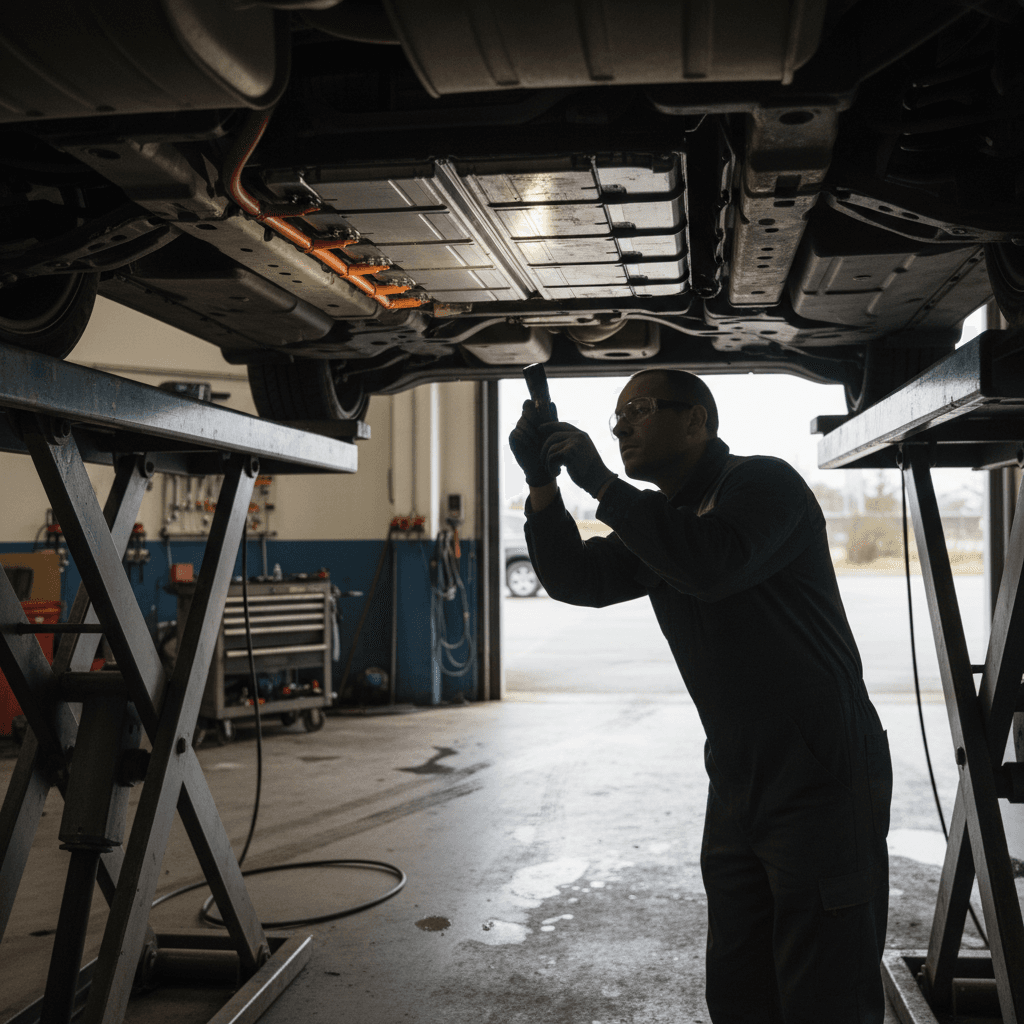
Don’t ignore noise from the front drivetrain
Maintenance, warranty coverage, and running costs
One of the strongest arguments in favor of the 2019 Kona Electric is how **cheap it is to run** once you’re past the recall drama. Like most EVs, there’s no oil to change and no conventional automatic transmission to service. Owners and long‑term tests consistently report low out‑of‑pocket maintenance beyond tires, wiper blades, and cabin filters.
2019 Kona Electric maintenance realities
Long service intervals
Hyundai’s maintenance schedule is light: periodic inspections, tire rotations, brake fluid every few years, and coolant checks. Some owners go a full year with nothing more than a tire rotation invoice.
Brake wear is minimal
The Kona Electric’s **regenerative braking** means pads and rotors last a long time, especially if you use stronger regen settings around town.
Watch the 12‑volt battery
Expect the small 12‑V battery to need replacement at some point, just as it would in a gas car. It’s a simple job and not a reason to avoid the car, but factor it into ownership costs.
Warranty can still be your friend
Depending on in‑service date and mileage, portions of the original **5‑year/60,000‑mile basic** and **10‑year/100,000‑mile powertrain/EV** warranties may still apply. Have a Hyundai dealer pull the VIN to see what’s left.
How Recharged fits in
Pre‑purchase checklist for a used 2019 Kona Electric
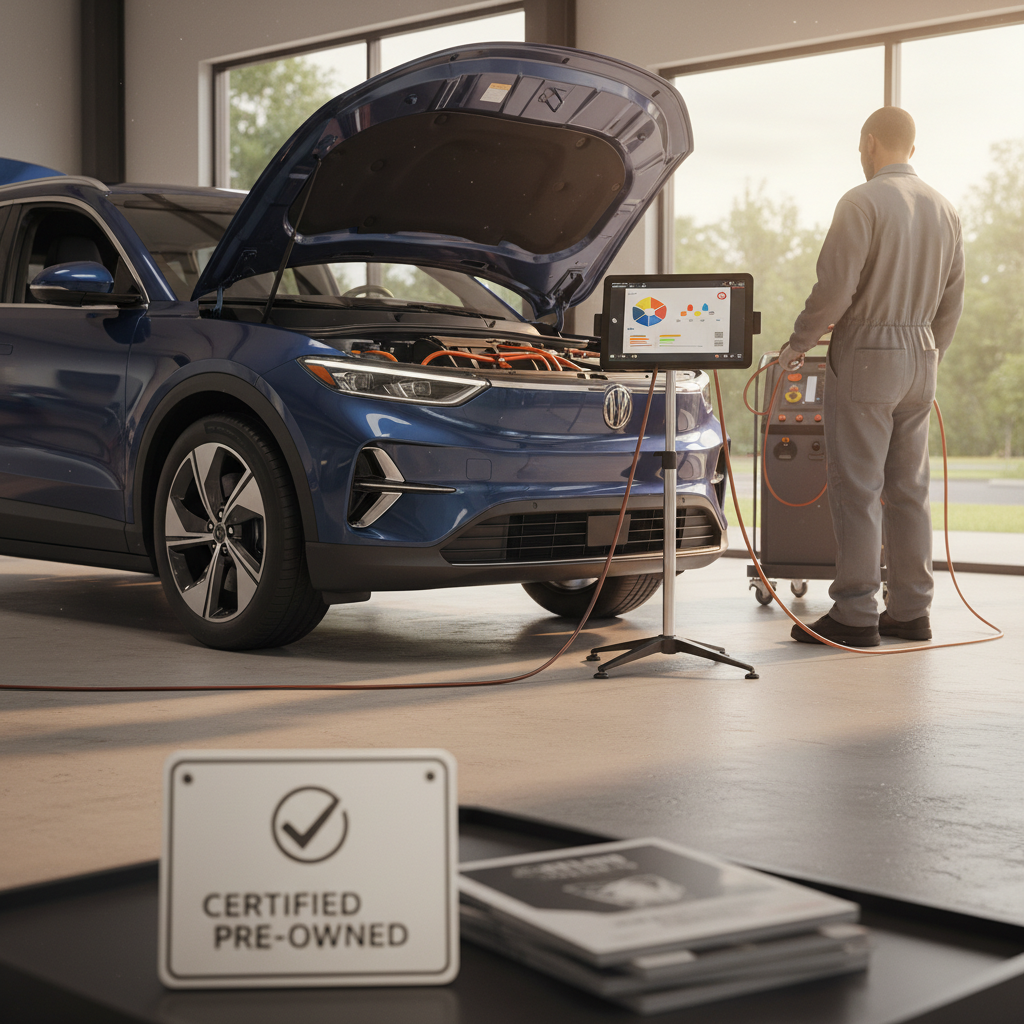
Because reliability on the 2019 Kona Electric depends heavily on **how well it’s been cared for and whether the recall work is complete**, your inspection strategy matters. Use this checklist as a step‑by‑step guide before you buy, whether you’re shopping private party, at a traditional dealer, or through a digital retailer.
Used 2019 Kona Electric pre‑purchase checklist
1. Confirm battery recall status
Get the VIN, run it through Hyundai’s recall site, and ask for **dealer paperwork** showing what recall work was performed and when. Favor cars with a documented full battery pack replacement.
2. Ask for a battery health report
Request documentation of the battery’s **state of health (SoH)** or have a shop pull it via OBD2. You’re looking for a pack in the 90%‑plus range or a recent replacement date.
3. Review full service history
Ideally, you’ll see consistent service at Hyundai dealers or competent EV shops, including recall visits, software updates, and basic maintenance. Big gaps or missing records aren’t an automatic dealbreaker, but they do increase risk.
4. Test DC fast‑charging and Level 2
If possible, plug into both a DC fast‑charger and a Level 2 station. The car should initiate charging quickly and maintain a stable rate without error messages or overheating at the port.
5. Listen for drivetrain noise
On your test drive, turn off the radio and listen for whines, grinding, or “wheel of fortune” sounds from the front at steady speeds. Anything out of the ordinary should be investigated before you buy.
6. Check HVAC performance
Run the heat and AC on full power. Poor heating or cooling can signal issues with the heat‑pump/HVAC system that may require parts replacement.
7. Inspect tires and suspension feel
The Kona Electric rides firmly. That’s normal, but **harsh impacts or wandering steering** could indicate worn tires, misalignment, or suspension components that need attention.
8. Validate remaining warranty
Have a Hyundai service department or a trusted retailer verify remaining factory warranty coverage, especially on the EV system and battery.
How the 2019 Kona Electric compares to other used EVs
Versus Chevrolet Bolt EV
- Range: Both offer strong range for the money, but the Kona Electric often matches or slightly edges early‑generation Bolts in real‑world driving.
- Reliability story: Each has faced high‑voltage battery recalls. With recall work completed, both can be solid used buys, but you must verify battery history either way.
- Ride and space: The Bolt has a roomier cabin; the Kona feels more like a small crossover with firmer ride tuning.
Versus Nissan Leaf (40–62 kWh)
- Range: The 2019 Kona Electric easily outpaces most 2018–2020 Leafs, especially the 40 kWh versions, in both EPA and real‑world range.
- Battery tech: Many Leafs lack active thermal management, which can accelerate degradation in hot climates. The Kona’s cooled pack is generally more robust long‑term.
- Charging: Leaf relies on CHAdeMO fast‑charging in the U.S., while the Kona uses CCS, which is more future‑proof as networks expand and transition toward NACS adapters.
Where the 2019 Kona Electric fits in the used EV market
FAQ: 2019 Hyundai Kona Electric reliability
Frequently asked questions about 2019 Kona Electric reliability
Bottom line: Is a 2019 Kona Electric a good used buy?
If you’re shopping for **2019 Hyundai Kona Electric reliability**, the picture is more nuanced than a simple yes or no. The original high‑voltage battery recall is real and serious, but it’s also a problem Hyundai has largely paid to fix with updated software and, in many cases, full battery replacements. Once that work is done and documented, the 2019 Kona Electric behaves like what it is: a compact EV with excellent range, straightforward maintenance, and typically few surprises.
The smart move is to treat battery history, recall completion, and drivetrain noise checks as **deal‑breakers**, not details. Get records, get a proper inspection, and don’t be afraid to walk away from sketchy examples. Do that, and a well‑sorted 2019 Kona Electric can be one of the **most compelling used EV values** on the market, especially when you have tools like a Recharged Score Report and EV‑savvy support team in your corner.