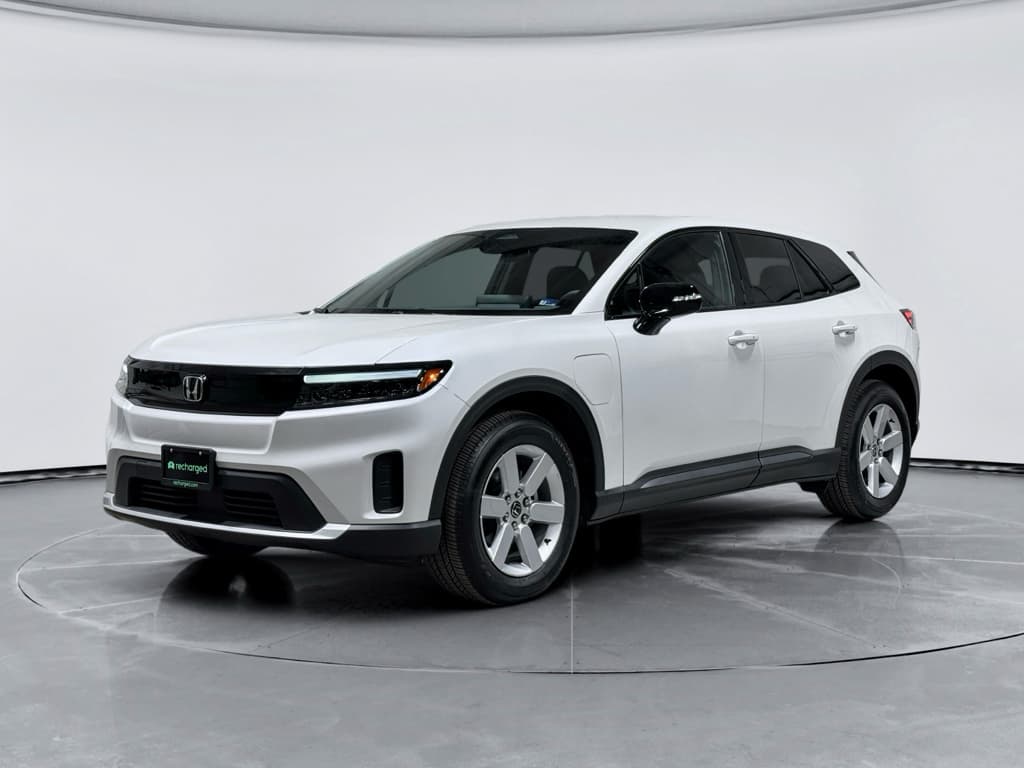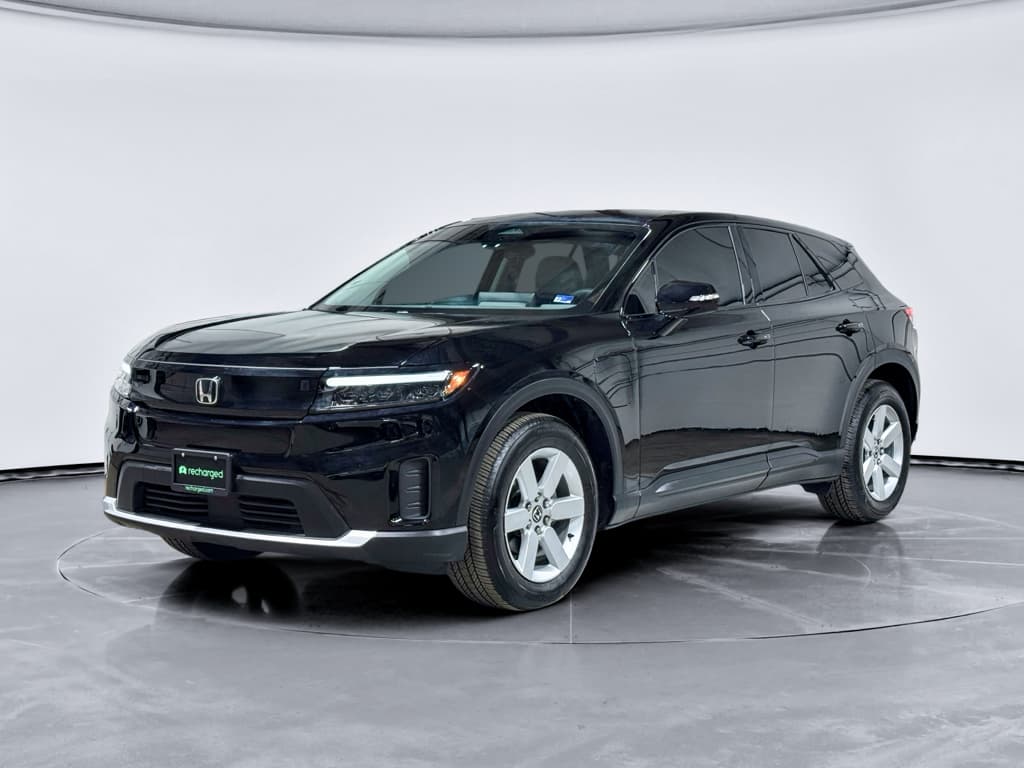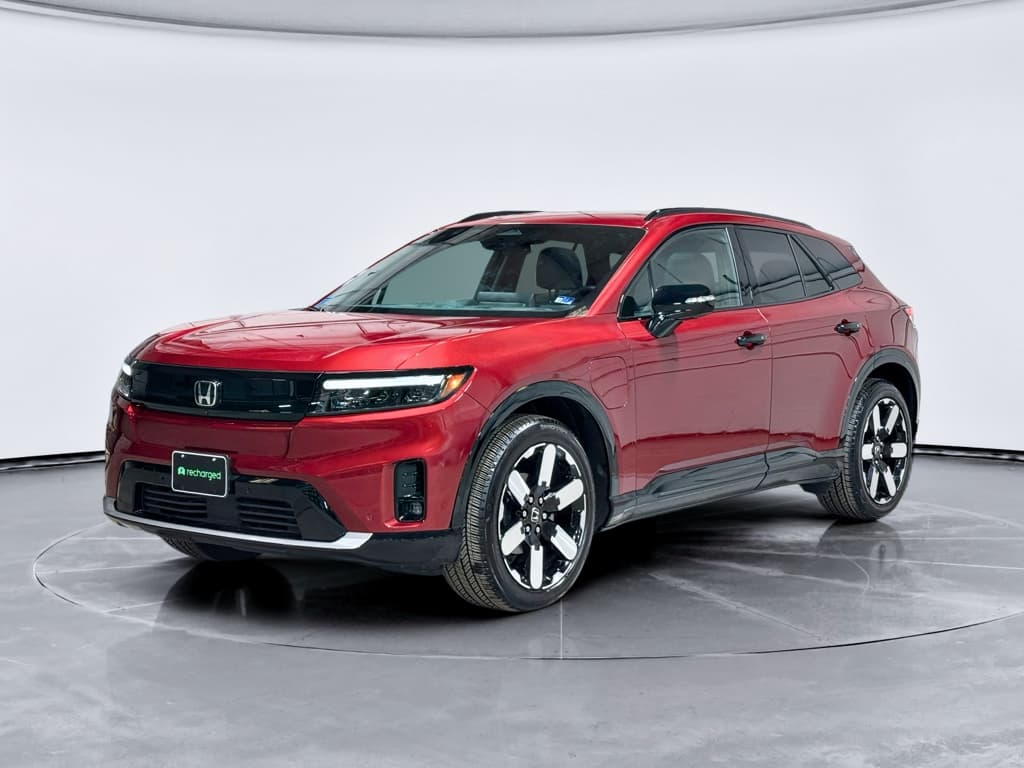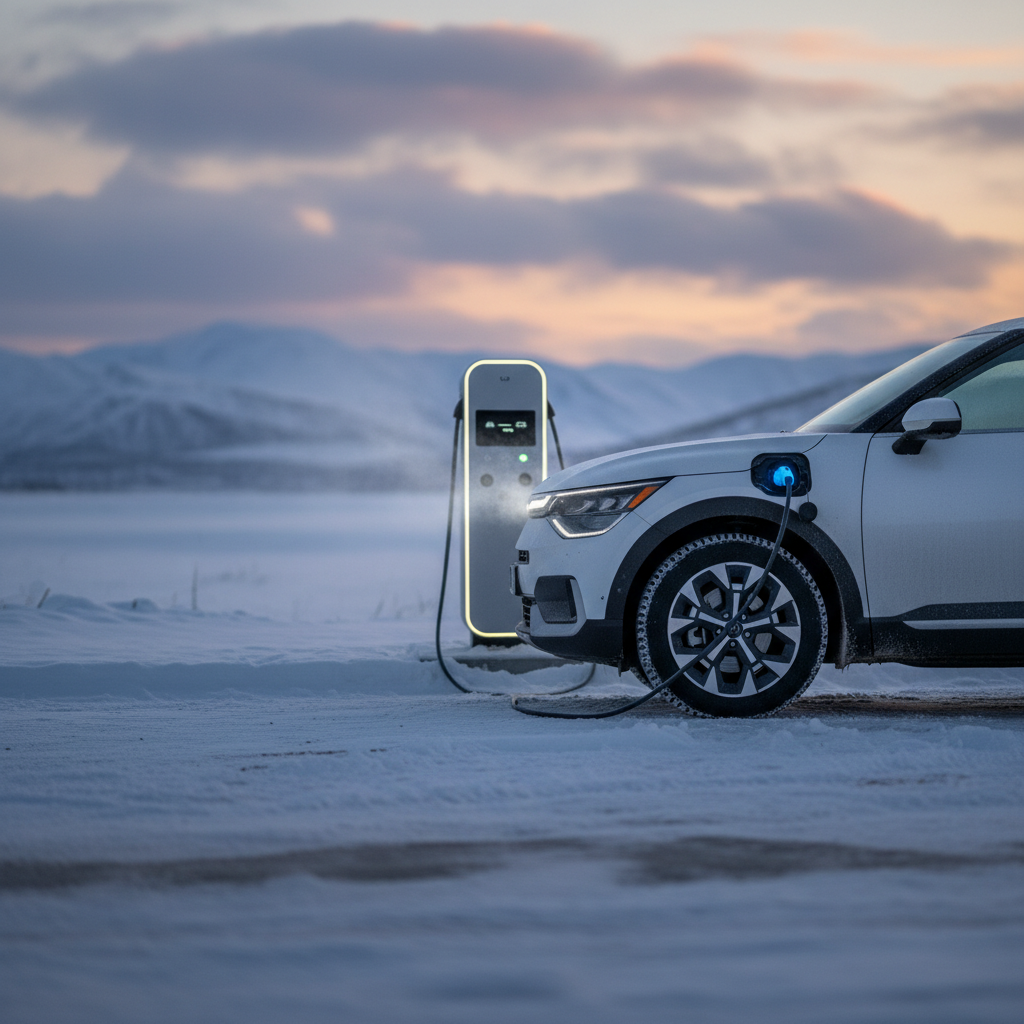
If you’re looking at a Honda Prologue, you’re probably wondering what it **really** costs per mile to drive compared with a gas SUV. The good news: once you understand efficiency and electricity prices, the Honda Prologue cost per mile to drive is easy to estimate, and in most cases, dramatically lower than a comparable gasoline crossover.
Quick answer
Why Honda Prologue cost per mile matters
MSRP and monthly payments get the headlines, but what quietly eats budgets is **energy cost per mile**. With the Prologue, your “fuel” is electricity instead of gasoline, so the math changes. Understanding your true per‑mile cost helps you decide whether the Prologue pencils out versus a CR‑V, Pilot, or other midsize SUV, and how much you stand to save over 5–10 years of driving.
- Helps compare Prologue vs gas SUVs on equal footing
- Shows how much home charging can save versus public fast charging
- Reveals why your real-world cost may differ from EPA window-sticker numbers
- Makes it easier to budget for road trips and daily commuting
Think in total cost of ownership
Honda Prologue efficiency and battery basics
To estimate the Honda Prologue cost per mile to drive, you first need to know how much energy it uses to move a mile. In EV terms that’s “miles per kWh” or its EPA MPGe rating translated into kWh per 100 miles.
Key Honda Prologue efficiency specs
Numbers you need before you do the math
Battery & size
- Usable battery capacity: roughly low- to mid‑80s kWh (varies slightly by trim)
- Mid-size, two‑row SUV footprint
EPA efficiency
- Combined MPGe in the low 100s
- Equivalent to about 29–33 kWh per 100 miles
Real‑world range
- Highway road tests typically see 220–260 miles per charge
- City and mild weather can do better than that
Put simply, most Prologue drivers can expect something in the ballpark of 3.0 miles per kWh in mixed driving when conditions are good, and closer to 2.3–2.7 miles per kWh on fast highways, in cold weather, or with heavy loads. We’ll use 3.0 mi/kWh as a friendly, realistic starting point for daily driving.
Cold weather cuts efficiency
Home charging: Honda Prologue cost per mile
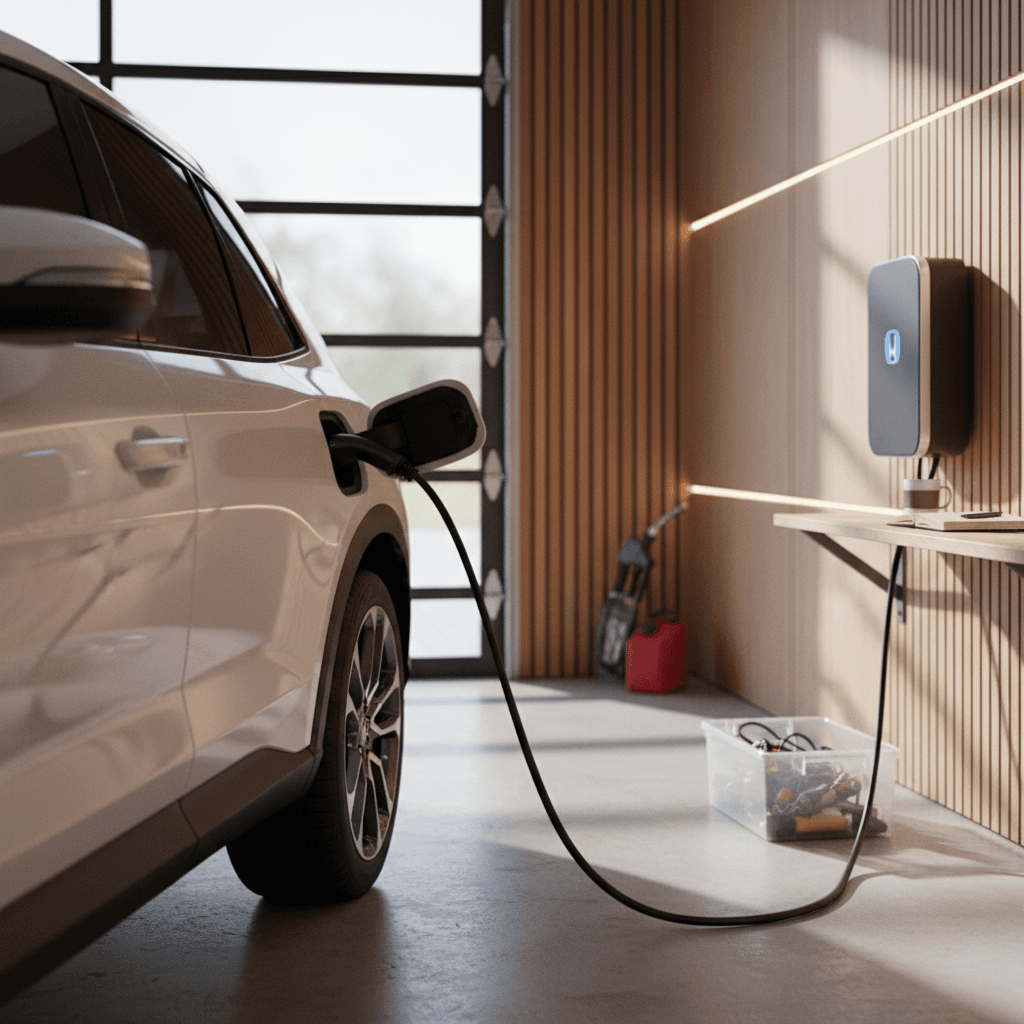
Most Prologue owners will do the bulk of their charging at home. That’s where the car is cheapest to run and where EVs really separate themselves from gas vehicles on cost per mile.
Typical U.S. home charging assumptions
Here’s the simple formula you can use for home charging: Home cost per mile = (Electricity price per kWh) ÷ (Miles per kWh)
Honda Prologue home charging cost per mile
Example scenarios using common U.S. electricity rates and Prologue efficiencies.
| Scenario | Electricity price (¢/kWh) | Efficiency (mi/kWh) | Energy cost per mile |
|---|---|---|---|
| Efficient driver, cheap power | 13¢ | 3.2 | $0.04/mi |
| Typical U.S. rate, good efficiency | 17¢ | 3.0 | $0.06/mi |
| Higher‑cost state, average efficiency | 22¢ | 2.7 | $0.08/mi |
| High‑cost state, winter driving | 30¢ | 2.3 | $0.13/mi |
Use your own cents/kWh and mi/kWh to refine these estimates.
Why a Level 2 charger pays back fast
Public fast charging cost per mile
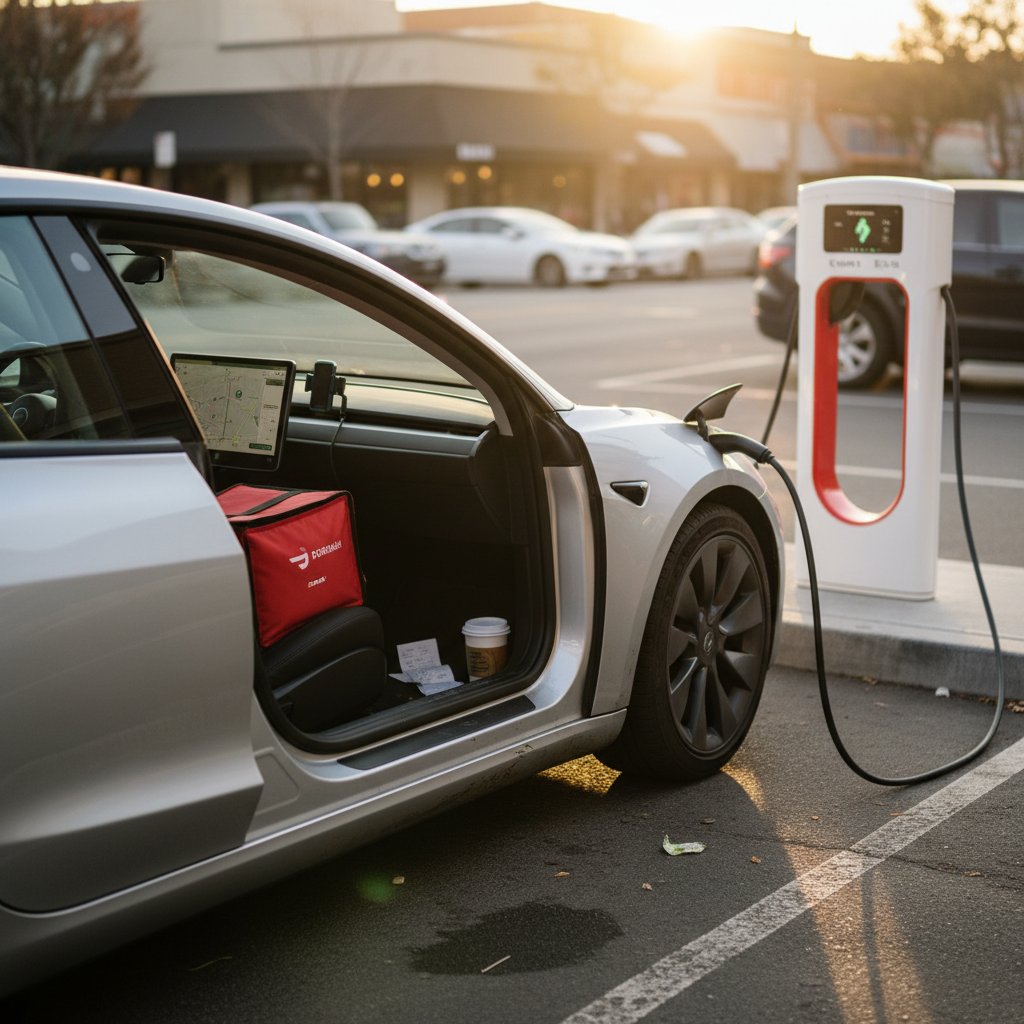
If you lean on public DC fast chargers, on road trips or because you can’t install home charging, the cost per mile goes up. You’re paying for convenience, speed, and the expensive hardware behind those stations.
Many U.S. DC fast‑charging networks today advertise prices anywhere from the high‑30‑cent range to well over 60¢ per kWh, depending on membership plans and location. Let’s work with a simple mid‑range number of $0.45 per kWh as a representative pay‑as‑you‑go price.
Honda Prologue DC fast charging cost per mile
Example cost per mile when you depend on public DC fast charging.
| Scenario | Fast‑charge price ($/kWh) | Efficiency (mi/kWh) | Energy cost per mile |
|---|---|---|---|
| Moderate pricing, good efficiency | $0.40 | 2.8 | $0.14/mi |
| Typical pricing, average efficiency | $0.45 | 2.5 | $0.18/mi |
| Expensive station, winter road trip | $0.55 | 2.1 | $0.26/mi |
Actual prices vary by network, membership, and region.
Fast charging is for convenience, not savings
Honda Prologue vs gas SUV cost per mile
To understand whether the Honda Prologue cost per mile to drive is “good,” you have to compare it to a realistic gas alternative. Think of something like a Honda Passport, CR‑V Hybrid, or a similar midsize crossover from another brand.
Gas SUV fuel cost per mile
Let’s use round, realistic numbers for a midsize SUV:
- Real‑world fuel economy: 25 mpg
- Gas price: around $3.50–$4.00 per gallon in recent averages
Cost per mile formula:
Gas cost per mile = Gas price ÷ MPG
At $3.75/gal and 25 mpg:
$3.75 ÷ 25 = $0.15 per mile
Comparing to the Prologue
Now put that next to the scenarios we calculated:
- Prologue, home charging in typical state: ≈ $0.06/mi
- Prologue, home charging in high‑cost state: ≈ $0.08–$0.13/mi
- Prologue, heavy fast‑charging: ≈ $0.18–$0.26/mi
For a driver doing 12,000 miles per year:
- Gas SUV at $0.15/mi: $1,800/year
- Prologue home‑charged at $0.06/mi: $720/year
That’s roughly $1,000–$1,100 in annual energy savings if you mostly charge at home.
Home charger + Prologue vs gas
What actually changes your cost per mile
The numbers above are averages. Your personal Honda Prologue cost per mile to drive will move up or down based on how and where you use the car. Think of cost per mile as the intersection of three variables: efficiency, electricity price, and charging mix.
Six big levers on your real cost per mile
You control more of this than you might think
Where you live
Residential electricity ranges from under 13¢/kWh in some states to over 30¢ in others. Same Prologue, very different cost per mile.
Your driving style
80 mph on the interstate, big wheels, roof box, and aggressive acceleration can push you toward 2.0–2.3 mi/kWh. Calm city driving might deliver 3.3–3.5 mi/kWh.
Climate & seasons
Cold winters and scorching summers both hurt efficiency. Cabin heat and high‑speed AC use more energy per mile.
Time-of-use rates
Some utilities offer cheap overnight EV rates. If you can schedule charging off‑peak, your cost per mile can drop dramatically.
Home vs public mix
A commuter who charges 90% at home will see radically lower cost per mile than a city apartment dweller living on public fast charging.
Battery & tires health
Low tire pressure, misalignment, or a dragging brake caliper can steal efficiency. Battery health itself has a smaller impact but still matters at the margins.
Simple habits that lower your cost per mile
How to calculate your own Honda Prologue cost per mile
Rather than trusting any one estimate online, you can measure your own Honda Prologue cost per mile to drive using a few weeks of real‑world data. All you need is your utility bill, your odometer, and either your car’s energy screen or your EVSE’s kWh readout.
Step‑by‑step: dial in your personal cost per mile
1. Find your true electricity rate
Look at your last electric bill and divide the <strong>total amount due</strong> (including all taxes and fees) by total kWh used. That’s your real cost per kWh, not just the advertised energy rate.
2. Track kWh used for charging
Use your wall charger’s app or the Prologue’s trip energy screen. Over a month, record how many kWh went into the car at home.
3. Track miles driven in that period
Reset one of your trip odometers, or log your odometer on the day you start and end. The difference is miles driven on that electricity.
4. Calculate your miles per kWh
Divide miles driven by kWh used for charging in that period. This gives your actual mixed‑driving efficiency for your routes and climate.
5. Calculate home cost per mile
Take your real cents/kWh from step 1, convert to dollars, then divide by your miles per kWh from step 4. That’s your true home‑charging cost per mile.
6. Add in public charging if relevant
If you did DC fast‑charging sessions, multiply each session’s kWh by its price/kWh, then divide total dollars spent on public charging by the miles traveled on those sessions. Blend that with your home cost per mile using your actual use mix.
A shortcut if you’re still shopping
Cost per mile on a used Honda Prologue
If you’re thinking about a used Honda Prologue, cost per mile raises two extra questions: has the battery degraded, and has the previous owner’s driving/charging habits hurt efficiency? The Prologue’s pack is designed to hold up well, but any used EV’s economics depend in part on battery health.
How battery health affects cost per mile
Two things matter here:
- Usable capacity: A smaller effective battery means more frequent charging stops but doesn’t directly change energy per mile.
- Efficiency: If software or hardware issues cause the car to use more kWh per mile, your energy cost rises.
In practice, modest battery degradation mostly shortens range rather than dramatically changing cost per mile, but it does change how convenient the car is to live with.
Where Recharged fits in
Every used EV sold through Recharged includes a Recharged Score Report with verified battery health and charging history insights. That makes it easier to:
- Estimate whether you’ll hit 2.5 vs 3.0 mi/kWh.
- Understand how a previous owner charged the pack.
- Compare real total cost of ownership with other EVs, and with gas SUVs.
If you’re cross‑shopping a used Prologue with, say, a used RAV4 Hybrid, that transparency is crucial for an apples‑to‑apples cost‑per‑mile comparison.
Don’t ignore tire and brake issues on used EVs
FAQ: Honda Prologue cost per mile to drive
Frequently asked questions
Bottom line: what to budget per mile
When you break the numbers down, the Honda Prologue cost per mile to drive is largely a story about where you charge and how you drive. Charge mostly at home and treat DC fast chargers as an occasional convenience, and you’re looking at roughly 5–7 cents per mile in energy costs, often less than half what a similar gas SUV will burn in fuel.
Lean on public fast charging and that advantage shrinks fast, but you still gain the smoother drive, instant torque, and lower routine maintenance that make EVs compelling in the first place. For many households, especially those with predictable commutes and a driveway or garage, the Prologue’s per‑mile savings add up to thousands of dollars over the life of the vehicle.
If you’re ready to see how a Prologue, or any EV, fits your budget, a used model with a verified Recharged Score can be a smart way to lock in low cost per mile without paying new‑car prices. Run the math with your local electricity rate, compare it to today’s gas prices, and you’ll have a clear, data‑driven answer on whether a Honda Prologue is the right move for your wallet and your daily life.