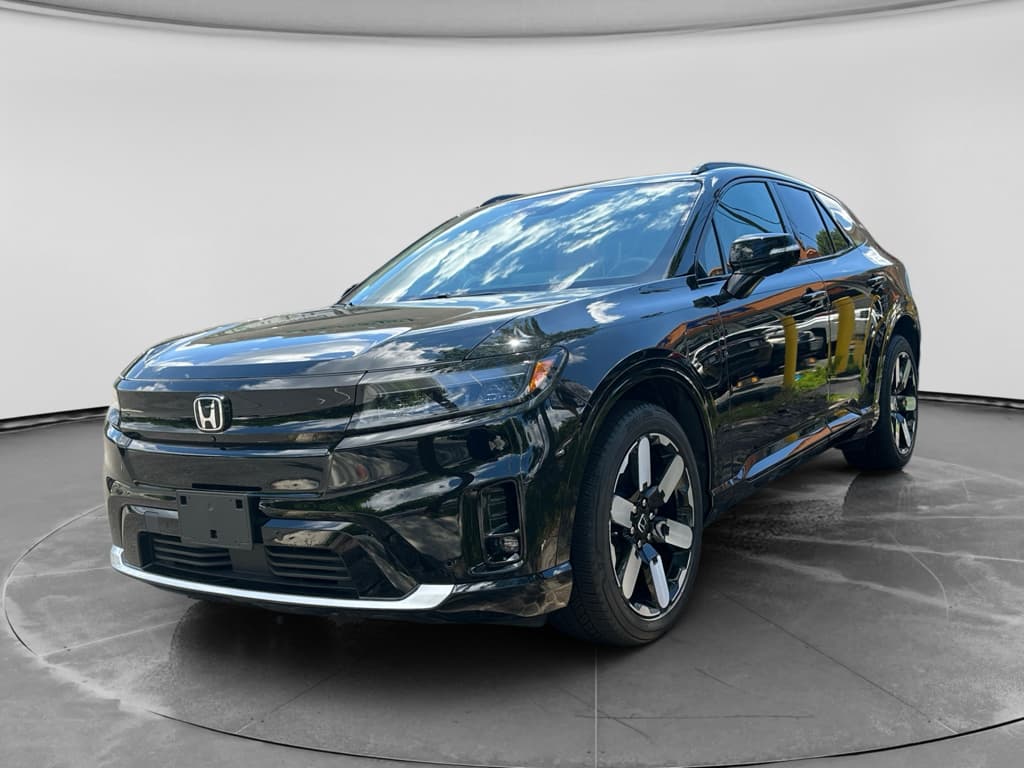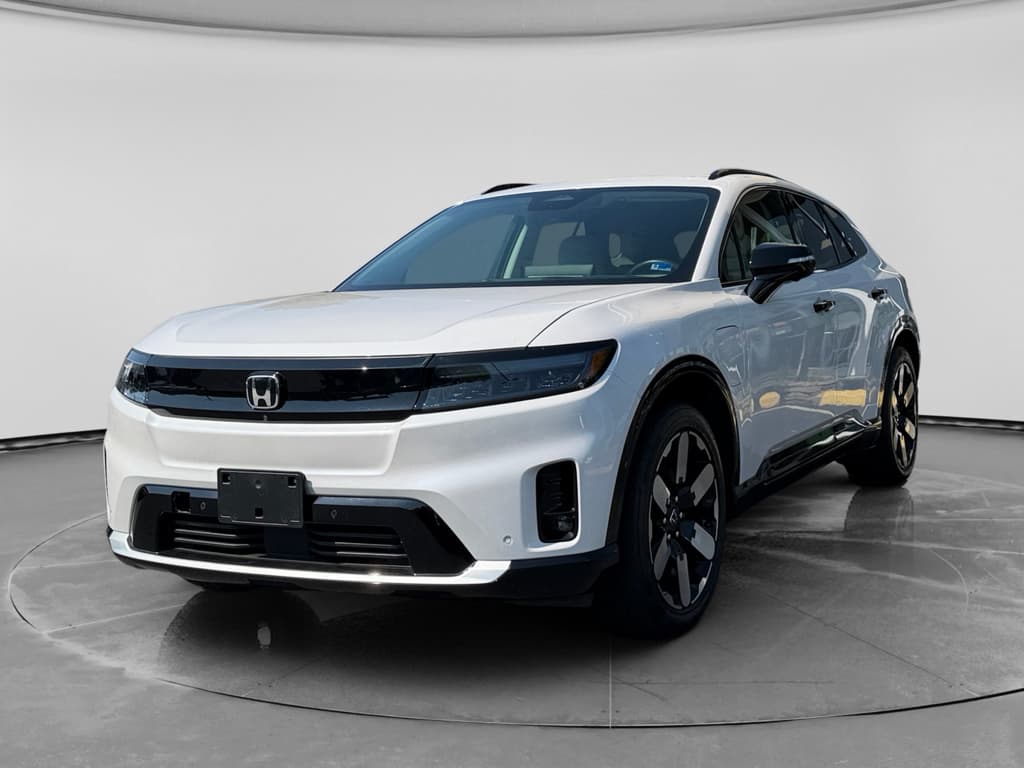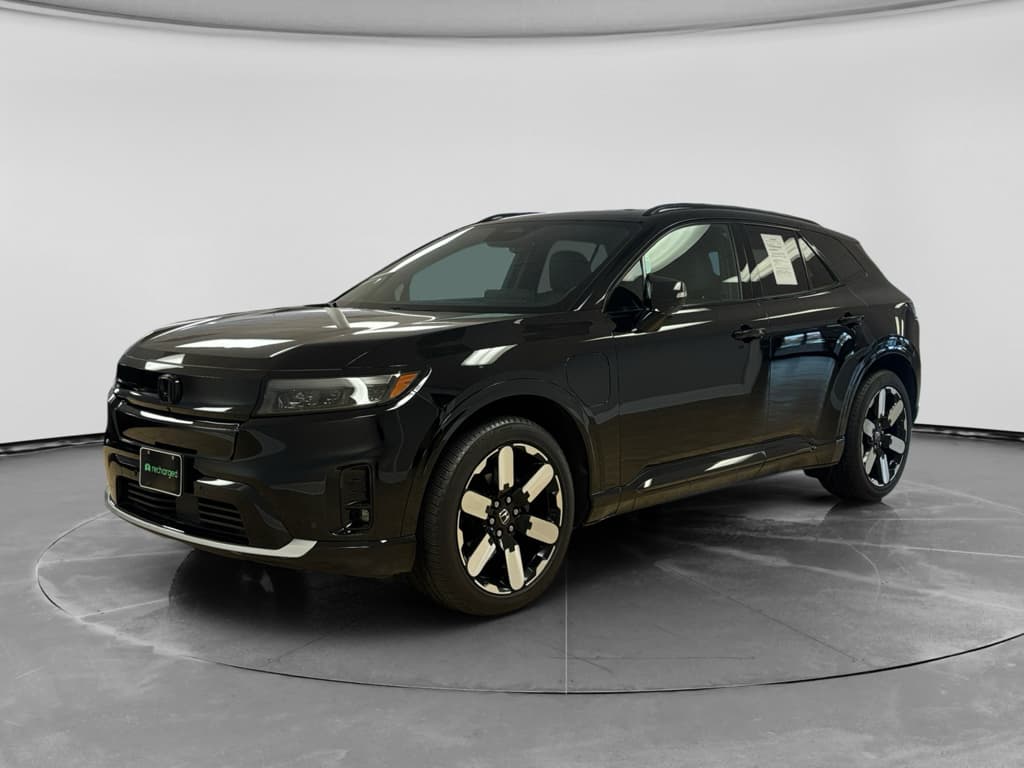
If you own, or are eyeing, a Honda Prologue, you’ve probably heard the whispers: phantom braking, “Service High Voltage System” warnings, CV axles clicking like castanets in a traffic circle. Being a first‑generation EV on a shared GM Ultium platform, the Prologue has all the makings of a classic early‑adopter car: terrific on paper, occasionally exasperating in practice. This guide walks through the most common Honda Prologue problems and fixes, how worried you should be, and how to shop a used Prologue with your eyes wide open.
Context: a rocky reliability debut
Honda Prologue reliability: what owners are really seeing
What the early numbers suggest
The Prologue is Honda’s first mass‑market EV built on GM’s Ultium architecture. It shares a lot of hardware and software DNA with the Chevrolet Blazer EV and Cadillac Lyriq, both of which have had their own launch drama. That mix of new platform, new software stack, and complex driver‑assist tech explains why the Prologue’s early reliability scores and complaint rates look rougher than the typical Honda crossover.
New model reality check
Quick list: the most common Honda Prologue problems
- Overly sensitive driver‑assist systems causing phantom braking, especially when reversing or in stop‑and‑go traffic.
- Clicking or knocking from the front end during low‑speed turns, often traced to CV axles or front suspension components.
- Intermittent or persistent “Service High Voltage System” warnings, sometimes paired with reduced power and charging failures.
- A suspension recall on certain 2024 models for a defective right front lower control arm that can fracture.
- Assorted infotainment and in‑car electronics glitches, wireless charger not working, cameras dropping out, warning chimes behaving oddly.
- Battery‑cooling or HVAC‑related faults that knock out cabin heat/AC while also derating performance.
How to use this guide
Problem 1: Phantom braking and touchy driver‑assist tech
One of the loudest themes in owner complaints is the Prologue’s overactive collision‑avoidance systems. You’ll see stories of the SUV slamming on the brakes while backing out of a driveway, or stabbing the binders at highway speeds with no obvious obstacle in front.
How phantom braking shows up in the Prologue
Most reports cluster around low‑speed maneuvers and light traffic, but highway surprises do happen.
Sudden full‑force stops in reverse
The rear automatic emergency braking system grabs hard when backing, even if there’s nothing behind you but open pavement.
Random braking at speed
Adaptive cruise control and front collision mitigation may trigger sudden deceleration on the highway, especially in gentle curves or near large trucks.
Frequent false alerts
You may see incessant collision warnings, cross‑traffic alerts, or “camera blocked” messages even on clear days.
Why this matters
Likely causes
- Calibration or software issues in the forward and rear radar/camera systems.
- Overly conservative tuning of the collision‑mitigation logic, especially in reverse.
- Sensor contamination, ice, heavy rain, crud on the radar cover or camera lenses.
- Interactions between adaptive cruise, lane‑keeping assist, and braking that get confused in complex traffic.
Practical fixes and workarounds
What to do if your Prologue keeps braking for ghosts
1. Log every incident
Write down date, mileage, speed, weather, and what the car did. If you can do so safely, snap dash screenshots or phone photos of alerts. This is gold if you ever need a lemon‑law or warranty case.
2. Check for software updates
Ask your dealer to confirm your Prologue is on the latest ADAS calibration and control‑unit software. Many early EV bugs are ironed out with updated code rather than hardware swaps.
3. Clean the sensors properly
Gently clean the windshield camera area, front radar panel, and rear bumper sensors. Avoid thick waxes or wraps over sensor areas, they can change how radar behaves.
4. Adjust or temporarily disable specific assists
Dive into the driver‑assist menu and adjust sensitivity or disable the most problematic feature (often reverse automatic braking) while you wait for a permanent fix. Don’t just turn everything off and forget; the safety net is valuable when it works.
5. Escalate with Honda if dealer shrugs
If your store says “can’t reproduce” but the behavior continues, open a case with Honda customer care and reference your incident log. Multiple documented visits help if you later pursue lemon‑law relief.
Good sign
Problem 2: CV axle clicking and steering noises
Next up: the click‑click‑click you hear when pulling out of a parking space. Many 2024 Prologue owners report a sharp clicking or clunking noise at low speeds when turning the wheel sharply, especially after a few thousand miles. Dealers often trace this to front CV axles or related driveline/suspension parts.

- Clicking or popping sound when turning left or right from a stop.
- Noise that gets more obvious with light acceleration while the wheel is turned.
- Occasional steering that feels like it doesn’t smoothly self‑center after a tight turn.
- In rare cases, visible play or misalignment at the front wheel if a control arm or joint is failing.
Don’t drive forever on a sick axle
What typically fixes the noise
How dealers are addressing front‑end clicks
Inspection and road test
A technician drives the car with you to reproduce the noise, then checks CV boots, axle play, steering rack, and control arms on a lift.
CV axle replacement
Many owners report having one or both front axles replaced under warranty. Parts availability has occasionally lagged, so ask about timelines and loaner coverage.
Control arm or bushing repair
If the noise tracks more to suspension geometry, and your VIN falls within the control‑arm recall range, the dealer may replace additional front‑suspension hardware.
Re‑torque and lubrication
In a handful of cases, cleaning and properly torquing axle nuts or lubricating specific contact points has reduced low‑speed creaks and clicks.
For a used‑Prologue shopper, the test is easy: find a big parking lot, do several slow 90‑degree turns from a stop, then a few tight circles in each direction. Any rhythmic clicking from the front corners goes straight onto your negotiation notepad.
Problem 3: “Service High Voltage System” and charging failures
If phantom braking is scary, the Prologue’s most infamous quirk is existential: dash messages like “Service High Voltage System” and “Reduced Acceleration, Drive With Care,” often combined with the car refusing to fast‑charge or even Level 2 charge properly. Some owners also lose cabin heat or AC when this happens, because the battery‑cooling hardware sits at the crossroads of those systems.
Typical symptoms
- “Service High Voltage System” message on the cluster.
- “Reduced Acceleration” or limp‑mode behavior, sluggish response, capped speed.
- Charging session stops early or won’t start at all, even on a known‑good charger.
- No cabin heat or AC, especially in cold or wet weather.
What’s often behind it
- Faulty valve or component in the battery‑cooling circuit.
- High‑voltage battery or contactor fault detected by the BMS.
- Charging‑port damage or overheating.
- Software that’s oversensitive to transient sensor or voltage readings.
High‑voltage issues are not DIY territory
Immediate steps if you get the warning
What to do when your Prologue throws a high‑voltage error
1. Safely pull over and power‑cycle
If the car is still drivable, pull to a safe spot, shift to Park, power it down completely, wait a few minutes, then restart. Sometimes a transient sensor freak‑out clears. Don’t ignore it if it returns.
2. Check your charger and cable
If this started during charging, stop the session. Try a different Level 2 charger or port if you can, and visually inspect the inlet for discoloration or melting.
3. Call roadside assistance, not just a tow truck
Use Honda’s roadside number so the car goes directly to an authorized EV‑trained dealer. Explain that you have a high‑voltage warning and reduced performance, not just a dead 12‑V battery.
4. Ask for a printed diagnostic report
Request copies of any DTCs (diagnostic trouble codes) and the tech’s notes. This paper trail is important if the car needs multiple visits for the same issue.
5. Push for root‑cause repair, not just code clearing
If you hear “we reset it, you’re good,” press for an explanation of what component actually caused the fault, especially if cabin heat or charging capability has been affected more than once.
Document, document, document
Problem 4: Suspension recall and related structural complaints
By late 2024, Honda had issued at least one official recall for the Prologue, focused on a defective right front lower control arm that can fracture. If that sounds dramatic, it is: worst case, a failed control arm can cause you to lose control of the front wheel entirely.
Key recall to know about on the Honda Prologue
Always run a VIN check at the dealer or via NHTSA before you buy, or if you haven’t checked your own Prologue recently.
| Issue | Model year(s) | What can happen | Dealer fix | Cost to owner |
|---|---|---|---|---|
| Right front lower control arm defect | 2024 | Arm can fracture, potentially leading to loss of steering control. | Inspect and replace the right front lower control arm where necessary. | $0 (recall repair). |
Recall information summarized for owner reference only; always confirm details with Honda or NHTSA.
Separate from the official recall, a few owners have reported trim or bumper separation on the right side and general front‑end looseness. It’s not clear yet whether those are isolated build‑quality blips or part of the same parts‑supply story, but if you feel anything unsettling from the front right, get it inspected immediately.
How to check your recall status
Problem 5: Infotainment and in‑car electronics glitches
Compared with high‑voltage faults, the Prologue’s infotainment and gadget issues are small change, but they’re the kind of everyday friction that makes people sour on a car. Complaints cluster around the wireless phone charger that refuses to charge, glitchy Apple CarPlay/Android Auto sessions, camera blackouts, and random warning lights that don’t correspond to any real‑world issue.
- Wireless charging pad not recognizing phones or charging very slowly.
- Backup camera or surround‑view system failing intermittently, especially in wet weather.
- Random chimes and warnings that vanish on restart, with no stored code.
- Laggy Google‑built‑in infotainment, frozen maps, or dropped Bluetooth calls.
Low‑drama fixes you can try first
When it’s worth a dealer visit
Book an appointment if you see repeat camera failures, inoperative safety‑critical alerts, or anything that impacts your attention while driving. Those are safety issues, not convenience gripes, and should be evaluated under warranty. Take photos or short videos when the issue appears so you’re not just describing a ghost to your service advisor.
DIY vs dealer: what you can fix, and what you shouldn’t
Reasonable DIY territory
- Sensor cleaning: Keeping cameras, radar, and parking sensors free of mud, snow, and thick waxes.
- Infotainment resets: Rebooting the system, deleting and re‑adding phones, updating apps.
- Basic inspections: Listening for front‑end noise in a parking lot, checking tires for uneven wear, visually spotting bumper misalignment.
- 12‑V battery & fuses: If a specific accessory dies (USB ports, interior lights), checking fuses and low‑voltage circuits is reasonable for an experienced DIYer.
Leave these to pros
- Any high‑voltage warning: “Service High Voltage System,” reduced‑power messages, or no‑charge faults.
- Brake or steering anomalies: Phantom braking, steering that won’t self‑center, clunks over bumps, or anything tied to the control‑arm recall.
- Airbag, ABS, or stability control lights: These systems share sensors with EV traction and regen braking; best left to EV‑trained techs.
- Battery‑cooling and HVAC faults: Loss of heat/AC tied to high‑voltage errors needs proper tools and safety procedures.
Mind your warranty
Shopping used? How to screen a Honda Prologue for problems
Because the Prologue is so new, many used examples are coming off short leases or early trade‑ins from owners who didn’t want to be beta testers. That doesn’t make the Prologue a bad used buy, but it does mean you should be picky and data‑driven.
Pre‑purchase checklist for a used Honda Prologue
1. Pull the full service and recall history
Ask the seller for dealer service records and run the VIN through Honda and NHTSA recall tools. Multiple visits for the same high‑voltage or ADAS issue are red flags unless there’s clear documentation of a permanent fix.
2. Drive it like you own it for an hour
Don’t settle for a five‑minute spin. Do tight parking‑lot maneuvers to listen for axle clicking, a 65–70 mph highway run to feel for phantom braking or lane‑keeping weirdness, and at least one hard stop to check for straight, stable braking.
3. Plug it in to Level 2 and DC fast charge
If possible, test both home‑style Level 2 and a public DC fast charger. Watch for high‑voltage warnings, sessions that stop early, or inlets that feel excessively hot.
4. Check battery health, not just range guesses
On a Prologue, or any used EV, ask for a professional battery‑health report. At Recharged, every vehicle gets a Recharged Score with verified pack health so you’re not guessing based on a dashboard range estimate.
5. Scan for warning lights and stored codes
Before you sign, have a shop or dealer scan for stored trouble codes. Intermittent high‑voltage or ADAS faults often leave digital breadcrumbs even when the dash is quiet.
6. Confirm remaining warranties and coverage
Get in writing how much factory bumper‑to‑bumper and battery/EV‑component warranty you have left, and whether any extended coverage or buy‑back history applies to the VIN.
How Recharged can help
Honda Prologue problems: FAQ
Frequently asked questions about Honda Prologue problems
Final thoughts: is a Honda Prologue worth it, especially used?
The Honda Prologue is a handsome, spacious, long‑range EV built on serious hardware, but its first‑years are not the bulletproof Honda experience many buyers expected. Common problems center on software‑heavy systems and front‑end hardware, the very things that separate a serene, modern EV from a nervous one. If you already own a Prologue, your best move is to stay on top of software updates, treat high‑voltage warnings with urgency, and document any pattern failures.
If you’re shopping used, don’t let the horror stories scare you away from every Prologue; let them sharpen your filter. Look for a car with clean records, quiet axles, drama‑free charging, and plenty of warranty life left, or lean on a specialist marketplace like Recharged, where battery health, pricing, and EV‑specific inspection results are transparent up front. In a young EV segment full of fast learners and early missteps, information is your real safety feature.