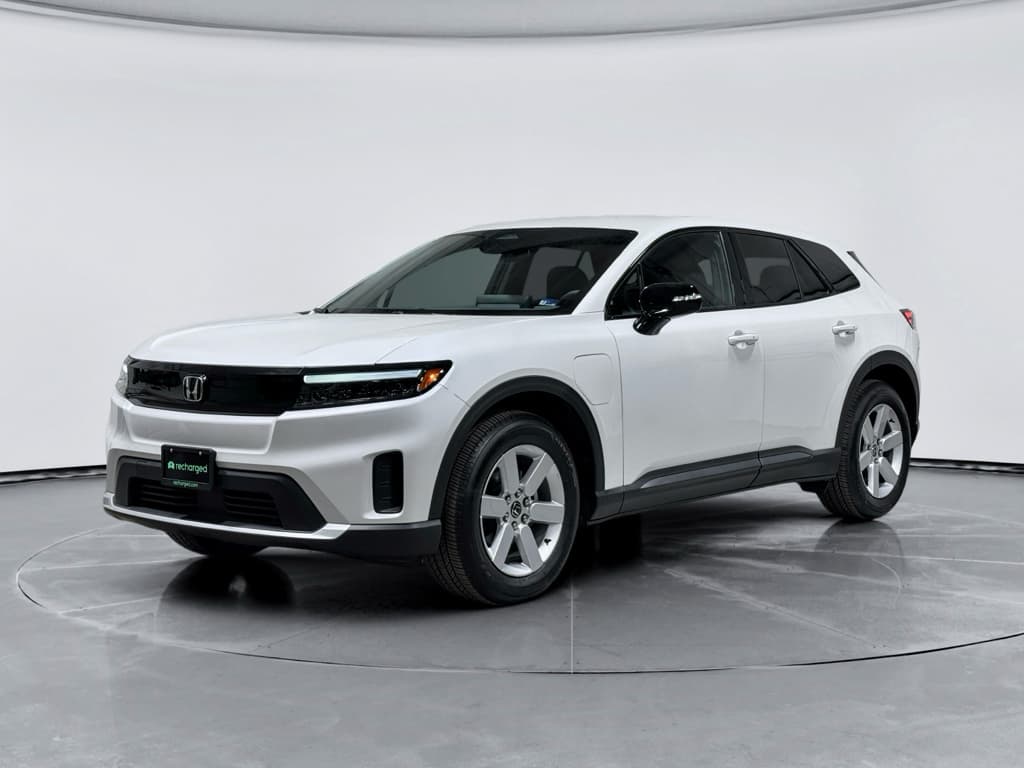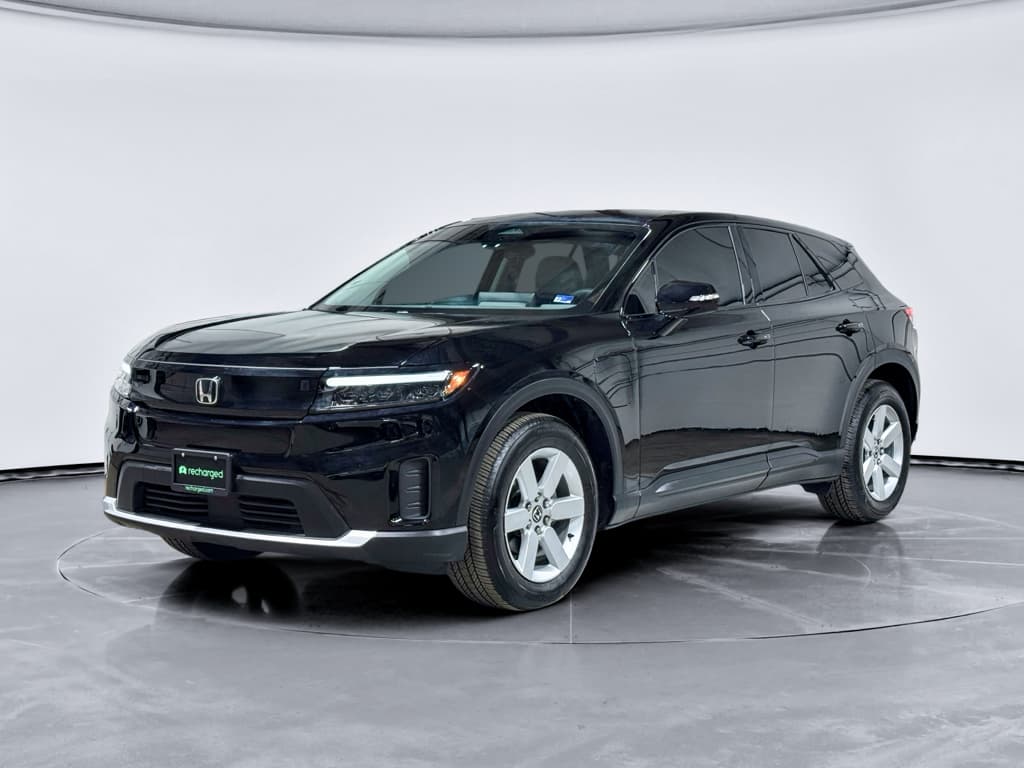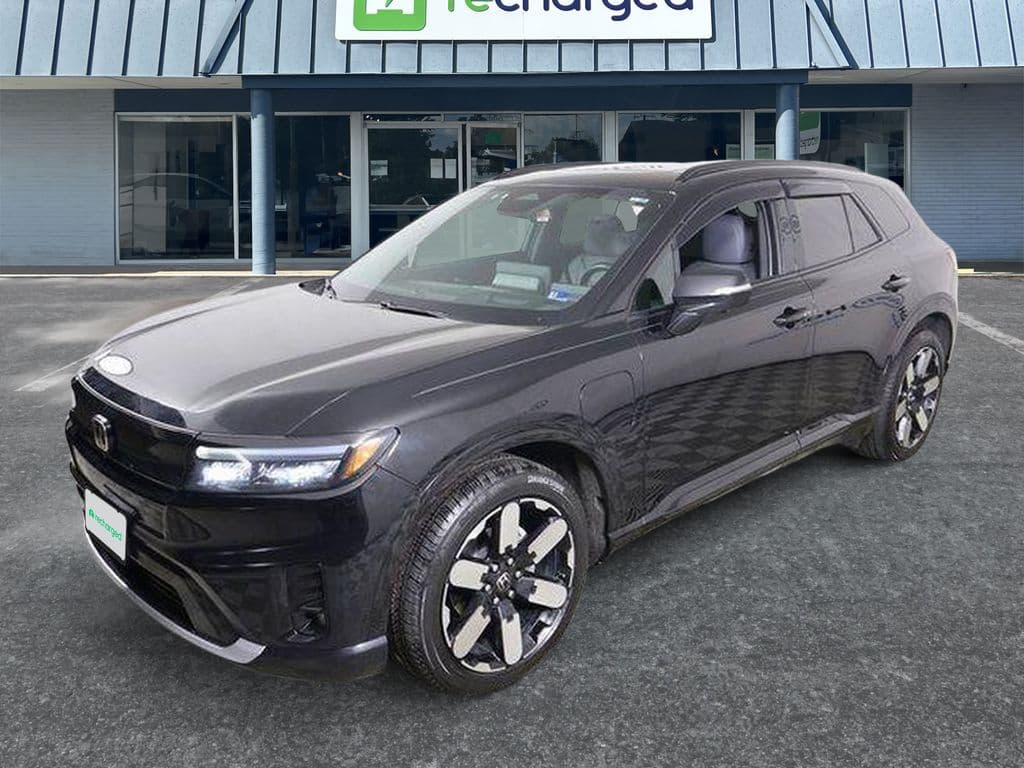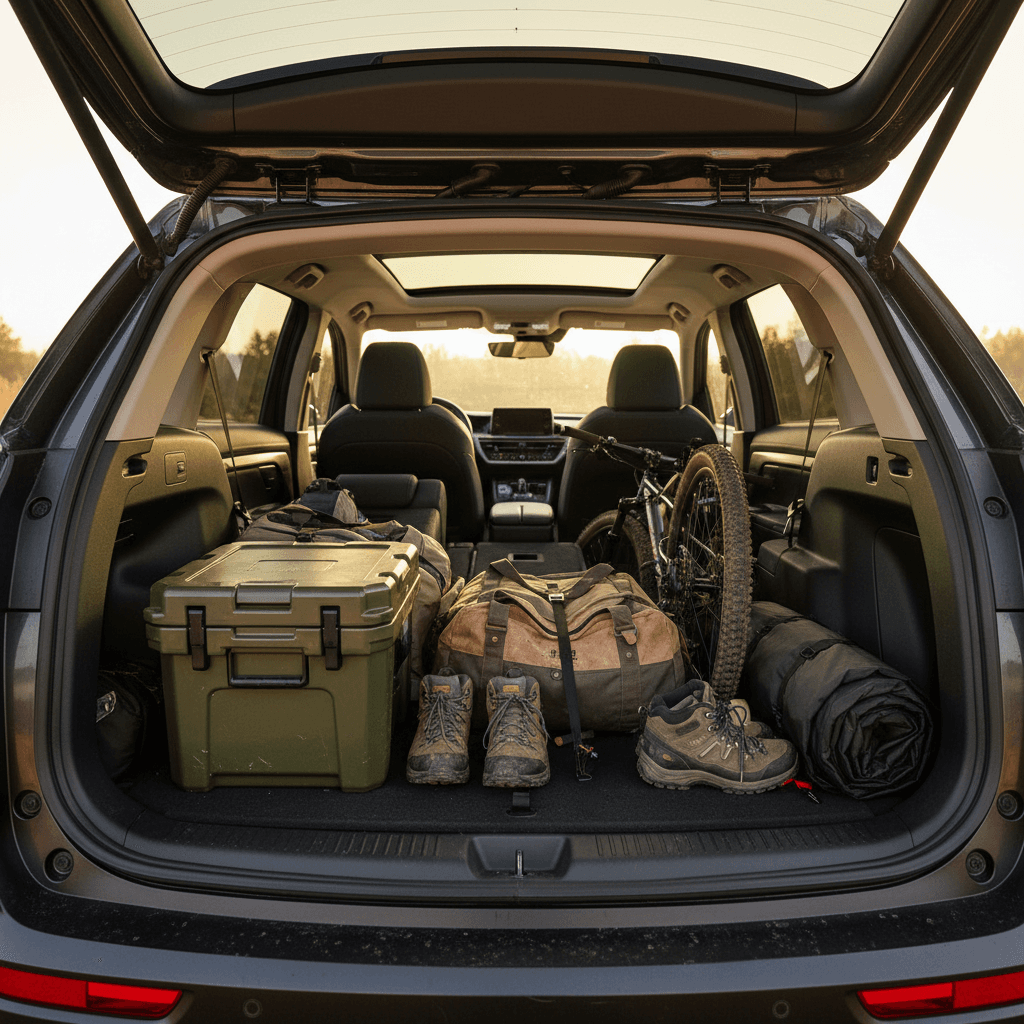
If you’re considering a Honda Prologue, you’re probably wondering how much **cargo space you actually get with the rear seats down**, and whether it’s enough for road trips, kid gear, or even sleeping in the back. On paper the Prologue is a big electric SUV, but its cargo numbers tell a more nuanced story.
Quick answer
Honda Prologue cargo space with seats down: the numbers
Honda publishes **rear cargo volume two ways**: with the back seat up and with it folded. For shoppers focused on flexibility, that “seats down” number is the one that matters most.
Honda Prologue cargo numbers at a glance
- EX (2WD/FWD): about 25.2 / 57.7 cu ft
- Touring & Elite (AWD): about 23.7 / 54.5 cu ft
Don’t confuse trims
Cargo space by trim and drivetrain (EX vs Touring vs Elite)
To make sense of the numbers, it helps to separate the Prologue lineup. The **EX** is the volume leader, especially in front‑wheel drive form. Step up to **Touring** or **Elite**, and you gain features but give up a little cargo room.
Approximate Honda Prologue cargo space by trim
How each Prologue trim compares for cargo space with seats up and seats down. Figures are rounded and may vary slightly by market and measurement standard.
| Trim / Drivetrain | Cargo seats up (cu ft) | Cargo seats down (cu ft) | Notes |
|---|---|---|---|
| EX FWD | ~25.2 | ~57.7 | Most cargo space in the lineup; no rear motor hardware eating into volume |
| EX AWD | ~25.2 | ~57.7 | Similar quoted volume to FWD in many references |
| Touring FWD | ~23.7–25.2 | ~54.5–57.7 | Depending on source, Touring trims may lose a few cu ft vs EX |
| Touring AWD | ~23.7 | ~54.5 | Typical real‑world figure quoted by dealers |
| Elite AWD | ~23.7 | ~54.5 | Highest trim, slightly less cargo space than base EX |
Max cargo volume (seats down) matters most if you’re frequently hauling bulky items or planning camping trips.
A note on measurements
How usable is the Honda Prologue cargo area with seats folded?
Volume is one thing. Day‑to‑day usability is another. The good news is that with the rear 60/40 split seats folded, the Prologue’s cargo area is **long, wide, and easy to load**. It’s not perfect though, and if you’re cross‑shopping, a few details matter.
Prologue cargo area: strengths and tradeoffs
What the numbers don’t tell you about living with the space
Wide hatch opening
Low liftover height
Mostly flat, slight incline
Honda and GM chose packaging that favors **rear‑seat passenger space and battery placement** over a cavernous cargo hold. That’s why some owners comment that for such a large footprint, the trunk seems modest. The tradeoff is that adults in the back seat have plenty of leg and shoulder room, even on long trips.
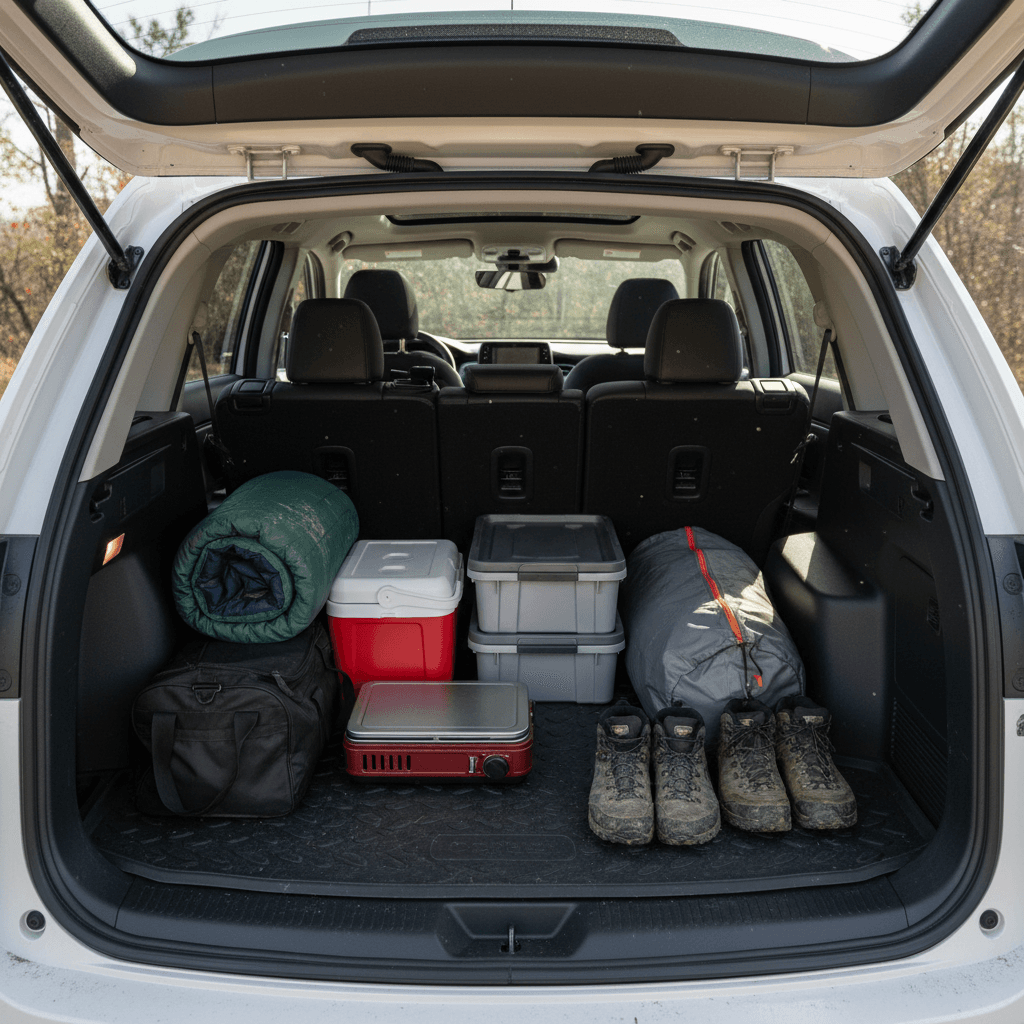
Think in shapes, not just cubic feet
Honda Prologue vs. Honda CR‑V: cargo space reality check
On the spec sheet, the Prologue is longer, wider, and rides on a much longer wheelbase than a CR‑V. You might expect it to crush the CR‑V in cargo space with the seats down. In reality, the opposite is true.
Honda Prologue vs. CR‑V: cargo space comparison
How the Honda Prologue’s cargo capacity stacks up against the popular CR‑V when you fold the rear seats.
| Model | Seats up (cu ft) | Seats down (cu ft) | Takeaway |
|---|---|---|---|
| Honda Prologue (most trims) | ~23.7–25.2 | ~54.5–57.7 | Comfortable cabin, respectable but not class‑leading cargo volume |
| Honda CR‑V | ~34.7 | Up to ~76.5 | Less wheelbase, but far more max cargo space and flatter floor |
Despite being physically smaller, the CR‑V delivers more total cargo room than the all‑electric Prologue.
So if you’re coming out of a CR‑V, or considering one as a backup plan, understand that the **Prologue gives you EV smoothness and range but not a cargo upgrade**. In absolute terms, 54–58 cubic feet with the seats down is plenty for most owners. It just isn’t the “haul anything” kind of space you get in a CR‑V or larger three‑row SUV.
When the smaller cargo bay is a dealbreaker
Real‑world use cases: strollers, bikes, camping and Costco runs
Specs are helpful, but you’re probably asking a more direct question: **will the Prologue handle my actual stuff**? Let’s walk through a few common scenarios owners ask about.
What fits in a Honda Prologue with seats down?
1. Suitcases and airport runs
With the back seat folded, you can easily handle <strong>4–5 full‑size suitcases</strong> plus soft bags. If you leave one side of the 60/40 seat up, you can still carry passengers and a pair of large roller bags, especially diagonally.
2. Strollers and kid gear
Most standard and jogging strollers fit rear‑to‑front with the seats up. With the seats down, there’s ample room for <strong>double strollers, Pack ’n Plays, and bins of toys</strong>. The challenge isn’t volume, it’s keeping things organized.
3. Bikes
With the front wheels off, one or two adult bikes fit inside with the seats down. The long wheelbase works in your favor here. If you ride frequently, you may still prefer a hitch rack to keep the interior clean.
4. Home‑improvement supplies
Lumber, flat‑pack furniture, and large boxes can slide in with the seats folded. Keep in mind the slight incline at the seatbacks: for very long, rigid items, you might end up resting one end between the front seats.
5. Dogs and pet crates
Fold the second row and you’ve got a substantial, fairly flat platform for **one or two medium to large dogs** or a large crate. An aftermarket cargo liner that covers the backs of the seats is a smart investment to prevent claw damage.
Where the Prologue shines
Can you sleep in the back of a Honda Prologue?
Many electric‑SUV shoppers quietly wonder the same thing: can I flatten the seats, roll out a mattress, and **camp inside the Prologue**? The short answer is yes, for the right body type and expectations.
Space for sleeping
- With the rear seats folded, most adults up to around 5’10”–6’0” can lie diagonally or with the front seats slid forward.
- The slight incline at the seatbacks means you’ll want a thicker air mattress or foam pad to level things out.
- Two adults can sleep back there, but it’s cozy, think car‑camping, not full‑on overlanding rig.
Comfort and practicality
- The Prologue’s EV drivetrain makes it ideal for **climate‑controlled camping**, as long as you manage battery charge smartly.
- Bring window shades and a dedicated cargo liner if you camp often; it keeps the light down and protects the interior.
- If camping is a major use case, test it in person with the mattress or pads you plan to use.
Test your camping setup before you buy
Tips to maximize Honda Prologue cargo space with seats down
Even if the Prologue isn’t the cargo king of Honda’s lineup, a few smart habits and accessories can stretch that 54–58 cubic feet much further in day‑to‑day life.
Practical ways to get more from the Prologue’s cargo area
Make the most of the space you have
Use stackable bins
Fold only what you need
Add a cargo liner
- Stow smaller, heavy items in the under‑floor compartments when available to keep the main floor clear.
- Keep a small tape measure and bungee cords in the cargo area so you can quickly decide how to load bulky purchases.
- If you regularly haul oversized items, consider a hitch‑mounted cargo tray or bike rack so you don’t have to rely solely on interior space.
Thinking about a used Prologue?
Is the Honda Prologue’s cargo space right for you?
By now you can see that the Prologue’s **cargo story is about “enough” rather than “excess.”** With the rear seats down, you get mid‑50s cubic feet of space, packaged in a long, usable floor with a wide hatch opening. For most families, that’s plenty for everything from weekly errands to long‑weekend road trips.
Great fit if…
- You prioritize EV driving, quietness, and smoothness over sheer cargo volume.
- Your typical loads are luggage, sports gear, groceries, or occasional DIY projects.
- You like the idea of camping in the car but don’t need van‑like space.
Maybe not ideal if…
- You’re replacing a CR‑V, Pilot, or minivan that you regularly pack to the roof.
- You haul multiple large dogs, furniture, or work tools every week.
- You want a truly flat, extra‑long floor for frequent in‑car sleeping without compromises.
The best way to decide is still hands‑on: fold the seats, bring the gear you care about most, and see how the Prologue handles it. If you’re shopping used, platforms like Recharged can pair that practical test with transparent battery‑health data and fair pricing, so your next EV fits both your lifestyle and your long‑term budget, not just your parking space.