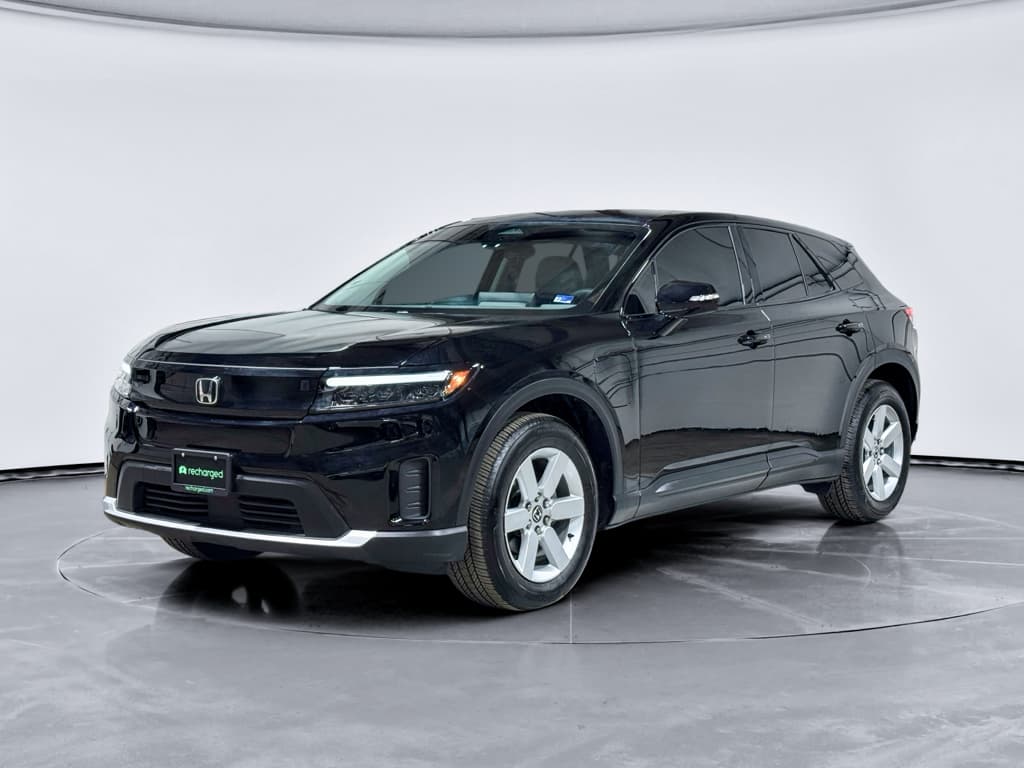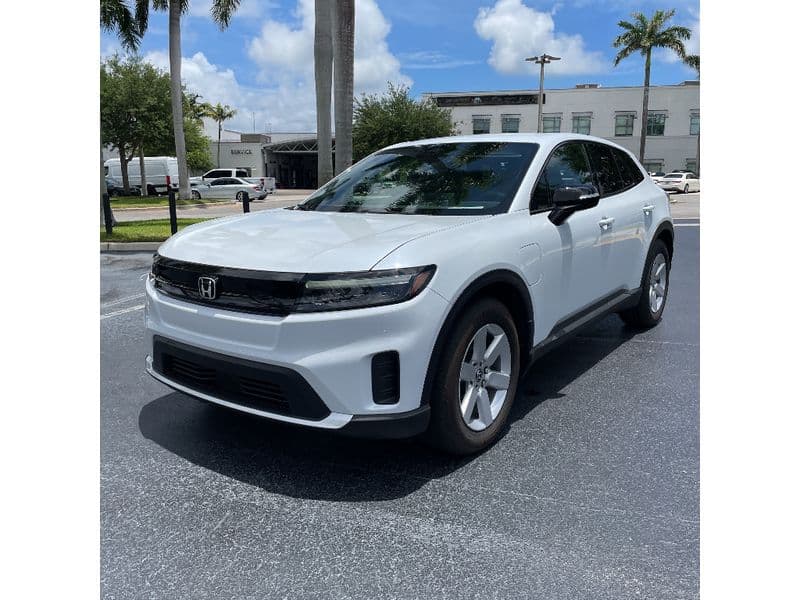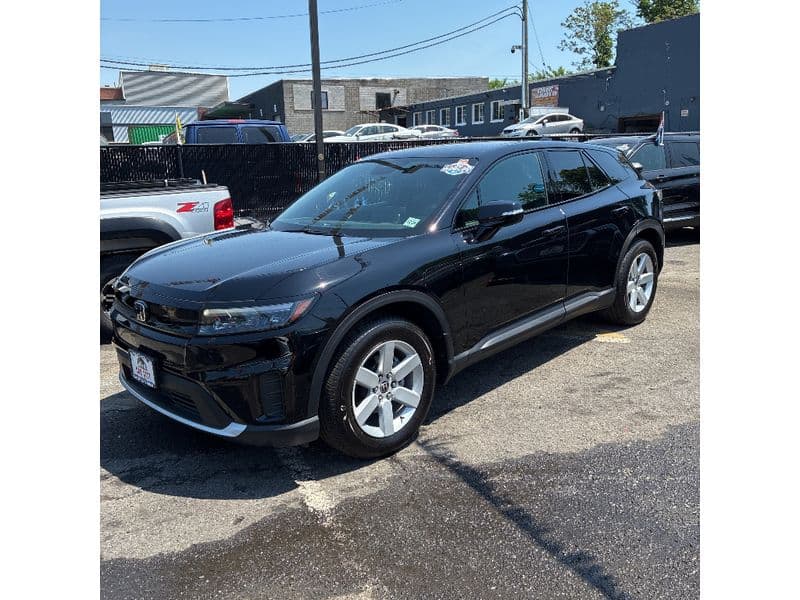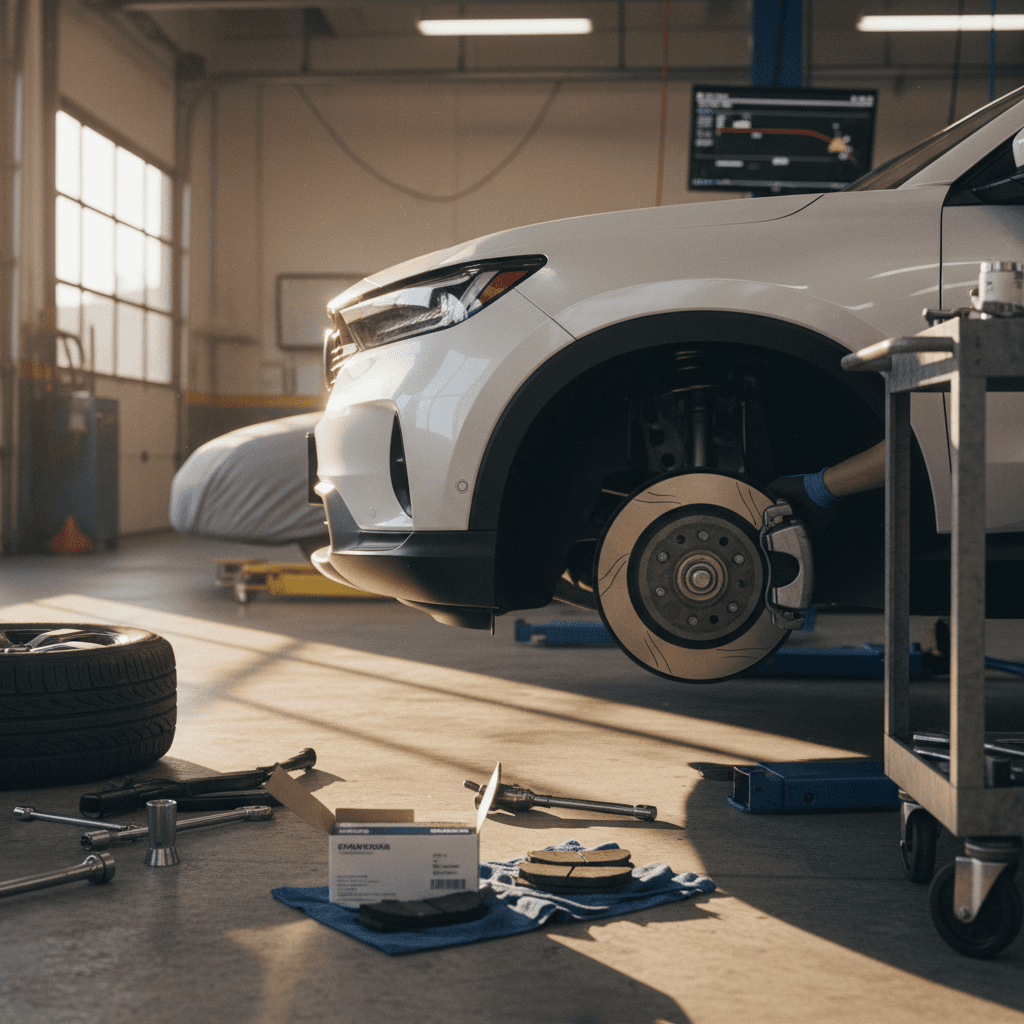
If you’re driving, or shopping for, a Honda Prologue, you already know the big win: almost no routine maintenance compared with a gas SUV. But you’ll still need brakes. Understanding typical Honda Prologue brake pad replacement cost helps you budget wisely, spot bad service quotes, and make smarter decisions if you’re considering a used Prologue.
Short answer
Quick overview: Honda Prologue brake pad replacement cost
Honda Prologue brake pad costs at a glance (2026)
Because the Prologue is a relatively new model, there isn’t a massive database of brake jobs specific to it yet. But it shares its size and mission with other midsize electric SUVs, and U.S. brake pricing in 2025–2026 for SUVs typically lands around $200–$400 per axle for pads at independent shops, and higher at dealerships for OEM parts and factory-trained techs. That’s the ballpark where Prologue pricing is settling in.
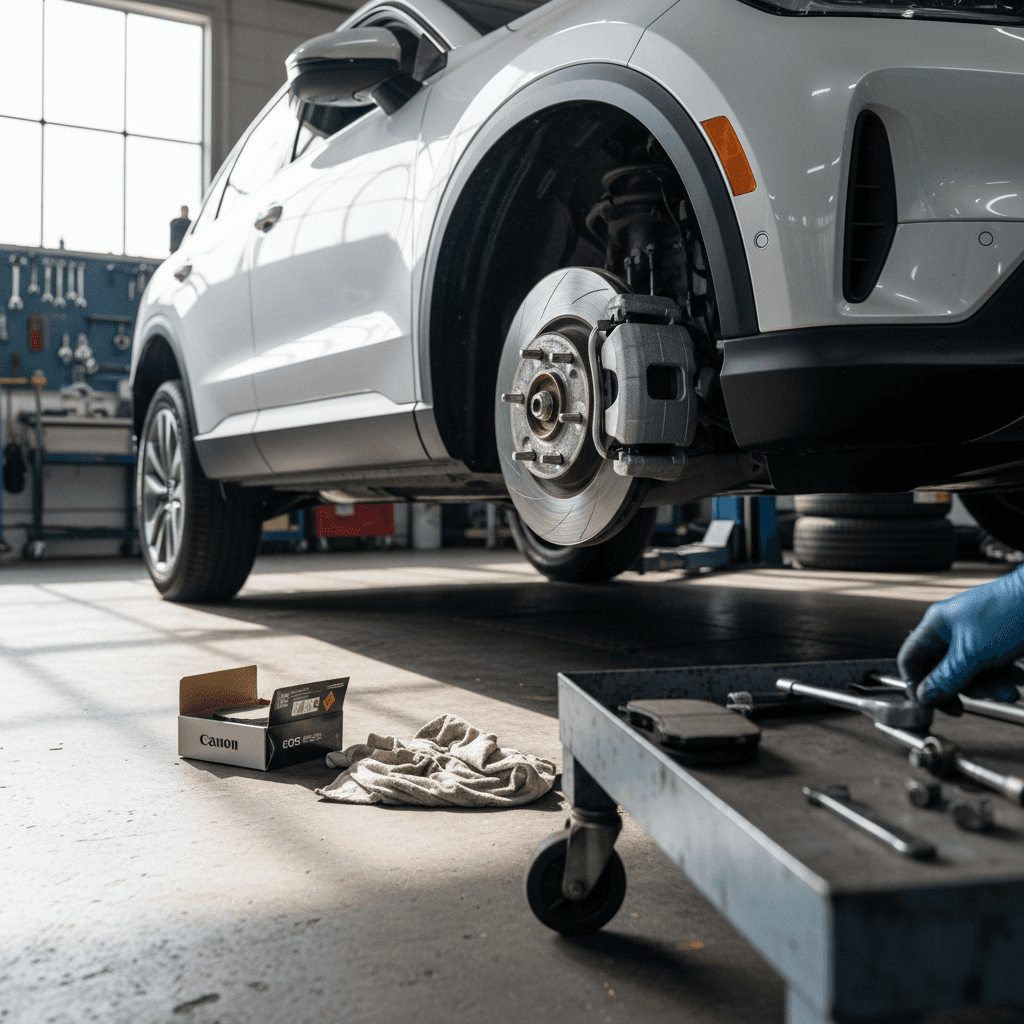
Why Honda Prologue brake pads usually last longer than gas SUVs
On a traditional SUV, brakes do almost all the stopping, so pads wear out every 30,000–50,000 miles for many drivers. Your Prologue plays by different rules. Like other EVs, it uses regenerative braking to slow the car by turning the drive motor into a generator. That means the physical pads and rotors step in mostly at low speeds or during hard stops.
- Less pad-on-rotor contact in normal driving, especially around town.
- More of your deceleration handled by the electric motor, not friction brakes.
- Many owners use one-pedal-style driving or strong regen modes, further reducing pad use.
- EV drivers tend to be more conscious of energy use, which often translates to smoother braking.
What owners are seeing so far
There is a flip side: because your pads and rotors are used less, they can be more prone to corrosion and sticking hardware, especially in wet or salty climates. That’s why Honda calls for regular brake inspections even though pad wear is slow, you want a tech cleaning and lubricating hardware before rust costs you a full pad-and-rotor overhaul.
Front vs rear brake pad replacement cost on a Honda Prologue
Brake pad pricing for the Honda Prologue is in line with other midsize crossovers: fronts cost a bit more and usually wear first, rears are slightly cheaper. Exact numbers depend on whether you choose OEM Honda pads or quality aftermarket parts, and where you live.
Typical Honda Prologue brake pad replacement cost per axle (2026, U.S.)
Estimated installed prices (parts + labor) at a competent independent shop and a Honda dealer. Taxes, shop fees, and extra work like rotors are additional.
| Service type | Where | Estimated cost (per axle) | What’s included |
|---|---|---|---|
| Front brake pads only | Independent EV-savvy shop | $250–$400 | New pads, hardware as needed, cleaning & lubrication of slide pins, basic test drive. |
| Front brake pads only | Honda dealer | $350–$550 | OEM Honda pads, inspection report, multipoint check, brake fluid top-off, warranty on parts & labor. |
| Rear brake pads only | Independent EV-savvy shop | $230–$380 | New pads and hardware where needed, cleaning & lubrication of rear components. |
| Rear brake pads only | Honda dealer | $330–$500 | OEM rear pads, inspection, documentation, plus software updates if required. |
| Pads + rotors, front axle | Independent EV-savvy shop | $450–$750 | Pads, rotors, hardware, cleaning & lubrication; often needed if rotors are rusted or scored. |
| Pads + rotors, rear axle | Honda dealer | $600–$900 | OEM pads and rotors, full brake service, plus inspection of parking brake function. |
These are realistic, not worst-case, numbers for a well-maintained Honda Prologue.
Why the range is wide
Honda dealer vs independent shop: where to service Prologue brakes
Honda dealership pros and cons
- Pros: Factory-trained techs, OEM parts, access to Honda EV service bulletins, and easy warranty coordination.
- Best for: Newer Prologues still under bumper-to-bumper or prepaid maintenance, complex brake or ABS issues, or when you want everything documented in Honda’s system.
- Cons: You’ll usually pay on the higher end of the ranges in this article, and dealer shops can be busy.
Independent EV-savvy shop pros and cons
- Pros: Often 15–30% cheaper on labor, more flexible on parts brands, and sometimes quicker to get an appointment.
- Best for: Out-of-warranty Prologues, routine pad/rotor work, and owners trying to keep long-term costs down.
- Cons: Not every shop is comfortable with EVs yet, choose one that regularly services electric or hybrid vehicles.
How to compare quotes fairly
How often Honda Prologue brake pads need replacement
Honda doesn’t publish a simple mileage number for Prologue brake pad replacement, because usage matters more than time. Instead, your Prologue uses Honda’s Maintenance Minder system and routine inspections to tell you when something needs attention.
- Most EVs with strong regen see first pad replacement somewhere around 60,000–100,000 miles, not 30,000–50,000 like many gas SUVs.
- If you do mostly highway miles with gentle driving, you may go even longer before needing pads.
- If you live in a hilly area, tow regularly, or drive aggressively, you’ll shorten that interval.
- Rusty rotors and sticky calipers in snowy or coastal regions can force earlier pad and rotor replacement even if the pads aren’t worn thin.
What Honda recommends
As a rule of thumb, most techs start talking about replacement when pads are down around 3 mm of friction material. If you’re at 4–5 mm and don’t drive much, you may choose to wait; if you pile on miles quickly, it’s wise to plan a brake job sooner rather than later.
Warning signs your Honda Prologue needs brake work
Because regen masks some of the usual brake-feel cues, problems on an EV can sneak up on you. Pay attention to anything that feels different when you press the pedal, especially at low speeds where the physical brakes are doing more of the work.
Common symptoms that point to brake service
1. Squealing or grinding noises
High-pitched squeals when you lightly apply the brakes usually mean the wear indicator tab on the pad is contacting the rotor. Grinding means the pad has worn through and metal is touching metal, this can destroy rotors fast.
2. Pulsation or vibration in the pedal
If your pedal or steering wheel shakes under braking, your rotors may be warped or unevenly worn. On a Prologue, this often shows up after long downhill drives or when rust builds up from sitting.
3. Longer stopping distances
If you’re pressing the pedal harder than usual to slow down from city speeds, or the car feels like it wants to keep rolling, it’s time for an inspection, pads, rotors, or even tires could be the culprit.
4. Brake warning lights or messages
Don’t ignore any brake system or ABS warning in the cluster. Even if the car still feels normal, the system is telling you something isn’t right.
5. Car pulling to one side while braking
A stuck caliper or uneven pad wear can make the Prologue tug left or right when you hit the pedal. That’s both annoying and unsafe, book a checkup quickly.
Don’t “wait and see” with grinding brakes
7 ways to save money on Honda Prologue brake pad replacement
You bought an EV to cut running costs; there’s no reason to hand those savings back with an overpriced brake job. A few smart moves can keep your Honda Prologue’s brake service affordable without cutting corners on safety.
Smart ways to keep Prologue brake costs in check
You don’t have to accept the first pricey quote you see.
Get two or three quotes
Use the same description with each shop: for example, “front brake pad replacement on a Honda Prologue, pads only, no rotors unless needed.” Ask them to separate parts and labor so you can see where the money’s going.
Use quality, not “cheapest,” pads
Economy pads can be noisy, dusty, or short-lived. Mid‑grade ceramic or OEM‑equivalent pads cost a bit more up front but often last longer and feel better underfoot.
Drive like an EV owner
Lean on regenerative braking by lifting early and smoothing out your driving. Less hard braking equals less pad wear, which means fewer brake jobs over the life of the vehicle.
Fight rust in harsh climates
If you live where it snows or near the coast, ask your shop to clean and lubricate caliper slide pins and pad contact points at tire rotations. A little preventative work can prevent expensive rotor and caliper replacements later.
Combine services smartly
Pair brake work with a tire rotation or annual inspection so the car only has to go on the lift once. Some shops discount packaged services or waive inspection fees if you approve the repair.
Check coverage and warranties
If you bought a Honda Care Maintenance Plus or similar plan, some brake work (pads and rotors) may be included at specific intervals. Always ask before you pay out of pocket.
EV advantage: fewer brake jobs over the life of the car
Brakes to watch for when buying a used Honda Prologue
If you’re shopping for a used Honda Prologue, brakes are one of the few wear items that can quietly add hundreds of dollars right after you sign the paperwork. They’re also a window into how the previous owner treated the vehicle.
Questions to ask the seller or dealer
- “Have the brake pads or rotors been replaced?” If yes, ask for invoices showing mileage and what was done.
- “How often was the car driven?” Long periods of sitting can cause rusty rotors and sticky hardware on EVs.
- “Where did it live?” Cars from snow-belt or coastal states deserve a closer brake inspection for corrosion.
What to look for on a test drive
- Listen for squeals, chirps, or grinding when you use light brake pressure at low speeds.
- Feel for vibration in the pedal or steering wheel when braking from highway speeds.
- Note whether braking feels smooth and linear when regen hands off to the physical brakes as you slow.
How Recharged helps with used EV brakes
Honda Prologue brake pad cost: FAQs
Frequently asked questions about Honda Prologue brake pad costs
Bottom line: What to budget for Honda Prologue brakes
Owning a Honda Prologue means saying goodbye to a lot of old‑school maintenance headaches, but brakes are still part of the picture. The good news is that brake pad replacement costs are perfectly normal for a midsize SUV, and thanks to regenerative braking, you won’t be paying for it very often. If you set aside $300–$500 per axle for a well-done brake job, keep up with inspections, and deal with issues early, your Prologue’s brake system should be a low‑drama, low‑cost line item in your EV budget.
If you’re considering a used Honda Prologue, paying attention to brake history is an easy way to avoid a surprise four‑figure bill in your first year of ownership. Platforms like Recharged help by pairing each used EV with a Recharged Score battery health report, transparent pricing, and expert guidance from EV specialists, so you can focus on enjoying electric driving, not worrying about what’s hiding behind the wheels.