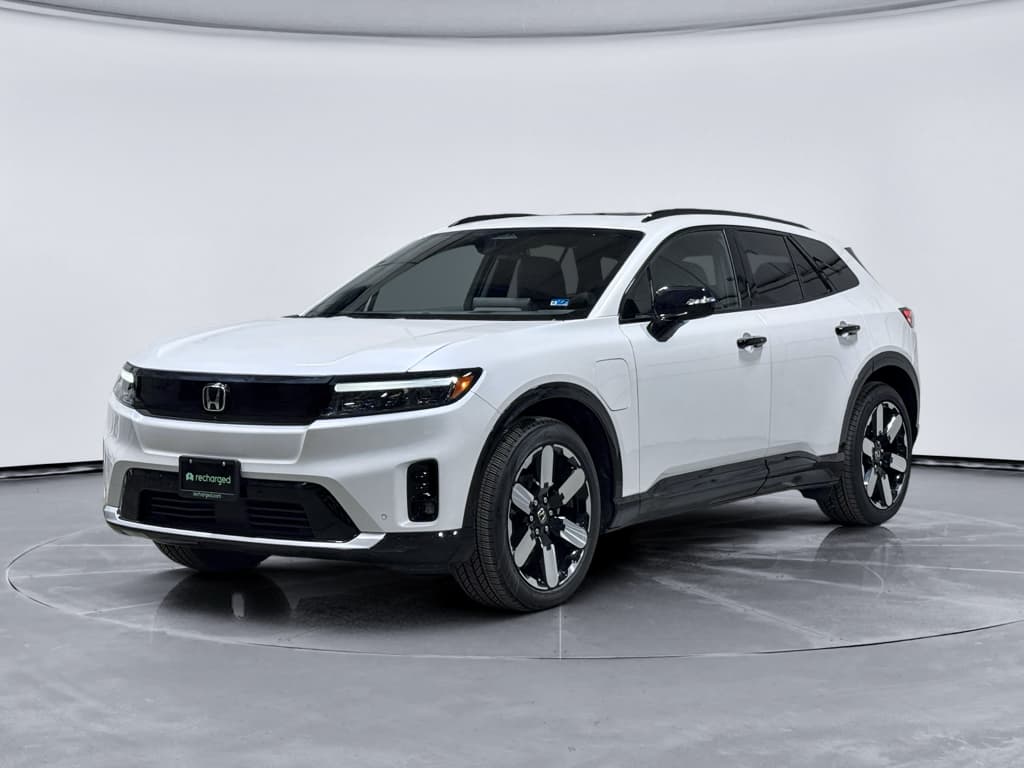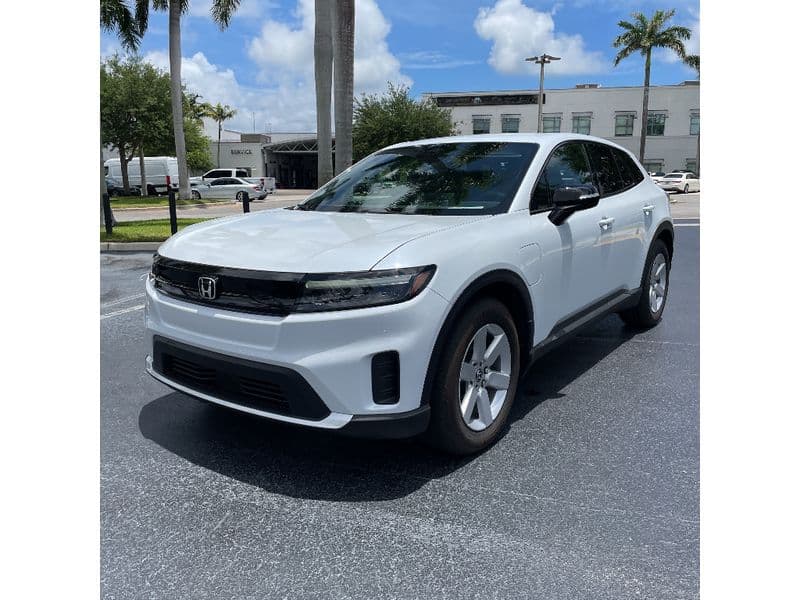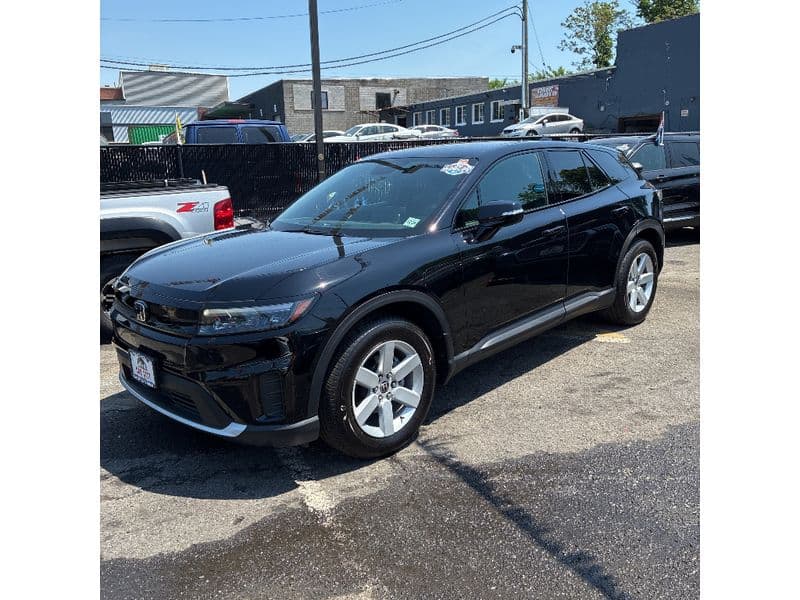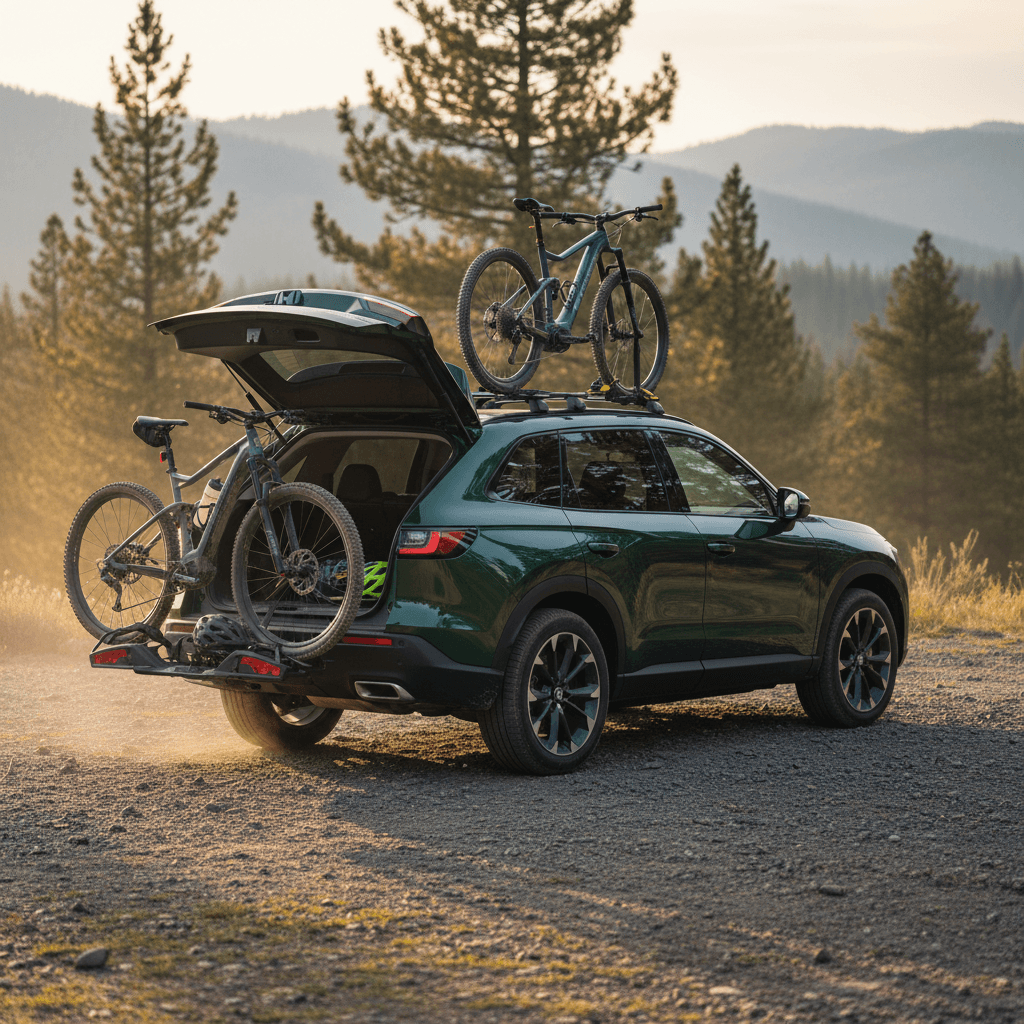
If you just picked up a Honda Prologue and you ride bikes, your next question is obvious: how do you haul them? The good news is that there are several solid Honda Prologue bike rack options, from factory-style hitches to roof systems and even carrying a bike inside. The trick is matching the rack style to your bikes, your budget, and the Prologue’s towing and roof limits.
Context: new EV, familiar hardware
Why bike rack planning matters on the Honda Prologue
On any EV, extra weight and drag show up more clearly in your real-world range and energy costs. A big, upright platform rack with two heavy e‑bikes has more impact than two carbon road bikes on the roof, and both are very different from just tossing a single hardtail in the back. The Prologue’s modest 1,500‑lb tow rating and limited roof rating mean you can’t just bolt on any rack and forget the numbers, you need to stay within Honda’s limits and the rack maker’s limits at the same time.
Key specs that affect Honda Prologue bike rack choices
Quick overview: Honda Prologue towing and roof capacity
Honda Prologue specs that matter for racks
Use these numbers as a ceiling, then check your specific rack’s ratings and the labels on your crossbars or hitch.
| Item | Typical Prologue Spec | What it means for bike racks |
|---|---|---|
| Max towing capacity | 1,500 lbs | Plenty for bike racks and light utility trailers; you’re nowhere near the limit with bikes alone. |
| Tongue weight guideline | ~10% of tow rating (about 150 lbs) | Good rule of thumb for how much vertical load to keep on the hitch, rack plus bikes should generally stay at or under this. |
| Roof rail/crossbar rating | Around 150–165 lbs (dynamic) | Total weight of crossbars + racks + bikes while driving; dynamic rating is what matters on the highway. |
| Rear cargo capacity | SUV-sized hatch with split-folding seats | Gives you a real alternative: interior carry for 1–2 bikes if you don’t want external racks. |
Always follow the lowest rated component among vehicle, hitch/crossbars, and rack.
Always defer to the lowest rating
Main Honda Prologue bike rack options
Four ways to carry bikes with a Honda Prologue
Each option has its own tradeoffs in cost, convenience, and range impact.
1. Hitch-mounted racks
Best all-around choice for most Prologue owners. Easy loading, great for e‑bikes, and minimal contact with the vehicle’s paint.
- Works with a 2" Class III hitch
- Handles 2–4 bikes, depending on model
- Great fit for heavier mountain and e‑bikes
2. Roof-mounted racks
Ideal if you’re leasing, already have roof hardware, or want the hitch free for a small trailer.
- Requires Prologue roof rails and crossbars
- Best for lighter road and gravel bikes
- More impact on aero and range at highway speeds
3. Trunk-style racks
Common on sedans, but not a great match for the Prologue’s hatch and spoiler geometry.
- Limited fit options, risk of rubbing paint
- Often conflicts with rear wiper and camera
- Rarely recommended for modern EV SUVs
4. Interior carry
Surprisingly realistic with the Prologue’s folding seats and flat load floor, especially for 1–2 bikes.
- Zero aero penalty, no extra hardware
- Best for high-value bikes and bad weather
- Requires dropping seats and sometimes removing wheels
Hitch-mounted bike racks: Best all-around choice
For most riders, a hitch-mounted rack is the best pairing with the Honda Prologue. It plays to the SUV’s strengths, stout rear structure, reasonable tongue weight, and easy access, while keeping bikes low and out of most of the airflow. That’s particularly important on an EV, where aero drag turns straight into lost range.
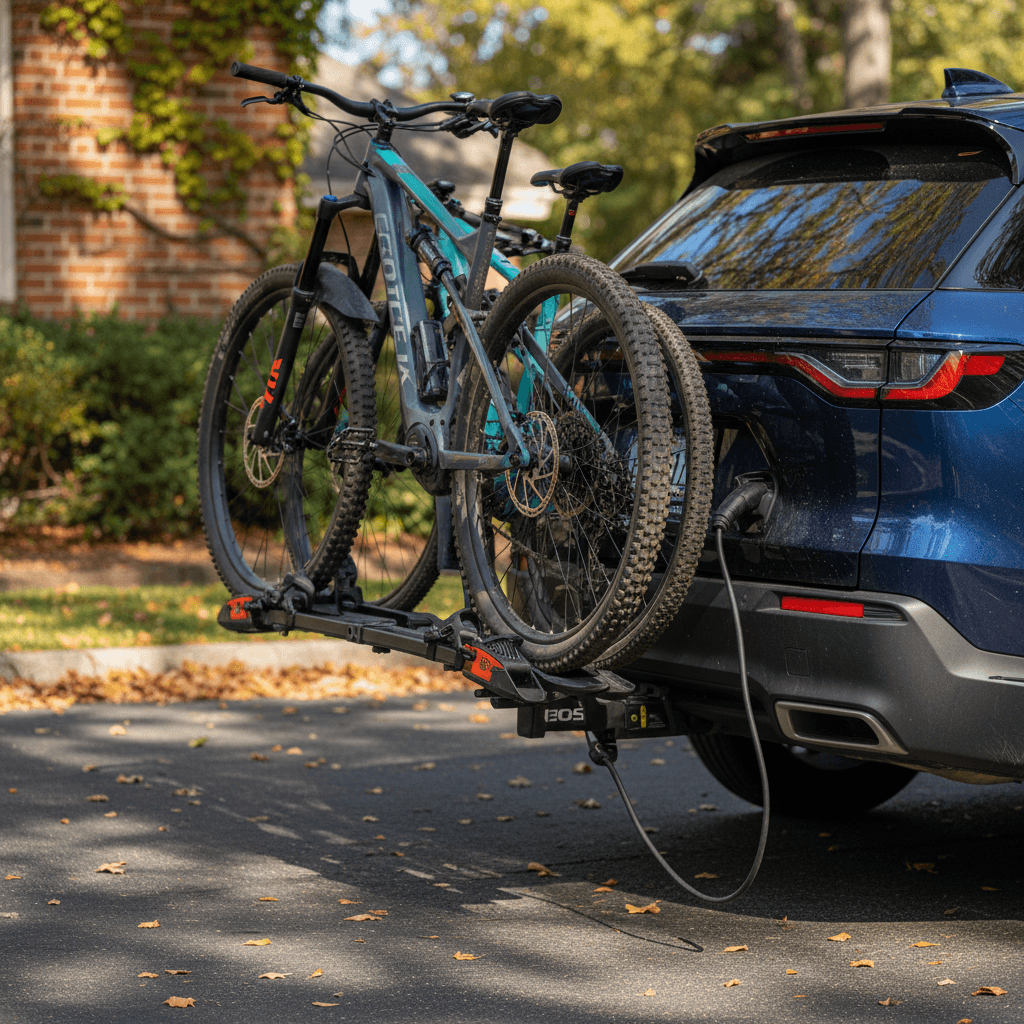
Platform-style hitch racks
These hold bikes by the wheels on individual trays, usually with a vertical arm that clamps the front wheel. They’re the go-to choice for modern MTBs and e‑bikes.
- Pros: Very stable, great for heavy bikes, minimal frame contact, easy loading.
- Cons: Heavier and more expensive, can block more of the rear camera and sensors.
Hanging-style hitch racks
These support bikes by the top tube on arms that extend from the mast. They’re lighter and cheaper but fussier with unconventional frames.
- Pros: Lower cost, lighter rack, simpler design.
- Cons: Poor fit for step-through and full-suspension frames, more frame contact and potential for rubbing.
Look for tilt-away and access features
Checklist for a Prologue-friendly hitch rack
Confirm 2" Class III hitch
Make sure your Prologue has a 2" Class III receiver, either from Honda accessories or a reputable aftermarket brand. Avoid 1.25" hitches if you plan to carry heavier modern bikes or e‑bikes.
Match rack capacity to bike weight
Add up the real weight of each bike, especially e‑bikes with big batteries, and compare that number to the rack’s <strong>per-bike</strong> rating and total load rating.
Think about security
Look for built‑in hitch locks, cable or bar locks for the bikes, and the ability to lock the rack to the vehicle. EVs are quiet, but thieves aren’t.
Mind the departure angle
With a long-wheelbase EV SUV, add‑on extenders can reduce clearance. Use the shortest, tightest fit that still clears the bumper and liftgate.
Factory vs aftermarket hitches
Roof-mounted bike racks: When you don’t want a hitch
If you’re leasing your Prologue, or you just don’t like the idea of a visible hitch, a roof rack system is the main alternative. Honda offers Prologue-specific crossbars, and there are already aftermarket bars designed to fit the factory flush rails. Once those are in place, you can mount fork-mount, frame-mount, or wheel-on bike trays.
Common roof-mount bike tray styles
Pick the one that fits your bikes, and your height, the best.
Fork-mount trays
Secure and low profile, but you must remove the front wheel.
- Great for road and gravel bikes
- Lower overall height vs. wheel-on
- Extra hassle if you carry many bikes
Frame-clamp trays
Clamp around the frame, wheel stays in.
- Works with many hardtail MTBs
- Be careful with carbon frames and odd shapes
- Not ideal for step‑throughs
Wheel-on upright trays
Secure by the front wheel with no frame contact.
- Good for modern frames and carbon
- Easy loading, but tall on an SUV
- E‑bikes may be too heavy up high
Watch overall vehicle height
- Stay under the labeled dynamic load limit on your Prologue’s crossbars.
- Favor lighter bikes on the roof, road, gravel, XC, rather than heavy full‑power e‑bikes.
- Remove bottles, bags, and anything that can catch wind or rattle loose.
- Expect a bit more wind noise and a sharper range hit at 65–75 mph.
Trunk and spare-tire racks: Why they don’t fit the Prologue well
Strap-on trunk racks and spare-tire racks are popular on sedans and older SUVs, but they’re a poor match for the Prologue. The EV’s sculpted hatch, integrated rear spoiler, and camera/sensor clusters leave very few clean mounting points. You also risk deforming the rear spoiler or interfering with the wiper and camera view.
Why to skip strap-on racks on the Prologue
Interior carry: Folding seats and front-wheel removal
One under‑appreciated strength of the Honda Prologue is its interior space. With the rear seats folded, the cargo floor is long and flat enough that many riders can fit at least one bike inside with the front wheel removed, and sometimes with both wheels on for smaller frames. For short trips or high‑value bikes, this can be the lowest‑stress solution.
When interior carry makes sense
- You’re transporting 1–2 bikes and don’t want any external hardware.
- You live in a city and want to avoid advertising expensive bikes on the back of the car.
- You’re dealing with bad weather and would rather keep the bikes dry and salt‑free.
How to make it work smoothly
- Carry a small mat or blanket to protect the cargo floor and keep chain grease off the seats.
- Use a thru‑axle block or fork mount screwed to a board if you want extra stability.
- Secure the frame with soft straps so it can’t shift under braking.
Protect your interior (and your bikes)
Weight limits, e-bikes, and safety checks
The fastest way to get into trouble with bike racks on any EV is to ignore weight and leverage. A Prologue with a long, loaded platform rack and four 60‑lb e‑bikes hanging far behind the axle is experiencing more than just the simple sum of those weights, the leverage amplifies the forces over bumps and potholes.
Safety checks before you load up the Prologue
Add up real-world bike weights
Use actual scale numbers, not catalog weights. E‑bikes are often 50–70 lbs with the battery installed. If your rack limits each tray to 60 lbs, you may need to pull batteries off for travel.
Check both tongue and rack ratings
Your effective limit is the <strong>lower</strong> of the Prologue’s tongue weight guideline, the hitch rating, and the rack’s own maximum load. Don’t forget most racks also have a "max bikes" spec.
Mind long wheelbases and dropper posts
Modern MTBs can be long and tall. Make sure the rack’s trays can adjust to keep handlebars from colliding and that there’s enough ground clearance with the arms set high.
Re-check bolts and straps regularly
After the first few trips, re‑torque hitch bolts and inspect all hardware. Check straps, trays, and pins at rest stops on longer drives.
E‑bike specific considerations
How to choose the right bike rack for your Prologue
The best Honda Prologue bike rack option for you depends less on the car and more on your use case: how many bikes, how heavy they are, and how often you’ll use the setup. Here’s a simple way to narrow it down.
Decision paths for common Prologue riders
Two acoustic bikes, weekend rides
Install a Class III 2" hitch if you don’t already have one.
Choose a two‑bike platform rack with 40–50 lb per‑bike capacity.
Or, if you prefer a clean rear end, use Honda or aftermarket crossbars plus two roof trays.
Keep one fold‑flat mat in the cargo area for backup interior carry.
Family of four with mixed bikes
Prioritize a 2" hitch plus a 3–4 bike platform or high‑capacity hanging rack.
Verify the total load rating carefully; kids’ bikes are lighter but add up.
Consider a swing‑away rack design for easier hatch access on vacation trips.
Use interior carry for the lightest or smallest bike when you’re right at the limit.
E‑bike owner with heavy rigs
Start with the stoutest 2" Class III hitch you can buy for the Prologue.
Select an e‑bike‑rated platform rack with 60–80 lb per‑bike rating.
Plan on removing batteries and sometimes front wheels to keep weight and leverage manageable.
Skip roof and strap‑on solutions; they’re simply not designed for this mass up high or on thin sheet metal.
Occasional rider, short local trips
Interior carry might be enough, no hardware, no aero hit.
If you still want external carry, look at a simple, lighter two‑bike platform rack.
Think about resale value and ease of removal if you’re leasing your Prologue.
For a used Prologue, inspect any existing hitch for rust or damage before trusting it with a loaded rack.
Installation, costs, and impact on range
From a cost and efficiency standpoint, a hitch rack is usually the most rational long‑term play for a Prologue owner who rides often. It costs more upfront than simply carrying a bike inside, but you get easy loading and the lowest day‑to‑day friction. Roof systems can be cheaper if you already have crossbars, but they tend to be louder and less efficient at interstate speeds.
Typical cost ranges (parts only)
- 2" Class III hitch: Often in the $250–$500 range, plus labor if you don’t install it yourself.
- Two‑bike platform rack: Around $400–$900 for quality name‑brand options; more for premium tilt or swing‑away designs.
- Crossbars + roof trays: Expect $250–$500 for bars and $250–$600 per tray, depending on style and security features.
Used racks are a viable option, especially if you’re comfortable checking for wear and replacing small hardware items.
Range and charging considerations
- Any external rack will increase consumption; bikes add both weight and drag.
- Roof racks with bikes tend to affect range more than hitch racks because the bikes sit high in clean airflow.
- Plan more frequent charging stops on road trips, and consider fast-charger locations near trails when mapping routes.
- When you’re shopping for a used Prologue with towing or rack use, look for signs of overloading: bent receivers, stressed crossbar mounts, or damaged trim.
Use range buffers on bike trips
FAQ: Honda Prologue bike rack options
Frequently asked questions about Honda Prologue bike racks
The bottom line: Getting your Prologue bike-ready
The Honda Prologue gives you a solid foundation for hauling bikes, 1,500 lbs of tow capacity, a hitch‑friendly rear structure, and the roof and interior space you’d expect from a modern mid‑size SUV. Your main job is to choose the right bike rack option for your bikes and your riding life, then respect the weight and clearance limits built into the vehicle and rack hardware.
If you’re still figuring out whether the Prologue is the right EV for your cycling and adventure needs, or you’re cross‑shopping used EVs, you don’t have to do it alone. Every vehicle on Recharged comes with a Recharged Score battery health report, transparent pricing, and EV‑savvy specialists who can talk through towing, racks, and real‑world range before you sign anything. That way, your next EV can carry you, and your bikes, without surprises.