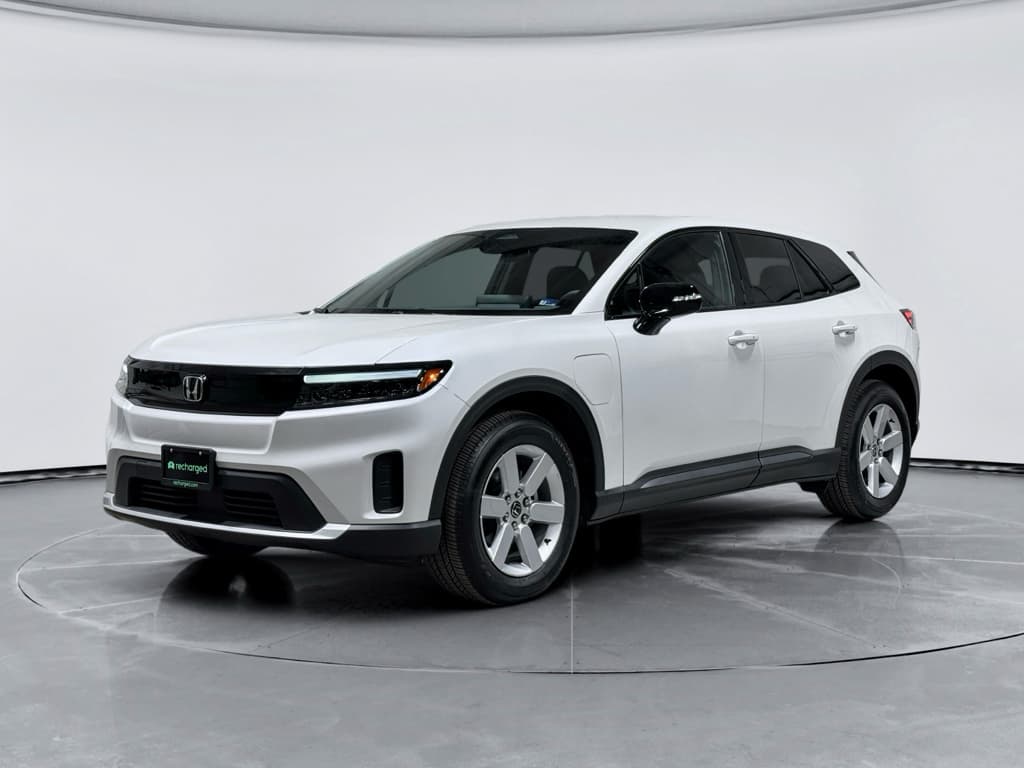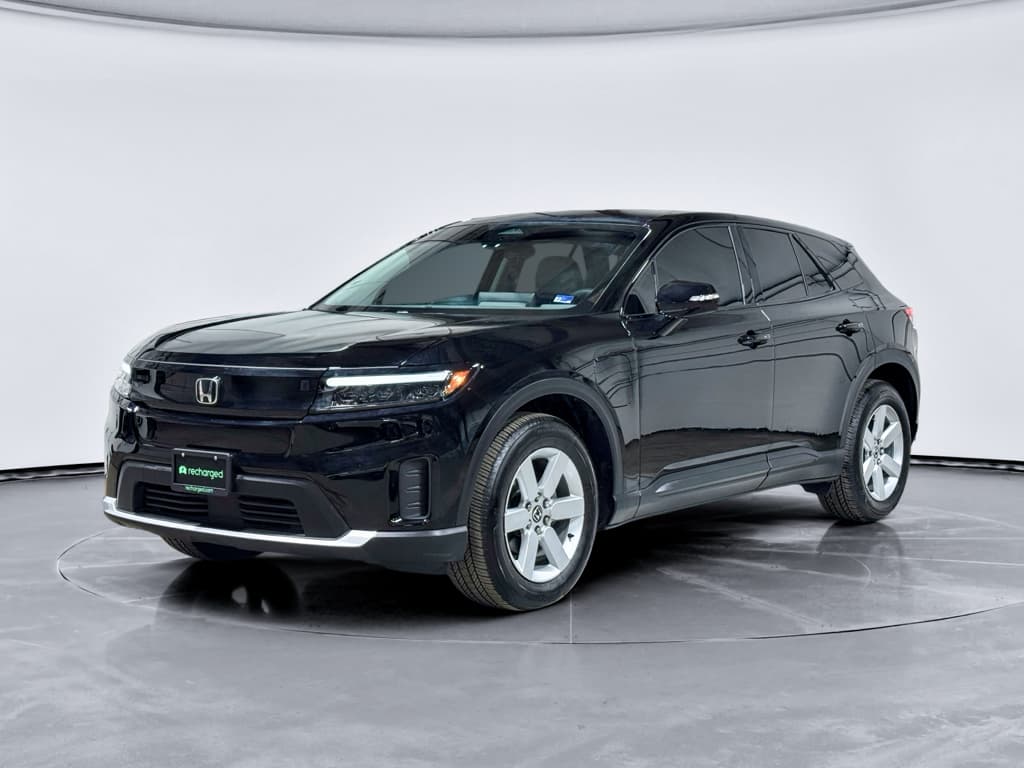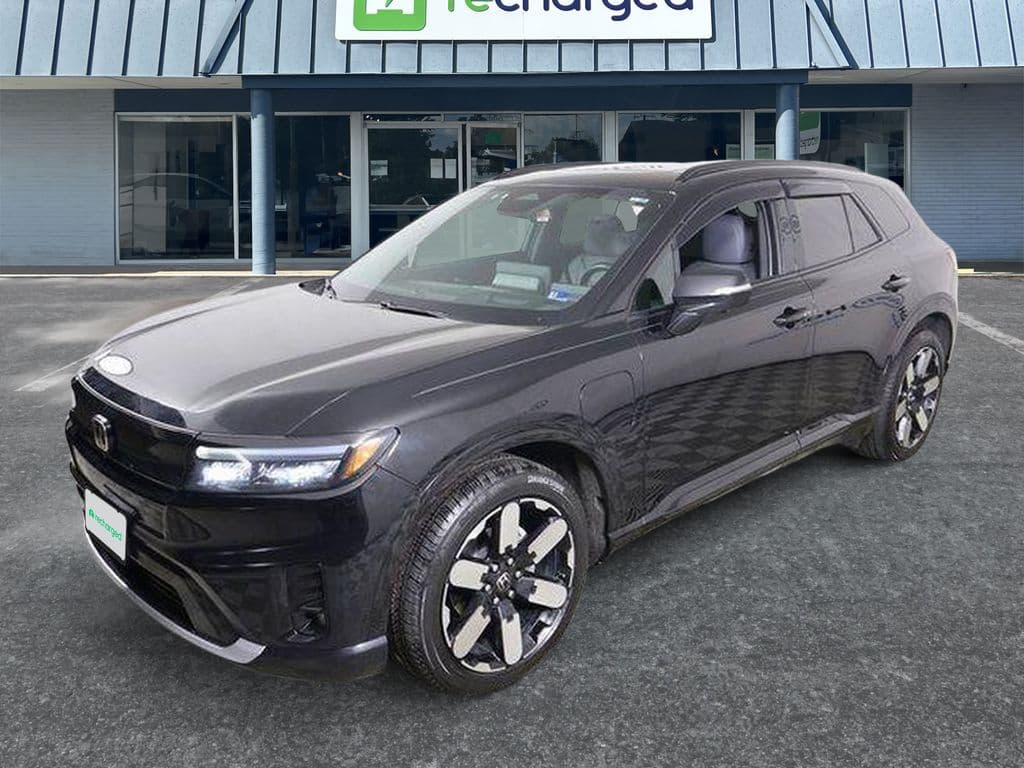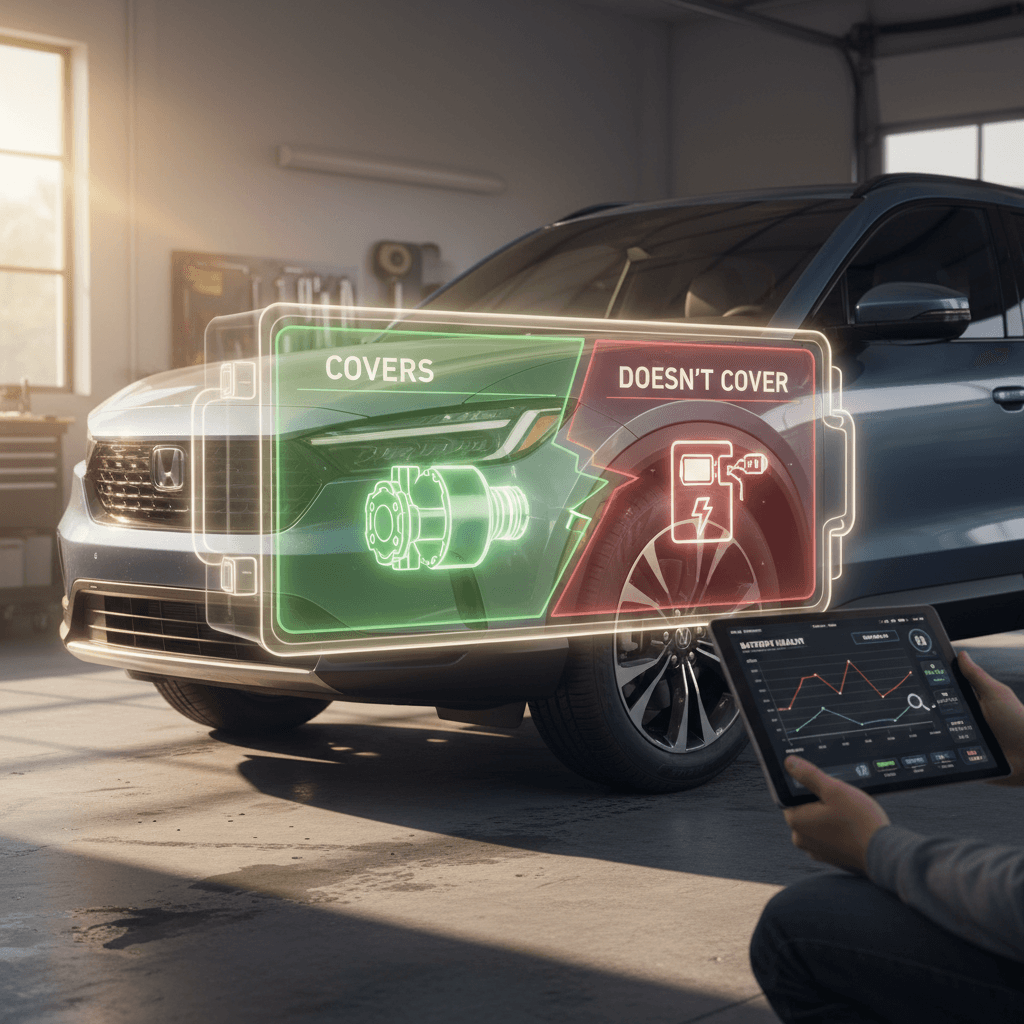
If you’re looking at a Honda Prologue, or already have one in your driveway, the big question is what happens if the battery doesn’t hold up. The good news is that the Honda Prologue battery warranty is competitive: you get long-term protection and a clear capacity guarantee. The catch is understanding exactly what that 8‑year promise does, and doesn’t, cover, especially if you’re planning to keep the SUV for the long haul or buy one used.
Quick answer
Honda Prologue battery warranty overview
2024–2026 Honda Prologue: core warranty coverage at a glance
How the high-voltage battery warranty fits into the Prologue’s overall coverage package.
| Coverage type | Years / miles (whichever comes first) | What it mainly covers |
|---|---|---|
| New Vehicle Limited Warranty | 3 years / 36,000 miles | Most components, electronics, interior, 12‑volt battery |
| Powertrain Warranty | 5 years / 60,000 miles | Motors, single‑speed drive unit, related drivetrain parts |
| High‑Voltage Battery Limited Warranty | 8 years / 100,000 miles | Defects in the main traction battery & excessive capacity loss |
| Corrosion (rust‑through) | 5 years / unlimited miles | Rust perforation of body panels |
| Roadside Assistance | 3 years / 36,000 miles | Towing, lockout, basic roadside help during basic warranty |
The battery warranty sits on top of Honda’s standard new-vehicle coverage.
Honda essentially layers a dedicated High‑Voltage Battery Limited Warranty on top of its normal coverage. For the Prologue, that means you’re protected against manufacturing defects and abnormal battery degradation for 8 years or 100,000 miles, whichever comes first. That term is in line with what you’ll see from most mainstream EV brands in the U.S.
Remember the clock
What the high-voltage battery warranty actually covers
Core protections in the Honda Prologue battery warranty
What’s actually included when Honda says “8 years/100,000 miles.”
Manufacturing defects
Excessive capacity loss
Related hardware & controls
Think of the high‑voltage battery warranty as protection against defects and abnormal degradation, not against every drop in range you’ll ever see. Minor losses in range as the pack ages, cold‑weather performance hits, and differences in driving style are all considered normal and aren’t, by themselves, warranty issues.
- Repair or replacement of battery modules or the entire pack, if needed, to restore proper function or capacity
- Labor associated with covered high‑voltage battery repairs at an authorized Honda dealer
- Software updates when they’re part of a Honda‑directed remedy for a battery-related defect or recall
- Towing to the nearest Honda dealer if the vehicle becomes inoperable due to a covered battery issue (while comprehensive warranty/roadside assistance is active)
Battery vs. “electric components”
Battery capacity guarantee: how the 75% rule works
Honda structures the Prologue’s battery warranty around capacity, not the EPA range number on the window sticker. Over time, all lithium‑ion batteries lose some capacity, that’s normal chemistry. The warranty kicks in only when capacity loss is judged to be excessive.
Capacity and range: what to expect
Capacity is what the warranty measures
The warranty language focuses on usable battery capacity, how many kilowatt-hours (kWh) the pack can store and deliver compared with new. Honda dealers use diagnostic tools to measure this directly; they don’t rely solely on the miles‑to‑empty estimate on your dashboard.
Range is what you feel day to day
Displayed range swings with temperature, speed, terrain, HVAC use, and driving habits. A Prologue that shows 240 miles on a frigid day and 290 miles on a mild day may still have the same underlying capacity. That kind of variation is normal and not by itself grounds for a warranty claim.
If you think your Prologue’s battery has degraded too quickly
Track range over time
Note your indicated range at similar state of charge (for example, 80% or 100%) under similar conditions over several months. Big, consistent drops are more meaningful than day‑to‑day swings.
Log your charging habits
Keep a simple record of how often you DC fast‑charge, how high you charge (80% vs. 100%), and how low you routinely run the pack. This history can help a dealer evaluate whether what you’re seeing is unusual.
Schedule a dealer capacity test
Ask an authorized Honda dealer to run an official <strong>capacity test</strong>. They’ll use factory tools to estimate remaining usable kWh and compare it to the threshold in Honda’s battery warranty.
Get results in writing
Request a copy of the diagnostic report or repair order. If capacity is borderline, documentation will help if you need to open a case with Honda or pursue further coverage later.
Ask about software updates
Some early Prologue owners have seen <strong>software updates</strong> that alter range estimates or battery behavior. Make sure your vehicle is fully up to date before assuming the pack itself is the problem.
What isn’t covered: common exclusions and gray areas
As with any warranty, the Honda Prologue battery warranty has clear limits. Understanding these up front can spare you frustration later, especially as more real‑world owner reports about “Service High Voltage System” warnings and charging issues trickle in.
Things that usually are NOT covered by the battery warranty
Issues that fall outside normal high‑voltage battery coverage.
Normal degradation & seasonal range loss
Damage from misuse or improper charging
Aftermarket modifications
Collision, flooding, or other external damage
Don’t ignore warning messages
- Cosmetic issues with the battery case or underbody shields that don’t affect function
- Loss of range due solely to driving conditions (for example, repeated high‑speed highway runs in winter)
- Consequential expenses like hotel stays, lost wages, or aftermarket charger reimbursement, unless Honda explicitly offers them in a specific program or recall
- Routine inspections and checks once the complimentary maintenance period has ended
How Honda handles repairs, replacements, and software fixes
Early in any new EV’s life cycle, you’ll see a mix of hardware fixes and software updates as real‑world data flows in. The Prologue, built on GM’s Ultium platform and sold for the 2024–2026 model years, has already seen some owners report high‑voltage system warnings and charging quirks. In most cases, resolution has come through dealer diagnosis plus updated software or, in more serious cases, module or pack replacement under warranty.
1. Diagnosis at a Honda dealer
Your first stop is always an authorized Honda dealer. They’ll pull diagnostic trouble codes, inspect the high‑voltage battery system, and check for any open recalls or technical service bulletins (TSBs).
2. Software first, hardware second
Automakers increasingly resolve early EV issues with control-module updates that change how the battery is monitored, charged, or cooled. If there’s a bulletin for your symptoms, the fix may be as simple as a dealer‑performed software reflash.
3. Repair vs. replace
If a genuine defect or excessive degradation is confirmed, Honda can choose to replace individual modules or the entire pack. You don’t get to pick the option, but the work and parts are covered while the warranty is in force.
Loaners and tow coverage
Warranty coverage for used and CPO Honda Prologues
Because the Prologue is still relatively new, most examples on the used market are early‑build 2024s and 2025s with significant factory warranty left. The high‑voltage battery warranty is especially valuable if you’re buying pre‑owned, because it stays with the vehicle, not the original owner.
Used vs. HondaTrue Certified Prologue: what happens to the battery warranty?
How battery coverage works as the Prologue changes hands.
| Scenario | How battery coverage works | What to watch |
|---|---|---|
| Buying used from a private seller | The remaining portion of the original 8‑yr/100k‑mi battery warranty transfers automatically. | Confirm the original in‑service date and current mileage; ask for all service records related to the battery or high‑voltage system. |
| Buying used from an independent dealer | Same as private sale, the factory battery warranty follows the car. | Verify warranty status via a Honda dealer, not just the selling dealer’s word or a generic report. |
| Buying a HondaTrue Certified EV Prologue | Factory battery warranty is still 8 yrs/100k mi from original in‑service date; CPO adds extra bumper‑to‑bumper and powertrain coverage. | You get added peace of mind on non‑battery components, but the battery’s basic time/mileage limit doesn’t reset. |
The Prologue’s high-voltage battery warranty transfers automatically to subsequent owners.
How Recharged helps with used Prologues
Protecting your Prologue battery (and keeping your warranty intact)
You don’t need to baby the Prologue’s Ultium‑based pack, but a few smart habits can both prolong battery life and make any future warranty conversations easier. The key is to avoid extreme use patterns that accelerate degradation or create the appearance of misuse.
Smart habits that support your warranty and your range
Avoid living at 0% or 100%
Running the pack to near‑empty every day or sitting at 100% charge for days on end isn’t ideal. For day‑to‑day driving, keeping the state of charge roughly between 20% and 80% is a good rule of thumb when practical.
Use DC fast charging strategically
Fast charging is fine on road trips, that’s what it’s for. But relying on it multiple times a week can add heat and stress. When you’re home, Level 2 charging is gentler and better for long‑term health.
Keep software and recalls up to date
Some battery‑related issues are fixed with improved software or service campaigns. Make sure your Prologue is up to date; ignoring recall notices can complicate later warranty claims.
Document unusual behavior early
If you see repeated high‑voltage warnings, charging failures, or big, sudden range drops, take photos of the messages and open a repair order promptly. Waiting months can make it harder to prove when the issue began.
Use approved charging equipment
Stick with reputable, UL‑listed Level 2 chargers and follow Honda’s guidelines. Using damaged cords, improvised adapters, or non‑rated outlets can cause damage that won’t be covered.
High-voltage safety first
How the Prologue battery warranty compares to other EVs
From a shopper’s standpoint, Honda’s battery warranty for the Prologue is solid but not class‑leading. It matches what many mainstream brands offer and trails the most generous coverage by a few years or tens of thousands of miles.
Battery warranty comparison: Honda Prologue vs. key rivals
Approximate U.S. battery warranty terms for several popular electric SUVs. Always verify current details with each automaker.
| Model | Battery warranty (years/miles) | Capacity guarantee notes |
|---|---|---|
| Honda Prologue | 8 yrs / 100,000 mi | Warranty action if capacity drops below ~75% during coverage period. |
| Hyundai IONIQ 5 | 10 yrs / 100,000 mi (battery) | Strong Hyundai battery track record; degradation typically monitored by dealer tests. |
| Kia EV6 | 10 yrs / 100,000 mi (battery) | Similar to Hyundai; long battery coverage is a key selling point. |
| Chevrolet Blazer EV (Ultium) | 8 yrs / 100,000 mi | Same basic term; built on the same Ultium platform family as Prologue. |
| Tesla Model Y | 8 yrs / 120,000–150,000 mi (varies by version) | Tesla typically guarantees at least 70% capacity over the warranty term. |
The Prologue’s 8‑year/100,000‑mile battery warranty is competitive in today’s EV market.
What really matters
When to worry, and when not to, about your battery
Signs you should take to a dealer ASAP
- Persistent “Service High Voltage System” or similar warnings.
- Sudden, large drops in indicated range that don’t match temperature or driving changes.
- Repeated charging failures at equipment that works fine for other EVs.
- Noticeable performance loss (for example, car struggles to accelerate or limits power) that appears suddenly.
Things that usually aren’t a warranty issue
- Winter range drops of 20–30% compared with summer.
- Different range estimates when your driving is mostly highway vs. mostly city.
- Gradual, modest range loss over many years while the capacity still tests above Honda’s threshold.
- One‑off DC fast‑charging sessions that are slower than expected because the station is busy or limited.
For most EV buyers, the question isn’t whether the battery will last eight years, it’s what happens if it doesn’t. That’s where understanding the fine print on warranty coverage becomes just as important as knowing the EPA range rating.
FAQ: Honda Prologue battery warranty
Frequently asked questions about the Honda Prologue battery warranty
Key takeaways for current and future Prologue owners
The Honda Prologue’s high‑voltage battery warranty gives you 8 years or 100,000 miles of protection against defects and excessive capacity loss, right in line with most mainstream EVs today. It won’t freeze your range in time, and it doesn’t cover every scenario, but it does put real guardrails around the worst‑case outcomes that worry many first‑time EV buyers.
If you’re shopping new, use the warranty as a backstop, not a crutch: practice good charging habits, keep your software and recalls up to date, and document anything unusual early. If you’re shopping used, focus on two things, real battery health and remaining warranty. That’s exactly where a data‑driven resource like the Recharged Score Report can give you an edge, pairing verified battery diagnostics with a clear view of coverage so you can choose a Prologue that fits your budget, your range needs, and your long‑term plans with confidence.