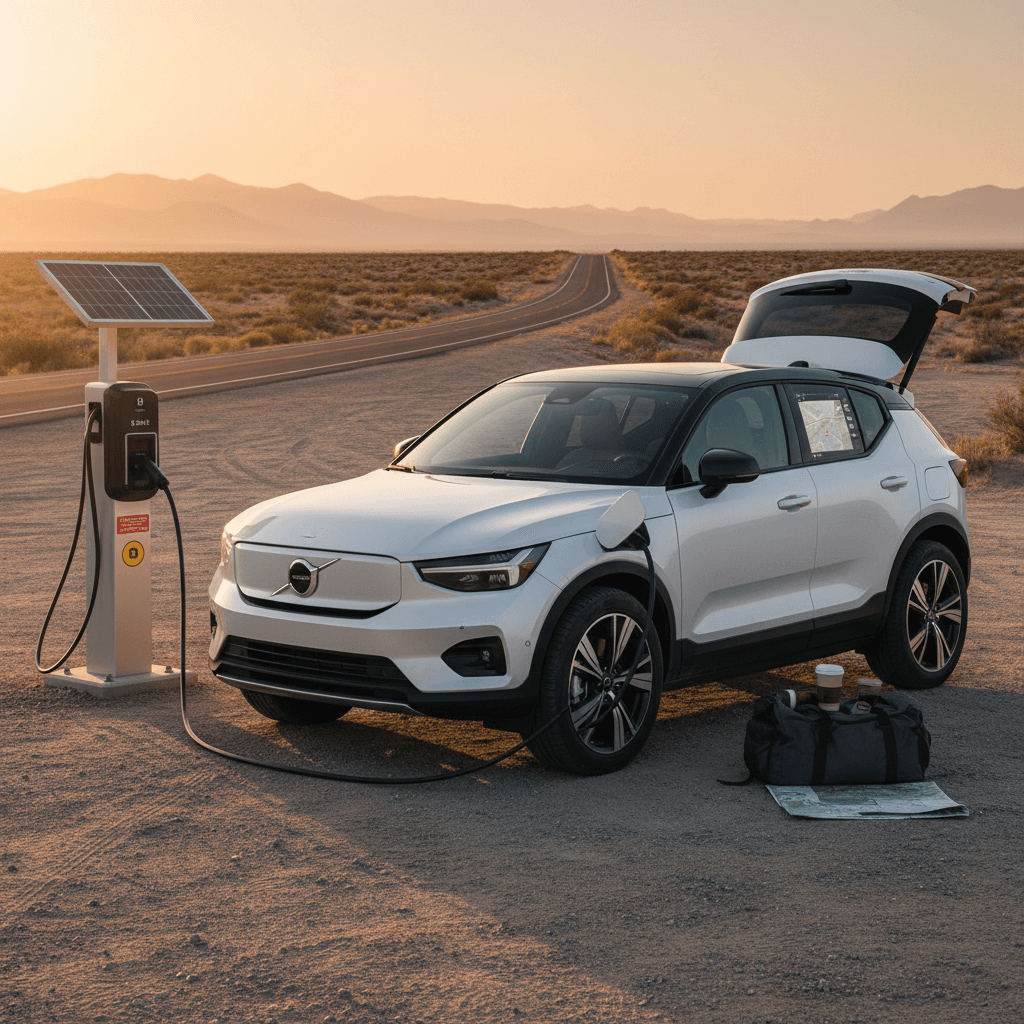
If you own a Volvo EX30, or you’re thinking about buying one, you’ve probably wondered whether this compact EV can handle real long-distance driving. The answer is yes, with the right expectations and a smart plan. This guide walks through realistic Volvo EX30 long distance driving tips based on real-world range data, charging behavior, and the car’s built‑in tech so you can hit the road with confidence instead of range anxiety.
Big picture
Why the Volvo EX30 Can Work for Long Drives
Volvo engineered the EX30 to be compact and efficient, but it still brings serious road‑trip hardware. U.S. models offer a usable battery in the 50–64 kWh ballpark depending on version, with the most common Single Motor Extended Range and Twin Motor Performance trims using a roughly 69 kWh pack and a usable capacity in the low‑60s. That’s paired with strong DC fast‑charging capability (around 130–150 kW peak on a good charger) and the safety‑first ride and driver‑assist tech you’d expect from Volvo.
Volvo EX30 Road-Trip Strengths at a Glance
Why this small EV punches above its size on longer drives
Modern Battery & Range
The extended‑range trims deliver EPA ratings in the mid‑200‑mile range on paper. In real life, you’ll see less at U.S. highway speeds, but it’s enough for comfortable 120–160‑mile legs between fast chargers when planned well.
Solid DC Fast Charging
The EX30 supports DC fast charging up to roughly 134–150 kW on capable stations, keeping typical 10–80% stops in the ±25–30 minute window when the battery is warm and you’re plugged into a healthy charger.
Safety & Driver Assistance
Volvo’s lane‑keeping assistance, adaptive cruise, and Pilot Assist features reduce fatigue on long runs, while the brand’s safety engineering and crash protection make it a reassuring highway companion.
Know the tradeoff
Volvo EX30 Range: What To Expect on the Highway
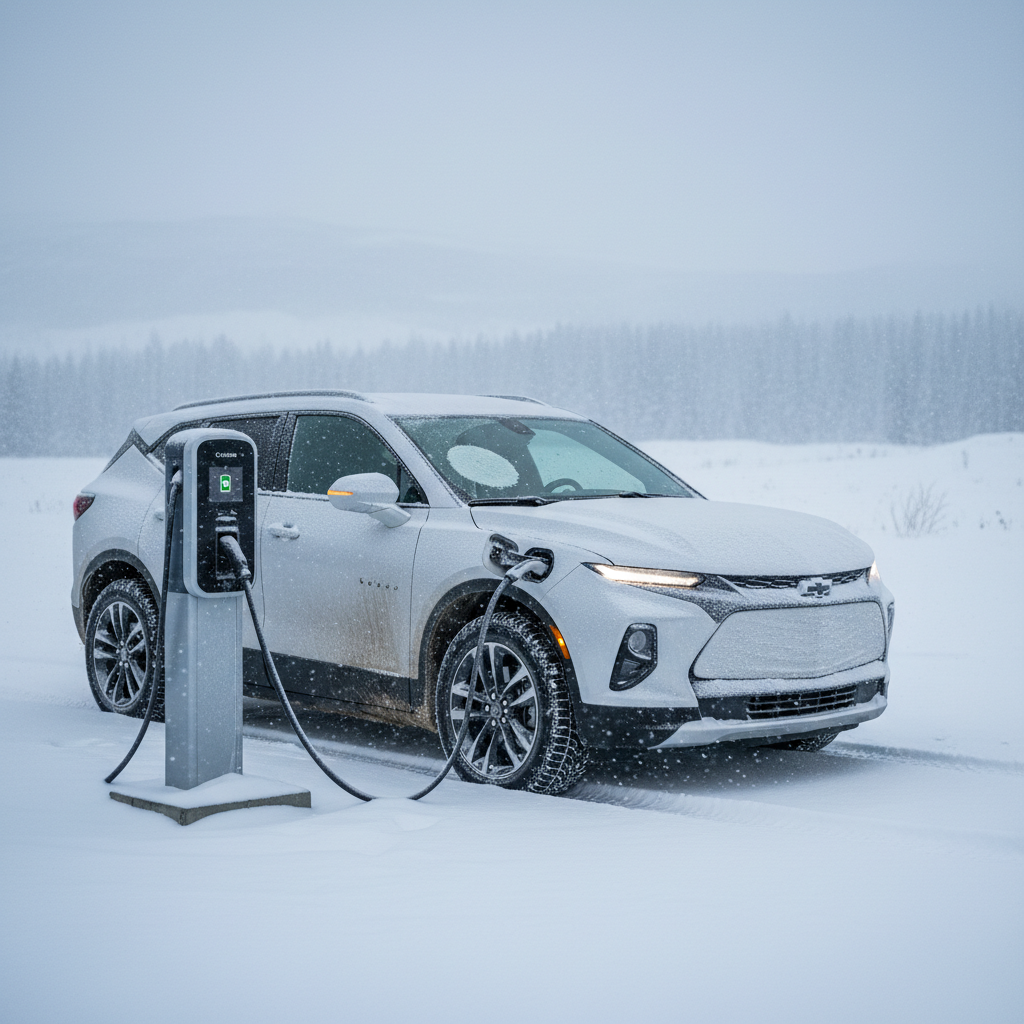
On paper, various EX30 trims land in roughly the 210–260‑mile EPA range window depending on motor and battery. In real‑world testing at typical U.S. highway speeds, you’ll see less, especially in cold weather or with a roof box. That’s not unique to the EX30, but the effect can feel more dramatic because the pack is smaller than in bigger SUVs.
Realistic Highway Range Targets (Extended-Range Models)
Use 70% of rated range as a planning baseline
- Single Motor Extended Range: Best pick for long‑distance efficiency; you trade some acceleration for more realistic highway range.
- Twin Motor Performance: Much quicker but typically less efficient at speed; expect to charge a bit more often on road trips.
- Standard‑range (smaller battery): Perfectly usable for regional trips if chargers are dense, but you’ll be stopping more frequently and planning more carefully.
Planning a Volvo EX30 Road Trip Like a Pro
A smooth long‑distance drive in the EX30 starts before you leave the driveway. Because you’re working with a compact battery, route planning and good charging choices matter more than they do in a big luxury EV with 300+ miles of range.
Pre-Trip Checklist for Your EX30
1. Pick your fastest route, not just the fewest stops
Use Google Maps in the EX30 or a third‑party EV planning app and prioritize reliable DC fast chargers, even if it adds a stop. A slightly longer route with strong 150 kW stations often beats a “shorter” one with slow or unreliable chargers.
2. Aim for 10–80% charging windows
On long drives, your EX30 charges quickest between about 10% and 80% state of charge. Plan your legs so you arrive near 10–20% and unplug around 70–80% instead of waiting for a slow top‑off to 100%.
3. Build a buffer into every leg
High winds, unexpected detours, or a closed charger can kill a tight plan. Give yourself at least 20–30 miles of extra range on each segment, especially in unfamiliar areas or winter conditions.
4. Check networks and payment options
Make sure you’ve created accounts and added payment methods for major fast‑charging networks along your route. Apps with “start session from phone” can be a lifesaver if a station’s credit‑card reader flakes out.
5. Precondition battery and cabin
Whenever possible, start with a warm battery and cabin while still plugged into home charging. Pre‑conditioning through the app or schedule helps preserve range instead of pulling that energy from the pack on the road.
6. Pack smart but light
Every extra bit of weight and drag matters. Heavy cargo and roof boxes can noticeably cut highway range in a small EV like the EX30, so only bring what you need, and consider a trunk box before a rooftop one.
Use multiple planning tools
Smart Charging Strategies for Long-Distance Trips
The EX30’s DC fast‑charging hardware is one of the reasons it makes sense as a compact road‑trip EV. Volvo quotes peak DC speeds in the roughly 130–150 kW range depending on variant and market, and independent tests tend to show a fairly strong 10–80% curve when the battery is already warm. To turn that into shorter real‑world stops, you’ll want to be strategic.
Time your stops around meals and breaks
Think in terms of charging while you would be stopped anyway. A typical 25–30 minute 10–80% session lines up almost perfectly with a restroom break and a quick meal. Plan those stops at the highest‑power, most reliable stations on your route and you’ll rarely feel like you’re waiting on the car.
Where possible, favor sites with multiple DC stalls from the same provider, if one unit is down or derated, you’ve got backups on site.
Stay in the fast part of the charging curve
Like most modern EVs, the EX30 charges fastest when the battery is relatively low and slows down significantly as you approach a full charge. Instead of trying to bridge a huge gap with one massive charge, stack more frequent, shorter sessions between 10–80%.
This usually means planning legs of about 120–160 miles, then grabbing 20–30 minute boosts rather than one long, inefficient 0–100% session.
Let the EX30 precondition for you
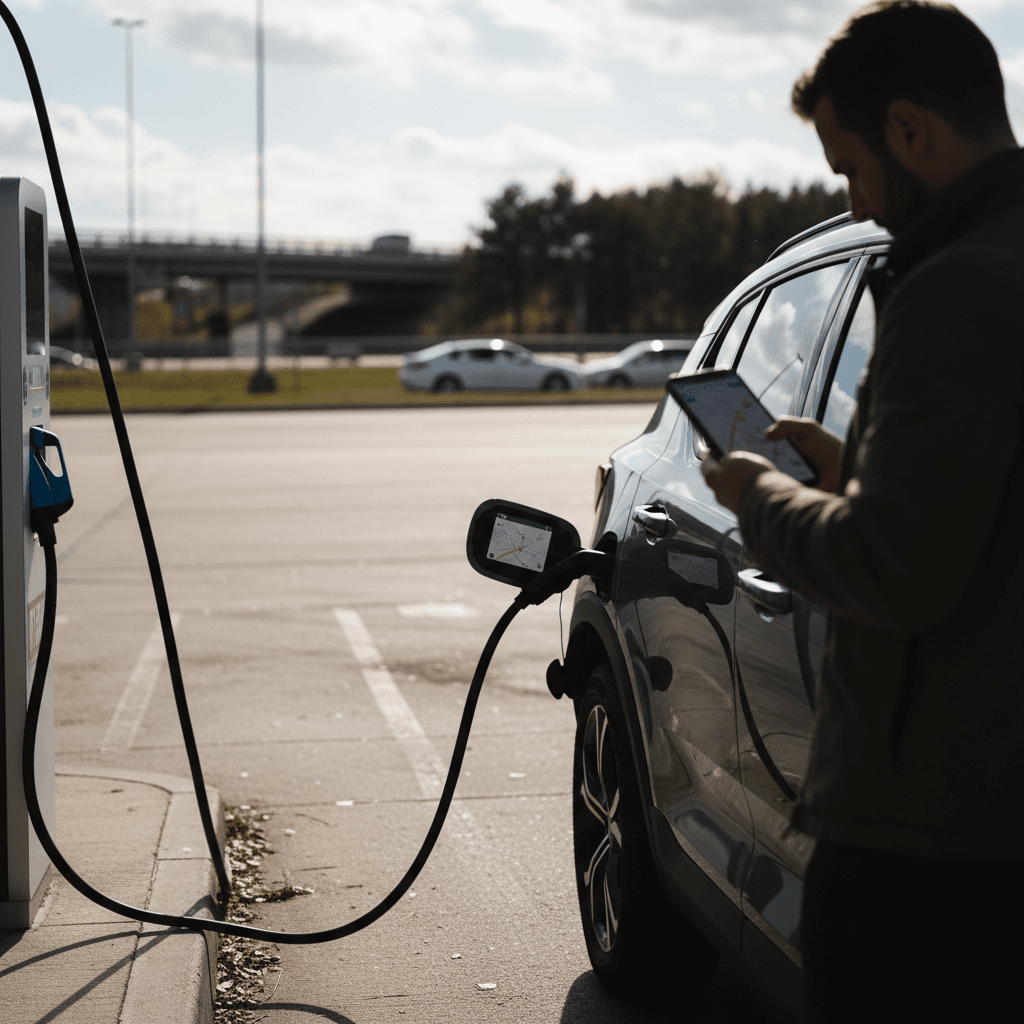
- Prefer high‑power chargers (150 kW+ where possible) over older 50 kW stations, even if you need to drive a few minutes off route.
- Avoid arriving at a fast charger with a nearly full battery; the car will protect the pack by limiting power and you’ll wait longer for fewer miles added.
- In winter, expect the first fast‑charge of the day to be slower if you start cold; subsequent sessions tend to be quicker as the battery stays warm.
- If a charger is busy, avoid stalls sandwiched between occupied ones on older sites where load sharing is common; pick an outer stall if you can.
Using Volvo Tech to Make Highway Miles Easier
Long‑distance comfort isn’t just about range and charging, it’s about how tired you feel after a day behind the wheel. The EX30 packs a lot of big‑car tech into its small footprint, and using it well can make a big difference in how fresh you feel at the end of the drive.
EX30 Features That Help on Long Drives
Lean on the software and safety systems, just don’t tune out completely
Pilot Assist & Cruise Control
Adaptive cruise and lane‑centering support can reduce the mental workload of keeping perfect spacing and lane position. Use them as assistance, not automation, keep your hands on the wheel and your eyes up.
Google Built-In Navigation
Native Google Maps integration makes it easy to search for DC fast chargers by name, rating or amenities and send them directly to the car. When supported, the EX30 can precondition the battery automatically for those stops.
Efficient Climate & Seat Heat
Instead of cranking cabin heat on a cold day, rely more on seat and steering‑wheel heaters, which use less energy. In summer, pre‑cool while plugged in and use Auto climate at a reasonable setpoint to avoid big range hits.
Dial in your seating and audio early
Driving Style Tips to Extend EX30 Range
Driving style is one of the biggest levers you control on a road trip. The EX30 is quick, especially the Twin Motor, but leaning into that acceleration on every on‑ramp can drain a modest‑size battery much faster than you’d expect.
- Use Eco or range‑optimized modes when cruising. They soften throttle response and can trim HVAC consumption a bit.
- Keep steady speeds. Holding 68–72 mph instead of pinballing between 60 and 80 mph can save a surprising amount of energy.
- Anticipate slow‑downs. Ease off the accelerator early and let regenerative braking do the work instead of waiting and braking hard at the last moment.
- Avoid full‑throttle launches unless you really need them. They’re fun, but they burn kWh you might want later.
- Set tire pressures to spec (or just slightly on the high side within the recommended range) before you leave. Soft tires hurt both efficiency and stability.
Watch your speed
Weather, Load and Wheel Size: How They Hit Range
If you’ve read owner forums for the EX30, you’ve seen a theme: range can swing widely depending on weather, wheels, and how loaded the car is. That’s normal for EVs, but again, it feels more noticeable when you don’t have a 90‑ or 100‑kWh battery to fall back on.
How Key Factors Change EX30 Highway Range
Use these as directional guidelines, not exact numbers, your results will vary.
| Factor | Impact on Range | What You Can Do |
|---|---|---|
| Freezing temps (below 32°F) | −20% to −30% | Precondition while plugged in, use seat/wheel heaters, plan shorter legs. |
| Heavy rain or strong headwinds | −10% to −20% | Slow down a few mph, add extra buffer, consider an intermediate top‑up. |
| Roof box or bike rack | −5% to −15% | Use rear‑mounted racks when possible, remove boxes when not needed. |
| 20-inch wheels vs 18s/19s | Up to −5% to −10% | If you have multiple wheel sets, use the smaller, more efficient one for big trips. |
| Full load of passengers & cargo | −5%+ | Pack light, avoid carrying unnecessary heavy gear. |
Range impacts are approximate and assume an extended‑range EX30 at typical U.S. interstate speeds.
Plan conservatively in winter
Battery Care on Road Trips
Good road‑trip habits don’t just keep you moving; they help preserve the EX30’s battery over time. Volvo builds in generous buffers and an 8‑year battery warranty on new vehicles, but your choices still matter, especially if you plan to keep the car a long time or eventually sell it as a used EV.
- Use DC fast charging when you need it, not every day. It’s fine on road trips, but rely on Level 2 at home for daily charging when possible.
- Try not to sit at 100% for hours in hot weather. If you need a full charge to reach the next stop, time the session so you finish charging not long before you leave.
- In everyday use, keeping the battery mostly between about 20–80% is a healthy habit; on trips, widen that window when needed, but don’t live at the extremes.
- If your route allows, alternate longer and shorter legs so the battery gets a mix of deeper and shallower cycles instead of back‑to‑back 5–95% swings all day.
How Recharged helps with battery transparency
When the EX30 Might Not Be the Best Road-Trip Choice
Honest guidance matters. The EX30 can absolutely road trip, but it isn’t the right tool for every job. There are scenarios where a larger‑battery EV, or even a plug‑in hybrid, will serve you better.
- You routinely drive 250–300‑mile interstate legs through charging deserts where DC fast chargers are sparse or unreliable.
- You tow frequently. The EX30 isn’t designed as a heavy hauler, and range would take a major hit if you tried.
- You live in an area with brutal winters and limited DC infrastructure, and your long trips can’t tolerate multiple 20–30 minute charging stops.
- You need third‑row seating or a lot of cargo volume; the EX30’s compact footprint will feel cramped on multi‑day family vacations.
Where the EX30 shines
Shopping a Used Volvo EX30 for Road Trips
If you’re considering a used EX30 primarily for road‑trip duty, you’ll want to look beyond paint colors and wheel designs. Battery health, charging behavior and the specific trim all affect how relaxing your long‑distance drives will be.
Used EX30 Road-Trip Buying Priorities
Questions to ask before you sign
1. Which battery and motor does it have?
For frequent long drives, the Single Motor Extended Range is usually the sweet spot: solid highway efficiency and good power. The Twin Motor is fun but will stop more often, and the standard‑range pack is best for shorter trips or dense charging corridors.
2. What does the battery health report say?
A good health report gives you confidence that the car will still deliver strong range years from now. Vehicles sold through Recharged include a Recharged Score with independent battery diagnostics and fair‑market pricing, so you see potential road‑trip range clearly before purchase.
3. How has it been charged?
An EX30 that mostly lived on home Level 2 with occasional DC fast‑charging is ideal. If previous ownership leaned heavily on high‑power DC every day, ask extra questions and review detailed health data before you commit.
4. Does the total cost make sense?
Factor in installation of a home Level 2 charger, road‑trip charging costs, and potential extended coverage. Recharged can help you compare financing options, trade‑in values and delivery so you don’t overpay for a car that still needs road‑trip‑ready prep.
Leverage EV specialists
Volvo EX30 Long-Distance FAQ
Frequently Asked Questions About EX30 Road Trips
Key Takeaways for Long-Distance Driving
Treat the Volvo EX30 like what it is: a quick, safe, compact EV with a reasonably sized battery, not a 350‑mile highway cruiser, and it can reward you with relaxed, enjoyable long‑distance drives. Plan realistic 120–190‑mile legs, favor strong DC fast chargers, and use the car’s tech to precondition and navigate smartly. Add in smooth driving, reasonable speeds, and a little weather awareness and you’ll spend far more time enjoying the scenery than staring at the state‑of‑charge gauge.
If you’re shopping for an EX30 specifically with road‑trips in mind, pay close attention to trim choice and battery health. Working with an EV‑specialist retailer like Recharged, with tools like the Recharged Score, expert guidance, financing options and nationwide delivery, can make it much easier to find an EX30 that fits your budget and your long‑distance ambitions from day one.