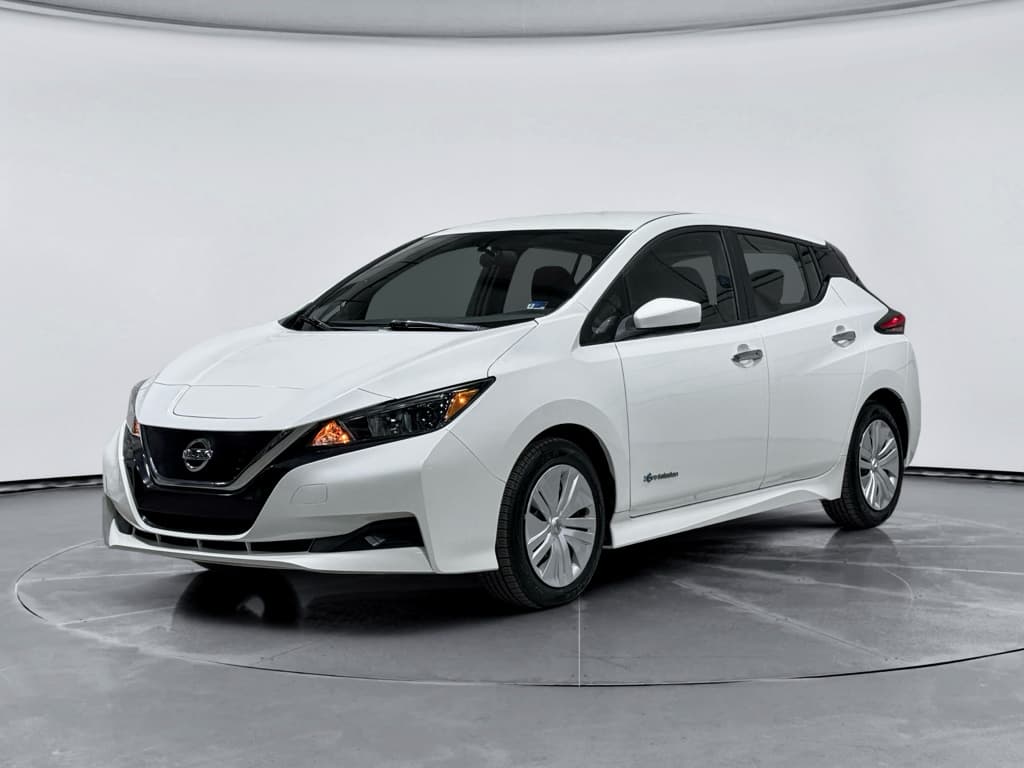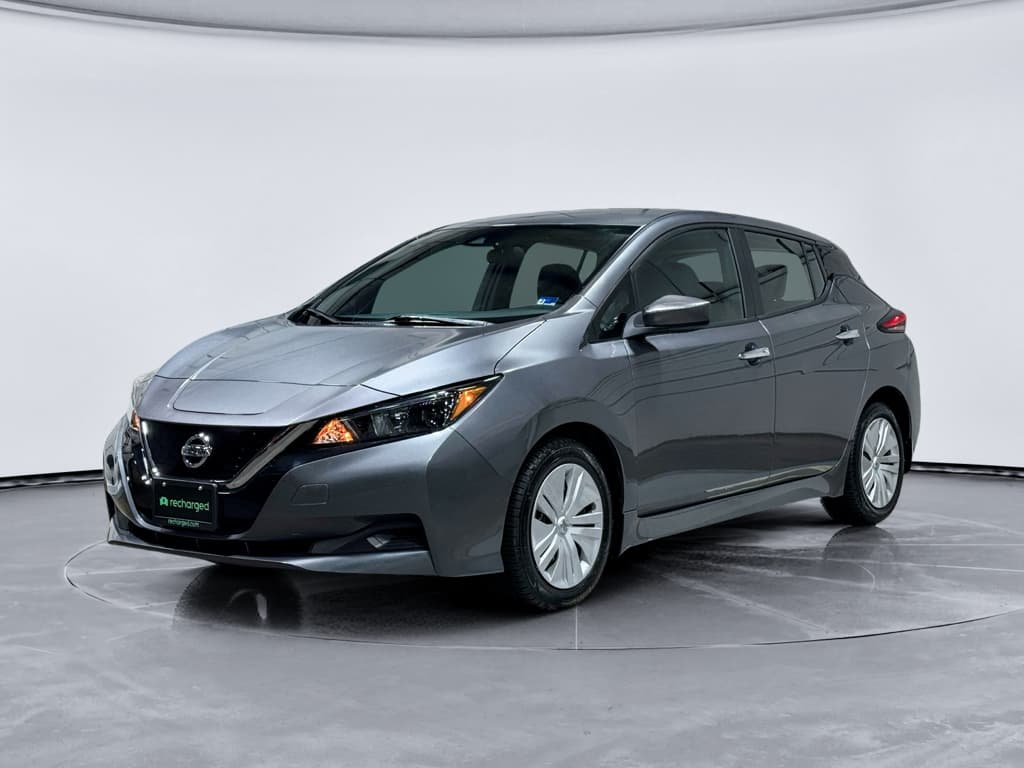
If you’re eyeing a 2022 Nissan Leaf, especially on the used market, you’re probably hearing two very different stories. On one hand, owners praise the Leaf for low running costs and simple, no‑nonsense EV driving. On the other, there are headlines about battery recalls, charging limits, and CHAdeMO fast‑charging headaches. This guide walks you through the real‑world 2022 Nissan Leaf problems and fixes so you can decide with clear eyes, and know exactly what to check before you buy.
Why 2022 matters
2022 Nissan Leaf reliability at a glance
2022 Nissan Leaf reliability snapshot
Across owner reviews and reliability surveys, the 2022 Leaf scores above average for basic dependability. The electric motor, reduction gear, and fundamental hardware are proving stout. Where owners run into trouble is concentrated in three areas: battery and charging behavior, electronics/infotainment quirks, and the realities of CHAdeMO fast‑charging in 2026. Let’s break each one down and talk about realistic fixes.
Big picture: Should you worry about 2022 Leaf problems?
What the Leaf gets right
- Simple, proven drivetrain with few major failures reported.
- Low maintenance costs vs. gas cars, no oil changes, timing belts, or exhaust.
- City and suburban superstar: smooth, quiet, easy to park and live with.
- Attractive used pricing compared with newer long‑range EVs.
Where problems show up
- Battery recall and Level 3 (DC fast‑charging) limits on certain 2019–2022 cars.
- Range loss over time, especially in hot‑climate cars parked outside.
- CHAdeMO fast‑charging network shrinking outside a few strong markets.
- Electronics glitches: infotainment reboots, Bluetooth and camera issues.
Used‑EV shortcut
Battery and charging problems on the 2022 Nissan Leaf
Battery and charging behavior are the heart of most 2022 Nissan Leaf complaints. Nissan uses an air‑cooled lithium‑ion battery and the older CHAdeMO fast‑charging connector. Both design choices work fine for many owners, but they’re also behind the 2022 Leaf’s biggest headaches: a major battery safety recall, uneven range loss, and a charging experience that can feel out of step with newer EVs.
- Unexpected or severe range loss compared with the original EPA rating.
- DC fast‑charging (CHAdeMO) sessions that are slow, cut off early, or are now prohibited by recall instructions.
- Battery temperature warnings or rapid heat‑soak after multiple fast‑charge sessions.
- Level 2 home charging that stops intermittently due to onboard charger or EVSE issues (less common but reported).
First step with any charging issue
The 2019–2022 Leaf battery recall and fast‑charging ban
The headline problem for many 2022 Leaf shoppers isn’t a traditional breakdown, it’s a federal safety recall affecting the high‑voltage battery on certain 2019–2022 Leafs. Owners in affected VIN ranges have received letters telling them to stop using Level 3 (CHAdeMO) DC fast charging because of a potential battery fire risk. As of early 2026, many are still in limbo, with Nissan acknowledging the risk but not yet delivering a permanent hardware fix.
Key facts about the 2019–2022 Leaf battery recall
Use this as a starting point, then check any specific vehicle’s VIN at NHTSA.gov or with a Nissan dealer.
| Question | What it means for you |
|---|---|
| Which model years are affected? | Certain 2019, 2020, 2021 and 2022 Nissan Leaf vehicles. Not every car is included, coverage depends on build date and battery batch. |
| What is the risk? | A defect in the high‑voltage battery system can, in rare cases, pose an overheating or fire risk, especially with frequent DC fast charging. |
| What has Nissan told owners? | Owners of affected vehicles have received interim notices instructing them to avoid Level 3 fast charging until a final remedy is available. |
| Is a permanent fix available? | At the time of writing, some owners report second "interim" letters confirming that a final repair is still in development, with timing estimates extending into 2026. |
| Can I still drive the car? | Yes, but you may be limited to Level 1 and Level 2 AC charging. For road‑trip use, that’s a big restriction. |
| How do I check a car I’m considering? | Use the VIN lookup tool on NHTSA’s website or call a Nissan dealer’s service department and ask them to check open recalls. |
Recall details vary by production date and market, always verify by VIN.
Fast‑charging blocked at some networks
Range loss and battery degradation: what’s normal?
Every EV battery loses capacity over time. With the 2022 Leaf, most owners are seeing moderate, not catastrophic, degradation in the first few years, think several percent rather than a free‑fall, especially in cooler climates and with mostly Level 2 charging. But the Leaf’s air‑cooled pack is more sensitive to heat and repeated fast charging than some liquid‑cooled rivals.
Typical 2022 Leaf battery behavior by use case
Real‑world patterns, not guarantees, for a three‑to‑five‑year‑old pack
Cool‑climate commuter
Driving: 20–40 miles/day, mostly surface streets.
Charging: Level 2 at home, occasional public Level 2.
What owners report: Modest capacity loss, often still showing 11–12 capacity bars at 3–4 years. Range feels close to new in daily use.
Hot‑climate, parked outside
Driving: Mixed city/highway, car bakes in the sun at work.
Charging: Level 2 at higher states of charge.
What owners report: Faster bar loss and more noticeable range drop, especially on summer highway drives.
Frequent fast‑charging
Driving: Regular road‑trips, lots of CHAdeMO use.
Charging: Repeated DC fast charges to high state of charge.
What owners report: Battery heats quickly, DC charge rates slow sharply, and long‑term degradation can be more pronounced.
How Nissan shows battery health
CHAdeMO network limitations: an ecosystem problem
One of the most frustrating "problems" with a 2022 Nissan Leaf isn’t a defect at all, it’s the fact that the world moved on from CHAdeMO while the Leaf stayed behind. Outside California and a few legacy markets, many new public fast‑charging sites are CCS‑only or NACS‑only, with no CHAdeMO plug at all. Some networks have stopped installing new CHAdeMO connectors entirely, and a few are letting older CHAdeMO stalls fall into disrepair.
- Fewer CHAdeMO plugs per site, so a single broken unit can ruin your plan.
- Long waits if the lone CHAdeMO is in use, or out of service.
- No way to use newer NACS‑only or CCS‑only stations without a separate intermediary network that supports CHAdeMO (and those are dwindling).
- In recall‑affected Leafs, even available CHAdeMO may be off‑limits until a battery fix is deployed.
How to reality‑check fast‑charging before you buy
Electronics, infotainment and interior complaints
Mechanically, the Leaf is simple. Electronically, it’s a modern car, which means the usual mix of minor gremlins shows up in owner reports. Most are annoyances rather than deal‑breakers, but they’re worth knowing about so you can test for them on a pre‑purchase drive.
Common 2022 Leaf electronics and interior issues
What owners report, and how serious it really is
Infotainment glitches
- Touchscreen freezing or rebooting during use.
- Apple CarPlay/Android Auto dropping connection.
- Lag when switching sources or loading maps.
Fix: Often resolved with dealer software updates or a hard reset. In persistent cases, the head unit may be replaced under warranty.
Backup camera or sensor quirks
- Intermittent blank camera screen.
- Parking sensors beeping randomly.
Fix: Check for TSB‑related software updates, inspect wiring/connectors for corrosion, and verify the camera lens isn’t damaged.
HVAC and climate control oddities
- AC not cooling as strongly as expected.
- Fan speed or mode changes lagging behind knob inputs.
Fix: Cabin filter replacement, system checks, and in rare cases HVAC control‑module diagnostics at a dealer or EV‑savvy shop.
Random warning lights
- Check EV system light after a charging hiccup.
- TPMS warnings with no obvious tire issue.
Fix: Many clear with a key cycle or after pressure adjustments. Persistent EV system warnings deserve a scan with proper diagnostic tools.
Good news on electronics
Suspension, brakes and ride quality issues
On the road, the 2022 Leaf feels like what it is: a compact hatchback with extra battery weight under the floor. That recipe usually yields a planted, comfortable ride, and most owners are happy. But as miles add up, especially on rough urban pavement, some Leaf drivers report noises and wear items that can sound scarier than they are.
- Clunks or rattles over speed bumps, often traced to worn sway‑bar links or loose trim.
- Premature front tire wear when alignment is neglected, EV torque is hard on tires.
- Brake noises from light surface rust if the car is driven gently and regen does most of the slowing.
- Squeaks from the rear seat area or cargo cover on rough roads.
Think "normal car" here
How to diagnose and fix common 2022 Leaf problems
Step‑by‑step: Sorting out 2022 Leaf issues
1. Check for open recalls by VIN
Before anything else, run the car’s 17‑digit VIN through NHTSA’s recall lookup or call a Nissan service department. If the high‑voltage battery recall is open, follow Nissan’s guidance on fast‑charging limits and ask when a permanent fix is expected.
2. Pull diagnostic codes the right way
EVs store detailed fault codes. A Nissan dealer or EV‑specialist shop can read Leaf‑specific codes for the battery, charger, and power electronics. This is critical if you see "EV System" or charging‑related warnings.
3. Test Level 1, Level 2 and (if allowed) DC fast charging
Confirm the car charges reliably at home or on a 120V outlet, then on a 240V Level 2 station. If the VIN isn’t under a fast‑charge restriction, try one or two CHAdeMO stations to check for handshake errors or early cut‑offs.
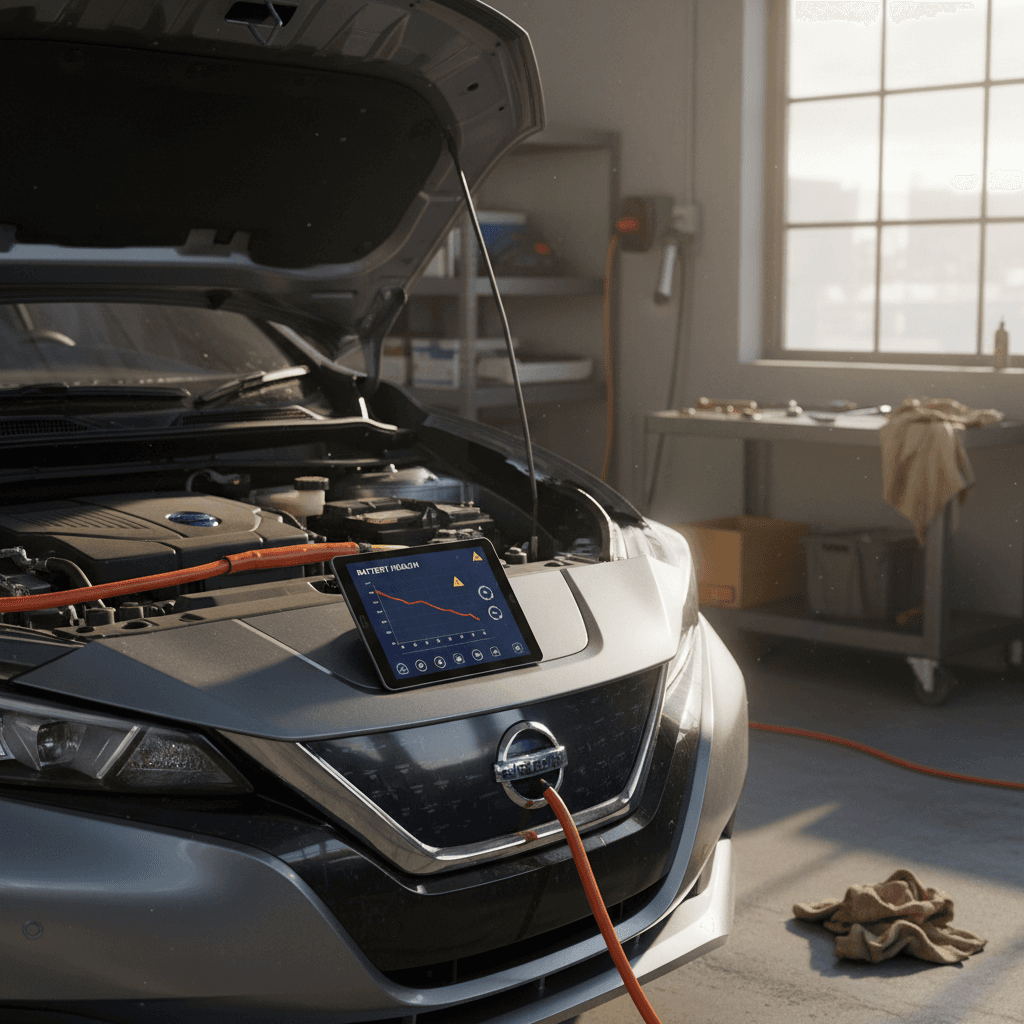
4. Evaluate battery health beyond the dash bars
Capacity bars are a quick read, but a professional battery health scan can show deeper metrics like estimated State of Health (SOH) and cell balance. Recharged includes this in the <strong>Recharged Score</strong> so you know whether a Leaf’s range matches your life before you buy.
5. Update software before replacing hardware
Many infotainment, camera, and even charging quirks improve with updated software. Ask a dealer to check for TSBs or campaign updates before signing up for expensive part replacements.
6. Use an EV‑savvy shop for out‑of‑warranty work
For problems outside Nissan’s warranty, look for independent shops that regularly service EVs. They’ll be more comfortable diagnosing onboard charger issues, HV contactors, or cooling‑system behavior than a general garage.
What fixes cost, and what warranty should cover
The 2022 Leaf carries Nissan’s 8‑year/100,000‑mile high‑voltage battery warranty against defects and excessive capacity loss, plus more conventional coverage for the rest of the car. That warranty picture matters when you’re pricing out potential fixes, especially anything connected to the battery or charging system.
Typical 2022 Leaf problems, fixes and who pays
Ballpark cost ranges assume out‑of‑warranty repairs at a mix of dealer and independent shops in the U.S. Your numbers may vary by region.
| Issue | Likely Fix | Warranty vs. Owner Cost (approx.) |
|---|---|---|
| Battery recall / fast‑charging ban | Follow Nissan’s instructions; eventual battery or control‑module remedy when released. | Warranty: Safety recalls are performed at no cost. Until a final fix exists, your "cost" is lost fast‑charging convenience. |
| Noticeable range loss within warranty period | Battery testing, potential pack replacement if capacity drops below Nissan’s threshold. | Warranty: High‑voltage battery warranty may cover pack replacement; confirm bars and documentation with a dealer. |
| Onboard charger (Level 2) issues | Diagnostics, potential replacement of the onboard charger or related wiring. | Early years: Often covered under EV system warranty. Later: Can run into the low thousands if fully out of coverage. |
| Infotainment freezing/reboots | Software updates; in stubborn cases, replacement head unit. | Under 3/36: Typically covered. Out of warranty: A few hundred to over $1,000 depending on parts and labor. |
| Backup camera intermittently blank | Software update, wiring fix, or camera replacement. | Under basic warranty: Usually covered. Later: $200–$600 typical range. |
| Suspension clunks or rattles | Sway‑bar links, bushings, or other wear items. | Owner cost: Often $200–$600 depending on parts and labor; similar to any compact car. |
Always get a written estimate and confirm warranty coverage before authorizing major EV work.
Leverage extended and EV‑specific coverage
Shopping for a used 2022 Nissan Leaf: smart buyer checklist
A 2022 Leaf can be a fantastic value, if it fits your driving life and its battery/charging story checks out. Here’s how to separate the keepers from the headaches when you’re looking at used examples, whether through a private party, a conventional dealer, or a dedicated EV marketplace like Recharged.
Used 2022 Leaf buyer checklist
Confirm recall status and fast‑charging limits
Use the VIN to check for open recalls and ask specifically whether the car is under a battery campaign that restricts CHAdeMO fast charging. If it is, assume this is a Level 2‑only car until Nissan’s fix lands.
Match battery health to your daily range needs
Look at capacity bars, take a long mixed‑driving test trip, and, if possible, request a <strong>battery health report</strong>. If your commute is 70 miles round‑trip, a Leaf that realistically delivers 90–100 miles in your climate leaves you a comfortable buffer.
Inspect charging equipment and ports
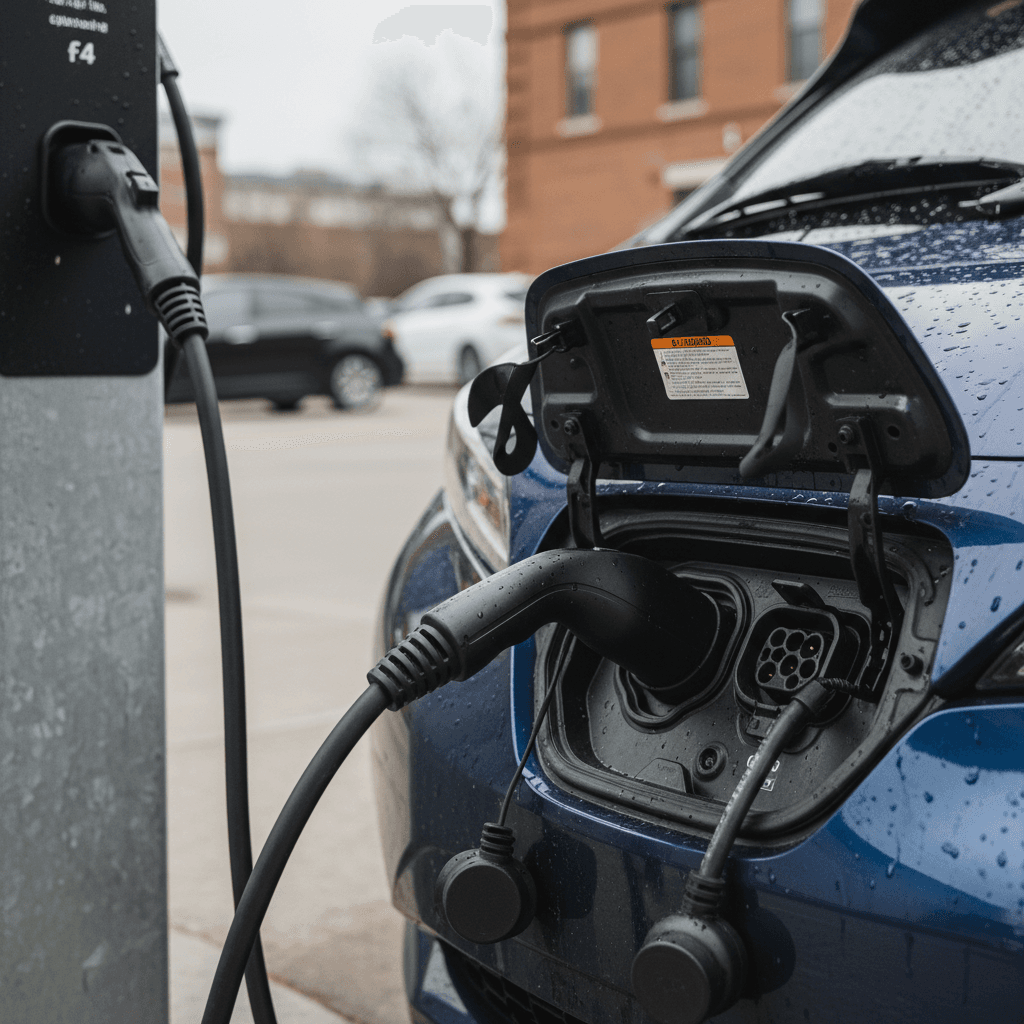
Open the charge doors and inspect the J1772 and CHAdeMO ports for bent pins, corrosion or broken latches. Confirm that the portable Level 1 cord and any home Level 2 EVSE included with the sale work properly.
Test all electronics and safety features
On your drive, test the touchscreen, Bluetooth, CarPlay/Android Auto, cameras, parking sensors, and driver‑assist features like ProPILOT Assist (if equipped). Glitches you catch now are easier to negotiate on price, or fix under warranty.
Listen for suspension and brake noises
Drive over speed bumps and rough pavement with the windows down. Light rattles can be minor trim; heavier clunks or steering looseness deserve a closer look.
Get a professional EV‑focused inspection
Because the Leaf’s value lives and dies with its battery, a <strong>specialized EV inspection</strong> is worth the time. Recharged builds this into every car via a Recharged Score, verified battery diagnostics, and expert EV guidance so you’re not playing guess‑and‑check with your savings.
FAQ: 2022 Nissan Leaf problems and fixes
Frequently asked questions about 2022 Nissan Leaf problems
Bottom line: Is a 2022 Nissan Leaf a good buy?
If you judge it like a modern long‑range EV, the 2022 Nissan Leaf can look outdated: modest range, an aging CHAdeMO plug, and a battery recall that’s cast a shadow over some cars. But if you judge it as an honest, affordable electric runabout for realistic daily driving, it starts to make a lot more sense. The core hardware is solid, running costs are low, and the biggest pitfalls, battery health, recall status, and local fast‑charging coverage, are things you can check before you buy.
The sweet spot is a well‑cared‑for 2022 Leaf with clear battery health, no open safety recalls, and a use case centered on home charging and modest trips. That car can deliver years of quiet, economical service. If you want help finding exactly that, Recharged exists for this moment: we vet used EVs, score their batteries, and guide you through every step so the only surprise with your Leaf is how easy it is to live with.