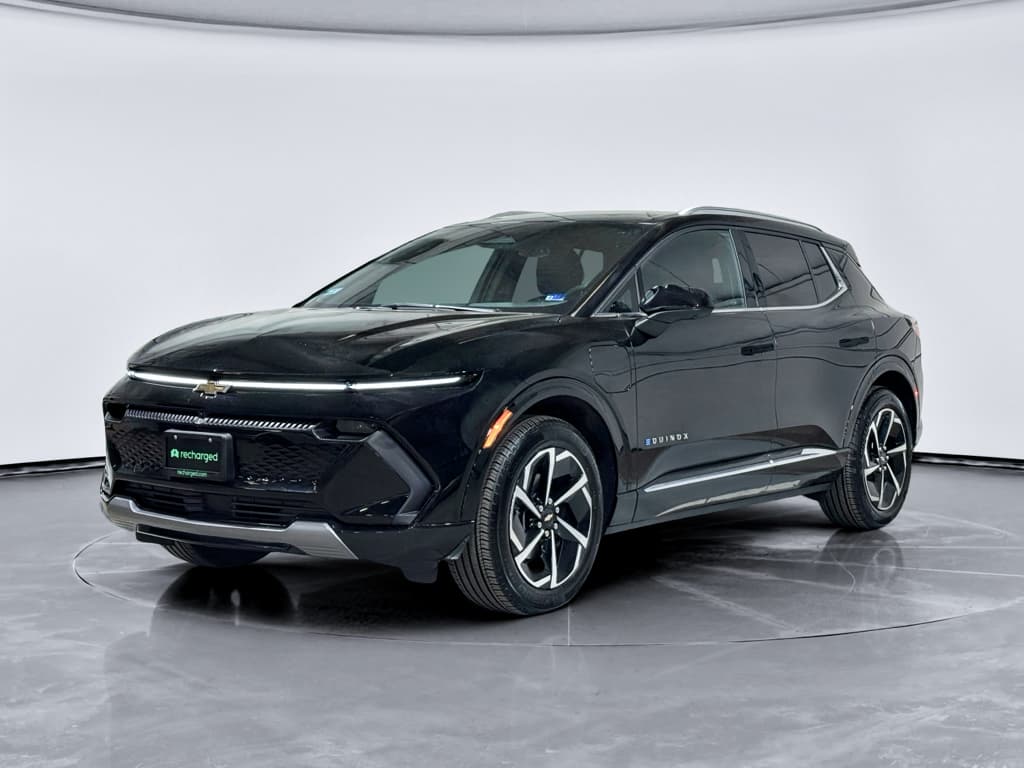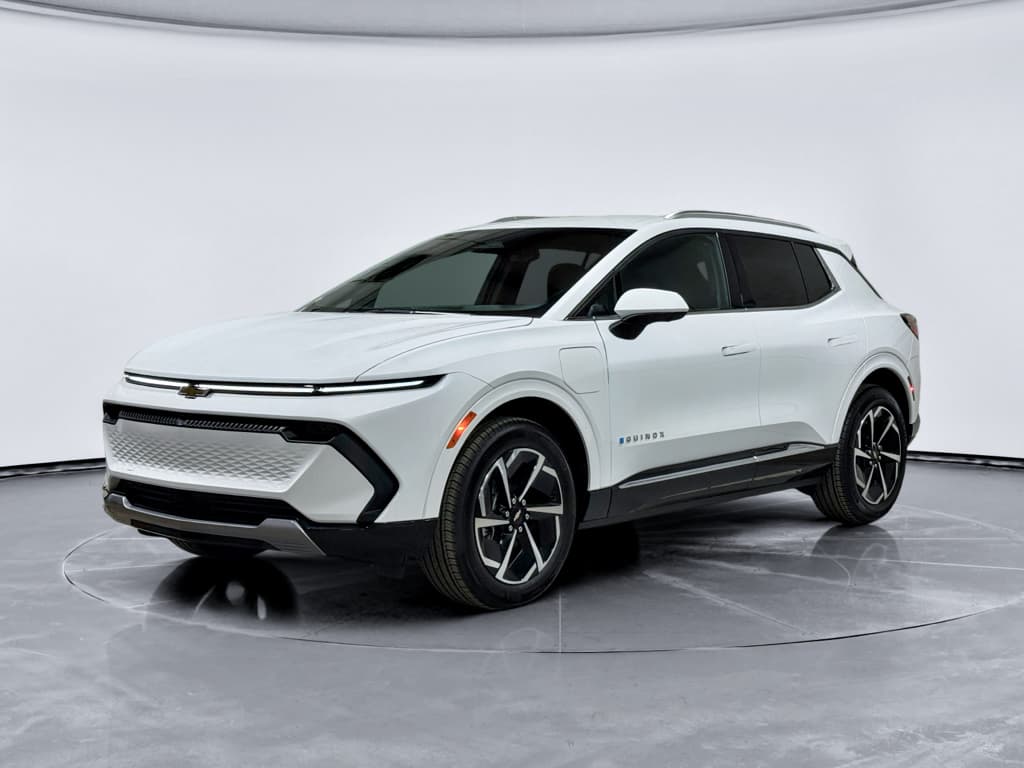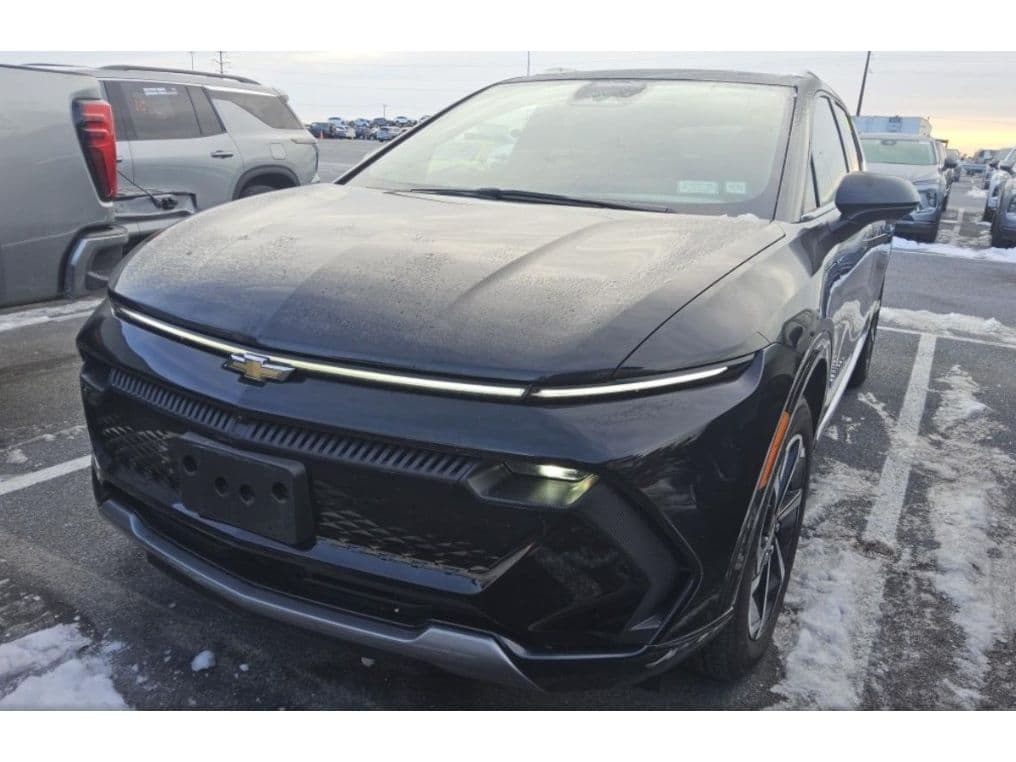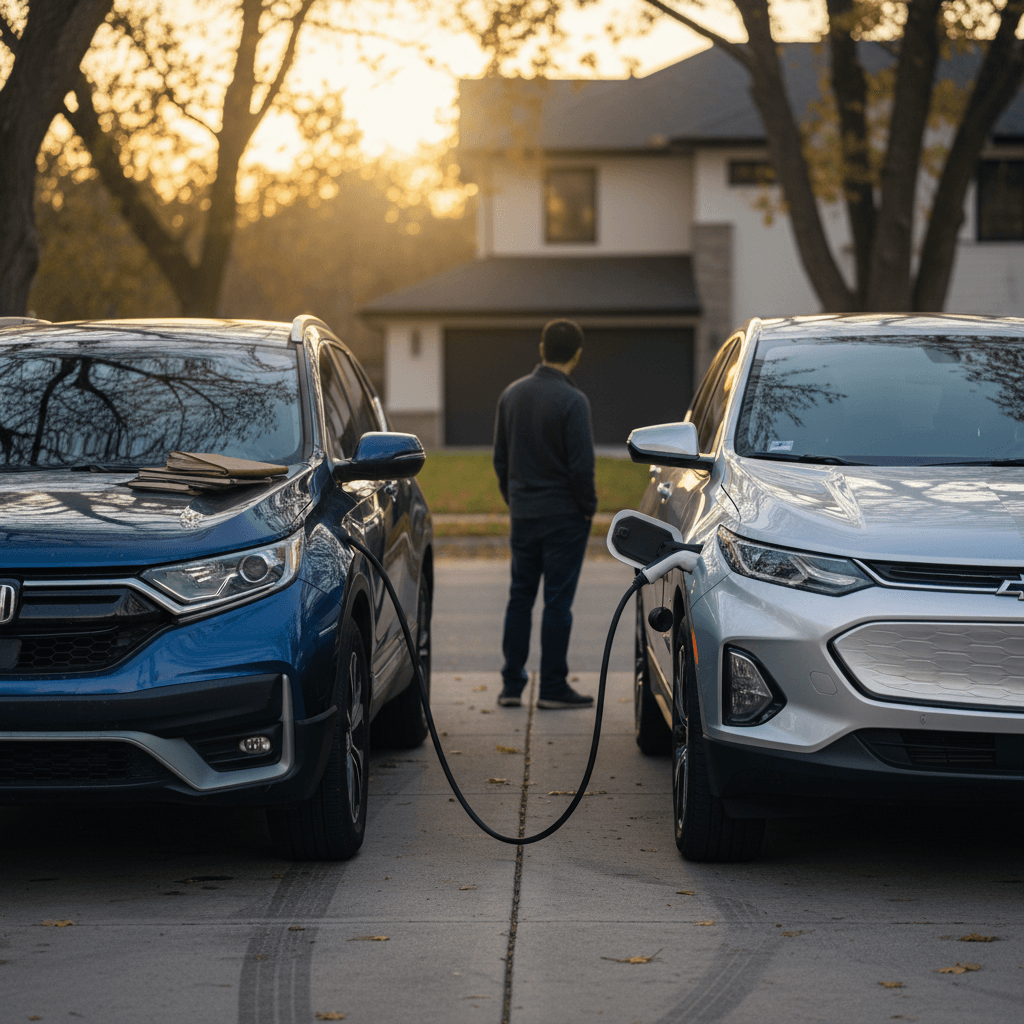
If you’ve been driving a Honda CR-V for years, you’re exactly the kind of driver Chevrolet had in mind when it built the Equinox EV. This review is written with a typical CR-V owner in mind, family-hauler, commuter, weekend errand-runner, to show what really changes (and what doesn’t) when you move from a trusty gas compact SUV to an all-electric Equinox EV.
Context: model years we’re talking about
In this comparison, think of a recent-generation CR-V (2017–2025, similar size and layout) versus a 2024–2025 Chevrolet Equinox EV on GM’s Ultium platform. Exact specs vary by year and trim, but the overall experience lines up closely for most owners.
Who this CR-V to Equinox EV review is for
- You currently own or lease a Honda CR-V and are EV-curious.
- You like the CR-V’s room, comfort, and reliability but want lower fuel costs and emissions.
- You’re comparing a used CR-V replacement versus a new or used Chevrolet Equinox EV.
- You mostly drive in and around town but want confidence for occasional 200–300 mile trips.
- You want a clear-eyed, consumer-focused review, not just specs on a page.
Quick take: Honda CR-V owner switching to Chevrolet Equinox EV
CR-V to Equinox EV at a glance
319 mi
Max EPA range (FWD)
Front-wheel-drive Equinox EV models are rated up to about 319 miles on a full charge, depending on trim and wheels.
~60–70%
Fuel cost cut
Many U.S. drivers cut energy spending roughly in half, or more, vs. filling a CR-V with gasoline, depending on local electricity prices.
150 kW
DC fast charge
Equinox EV can add roughly 70 miles of range in about 10 minutes at a compatible fast charger under ideal conditions.
36–39 cu ft
Cargo space
With rear seats up, both CR-V and Equinox EV offer roughly mid‑30s cubic feet of usable cargo, plenty for family duty.}]}},{