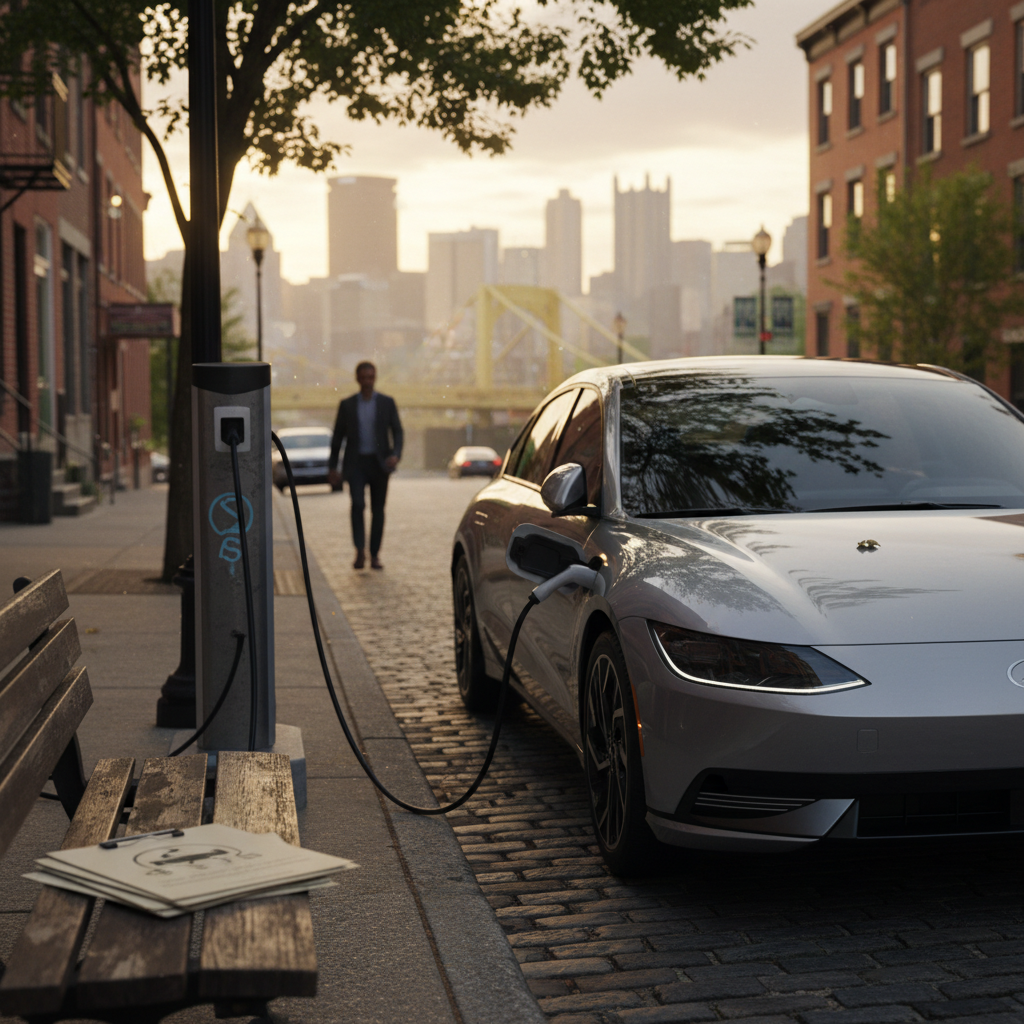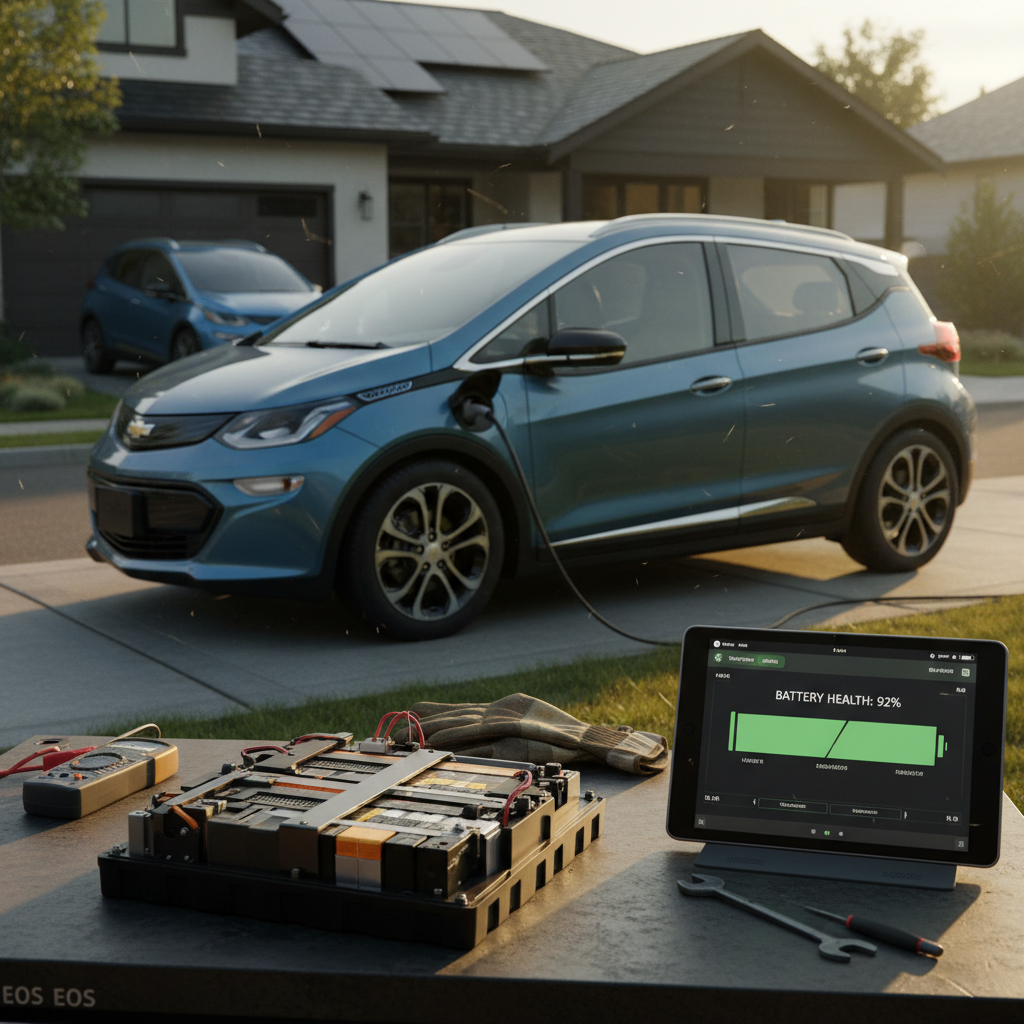
If you care about the highest range EV, you’re not alone. In 2025, most new electric cars comfortably clear 250 miles of EPA-rated range, but a handful push far beyond 400 miles, and one sedan still sits at the top with over 500 miles on a single charge. The real question is which of these long-range EVs makes sense for your budget, driving pattern, and whether you’re buying new or used.
Quick answer
Why EV range matters more than you think
On paper, range is simple: more miles equals fewer stops. In practice, range touches nearly every part of EV ownership, from how often you think about charging, to where you’re comfortable taking road trips, to how your car holds value when you go to sell or trade it in.
Range anxiety vs. range reality
Why the number on the window sticker isn’t the whole story
Daily driving
Most U.S. drivers cover 30–40 miles a day. For that use case, anything above 250 miles of range is functionally overkill as long as you can charge at home or work.
Road trips
Longer trips expose weaknesses. A 250‑mile EV works, but a 350–450 mile EV lets you skip more chargers, drive a bit faster, and build in bigger buffers in bad weather.
Resale value
Range is one of the few specs used‑EV shoppers immediately understand. All else equal, higher range models age better in the used market than short-range early EVs.
Range isn’t permanent
The highest range EVs you can buy in 2025
Let’s start with the headline models, EVs that currently sit at or near the top of the U.S. EPA range charts. Exact figures vary by wheel size and trim, but these are the standouts if you simply want the longest possible range.
Headline long‑range numbers for 2025
Highest range EVs (current production, U.S.‑relevant)
Approximate maximum EPA-rated ranges for popular long‑range EVs. Values rounded and may vary slightly by wheel size and trim.
| Model | Body style | Max EPA range (mi) | Key strength |
|---|---|---|---|
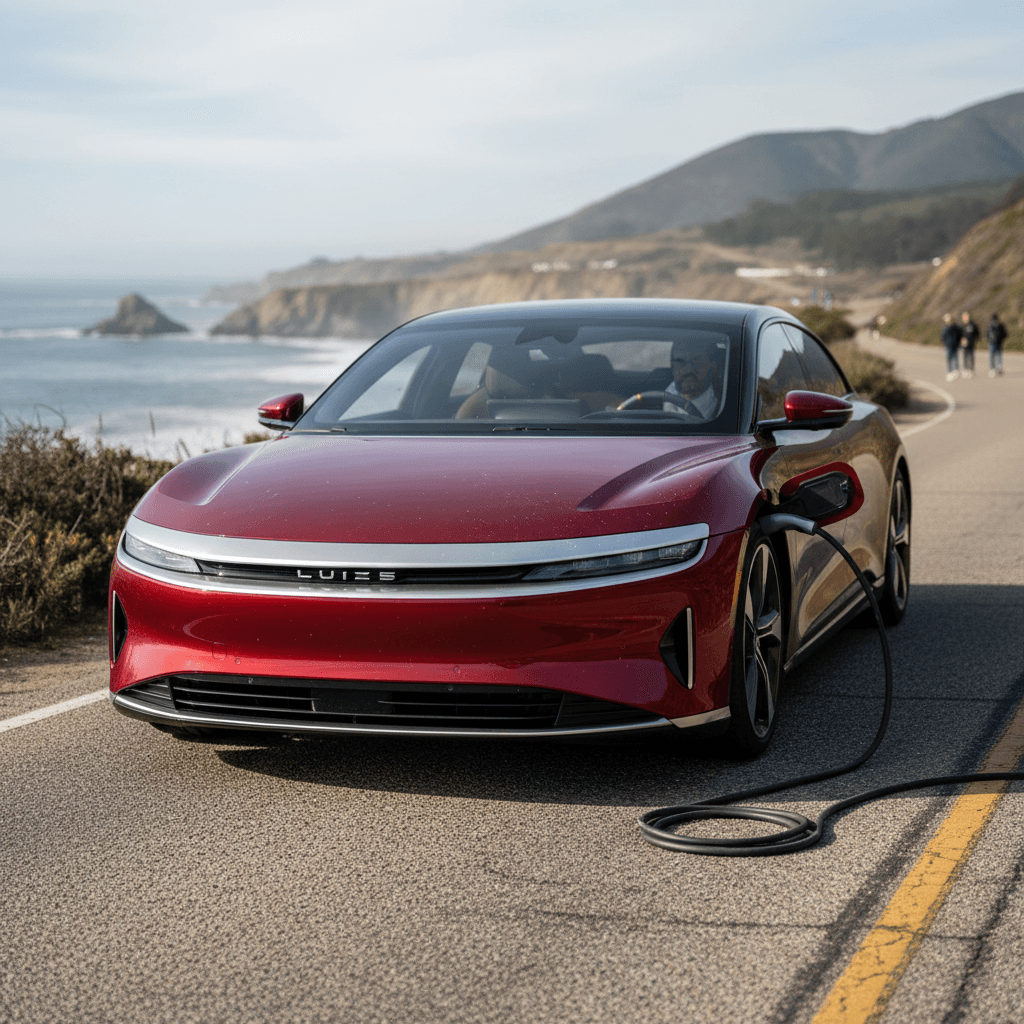
| Lucid Air Grand Touring | Luxury sedan | 512–516 | Benchmark range and efficiency, ultra‑fast DC charging |
| Tesla Model S Dual Motor | Luxury sedan | ~405 | Strong Supercharger access, mature software ecosystem |
| Rivian R1T / R1S Max pack | Pickup / SUV | ~400 | Adventure‑ready with truck/SUV practicality |
| Hyundai Ioniq 6 SE RWD LR | Midsize sedan | 361 | Exceptional aero efficiency at a relatively attainable price |
| Volvo ES90 (est. U.S. spec) | Lifted sedan | ~430 WLTP / ~380–400 EPA est. | Long‑range Scandinavian luxury, 800V architecture |
| Kia EV6 LR RWD | Crossover | 310 | Balanced range, price, and ultra‑fast charging |
| Chevrolet Blazer EV RS RWD | Crossover | ~334 | Practical midsize SUV with strong range for the segment |
| Mercedes EQS SUV 450+ | Luxury SUV | 323 | High‑end comfort with over 300 miles of range |
Always confirm the exact range for your chosen trim and wheel size, small configuration changes can move the number more than you’d expect.
When 400+ miles actually helps
Affordable high-range EVs that go the distance
You don’t have to spend six figures to get serious range. A growing set of mainstream EVs now deliver 300+ miles while starting closer to the price of a nicely equipped gas crossover.
Notable long-range value plays
High range without the ultra‑luxury price tag
Hyundai Ioniq 6 SE RWD
EPA range: up to about 361 miles.
Why it matters: One of the most efficient EVs on sale, proving you don’t need a massive battery to go far.
Chevrolet Equinox EV FWD
EPA range: roughly 319 miles.
Why it matters: Pricing in the mid‑$30Ks for certain trims makes it one of the cheapest ways to get nearly 320 miles of range in a new EV.
Kia EV6 Long Range RWD
EPA range: around 310 miles.
Why it matters: Strong range plus 800‑V ultra‑fast charging means quicker road‑trip stops than some higher‑range rivals.
Sweet spot for most buyers
Buying a used high-range EV: what really matters
If you’re shopping used, the spec-sheet range number from when the car was new only tells part of the story. What you really care about is how much of that range the car still has after years and miles, something most window stickers won’t tell you.
1. Battery health over brochure range
A 2018 EV that launched with 238 miles of range but has lost 10–15% of its usable capacity may now behave more like a 200‑mile car. Conversely, a well‑cared‑for 2022 long‑range model might still be close to its original rating.
When you shop used through Recharged, every vehicle comes with a Recharged Score Report that includes verified battery health, so you’re buying based on what the car can actually do today, not what it did on launch day.
2. Charging behavior and history
Range isn’t just chemistry; it’s also how the car has been charged. Heavy fast‑charging, frequent 100% charges, and hot climates can all accelerate degradation.
Look for cars with a healthy pattern of home or workplace Level 2 charging, and lean on independent diagnostics (like the tests Recharged runs) to validate what the odometer and Carfax can’t reveal.
Used long-range EV buying checklist
Confirm actual battery health
Ask for an independent battery diagnostic, not just a dash screenshot. Recharged includes this in the Recharged Score Report on every EV it sells.
Check original EPA range
Know the car’s range when new so you can estimate how much has been lost. A 5–10% drop is common; large drops are a red flag.
Review charging and climate history
Cars living in very hot regions or doing mostly DC fast charging tend to lose range faster. Service records and owner interviews can help fill in the gaps.
Test a real-world drive
If possible, do a mixed city/highway test drive and watch how quickly the state of charge drops versus miles driven. That’s often more informative than any single estimate.
Verify charging port and adapters
Make sure the car’s connector (CCS, NACS, etc.) fits your local infrastructure or that adapters are readily available.
Factor in software updates
Some manufacturers improve efficiency or alter range estimates via over‑the‑air updates. Ask the seller if the car is on the latest software.
How EPA range actually works (and why your mileage varies)
EPA range is the only apples‑to‑apples metric we have across EVs, but it’s still a laboratory estimate. Understanding how it’s calculated helps you make sense of why a "361‑mile" car might feel like a 300‑mile car at 75 mph, or a 420‑mile car in city traffic.
- Mixed driving cycles: The EPA test blends city and highway loops, then applies a correction factor to approximate real‑world conditions. Cars optimized for high‑speed aero may over‑ or under‑perform that blend depending on how you actually drive.
- Temperature-controlled testing: Official tests happen in relatively mild conditions. In the real world, winter cold or summer heat can dramatically change range, especially if you precondition the cabin a lot.
- Accessory usage: Things like HVAC, heated seats, and even big infotainment screens draw power. Some tests minimize that draw; you probably won’t, especially in extreme weather.
Benchmark, not a promise
6 factors that quietly kill EV range
Two identical EVs can deliver very different real‑world range depending on how and where they’re driven. If you’re chasing maximum miles, these are the big levers you can actually control.
Common EV range killers
And what you can do about them
High sustained speed
Aero drag rises roughly with the square of speed. That means 75–80 mph highway cruising can chop 15–25% off your range versus driving closer to 65 mph.
Cold weather
In freezing temps, batteries are less efficient and cabin heating is energy‑intensive. Plan for notable winter range loss, especially on short trips where the car never fully warms up.
Short, stop‑and‑go trips
Lots of tiny errands force the car to heat or cool the cabin over and over, which is inefficient. Longer, consolidated trips use energy more effectively.
Weight & roof boxes
Extra cargo, roof racks, and cargo boxes add both mass and drag. The impact is magnified at highway speeds.
Tires & wheels
Upsized wheels and aggressive tires look great but usually increase rolling resistance and aero drag, often shaving noticeable range compared with the efficiency‑spec setup.
Driving style
Hard acceleration and late braking squander efficiency you could otherwise reclaim through regen. Smooth, anticipatory driving pays surprising range dividends.
Don’t ignore the bottom of the battery
Checklist: choosing the right long-range EV for you
The "highest range EV" on paper isn’t automatically the right answer. Use this checklist to align what you actually need with what the market offers.
Practical range-planning checklist
1. Map your real weekly driving
Look at the longest drive you actually do in a normal week (commute, kids’ activities, errands). If that’s under 120 miles round‑trip and you can charge at home, anything above 250 miles is mostly about peace of mind.
2. Define your road-trip pattern
Do you drive 500+ mile days several times a year, or is a 250‑mile weekend getaway more typical? Frequent long‑distance drivers benefit most from 330+ mile EVs and faster DC charging.
3. Check your charging reality
Home Level 2 in a garage? Apartment with only public fast chargers? Workplace charging? Your <strong>access to cheap, convenient kWh</strong> should shape how much range you need and what charging speed matters.
4. Consider climate and terrain
Mountain passes, heavy winter, or extreme heat argue for a larger buffer. If you’re in mild, flat climates, you can comfortably live with a lower rated range.
5. Balance budget vs. range
Often, spending less on peak range and more on a newer, healthier battery (or on a home charger) delivers a better ownership experience than chasing the absolute top‑range trim.
6. Think ahead to resale
Higher‑range, popular models typically remain easier to sell or trade later. That’s especially true as early short‑range EVs fade from the market.
How Recharged helps you shop smarter for range
Range anxiety is really uncertainty anxiety. When you know how healthy the battery is, what kind of charging the car supports, and how its range compares to your actual life, the fear mostly disappears. That’s exactly the gap Recharged is designed to close.
What Recharged brings to long-range EV shopping
Especially important if you’re buying used
Recharged Score battery diagnostics
Every vehicle on Recharged includes a Recharged Score Report with verified battery health and range insights, so you know what the pack can actually deliver today.
Fair market pricing & trade‑ins
Recharged benchmarks each EV against nationwide data to keep pricing honest. You can also trade in or get an instant offer for your current vehicle, EV or not.
Nationwide, digital-first experience
Shop online, lean on EV specialists for advice, and get nationwide delivery plus support setting realistic expectations around range, charging, and daily use.
Ready to find your next EV?
Browse VehiclesWhy this matters for high-range EVs
FAQ: Highest range EVs and real-world ownership
Frequently asked questions about high-range EVs
Bottom line: Do you really need the absolute highest range EV?
It’s tempting to focus on whichever EV currently wears the "highest range" crown. In 2025, that means the Lucid Air Grand Touring, followed by a small club of 350–400+ mile contenders. But for most drivers, the smarter move is to treat range as one piece of a broader puzzle that includes charging access, climate, budget, and how long you plan to keep the car.
If you regularly pound out long highway days or live far from fast chargers, paying up for a 330–400 mile EV can absolutely make sense. If you’re mostly commuting, shuttling kids, and doing the occasional weekend trip, a well‑priced 280–320 mile EV, especially one with a healthy battery and fast charging, will feel every bit as liberating in daily life. That’s where a transparent, data‑driven marketplace like Recharged can help: by surfacing real battery health, fair pricing, and EV‑savvy support, so you end up with the right range for the way you actually drive, not just the biggest number on a spec sheet.