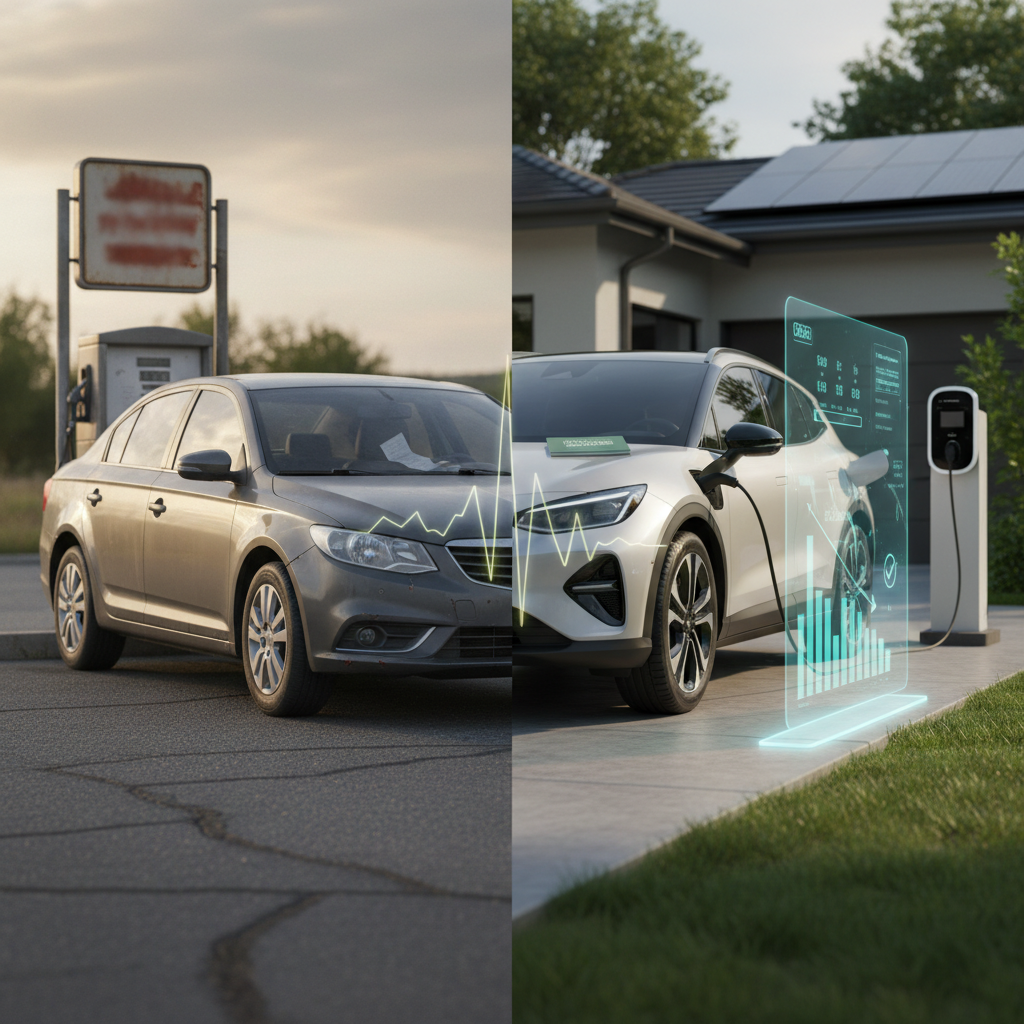
If you like the practicality of a small car but want the smooth, quiet punch of an EV, hatchback electric cars sit right in the sweet spot. They’re easy to park, surprisingly roomy, and, especially on the used market, some of the most affordable ways to go electric today.
Quick overview
Why hatchback electric cars are so popular
The basic hatchback formula hasn’t changed for decades: small footprint, big usability. Add an electric powertrain and you get instant torque, low running costs, and quiet refinement in a package that still fits into tight city spaces and older garages. For many drivers, especially urban and suburban households, a hatchback EV covers 95% of daily driving with far less cost and complication than a big electric SUV.
What drivers love about electric hatchbacks
Compact size, big‑car usefulness
Easy to live with
Shorter overall length and wide-opening hatch doors make it easy to park, load groceries, and fit into older garages or tight urban spaces.
Efficient by design
Smaller, lighter bodies help hatchback electric cars squeeze more miles from each kWh, which means fewer charging stops and lower electricity costs.
Great value
Because the market chases crossovers and SUVs, compact EV hatchbacks, especially used, often deliver more range and equipment for the money.
Parking advantage
Key benefits of electric hatchbacks
- Low running costs: Electricity is usually cheaper per mile than gasoline, and EVs need far less routine maintenance.
- Instant torque: Even modest hatchback EVs feel lively from stoplights, which is perfect for city and suburban traffic.
- Flexible cargo space: The hatch and folding rear seats handle everything from strollers to sports gear and home‑improvement runs.
- Quiet, refined drive: Electric powertrains remove most of the vibration and noise you’re used to in a small gas hatchback.
- Cleaner commuting: Zero tailpipe emissions help cut local air pollution, especially in dense urban areas.
Where hatchback EVs are less ideal
Top hatchback electric cars available in the US
The American market is SUV‑heavy, but there are still several notable hatchback electric cars you can buy new or, often more affordably, used. Exact pricing will vary by trim and incentives, but this table gives you a realistic snapshot.
Popular hatchback electric cars in the US (2025)
Core specs for key models you’re likely to see in new and used listings.
| Model | Body style | Approx. starting price (new/late‑model used) | EPA range (max) | Fast‑charging connector |
|---|---|---|---|---|
| Chevrolet Bolt EV | Subcompact 5‑door hatchback | ~$26,500 new (when last sold); low‑$20k used | 259 miles | CCS |
| Chevrolet Bolt EUV* | Subcompact hatch/crossover | High‑$20k used | 247 miles | CCS |
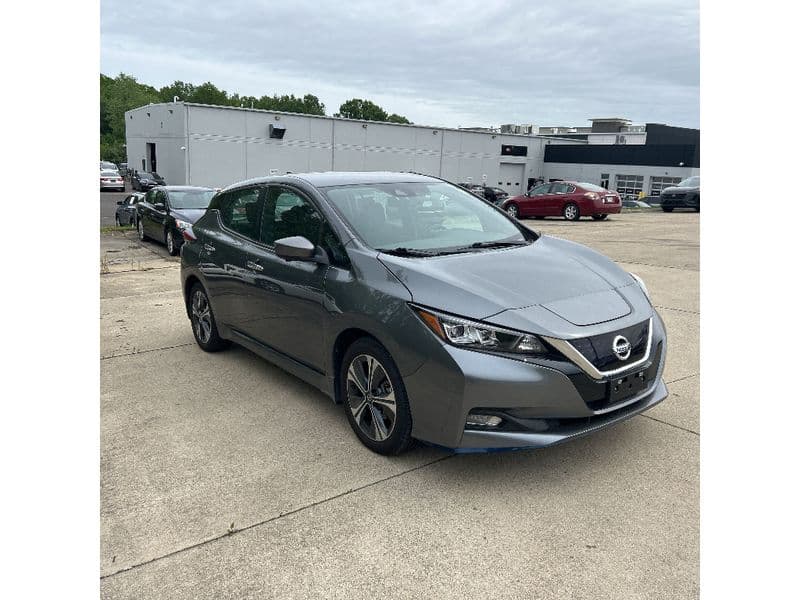
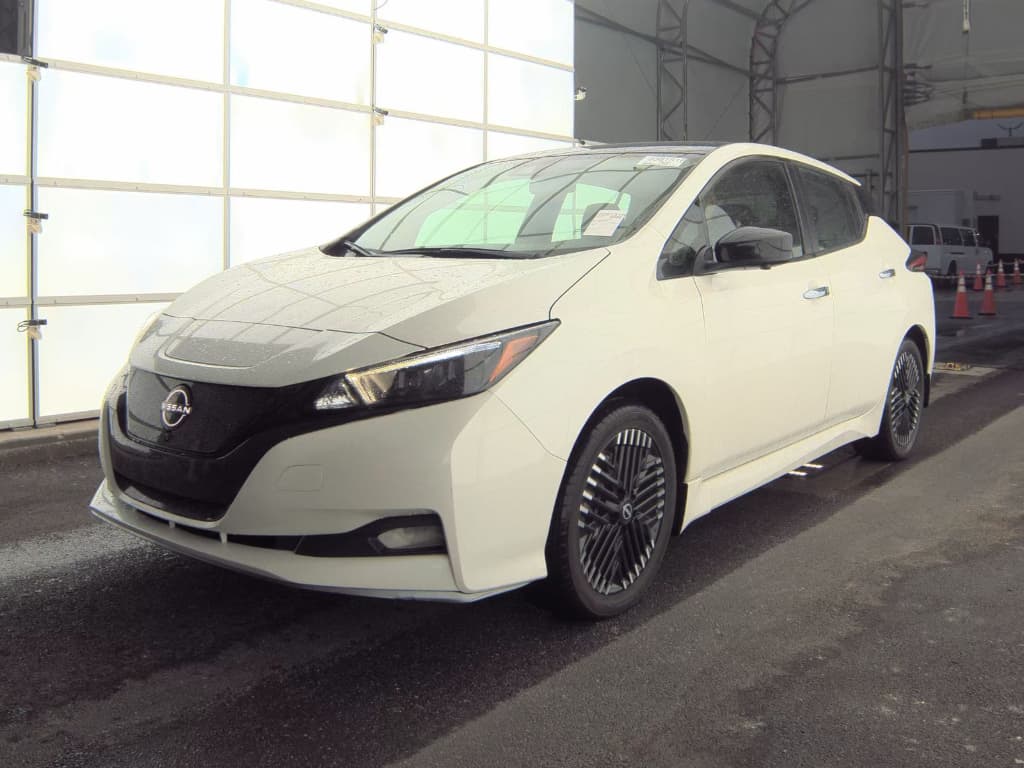
| Nissan Leaf | Compact 5‑door hatchback | High‑$20k new; teens–low‑$20k used | 212 miles (Plus) | CHAdeMO |
| Mini Cooper SE | Subcompact 3‑door hatchback | Low‑$30k new; mid‑$20k used | ~114 miles | CCS |
| Hyundai Ioniq Electric** | Compact 5‑door hatchback | Primarily used imports | 170 miles | CCS |
| VW e‑Golf** | Compact 5‑door hatchback | Primarily used | 125–144 miles | CCS |
Always check the specific trim, model year, and EPA ratings for the vehicle you’re considering.
About availability
Note on footnotes
Notable global electric hatchbacks to know
Outside the US, small electric hatchbacks are booming. You’ll see them all over European and Asian cities, where narrow streets, expensive fuel, and strict emissions rules favor compact EVs. Even if they’re not yet sold where you live, they hint at what’s coming to future US showrooms, and what you might encounter if you shop imported used EVs.
Stand‑out electric hatchbacks abroad
Models that define the next wave of compact EVs
Renault 5 E‑Tech & Nissan Micra EV
Renault’s retro‑styled 5 E‑Tech and the new fully electric Nissan Micra share advanced small‑car platforms and battery options around 40–52 kWh, with WLTP ranges up to roughly 250–260 miles. They’re designed squarely as urban and suburban hatchback electric cars.
Affordable Chinese city EVs
Brands like Nio’s Firefly and Arcfox’s T1 offer compact 5‑door EV hatchbacks with 40–60‑ish kWh batteries and ranges commonly quoted at 250–400 km on local test cycles. Many are aimed at young, budget‑conscious buyers in dense cities.
Kia EV4 hatchback (Europe)
Kia’s EV4 line is slated to include a 5‑door hatchback for Europe around the 2026 model year, riding on the E‑GMP platform. It’s another sign that mainstream brands view electric hatchbacks as a core part of their future lineups.
Why this matters to US shoppers
Global demand for small EVs helps drive battery costs down and technology up. Even if a specific model never reaches the US, its platform and tech often show up in North‑American‑bound cars a few years later.

How far can a hatchback EV really go?
Range is the number that tends to dominate EV conversations. For most hatchback electric cars, you’ll typically see official ratings from about 114 miles (older or smaller‑battery models) up to roughly 250–260 miles on a full charge. The sweet spot for many buyers is around 180–230 miles, enough for most weekly driving with a little road‑trip flexibility.
Think in daily miles, not just max range
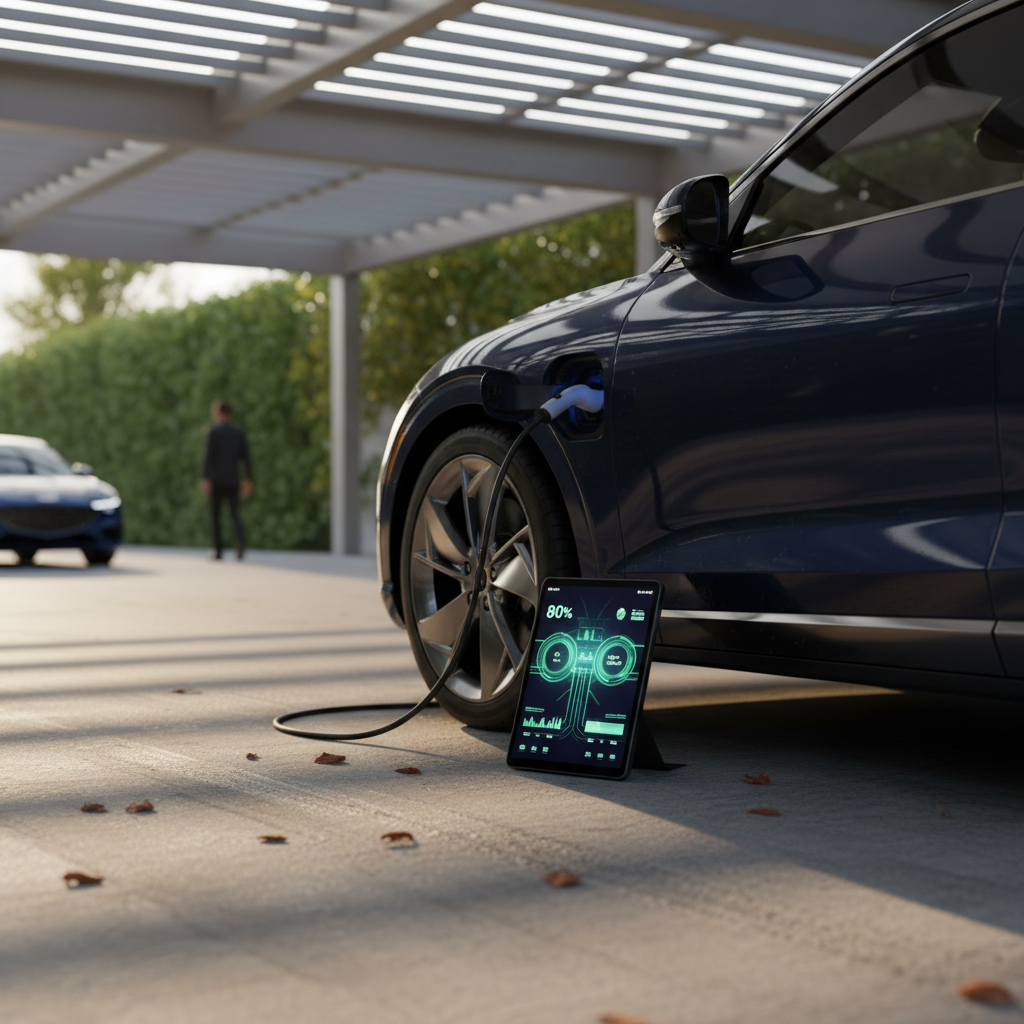
Average US drivers cover about 30–40 miles per day. Even a 150‑mile hatchback EV can handle that for several days between charges if you plug in at home on a simple Level 2 charger.
- Commuting 50 miles round‑trip? A 200‑mile EV gives you a healthy buffer.
- Mostly city miles with occasional errands? Even shorter‑range EVs can work.
Real‑world factors that reduce range
- Highway speed: Driving at 75–80 mph can noticeably cut range versus city speeds.
- Cold weather: Cabin heat and battery chemistry both trim winter range.
- Cargo & passengers: Extra weight makes any vehicle less efficient.
- Roof racks/boxes: Added drag hurts efficiency at speed.
When you evaluate a hatchback EV, assume you’ll see 70–85% of the official rating in harsh conditions and plan accordingly.
A simple range rule of thumb
New vs used hatchback electric cars
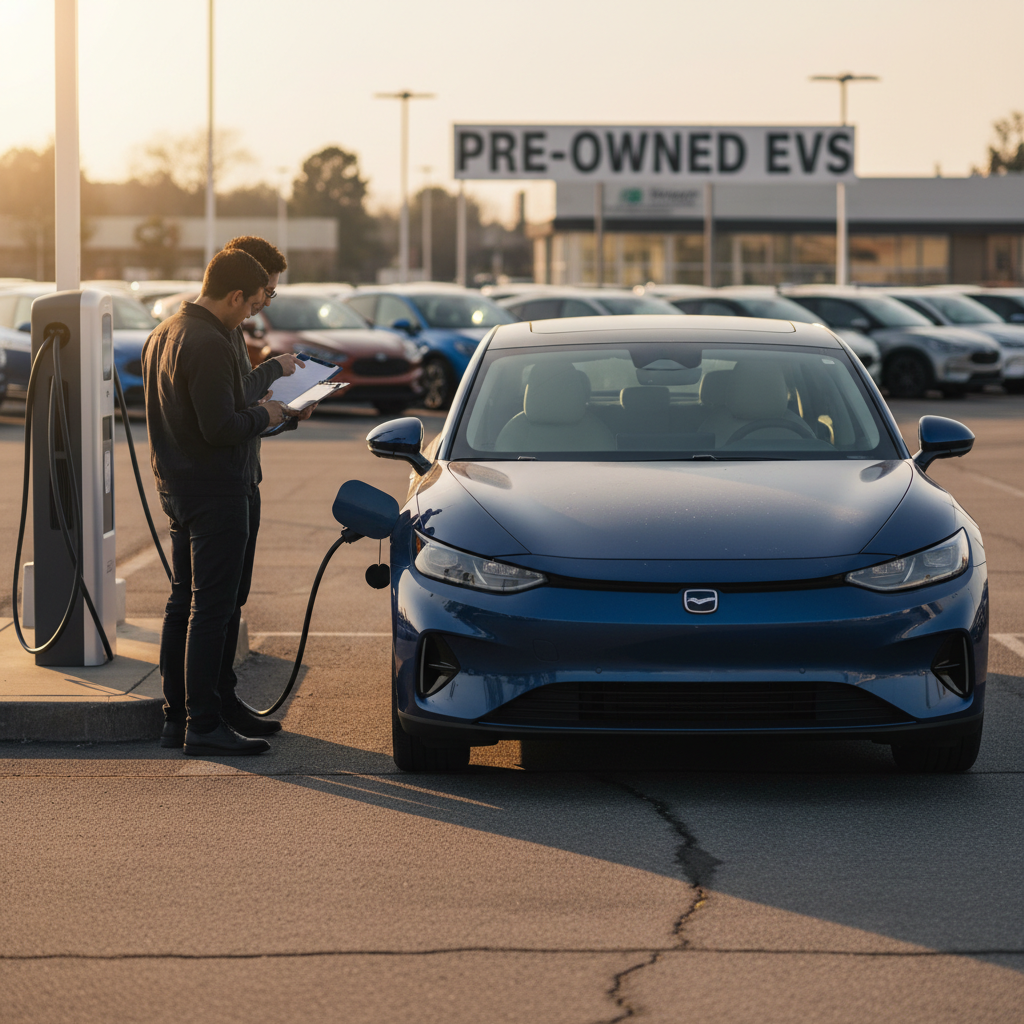
Because several early electric hatchbacks have been on sale for years, the used market is rich with options, especially Leafs and Bolts. The right choice comes down to how you balance warranty coverage, price, and the latest tech.
New vs used hatchback EVs at a glance
Both can be smart choices for the right buyer
Why buy new
- Full factory warranty and fresh battery.
- Latest safety tech and infotainment.
- Eligible for the newest federal and state incentives (subject to rules).
- Opportunity to roll costs into financing or a lease.
Why buy used
- Lower upfront price; depreciation has already hit.
- Access to discontinued favorites like the original Chevy Bolt EV.
- Great for households wanting an affordable second car for commuting.
- Often easier to pay cash or take a shorter‑term loan.
Where Recharged fits in
Ready to find your next EV?
Browse VehiclesBattery health and longevity
In any used electric hatchback, the traction battery is the big-ticket item. Modern EV batteries are lasting longer than many early skeptics predicted, but capacity loss over time is real and it affects both range and resale value.
Battery basics in compact EV hatchbacks
How to evaluate battery health in a hatchback EV
1. Look at the battery report, not just mileage
Two cars with the same odometer reading can have very different battery health depending on climate and charging habits. Ask for an objective state‑of‑health report whenever possible.
2. Use a trusted diagnostic tool
At Recharged, the <strong>Recharged Score</strong> includes a battery‑health diagnostic so you can see how the pack compares to a similar new vehicle. If you’re shopping elsewhere, ask whether the seller can provide equivalent data.
3. Consider climate and usage history
A Leaf that lived its life in a hot, fast‑charging‑heavy environment may show more degradation than one driven in a mild climate and mostly charged at home on Level 2.
4. Match remaining range to your needs
Even with some degradation, an older hatchback electric car can make a great commuter if its current realistic range still covers your daily use with room to spare.
Don’t skip the battery check
Cost of ownership and incentives
One reason hatchback electric cars are so appealing is that you get low running costs without paying big‑SUV money up front, especially on the used side. When you add federal and state incentives where available, total cost of ownership can undercut a comparable gasoline hatchback by a wide margin over several years.
Everyday costs that shrink
- Fuel: On a typical residential electricity rate, many EV owners pay the equivalent of $1–$1.50 per “gallon” of energy.
- Maintenance: No oil changes, few moving parts in the drive unit, and less wear on brakes thanks to regenerative braking.
- Time: Home charging means you start most days with a “full tank” without detouring to a gas station.
Incentives and tax credits
US federal EV tax rules have shifted several times and depend on where the vehicle was built, its price, and your tax situation. Many states and utilities also offer rebates or bill credits.
Because programs change, it’s wise to:
- Check current federal rules on the IRS site.
- Search your state energy or transportation department for EV incentives.
- Ask your utility about off‑peak charging rates or rebates.
Leasing vs buying for incentives
How to choose the right electric hatchback
Choosing among hatchback electric cars is a lot easier when you start with your life, not with the spec sheet. Work backward from how you drive, where you’ll charge, and how long you plan to keep the car.
Step‑by‑step selection checklist
1. Map your real driving needs
Write down your longest regular commute, weekly mileage, and a couple of “worst‑case” days each year. This will tell you the minimum real‑world range you actually need.
2. Decide where you’ll charge most
Home Level 2 charging makes EV ownership easiest. If you’re in an apartment, look closely at on‑site charging, workplace options, and nearby public stations before committing.
3. Set a realistic budget
Include the cost of a home charger (if needed), taxes, registration, and charging costs. Compare a new vs used hatchback EV plus any available incentives.
4. Prioritize interior space vs footprint
Some hatchbacks (like the Leaf) offer more rear‑seat space and cargo room; others (like a Mini Cooper SE) are tighter but easier to park. Decide which matters more to you.
5. Test‑drive with your normal cargo
Bring the stroller, golf clubs, or musical instruments you carry most. Make sure the hatch and rear seats handle them easily before you sign anything.
6. Get battery health verified on used EVs
Whether you shop through Recharged or elsewhere, insist on clear, documented battery‑health information. It’s the best predictor of how the car will serve you over the next several years.
FAQ: hatchback electric cars
Frequently asked questions about hatchback electric cars
Bottom line: is a hatchback EV right for you?
If you want EV benefits, quiet, quick acceleration, low running costs, without the price or size of a big electric SUV, hatchback electric cars deserve a serious look. For commuting, school runs, and weekend errands, they’re often the most sensible configuration on the road.
Start by sizing your real‑world range needs, deciding where you’ll charge, and setting a clear budget. Then, compare a few key models, new and used, and insist on transparent battery‑health information, especially when shopping pre‑owned. That’s exactly where a marketplace like Recharged can simplify your life, with verified battery diagnostics, fair pricing, and EV‑savvy guidance from search to delivery.
Get those fundamentals right, and a compact electric hatchback can be the kind of car you forget about in the best possible way: it just quietly does everything you ask of it, while saving you money and time compared with the gas hatchback you’re probably driving today.