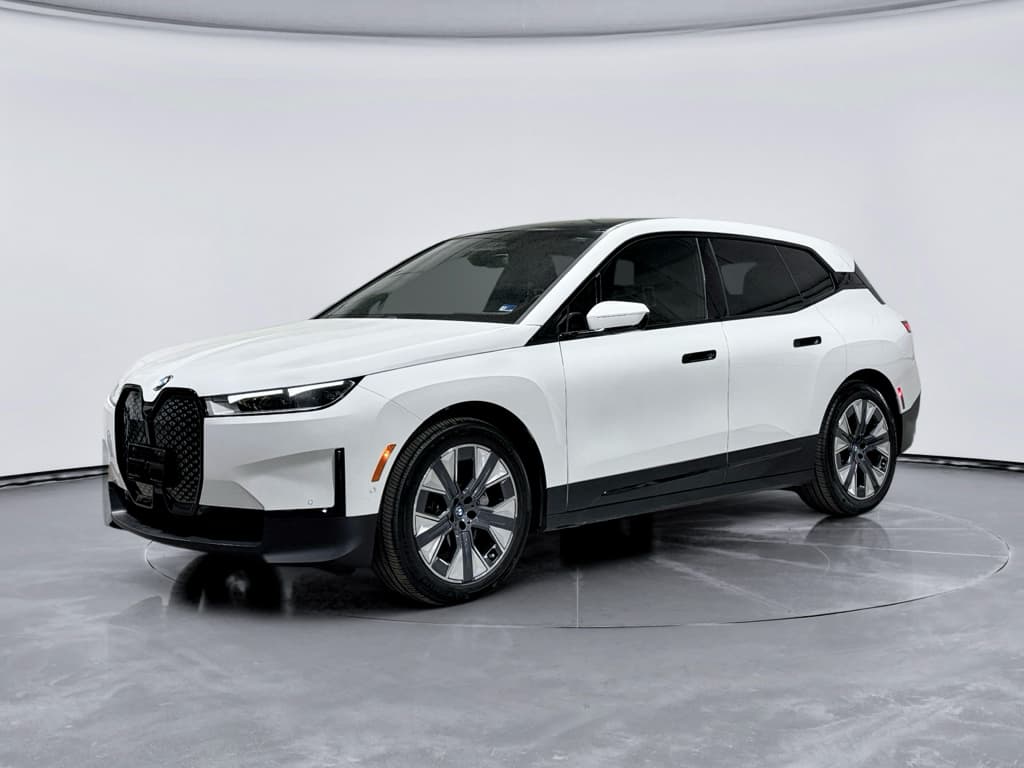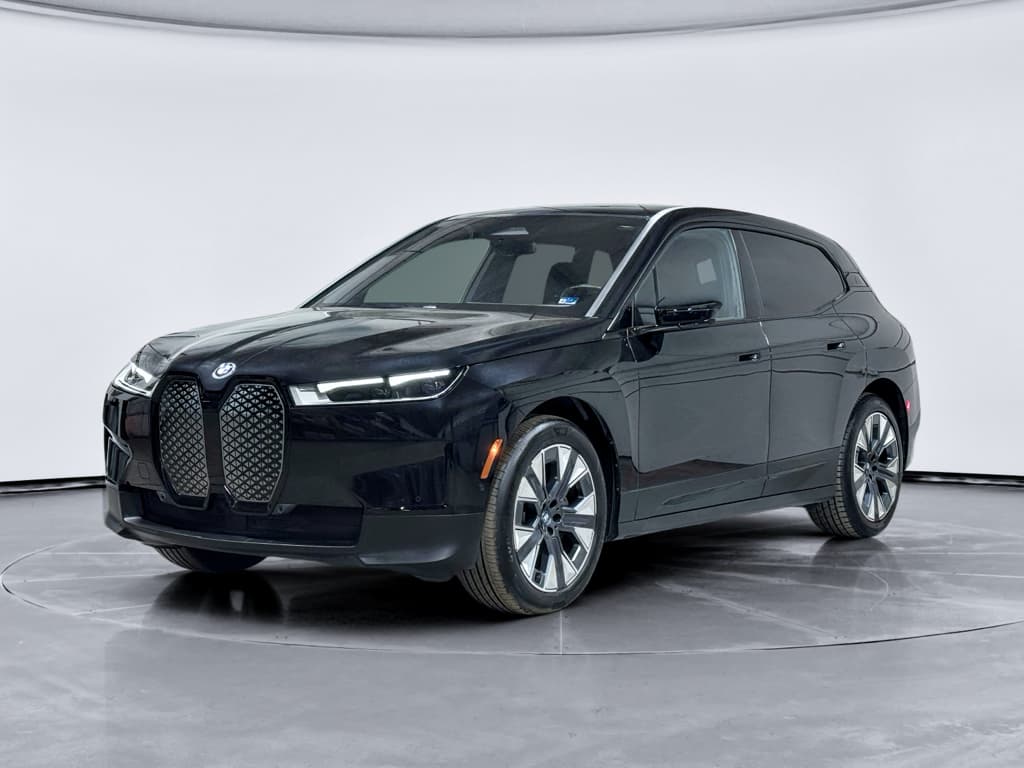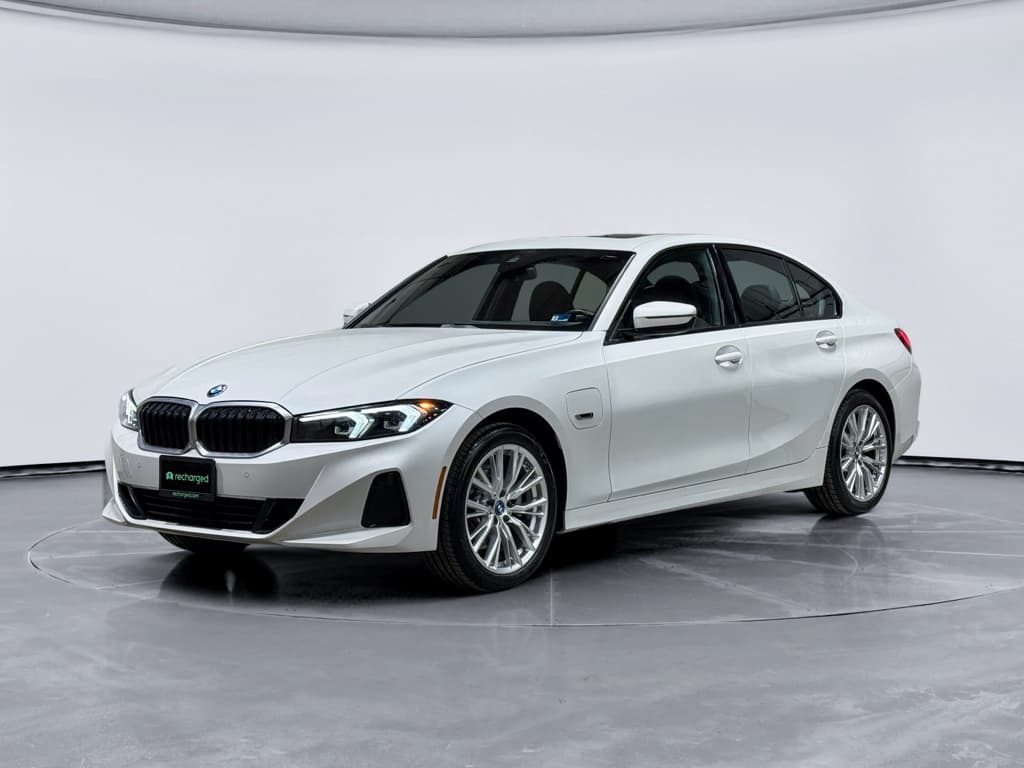
If you bought a BMW i7 for its huge battery and effortless cruising, that first blast of cold air can be a rude awakening. The car that showed 300+ miles in September might suddenly project barely 200 miles in January. This guide breaks down BMW i7 winter range loss in plain language, what’s normal, what’s not, and how to keep your luxury EV comfortable and confident when temperatures plunge.
The short version
BMW i7 winter range loss: quick overview
BMW i7 range: brochure vs. winter reality
BMW sells the i7 with EPA-rated ranges that hover around the 300-mile mark, depending on trim and wheel size. That number assumes mild weather, moderate speeds, and no snow tires. Drop the temperature into the 20s or teens, add highway speeds, and use the heat like a normal human, and you can easily see your usable range fall to roughly 60–80% of the rated figure.
Think in percent, not miles
How much winter range loss is normal in a BMW i7?
Typical BMW i7 winter range loss scenarios
These are generalized, real-world style examples, not lab results. Your actual numbers will vary based on trim, wheels, driving style, and climate.
| Scenario | Temp & Conditions | Driving Style | Approx. Usable Range | % vs EPA |
|---|---|---|---|---|
| Mild cold city mix | 35–45°F, clear | City + suburban, 35–50 mph, normal heat | 220–250 miles | ~75–85% |
| Freezing highway commute | 20–32°F, dry | 65–75 mph highway, cabin 70°F | 180–220 miles | ~60–75% |
| Bitter cold with snow tires | 0–20°F, slush/snow | Highway 65 mph, winter tires, heavy heat | 160–200 miles | ~55–65% |
| Short hops only | 20–35°F, city | 3–8 mile trips, multiple cold starts | 150–190 miles | ~50–65% |
Assumes a BMW i7 with an EPA rating around 300 miles on all-season tires.
Those ranges can look shocking if you’re coming from a gas 7 Series, where winter might nibble 5–10% off your fuel economy. But for EVs, especially big, luxurious ones that are heating a large cabin and a large battery, 20–40% winter range loss is very normal.
Don’t confuse winter loss with a bad battery
Why your BMW i7 loses range in winter
Four main culprits behind winter range loss
The physics doesn’t care how fancy your leather is.
1. Cold slows battery chemistry
2. Cabin heating is energy-hungry
3. Short trips are a worst-case scenario
4. Tires & slush add rolling resistance
The BMW i7 is actually better prepared for winter than many earlier EVs, but it still obeys physics. That big battery is a blessing, it gives you plenty of buffer even when efficiency tanks, but it also means there’s more mass to heat and move when it’s 15°F and snowing sideways.
Cold-weather tech BMW builds into the i7
Battery preconditioning
Your BMW i7 can precondition the high-voltage battery before you fast charge and, in some cases, before driving. Warming the pack helps restore performance and improves DC fast‑charging speeds in the cold.
Use the BMW app or the car’s departure timer to schedule preconditioning while plugged in so the energy comes from the grid, not your battery.
Efficient heat pump & seat heaters
Depending on your specification, the i7 uses a heat pump and smart HVAC strategies to use less energy than traditional resistance heaters. Pair that with heated seats and steering wheel, and you can often turn the cabin temperature down a notch while staying just as comfortable.
Those little changes add up to meaningful miles in winter.
- Intelligent thermal management that warms and cools the pack as you drive.
- Multiple drive modes (Efficient, Personal, Sport) that change how aggressively the car uses power.
- Detailed in-car energy use displays so you can see how much range the climate system is eating.
Comfort doesn’t have to kill your range
10 ways to maximize BMW i7 winter range
Practical winter range tips for BMW i7 owners
1. Always precondition while plugged in
Use the BMW app or in-car scheduler to warm the cabin and battery <strong>before you leave</strong>. Drawing that energy from the wall instead of the pack means more miles once you’re on the road.
2. Use heated seats & wheel first
Turn on <strong>seat and steering wheel heaters</strong> and try nudging the cabin temp down a couple degrees. Heating your body directly uses less energy than heating all the air in that big cabin.
3. Avoid lots of short, cold trips
Batch your errands where possible. The i7 is more efficient on <strong>one longer trip</strong> than many little ones, because the cabin and battery only have to be warmed up once.
4. Watch your speed on the highway
Above about 65 mph, cold, dense air and rolling resistance really start to bite. Even dropping from 75 to 65 mph can <strong>save significant range</strong>, especially into a winter headwind.
5. Check tire pressure regularly
Tire pressure can drop 1–2 psi for every 10°F temperature drop. Underinflated tires waste energy. Check pressures monthly in winter and set them to BMW’s recommended values for your wheel/tire combo.
6. Use Eco/Efficient drive modes in bad weather
The i7’s Efficient or Eco-like modes tame throttle response and can reduce peak power draw. You’ll still get there quickly, just with a <strong>lighter touch on the battery</strong>.
7. Clear snow and ice off the car
A roof and hood packed with snow isn’t just unsafe, it adds drag. Take a minute to <strong>clear snow and ice</strong> from the roof, hood, and wheel arches before you set off.
8. Plan DC fast charging with a warm battery
If you’re road-tripping, try to start charging <strong>right after a highway leg</strong>, when the battery is already warm. You’ll get faster speeds and spend less time standing in the cold.
9. Be realistic with route planning apps
Trust that winter will cost you 20–30% range and plan stops accordingly. Give yourself <strong>extra buffer on rural routes</strong>, where charging options are fewer and farther between.
10. Keep software up to date
BMW often tweaks thermal management and charging behavior through software updates. Staying current helps you benefit from <strong>ongoing efficiency improvements</strong> engineers roll out over time.
Use your car’s data as a teacher
Charging a BMW i7 in the cold: what to expect
If you’ve ever rolled up to a DC fast charger with a cold battery and watched the i7 crawl up the charging curve, you’re not imagining things. Just as cold cuts into range, it also slows down charging. The car protects the pack by limiting how much power it’ll accept until the cells warm up.
Home & Level 2 charging
At home, winter doesn’t usually change the maximum power your wall box can deliver, but charging sessions can run longer because the car may spend some energy warming the pack while charging. That’s not a problem, it’s actually a good thing for battery health.
For most owners who plug in overnight, this just means the car might run chargers, pumps, and fans a bit longer in the background. You’ll still wake up to a full battery.
DC fast charging in winter
On the road, a cold battery can turn a supposedly “fast” stop into a slow one. To avoid that, use battery preconditioning before fast charging if your i7 supports it: set your DC charger as the destination in the navigation system so the car knows to warm the pack en route.
If you can’t precondition, the next best move is to drive 20–40 minutes before your fast charge, so you arrive with a warm pack and get closer to the advertised charging speeds.
Fast charging etiquette in winter
When winter range loss in your i7 isn’t normal
Seasonal swings are part of EV life, but there are times when a BMW i7’s winter range loss hints at a deeper issue, especially on a used car you didn’t own from new. You don’t have to be a battery scientist to spot red flags; you just need to pay attention.
- Huge range loss that never improves in warmer weather. If you’re only seeing 50–60% of rated range in June on gentle drives, something’s off.
- Software or warning messages about reduced power or battery. Persistent alerts deserve attention from a BMW dealer or EV specialist.
- Big mismatch between state-of-charge (SOC) and real miles driven. If 20% of the battery vanishes in a few easy miles, repeatedly, the pack’s usable capacity may be compromised.
- Outlier efficiency compared with other i7 owners. If drivers with similar trims and climates report 2.5–3.0 mi/kWh in winter and you’re stuck at 1.5, dig deeper.
Used car buyers: don’t skip a battery health report
Used BMW i7 buyers: winter range checklist
The BMW i7 is still a young model, but early examples are already showing up on the used market, often at tempting discounts. If you live in a four-season climate, you’ll want to know how that particular car behaves in the cold before you sign anything.
Cold-weather range checks before you buy a used i7
1. Ask for real-world consumption data
If the seller has owned the car through a winter, ask what <strong>mi/kWh</strong> they typically saw in January on their commute. Even ballpark numbers (‘about 2.0 mi/kWh at 70 mph in the 20s’) are helpful context.
2. Compare winter and summer behavior
Healthy i7 batteries will show <strong>noticeably better range in warm weather</strong>. If the seller reports poor range year‑round, that suggests more than just seasonal loss.
3. Check for recent software updates
Confirm the car is on reasonably recent BMW software. Updates sometimes refine thermal management and charging behavior, which can impact winter performance and accuracy of the range estimator.
4. Inspect tires & wheel size
Big wheels and soft winter tires look great and grip well, but they <strong>cost range</strong>. Know what you’re getting: a 21‑inch wheel, winter‑tire i7 will not match a base‑wheel, all‑season car on the highway.
5. Get a professional battery health report
Ask for a <strong>battery health report that shows remaining capacity</strong>, not just ‘no issues found.’ At Recharged, our Recharged Score includes verified battery diagnostics so you can tell the difference between normal winter loss and a tired pack.
6. Test drive in realistic conditions if possible
A ten‑minute spin on a 50°F day won’t reveal much. If you can, drive the car in similar conditions to how you’ll actually use it, highway, cold weather, typical speeds, and note the projected vs. actual range during the drive.
How Recharged helps
Ready to find your next EV?
Browse VehiclesBMW i7 winter range loss FAQ
Common questions about BMW i7 winter range
Bottom line: living with a BMW i7 in winter
Owning a BMW i7 in winter isn’t about chasing brochure numbers; it’s about understanding how cold weather changes the rules, then using the car’s tech to tilt things back in your favor. Expect temporary 20–40% winter range loss in real use, lean on preconditioning and heated surfaces, keep an eye on speed and tire pressure, and your i7 will remain a supremely comfortable, confidence‑inspiring winter partner.
If you’re shopping for a used BMW i7 or any luxury EV, especially in a cold-weather state, it pays to know exactly what the battery is capable of, not just what the original window sticker claimed. Recharged was built to make that simple and transparent. With our Recharged Score battery health report, expert EV guidance, nationwide delivery, and flexible financing, you can choose the right car for your climate and your driving life, winter included.