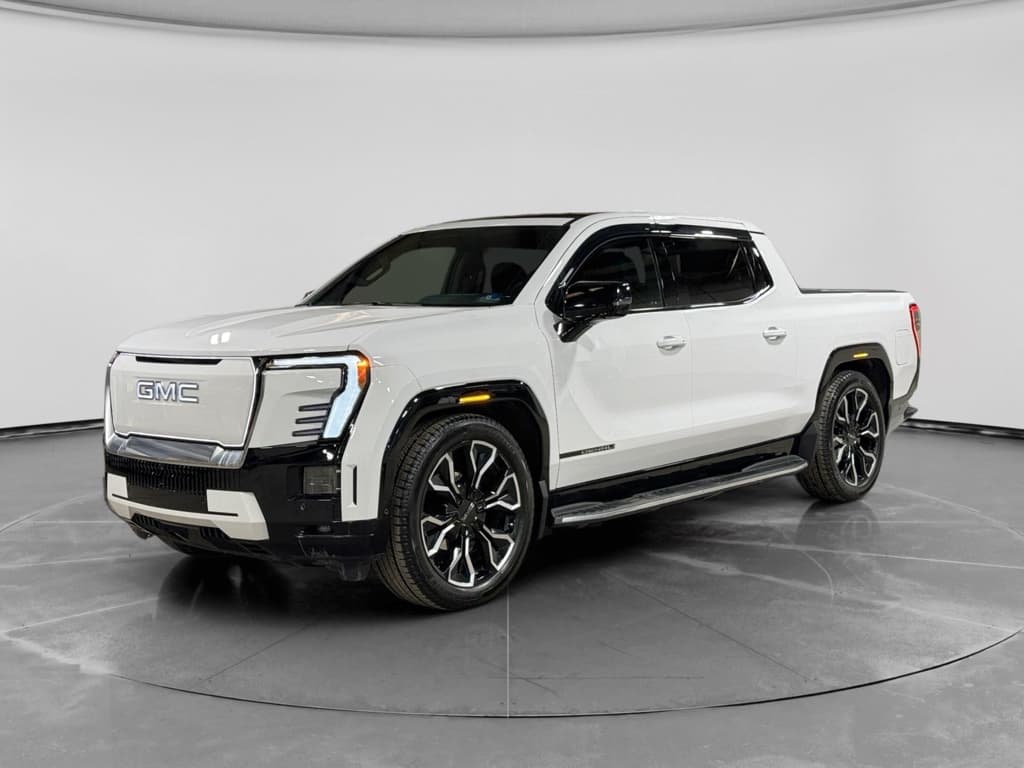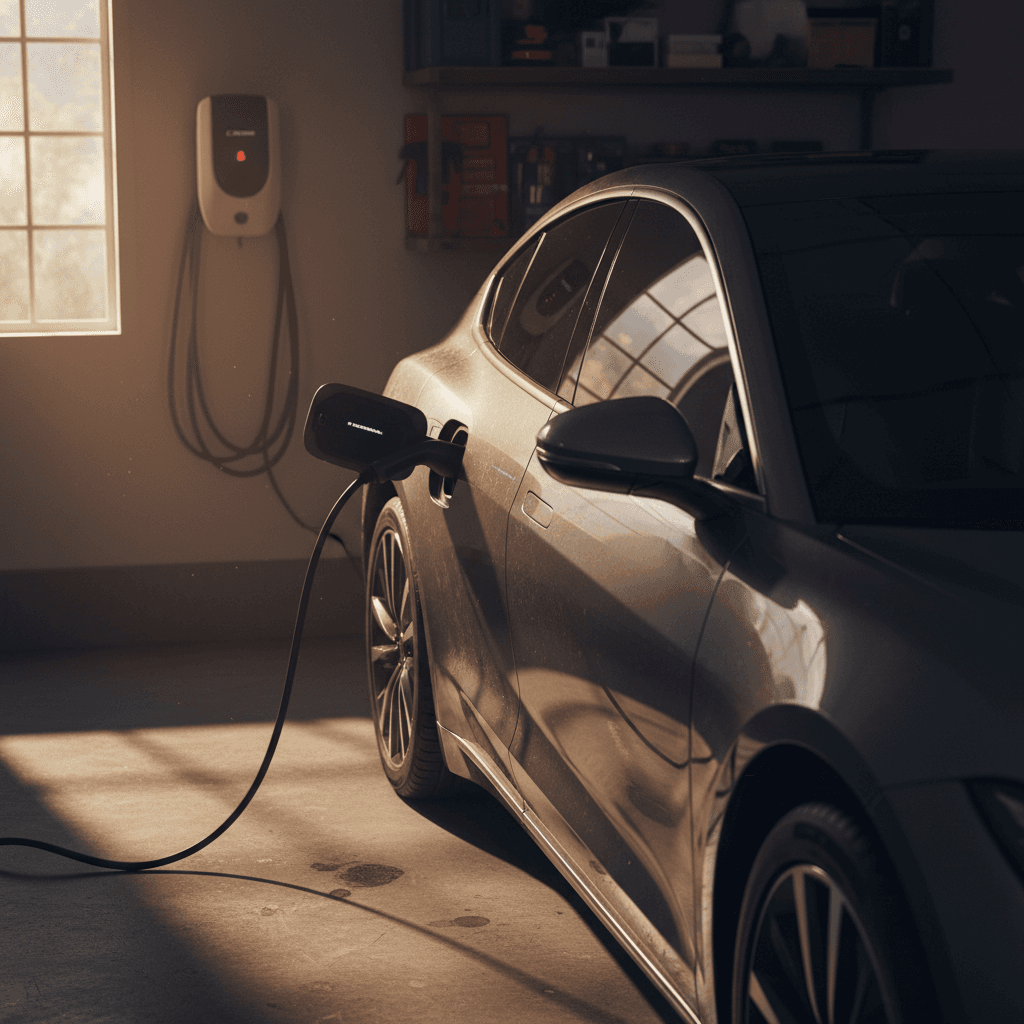
If you’re looking at a GMC Hummer EV, you already know it’s a 9,000‑pound electric hammer. The big question is how fast that hammer can refill: real‑world GMC Hummer EV charging speed tests show impressive peak numbers, but the story is more complicated once you look at time from 10–80% and how it behaves on road trips.
Tested on real chargers, not just spec sheets
Why GMC Hummer EV charging speed matters
With a battery pack over 200 kWh gross and curb weight north of 9,000 pounds, the GMC Hummer EV is one of the least‑efficient EVs on the road, returning around 1.6 miles per kWh in some independent testing. That means you burn through energy faster than most EVs, so charging performance is critical if you plan to road‑trip, tow, or daily‑drive in colder climates.
- Big battery + low efficiency = frequent fast charging on long trips
- DC fast charging behavior matters more than absolute range for road‑trip usability
- Home charging needs to be strong enough to comfortably refill such a large pack overnight
- Used buyers should pay close attention to real‑world charging performance, not just EPA range
Size works against you
GMC Hummer EV battery and charging basics
Before you dive into a charging speed test, it helps to know what’s under the floor. Different Hummer EV trims use 20‑module or 24‑module Ultium packs, but they all follow the same basic blueprint.
GMC Hummer EV battery & charging specs (key figures)
High‑level specs that shape real‑world charging performance.
| Spec | Typical Value | What it means for charging |
|---|---|---|
| Gross battery capacity | ~225–247 kWh (24‑module pack) | Huge pack; more total energy but longer to refill |
| Usable capacity | ~213 kWh (Edition 1) | What you actually charge and drive on day to day |
| Onboard AC charger | Up to 19.2 kW (240V, 80A) | One of the fastest home Level 2 setups available |
| Peak DC fast charge | Up to ~300–350 kW on 800V hardware | Very high peak, but you only see it at low state of charge with a warm battery |
| Average DC speed 10–80% | ~180 kW for Edition 1 in ideal conditions | More useful number for planning real trips |
| EPA range | Roughly 298–381 miles depending on trim | Real‑world highway range can be lower, especially in winter or when towing |
Exact numbers vary slightly by trim and model year, but this gives you the right ballpark for charging behavior.
Know your trim’s limits
DC fast charging speed test results
Let’s talk about what real GMC Hummer EV charging speed tests show on a strong 350‑kW DC fast charger. Data from instrumented tests of an Edition 1 pickup using the 24‑module pack paints a clear picture of how quickly the truck fills from low state of charge and where the charging curve tapers.
Hummer EV Edition 1 DC fast charging performance
In practice, that means a good charger and a preconditioned battery can add roughly 230–250 miles of usable range in about 45–55 minutes from 10–80%. If you start closer to 0–5% and charge above 80%, plan on more like 60–70 minutes because power tapers sharply past about 60–70% state of charge.
0–10%: ramp up
- Power quickly climbs from double digits toward 200+ kW once the session starts.
- This ramp is slower if the pack is cold or the charger is limited.
10–50%: fastest zone
- Truck can hover in the 220–280 kW zone, occasionally peaking higher.
- This is where you get the best miles‑per‑minute return on your time.
50–80%: gradual taper
- Power starts stepping down through the 150s, then 100‑kW range.
- Still useful on a road trip, but each additional percent takes longer.
80–100%: slow top‑off
- Charging may drop below 70 kW as it approaches 100%.
- Best to avoid this range on road trips unless you truly need the extra buffer.
Don’t chase 100% on fast chargers
Home and Level 2 charging: realistic expectations
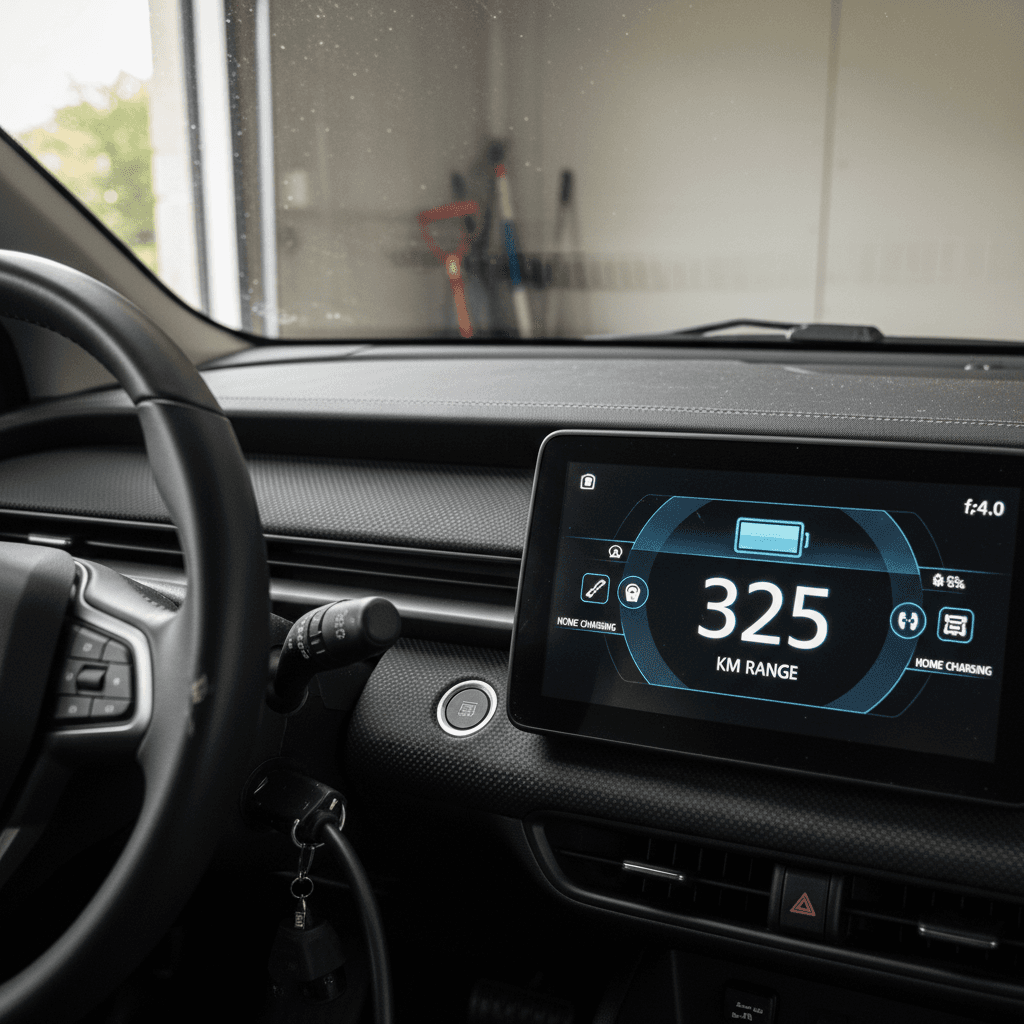
The other half of any charging speed test is what happens in your driveway or garage. The Hummer EV’s onboard AC charger can accept up to 19.2 kW when paired with a 240‑volt, 80‑amp circuit and a compatible Level 2 charger, which is far more than most EVs. But that big pack still means refills take time.
Common home charging setups for Hummer EV owners
From standard outlets to high‑power wall units, your hardware choice dramatically changes how livable this truck feels.
Level 1 – 120V outlet
Good for emergencies only. A regular household outlet may add just 2–4 miles of range per hour.
Filling a mostly empty Hummer EV pack on Level 1 can literally take days.
Standard Level 2 – 240V, 40A–50A
The most realistic minimum for ownership. Expect ~7–11 kW depending on circuit and charger.
Plan on roughly 15–25 hours to go from near empty to full, but daily top‑offs are easy overnight.
High‑power Level 2 – 240V, 80A
With a 19.2‑kW‑capable wall unit and 80‑amp circuit, you can refill the pack from near empty in roughly 9–12 hours.
Perfect if you regularly drive long distances or tow on weekends.
Home charging checklist for Hummer EV buyers
Verify your electrical service capacity
A 19.2‑kW setup needs an 80‑amp 240‑V circuit and adequate panel capacity. Talk to a licensed electrician before assuming your home can support it.
Match the charger to your driving
If you drive 30–40 miles a day, a 40‑amp Level 2 charger is probably fine. If you regularly burn through 150+ miles between charges, invest in higher‑power hardware.
Use scheduled charging for lower rates
Many utilities offer cheaper off‑peak electricity at night. The Hummer EV’s charging schedule tools let you time charges to save money and reduce grid strain.
Keep the truck plugged in in cold weather
Staying plugged in helps the battery manage its own temperature and reduces winter efficiency losses, so you start each drive with a warmer, happier pack.
Apartment and condo realities
How Hummer EV charging compares to other large EVs
On raw numbers, the Hummer EV looks like a charging all‑star: 300–350 kW peak DC rate and a powerful 19.2‑kW onboard charger. The reality is more nuanced once you factor in pack size and efficiency compared with other full‑size electric trucks and SUVs.
Charging comparison: Hummer EV vs other large EVs (high‑level)
Approximate, real‑world DC fast‑charging behavior for big‑battery trucks and SUVs under good conditions.
| Model | Approx. usable battery | Peak DC rate | Typical 10–80% time | Efficiency trend |
|---|---|---|---|---|
| GMC Hummer EV (Edition 1) | ~213 kWh | ~300–350 kW | ~45–60 min | Least‑efficient among mainstream EVs; ~1.6 mi/kWh in some tests |
| Chevy Silverado EV | ~200+ kWh | ~350 kW | ~40–55 min | Also efficiency‑challenged; similar road‑trip rhythm |
| Ford F‑150 Lightning (standard pack) | ~98 kWh | ~155 kW | ~40–50 min | Smaller pack; similar stop length but shorter legs |
| Rivian R1T (large pack) | ~135 kWh | ~220–240 kW | ~30–45 min | More efficient; shorter stops for similar range added |
Numbers are rounded and will vary with temperature, charger quality, and exact trim, but they give you a directional sense of where the Hummer EV lands.
Where the Hummer EV shines
Factors that change your Hummer EV charging speed
When owners compare GMC Hummer EV charging speed tests, results can vary wildly because real‑world charging depends on more than just the truck. Three variables dominate: temperature, charger capability, and your starting state of charge.
Key variables that make your charging session faster or slower
You can’t control everything, but you can stack the deck in your favor.
Battery & weather
Cold packs charge slower. In winter, precondition by setting a DC fast charger as your navigation destination so the truck can warm the battery on the way.
Charger capability
A station labeled “350 kW” isn’t always delivering full power. Crowded sites, power‑sharing, or older hardware can limit you to 150 kW or less.
Starting SOC
You’ll see the highest power when you plug in between roughly 5–20%. Starting at 50% or higher means you skip the fastest part of the curve entirely.
Aim for warm, low‑SOC arrivals
Road-trip strategy for Hummer EV owners
A big battery and strong DC fast charging give the Hummer EV long legs, but smart planning still matters. Think in terms of time at chargers, not just distance between them.
Sample charging strategies for common Hummer EV drivers
Solo or commuting driver
Plan DC stops around 10–60% SOC for the quickest turnarounds.
Target 150–200 miles between highway fast‑charge stops in most conditions.
Use home Level 2 to refill fully between long days so road trips start at 90–100%.
Family road tripper
Stop every 2–3 hours for meals and bathrooms; time charges around those natural breaks.
Avoid topping past ~80% unless the next fast charger is truly far away.
Book hotels with Level 2 charging when possible so you wake up full.
Towing or heavy loads
Expect range to drop 40–50% when towing a tall trailer; plan shorter legs.
Use DC fast charging more frequently and budget extra time at each stop.
Arrive at chargers with a buffer, around 15–20%, in case sites are busy or offline.
Mind your weight and aerodynamics
Charging tips when shopping for a used Hummer EV
If you’re considering a used GMC Hummer EV, charging behavior should be near the top of your checklist, right alongside battery health and accident history. Because this truck leans so heavily on DC fast charging to mask its thirst, you want to be sure both the pack and charging hardware are performing as expected.
Used Hummer EV charging checklist
Ask for recent DC fast charging receipts or screenshots
Session summaries from major networks can show peak power, average kW, and kWh delivered, helpful clues about whether the truck still charges near spec.
Test a DC fast session yourself, if possible
On a pre‑purchase inspection or test drive, plug into a 150–350‑kW charger from ~20% SOC and watch how quickly power climbs and where it tapers.
Review service records for software updates
Some owners have needed dealer visits for charging‑related software updates and bug fixes. Confirm these are up to date.
Get an independent battery health report
A diagnostic like the <strong>Recharged Score</strong> can estimate usable capacity and battery condition, so you know whether that giant pack is still delivering the range you’re paying for.
Confirm home charging setup
If the seller includes a wallbox or portable Level 2, verify its amperage and condition. Replacing under‑sized hardware adds to your real cost of ownership.
How Recharged can help
GMC Hummer EV charging speed FAQ
Frequently asked questions about Hummer EV charging speed
Bottom line: Is the Hummer EV’s charging speed good enough?
Viewed purely through the lens of charging speed tests, the GMC Hummer EV is a paradox. Peak numbers in the 300‑kW neighborhood and an unusually strong 19.2‑kW onboard charger put it near the top of the class. But its enormous battery and modest efficiency mean that even good power levels translate into longer absolute charge times than smaller, more aerodynamic EVs.
If you understand that trade‑off, plan your road trips around the 10–60% sweet spot, and invest in serious home charging, the Hummer EV can absolutely work as an adventure rig or halo toy. If you’re cross‑shopping used EVs and want something easier on energy and infrastructure, that’s where a curated marketplace like Recharged shines, helping you compare real‑world charging performance, battery health, and total ownership experience across a wide range of models before you commit.