If you’re shopping the used luxury EV market, the Genesis GV60 and Genesis Electrified GV70 belong on your short list. They share fast‑charging hardware, a similar battery, and the same polished Genesis design language, but they feel like very different vehicles to live with. This guide walks you through the real‑world differences between a used Genesis GV60 vs Genesis Electrified GV70 so you can decide which one actually fits your life, not just your wish list.
Two electric paths to the same goal
Overview: Used Genesis GV60 vs Electrified GV70
Genesis GV60 (used)
- Body style: Compact, low‑roof crossover on a dedicated EV platform (shared with Hyundai Ioniq 5 & Kia EV6).
- Personality: Futuristic, playful, quick, more hot‑hatch than traditional SUV.
- Best for: Singles, couples, or small families who prioritize design, tech, and zippy performance over maximum cargo volume.
- Typical used shopper: Moving up from a Model 3, Mach‑E, or Ioniq 5 and wants more luxury without going huge.
Genesis Electrified GV70 (used)
- Body style: Compact luxury SUV adapted from the gas GV70.
- Personality: Quiet, plush, and substantial, very much a classic luxury SUV that just happens to be electric.
- Best for: Families, road‑trip fans, and anyone who wants a "normal" SUV feel with EV power.
- Typical used shopper: Cross‑shopping Audi Q4 e‑tron, BMW iX3 (where available), Mercedes EQE SUV, or gas compact luxury SUVs.
Core EV specs (typical U.S. models)
Quick specs: GV60 vs Electrified GV70 at a glance
Used Genesis GV60 vs Electrified GV70: headline specs
Approximate specs for common U.S. trims. Exact numbers vary by model year, wheel size, and market.
| Spec | Used GV60 (RWD / AWD) | Used Electrified GV70 (AWD) |
|---|---|---|
| Battery (usable) | ~77.4 kWh | ~77.4–84 kWh (later years) |
| EPA range (best‑case) | Up to ~294 mi (RWD) | ~236 mi |
| Typical range (dual‑motor) | Mid‑200s miles | Low‑ to mid‑200s miles |
| 0–60 mph | ~4.0–4.5 sec (Performance) | ~3.8–4.5 sec depending on test |
| Body style | Compact EV crossover | Compact luxury SUV |
| DC fast‑charging | Up to ~240–350 kW; ~18 min 10–80% in ideal conditions | Up to ~240–260 kW; ~19–20 min 10–80% in ideal conditions |
| On‑board AC charger | ~11 kW | ~10.9–11 kW |
| Drive layout | RWD or AWD, depending on trim | Standard AWD |
| Towing | Not a focus (light utility only) | Better suited to light towing (check specific model year ratings) |
Both Genesis EVs share similar batteries and charging hardware, but the Electrified GV70 is larger and heavier, with a more traditional SUV feel.
How to read these specs for a used EV
Space & practicality: How much room do you really get?
On paper, both the used Genesis GV60 and Genesis Electrified GV70 are compact SUVs. On the driveway, they don’t feel alike at all. The GV60 sits lower and shorter, with a coupe‑like roofline that looks fantastic but trims rear headroom and cargo height. The Electrified GV70 rides higher, with a more upright tailgate and a longer wheelbase that pays off in rear legroom and cargo volume.
Interior space: who each Genesis EV really fits
Think in terms of people and stuff, not inches on a spec sheet.
GV60: Compact, clever, urban‑friendly
- Seats: Comfortable for four adults; five in a pinch.
- Cargo: Great for weekly errands or luggage for two to three people, but tall strollers and big dogs will feel the pinch.
- Access: Lower step‑in height, easier for kids or shorter drivers.
- Best use case: City or suburban commuting, occasional road trips, light family duty.
Electrified GV70: Family‑ready SUV
- Seats: Roomier back seat with more legroom and headroom.
- Cargo: Deeper load floor and taller cargo opening for strollers, dog crates, and Costco trips.
- Access: Higher ride height and seating position for that traditional SUV feel.
- Best use case: Kids, car seats, grandparents, and regular road trips.
Car‑seat reality check
Range & charging: Same battery, different realities
Genesis did something smart: both the GV60 and Electrified GV70 use similar battery sizes and an 800‑volt electrical architecture that supports very fast DC charging on the right stations. But the heavier, taller Electrified GV70 simply uses more energy to push itself through the air, so its real‑world range typically trails a comparable GV60.
- Most U.S. GV60s use a ~77.4 kWh battery; the longest‑range rear‑drive trims can approach 294 miles of EPA range when new, with dual‑motor models typically in the mid‑200s.
- Electrified GV70 models sold in the U.S. also pack roughly 77.4 kWh (and later around 84 kWh in some markets) and deliver EPA range figures around 236 miles, depending on wheels and trim.
- Both can jump from roughly 10% to 80% in about 18–20 minutes on a 350 kW DC fast‑charger in ideal conditions, quicker than many rivals from the same era.
- On Level 2 home charging, expect a full charge from near‑empty in 7–9 hours if you have a 40–48‑amp circuit and a quality 240‑volt charger.
Charging network access keeps improving
Performance & driving feel: Sporty hatch vs plush SUV
Behind the wheel, the GV60 and Electrified GV70 feel like cousins with very different personalities. Same family, same values, different wardrobes.
GV60: Playful and light on its feet
- Dedicated EV platform: With the battery under the floor and no legacy gas‑car packaging to work around, the GV60 feels planted but eager.
- Quick by any measure: Dual‑motor Performance trims can crack roughly 4 seconds to 60 mph, with instant torque that makes on‑ramps a non‑event.
- Ride & handling: Slightly firmer, more agile feel, especially on 20‑ or 21‑inch wheels. Fun for the driver, sometimes busy over broken pavement.
- Noise: Very quiet at speed, with just a bit more road noise than the GV70 on coarse surfaces because of the shorter wheelbase and lower curb weight.
Electrified GV70: Effortless and substantial
- Traditional SUV stance: Higher driving position and more suspension travel for a cushier ride.
- Serious shove: Dual motors with up to around 483 hp on some trims deliver effortless passing power; independent tests have seen 0–60 mph near 3.8 seconds.
- Ride & handling: Softer and more isolated, with a bit more body motion in quick transitions. It feels like a luxury SUV first, EV second.
- Noise: Excellent isolation from wind and road noise, especially in higher Prestige‑type trims with extra sound deadening.
Which feels more “luxury” on the road?
Comfort, tech & features on the used market
Genesis treats even its early EVs like top‑shelf products, so both of these SUVs feel properly premium inside, especially on higher trims you’re likely to see in the used market. Where they differ is in layout and mood.
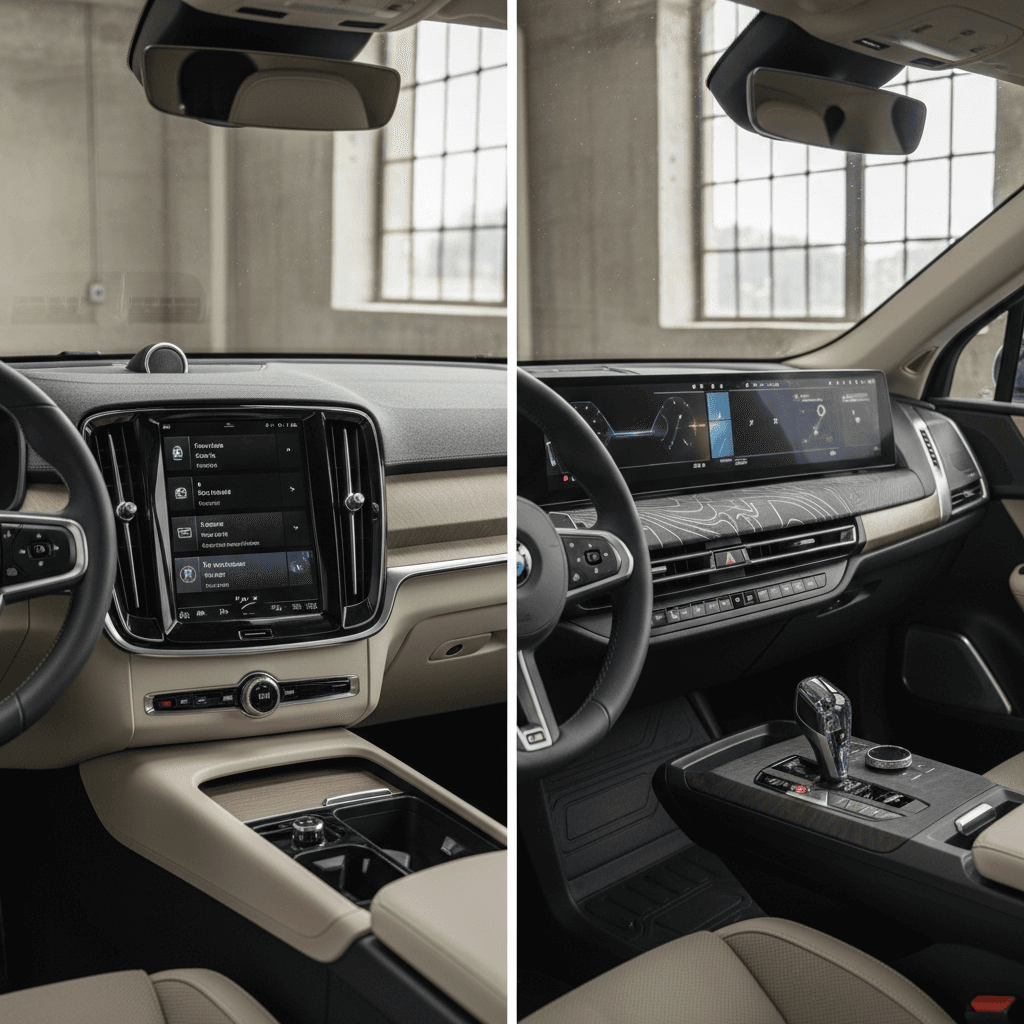
Cabin character: minimalist spaceship vs lounge on wheels
GV60 interior: Design‑forward and futuristic
- Dashboard: Wide twin screens, floating center console, and the signature crystal gear sphere that flips when you power on.
- Materials: High‑quality synthetic and leather seating, clever color combos, and eco‑conscious materials in many trims.
- Tech: Face recognition, fingerprint start, and app‑based digital keys available on many builds.
- Vibe: Feels like you bought into the future rather than a converted gas SUV.
Electrified GV70 interior: Classic Genesis luxury
- Dashboard: Sweeping, symmetrical design with physical controls and, in newer years, a huge unified display.
- Materials: Nappa leather, open‑pore wood or metal trim, and rich ambient lighting on high‑spec models.
- Tech: Full driver‑assist suite, big head‑up displays, and impressive Lexicon audio on many Prestige‑level trims.
- Vibe: Traditional luxury SUV done right, easy to live with for folks coming from German crossovers.
Note the 2025–2026 screen recall
Running costs, depreciation & insurance
Both the GV60 and Electrified GV70 have been slower to depreciate than some early‑generation EVs, but they still drop faster than comparable gas Genesis SUVs in the first three years. That’s actually good news if you’re buying used, you’re letting the first owner absorb most of the hit while you slide into a nearly new luxury EV for far less than sticker.
- Energy costs: With similar batteries and powertrains, your electricity costs will be broadly comparable. Expect the heavier Electrified GV70 to use a bit more energy per mile, especially at highway speeds.
- Tires and brakes: The Electrified GV70’s extra weight and power can chew through tires a little faster. Both models rely heavily on regenerative braking, so brake wear is usually modest if you drive smoothly.
- Insurance: The GV60 often quotes slightly cheaper than the Electrified GV70 thanks to its lower MSRP and smaller footprint, but it varies by region and driver profile.
- Depreciation sweet spot: For both vehicles, 2–4‑year‑old examples with full service history and plenty of battery warranty remaining tend to be the best value zone in the used market.
Leverage depreciation, not fear it
Reliability, battery health & warranty coverage
Genesis is still a relatively young brand, but shared hardware with Hyundai and Kia has already proven robust. That’s especially reassuring for EV components, the battery pack, motors, and power electronics, where long warranties and good real‑world reliability matter more than ever on the used market.
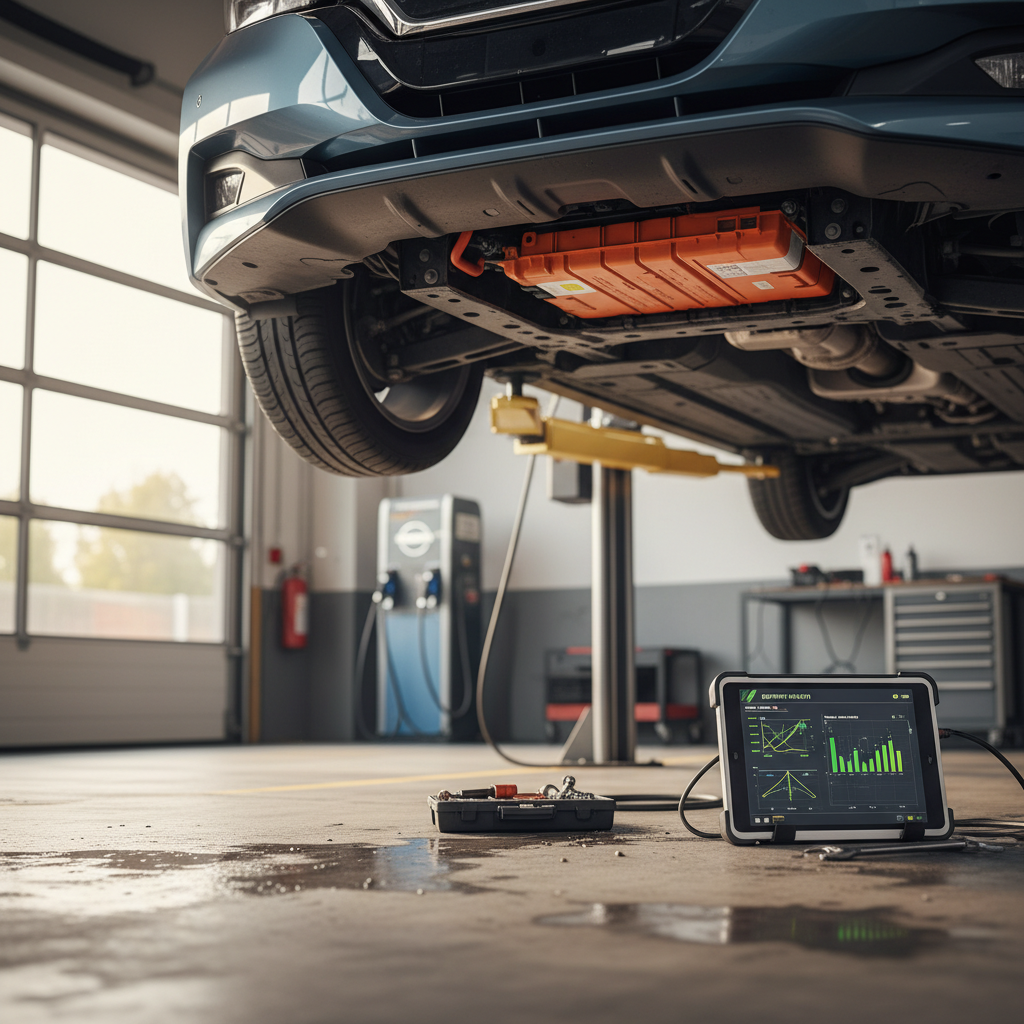
What to know about battery health on a used Genesis EV
Factory EV warranties
- Genesis has typically offered 8 years / 100,000 miles of coverage (or more, depending on market) for major EV components like the high‑voltage battery.
- That means many GV60 and Electrified GV70 batteries will be under warranty well into their second owners’ hands.
- Always check the in‑service date, not just model year, to see how much time is left.
Why third‑party battery checks matter
- Real‑world battery health can vary with fast‑charging habits, climate, and mileage.
- A professional diagnostic that reads pack health and cell balance is far more useful than a generic “range estimate.”
- Every vehicle listed on Recharged includes a Recharged Score Battery Health Report, so you’re not guessing about the most expensive part of the car.
Don’t buy a used EV blind
Which used Genesis EV is right for you?
Put the brochures down for a second and think about your actual week: people, miles, weather, parking, and budget. That’s where the choice between a used Genesis GV60 vs Genesis Electrified GV70 becomes clear.
GV60 vs Electrified GV70: best match by lifestyle
Choose a used GV60 if…
- You mostly drive solo or with one passenger and only occasionally fill the back seat.
- Your priority is fun, design, and easy parking over max cargo.
- You want slightly better range efficiency and don’t need the tallest cargo area.
- You’re coming out of a sedan or hatchback and don’t need a traditional SUV stance.
Choose a used Electrified GV70 if…
- You regularly carry family, friends, or car‑seat age kids.
- You value ride comfort, quiet, and a familiar SUV feel.
- You haul strollers, sports gear, dogs, or road‑trip luggage often.
- You prefer a cabin that feels like a classic luxury SUV more than a concept car.
When both make sense
- You want top‑tier fast‑charging and a polished luxury experience either way.
- You’re flexible on body style and can let specific used‑vehicle condition and price drive the decision.
- You’re shopping nationally through a digital retailer like Recharged, so you can chase the cleanest example of either model and have it delivered.
How Recharged can help you decide
Ready to find your next EV?
Browse VehiclesChecklist: Buying a used Genesis GV60 or Electrified GV70
Essential checks before you commit
1. Confirm remaining battery & EV system warranty
Look up the original in‑service date and mileage. Make sure there’s still meaningful time left on the high‑voltage battery and EV component warranty, not just the basic bumper‑to‑bumper coverage.
2. Get a real battery‑health report
Ask for a quantitative battery‑health readout, not just a screenshot of the dash range. At Recharged, this is built into the Recharged Score Report so you know the pack’s condition before delivery.
3. Check DC fast‑charging history
Moderate use of fast charging is fine; abuse and overheating are not. Service records, telematics data, or a seller who specializes in EVs can help you understand how the car was charged.
4. Inspect tires, brakes & suspension
These EVs are heavy and powerful. Uneven tire wear or shudder under braking can hint at alignment or suspension issues that are more expensive on a luxury platform.
5. Test all driver‑assist and infotainment features
On a test drive, verify adaptive cruise, lane‑centering, cameras, parking assist, and the audio system. Rebooting or frozen screens may indicate software that needs an update, or a recall fix that hasn’t been done yet.
6. Verify charging equipment and adapters
Confirm which charging cable and adapters come with the vehicle. Factor in the cost of a home Level 2 charger or any NACS/CCS adapters you’ll need if they’re not included.
7. Review vehicle history and ownership pattern
Look for clean titles, no major accidents, and consistent service history. One‑owner, low‑mileage off‑lease vehicles with dealer service records are usually the safest bets.
FAQ: Used Genesis GV60 vs Electrified GV70
Frequently asked questions
The good news is that there isn’t a wrong answer between a used Genesis GV60 and a used Genesis Electrified GV70, only the answer that fits your life better. If you crave design flair and a nimble driving experience, the GV60 feels like a concept car that made it to production. If you want a serene, traditional luxury SUV that just happens to skip gas stations, the Electrified GV70 is hard to beat. Either way, go beyond the brochure. Look closely at battery health, charging history, and real‑world condition, and lean on EV‑focused platforms like Recharged to help you find a vehicle, and a deal, that will keep you happy for years, not just on delivery day.