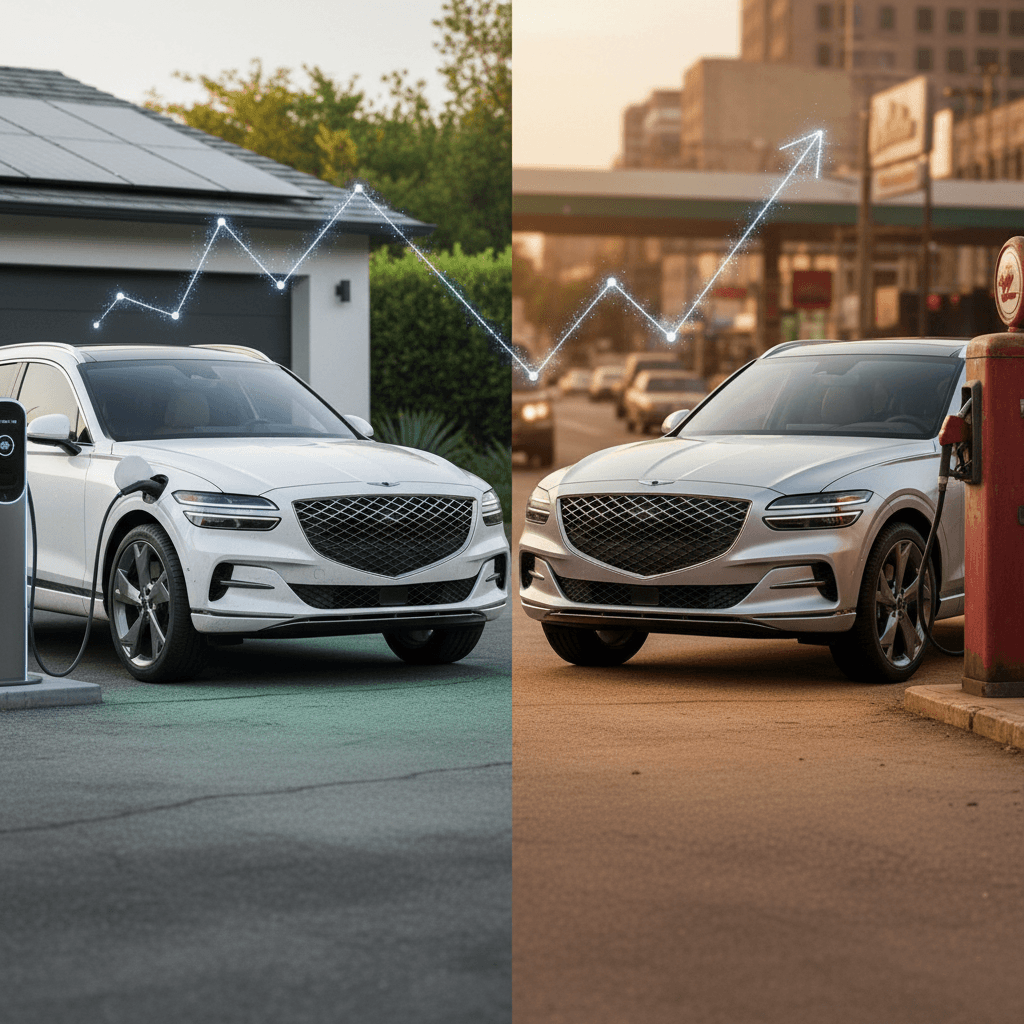
If you’re cross‑shopping a Genesis GV70 Electrified against a gasoline GV70, you’re really asking one big question: what’s the true total cost of ownership? Purchase price is only the starting point. Over 5–10 years, energy, maintenance, depreciation and incentives can easily swing the math by thousands of dollars either way. This guide walks through each major cost bucket so you can see how the GV70 Electrified stacks up against its gas equivalent for a typical U.S. driver.
EV vs gas: what we’re comparing
Why compare the GV70 Electrified to the gas GV70?
The GV70 Electrified is essentially an electric version of Genesis’s compact luxury SUV. It shares the same basic footprint and mission as the gas GV70: comfortable, fast, and tech‑heavy. That makes it an ideal real‑world EV vs gas test case, same brand, same size, similar luxury level, very different drivetrains.
Who this GV70 cost comparison is for
If you fit into one of these groups, the numbers below matter a lot.
Luxury SUV shoppers
You’re looking at a GV70, BMW X3, or Mercedes GLC and wondering if the GV70 Electrified costs more or less to own than a traditional gas SUV.
First-time EV buyers
You like the idea of electric but want to know if it’s smart for your wallet once you add up charging, maintenance and resale.
Used EV value hunters
You’re browsing used luxury EVs and want to know whether a pre‑owned GV70 Electrified could undercut gas rivals on total cost.
Sticker price, discounts and tax credits
On paper, the GV70 Electrified usually starts higher than a comparable gas GV70. As of 2025, both new and used pricing can shift quickly with incentives and inventory, but the pattern is consistent: the EV carries a higher MSRP, partially offset by tax credits and lower running costs.
Headline price and incentive numbers to know
Incentives can change quickly
Typical new and used price positioning
Illustrative price ranges for similarly equipped models in many U.S. markets. Always check live listings for current numbers.
| Model | Condition | Illustrative Price Range | Notes |
|---|---|---|---|
| GV70 2.5T AWD (gas) | New | Low $50Ks–low $60Ks | Depends on trim and options |
| GV70 Electrified AWD | New | High $60Ks–$70Ks+ | Longer standard equipment list |
| GV70 2.5T/3.5T AWD (gas) | Used (3 yrs, ~30k–40k mi) | Mid $30Ks–mid $40Ks | Heavier early depreciation |
| GV70 Electrified AWD | Used (2–3 yrs, ~20k–30k mi) | Low $40Ks–low $50Ks | Varies with incentives and battery confidence |
These are generalized examples, not offers. Real prices will vary by trim, mileage, condition and region.
Energy costs: charging vs gasoline
Where the GV70 Electrified starts to claw back its higher purchase price is ongoing energy cost. Electricity is usually cheaper per mile than gasoline, especially if you can charge at home on a reasonable rate plan.
Baseline assumptions
- Annual mileage: 12,000 miles
- Time horizon: 5 years (60,000 miles)
- Average U.S. gas price: about $3.50 per gallon over time
- Average residential electricity: about $0.16/kWh
Adjust these to your own driving and local prices; they’re the biggest levers in the equation.
Real‑world efficiency
- GV70 Electrified: roughly 2.7–3.0 mi/kWh in mixed driving
- Gas GV70 2.5T/3.5T: many owners see mid‑20s mpg or less in real‑world use
Heavy city driving or enthusiastic acceleration will lower both numbers, but the gap between EV and gas remains large.
Illustrative 5‑year energy cost: GV70 Electrified vs gas
Approximate 5‑year fuel and charging costs for 60,000 miles, using the assumptions above.
| Model | Efficiency assumption | Energy price assumption | 5‑year energy cost (~60k mi) |
|---|---|---|---|
| GV70 Electrified | 2.8 mi/kWh | $0.16/kWh (home‑weighted mix) | ≈ $3,400 |
| GV70 Electrified (fast‑charge heavy) | 2.8 mi/kWh | Blended home + DC fast (higher) | ≈ $4,500–$5,000 |
| Gas GV70 (2.5T/3.5T) | 24 mpg combined | $3.50/gal gasoline | ≈ $8,750 |
| Gas GV70 (city‑heavy) | 20 mpg real‑world | $3.50/gal gasoline | ≈ $10,500 |
Your actual costs depend on fuel prices, driving style, and where you charge.
How to estimate your own energy costs
Maintenance, repairs and warranty coverage
Gas and electric GV70s share a lot of luxury‑SUV hardware, suspension, tires, brakes, interior electronics, but the powertrain is very different. Over time, that matters. The GV70 Electrified has far fewer moving parts in its drivetrain and doesn’t need oil changes, spark plugs, timing belts, or exhaust work.
Routine maintenance: GV70 Electrified vs gas GV70
High level view of what you’re paying for over time.
GV70 Electrified
- No engine oil changes
- No transmission fluid service
- Fewer brake jobs (regen braking helps)
- Still needs tires, cabin filters, brake fluid, etc.
Expect lower routine maintenance spend, especially in years 3–8.
Gas GV70
- Regular oil and filter changes
- Transmission and drivetrain service over time
- More brake wear in stop‑and‑go driving
- More potential long‑term engine components
Costs add up, particularly past the basic warranty window.
Warranty is a quiet cost advantage
Depreciation and resale value
Depreciation, how fast the vehicle loses value, is usually the single biggest ownership cost for a luxury SUV, regardless of powertrain. Early EVs sometimes depreciated faster than gas counterparts, but that picture has become more nuanced as buyers grow comfortable with battery tech and fuel savings.
- Gas GV70s follow a fairly traditional luxury‑SUV curve: heavy hit in the first 3 years, then a slower slide.
- GV70 Electrified values are tied to battery‑health confidence, charging infrastructure, and used‑EV demand in your region.
- Strong warranty coverage and visible battery‑health reports can support better resale on the electric model.
Why battery health transparency matters
5‑year total cost: GV70 Electrified vs gas GV70
Now let’s pull the big pieces together. Below is an illustrative 5‑year, 60,000‑mile comparison for a well‑equipped GV70 Electrified vs a similar gas GV70. These are not offers, just a structured way to think through the math using reasonable assumptions.
Illustrative 5‑year total cost of ownership
All numbers are rounded estimates and will vary with real‑world pricing, incentives, and your specific deal.
| Cost category (5 yrs) | Gas GV70 (example) | GV70 Electrified (example) | What’s driving the difference? |
|---|---|---|---|
| Purchase price (after typical discounts/incentives) | $58,000 net | $64,000 net | EV starts about $6k higher here, partly offset by potential incentives. |
| Energy (fuel/charging) | ≈ $8,750 | ≈ $3,400–$5,000 | Home‑weighted charging can save $3,700–$5,300 over 5 years. |
| Routine maintenance | ≈ $5,000 | ≈ $3,000 | Fewer engine‑related services and less brake wear for the EV. |
| Repairs out of warranty (yrs 4–5) | ≈ $2,000 | ≈ $1,000 | Heavily dependent on luck, but ICE SUVs have more moving parts. |
| Depreciation (what you lose at resale) | ≈ $25,000–$27,000 | ≈ $24,000–$28,000 | Tight race, depends on how the used‑EV market values the battery and incentives at resale. |
| Approximate 5‑yr total cash outlay* | ≈ $98k–$101k | ≈ $95k–$101k | Ranges overlap; charging habits and incentives can swing the EV ahead or behind. |
Assumes buyer finances a portion of the purchase, drives 12,000 miles per year, and sells or trades after 5 years.
Don’t ignore depreciation when doing “EV vs gas” math
Charging realities and home setup costs
Energy cost is only half the charging story. To enjoy the GV70 Electrified, you need a realistic charging plan. For most owners, that means Level 2 home charging plus occasional DC fast charging on road trips.
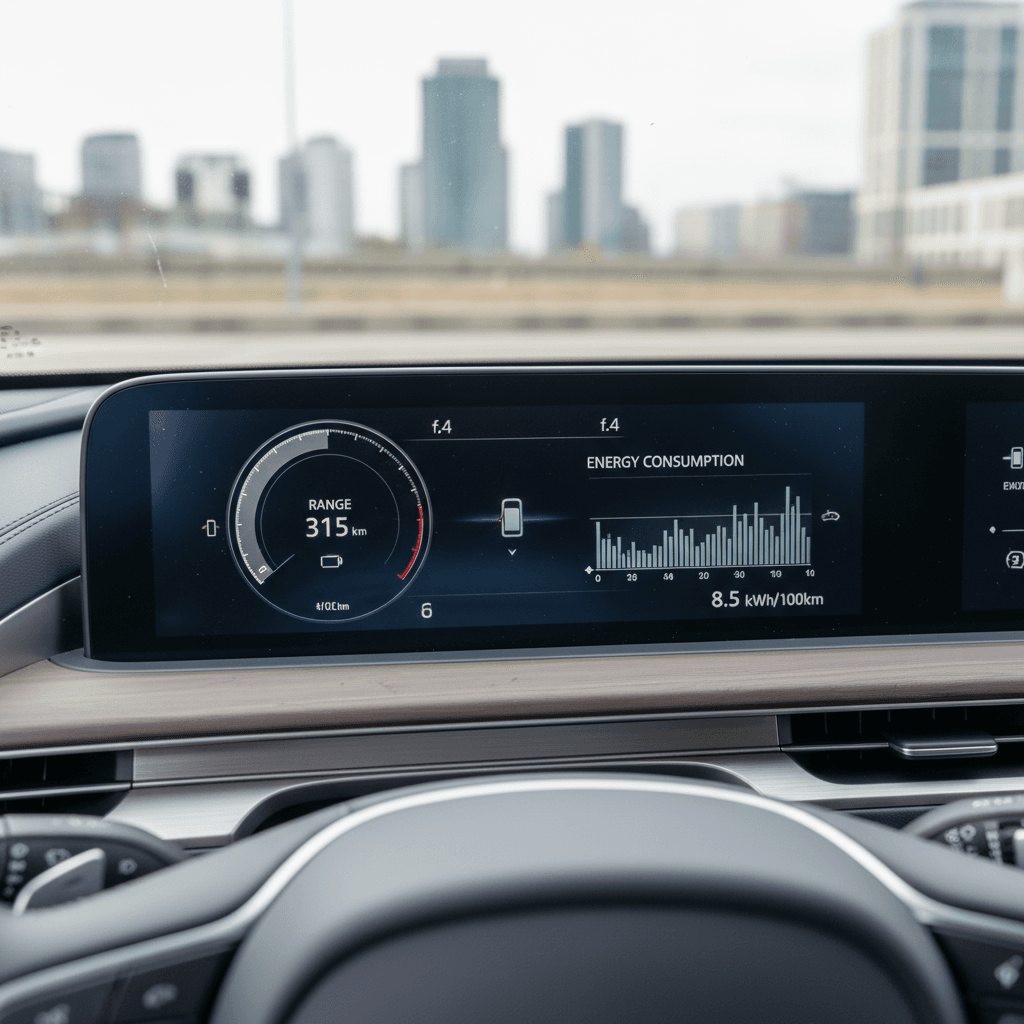
Home charging vs public fast charging: impact on costs
Your mix of home and DC fast charging will heavily influence your total cost.
Home charging setup
- Installing a 240V circuit and Level 2 charger often runs $1,000–$2,000, sometimes less if wiring is simple.
- You’ll enjoy the lowest per‑mile energy cost and the most convenience.
- This one‑time cost is easy to amortize over 5–10 years of ownership.
Public DC fast charging
- Per‑kWh prices are often 2–3x home rates, especially on peak plans.
- Great for road trips or apartment dwellers without home charging.
- If fast charging is your primary source, your total energy savings vs gas will shrink.
Quick checklist: is a GV70 Electrified practical for you?
1. Do you have reliable access to overnight parking?
A driveway or dedicated garage spot makes Level 2 home charging straightforward. If you rely on street parking, you’ll need to lean harder on public infrastructure.
2. Can your electrical panel support a 240V circuit?
An electrician can confirm if you have spare capacity or need an upgrade. This can add to upfront cost but is often a one‑time improvement to your property.
3. How often do you take long road trips?
If you drive mostly local miles, home charging dominates and savings grow. If you’re on the highway and fast‑charging every weekend, factor in higher public‑charging rates.
4. Are there reliable fast chargers on your common routes?
Use charging‑network apps to map stations near you and along your usual travel corridors before committing to any EV, GV70 Electrified included.
Why a used GV70 Electrified can be a value play
If you’re cost‑sensitive but still want a luxury EV, a used GV70 Electrified can be compelling. You let the first owner take the steepest depreciation hit, while you benefit from remaining battery/drivetrain warranty and the ongoing fuel and maintenance savings.
Potential advantages of buying used
- Lower purchase price vs new with similar equipment.
- In some cases, access to used‑EV tax incentives that don’t apply to new luxury EVs at your price point.
- Plenty of real‑world owner data on reliability and range.
Risks to manage on a used EV
- Unknown battery history if there’s no documentation.
- Charging‑port standards and software updates over time.
- Remaining warranty length on both general coverage and high‑voltage components.
This is where a structured inspection and EV‑specific battery health report are worth their weight in gold.
How Recharged de‑risks a used GV70 Electrified
Ready to find your next EV?
Browse VehiclesHow Recharged helps you run the numbers
Comparing a GV70 Electrified to a gas GV70 isn’t just about which one you like more, it’s about how each fits your budget and lifestyle. At Recharged, we focus entirely on used EVs and plug‑in models, so the math behind electric ownership is built into everything we do.
- Our EV‑specialist team can walk you through personalized fuel, charging, and maintenance estimates based on your actual commute and energy costs.
- You can get an instant offer or trade‑in quote on your current vehicle, whether it’s gas or electric, and see how that changes your upgrade options.
- Financing is available for used EVs, and you can pre‑qualify online with no impact to your credit profile.
- Nationwide delivery and a digital‑first buying process mean you can shop for a GV70 Electrified or other EVs from your couch, then have it brought to your driveway.
- If you’re local to Virginia, you can visit our Experience Center in Richmond to test‑drive EVs and talk through home‑charging setups in person.
FAQ: Genesis GV70 Electrified vs gas cost questions
Frequently asked questions
Bottom line: which GV70 actually costs less?
For many drivers, a Genesis GV70 Electrified can be as cheap, or cheaper, to own over 5 years than a comparable gas GV70, even if the EV’s sticker price starts higher. The swing factors are your purchase price, EV incentives, how much you drive, and whether you can charge at home at a reasonable rate. If you line those up in the GV70 Electrified’s favor, fuel and maintenance savings add up quickly.
If you’re debating between these two versions of the same luxury SUV, treat fuel, maintenance, depreciation and incentives as one integrated equation, not separate questions. And if you want help running that equation on real vehicles, you can browse used EVs, including models like the GV70 Electrified, on Recharged, review each one’s battery health and pricing, and get expert guidance from an EV‑specialist team dedicated to making the total cost of ownership as transparent as possible.