If you’re wondering about Genesis GV60 value after 5 years, you’re really asking two questions: how brutal is the depreciation, and does that make this quirky Korean luxury EV a bargain or a liability? The answer, inconveniently, is “both”, depending on whether you’re the first owner or the second.
Quick take
Genesis GV60 5‑Year Value at a Glance
Projected Genesis GV60 Value After 5 Years
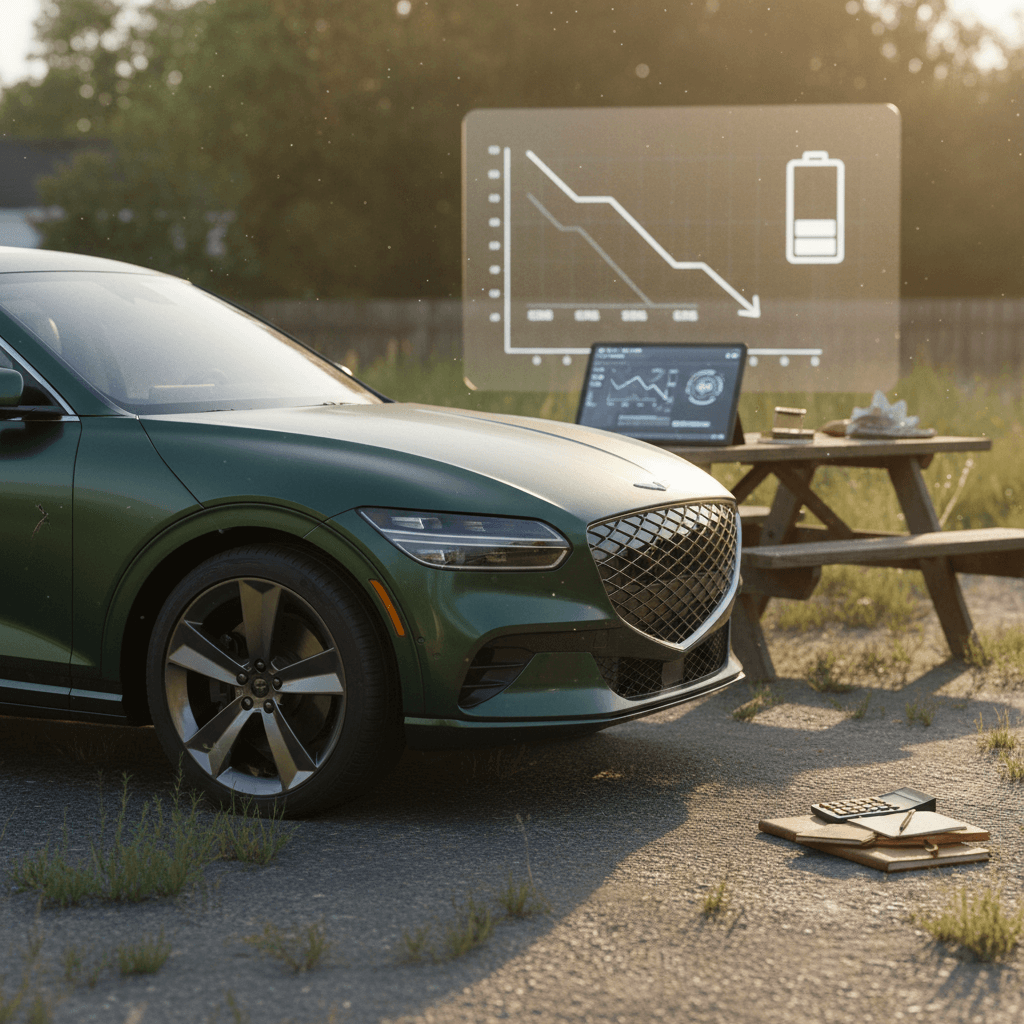
Different data sources paint slightly different pictures, but they rhyme. Third‑party depreciation tools put the GV60’s 5‑year loss in the roughly 55–60% range, meaning a well‑optioned $60,000 GV60 bought new may be worth around $24,000–$27,000 after five years of typical use. Some cost‑to‑own models spin slightly gentler numbers, but real‑world asking prices for early‑build 2023–2024 GV60s already show heavy hits in the first two to three years.
Bad news for first owners, good news for second owners

Why the GV60 Depreciates Faster Than You Think
Luxury EV crossovers are a tough business. The GV60 is not alone in falling off a financial cliff; it’s just falling a bit faster than some of its peers. There are several reasons:
- Low brand recognition in EVs. Genesis makes excellent cars, but in the EV space it doesn’t have Tesla’s halo or even Hyundai’s volume visibility. That uncertainty dampens long‑term demand, which hurts resale.
- Rapid EV tech turnover. Charging speeds, efficiency, and driver‑assist tech all move quickly. A 5‑year‑old GV60 may feel dated next to the latest crop, even if it still drives beautifully.
- Lease incentives distort used values. Generous lease cash and tax‑credit gymnastics lower the real cost for first owners. When those cars hit auction lanes, the inflated MSRPs collapse down to what people actually paid, and often further.
- Market nerves about reliability. Online chatter about 12‑volt batteries and ICCU (charging component) failures has made some buyers skittish. Even if issues are warranty‑covered, perception alone can tug resale values down.
How to use this as a buyer
5‑Year Genesis GV60 Depreciation Forecast
No one can tell you exactly what a 5‑year‑old GV60 will fetch at auction in 2030, but we can sketch a reasonable range using current price tools, early used data, and typical EV market behavior.
Illustrative 5‑Year Genesis GV60 Depreciation Curve
Approximate U.S. market behavior for a new GV60 purchased around $60,000, assuming typical mileage (12,000–15,000 miles/year) and no major accidents. These are directional estimates, not guarantees.
| Year of Ownership | Approx. Market Value | Share of Original Price | What’s Happening |
|---|---|---|---|
| Brand‑new (MSRP / early transaction) | $60,000 | 100% | Window‑sticker fantasy land; early buyers and leases, big incentives behind the scenes. |
| After 1 year | $38,000–$42,000 | ≈65–70% | Large initial hit as reality, incentives, and supply catch up with the hype. |
| After 3 years | $28,000–$32,000 | ≈45–55% | Lease returns arrive, used buyers get picky, depreciation slows but continues. |
| After 5 years | $24,000–$27,000 | ≈40–45% | Battery warranty and brand reputation decide whether values hold the high or low end of this range. |
Expect the heaviest GV60 depreciation in the first 2–3 years, then a slower slide as the market finds a stable used price level.
Don’t budget off the high end
How the GV60 Compares to Rivals After 5 Years
Against other luxury EV crossovers
Think of the GV60’s peer group as the Volvo C40/EX30, Mercedes EQB/EQC, Audi Q4 e‑tron, and the Tesla Model Y in higher trims. Within that set, the Genesis tends to depreciate slightly more than the Germans and the Tesla and more in line with some first‑wave luxury EVs that never quite caught fire.
The upside is that at five years old, a GV60 that once cost similar money may now undercut those rivals on the used market by several thousand dollars, especially if it lacks the badge cachet but matches or beats them on features.
Versus mainstream EVs like Ioniq 5 / EV6
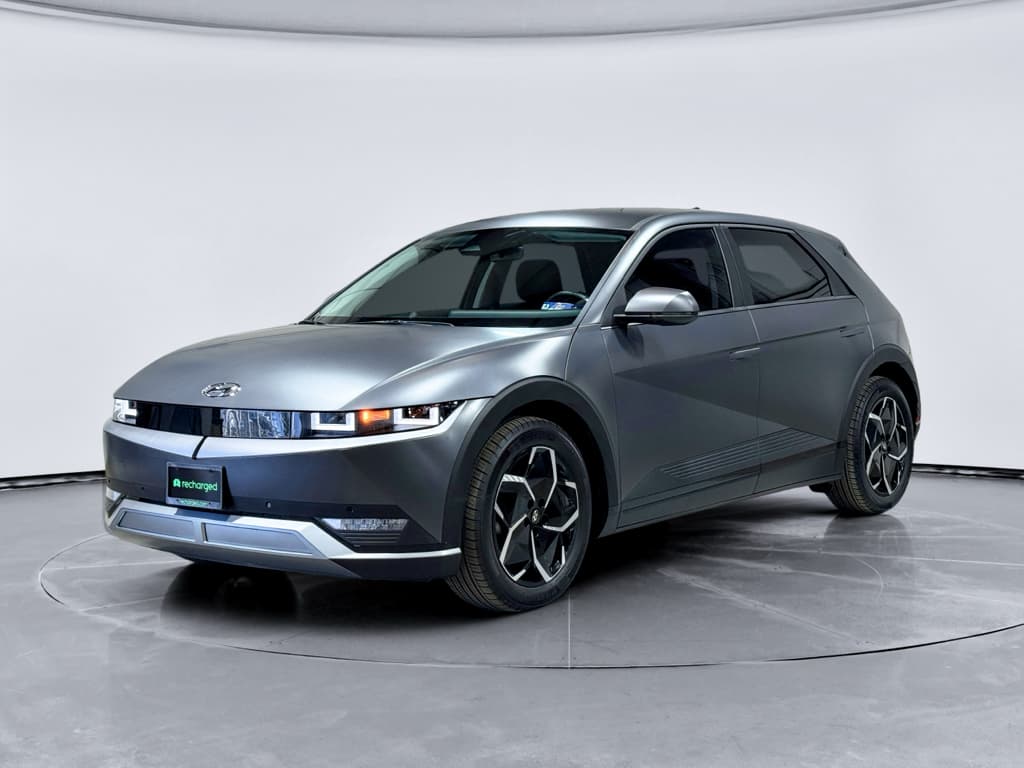
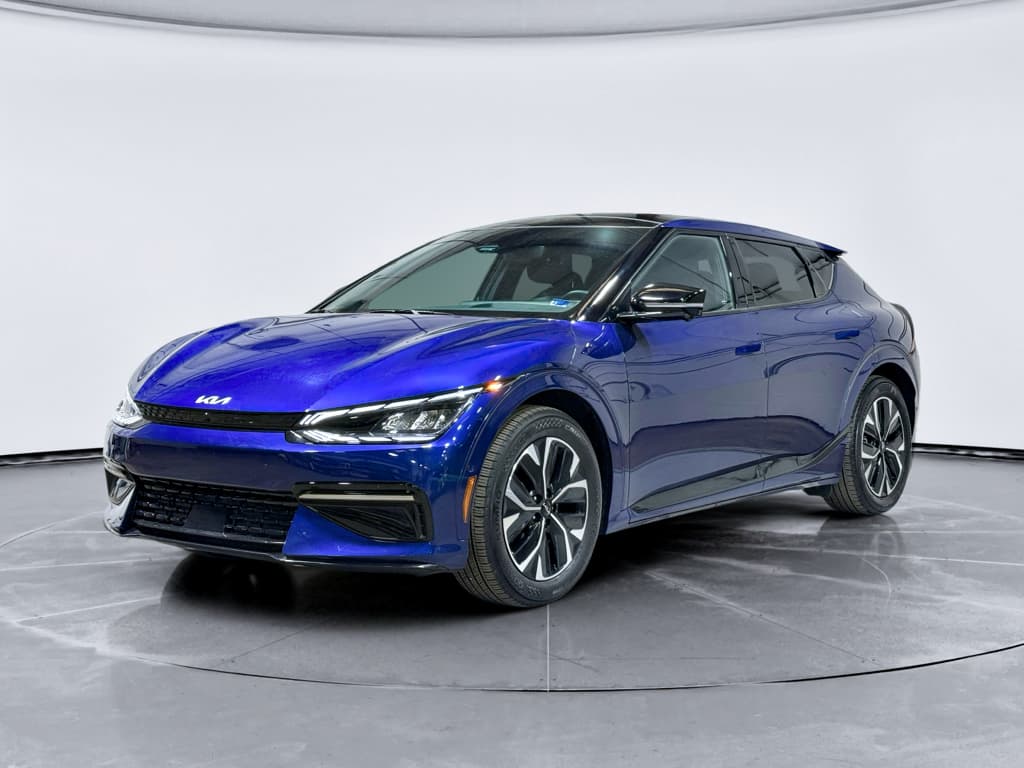
Under the skin, the GV60 shares its E‑GMP architecture with the Hyundai Ioniq 5 and Kia EV6. Those cars, sold in greater numbers with less luxury positioning, have shown slightly better resale so far. More buyers recognize the nameplates, and the economics of a mainstream commuter EV feel easier to justify.
So at the five‑year mark, the typical pattern is: same basic hardware, cheaper Genesis. You’re paying a little more for the badge uncertainty and a little less for the actual car.
Battery Health, Warranty, and Their Impact on Value
With EVs, the whole value story pivots on the battery. The GV60’s styling, screens, and suede headliner might have seduced you at the showroom, but five years out the question is brutally simple: how much range is left, and how protected are you if something goes wrong?
Why the GV60’s Battery Story Helps Its 5‑Year Value
Strong warranty, but you still need proof of real‑world health.
10‑Year / 100,000‑Mile HV Battery Warranty
Genesis backs the high‑voltage pack for a decade or 100,000 miles on U.S. cars. At year five, a typical GV60 is only halfway through that clock, which reassures second owners.
Real‑World Degradation Varies
Most E‑GMP‑based cars have shown reasonable degradation in the first few years, but usage, climate, and fast‑charging habits matter. Two identical cars on paper can have very different remaining range at five years.
Battery Health Data Is Gold
A proper battery‑health report can be worth thousands of dollars in value either way. It’s the difference between buying a five‑year‑old EV that still feels new and one that’s already on the glide path to retirement.
Where Recharged fits in
Ready to find your next EV?
Browse Vehicles5‑Year Cost of Ownership Beyond Depreciation
Depreciation is the loudest line item on the spreadsheet, but it’s not the only one. To understand GV60 value after 5 years, it helps to zoom out to total cost of ownership.
Typical 5‑Year Cost Snapshot (New GV60)
Those numbers look ugly if you’re the first owner. But if you buy the same GV60 at three or four years old after someone else has eaten the early‑years drop, your personal 5‑year cost curve flattens dramatically. You might see another 25–30% of value evaporate over the next five years instead of 55–60% from new.
Used GV60 sweet spot
Is the Genesis GV60 a Good Used Buy?
On paper, the GV60 is massively compelling at five years old: dual‑motor punch, high‑end cabin, fast charging, and a price closer to a mainstream compact crossover than to a new luxury EV. The catch is that EV value is lumpy, two seemingly similar GV60s can be separated by thousands of dollars in hidden risk.
- Pros at 5 years: strong remaining battery warranty, steep depreciation already behind you, excellent performance and features for the money, and a cabin that still feels properly premium.
- Cons at 5 years: softer resale going forward than some rivals, brand uncertainty in the EV space, and lingering questions about long‑term reliability of certain components (especially for high‑mileage or poorly maintained examples).
Verdict in one sentence
How to Shop Smart for a Used GV60
If you’re hunting for a five‑year‑old GV60, say, a 2026 shopper looking at 2021–2022 builds down the line, approach it like you would a used European luxury car: assume the stickers are optimistic and the truth lives in the details.
Essential Checks Before You Buy a 5‑Year‑Old GV60
1. Start with battery health
Ask for a recent <strong>battery‑health report</strong> or range test at a known state of charge. If you’re buying through Recharged, review the Recharged Score for objective pack data instead of relying on guesses or dashboard range estimates.
2. Verify warranty status
Confirm the in‑service date, mileage, and remaining coverage for the high‑voltage battery and EV components. At five years old, the big‑ticket coverage should still be active on most U.S. cars, but don’t assume.
3. Scrutinize service and recall history
Look for documented software updates and repairs, especially around charging hardware, 12‑volt battery replacements, and any recalls. Multiple unresolved electrical gremlins are a reason to walk away, not negotiate harder.
4. Look at how it has been charged
Light DC fast‑charging with mostly home Level 2 is ideal. A life spent almost entirely on 350 kW chargers in extreme climates can accelerate degradation, even if the car still feels quick around town.
5. Test charging and driver‑assist in real life
Plug the car into a public DC fast charger and a Level 2 if you can. On the road, test adaptive cruise, lane‑keeping, and other driver‑assist systems. Glitches here often hint at software or sensor issues that will cost time if not money.
6. Cross‑shop pricing carefully
Compare several GV60s plus similar Ioniq 5, EV6, and Model Y listings. If a particular car is suspiciously cheap, make sure the discount is for mileage or cosmetics, not a hidden accident, branded title, or unresolved mechanical issue.
Why many shoppers use Recharged for cars like this
Selling or Trading Your GV60: Maximizing Resale
If you already own a GV60 and are staring down the 5‑year mark, all this talk of depreciation may feel like a personal attack. You can’t rewrite the market, but you can position your car to fetch the top end of its value range instead of the bottom.
Steps to Protect Your GV60’s 5‑Year Value
Make your particular car the outlier buyers fight over, not the one they use as a lowball comp.
Document everything
Service records, recall work, tire rotations, even charging habits if you’ve kept notes, stack the proof that the car has been cared for. A thick folder (or digital file) is money.
Fix the obvious flaws
Curbed wheels, cracked glass, dead tires, or an overdue detail all drag your GV60 down in search results. Small reconditioning moves can add more to sale price than they cost.
Get a battery report before you list
A clean, third‑party battery‑health report turns a question mark into a sales tool. If your pack is healthier than average, you shouldn’t be priced like every other anonymous GV60 on the internet.
Consider multiple exit paths
Recharged, for example, can evaluate your GV60’s battery health and market position, give you an instant offer or help you consign it, and then present it to shoppers who are already hunting for used EVs. That’s often a better audience than a general‑purpose dealer lot where it’s just another unknown electric crossover.
Genesis GV60 5‑Year Value FAQ
Frequently Asked Questions About Genesis GV60 Value After 5 Years
Bottom Line on Genesis GV60 Value After 5 Years
Five years in, the Genesis GV60 is a case study in modern EV economics. As a new‑car proposition, it’s a gorgeous, fast, deeply likable crossover with a depreciation curve shaped like a ski jump. As a used‑car play, especially in that 3–5‑year window, it’s one of the more interesting value picks in the luxury EV space, provided you’re choosy.
If you’re buying, focus on battery health, warranty runway, and documented care, not just the monthly payment. If you’re selling, treat your GV60 like the specialist machine it is: gather records, get a battery report, and market it to buyers who understand EVs. Either way, if you want objective battery‑health data, transparent pricing, and EV‑savvy guidance, exploring your options with Recharged is a smart next move.