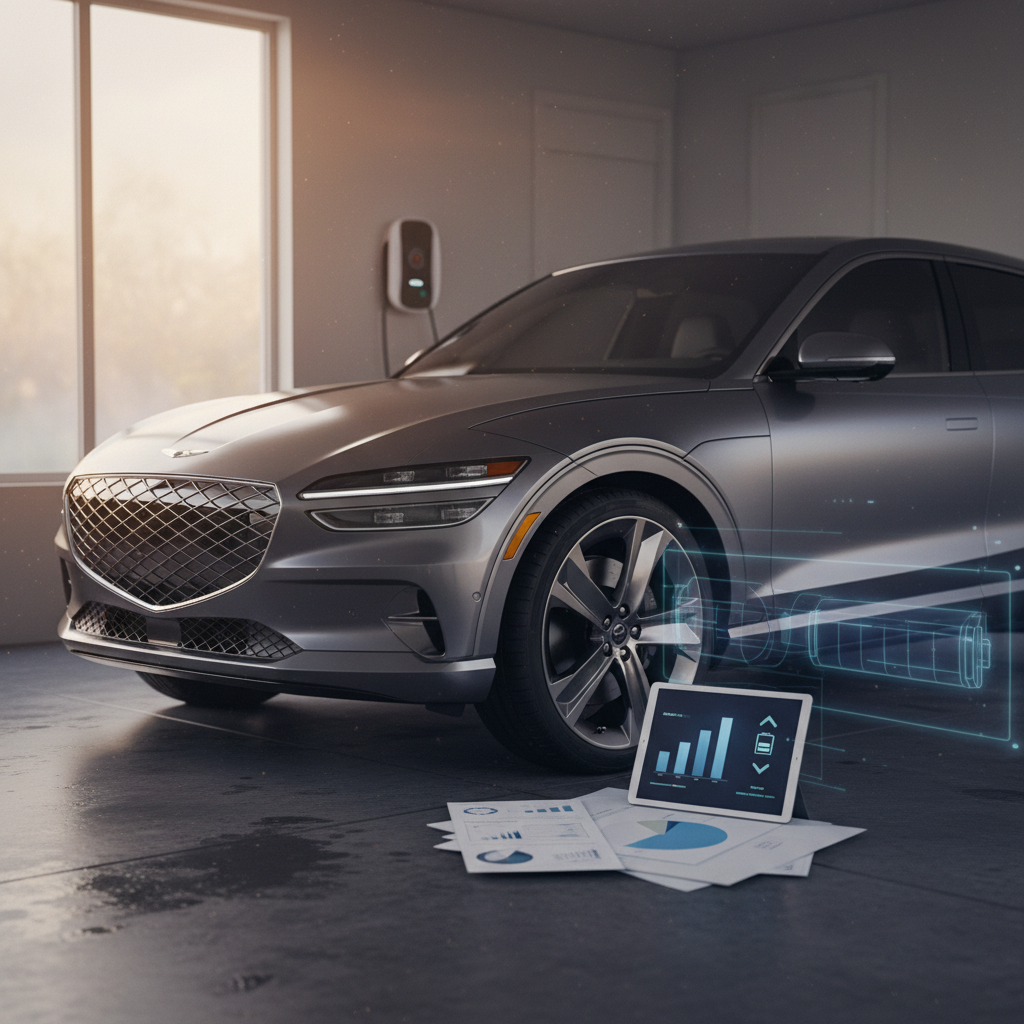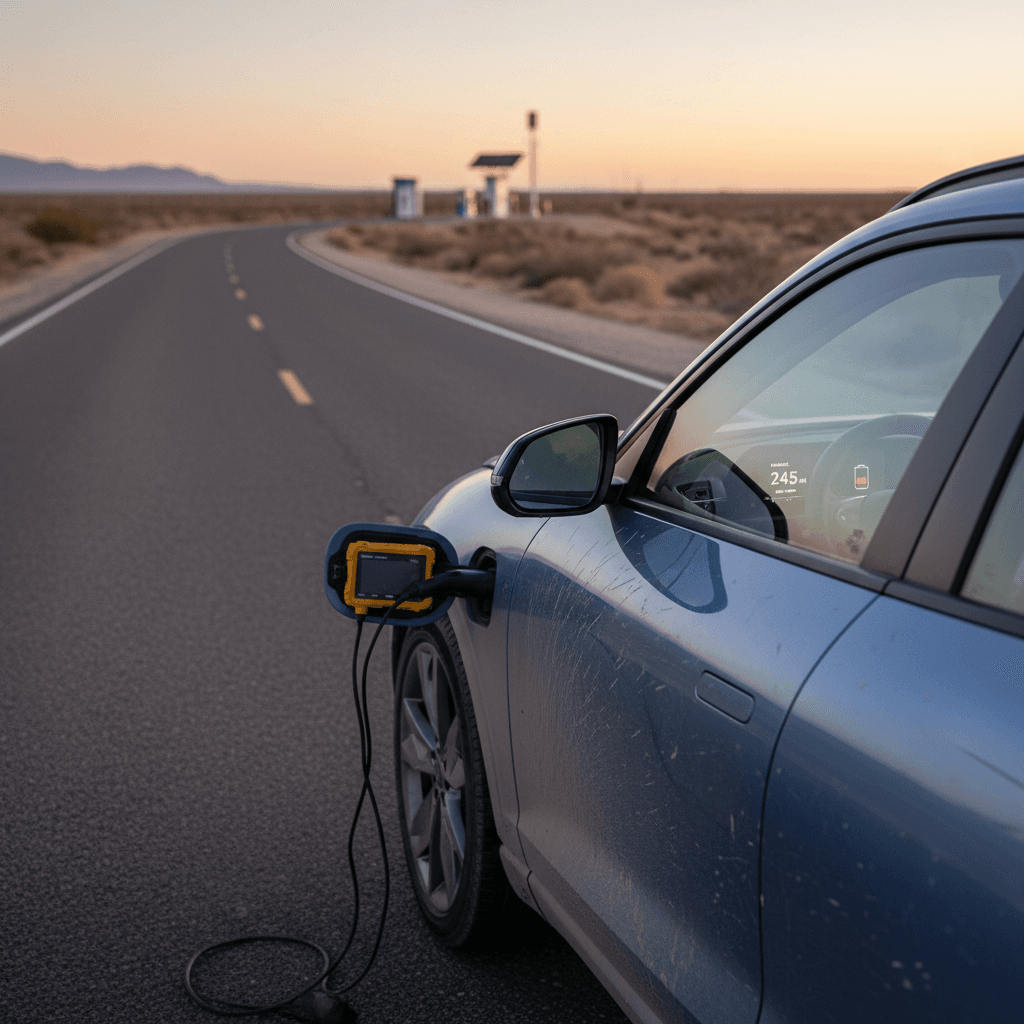
If you’re looking at a Genesis GV60 in 2026, new or used, you care less about the brochure number and more about what you’ll actually see on the dash. Official EPA ratings look great, especially with the updated 84 kWh battery, but real‑world range for the 2026 Genesis GV60 depends on trim, wheels, speed, weather and how old the pack is.
Quick answer: 2026 GV60 real‑world range
Why “real‑world range” matters for the 2026 GV60
Genesis has steadily refined the GV60 since launch, tweaking software, wheels and, more recently, battery capacity. On paper you now see EPA estimates up to the low‑300‑mile range with the upgraded 84 kWh pack in newer models. But on the interstate at 72 mph, in February, with heat and passengers on board, you’ll never see those numbers.
Real‑world range is the range you can confidently plan around: the school commute in January, the 180‑mile family run to grandma’s, the 500‑mile road trip with fast‑charging stops. This guide focuses on those lived numbers, using a mix of lab data, independent tests, owner reports, and Recharged’s own highway testing to paint a 2026‑specific picture.
GV60 battery and EPA range: 2023–2026 snapshot
Genesis GV60 EPA range at a glance
Here’s a simplified look at how the GV60’s official numbers stack up going into the 2026 model year. Exact figures vary by market, but this is what most U.S. shoppers will see:
Genesis GV60 EPA‑rated range by model year and trim (U.S.)
Approximate EPA estimates commonly published for U.S. GV60 trims from launch through the 2026 model year. Always check the window sticker for the specific car you’re buying.
| Model year | Battery | Trim example | Drive | EPA range (mi)* |
|---|---|---|---|---|
| 2023 | 77.4 kWh | Advanced AWD | AWD | ~248–255 |
| 2023 | 77.4 kWh | Performance AWD | AWD | ~235 |
| 2024 | 77.4 kWh | Standard/Advanced AWD (smaller wheels) | AWD | up to ~264 |
| 2025 | 77.4 kWh | Standard AWD | AWD | ~260–265 |
| 2026 | 84 kWh | Long‑range AWD (smaller wheels) | AWD | up to ~300–306 |
| 2026 | 84 kWh | Performance‑oriented AWD (larger wheels) | AWD | mid‑250s to low‑260s |
EPA estimates are best‑case mixed driving in mild conditions, not guaranteed real‑world range.
EPA ≠ guaranteed road‑trip range
Real‑world 2026 GV60 range by trim and driving style
By 2026, you’ll encounter two main GV60 battery packs on the used and new market: the original ~77.4 kWh and the newer 84 kWh long‑range pack. Independent testing and owner logs show that, driven at realistic U.S. highway speeds, the GV60 usually runs a little under its EPA sticker but not dramatically so, especially in milder weather.
What you can realistically expect from a full charge in 2026
Typical real‑world ranges, assuming 90–100% charge, moderate weather, and no trailers or roof boxes.
2026 84 kWh long‑range trims
Highway (70–75 mph): ~220–250 miles
Mixed driving (city + suburban): ~250–280 miles
City‑heavy, gentle driving: Up to ~290 miles if you stay under 60 mph and brake smoothly.
Older 77.4 kWh AWD trims (2023–2025)
Highway (70–75 mph): ~200–230 miles
Mixed driving: ~220–250 miles
City‑heavy: Mid‑ to high‑200s with efficient driving, especially in mild weather.
Performance‑oriented trims, big wheels
Highway (70–75 mph): ~190–215 miles is more realistic
Mixed driving: ~210–235 miles
City‑heavy: Low‑ to mid‑200s unless you really baby the throttle.
Those ranges assume you’re using most of the battery. Many owners day‑to‑day will cycle between about 20% and 80% to prolong battery life, which effectively gives you about half to two‑thirds of the headline range for regular commuting without hitting 0% or 100%.
A simple rule of thumb
City vs highway vs mixed driving: what changes
Why the GV60 loves city and suburban speeds
The GV60 is a compact luxury crossover with a slippery shape and sophisticated regen braking. In town, every red light is a chance to recapture energy, and aerodynamic drag is relatively low below 50 mph. Owners routinely report 3.5–4.0 mi/kWh in gentle city driving, especially in milder temperatures.
At that efficiency, even the older 77.4 kWh pack can flirt with 250–270 miles of real‑world city range on a full charge. The newer 84 kWh pack stretches that another 20–30 miles in similar conditions.
Why high speeds eat into your real‑world range
Above about 65 mph, air resistance ramps up fast. Owners who set cruise at 70 mph often report around 3.0 mi/kWh or a bit less, dropping further once you live in the left lane at 75–80 mph.
In practice, that means a 2026 84 kWh GV60 that might do 280+ miles around town can feel more like 210–240 miles on a fast interstate run, and older or performance trims can drop under 210 miles at those speeds.
“Guess‑o‑meter” vs reality
Weather and winter: how much range you’ll lose
Every EV takes a hit in cold weather. Batteries are less efficient when they’re cold, and cabin heat pulls energy straight from the pack. The GV60 is no exception, though its heat pump and preconditioning help soften the blow if you use them intentionally.
Typical GV60 range impact by temperature band
Rough guide based on owner reports and cold‑weather testing in similar E‑GMP platform vehicles.
Mild (55–75°F)
- Closest to EPA and best real‑world numbers.
- Expect 0–10% loss vs ideal.
- City efficiency of 3.5–4.0 mi/kWh is common.
Cold (25–40°F)
- Plan on 15–25% less range, especially for short trips.
- Battery and cabin heating eat power; highway hits harder.
- Preheating while plugged in helps a lot.
Very cold (<20°F) or very hot (>90°F)
- Combined climate and battery losses can reach 25–35%.
- Short, stop‑and‑go winter trips can be especially inefficient.
- Use seat and wheel heaters instead of blasting cabin heat when you can.
Don’t arrive at chargers on fumes in winter
Battery age, used GV60s and degradation in 2026
By 2026, the earliest GV60s on the road are three to four years old. The good news: the E‑GMP platform that underpins the GV60 has generally shown modest degradation so far when owners charge sensibly. Many drivers report only a small drop in displayed range after tens of thousands of miles.
- For a well‑cared‑for 2023–2024 GV60, a 5–10% loss of usable range by 2026 is a reasonable expectation.
- Heavy DC‑fast‑charging use, frequent 0–100% cycles, and hot‑climate storage can accelerate degradation.
- Because the GV60 launched with strong EPA numbers, even a slightly aged pack still delivers very usable real‑world range for daily driving.
How Recharged checks used GV60 battery health
Ready to find your next EV?
Browse VehiclesHow to stretch your GV60’s range on every drive
7 practical ways to get more miles from your GV60
1. Use Eco or Normal, save Sport for fun
Sport mode wakes up both motors and encourages aggressive acceleration, which can drag efficiency below 3.0 mi/kWh on the highway. For daily use, Eco or Normal delivers nearly all the smoothness with noticeably better range.
2. Aim for 65–70 mph instead of 75–80
The difference between cruising at 68 mph and 78 mph can be the difference between one charging stop and two. In a GV60, that often means recovering <strong>20–40 miles of range</strong> on a long leg.
3. Fine‑tune regen with i‑Pedal or paddles
Strong, predictable regen lets you coast and recapture energy instead of riding the friction brakes. Spend time in an empty lot experimenting with the paddles and i‑Pedal until it feels natural.
4. Precondition while plugged in
Use the GV60’s connected features to warm or cool the cabin, and in some cases the battery, while you’re still plugged in at home. That energy comes from the grid, not your pack, preserving precious miles.
5. Watch your mi/kWh readout
On a familiar route, try to beat your own efficiency record. Small changes, earlier lifts, gentler launches, smoother following distances, can push your mi/kWh up without making the drive feel slow.
6. Travel lighter and skip the crossbars
Roof racks and heavy cargo add wind drag and weight. If you don’t need them for the trip, remove crossbars and avoid hauling unnecessary gear, especially on long highway drives.
7. Charge smart for daily life
For day‑to‑day use, charging to <strong>80–90%</strong> instead of 100% not only helps long‑term battery health but also keeps the pack in its most efficient operating range for many commutes.
Planning real road trips in a Genesis GV60
With ultra‑fast DC charging and strong efficiency for its class, the GV60 is perfectly capable of serious road‑trip duty. The trick is to plan legs and charging stops around conservative real‑world range, not the optimistic number you see once after a week of city driving.
How far to plan between DC fast chargers
- In mild weather, assume 200–230 miles is a comfortable max leg for most GV60 trims if you start near 90%.
- In winter or blazing summer, plan around 160–190 miles per leg to keep a healthy buffer.
- Charging from ~10–15% up to 60–70% is usually the sweet spot for fast charging speed versus time spent.
Why used GV60s still shine on trips
Even if you’re buying a 3‑year‑old GV60, its effective road‑trip range is often still better than many new EVs with smaller packs and slower charging curves. That’s especially true if a battery‑health report, like the Recharged Score, shows only minor degradation.
If you’re shopping used, this is where a good marketplace and honest diagnostics matter more than a big EPA number on paper.
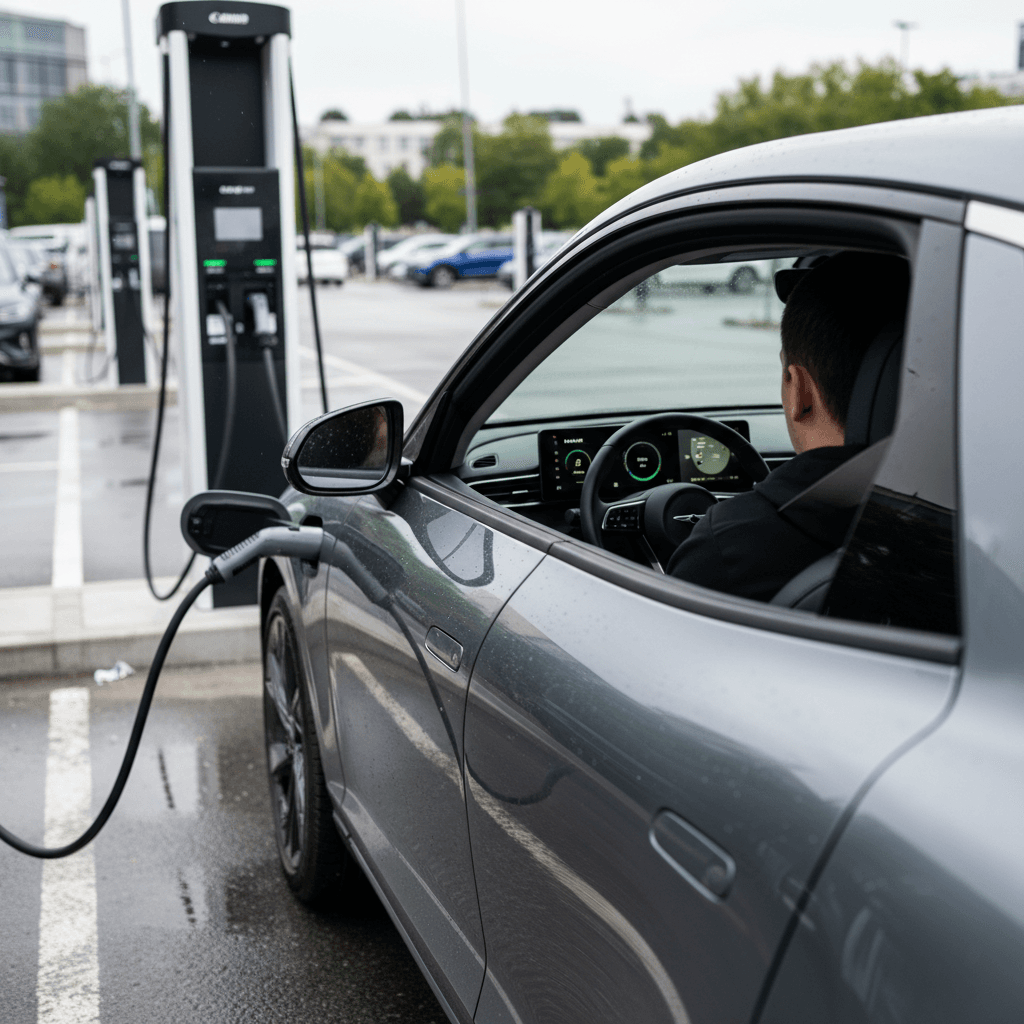
Shopping checklist for a new or used GV60 in 2026
Range‑focused checklist for GV60 buyers
Confirm which battery and trim you’re getting
Ask specifically whether the car has the original ~77.4 kWh pack or the newer 84 kWh long‑range battery, and whether it’s an efficiency‑focused or performance trim. This alone can swing real‑world range by 30–50 miles.
Look at wheel size and tires
The pretty 21‑inch wheels look great in photos but add drag and weight. Smaller wheels and eco‑focused tires are your friends if range is your top priority.
Ask for real consumption data
On a test drive, reset the trip computer and watch your mi/kWh over 15–20 miles of mixed driving. Numbers around <strong>3.0–3.5 mi/kWh</strong> in mild weather are healthy for an AWD GV60.
Get a battery‑health report for used GV60s
If you’re buying used, insist on an objective pack‑health check. Vehicles listed on Recharged include a <strong>Recharged Score Report</strong> with battery diagnostics so you know how much real‑world range you’re actually buying.
Think about your longest regular trip
If your regular worst‑case drive is 160 miles round‑trip in winter, you’ll want either the 84 kWh pack or a plan to quick‑charge mid‑route. Size your GV60, and its charger, to your life, not just the window sticker.
Factor in home charging
A home Level 2 charger means you start every day topped up, so absolute range matters a bit less. If you’ll rely on public charging most of the time, err toward the trims with the strongest real‑world range.
Genesis GV60 real‑world range FAQ (2026)
Frequently asked questions about 2026 Genesis GV60 range
Key takeaways for 2026 GV60 owners and shoppers
If you strip away the marketing gloss, the story is straightforward: in 2026 the Genesis GV60 is a compact luxury EV with honestly strong real‑world range, especially in its newer 84 kWh form. Driven at typical American speeds, you’re usually looking at 210–270 miles per full charge, with winter, wheel choice and driving style nudging that number up or down.
For daily life, school runs, commuting, errands, any GV60 sold in the U.S. has more than enough range, particularly if you can charge at home. For long trips, the combination of solid efficiency and very fast DC charging makes it easy to cover ground as long as you plan around conservative range numbers instead of the most optimistic estimates.
If you’re cross‑shopping or eyeing a used Genesis GV60, tools like the Recharged Score battery‑health report, fair market pricing, and EV‑specialist guidance can take the guesswork out of how much real‑world range you’re actually buying. Start with the numbers in this guide, then let an individual car’s battery health and your own driving patterns fine‑tune the story.