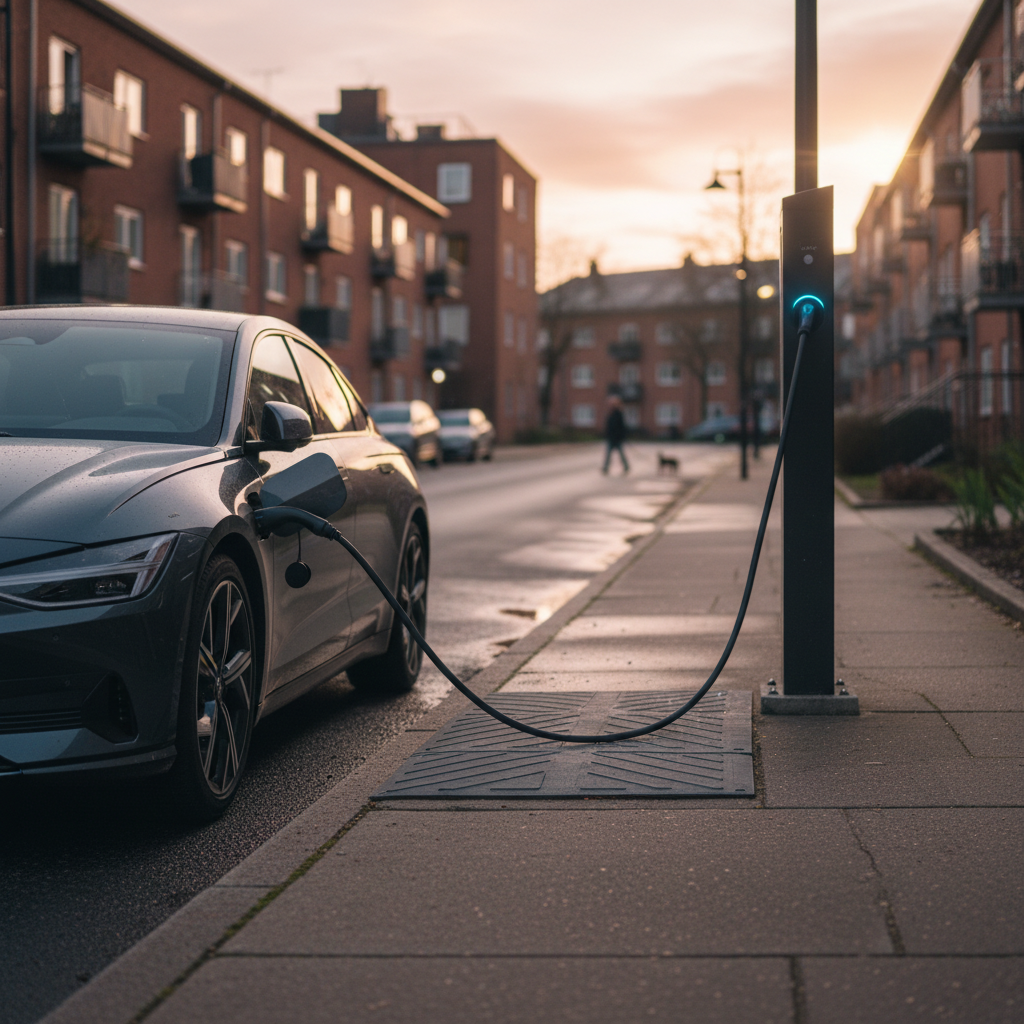
If you’re driving a Genesis GV60, you’ve already opted into the quiet, almost eerie simplicity of an EV powertrain. The catch is that the maintenance schedule feels anything but simple, dealers talk about 7,500‑mile visits, the dash throws up early reminders, and the owner’s manual has its own logic. This guide untangles the Genesis GV60 maintenance schedule so you know what actually matters, what’s optional, and how to keep both your warranty and your battery in good standing.
Good news for GV60 owners
Why the Genesis GV60 maintenance schedule matters
The GV60 is a luxury EV with a lot of technology piled on top of a very expensive battery pack. Sticking close to the maintenance schedule isn’t about dealer loyalty; it’s about protecting a six‑figure‑ish stack of electronics and the warranty that backs them. Genesis offers complimentary scheduled maintenance for 3 years/36,000 miles on new vehicles, plus a long limited warranty on the electric drivetrain, but they can expect you to follow the official schedule if there’s ever a dispute over coverage.
- A consistent maintenance history supports warranty claims if something fails early.
- Documented service boosts resale value if you later trade or sell the GV60.
- EVs hide their wear extremely well, scheduled inspections catch issues before they snowball.
- Tire rotations are critical on a heavy, high‑torque EV if you want any hope of even tire wear.
Watch those tires
Official Genesis GV60 maintenance schedule at a glance
Genesis doesn’t publish the GV60 schedule as one simple line item like “service every 10,000 miles.” Instead, the manual breaks maintenance into inspections and replacements at time‑and‑mileage intervals. For U.S. owners, most dealers will translate that into a simple cadence you’ll hear at the service desk:
Typical Genesis GV60 maintenance intervals
What most U.S. dealers recommend, based on the Genesis schedule and EV-specific guidance
Every 7,500–10,000 miles
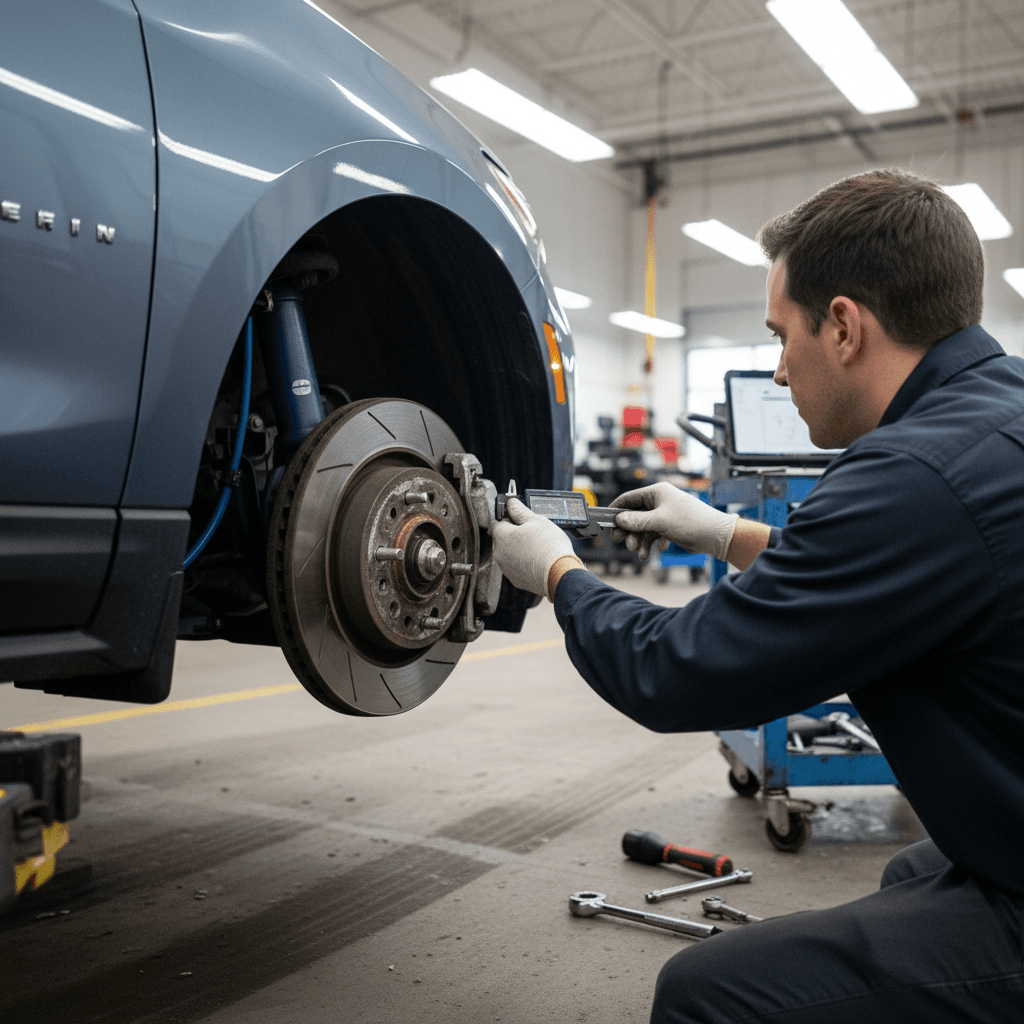
Basic inspection visit (often once per year): tire rotation, brake inspection, suspension and steering check, fluid checks, software updates.
Every 15,000–20,000 miles
Cabin air filter replacement and deeper inspections of the high‑voltage system, charge port and cooling hardware.
Every 40,000–48,000 miles
Brake fluid replacement plus more detailed checks of the battery cooling system and other EV components.
Owner’s manual beats dealer marketing
Genesis GV60 service schedule: 0–60,000 miles
Here’s a practical, U.S.-oriented way to think about your first 60,000 miles in a GV60. This table blends Genesis’ EV guidance with what multiple Genesis retailers and maintenance bulletins recommend for the GV60 specifically. Always confirm the exact intervals in your manual for your model year.
Suggested Genesis GV60 maintenance schedule (normal driving)
Approximate time and mileage intervals for routine GV60 maintenance in the U.S. Always follow the more conservative guidance between your odometer and months owned.
| Odometer / Time | Key Maintenance Items | Notes |
|---|---|---|
| First 6 months / 5,000–7,500 miles | General inspection, tire inspection and rotation (if showing wear), software updates as available | Many owners let the first rotation wait until 7,500–10,000 miles if wear is even. |
| 12 months / ~7,500–10,000 miles | Tire rotation, brake inspection, suspension & steering check, 12V battery check, coolant level check, wiper and washer inspection | Covered under complimentary maintenance for new Genesis vehicles. |
| 24 months / ~15,000–20,000 miles | Repeat annual inspection + replace cabin air filter, inspect charge port and high‑voltage cables | Cabin filter interval in practice is often every 2 years or ~20k miles. |
| 36 months / ~22,500–30,000 miles | Annual inspection & tire rotation, check A/C performance, inspect battery cooling system and underbody components | End of complimentary maintenance for most new GV60s (3 years/36,000 miles). |
| 48 months / ~30,000–40,000 miles | Annual inspection & tire rotation + brake fluid replacement, deeper EV cooling system inspection | Brake fluid change is typically recommended around 40,000–48,000 miles or every 3–4 years. |
| 60 months / ~45,000–60,000 miles | Comprehensive inspection of high‑voltage battery system and power electronics, software and firmware updates, cabin filter again if needed | Think of this as a “major EV checkup” visit, especially important if you plan to keep the GV60 past its basic warranty. |
“Miles or months, whichever comes first” always applies.
Sync miles and months smartly
EV-specific GV60 maintenance: what’s different from gas cars
EV marketing loves to say “no oil changes,” which is true, but it also invites a kind of maintenance nihilism, set and forget, until something expensive complains. The GV60 still has critical wear items and fluids, just not the ones you grew up with.
Key EV components you still need to service
These aren’t glamorous, but they’re central to GV60 longevity.
Brake fluid
The GV60 uses regenerative braking heavily, so the physical brakes work less often. But the brake fluid still absorbs moisture over time. Expect a replacement around every 3–4 years or 40,000–48,000 miles.
Battery coolant
The high‑voltage battery and power electronics are liquid‑cooled. Coolant change intervals are long, typically measured in years, not oil‑change cycles, but inspections at each major visit are key to battery health.
Charge port & cabling
Technicians will periodically inspect the charging inlet, seals and high‑voltage cabling for damage, corrosion, and debris. If you DC fast‑charge often, make sure this check actually happens at every service.
Cabin & battery air paths
The cabin air filter protects you, but also the HVAC hardware that conditions battery cooling. A clogged filter can make the system work harder in hot or cold weather, especially if you use pre‑conditioning a lot.
Don’t ignore warning lights
Complimentary maintenance, Service Valet & warranty coverage
Genesis wraps the GV60 in a surprisingly generous umbrella of included maintenance and warranty coverage, which is part of the car’s value proposition if you’re cross‑shopping European luxury EVs.
Genesis coverage highlights for new GV60s (U.S.)
During the first three years, Genesis Service Valet can pick up your GV60, leave you with a loaner, and return the car when service is done. That makes it easy to stay on schedule rather than kicking the can down the road because life is busy.
Optimize those “free” services
Real‑world GV60 maintenance costs and dealer upsells
After the complimentary period, the GV60 still costs less to maintain than a comparable gas‑powered Genesis, but the invoices can be lumpy. Tire rotations and inspection visits are usually modest; it’s the EV‑branded service bundles and extras that inflate the bill.
Typical out-of-pocket costs after 3 years
- Basic inspection + tire rotation: Often $120–$200 at a Genesis retailer, depending on region.
- Brake fluid service: Commonly in the $150–$250 range because of bleed procedures and EV‑specific checks.
- Cabin air filter: $60–$150 installed; you can DIY with an OEM filter for far less if you’re handy.
- High‑voltage system inspections: Usually bundled into the standard labor time for a “major EV service.”
Common upsells to examine critically
- “Fuel system” or injector cleaning, irrelevant on a pure EV.
- Overly frequent brake fluid changes on a low‑mileage car.
- Expensive, branded cabin filters when a standard OEM part works just as well.
- Paint, wheel or interior “protection” packages bundled into service visits.
Always ask whether each item is required by Genesis for warranty, or simply a dealer recommendation.
How to push back, politely
Normal vs. severe service for the GV60
Like most manufacturers, Genesis splits its maintenance schedule into Normal and Severe usage. EVs aren’t magically exempt from harsh realities like salted winter roads or stop‑and‑go city traffic.
- Frequent short trips under 5 miles, especially in cold weather
- Regular driving on rough, dusty, or heavily salted roads
- Heavy city traffic with lots of stop‑and‑go braking
- Mountainous terrain or frequent steep climbs/descents
- Using the GV60 for commercial service (ride‑share, delivery, etc.)
When to step up to severe schedule
In severe use, you’re not changing different fluids; you’re just shortening the interval between inspections and the wear‑item services you’d be doing anyway. That attention pays off in braking performance, tire life, and peace of mind.
Maintenance checks if you’re buying a used GV60
On the used market, the GV60 is an intriguing proposition: rapid depreciation, plenty of tech, and a battery warranty that outlasts many first owners. But that only works in your favor if the first owner treated maintenance as more than a suggestion.
Used Genesis GV60 maintenance checks
1. Verify basic service history
Ask for records showing at least annual visits for inspections and tire rotations, especially during the first 3 years. A car that never saw a Genesis retailer during its free maintenance window is a red flag.
2. Look for brake fluid service
On a 3–5‑year‑old GV60, you want to see at least one documented brake fluid change. No record? Budget to do it immediately after purchase.
3. Inspect tire wear patterns
Uneven wear on the front vs. rear or inner vs. outer edges hints at neglected rotations, aggressive driving, or alignment issues. EVs can mask handling quirks that tires will happily report.
4. Confirm battery & software checks
Ask whether the car has had recent software and firmware updates and any high‑voltage system inspections noted. This can affect range, charging behavior, and even safety systems.
5. Scan for warning history
During a pre‑purchase inspection, have a shop pull stored fault codes. Cleared warning lights can leave a trail in the history that tells you more than a quick test drive can.
How Recharged approaches used GV60s
How Recharged helps with GV60 maintenance and battery health
The GV60 may be low‑maintenance compared with gas rivals, but it’s still a dense piece of technology. When you’re trying to decide between two used examples, or simply wondering what the next few years of ownership will look like, having a neutral expert in your corner helps.
Where Recharged fits into your GV60 ownership story
From inspection to financing, the goal is less guesswork and more transparency.
Battery health transparency
Every EV listed on Recharged includes a Recharged Score battery health report, so you can see how a GV60’s pack is aging before you commit.
Maintenance-aware pricing
We factor service history, remaining warranty, and likely near‑term maintenance (brakes, tires, fluids) into pricing so you’re not ambushed by a “cheap” GV60 that’s overdue on everything.
Expert guidance & financing
Recharged’s EV specialists can talk you through GV60 maintenance expectations, extended coverage options, and financing that makes room in your budget for long‑term upkeep.
Ready to find your next EV?
Browse VehiclesThink of the Genesis GV60 maintenance schedule as a rhythm rather than a set of punishments. Once a year or so you rotate the tires, let a technician look the car in the eyes, and, every few years, you swap the brake fluid and filters that quietly keep the hardware honest. Do that, keep your paperwork, and the GV60 will remain what it was on day one: a calm, quick, beautifully over‑engineered shuttle that fades into the background of your life, exactly how a good EV should behave.