If you’re looking at the Genesis GV60, chances are you want a compact luxury EV that’s easy to park but still practical for everyday life. Understanding the Genesis GV60 cargo space dimensions is key to knowing whether it can handle strollers, Costco runs, and weekend getaways without drama.
Key cargo numbers at a glance
Genesis GV60 cargo space overview
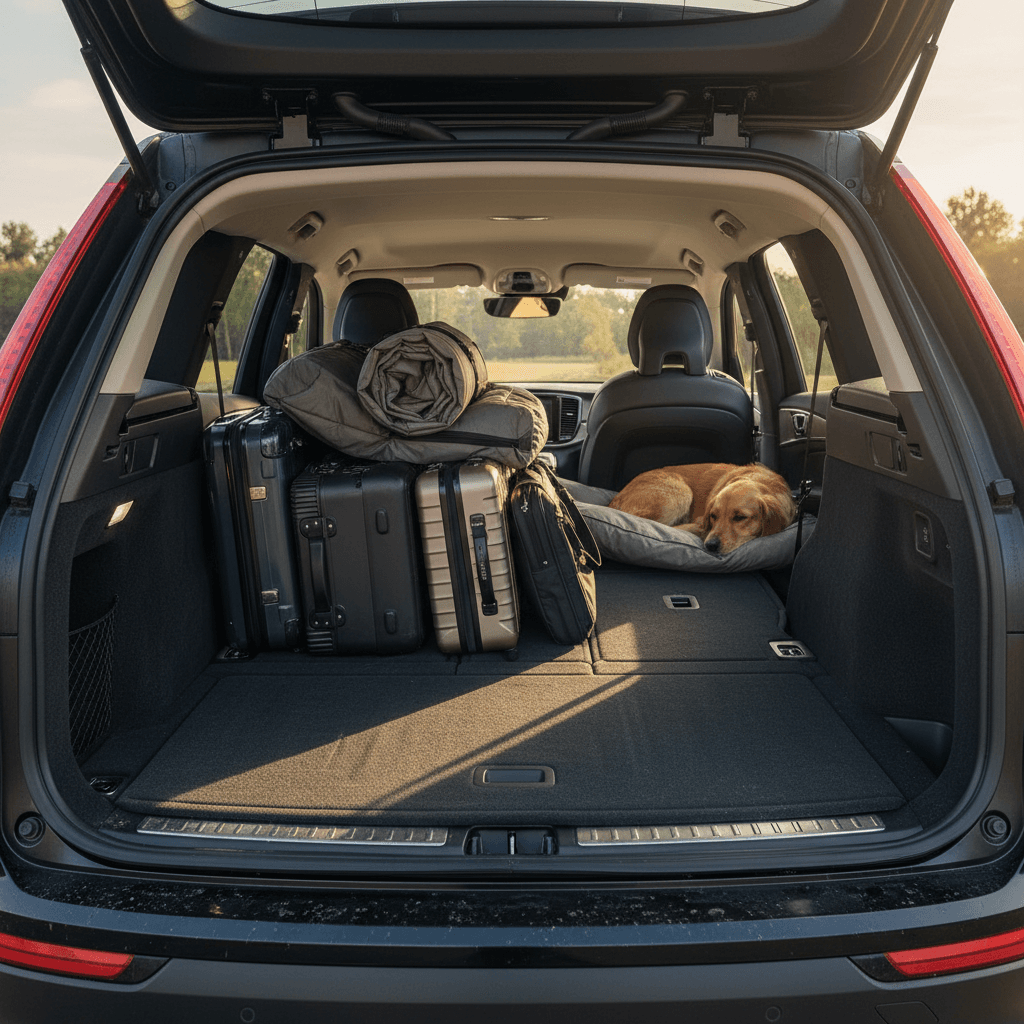
On paper, the Genesis GV60 sits in the heart of the compact luxury EV SUV segment. Its cargo area isn’t the absolute largest, but it’s usefully shaped and thoughtfully finished. Behind the second row you get a flat, wide load floor and a power liftgate on most trims. Fold the second row and the GV60 opens up enough room for flat‑packed furniture, bikes (with wheels off), or a full vacation’s worth of luggage for a family of four.
For shoppers cross‑shopping a Tesla Model Y or Audi Q4 e‑tron, the GV60 lands in the middle of the pack: more practical than the sleeker coupe‑style EV crossovers, but shy of the Model Y’s cavernous cargo hold. What matters more than a raw cubic‑foot number is how the space works with your life, so we’ll break down both the specs and some concrete use cases.
Genesis GV60 key cargo & size stats
Exact Genesis GV60 cargo space dimensions
Let’s start with the hard numbers that most shoppers are hunting for. Across recent model years (2024–2026), the Genesis GV60’s cargo volume is essentially the same regardless of trim.
Genesis GV60 cargo volume by configuration
Factory‑listed cargo figures for recent Genesis GV60 model years.
| Model year | Cargo behind 2nd row | Cargo with 2nd row folded | Front trunk (frunk) |
|---|---|---|---|
| 2024 Genesis GV60 | 24.0 cu ft | 54.7 cu ft | Small (best for cables and a small bag) |
| 2025 Genesis GV60* | 24.0 cu ft (est.) | 54.7 cu ft (est.) | Small (similar to 2024) |
| 2026 Genesis GV60 | 24.0 cu ft | 54.7 cu ft | Small (similar layout) |
Numbers are rounded; always verify specific model year details if you’re comparing window stickers.
About frunk measurements
While manufacturers sometimes tweak interior packaging year to year, the GV60’s dedicated EV platform and fixed body shell mean its cargo specs have stayed very consistent. If you’re looking at a used 2023+ GV60 on a marketplace like Recharged, you can safely assume similar cargo space to a new 2026 GV60 unless the listing notes an aftermarket cargo organizer or unusual spare‑tire setup.
Cargo floor, opening, and usability details
- Load floor height: A touch higher than some gasoline SUVs because of the battery pack, but still comfortable for loading groceries or a stroller.
- Opening width: Wide hatch opening with minimal intrusions from the wheel wells makes it easy to slide in wider boxes.
- Seat folding: The split‑folding rear seatbacks go down to form a nearly flat extension of the cargo floor, improving long‑item usability.
- Under‑floor storage: A hidden compartment in the rear helps keep smaller items secure and out of sight.
- Power liftgate: Common on upper trims, convenient if your hands are full with gear or kids.
Interior and passenger space dimensions
Cargo volume is only half the story. If you routinely use all five seats, you’ll want to know how the GV60 balances passenger comfort with storage space.
Genesis GV60 interior & passenger dimensions
How much space you and your passengers get in each row.
| Area | Front row | Second row |
|---|---|---|
| Headroom | 39.0 in | 38.1 in |
| Legroom | 42.3 in | 37.6 in |
| Shoulder room | 57.5 in | 55.9 in |
| Passenger volume | \u2014 | 101.1 cu ft total |
| Seating capacity | \u2014 | 5 passengers |
Figures are representative of recent GV60 model years and trims.
Roomy where it counts
Genesis uses the EV platform’s long wheelbase to carve out especially generous front legroom and solid rear knee room. That means you can keep the rear seats upright for passengers while still relying on that 24‑cu‑ft cargo area for daily duties.
Real‑world utility: what actually fits in the GV60
Numbers are useful, but if you’re like most shoppers you’re asking a more concrete question: What can I actually fit back there? Here’s how the Genesis GV60’s cargo space translates into everyday scenarios.
Everyday packing scenarios for the GV60
How the GV60’s 24 / 54.7 cu ft cargo space plays out in real life
Grocery & Costco runs
With the rear seats up, the GV60’s 24 cu ft cargo area can handle:
- 8–10 reusable grocery bags
- Several bulk Costco boxes
- A medium cooler and a week’s worth of food
Strollers & kid gear
Behind the second row there’s enough room for:
- Most full‑size strollers (folded) sideways
- A diaper bag and a few small totes
- Sports bags or a folded pack‑and‑play
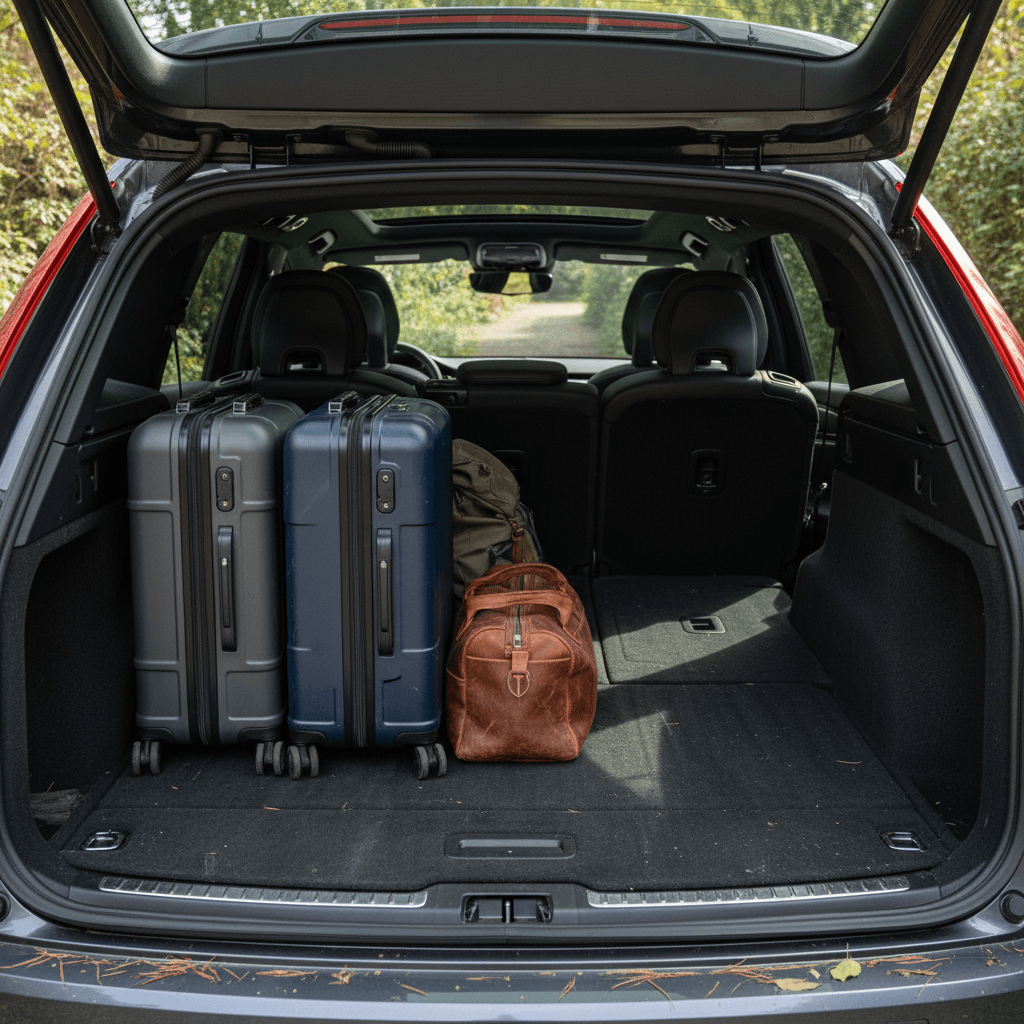
Road‑trip luggage
With seats up, expect space for:
- 2 large checked suitcases
- 1–2 carry‑on rollers
- Soft duffels stacked on top
Fold the rear seats and you’re easily into family road‑trip territory.
Camping & outdoor gear
Drop the 60/40 rear seatbacks and you unlock the GV60’s full ~54.7 cu ft. That’s enough room for:
- Two adults’ camping gear (tents, sleeping bags, bins)
- Folded camp chairs and a compact folding table
- A medium‑size hard cooler
Long items like fishing rods or skis can slide between the front seats if needed.
Home‑improvement hauls
For DIY runs, the flat load floor and wide hatch opening are more important than the raw cubic‑foot number. With seats down, you can carry:
- 6–8 medium moving boxes
- Flat‑packed furniture boxes up to the front seatbacks
- Shorter lumber pieces or shelving up to the dashboard area
For longer lumber (8–10 ft), you’ll still want a pickup or delivery, but the GV60 handles most weekend projects.
Use the frunk smartly
Genesis GV60 cargo space vs. rival EV SUVs
If cargo capacity is near the top of your priority list, it’s worth seeing how the Genesis GV60 stacks up against popular electric SUV competitors. The GV60 lands in the middle of the pack, stronger than some coupe‑style EV crossovers, but not quite as roomy as the segment’s cargo champ, the Tesla Model Y.
GV60 cargo space vs. key EV SUV competitors
Approximate cargo volumes for several popular electric SUVs, seats up and seats folded.
| Model | Cargo behind 2nd row | Cargo with rear seats folded | Quick cargo take |
|---|---|---|---|
| Genesis GV60 | 24.0 cu ft | 54.7 cu ft | Balanced space; practical for most families who don’t need a three‑row. |
| Tesla Model Y | ≈30.2 cu ft | ≈72.1 cu ft | One of the largest cargo areas in the segment; great if space is your top concern. |
| Audi Q4 e‑tron | ≈24.8 cu ft | ≈53.1 cu ft | Very similar to GV60; slightly more seats‑up, slightly less max. |
| Volvo C40 Recharge | ≈14.6 cu ft | ≈42.6 cu ft | Stylish but smaller; GV60 offers significantly more practicality. |
Exact figures can vary slightly by model year and trim; always confirm if you’re comparing specific vehicles on a site like Recharged.
How much does the difference matter?
If you know you’ll be hauling big loads frequently, multiple dogs in crates, bikes inside the car, or bulky work gear, the Tesla Model Y or a larger SUV might be a better fit. But for many shoppers who want an agile, premium EV that still takes family life in stride, the GV60 offers a strong balance of comfort and capacity.
Tips to get the most from the GV60’s cargo area
Practical ways to stretch the GV60’s 24 / 54.7 cu ft
1. Use the split‑folding rear seats strategically
Fold just one side of the rear seat to carry a long item like skis or a ladder while preserving a seating spot for a passenger or child seat on the other side.
2. Take advantage of under‑floor storage
Stash charging cables, a tire kit, and emergency gear in the under‑floor compartment so the main cargo area stays free for bulky items.
3. Pack vertically with soft bags
Soft duffels and collapsible crates stack better than hard suitcases. You can safely load them higher in the GV60 because the sloping roofline still leaves usable vertical space.
4. Add cargo organizers and nets
Genesis and aftermarket suppliers offer dividers and nets that keep grocery bags from tipping and make better use of the cargo bay’s width.
5. Mind the hatch glass when loading tall items
The GV60’s rear glass slopes more than a boxy SUV. Place the tallest items closer to the seatbacks, not at the very rear edge, so the hatch closes easily.
6. Use roof carriers for seasonal or bulky gear
For skis, snowboards, or occasional big loads, a roof box or rack system lets you keep the cabin and cargo area tidier, especially helpful on road trips.
Safety first when loading
Buying a used Genesis GV60: cargo checks that matter
If you’re considering a used GV60 on Recharged or elsewhere, cargo space numbers will be the same as on a new one, but condition and accessories can change how usable that space really is. A careful inspection pays off.
Used GV60 cargo inspection checklist
Simple checks that tell you how the previous owner treated their EV
Check the cargo floor & side panels
Look for deep scratches, cracked plastic, or stains. Excessive wear can hint at hard use, like frequent heavy hauling or pets that weren’t contained.
Lift the floor panel
Inspect the under‑floor compartment for moisture, odors, or missing tools. Verify that the cargo cover (if equipped) and any factory nets are present.
Inspect seat mechanisms
Fold the rear seats several times. They should release and lock smoothly without grinding or sticking. A balky latch can make real‑world use frustrating.
Confirm frunk condition
Open the frunk and check for damage around the latch and seals. It’s an easy place to store high‑value items like charging cables, so you want it watertight and secure.
How Recharged helps
Ready to find your next EV?
Browse VehiclesYou can shop completely online, arrange financing, value your trade‑in, and even have a GV60 delivered to your home. If you prefer an in‑person look, Recharged also operates an Experience Center in Richmond, VA where EV specialists can walk you through how the GV60’s cargo space compares to other used EVs on the lot.
Genesis GV60 cargo space FAQs
Frequently asked questions about GV60 cargo space
The Genesis GV60 may not top the cargo charts, but its 24.0 cu ft seats‑up and roughly 54.7 cu ft seats‑down cargo space is more than enough for most owners, especially when paired with its premium cabin and compact footprint. If those numbers fit your lifestyle, and you like the idea of a stylish, quick, all‑electric crossover, the GV60 belongs on your short list. And if you’re shopping used, leveraging tools like the Recharged Score Report can help you find a GV60 whose cargo area and battery are as ready for real life as you are.