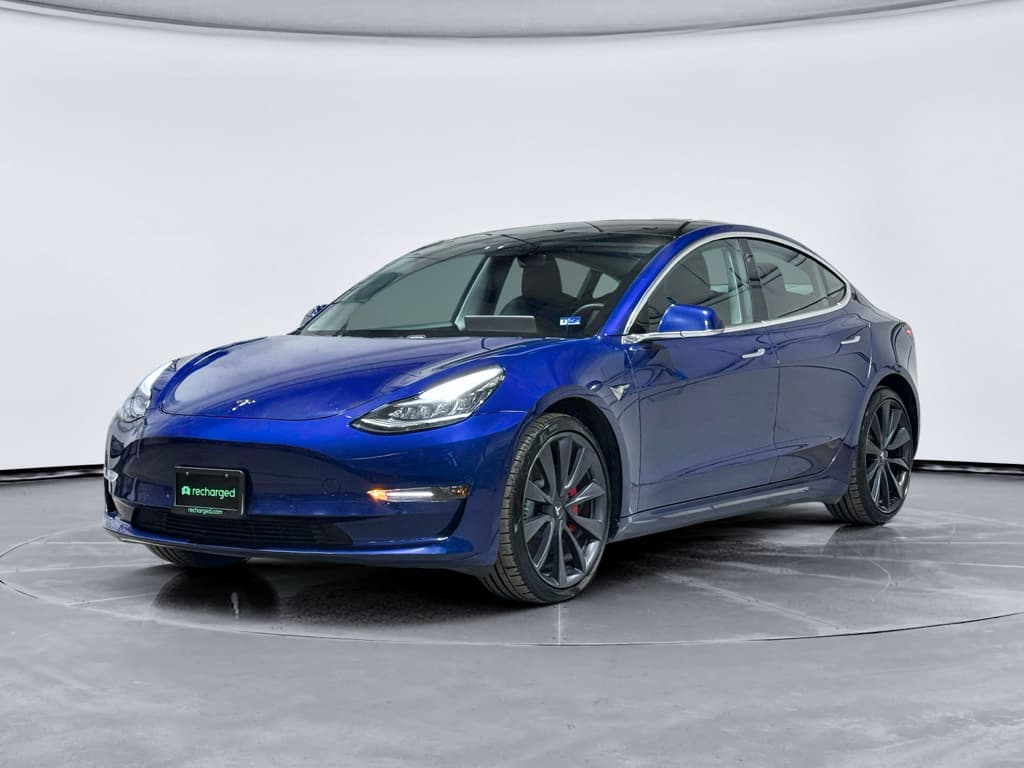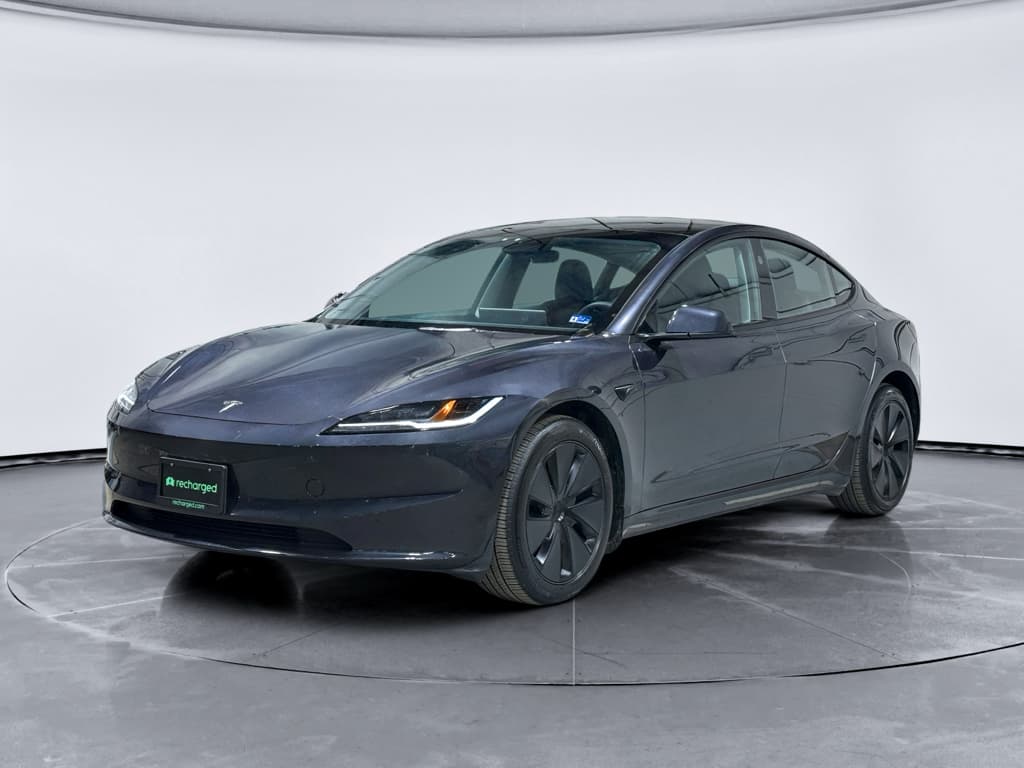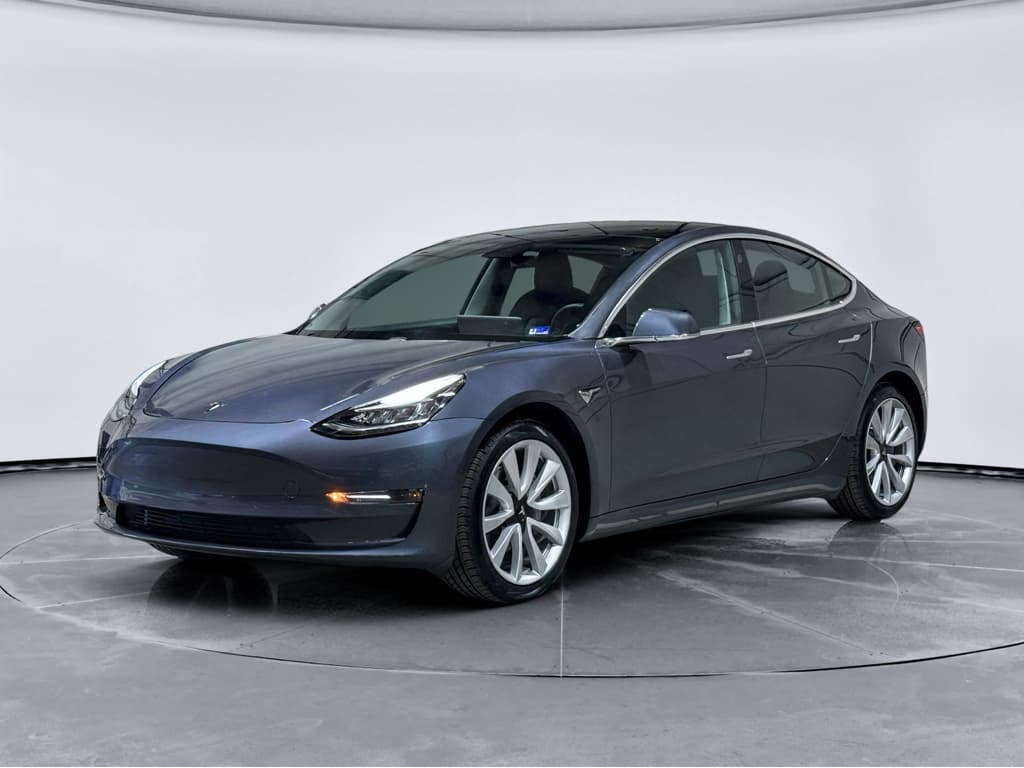
If you’re researching 2023 Tesla Model 3 problems, you’re probably trying to decide whether a used Model 3 is a smart buy, or a headache waiting to happen. The truth sits somewhere in between: the 2023 Model 3 is quick, efficient, and popular, but it has some recurring issues you should understand before you put money down.
Quick take
Why people search for 2023 Tesla Model 3 problems
Tesla sells the Model 3 like a smartphone on wheels: powerful hardware, constant software updates, direct-to-consumer sales. That model has obvious upsides, but it also means quality and reliability can be spiky compared with legacy automakers. Owners and regulators have flagged issues ranging from squeaks and rattles to aggressive driver-assist behavior and confusing door hardware in emergencies.
At the same time, owner satisfaction with the Model 3 remains high and depreciation has made 2023 cars particularly attractive on the used market. That’s where a platform like Recharged comes in: by combining battery health diagnostics, pricing transparency, and an inspection focused on EV-specific failure points, it’s possible to separate a well-cared-for 2023 Model 3 from one you should walk away from.
Big-picture reliability: Is the 2023 Model 3 a bad car?
How the 2023 Model 3 stacks up
Across owner surveys and inspection data, a pattern emerges: drivetrain and battery are usually solid, while secondary systems, trim, suspension hardware, software features, and driver-assistance, generate most of the complaints. In other words, you’re unlikely to see catastrophic failures in a one- or two‑year‑old 2023 Model 3, but you might see quality lapses you wouldn’t tolerate in a Toyota or Honda.
Beware of averages
Build quality, noises, and trim issues
Tesla has improved build quality since the earliest Model 3s, but 2023 cars can still show inconsistent fit and finish. Owner surveys and reliability data call out noise/leak and body-hardware categories, things like wind noise around doors, loose interior trim, and uneven panel gaps.
- Wind noise and squeaks: Whistling around the frameless windows or A‑pillars at highway speeds, plus occasional creaks from the dash or center console.
- Door and trunk alignment: Doors that require extra force to close or trunks that don’t sit flush can sometimes be adjusted, but they’re a sign of rushed assembly.
- Interior trim looseness: Creaky seats, plastic trim that shifts when you press it, or console lids that don’t latch cleanly.
- Water leaks: Less common, but leaks around the trunk or rear lights have shown up in some markets, especially in heavy-rain climates.
How Recharged checks this
Software glitches and phantom braking
Tesla’s software is a major selling point: over‑the‑air updates add features and can even fix some recall issues. The flip side is that owners sometimes feel like beta testers for driver-assistance features. Complaints to regulators and in owner forums highlight phantom braking (sudden, unexpected slowdowns), inconsistent Autopilot behavior, and minor infotainment glitches.
Most talked-about software and driving behavior issues
Not every 2023 Model 3 will show these, but they’re common themes in complaints.
Phantom braking
Sudden braking on highways or two‑lane roads when Autopilot or cruise control misinterprets shadows, overpasses, or oncoming vehicles as obstacles.
This is more of a comfort and safety-confidence issue than a hardware failure, but it can be unnerving.
Lane-keeping quirks
Autosteer that hugs one side of a lane, takes highway exits too aggressively, or behaves strangely in poorly marked construction zones.
Always remember that Tesla’s systems are driver-assistance, not self-driving.
Infotainment bugs
Occasional screen reboots, Bluetooth glitches, or lag in the camera view. Most are resolved with software updates or a soft reset.
These can be annoying day‑to‑day but rarely indicate serious hardware failure.
Don’t overtrust “Full Self-Driving”
When test driving a used 2023 Model 3, spend time with Autopilot on your typical roads. If you experience frequent phantom braking or inconsistent behavior, that’s a behavioral trait of the system rather than a unique defect with that car, but you need to decide whether you’re comfortable living with it.
Battery and charging: What actually goes wrong
Headlines about EV battery failures understandably scare used‑car shoppers. In reality, outright high‑voltage battery failure on a 2023 Model 3 is rare at this age. Most owners report modest range loss over the first few years and occasional issues with 12‑volt or low‑voltage systems, charge-port doors, or public‑charging communication errors.
Common but usually minor
- Normal degradation: Expect some range loss over the first 30–50k miles; single‑digit percentage drops are typical.
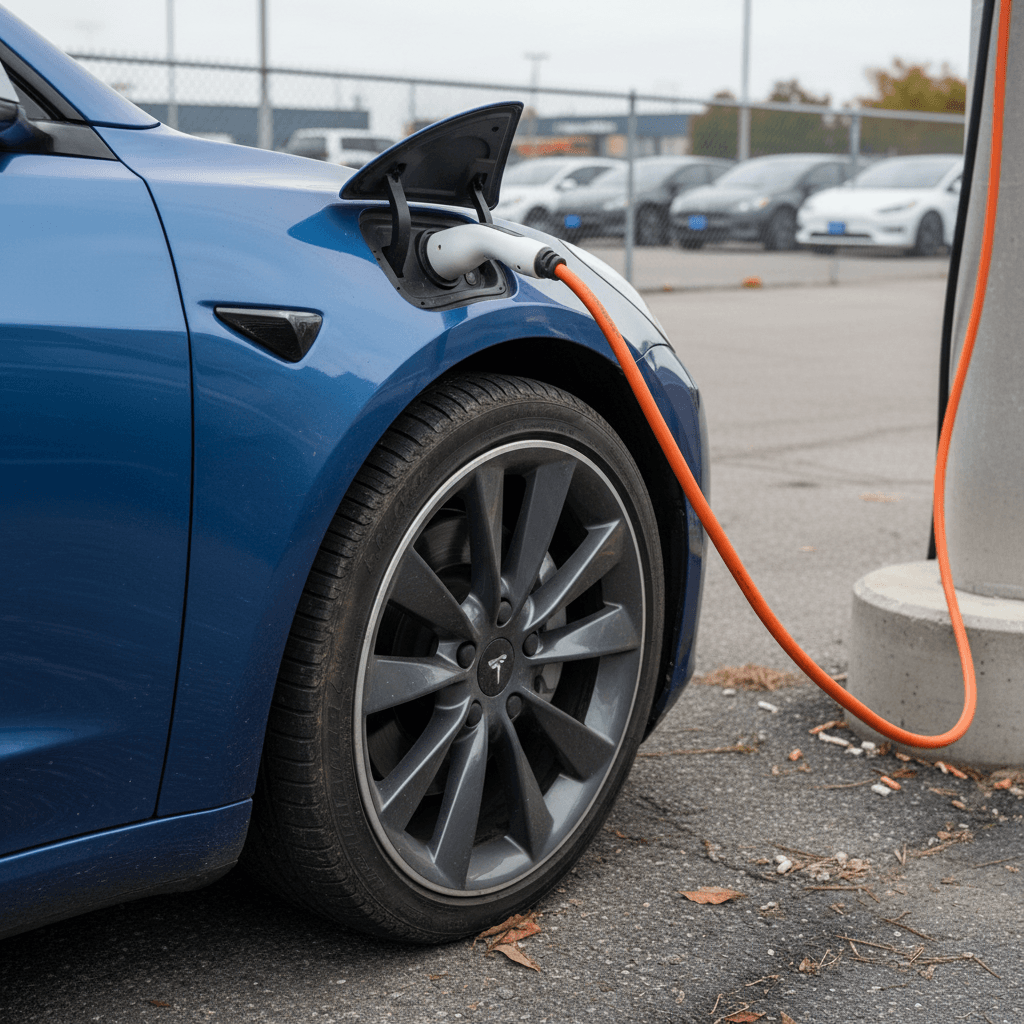
- Charge-port quirks: Doors that don’t open consistently or latch sensors that trigger errors.
- Charging handshake issues: Occasional failed sessions at third‑party DC fast chargers due to communication timeouts.
- 12V / low-voltage battery: The small support battery can fail earlier than the main pack and trigger warnings.
Less common but serious
- Pack contactor or inverter faults: Rare cases where the car loses propulsion and throws drive‑system errors.
- Thermal management issues: Cooling system problems that limit fast‑charging speed or power.
- Fire risk after severe crashes: Not unique to Tesla, but lawsuits have alleged design choices that make post‑crash fires and escape more challenging.
Any high‑voltage error message on a used car should be treated as a walk‑away signal unless it’s been clearly repaired and documented by Tesla.
How Recharged de‑risks the battery question
Ready to find your next EV?
Browse VehiclesSuspension, wheels, and tires: Where inspections matter
Inspection data from Europe and the UK show higher‑than‑average defect rates for 2023 Model 3s in wheels, suspension, and axles. That doesn’t mean every car is bent, but it does mean you should take underbody hardware seriously, especially if the car has lived on rough roads or with large aftermarket wheels.
Suspension and wheel issues to watch for on a 2023 Model 3
Use this as a cheat sheet when you’re test driving or inspecting a used car.
| Area | What can go wrong | How you’ll notice it | Risk level |
|---|---|---|---|
| Alignment & tires | Inner tire wear, feathering, pull to one side, cupping from bad alignment or worn components. | Car drifts on a straight road, steering wheel off‑center, visible uneven wear on inside of front tires. | Medium – can be fixed, but budget for alignment and possibly tires. |
| Control arms & bushings | Worn or creaky front control arms, especially on cars exposed to potholes or speed bumps. | Clunks or creaks at low speeds over bumps, vague steering response. | Medium to high – repairable but can be a sign of abuse. |
| Wheels | Bent or cracked rims from potholes or aggressive driving. | Vibration at highway speeds, visible bends or cracks inside the barrel. | High – walk away from cars with structural wheel damage. |
| Brakes | Uneven pad wear or rotor corrosion on low‑mileage cars that mainly regen‑brake. | Pulsation when braking at speed or scraping sounds after sitting. | Low to medium – usually fixable with routine service. |
None of these items are unique to Tesla, but the Model 3’s weight and torque make proper suspension health extra important.
Simple driveway tests
Safety recalls and known defects
By early 2026, the 2023 Tesla Model 3 had accumulated around ten NHTSA recall campaigns. Many are software‑addressable, which Tesla often handles via over‑the‑air updates. Others require physical service visits. Common themes include driver‑assistance behavior, warning‑light logic, and various small hardware issues.
- Software‑fixable recalls: Items like warning‑chime logic, certain Autopilot behaviors, and indicator behavior may have been resolved by software updates. A car that has been regularly connected to Wi‑Fi is more likely to be fully up to date.
- Hardware recalls: Occasional issues with seatbelt anchors, steering hardware, or sensors may require a physical inspection or part replacement by Tesla.
- Door and egress concerns: Separate from formal recall campaigns, lawsuits have raised questions about emergency egress from crashed Model 3s, especially when occupants or first responders don’t know where the manual door releases are.
Learn the manual door releases
Before you finalize a purchase, run the VIN through the NHTSA recall lookup tool and ask the seller or Tesla service to confirm that all open recalls have been completed. A reputable marketplace like Recharged will verify this as part of the intake process.
Service experience: What owners report
Tesla’s direct‑to‑consumer model eliminates the traditional dealership, but it also means you live with Tesla’s service network and app‑based support. Owner surveys paint a mixed picture: mobile service (a technician coming to your home or office) is widely praised, while getting timely appointments or responses from some service centers can be frustrating.
Where Tesla shines
- Mobile service: Many minor issues, trim, sensors, some recalls, can be fixed in your driveway.
- OTA updates: Software‑driven recalls and bugs can be resolved overnight without a shop visit.
- Integrated app: Scheduling, status updates, and payments all live in the Tesla app.
Where owners struggle
- Communication delays: Reaching a human by phone is notoriously difficult; messaging in the app can be slow.
- Parts availability: Certain body and suspension parts have longer wait times than mainstream brands.
- Inconsistent experiences: Some service centers are excellent; others generate repeat complaints locally.
When buying used, veteran owners in your area are often the best source on which nearby Tesla locations are easiest to work with.
Checklist for buying a used 2023 Tesla Model 3
If you go in with eyes open, a 2023 Model 3 can be a compelling used EV, especially if you prioritize range and fast‑charging access. Use this checklist to separate the great cars from the problem children.
Used 2023 Model 3 inspection checklist
1. Verify battery health and DC fast‑charge history
Ask for data on current usable battery capacity and any history of rapid‑charging abuse. A platform like Recharged provides a <strong>battery health score</strong> based on real‑world diagnostics rather than guesswork.
2. Scan for suspension and tire red flags
Look for inner tire wear, steering pull, or clunks over bumps. Budget for an alignment at minimum; walk away if you see cracked wheels or fresh suspension warning lights.
3. Test Autopilot on real roads
On your test drive, try basic Autopilot on the kind of highways and local roads you actually use. See whether phantom braking or odd lane positioning feels acceptable to you.
4. Check for noises, leaks, and panel alignment
Drive at 65–75 mph to listen for wind noise around the doors and mirrors. After a car wash or rain, check the trunk and rear footwells for moisture. Examine gaps where doors and trunk meet the body.
5. Confirm recall and service history
Use the VIN to check for open recalls and ask for service records. A clean record plus recent software updates is a good sign that the previous owner stayed engaged with Tesla’s ecosystem.
6. Learn the emergency procedures
Before you hand over money, make sure you know how to use the <strong>manual door releases</strong>, how to perform a system reboot, and how to contact Tesla roadside assistance from the app.
7. Consider your support system
If you don’t have a Tesla service center nearby or you prefer more traditional hand‑holding, consider buying through <strong>Recharged</strong>, where EV specialists help you compare cars and handle logistics like financing, trade‑in, and delivery.
FAQ: 2023 Tesla Model 3 problems
Frequently asked questions about 2023 Tesla Model 3 problems
Should you avoid the 2023 Model 3?
You don’t need to avoid the 2023 Tesla Model 3, but you do need to buy it differently than you would a conventional car. Rather than obsessing over a single reliability score, focus on the specific car in front of you: its battery health, suspension condition, build quality, recall status, and how its software behaves on roads you actually drive.
If you’re comfortable with Tesla’s service model and driver‑assistance quirks, a well‑vetted 2023 Model 3 can deliver low running costs and a genuinely modern driving experience. If you’d rather not navigate all of that alone, Recharged was built for exactly this moment in the market, helping you find, finance, trade‑in, and get a used EV delivered, with a battery‑health‑backed Recharged Score that takes the guesswork out of buying an electric car.