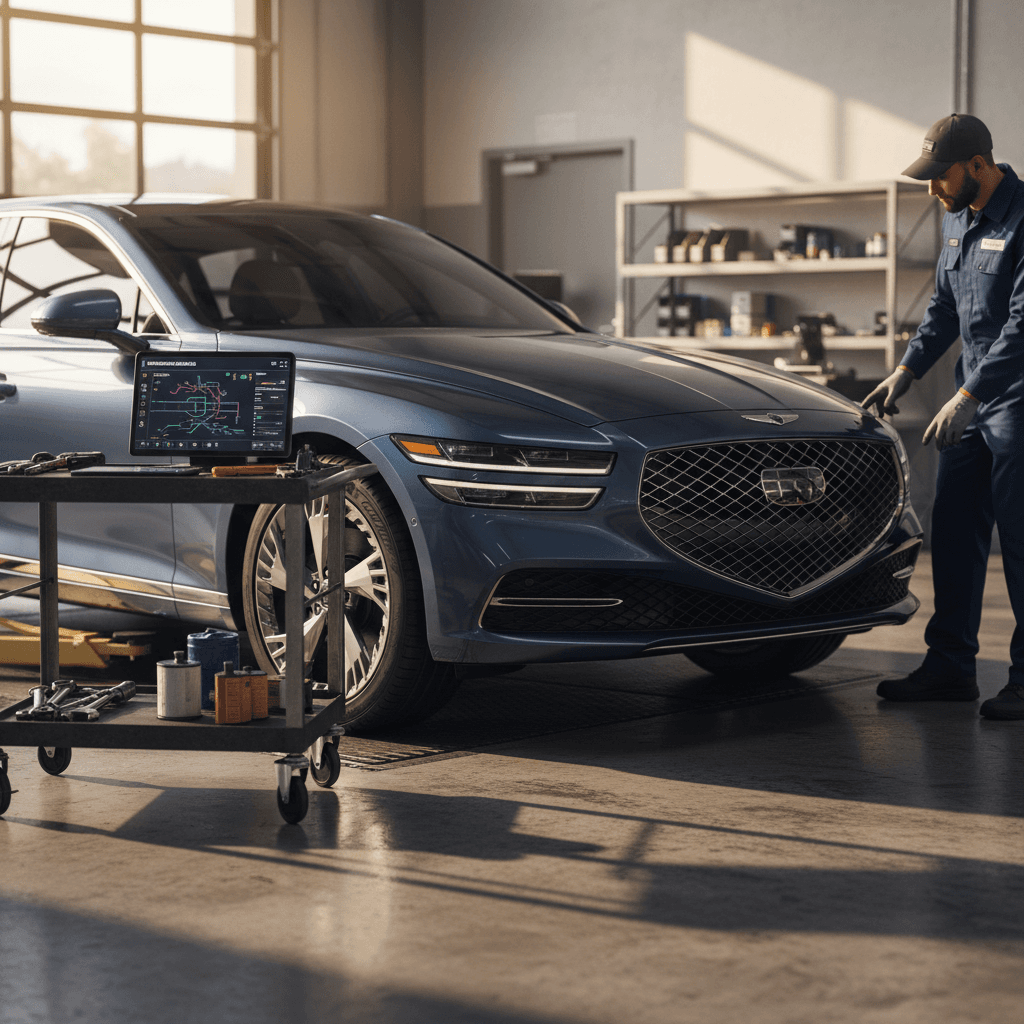
The Genesis Electrified G80 maintenance schedule looks very different from the gasoline G80 you’ll see in most service menus. There are no oil changes, no spark plugs, and far fewer moving parts, but there are still regular inspections, tire rotations, brake-fluid services, and cooling-system checks you can’t ignore, especially once the complimentary maintenance window closes.
Quick context
Genesis Electrified G80 maintenance overview
From a maintenance standpoint, the Electrified G80 behaves like most luxury EV sedans: low routine service needs, but higher expectations around tires, brakes, and software. Genesis uses the same ownership framework across its lineup, complimentary scheduled maintenance for the first 3 years/36,000 miles and a separate 10-year/100,000‑mile battery warranty, then expects you to follow the factory schedule in the owner’s manual after that.
Electrified G80 care at a glance
Where to confirm your exact schedule
How Genesis complimentary maintenance works for the Electrified G80
Genesis treats the Electrified G80 like its other models for basic ownership benefits. New EV buyers get complimentary scheduled maintenance for 3 years or 36,000 miles. That covers the factory‑recommended services during that window, labor and parts for items listed in the maintenance schedule, and is typically paired with the Genesis Service Valet program, which picks up your car, leaves a loaner, and brings your vehicle back when service is complete.
- Factory‑recommended inspections and replacements listed in the maintenance schedule (within 3 years/36,000 miles) are covered at no additional cost.
- Most dealers include tire rotations, multi‑point inspections, and common filter replacements in those visits.
- You still need to schedule on time, if you miss an interval, the dealer will usually perform the next major service, but you can’t bank unused visits.
- Wear items or damage outside the schedule (tires, curb rash, collision work) are not included.
Don’t let the free years lull you to sleep
Electrified G80 maintenance schedule by mileage and time
Genesis doesn’t publish a separate public chart just for the Electrified G80, but its EV maintenance intervals follow a consistent pattern across models. Below is a practical, owner‑friendly view of how an Electrified G80 schedule typically looks in the U.S. market. Always confirm details against your owner’s manual or MyGenesis app, but this will get you very close.
Approximate Genesis Electrified G80 maintenance schedule
Time- and mileage-based maintenance intervals for a typical Electrified G80 driven under normal conditions. Use this as a planning guide; your owner’s manual is the final authority.
| Interval | Key Services | Why it matters |
|---|---|---|
| Every 5,000 mi or 6–12 months | Tire rotation; tire pressure check; visual brake inspection; multi‑point inspection | EVs are heavy and torquey, rotations keep wear even and protect range and ride comfort. |
| Every 12–15,000 mi or 12 months | Climate control (cabin) air filter replacement; detailed brake inspection; cooling-system inspection; steering and suspension checks | Keeps the HVAC efficient, catches brake or cooling issues early, and protects the high‑voltage system. |
| Every 30,000 mi or ~2 years | More thorough inspections of suspension, steering, and driveline components; possible brake‑fluid service depending on conditions | Chassis components see higher loads in a 5,000‑plus‑lb EV sedan; fluid ages with time, not just miles. |
| Every 45–60,000 mi or ~3–4 years | Brake fluid replacement; cooling-system service; 12‑V auxiliary battery test and likely replacement | Fresh brake fluid and coolant help avoid expensive repairs; the small 12‑V battery runs many control systems. |
| Every 90,000+ mi or ~6+ years | Repeat of earlier intervals; potential hardware replacements called for by inspections (bushings, links, possibly brake hardware) | By this point, wear items show up if they haven’t already. Budget for larger items even if the EV drivetrain itself is trouble‑free. |
Intervals are expressed as “whichever comes first” between time and miles.
Why you don’t see oil changes here
EV-specific service items on the Electrified G80
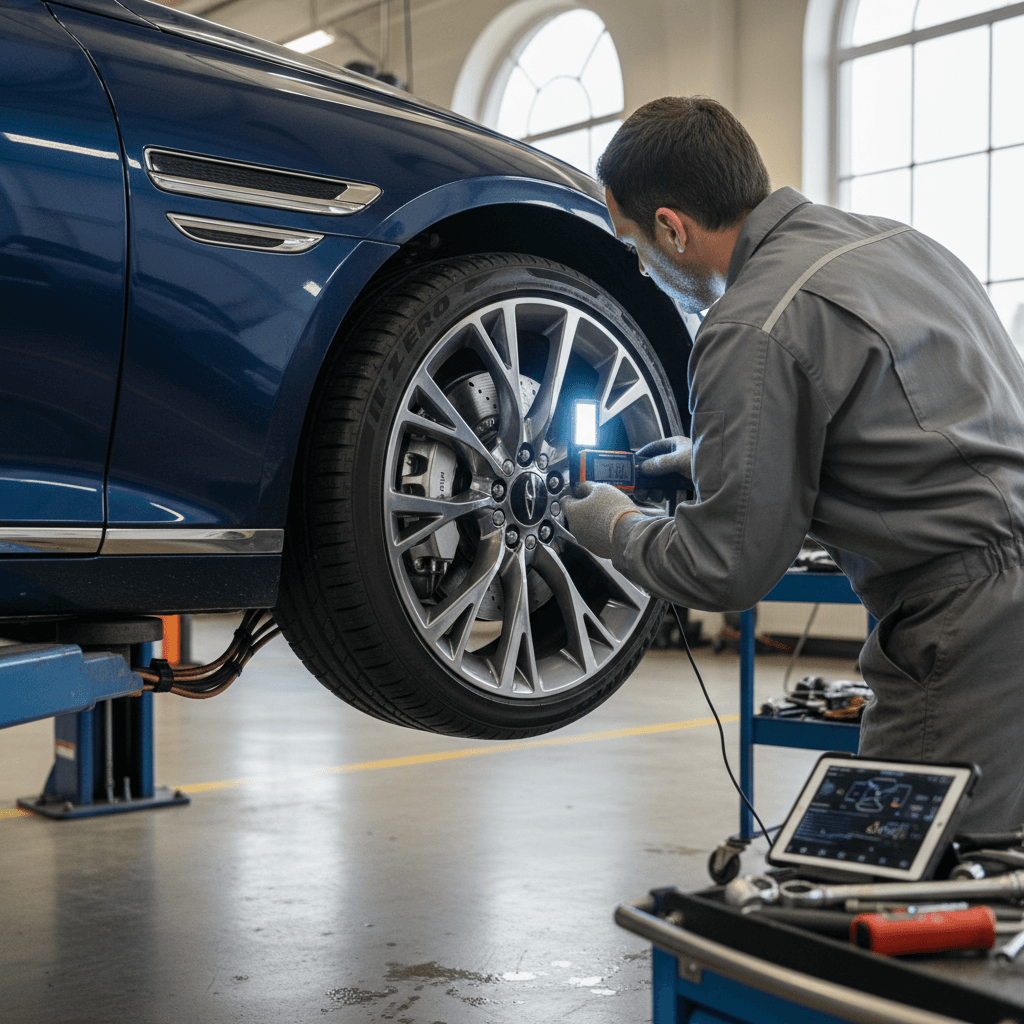
The Electrified G80 shares a lot with the gasoline G80 body shell, but under the skin it behaves like a modern EV. That means your maintenance conversations at the dealer should focus less on engine work and more on a handful of EV‑specific systems.
Key Electrified G80 systems to maintain
What your service advisor should be talking about, beyond tires and wiper blades.
High‑voltage battery cooling
The large traction battery is liquid‑cooled. Techs should regularly inspect coolant level, hoses, and heat exchangers, and follow Genesis guidance on coolant replacement intervals.
Drive units & reduction gearboxes
Instead of a transmission, the Electrified G80 uses compact gearboxes with specialized fluids. These typically don’t require frequent service, but should be checked for leaks and noise.
On‑board charger & charge port
Periodic inspection of the charge port seal, pins, and on‑board charger diagnostics helps catch corrosion or alignment issues before they turn into charging faults.
12‑volt auxiliary battery
Like most EVs, the Electrified G80 still uses a small 12‑volt battery to power control modules, relays, and accessories. Genesis recommends regular inspections and periodic replacement. A weak 12‑volt battery can leave the car inoperable even if the main pack is charged.
Brake system with regen
Strong regenerative braking means your pads and rotors may wear slowly, but they can also corrode if you barely use friction brakes. Annual inspections and timely brake‑fluid changes help avoid seized calipers and noisy rotors down the road.
Good news for long‑term ownership
Normal vs. severe service for Genesis EVs
Genesis, like most brands, splits the maintenance schedule into Normal and Severe usage. The severe schedule applies if you drive mostly short trips, sit in heavy traffic in extreme temperatures, frequently travel on rough or salted roads, tow, or drive aggressively. Many urban and suburban EV owners fit at least a few of these boxes, even if they don’t realize it.
Which Electrified G80 schedule should you follow?
Compare typical driving patterns to Genesis’ guidance on maintenance under severe usage conditions.
| Driving pattern | Suggested schedule | What to do differently |
|---|---|---|
| Mostly highway, moderate climate, 10k–12k mi/year | Normal | Follow the standard annual inspection and tire rotation intervals from your manual. |
| Short urban trips, lots of stop‑and‑go, hot or cold climate | Severe | Rotate tires and inspect brakes more frequently; don’t stretch brake‑fluid or coolant intervals. |
| Mountainous region, frequent steep grades or rough roads | Severe | Expect heavier tire and brake wear; have suspension and steering hardware checked closely. |
| Commercial use, high mileage, or frequent towing with other Genesis models | Severe | Shorten almost every interval and document everything carefully for warranty purposes. |
If you check more than one severe-condition box, lean toward the shorter intervals when in doubt.
Watch for dealers upselling beyond the manual
What Genesis Electrified G80 maintenance really costs
Genesis undercuts German luxury rivals on maintenance largely because the drivetrain is simpler and the first three years are pre‑paid. Independent ownership cost analyses show that Genesis models are cheapest to maintain in those complimentary years, then jump once you’re paying retail for dealer time. For the gasoline G80, some estimates peg the first non‑complimentary year at more than $2,000 in service and repairs; the EV version avoids oil‑related work but still shares labor rates, tire prices, and brake service costs with the luxury crowd.
Major Electrified G80 maintenance cost buckets
1. Tires and alignments
The Electrified G80 is heavy and powerful, so expect more frequent tire replacements than on a compact EV. Budget for premium, EV‑rated tires and periodic alignments if you notice uneven wear or range drops.
2. Brake inspections and fluid
Regen preserves pads but doesn’t eliminate fluid aging or corrosion. A brake‑fluid change every few years and occasional pad/rotor work are likely over a 10‑year horizon.
3. Annual inspections and filters
Cabin air filters, wiper blades, and general inspections add up, but they’re modest compared with engine service. Many owners roll these into one annual visit.
4. 12‑volt battery replacement
Plan for at least one replacement 12‑volt battery in the first decade. It’s a relatively small expense but can cause big headaches if it fails unexpectedly.
5. Out‑of‑warranty repairs
Once you’re beyond the basic warranty, unexpected suspension or electronic repairs are where costs can spike. A clean service history helps you spot patterns early.
Stretch your dollars with complimentary care
Used Electrified G80: what to check in the maintenance history
Because the Electrified G80 sold in relatively low volumes in the U.S., every used example is a bit of a unicorn. That makes a verified maintenance history and battery health documentation more important than chasing the absolute lowest price. You want evidence that the prior owner treated it like a long‑term luxury car, not a short‑term lease toss‑back.
Maintenance red flags (and green flags) on a used Electrified G80
What to look for in service records and inspection reports.
Healthy signs
- Service visits logged roughly once a year or per the mileage schedule.
- Documented tire rotations and at least one brake inspection.
- Coolant, brake fluid, and 12‑volt battery checks recorded on time.
- No repeated warnings about charging faults or HV system issues.
Warning signs
- Gaps of 2–3+ years with no recorded service.
- Evidence of crash repairs near the battery or charge port without follow‑up checks.
- Repeated complaints about range, charging, or warning lights without clear fixes.
- Generic “dealer packages” sold instead of schedule‑based work.
Where Recharged fits in
Practical maintenance tips to protect your battery and brakes
Sticking to the Electrified G80 maintenance schedule is the baseline. You can go a step further by building a few EV‑specific habits into your daily use that keep the battery, brakes, and tires happier for the long haul.
Day‑to‑day habits that extend Electrified G80 life
Avoid living at 100% charge
For daily driving, aim to keep the battery between roughly 20% and 80% state of charge. Save full charges for road trips to reduce long‑term degradation.
Use regen smartly
Regenerative braking is your friend, but occasionally using friction brakes, like making a few firm stops in a safe area, can help keep rotors clean and prevent surface rust build‑up.
Rotate tires on time
With a powerful dual‑motor sedan, tires can vanish fast if you skip rotations or drive aggressively. Follow the 5,000‑mile guidance and check pressures monthly.
Respect software updates
Genesis regularly issues software updates that can address charging behavior, efficiency, and diagnostics. Don’t defer these, schedule them during regular service visits or over‑the‑air when available.
Keep records organized
Maintain a digital or paper folder with every invoice, update note, and recall letter. It’s a gift to your future self, and to the next owner if you sell.
FAQ: Genesis Electrified G80 maintenance schedule
Common Electrified G80 maintenance questions
Bottom line: making Electrified G80 maintenance simple
Even though the Genesis Electrified G80 is a niche player in the EV world, its maintenance story is refreshingly straightforward. Follow the factory schedule, lean on the 3‑year/36,000‑mile complimentary maintenance window, and pay attention to the high‑impact items, tires, brakes, coolant, and the 12‑volt system. Do that, and the EV drivetrain itself is likely to be the least of your worries.
If you’re already an owner, now is the time to tighten up your record‑keeping and plan out your next few service visits. And if you’re shopping used, prioritize cars with documented care and clear battery‑health information. At Recharged, that’s built into every EV we sell, from the Recharged Score battery report to expert guidance on ownership costs, so you can enjoy the Electrified G80’s quiet, effortless performance without guessing what’s coming due in the service bay.