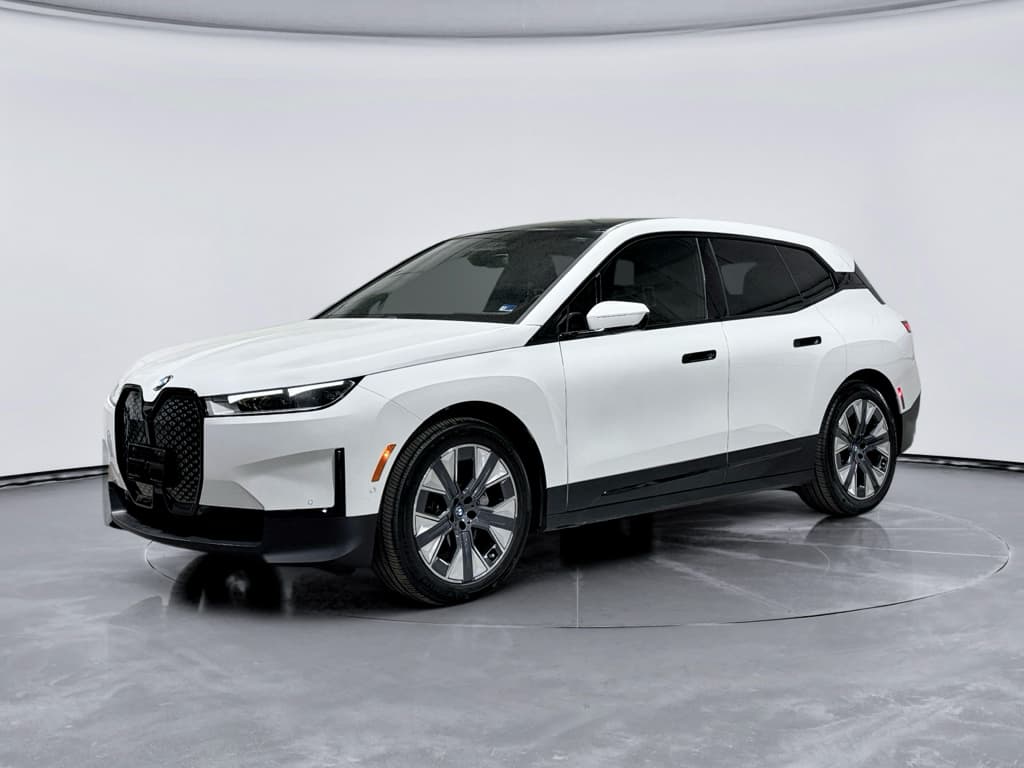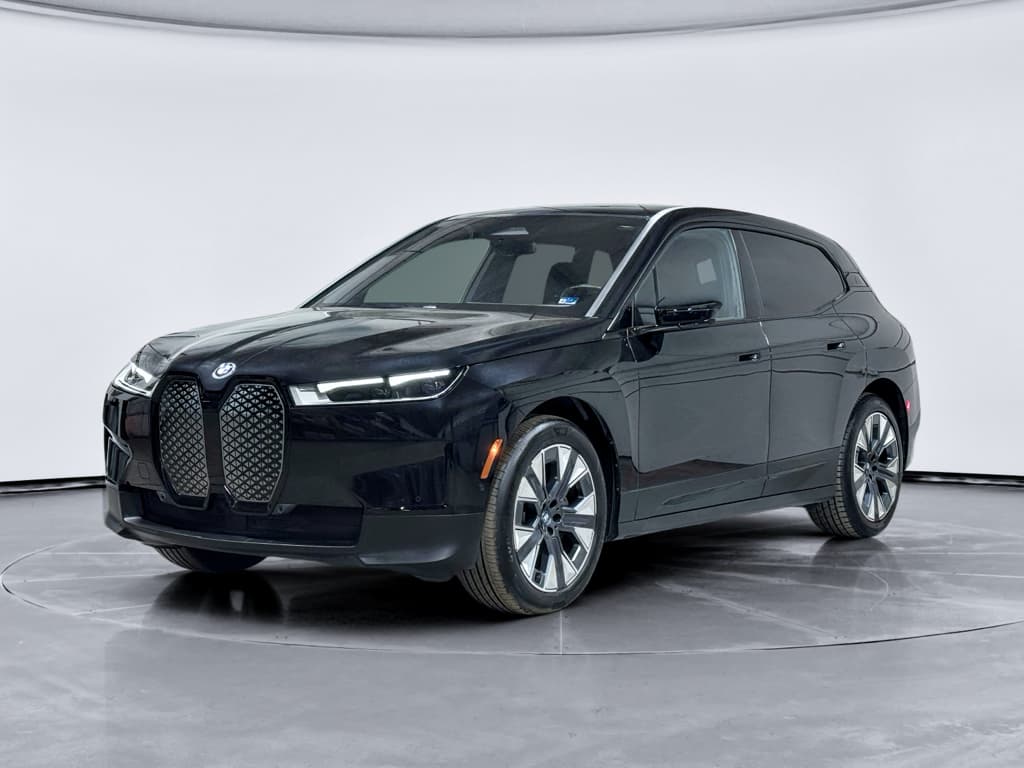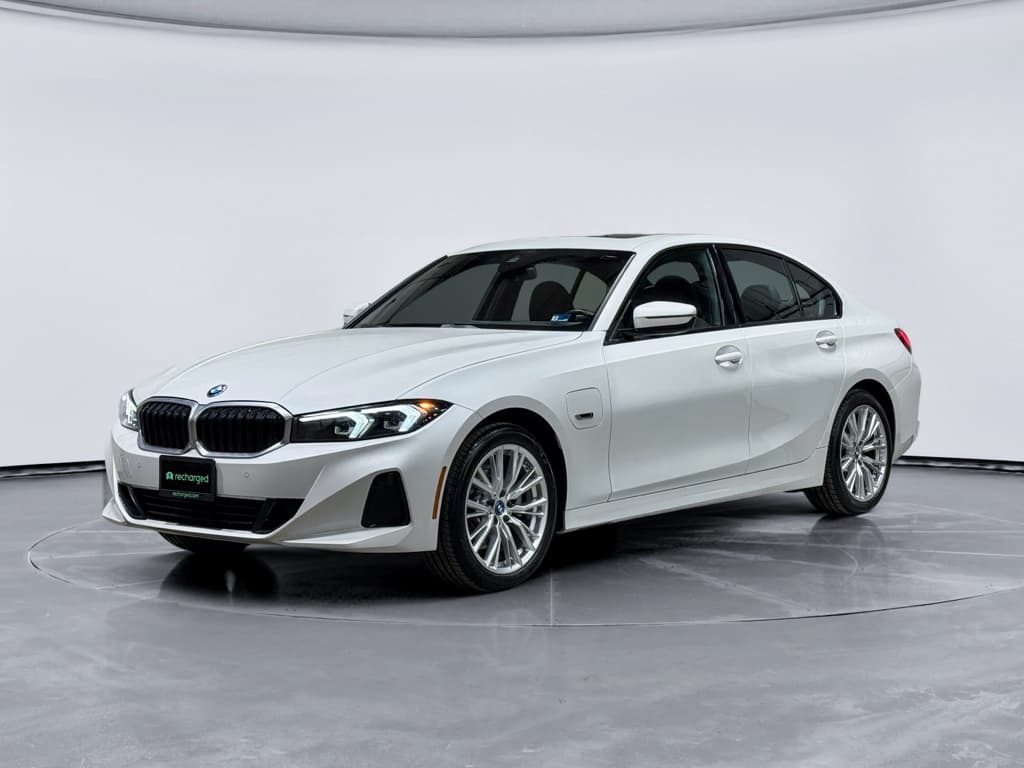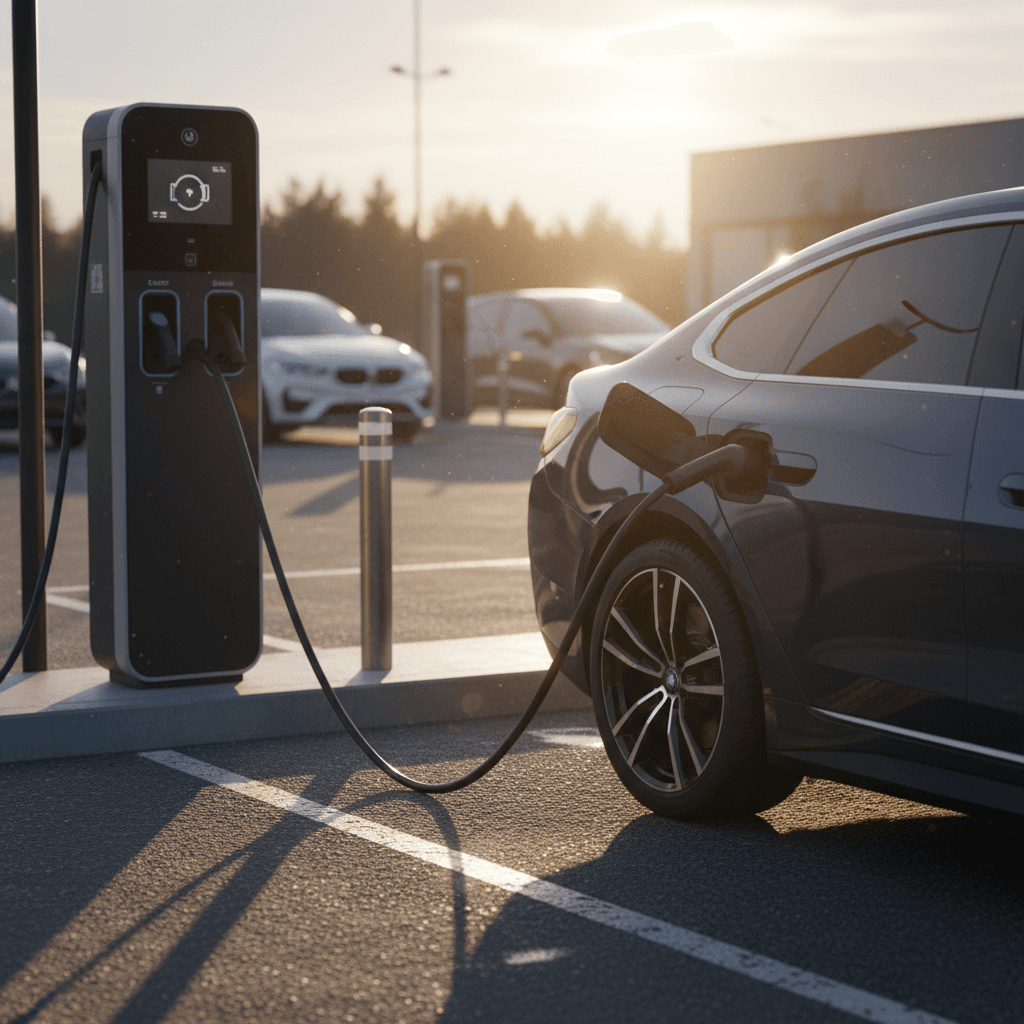
If you’re shopping for a BMW i4, or already have one, understanding **charging speed** is just as important as knowing the range or 0–60 time. This BMW i4 charging speed guide walks through home and DC fast charging, what the different trims can actually accept, and how long typical 10–80% sessions really take so you can plan your day and your road trips with confidence.
Why charging speed matters
BMW i4 charging speed overview
Every BMW i4 shares the same basic recipe: a **400‑volt battery pack**, CCS DC fast‑charging, and an onboard **11 kW AC charger** for Level 2 at home or work. What changes by trim is battery size and peak DC fast‑charge power, which in turn affects how quickly you can add usable miles.
Headline BMW i4 charging numbers
Peak speed vs average speed
BMW i4 charging specs by trim
The i4 lineup has used a few different names (eDrive35, eDrive40, xDrive40, M50), but charging behavior is more similar than different. Here’s how the core trims compare on paper.
BMW i4 charging specs by trim
Approximate U.S.-market specs for common BMW i4 trims. Exact numbers can vary slightly by model year and market, but this table captures the big picture for charging performance.
| Trim | Usable Battery (approx.) | Max AC (Level 2) | Max DC Fast Charge | 10–80% DC (claimed) |
|---|---|---|---|---|
| i4 eDrive35 | ~66–70 kWh | 11 kW | ~180 kW | ~32–33 minutes |
| i4 eDrive40 / xDrive40 | ~80–81 kWh | 11 kW | ~200–205 kW | ~31 minutes |
| i4 M50 | ~80–81 kWh | 11 kW | ~200–205 kW | ~31 minutes |
BMW i4 charging specs: helpful for comparing trims if you’re cross‑shopping new vs used.
CCS today, NACS tomorrow
Home charging speeds: Level 1 vs Level 2
Day to day, your BMW i4’s **home charging** setup will matter more than the occasional highway fast‑charge stop. Let’s break down what you can really expect from a regular outlet versus a 240‑volt Level 2 charger.
Home charging options for your BMW i4
How long will it actually take to charge at home?
Level 1 (120V household outlet)
Best for: Very light, low‑mileage use or temporary setups.
- Uses the included BMW portable charger on a standard 120V outlet.
- Delivers roughly 2–4 miles of range per hour of charging.
- Going from low state of charge to 80% can literally take days if you drive a lot.
If you routinely drive more than 25–30 miles a day, Level 1 will feel slow and limiting.
Level 2 (240V wall or pedestal)
Best for: Most BMW i4 owners, especially commuters and road‑trippers.
- Uses a 240V circuit (like an electric dryer) with a dedicated EVSE.
- The i4’s onboard charger accepts up to 11 kW AC (typically 40–48 amps).
- Expect roughly 30–35 miles of range per hour added.
- Empty to full usually takes 7–9 hours overnight, depending on trim.
For most households, a 40‑amp Level 2 unit hits the sweet spot of cost and speed.
Don’t overspend on a bigger charger than your car
Quick checklist for a good BMW i4 home charging setup
1. Confirm your daily mileage
If you’re driving under 30 miles a day and have off‑street parking, Level 1 can work in a pinch. Over that, you’ll be much happier with a dedicated Level 2 charger.
2. Talk to an electrician before adding Level 2
A licensed electrician should confirm your panel capacity, run a new 240V circuit, and install the outlet or hardwire the EVSE. This keeps things code‑compliant and safe.
3. Match charger amperage to your wiring
For a 40A continuous charge, you generally need a 50A breaker and appropriately sized wiring. Never just “turn up the amps” in the app if the circuit can’t support it.
4. Use charging schedules for cheaper rates
Many utilities offer lower overnight rates. Use the BMW app or a smart charger to start charging after your off‑peak window begins.
5. Keep the cable and connectors dry and clean
Inspect your cable and connectors occasionally for damage or excessive heat. If anything looks off, pause use and have the equipment checked.
DC fast charging: how quick is 10–80%?
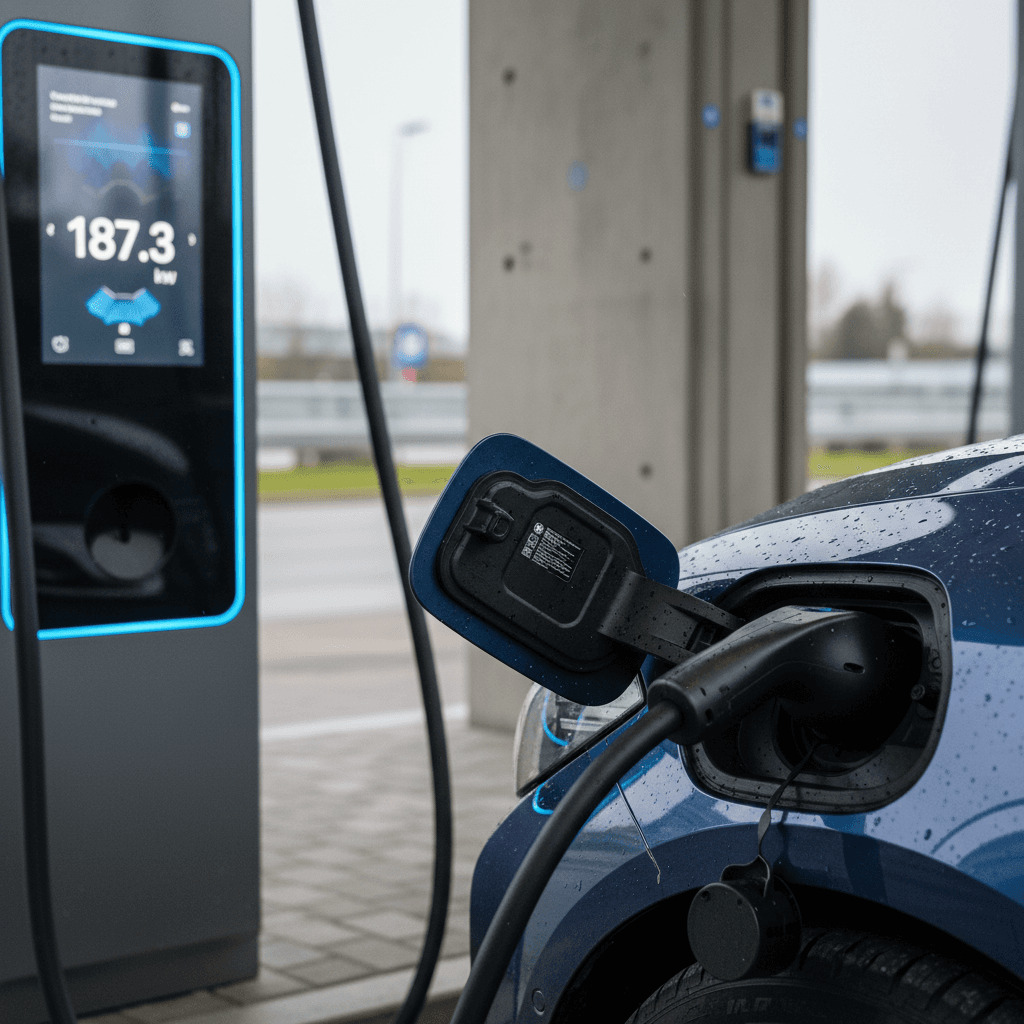
On the road, you’ll lean on **DC fast charging** along major corridors. BMW’s own figures and independent testing suggest that an i4 can go from **10–80% in roughly 30–35 minutes** when everything lines up: warm battery, high‑power charger, and an open station.
Understanding the charging curve
Like most EVs, the BMW i4 doesn’t sit at max power the whole time. A typical **charging curve** looks like this:
- 0–10%: Power ramps up quickly as the pack warms and the charger syncs.
- 10–20%: You’ll often see near‑peak power (180–205 kW) on healthy stations.
- 20–60%: The i4 holds a relatively flat, strong plateau, which is why 10–60% feels especially quick.
- 60–80%: Power tapers to protect the battery, but you’re still adding miles quickly.
- 80–100%: Charging slows a lot; it’s usually not worth waiting unless you need maximum range.
What you can expect in the real world
In practice, owners commonly report:
- 10–80% in about 30–40 minutes, depending on temperature and station quality.
- Roughly 100–130 miles of range added in a 15–20 minute stop on eDrive40/M50 trims when starting low.
- Noticeably slower sessions in very cold weather or on older 150 kW or 125 kW chargers.
If a session is crawling, it’s usually due to station limitations, cold battery, or power sharing with another EV, not because your i4 has suddenly lost its fast‑charging ability.
Precondition before a fast charge
Real-world factors that slow or speed up charging
BMW’s marketing numbers assume a best‑case scenario: warm weather, powerful charger, and an empty station. In the real world, several variables affect both **instantaneous kW** and how long it actually takes to get from A to B on the state‑of‑charge gauge.
What really controls your BMW i4’s charging speed
Six variables that matter more than the spec sheet
Battery temperature
Cold battery = slow charging. Very hot battery = the car may also limit power to protect itself. That’s why preconditioning on the way to a DC fast charger is so effective.
Charger power & health
A 350 kW unit won’t help if it’s derated, poorly cooled, or shared with several other cars. On a healthy 150–350 kW charger, the i4 is capable of excellent speeds.
State of charge (SoC)
Below ~60%, the i4 charges fastest. Above 80%, power drops sharply. For road trips, hopping charger to charger between ~10–70% is usually quicker than charging to 100%.
Driving style before charging
Arriving at a charger right after a long highway blast generally leaves the battery nicely warmed, encouraging higher initial charge rates.
Power sharing with neighbors
Many public stations split power between paired stalls. If the other side is occupied, especially by another high‑draw EV, your i4 may get less than the advertised peak.
Weather & climate
Extreme cold or heat doesn’t just affect range; it can also make the battery management system more conservative, trimming maximum power.
Don’t chase the number on the screen
Best practices to protect your BMW i4 battery
BMW engineered the i4’s pack and battery‑management software to handle regular DC fast charging, but your habits still matter. A few simple practices can keep your **charging speeds consistent** and help preserve long‑term battery health.
Battery‑friendly charging habits for your BMW i4
1. Live in the middle of the pack
For daily driving, try to keep the battery mostly between **20–80%**. There’s no harm in going to 100% before a road trip, but don’t let it sit full for days.
2. Favor Level 2 for routine charging
Use DC fast charging as your road‑trip tool, not your everyday fill‑up, especially if you can charge at home or work on Level 2 overnight.
3. Precondition before fast charging in cold weather
Tell the nav you’re heading to a DC fast charger so the car can warm the pack. Without preconditioning, winter charging can feel dramatically slower.
4. Avoid chronic deep discharges
Running the battery down into low single digits occasionally is fine, but try not to live there. Regularly bouncing between 0–100% is harder on any pack.
5. Use charge limits when you don’t need full range
Setting your charge target to, say, **80 or 90%** for daily driving reduces time spent at very high state of charge, which is healthier long‑term.
6. Don’t worry about occasional max‑speed DC sessions
BMW’s cooling and software account for high‑power fast charging. Occasional 10–80% blasts on road trips are exactly what the system is designed for.
How Recharged helps with battery confidence
Ready to find your next EV?
Browse VehiclesPlanning road trips in a BMW i4
A well‑planned route plays to the BMW i4’s strengths: strong mid‑range charging speeds and solid highway efficiency. Instead of thinking about “full to empty,” it’s smarter to think in **segments between fast chargers**.
Smart stop strategy
- Start your day around 90–100%. Top up overnight on Level 2 so you leave with plenty of buffer.
- Drive down to 10–20% before your first fast charge, if conditions and spacing between chargers allow.
- Charge back up to 60–75% instead of 100%. That’s where the i4 charges fastest, so you spend less time parked.
- Stack shorter, faster stops every 120–160 miles instead of one huge, slow session.
Apps, networks, and backup plans
- Use tools like PlugShare, A Better Routeplanner, or your BMW nav to locate **CCS fast chargers** along your route.
- Favor sites with multiple high‑power units (150–350 kW) in case one is offline.
- Always keep a **Level 2 backup** in mind, like a hotel or restaurant with overnight charging, especially in winter or sparse regions.
- Know which networks your car’s previous owner used; some BMW i4s came with promotional fast‑charging offers on certain networks.
Plan around your meal breaks
Charging tips when buying a used BMW i4
If you’re considering a **used BMW i4**, charging behavior is one of the best windows into how the car was treated and what ownership will feel like for you. Many buyers understandably focus on range alone, but **consistent charging speed** is just as important for real‑world convenience.
What to check about charging on a used BMW i4
Simple questions and tests that reveal a lot
Ask about home charging history
Did the previous owner primarily use Level 2 at home or rely heavily on DC fast charging? Neither is inherently bad, but a lifetime of super‑frequent, high‑power fast charging is worth factoring into your decision.
Test a Level 2 session if possible
On a pre‑purchase inspection, plug into a known Level 2 unit and watch the charge rate. A healthy i4 on a 40–48A circuit should settle near 9–11 kW.
Observe at least one DC fast charge
If there’s a convenient DC station nearby, start a session around 20–30% and watch how quickly it ramps. You don’t need to see the absolute peak; just confirm that speeds in the 80–150+ kW range are achievable.
Review charging error history
Ask the seller or dealer about any recurring **charging errors** or software updates. Persistent faults on particular networks may point to hardware that needs attention.
Check app connectivity and scheduling
Make sure the BMW app pairs cleanly and that charging controls, limits, time windows, departure times, behave as expected. This matters if you plan to use off‑peak electric rates.
Use third‑party data where available
Some fleet or telematics tools can show long‑term fast‑charge history and degradation trends. A structured report, like Recharged’s Score Report, gives you more objective insight than a quick test drive alone.
How Recharged simplifies used BMW i4 shopping
BMW i4 charging speed FAQ
Frequently asked BMW i4 charging questions
Key takeaways on BMW i4 charging speed
The BMW i4 is a genuinely capable EV when it comes to charging speed. All trims support **strong DC fast‑charging performance** and overnight 0–100% refills on Level 2, while the eDrive40 and M50 add especially robust charging curves that make road‑trip stops feel relatively short. The real difference in ownership experience comes from how you set up home charging, how you plan fast‑charge stops, and how you care for the battery day‑to‑day.
If you’re evaluating a **used BMW i4**, a structured look at battery health and real‑world charging behavior is worth its weight in peace of mind. That’s exactly why every EV sold through Recharged comes with a **Recharged Score Report**, EV‑savvy support, and flexible options like financing and nationwide delivery. Get those pieces right, and charging your i4 becomes just another easy part of owning a modern electric BMW.