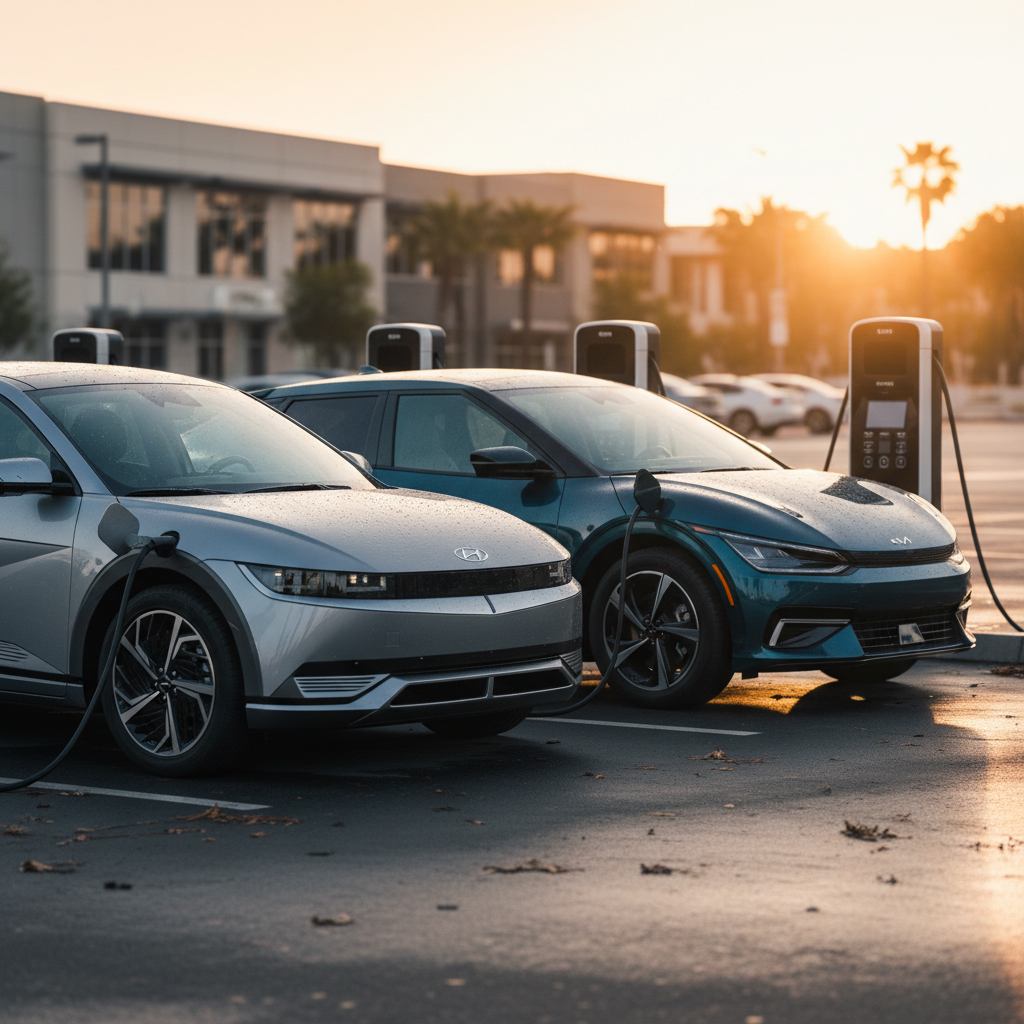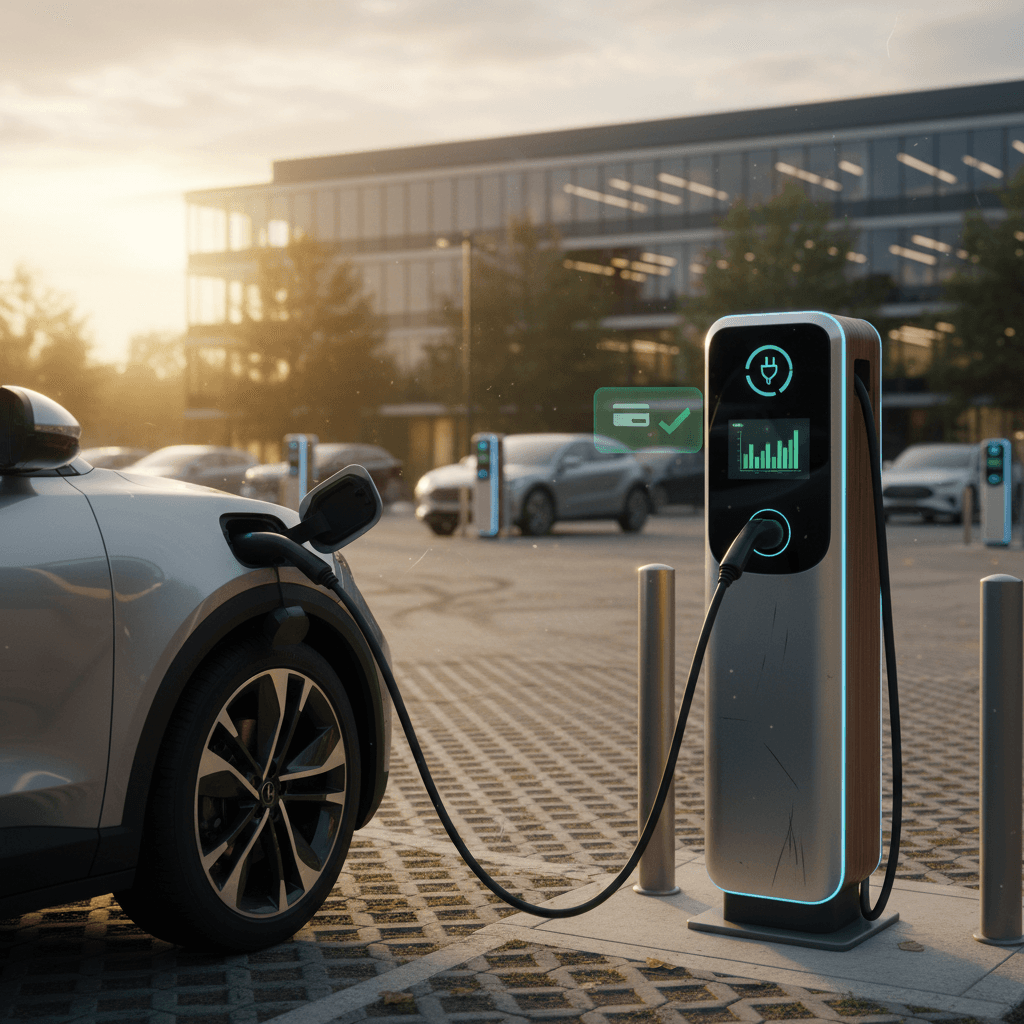
If you drive an electric car, the words “free electric charging” sound like magic. And in 2025, they’re not just marketing fluff. Between automaker perks, workplace programs, retailers, and utility incentives, there are more ways than ever to plug in for little or no money, if you know where to look and how to use them without turning every drive into a scavenger hunt.
Quick take
What “free electric charging” really means in 2025
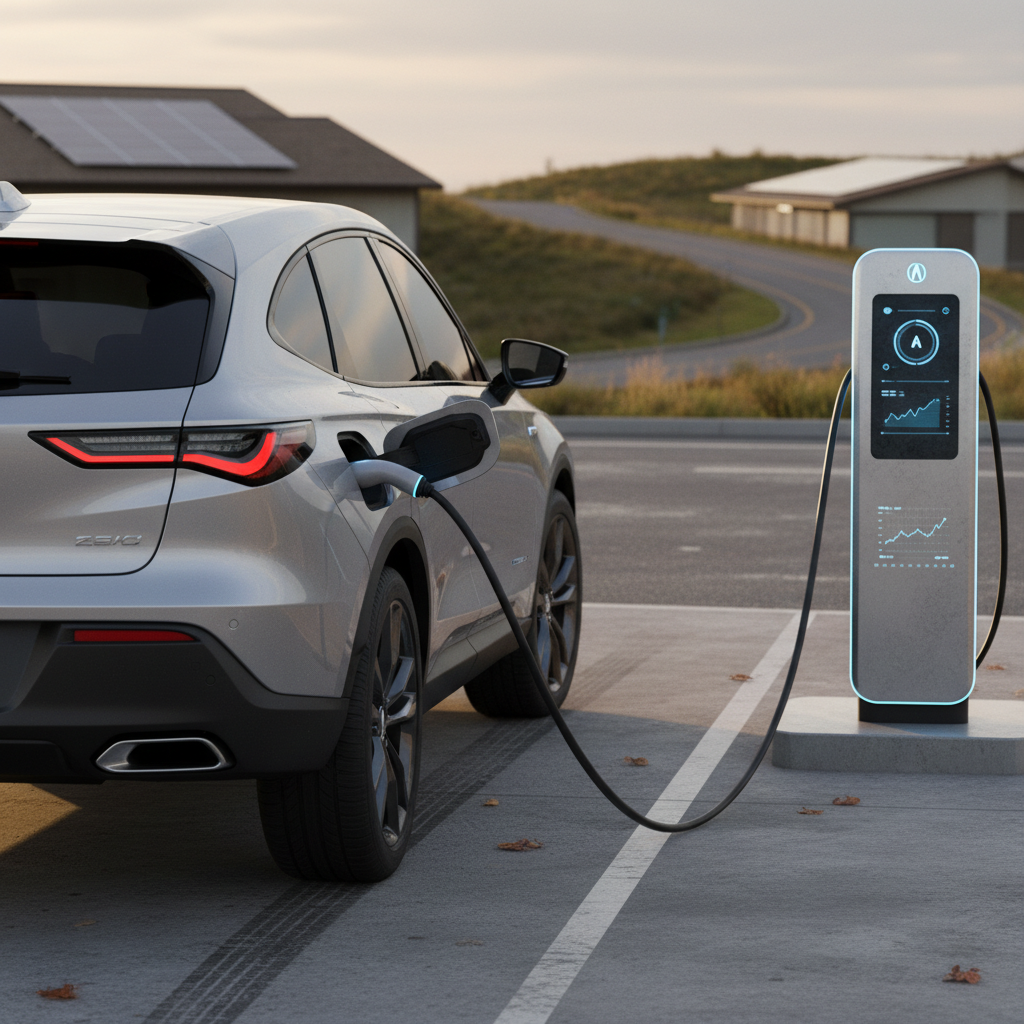
Before you start chasing every green pin on the map, it helps to define what counts as free electric charging. In practice, “free” usually means the cost is being picked up by someone else, your employer, a retailer, your automaker, or a utility, in exchange for your business, loyalty, or simply to encourage EV adoption. The electricity isn’t free; you’re just not paying for it at the plug.
Four flavors of “free” EV charging
Most offers fall into one of these buckets
Automaker perks
Workplace charging
Retail & destination
Utility & off‑peak
Watch the fine print
Where to find free EV charging day to day
Day‑to‑day, most drivers stumble into free charging in three places: at work, where they shop, and where they stay overnight. Your job is to turn “stumble” into “strategy” without adding stress to your routine.
- Check EV charging apps like PlugShare, ChargePoint, and Tesla’s in‑app map for filters such as “Free” or “No fee.”
- Look at your usual destinations, grocery, gym, pharmacy, big‑box stores, and search their addresses in a charging app to see what’s already there.
- Ask your employer or building manager if there are existing chargers, plans to add them, or waiting lists for access.
- On road trips, search along your route rather than just at your final destination; some small‑town municipal lots quietly offer free Level 2 charging.
Automaker free charging deals when you buy or lease
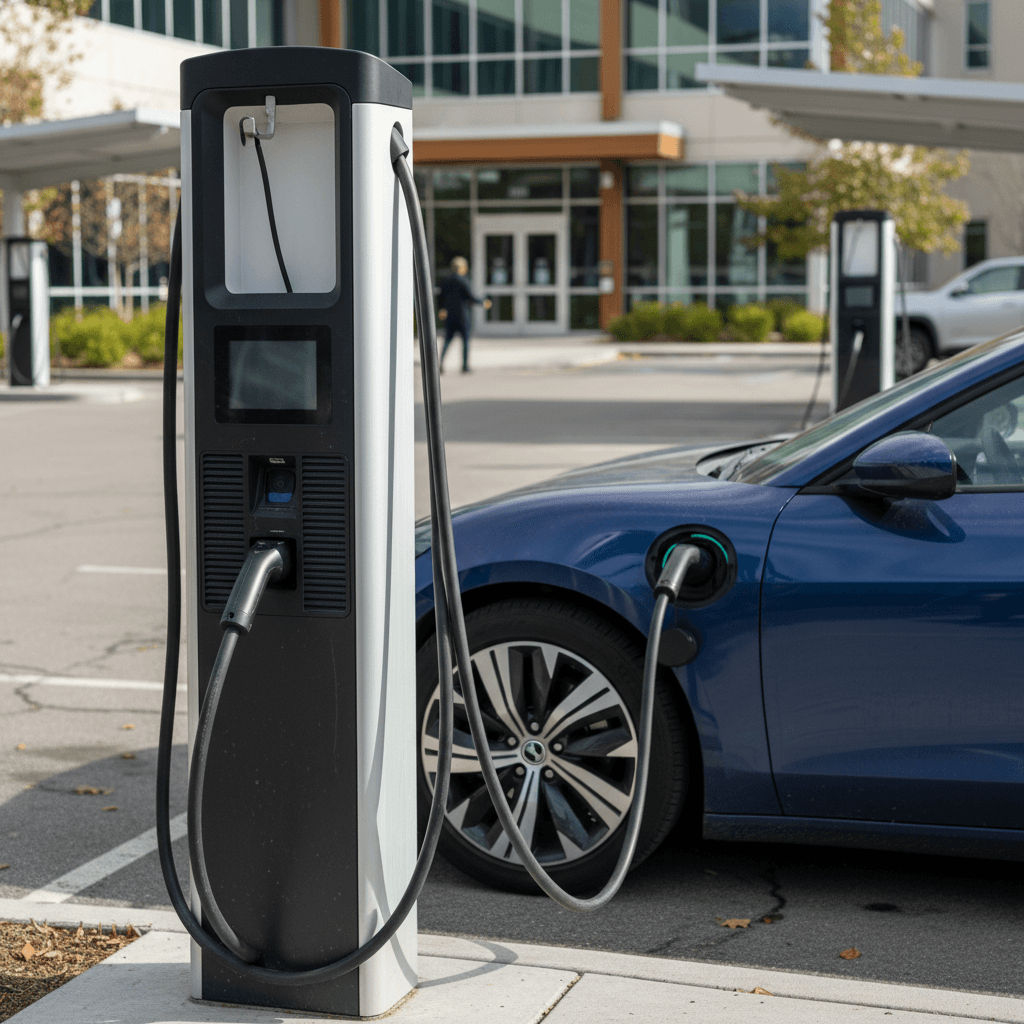
If you’re shopping for an EV, some of the most generous free charging offers come bundled with the car itself. Instead of a single free coffee, think months or years of discounted road‑trip energy, especially on DC fast chargers.
Examples of automaker free charging offers (2024–2025)
Exact terms change often; always confirm current offers with the dealer or automaker before you sign.
| Automaker / model | Network | What’s free | Typical duration |
|---|---|---|---|
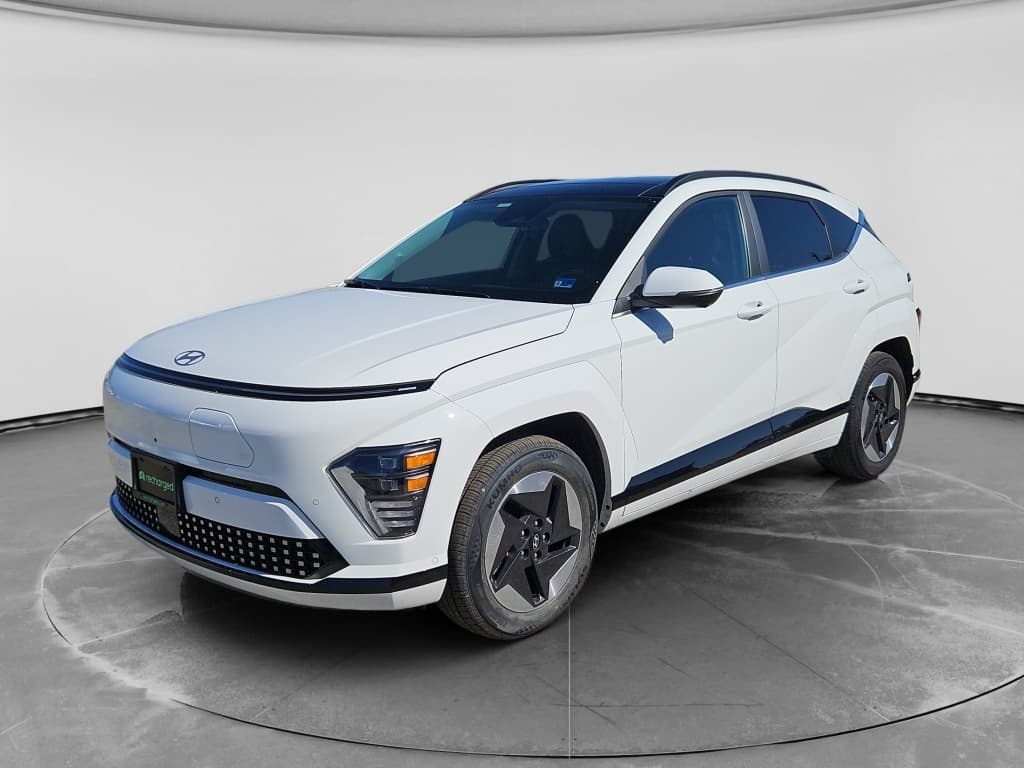
| Hyundai Ioniq 5 & Ioniq 6 (2024) | Electrify America | Unlimited fast charging for first 30 minutes per session | Up to 2 years |
| Hyundai Ioniq 5 (2025) | ChargePoint | Approx. 450 kWh of complimentary charging OR a home Level 2 charger offer | One‑time allowance |
| Kia EV6 / EV9 | Electrify America | Up to 1,000 kWh of DC fast charging | Use within ~3 years |
| Kia Niro EV | Electrify America | Up to 500 kWh of DC fast charging | Use within ~3 years |
| Mercedes‑Benz EQ models (EQB, EQE, EQS, etc.) | Mercedes hubs & Electrify America | Unlimited charging at Mercedes hubs + 30 minutes/session at Electrify America | Typically 2 years |
| Porsche Taycan | Electrify America | First 30 minutes of fast charging free per session | First year of ownership |
Representative deals as of late 2024–2025. Terms vary by trim, region, and purchase vs. lease.
How to value these perks
When you’re comparing two similar EVs, these offers can be a real tiebreaker. Just don’t let a shiny free‑charging perk talk you into a car that doesn’t fit your budget or lifestyle. Remember, an efficient EV with affordable home charging can beat a thirsty one with a flashy but short‑lived perk.
Workplace free charging and why it matters
For many drivers, the most valuable “free charging station” isn’t on a highway at all, it’s in the office parking lot. A 2025 survey of commuters found that roughly half of respondents already have access to charging at work, and most are satisfied with the reliability and accessibility of that equipment. When those plugs are free or heavily discounted, your commute fuel bill can almost disappear.
Why workplace charging is such a big deal
How to make the most of workplace charging
1. Learn the rules
Does your employer offer completely free charging, a flat daily fee, or a per‑kWh rate? Are there limits, like a 4‑hour max, so more drivers can share the plugs?
2. Schedule smart
If stations are limited, try to move your car once you’ve added the energy you need. Some companies will nudge employees to swap spots at lunch; being courteous keeps these programs going.
3. Ask about expansion
If there’s always a waitlist, talk to HR or facilities about demand. Many utilities and state programs now offer incentives to help employers add more ports.
4. Don’t abandon home charging
Work charging is great, but having a reliable Level 2 setup at home, or at least a trusty Level 1 backup, means you’re not stranded if the office lot is full or a policy changes.
Good news for renters and condo owners
Free charging at retailers: hotspots and gotchas
Retailers were among the first to experiment with free EV charging, and they’re still a great place to find it, especially if you live in the suburbs. A Consumer Reports–based analysis in 2024 showed that companies like IKEA offer charging at nearly all U.S. locations, while chains such as Whole Foods, Meijer, and Hy‑Vee provide chargers at a meaningful share of their stores. Drugstores like Walgreens are scaling up, too.
Where free or low‑cost charging often shows up
Think about where you already spend 30–90 minutes
Big‑box & furniture stores
Grocery & supermarket
Hotels & destinations
The catch with retail charging
Utilities and off‑peak programs: free or almost‑free charging
If you can charge at home, your local utility might be the most powerful ally in your hunt for low‑cost or even free charging. Across the U.S., utilities are rolling out time‑of‑use rates, smart‑charging pilots, and bill credits to encourage EV drivers to plug in overnight when demand is low.
Time‑of‑use & super off‑peak rates
Many utilities now offer special EV or time‑of‑use plans where electricity is much cheaper during late‑night hours. In some regions, overnight power can cost a fraction of daytime rates. You won’t see “$0.00/kWh” on the bill, but the difference can be dramatic, think adding 200–250 miles of range for the price of a drive‑thru lunch.
Smart‑charging and credit programs
Emerging programs let the utility slightly adjust your car’s charging schedule in exchange for bill credits or discounted electricity. Others offer rebates for installing a Level 2 charger at home, especially in multifamily buildings or disadvantaged communities.
Public programs behind the scenes
Is chasing free charging actually worth it?
Here’s the honest truth: electricity is already cheap compared with gasoline, especially if you can charge at home. That means the value of “free” charging depends on how you use your car. For some drivers, it’s worth hundreds of dollars a year. For others, the savings are smaller than the time and stress it takes to chase every free outlet.
When free charging really helps
- Long‑range commuters who rely on workplace charging can offset much of their monthly energy use.
- Apartment and condo residents without home charging can lean on workplace and retail Level 2 to make ownership practical.
- Frequent road‑trippers can save real money using automaker fast‑charging perks during the benefit window.
When it’s less important
- If you mostly charge overnight at home on affordable rates, your annual fuel cost is already low.
- If you’d have to drive out of your way or wait around just to use a free charger, the time (and extra miles) can erase the savings.
- If a car with big perks isn’t the right vehicle for your needs, you’ll lose more money on the wrong purchase than you’ll ever save on free electrons.
Don’t let “free” drive risky behavior
How to add free or low‑cost charging to your life
Build a simple charging game plan
1. Lock in a solid home or home‑base solution
If you can install a Level 2 charger, do it, it’s the backbone of low‑stress EV ownership. If you can’t, identify a reliable “home base” such as workplace chargers or a nearby public Level 2 you can use regularly.
2. Map your real routine, not your fantasy one
Look at where you already spend 30–90 minutes a few times a week, work, gym, kids’ activities, groceries, and use charging apps to see which stops already have chargers.
3. Set sensible rules for yourself
For example: “I only use free charging if it’s on my way and doesn’t add more than 10 minutes,” or “I’ll rely on workplace charging most days and public fast charging only for trips.”
4. Watch your bills for a few months
Track how often you charge at home, work, and in public. If your utility offers time‑of‑use rates, consider switching, and schedule your car to charge overnight to squeeze the most value from cheap or promotional pricing.
5. Re‑evaluate when perks expire
Put calendar reminders for when any free‑charging promotions end so you can adjust habits instead of being surprised by your first full‑price bill.
Choosing an EV with the right charging perks
If you’re still shopping for a car, it’s fair to ask: should free charging change what you buy? The answer is: it can be a tiebreaker, but it shouldn’t be the whole story. Battery health, charging speed, and where you’ll actually charge most of the time matter just as much as freebies in the first year or two.
How to factor free charging into your EV search
Use perks to refine your short list, not drive it
Look at charging speed first
Check real‑world efficiency
Read the perk fine print
Where Recharged fits in
Ready to find your next EV?
Browse VehiclesFree electric charging FAQ
Frequently asked questions about free EV charging
Bottom line: use “free” charging to make EV life easier, not harder
Free electric charging is like the free snacks at your favorite hotel: a great perk, not the reason you book the room. The most stress‑free EV ownership still starts with a solid plan, home or workplace charging you can count on, a car that fits your life, and a clear idea of what your real‑world energy costs will look like.
From there, you can layer on the fun stuff: automaker deals that make road trips cheaper, workplace plugs that turn your commute into a rounding error, and smart utility programs that reward you for charging overnight. And when you’re ready to find a used EV that fits both your budget and your charging reality, Recharged is built to make the whole process simple and transparent, from battery‑health reports to financing and delivery.