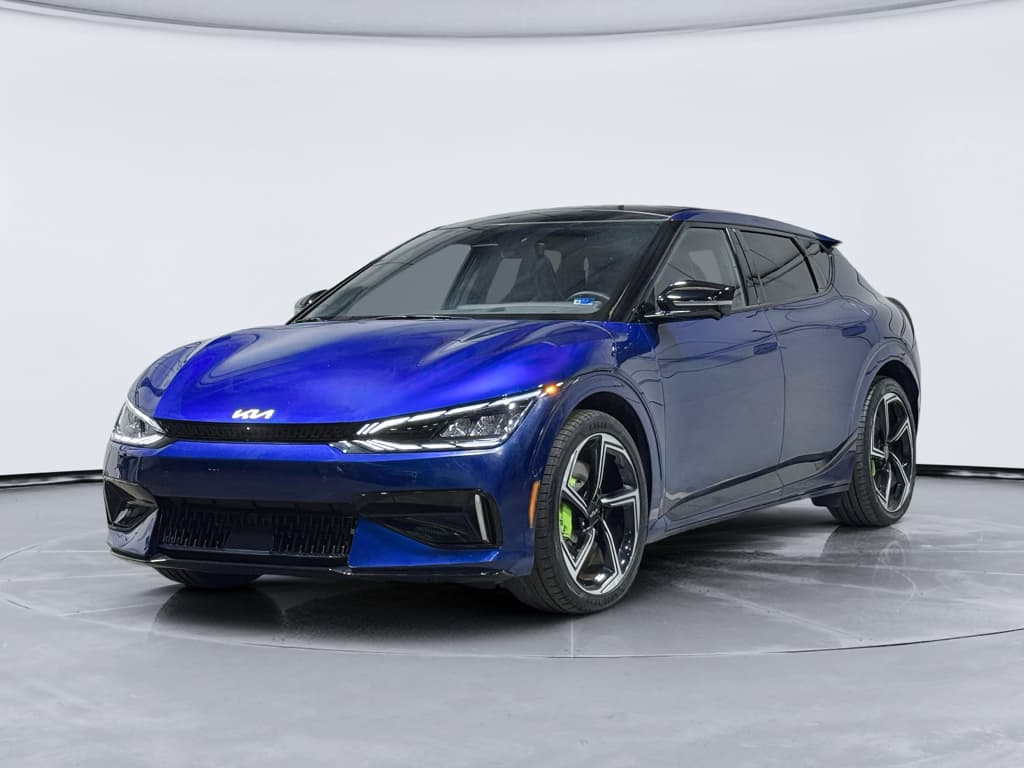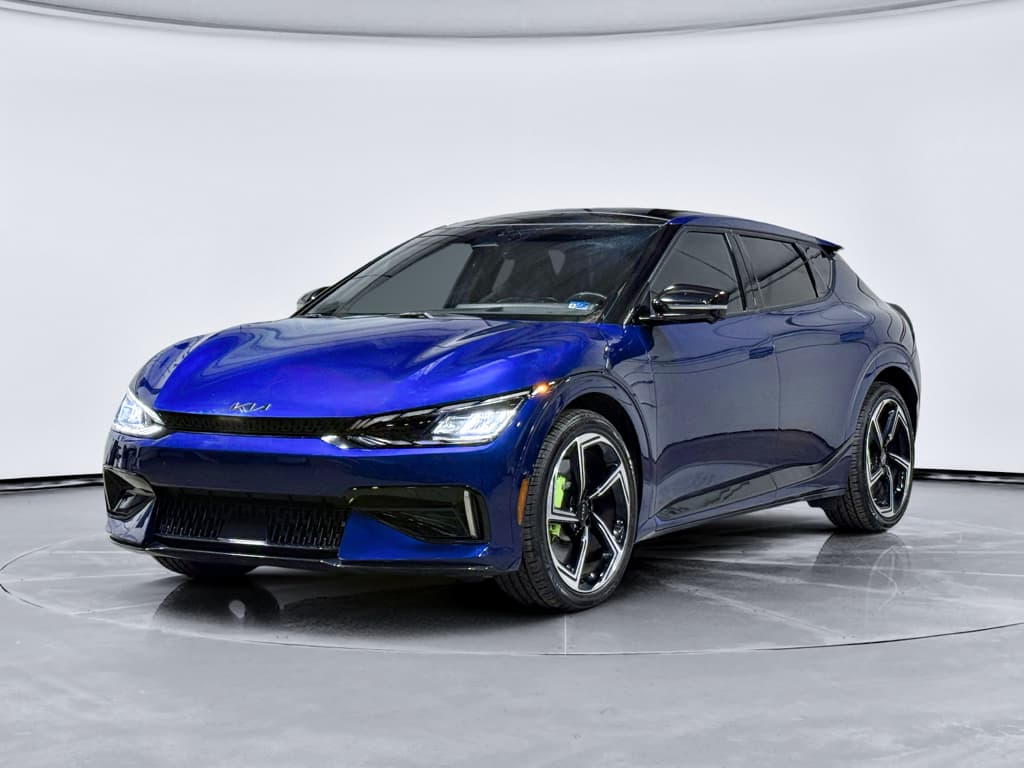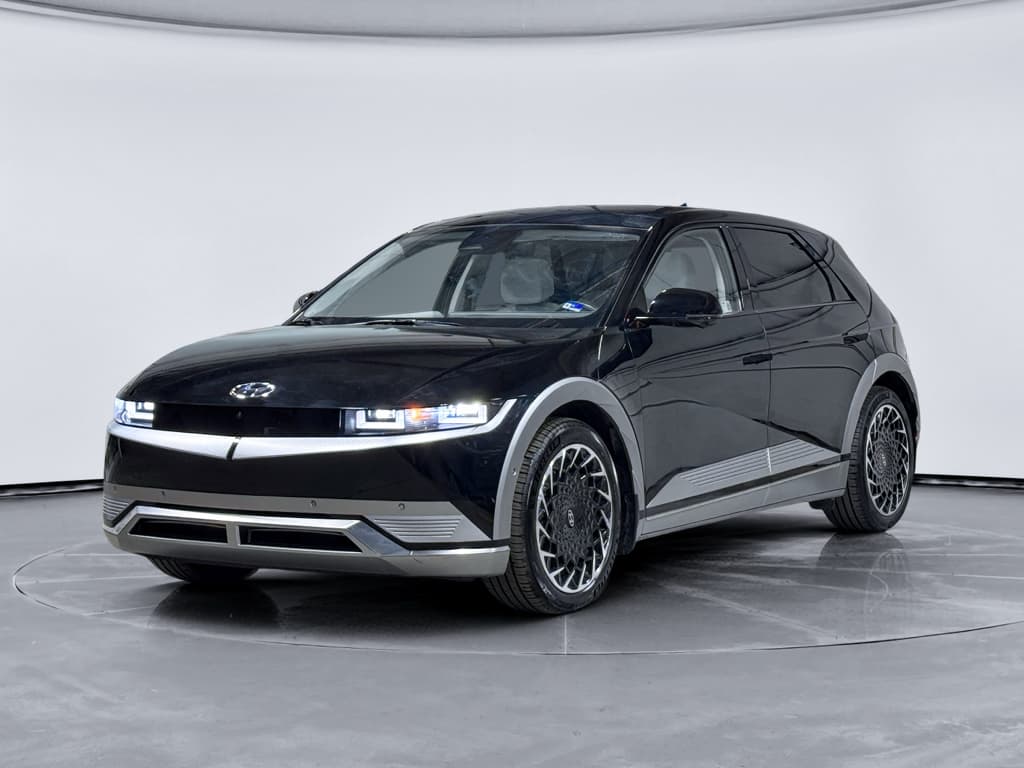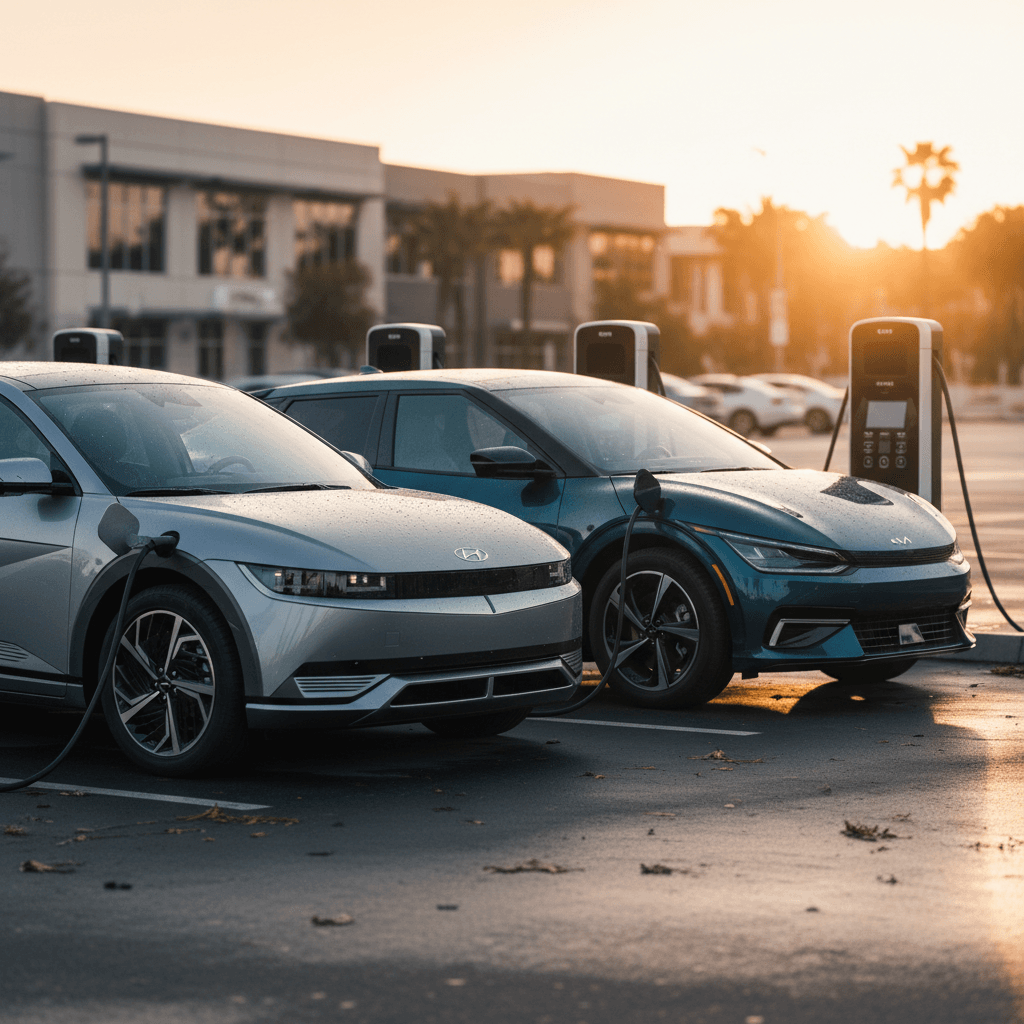
If you’re comparing the Hyundai Ioniq 5 vs Kia EV6 and asking which is better, you’re already looking at two of the strongest electric crossovers on the U.S. market. They share the same E‑GMP platform and fast 800‑volt architecture, but they feel very different to live with, especially once you factor in space, driving style, charging access and used‑market pricing.
Same bones, different personalities
Hyundai Ioniq 5 vs Kia EV6: quick overview
High-level snapshot: Ioniq 5 vs EV6
How they stack up for the typical U.S. EV shopper
Hyundai Ioniq 5
Best for: Families and comfort‑first buyers who want a roomy, lounge‑like cabin and relaxed ride.
- Boxier SUV silhouette with excellent headroom
- Very comfortable and quiet on the highway
- More upright seating and easier rear access
- 2025+ models gain a native NACS port for Tesla Superchargers
Kia EV6
Best for: Drivers who want a sportier, more car‑like feel and sleeker styling.
- Lower, more aggressive stance and handling
- Tighter interior, especially rear headroom
- Sharpened steering and firmer suspension
- Newer models adopt NACS for Tesla Supercharger access
Bottom line up front
Key specs at a glance
Hyundai Ioniq 5 vs Kia EV6: core specs (typical U.S. trims)
Approximate headline figures for mainstream long‑range trims. Exact numbers vary by model year, drivetrain and wheel size.
| Spec | Ioniq 5 (RWD LR) | Ioniq 5 (AWD LR) | EV6 (RWD LR) | EV6 (AWD LR) |
|---|---|---|---|---|
| Battery (usable, approx.) | 77–84 kWh | 77–84 kWh | 77–84 kWh | 77–84 kWh |
| EPA range* | mid‑280s–low‑300s miles | mid‑250s–high‑260s miles | high‑200s–low‑300s miles | mid‑240s–mid‑250s miles |
| DC fast‑charge peak | ~230–240 kW on 350 kW charger | ~230–240 kW | ~230–240 kW | ~230–240 kW |
| 0–60 mph (manufacturer est.) | ~7.0 sec | ~5.0 sec | ~7.2 sec | ~5.1 sec |
| Drive layout | RWD or AWD | RWD or AWD | RWD or AWD | RWD or AWD |
| Max AC charging | 11 kW | 11 kW | 11 kW | 11 kW |
Always check the window sticker or OEM site for the precise specs on the car you’re shopping, especially for used models.
Model‑year nuance matters
Range and efficiency: which goes farther?
If you compare like‑for‑like long‑range rear‑wheel‑drive trims, the Hyundai Ioniq 5 and Kia EV6 are effectively neck‑and‑neck on range. Early U.S. models clustered around 300 miles EPA, with later updates nudging the numbers slightly higher. Real‑world reports put both in the high‑200s on the highway at U.S. interstate speeds, assuming mild weather and 19‑inch wheels.
Ioniq 5 range highlights
- Long‑range RWD trims typically land around the low‑to‑mid‑300‑mile EPA mark on newer model years.
- AWD trims trade some range for performance; think mid‑250s to high‑260s miles in many configurations.
- Boxier shape and taller profile can make it slightly less efficient at 70–75 mph compared with the sleeker EV6.
EV6 range highlights
- Long‑range RWD trims often match or slightly edge the Ioniq 5’s EPA range, especially on smaller wheels.
- AWD trims again lose some range but remain competitive with the Ioniq 5 AWD equivalents.
- Sleeker shape helps highway efficiency; owners often see strong real‑world numbers on longer road trips.
How to think about range in the real world
Charging speed and NACS access
Both models ride on Hyundai–Kia’s E‑GMP 800‑volt platform, and that’s the secret sauce behind their charging performance. On a 350 kW DC fast charger, either car can go from roughly 10% to 80% in about 18–20 minutes in ideal conditions, some of the best numbers in the segment. That makes them especially appealing as used EVs for road‑trip duty, not just local commuting.
Charging highlights: Ioniq 5 vs EV6
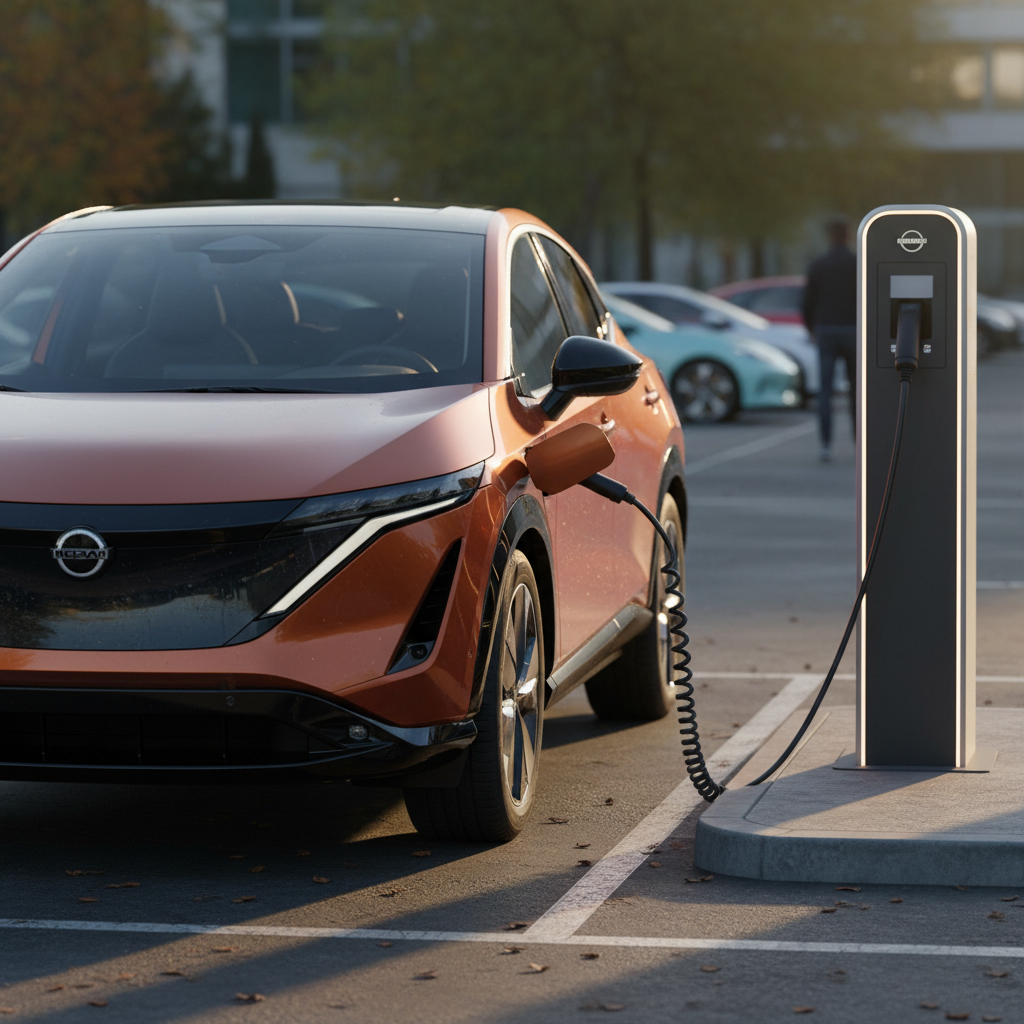
From 2024–2025 onward, both the Ioniq 5 and EV6 began adopting the North American Charging Standard (NACS), giving them native access to most Tesla Superchargers without an adapter. Earlier CCS‑only cars can still use high‑power public networks and, in many cases, Tesla Superchargers via the OEM‑supplied adapter programs.
NACS vs CCS on used Ioniq 5 and EV6
- Does this car have a native NACS port, or is it CCS?
- If it’s CCS, is the OEM NACS adapter included or eligible through the automaker?
- Has the software been updated to support Tesla Supercharger access?
Charging strategy for road trips
Space, comfort and everyday usability
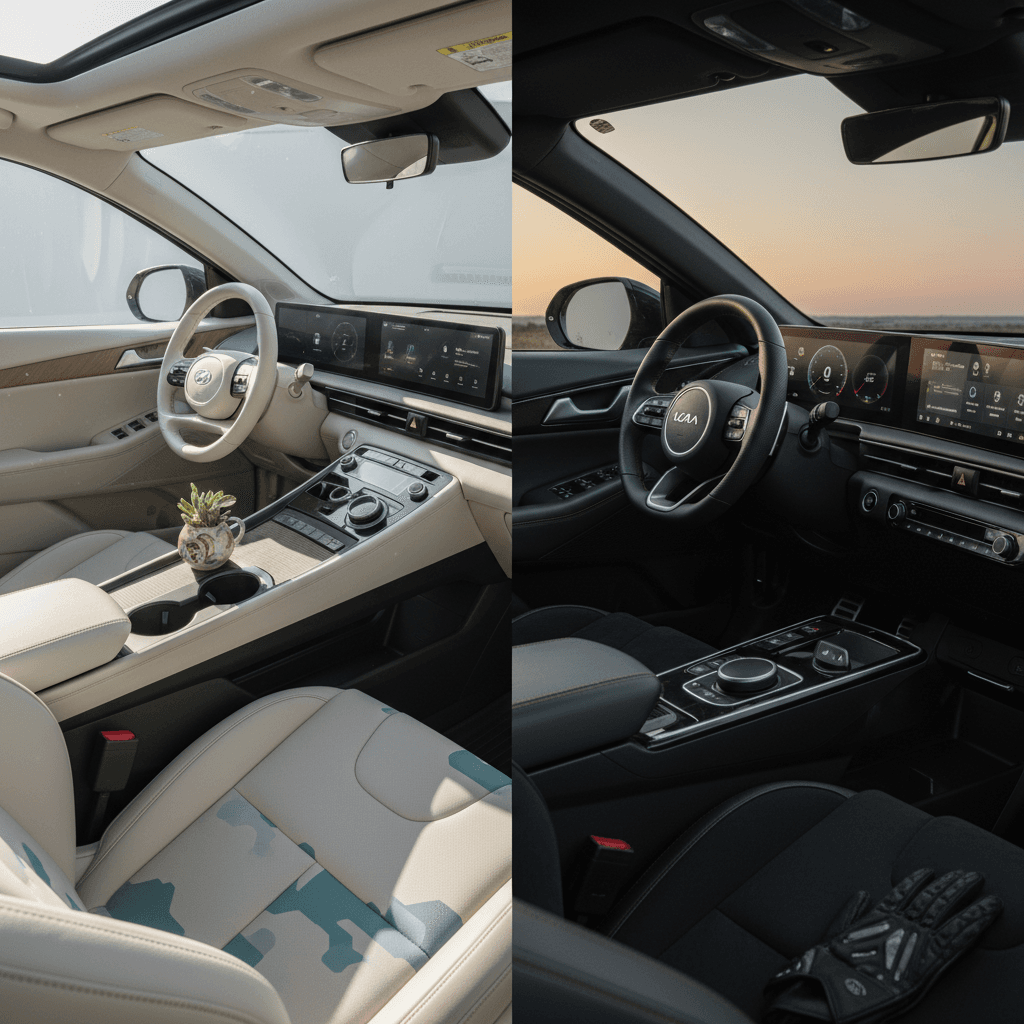
Ioniq 5: airy and family‑friendly
- More upright SUV profile with a long wheelbase and short overhangs creates a surprisingly roomy cabin.
- Rear seats slide and recline, and the tall roof delivers excellent rear headroom, important for taller passengers and child seats.
- Cargo area is boxier and easier to load with strollers, bikes or home‑improvement runs.
- Interior design feels like a modern lounge: light colors, flat floor, and a generally relaxing vibe.
EV6: sleeker but tighter
- Lower roofline and more coupe‑like rear hatch mean a sportier look but less rear headroom; tall adults may brush the headliner.
- Cargo space is still usable for daily life, but the shape is shallower, which can limit bulky items.
- Cabin has a more traditional cockpit feel, with a higher center console and more wrap‑around design.
- Rear‑window visibility is actually decent despite the low roof, thanks to thoughtful design and cameras.
If you have kids or tall passengers…
Driving experience: comfort cruiser vs sportier feel
On the road, the Hyundai Ioniq 5 and Kia EV6 feel like siblings who took different paths in high school. Same family, different personalities. The Ioniq 5 leans into comfort and composure, while the EV6 pushes a bit harder toward agility and engagement, especially in its sport‑oriented trims.
How they feel behind the wheel
Same architecture, different tuning and attitude
Hyundai Ioniq 5 driving feel
- Softer suspension tuning makes it one of the more comfortable EV crossovers over broken pavement.
- Steering effort is light and easy, great for city use and parking lots, less communicative if you want a sporty feel.
- AWD models are genuinely quick; acceleration is instant, but the overall vibe is relaxed.
- Noise isolation is strong, making highway cruising easy on longer drives.
Kia EV6 driving feel
- Firmer suspension and lower center of gravity translate into crisper turn‑in and flatter cornering.
- Steering has more weight and feels more tied‑down at speed.
- Performance variants (like the EV6 GT) deliver serious acceleration and track‑day capable dynamics.
- Ride is still comfortable, but you feel more of the road than in the Ioniq 5.
Test‑drive both on the same loop
Tech, infotainment and driver-assist tech
Infotainment and driver‑assist tech are broadly similar between the Ioniq 5 and EV6. Both use widescreen displays, support Apple CarPlay and Android Auto (currently wired in most U.S. trims), and offer robust driver‑assist suites with lane centering, adaptive cruise and available highway assist features. Where they differ is in interface design and small usability details.
Ioniq 5 tech feel
- Clean, bright UI with a minimalist, almost tablet‑like presentation.
- Physical buttons remain for many critical functions, which some owners prefer.
- Over‑the‑air updates are rolling out, improving mapping and EV‑specific route planning over time.
- Driver‑assist tuning tends to feel gentle and less "tuggy" on the wheel.
EV6 tech feel
- More angular, driver‑oriented UI with a curved display aimed at the pilot.
- Capacitive switches for climate and audio can be polarizing, stylish, but easier to mis‑hit while driving.
- High‑spec trims add upgraded audio and more aggressive highway assist behavior.
- Kia’s app experience and connected services are improving, but may feel a bit busier than Hyundai’s to some users.
Apps, route planning and live charging data
Reliability, warranty and ownership costs
Hyundai and Kia share a reputation for strong warranty coverage, and both the Ioniq 5 and EV6 benefit from that. In the U.S., you’re typically looking at a 10‑year/100,000‑mile powertrain and EV battery warranty for the original owner, with shorter coverage for subsequent owners. That’s a major plus in the used‑EV market compared with many rivals.
- Early survey data and owner forums suggest the EV6, Ioniq 6 and Genesis GV60 siblings have generally similar reliability patterns, with the Ioniq 5 sometimes scoring slightly lower in certain surveys, often due to infotainment glitches rather than core battery issues.
- Both vehicles use liquid‑cooled battery packs, robust thermal management and proven 800‑V hardware, which has held up well in winter and summer owner reports.
- Common complaints in both camps tend to be software quirks, occasional 12‑volt battery issues and the usual early‑EV teething pains, most addressable under warranty.
- Routine maintenance costs are low compared with gas SUVs: no oil changes, fewer moving parts, but you’ll still budget for tires, cabin filters and brake fluid over time.
Battery health matters more than brand stereotypes
Used-market pricing, incentives and value
On the used market in 2025–2026, the Hyundai Ioniq 5 and Kia EV6 often trade within striking distance of each other when you normalize for year, mileage and trim. Local supply, styling preferences and brand perception can nudge prices either way. In some regions, the Ioniq 5’s more SUV‑like look commands a bit of a premium; elsewhere, the EV6’s sportier profile and GT‑line trims attract younger buyers and firm up prices.
How to think about value on a used Ioniq 5 or EV6
Beyond the sticker price, consider total ownership
Purchase price
Look at effective price after federal used‑EV credits and local incentives. Many shoppers now qualify for point‑of‑sale tax credits on used EVs, which can narrow the gap between trims or brands.
Battery health & range
Ask for detailed battery‑health info and recent range readings. A slightly more expensive EV6 with healthier battery data may be a better buy than a cheaper Ioniq 5 with signs of heavy fast‑charging abuse, and vice versa.
Fit for your use case
If an SUV‑like cabin saves you from upsizing to a bigger vehicle later, the Ioniq 5 may be the better value. If the EV6’s efficiency and driving enjoyment mean you’ll keep it longer, that can also translate into better long‑term economics.
How Recharged helps on the used side
Ready to find your next EV?
Browse VehiclesHyundai Ioniq 5 vs Kia EV6: which is better for you?
Who should choose the Ioniq 5 vs the EV6?
Choose the Hyundai Ioniq 5 if…
You regularly carry tall passengers or install rear‑facing child seats and want the <strong>roomiest back seat and easiest access</strong>.
You prioritize a <strong>comfortable, quiet ride</strong> over ultimate cornering grip or sporty styling.
You like the idea of a bright, open, lounge‑like cabin with a more SUV‑like shape.
You’re planning lots of family road trips where space for luggage and gear matters more than a low roofline.
You prefer a slightly simpler, calmer interface and gentler driver‑assist tuning.
Choose the Kia EV6 if…
You care about <strong>sporty styling and a lower, more planted feel</strong> every time you walk up to the car.
You enjoy driving and want sharper turn‑in and more responsive steering, even in daily commuting.
Rear headroom is less critical for your household, or you rarely carry tall rear passengers.
You’re drawn to higher‑performance trims (like GT‑line or GT) and want something closer to a performance EV.
You like a cockpit‑style interior and don’t mind learning a busier control layout.
If you’re just looking for a simple answer to “Hyundai Ioniq 5 vs Kia EV6, which is better?”, the honest one is: they’re both excellent, and the right choice depends on how you use your EV. For a lot of American families, the Ioniq 5’s space, comfort and easygoing character make it the safer default pick. For drivers who value style and engagement, and don’t mind trading some practicality, the EV6 is the one that’ll make you smile more often behind the wheel. The good news: with strong fast‑charging, modern tech and robust warranties, you’re unlikely to go wrong with either, especially if you buy a used example with verified battery health and transparent pricing.
Checklist: how to choose between Ioniq 5 and EV6
Practical decision checklist for shoppers
1. Map your real daily driving
Write down your typical weekday mileage, how often you road‑trip and how many people you carry. If most miles are short hops with kids and cargo, the Ioniq 5’s packaging is a big plus. If you routinely drive solo or as a couple, the EV6’s compromises in space matter less.
2. Decide how important rear space is
If anyone over about 6 feet will ride in back often, or you’re juggling multiple child seats, sit in both. The Ioniq 5’s upright roof and sliding rear bench usually win this test, especially for growing families.
3. Be honest about how sporty you really drive
If your driving is mostly relaxed commuting, the Ioniq 5’s comfort‑first tuning may actually make you happier. If you find yourself taking the long way home and enjoying on‑ramps, the EV6’s stiffer setup and lower stance will feel more rewarding.
4. Confirm connector type and charging access
Ask whether the car has a native <strong>NACS</strong> port or uses CCS, and what adapters are included. Look at the DC fast‑charging options along your regular routes and favorite road‑trip corridors, especially if you’ll rely heavily on public charging.
5. Review battery health, not just mileage
Two similar‑mileage cars can have very different battery histories. Ask for diagnostics or a report like the <strong>Recharged Score</strong> that shows fast‑charging exposure, capacity estimates and any flagged issues before you commit.
6. Compare total cost, not just sticker price
Factor in available used‑EV tax credits, local rebates, insurance quotes and projected energy costs. Sometimes the car with the slightly higher purchase price is cheaper to own over 5–8 years if it better fits your lifestyle.
Frequently asked questions: Ioniq 5 vs EV6
Hyundai Ioniq 5 vs Kia EV6: FAQs
The Hyundai Ioniq 5 and Kia EV6 show how far mainstream electric crossovers have come: fast charging, competitive range, strong warranties and genuinely livable cabins. The trick isn’t finding the “best” one on paper, it’s matching the right car to your life. If you’d like help comparing specific used examples, or want a battery‑health report before you decide, Recharged is built exactly for that: transparent used‑EV shopping, nationwide delivery and expert guidance from your first question to final click.