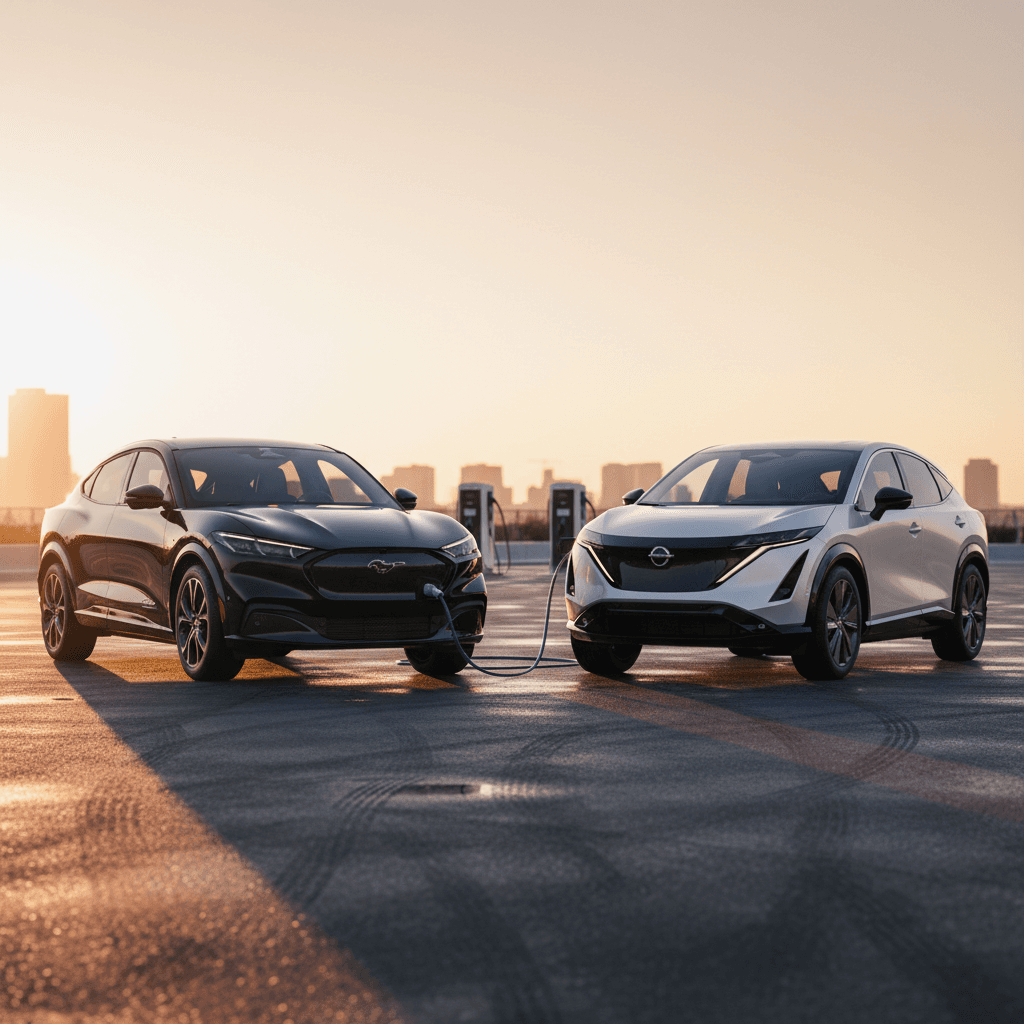
If you’re cross-shopping the Ford Mustang Mach-E vs Nissan Ariya, you’re comparing two of the most characterful electric SUVs of the last few years. One is an extrovert with a pony badge and launch-control theatrics; the other is a calm, cocooned lounge on wheels. On the used market, where most smart EV buyers are looking in 2026, the details around range, charging speed, comfort, and long‑term value matter more than the brochure numbers ever did.
At a glance
Overview: Mustang Mach-E vs Nissan Ariya in 2026
Ford Mustang Mach-E
Ford’s first clean-sheet EV is styled as an SUV but marketed as a Mustang, which tells you everything about its priorities. Expect strong acceleration even in mid‑level trims, rear‑biased handling, and a driving experience that tries to make electrons feel rowdy.
On the market side, the Mach‑E is now Ford’s EV workhorse, with over 50,000 U.S. sales in 2025. That kind of volume means better parts availability, broader service experience, and a deep used pool to shop from.
Nissan Ariya
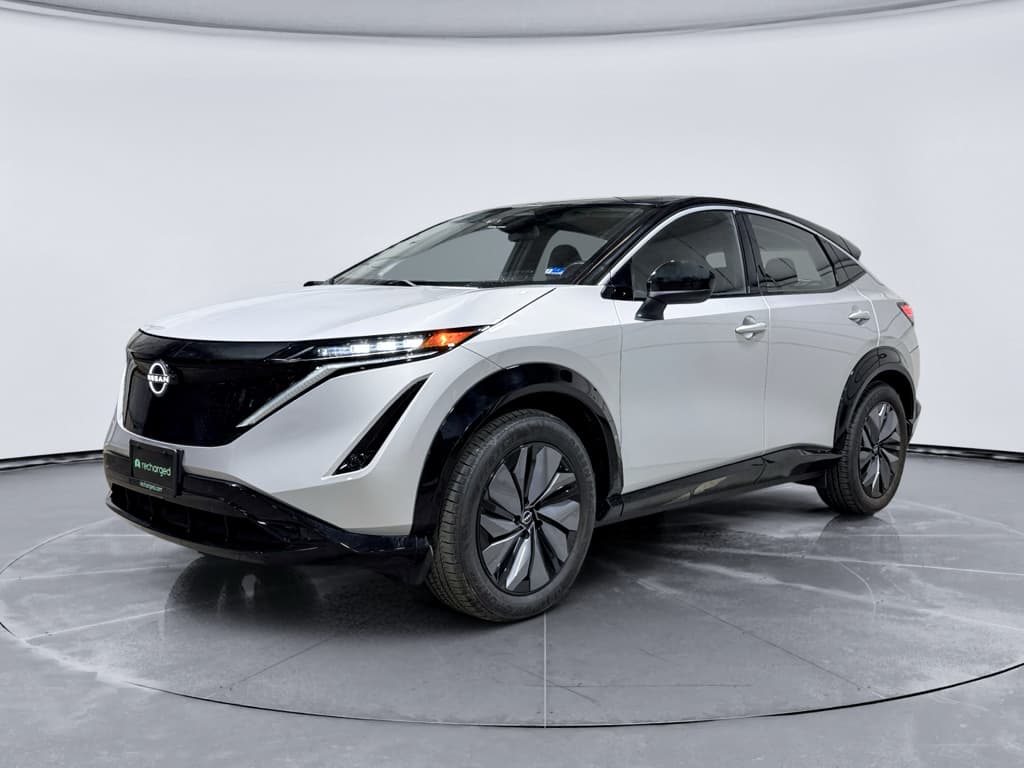
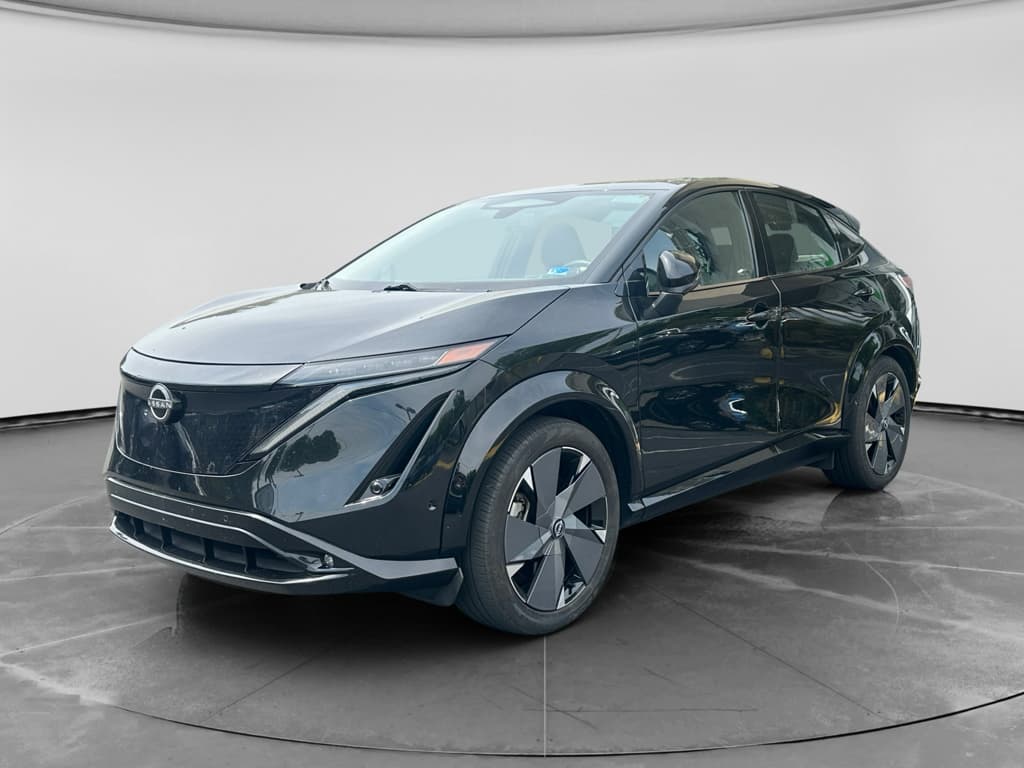
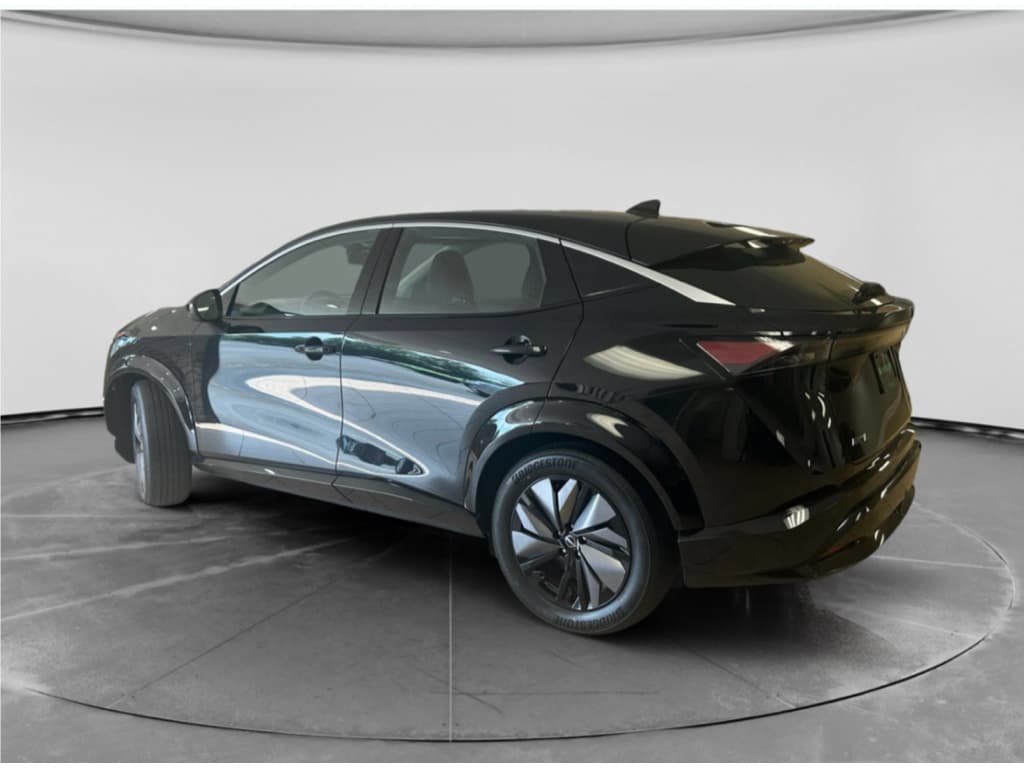
The Ariya arrived later and aimed higher: a softer luxury vibe, minimalist cabin, and a focus on refinement over lap times. Think of it as a quiet, upscale commuter that just happens to be electric.
The twist: Nissan is discontinuing the Ariya for the U.S. starting with the 2026 model year, refocusing on the next‑gen Leaf and other projects. Existing Ariyas remain on the road and in the used market, but future support and updates are less clear than Ford’s aggressive EV roadmap.
Discontinuation caveat
Ford Mustang Mach-E vs Nissan Ariya: Key Specs
Core Specs: Ford Mustang Mach-E vs Nissan Ariya
High-level comparison of typical trims you’ll see on the used market. Exact numbers vary by model year, battery, and drivetrain.
| Spec | Ford Mustang Mach-E | Nissan Ariya |
|---|---|---|
| Typical battery options | Standard ~73 kWh usable; Extended 88–91 kWh usable | Standard pack ~63 kWh; Long‑range ~87 kWh (gross figures vary by year/trim) |
| EPA range window | Approx. 240–320 miles depending on trim | Approx. 205–289 miles depending on trim |
| Drivetrains | RWD or eAWD, single or dual motor | FWD or e-4ORCE AWD, single or dual motor |
| Horsepower range | Roughly 264–480 hp | Roughly 214–389 hp |
| 0–60 mph (typical spread) | About 3.3–5.6 seconds | About 4.8–7.5 seconds |
| DC fast‑charge peak | Up to ~150 kW on most trims | Up to ~130–150 kW depending on battery |
| Seating / doors | 5 seats / 4 doors + front trunk | 5 seats / 4 doors, no frunk |
| Cargo space (rear seats up) | Competitive compact SUV; plus small frunk for cables | Similar rear cargo; no frunk but a flat load floor |
Figures shown represent common mid‑ and high‑spec versions rather than every possible configuration.
Mach-E vs Ariya: Quick Takeaways
Range, Batteries, and Real-World Efficiency
On paper, the Mustang Mach-E generally has the range advantage, especially in rear‑wheel‑drive, extended‑range trims that can crest the 300‑mile mark. The Ariya’s long‑range pack can approach that, but many trims fall in the 220–260‑mile zone. For daily commuting, both are fine; for spaced‑out highway fast chargers in the Midwest, more is more.
- Mach-E: Standard‑range packs work well for shorter commutes, but the extended‑range battery is the sweet spot if you plan regular road trips.
- Ariya: The larger battery trims are worth seeking out, especially e-4ORCE AWD versions, if you don’t want to live at public chargers.
- Both: Cold weather and high speeds can chop 20–30% off EPA estimates. Factor that in if you routinely drive 75–80 mph or live in a snowbelt state.
Range reality check
Charging, Road Trips, and Daily Usability
Both SUVs can fast‑charge at roughly 130–150 kW when conditions are ideal, which is enough to take you from low state of charge to about 80% in half an hour or so. The differences are more about software, charging curves, and how easily you can plan a trip.
Everyday Charging: Where These EVs Fit Best
Home charging is where they both shine, but public charging differs by network and software polish.
Ford Mustang Mach-E
- Home charging: With a 240V Level 2 setup, most Mach‑E trims fully recharge overnight. Ford’s own home charger or any quality Level 2 unit will do.
- Public DC fast charging: Good support on major networks and improved charging speeds on newer model years. Trip‑planning tools have gotten better but still feel a bit utilitarian.
- Network access: Ford’s adoption of the North American Charging Standard means stronger long‑term access to Tesla’s Supercharger network as adapters and native ports roll out.
Nissan Ariya
- Home charging: Similar story, Level 2 at home makes the Ariya effortless to live with. Flat floor and tidy cable storage help.
- Public DC fast charging: Decent road‑trip partner, though initial models had conservative charging curves. Software updates have improved some behavior.
- Network access: CCS‑based; still relies on the same patchwork of public networks. Future NACS support is less certain given the Ariya’s discontinuation in the U.S.
Why home charging wins
Performance and Driving Feel
This is where the Ford and Nissan part ways philosophically. The Mustang Mach-E wears its Mustang badge with intent: quick steering, strong acceleration, and enough body control to make on‑ramps entertaining. Even base trims are no slouch, and GT or Rally variants are frankly absurd for a family crossover.
How the Mach-E drives
- Acceleration: Feels eager and muscular across the lineup; performance trims are genuinely thrilling.
- Ride and handling: Firm but controlled, especially on 19‑inch wheels. It’s an EV that nudges you into the left lane.
- Character: Ford leans hard into Mustang theatrics, fake engine sounds, sporty drive modes, and a confident stance.
How the Ariya drives
- Acceleration: Adequate to brisk. Dual‑motor e‑4ORCE versions are quick enough, but the car never feels shouty about it.
- Ride and handling: Softer tuning, quieter cabin, and an overall calmer disposition. It wants to be your rolling living room, not a track toy.
- Character: Understated and grown‑up. Think modern lounge music versus Ford’s classic‑rock playlist.
Enthusiast verdict
Interior Space, Comfort, and Practicality
Both SUVs are roughly the same size on the outside, and both seat five adults. The differences are more about atmosphere and the details that matter on the tenth hour of a road trip, not the first test drive.
Cabin Character: Ford vs Nissan
Two very different interpretations of the electric SUV interior.
Ford Mustang Mach-E Interior
- Design: Big vertical touchscreen, familiar Ford switchgear, and Mustang‑inspired details. Less radical, more conventional SUV feel.
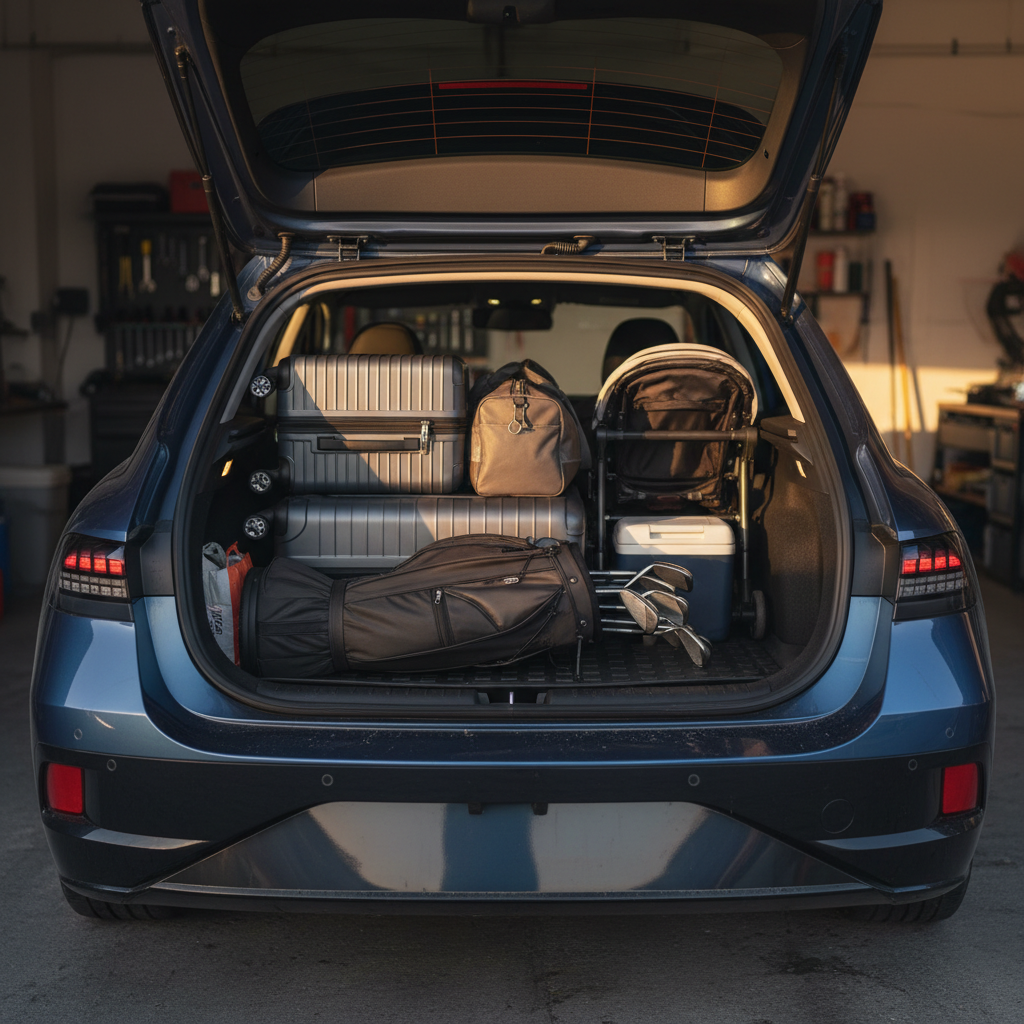
- Space: Plenty of headroom and legroom for a family of four, plus a small frunk for stashing charge cables or muddy gear.
- Noise: Generally quiet, though wide tires and firmer suspension can bring some road noise on coarse pavement.
Nissan Ariya Interior
- Design: One of the best cabins in its class: minimalist dash, tasteful materials, and sliding center console on many trims.
- Space: Flat floor makes the rear bench feel airy; cargo area is square and easy to load.
- Noise: Very hushed at highway speeds; the Ariya leans into the luxury‑lite experience more than the Ford.
Practical shopping tip
Tech, Safety, and Driver-Assistance
Both the Mach‑E and Ariya are rolling tech showcases, with large touchscreens, robust app connectivity, and advanced driver‑assist features. The nuance is in execution and how much you trust each brand’s software future.
- Infotainment: The Mach‑E uses Ford’s SYNC system with a big portrait display; it’s feature‑rich but can feel a bit menu‑heavy. The Ariya’s twin‑screen setup is more understated and intuitive, with physical haptic buttons where you want them.
- Driver assistance: Ford’s BlueCruise (on equipped Mach‑E trims) and Nissan’s ProPILOT Assist/ProPILOT Assist 2.0 are competing visions of hands‑free driving on certain highways. In both cases, the tech can meaningfully reduce fatigue on long drives when used correctly.
- Safety: Both vehicles have strong crash‑test credentials and include modern ADAS staples like automatic emergency braking, lane‑keeping assistance, blind‑spot monitoring, and adaptive cruise on most trims.
Hands-free is not self-driving
Reliability, Recalls, and Ownership Experience
Neither of these EVs has the decades‑deep track record of a Corolla, but we know enough now to sketch the ownership picture. Batteries in both have generally held up well when properly cared for, with degradation usually modest in the first several years. The bigger story is in software, service networks, and recalls.
- Mach-E: Ford has issued multiple software‑driven recalls and updates, including for charging and, more recently, door‑latch behavior. The upside is that many fixes can be done via over‑the‑air updates or quick dealer visits, and Ford’s U.S. dealer footprint is vast.
- Ariya: Lower sales mean fewer data points, but owners generally report solid build quality and a quiet, trouble‑free experience. The concern is future focus: with Nissan canceling the Ariya for the U.S., engineering attention and parts prioritization will naturally drift elsewhere.
- Both: As with any EV, tire wear and brake service will depend heavily on how you drive; regenerative braking helps, but heavy, torquey SUVs can go through rubber faster than you expect.
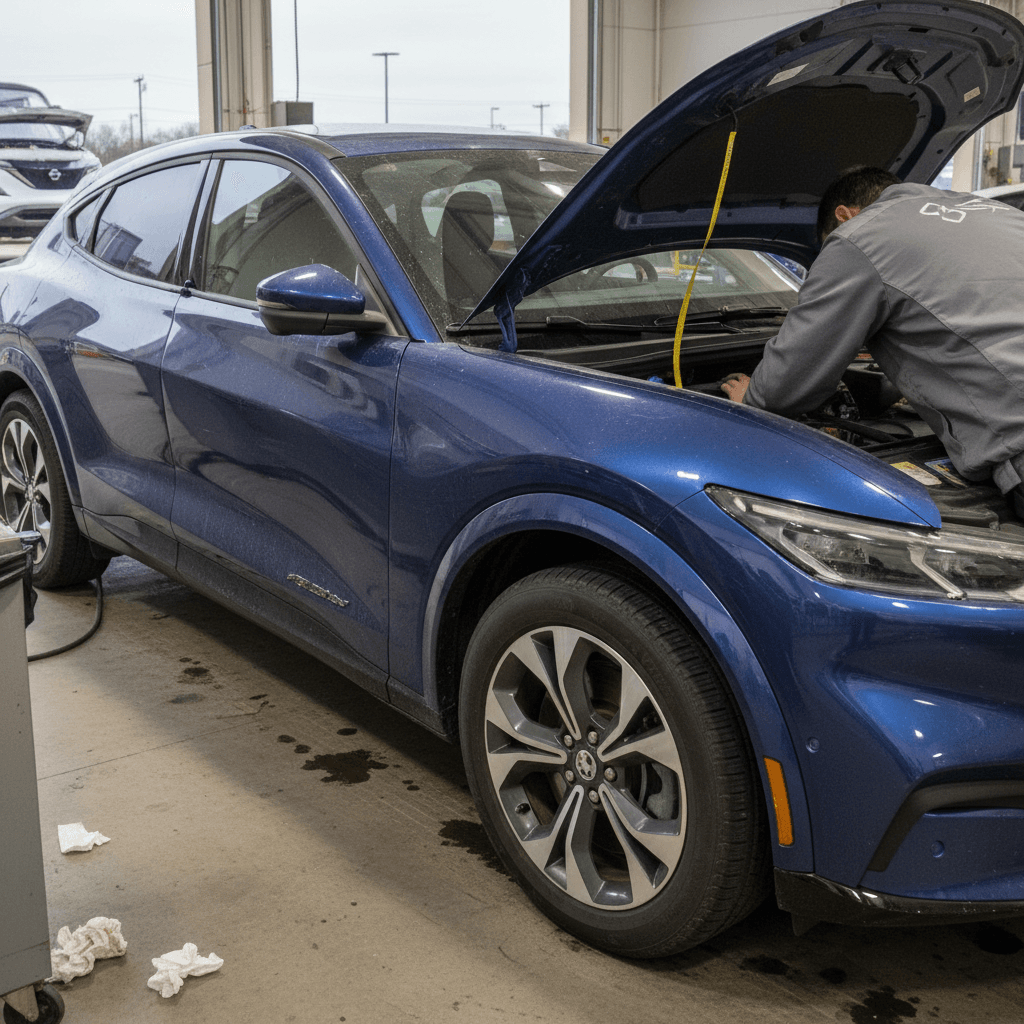
Used EV inspection is non‑negotiable
Used Market, Pricing, and Value Over Time
By 2026, both the Mustang Mach‑E and Nissan Ariya are well represented in the used market, but not equally. The Mach‑E’s strong sales volumes translate into more choice on trims, colors, and mileage bands. The Ariya is rarer, which can be charming when you see one and inconvenient when you’re trying to negotiate on price.
Key Things That Drive Used Value
1. Battery health and fast‑charge history
Frequent DC fast charging at high states of charge can age any EV battery faster. Ask for data on battery state of health and how the car was typically charged.
2. Software and recall status
Confirm that major recalls and software campaigns have been handled. This is especially important for the Mach‑E, which has seen several important updates.
3. Brand momentum and future support
Ford is doubling down on the Mach‑E platform in the U.S. Nissan is winding the Ariya down. That difference can affect parts pricing, OTA updates, and resale strength five years from now.
4. Real transaction prices, not just listings
Used EV asking prices can be optimistic. Focus on what similar Mach‑E or Ariya examples actually sold for in your region and how long they sat on the market.
How Recharged helps here
Which Electric SUV Is Right for You?
Ford Mustang Mach-E vs Nissan Ariya: Who Should Choose What?
Match the EV to your actual life, not just the spec sheet.
Choose the Ford Mustang Mach-E if…
- You care about acceleration and handling and want an EV that still feels like a driver’s car.
- You want a model with strong U.S. sales volume and dealer support, plus a clearer path into the Tesla Supercharger ecosystem.
- You value a small front trunk and more playful design over ultimate cabin serenity.
- You’re planning to keep the car long enough that brand commitment and ongoing updates really matter.
Choose the Nissan Ariya if…
- You prioritize a quiet, refined cabin and minimalist, high‑quality interior over theatrics.
- You mainly drive in town or on predictable routes where slightly lower range isn’t a deal‑breaker.
- You find a well‑priced used Ariya whose battery health and software history have been properly documented.
- You want something a bit different from the crowd and don’t mind the model’s discontinued status.
Viewed coldly, the Mustang Mach‑E is the safer long‑term bet for most U.S. shoppers: quicker, more widely supported, with a bigger ecosystem forming around it. The Ariya remains an intriguing, comfort‑first alternative, and if you find a carefully‑owned example at the right price, it can be a quietly brilliant daily driver. Whichever way you lean, take the time to scrutinize battery health, charging behavior, and recall history. That’s exactly where a data‑driven used‑EV marketplace like Recharged earns its keep, turning what could be guesswork into a clear, confident decision.