The Ford Mustang Mach‑E was never just another compact electric crossover. From day one, Ford sold it as a rolling smartphone: agile, updatable, capable of getting better long after you signed the paperwork. That’s where the Ford Mustang Mach‑E software update history matters, not only for how the car drives today, but for how reliable, safe, and livable it feels over the long haul.
OTA, Ford‑style
Why the Mach‑E’s software history matters
1. Software literally changes the car
On the Mach‑E, software updates have:
- Fixed early bugs around DC fast charging and battery contactors.
- Improved range prediction and preconditioning behavior.
- Added and refined BlueCruise driver‑assist features.
- Tweaked everyday quality‑of‑life details, from climate to infotainment.
2. Used buyers inherit that history
If you’re shopping a used Mach‑E, the update trail tells a story. Has the car had critical recall software applied? Is it on the modern 6.X branch, or stuck back in 3.X purgatory? At Recharged, that’s exactly the kind of detail we surface through our battery and software health checks so you’re not guessing in the dark.
Mustang Mach‑E and software: the big picture
Quick timeline of Mustang Mach‑E software updates
High‑level Mach‑E software timeline
This isn’t every patch Ford has ever shipped, but it’s a useful map of the big eras and what changed.
| Model years | Approx. versions | What changed most | Key notes for buyers |
|---|---|---|---|
| 2021 | Early Ford Power‑Up 1.X–2.X | Bug fixes, charging stability | Look for recall and BECM/SOBDMC updates addressing contactor failures and charging issues. |
| 2022 | Power‑Up 2.X–3.X | Refinements, early BlueCruise | Many cars received OTA fixes instead of hardware; verify recall campaigns were done correctly. |
| 2023 | Power‑Up 4.X–5.X | UX cleanup, range tweaks | Owners report noticeable changes in range estimates, charging logic, and infotainment polish. |
| 2021–2023 (late) | 6.X series | Battery & comfort improvements | Ford’s 6.X updates add features like heated wheel integration with preconditioning on many trims. |
| 2024 | 240xx build + ongoing OTAs | Under‑the‑skin improvements | Newer core software, but update cadence can still feel random; some cars show months with no visible updates. |
| 2025–2026 | BlueCruise 1.4–1.5, new recall patches | Hands‑free driving, safety | Automatic lane change on 2025+ models; additional OTA recall fixes for park and latch issues. |
Exact version numbers and timing vary by VIN and region.
Early years (2021–2022): promises, fixes, and growing pains
Ford telegraphed its intentions early: the Mach‑E would ship with robust OTA capability, and the first wave of updates would land within about six months of launch. In practice, that meant 2021–2022 owners saw a mix of bug‑fix patches and quietly delivered feature adjustments, often without splashy release notes.
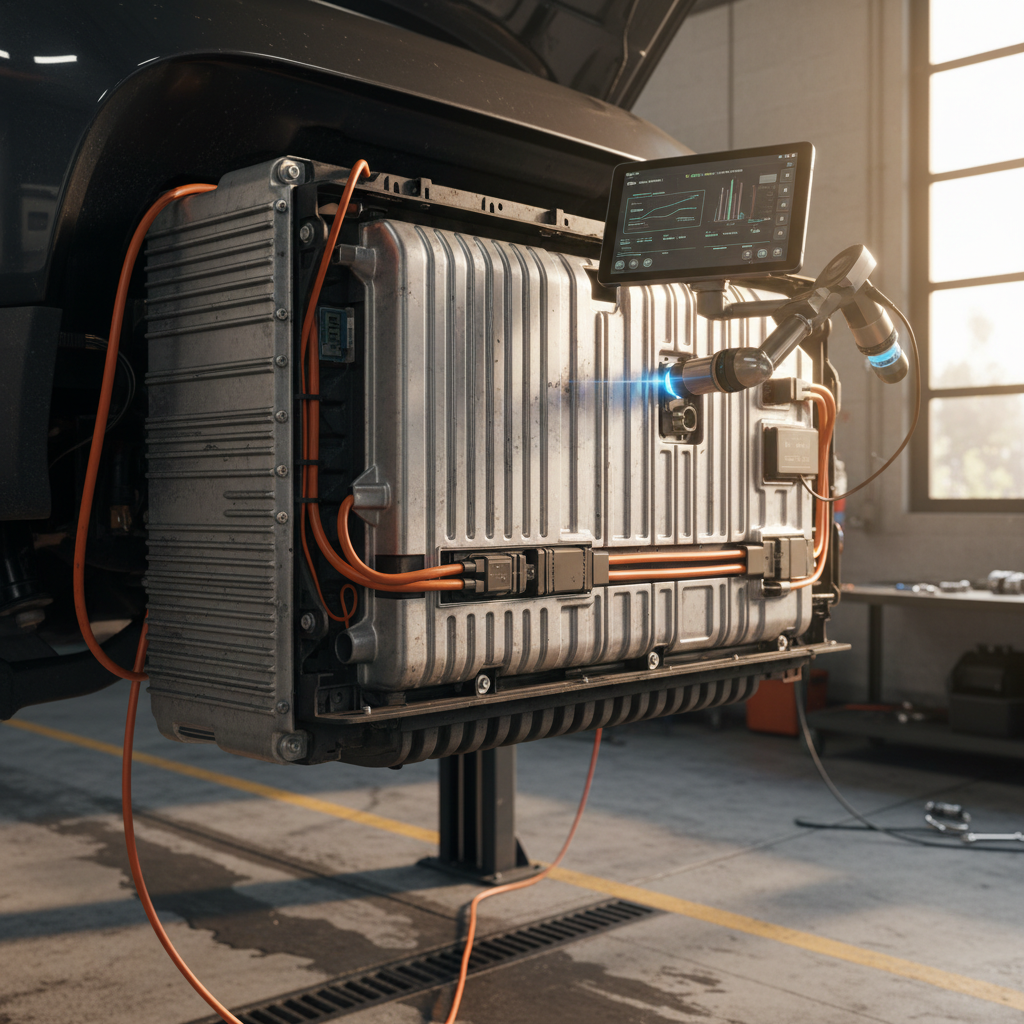
- Charging and battery contactors: Early Mach‑Es suffered from overheated high‑voltage battery contactors, especially under hard DC fast charging or rapid acceleration. Ford’s answer was software: updates to the Battery Energy Control Module (BECM) and related logic to protect hardware, delivered first in a safety recall and then re‑checked via a later campaign when some vehicles were mistakenly recorded as “updated” when they weren’t.
- Core drivability tweaks: Ford used OTAs to adjust how regen felt, how the car delivered power in cold weather, and how quickly it would reduce power if the pack got too hot or cold.
- Buggy but ambitious BlueCruise rollout: 2021–2022 also marks the birth of BlueCruise on the Mach‑E, a Level 2, hands‑free highway system that would undergo multiple waves of tuning in the years that followed.
The recall‑within‑a‑recall problem
From a distance, those first years look like any new‑platform launch: lots of little corrections, the occasional big one. Up close, owners saw something stranger: a feeling that updates arrived by VIN lottery. One Mach‑E would quietly pull down new code every few weeks; another identical car on the same street sat untouched for months.
Maturing (2023–2024): Power‑Up 4.X to 6.X and quality‑of‑life updates
By 2023, Ford Power‑Up had gone from novelty to routine. Owners started talking not just about bugs, but about whether the car felt meaningfully better to live with after a given update. This is where the Mach‑E quietly grows up.
What changed as Mach‑E software matured
Ford doesn’t always trumpet every tweak, but owners feel them day to day.
Smarter battery & range
- Improved range estimates that better match real‑world driving.
- Refined preconditioning for DC fast charging.
- Less dramatic swings in guess‑o‑meter projections after updates.
Comfort & convenience
- 6.X series adds touches like linking the heated steering wheel to preconditioning on many trims.
- Incremental tweaks to climate automation and defogging logic.
- Adjustments to seat heater behavior in cold starts.
Infotainment & UX polish
- SYNC 4 interface glitches ironed out over multiple updates.
- More stable Bluetooth and CarPlay/Android Auto behavior.
- New options surfacing in the FordPass app (like remote climate controls) as software caught up.
The 6.X series in a nutshell
Owners, of course, saw the human side of this. A 2023 Mach‑E might spend months on an older build, then suddenly receive a cluster of updates in a week, some visible, some silent. Others reported weirdness like apparent rollbacks, where a newer SYNC version would appear briefly and then step back to an earlier build as Ford pulled an update and re‑issued a more stable variant.
When an update makes things worse
Recent developments (2025–2026): BlueCruise 1.5 and recall‑driven updates
By 2025, Ford’s focus shifts from simply making the Mach‑E behave to teaching it new tricks. The headline act is BlueCruise 1.5 on the 2025 Mustang Mach‑E, a version of Ford’s hands‑free system that will change lanes for you to pass slower traffic or move aside for faster cars.
- BlueCruise 1.4 → 1.5: Version 1.4 extends how long the system can run hands‑free before demanding a nudge from the driver. Version 1.5 adds automatic lane changes and more natural steering behavior, but it depends on upgraded hardware, older Mach‑Es with first‑generation BlueCruise hardware can’t simply be updated into 1.5 by software alone.
- Park and latch recalls: Recent recalls cover issues like electronic door latches that might trap rear‑seat passengers and an integrated park module problem that could keep a vehicle from truly being in Park. Ford’s fix relies on software revisions delivered either OTA or at the dealer, underscoring how central code has become to basic safety.
- 2024–2026 behavior: Even on newer builds, update cadence remains irregular. Some 2024 owners report months without visible updates while others rack up a small novel of release notes. That’s normal in Ford‑land; updates are staged by VIN, region, and hardware configuration.
Safety by software
How to check your Mach‑E software version and history
Ford doesn’t make this as simple as it should be, but you can still piece together your Mustang Mach‑E’s software story without a Ph.D. in diagnostics. Here’s how to get the basics.
Step‑by‑step: see what your Mach‑E is running
1. Check in‑car Software Updates menu
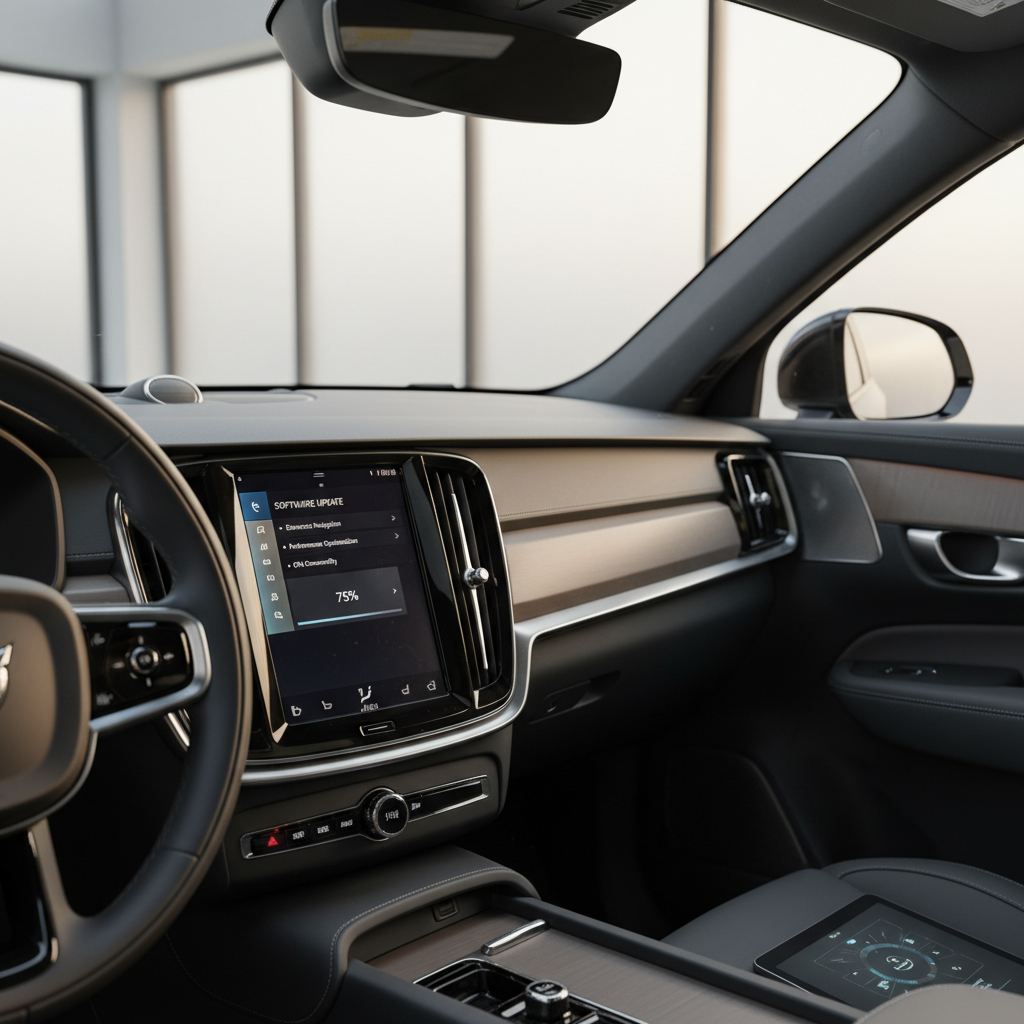
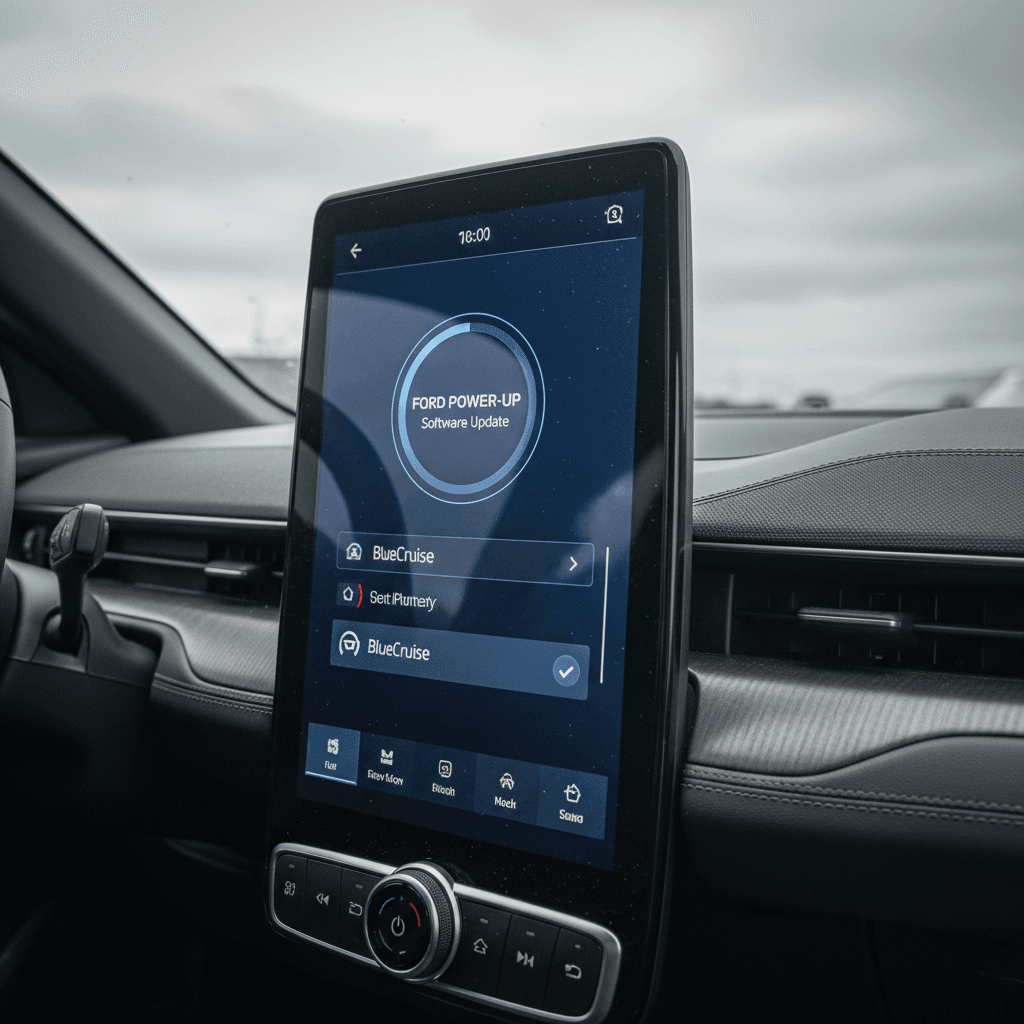
On the center screen, go to Settings → Software Updates. You’ll usually see the current Ford Power‑Up version and any pending installations. Older Mach‑Es sometimes only show the latest update, not full history.
2. Check SYNC version (with caveats)
Under system information you’ll see a SYNC 4 build number (for example, a “240xx” build on 2024 cars). It’s a rough indicator of how modern your car’s base software is, but SYNC version alone doesn’t tell the full story of Power‑Up updates or module firmware.
3. Use the FordPass app
Open FordPass → Vehicle → Settings → Software Updates. If your car has received OTAs, you should see a list of recent updates with basic release notes. Not every patch is documented here, but it’s a useful window into the last few months.
4. Check Ford’s online update history page
Ford now offers a web portal where you can log in with your Ford account and see a history of recent Power‑Up updates tied to your vehicle. It typically shows only the last several, so don’t expect a cradle‑to‑present logbook.
5. Run a recall & campaign check by VIN
Even if you don’t own the car yet, you can plug the VIN into Ford’s recall lookup tool or the NHTSA database to see open or completed campaigns. Many of those campaigns are software‑only fixes; you want to see those marked as completed.
6. If you’re buying used, ask for documentation
If a seller can show screenshots of the update history, dealer paperwork for recall software, or a recent inspection that verifies module versions, that’s gold. At Recharged, this sort of documentation feeds directly into our Recharged Score so you know what you’re getting.
Don’t chase updates; chase stability
Common owner complaints about Mach‑E OTA updates
Scroll any Mach‑E forum for more than five minutes and the themes repeat: software is powerful, occasionally brilliant, and often frustrating. If you’re living with the car, or about to buy one, it helps to know what’s normal and what isn’t.
The most common Mach‑E software gripes
Some of this is just life in the connected‑car era; some of it you can plan around.
“VIN lottery” update timing
Owners with identical trims report wildly different update schedules. One 2024 Premium might get three visible updates in a month, while its twin across town sees nothing for half a year. Ford staggers rollouts by VIN, region, and hardware, and there’s no way to force your place in line.
Updates that introduce new bugs
It’s not unusual to see a post‑update glitch: BlueCruise errors after a camera‑related patch, a power liftgate that only opens an inch, or a failed update that leaves the car undriveable until a dealer intervenes. These aren’t universal, but they happen often enough that cautious owners schedule updates when they can afford some downtime.
Confusion about Wi‑Fi vs. cellular
Some owners swear updates only arrive if the car is parked on Wi‑Fi; others never connect to Wi‑Fi and still get them. Ford’s official line is that both paths work, but large updates understandably prefer a solid connection.
Opaque release notes
Release notes can be unhelpfully vague, “improved performance” covers everything from serious bug fixes to cosmetic polish. That makes it hard for owners (and used‑EV shoppers) to understand whether a given car has received a specific improvement or just generic housekeeping.
If software is the new horsepower, most carmakers are still learning how to hand over the keys without stalling the engine.
What Mach‑E software history means when you’re buying used
If you’re cross‑shopping used Mach‑Es against, say, a Tesla Model Y or Hyundai Ioniq 5, you’re not just comparing batteries and 0–60 times. You’re comparing software cultures. Tesla pushes constant, visible change. Ford is more conservative, but still leans heavily on software to fix what used to require a wrench.
What to look for on a used Mach‑E
- Recall software closed out: Battery contactor fixes, door latch logic, park module updates, all of these should show as complete, not open.
- Reasonably current Power‑Up track: On a 2021–2023 car, you’d like to see it on the 5.X or 6.X series, not frozen back on an early 2.X build.
- Healthy BlueCruise behavior (if equipped): The car should hold hands‑free lanes as advertised, without constant warnings, nags, or camera faults.
- Predictable charging: No mysterious throttling at DC fast chargers, no chronic faults when you plug in at home.
Red flags worth probing
- Long gaps with open campaigns: If the VIN shows months or years of ignored recall software, you have to wonder what else was deferred.
- Owner reports of update‑related failures: A history of immobilizing updates or repeated BlueCruise glitches deserves a deeper diagnostic check.
- Mismatched stories: If a seller insists “everything’s up to date” but the Ford account or recall lookup disagrees, that’s your cue to walk, or to renegotiate.
How Recharged handles Mach‑E software history
FAQ: Ford Mustang Mach‑E software updates
Common questions about Mach‑E software history
Bottom line on Mach‑E software history
The Ford Mustang Mach‑E’s software update history is a study in modern carmaking. Over‑the‑air code has fixed real defects, added real capability, and occasionally lit small fires in the owner forums. If you already own one, your job is straightforward: keep automatic updates on, give the car a decent connection, and don’t ignore safety‑related campaigns. If you’re shopping used, treat software the way you treat service records, evidence of care, or neglect, written in bits instead of ink.
Done right, a well‑updated Mach‑E feels like a car that’s been steadily improved, not endlessly tinkered with. And if you’d rather not decode Ford Power‑Up spreadsheets yourself, that’s where Recharged comes in: we roll battery health, charging behavior, and software history into a single, transparent Recharged Score so you can pick the right Mach‑E with your head and your gut aligned.