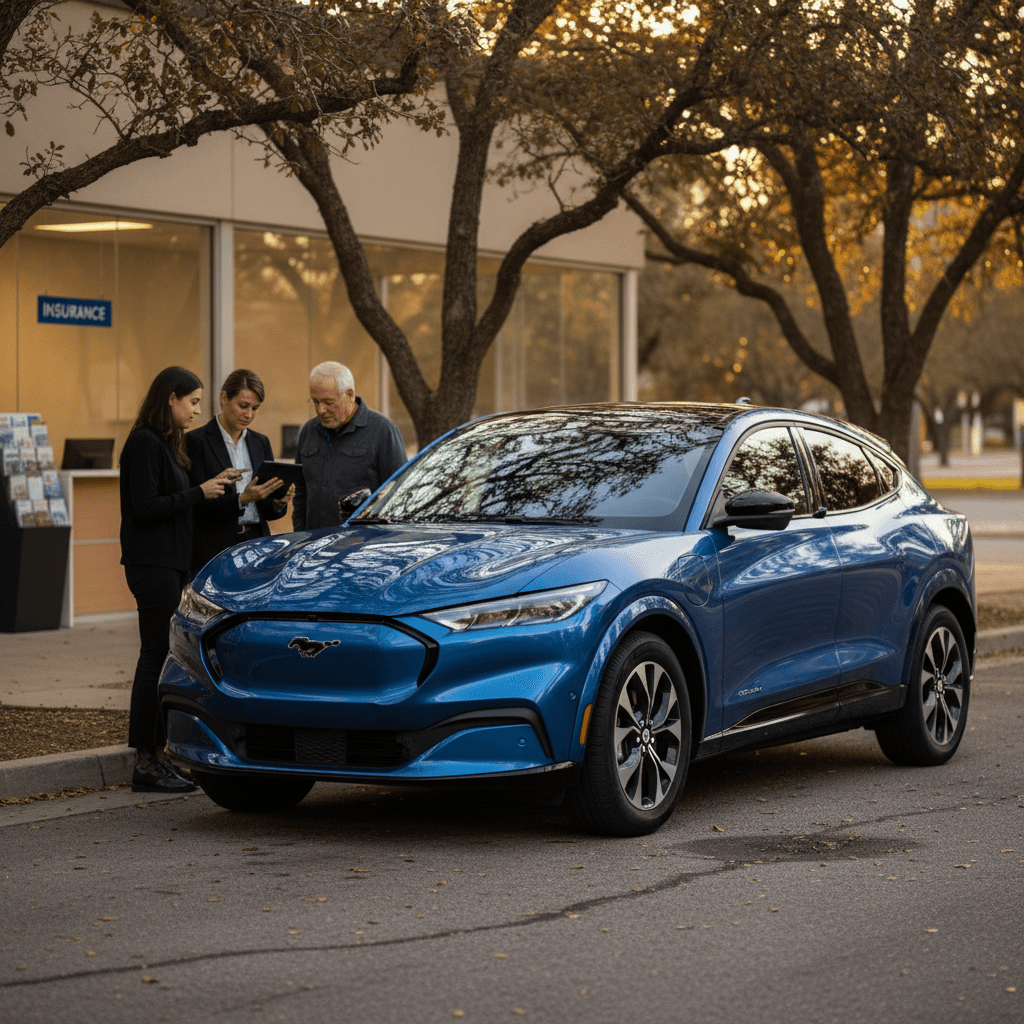
If you’re shopping for a Ford Mustang Mach-E, or already own one, you’ve probably noticed that **insurance rates can swing wildly by age**. A 19‑year‑old in a Mach‑E is a very different risk profile than a 45‑year‑old commuter, and insurers price that in. Understanding how Ford Mustang Mach-E insurance rates vary by age can help you budget realistically, decide who should be on the policy, and choose the right trim and coverage level.
Key takeaway
How age impacts Ford Mustang Mach-E insurance
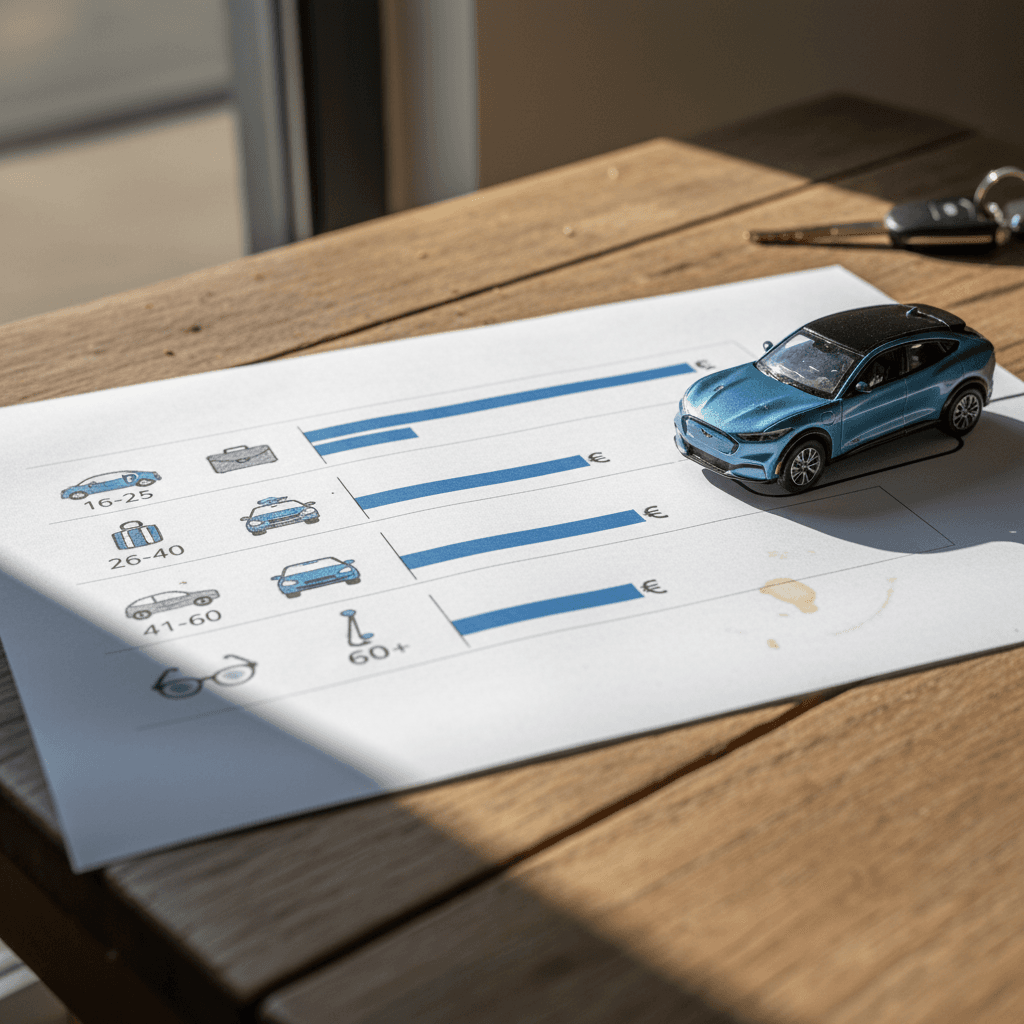
Age is one of the strongest predictors of crash risk, and insurers lean heavily on it, especially for a quick, powerful EV like the Mach‑E. Teen drivers (16–19) have far higher crash and claim rates than older drivers, so they pay the steepest premiums. Through your 20s, rates generally fall every year you stay ticket‑ and claim‑free. By your mid‑30s to late‑50s, most Mach‑E drivers with clean records see their lowest insurance costs, before premiums slowly rise again in the 60s and 70s as crash risk creeps back up.
Typical EV insurance patterns by age
Layer the age curve on top of EV pricing and you get a simple rule of thumb: a Mach‑E in the hands of an experienced driver is usually manageable to insure, but putting one on a teen’s policy can easily double or triple your total bill. That’s not a Mach‑E problem so much as an age‑and‑risk problem amplified by an expensive, high‑performance EV.
Estimated Mustang Mach-E insurance rates by age
Insurers don’t publish a single official rate card for the Mach‑E by age, and real‑world quotes vary a lot by state, trim, credit tier, and whether the car is new or used. But we can build a **reasonable 2026 estimate** using national auto‑insurance age data and current EV‑vs‑gas cost differences, then adjusting for the Mach‑E’s pricing and performance.
Estimated Ford Mustang Mach-E full-coverage insurance by age (2026)
Illustrative national averages for a Ford Mustang Mach-E with full coverage in 2026. Real quotes will vary by state, trim, mileage, credit, and driving history. Use these as ballpark planning numbers, not guarantees.
| Driver age | Typical Mach-E role | Estimated monthly premium | Estimated annual premium | How it compares to same driver in a similar gas SUV* |
|---|---|---|---|---|
| 16–18 | Primary teen driver | $550–$750 | $6,600–$9,000 | +15–30% (EV up) |
| 19–21 | College‑age driver | $400–$600 | $4,800–$7,200 | +15–25% |
| 22–24 | Early‑career | $275–$400 | $3,300–$4,800 | +10–20% |
| 25–29 | Young professional | $225–$325 | $2,700–$3,900 | +10–20% |
| 30–39 | Established driver | $200–$300 | $2,400–$3,600 | +10–20% |
| 40–54 | Lowest‑risk years | $190–$280 | $2,280–$3,360 | +10–20% |
| 55–64 | Still relatively low risk | $200–$300 | $2,400–$3,600 | +10–20% |
| 65–74 | Early senior | $225–$325 | $2,700–$3,900 | +10–25% |
| 75+ | Older senior | $275–$400 | $3,300–$4,800 | +15–30% |
Younger drivers pay the steepest premiums for a Mach-E; rates generally bottom out in midlife before rising slightly again for seniors.
Important disclaimer
You can also think of it this way: for a typical 30‑ to 50‑year‑old driver with a clean record, a Mach‑E usually lands in the same general premium ballpark as a similarly priced performance‑oriented gas crossover, just nudged higher by EV repair costs. For a 17‑year‑old, though, the Mach‑E’s extra power and high replacement value sit right at the intersection of “fun” and “expensive to fix,” so insurers price defensively.
Why EVs and the Mach-E often cost more to insure
Across the U.S. in 2025–2026, multiple datasets show **EVs typically costing 10–30% more to insure than comparable gas vehicles**, with some studies pegging the gap even higher for certain models. Several structural realities drive that difference, and the Mustang Mach‑E sits right in the middle of them.
Four reasons Mach-E insurance skews higher
These factors stack on top of age, location, and driving history.
1. Expensive high-voltage components
Even a minor front‑end crash that leaves the battery intact can damage high‑voltage wiring, inverters, and cooling hardware. Insurers have to price in the possibility of a five‑figure repair or replacement, especially on newer Mach‑E model years.
2. Limited repair capacity
Not every body shop is comfortable or certified to repair EVs. That means fewer shops, longer wait times, and higher labor rates, plus extra rental‑car days that insurers have to cover when a Mach‑E is out of service.
3. Performance and driver behavior
Many Mach‑E trims offer quick acceleration, especially the GT and Performance versions. High power plus instant torque can correlate with more severe losses when crashes do happen, particularly for inexperienced drivers.
4. High sticker prices, even used
Insurers are on the hook for the car’s replacement value. A newer or well‑equipped used Mach‑E still represents a high‑value loss compared with an older mainstream gas crossover.
Trim choice matters
Other factors that shape your Mach-E premium
Age is just one lever. For the same 2024 Mustang Mach‑E, two drivers the same age can see wildly different quotes based on the rest of their profile. Insurers effectively build a personal risk score for each household, and the Mach‑E’s characteristics get layered on top.
Don’t skimp on liability
How to save on Mach-E insurance at every age
You can’t change your age, but you have more control over your Mach‑E insurance bill than you might think. The key is to tackle the levers that insurers actually care about, and to be strategic about who drives what in your household.
Teens and drivers under 25
- Avoid making the Mach‑E their first car. A lower‑powered, cheaper vehicle tends to be dramatically cheaper to insure for young drivers.
- Use the Mach‑E as an occasional vehicle. Listing a teen as an occasional operator rather than the primary driver (when accurate) usually lowers the premium.
- Lean on discounts. Good‑student, telematics/usage‑based programs, and driver‑education courses can collectively knock double‑digit percentages off a young driver’s rate.
- Raise deductibles slightly. If cash‑flow allows, higher comprehensive and collision deductibles can soften the shock without sacrificing core protection.
Drivers 25–64
- Shop aggressively every 1–2 years. Insurers are still learning how to price EVs; some are much more Mach‑E‑friendly than others.
- Bundle home or renters. Multi‑policy discounts are often biggest in the middle‑age bands, when you’re most attractive as a customer.
- Take advantage of safety tech. Forward‑collision warning, automatic emergency braking and lane‑keeping systems can unlock discounts if the insurer recognizes them.
- Consider mileage‑based coverage. If your Mach‑E is a second car or low‑mileage commuter, pay‑per‑mile or telematics programs can be a win.
Tip for senior Mach-E drivers
Insurance and the total cost of owning a used Mach-E
Insurance is just one line item in the total cost of owning a Mustang Mach‑E, especially if you’re looking at a used example. On average, EVs save you substantial money on fuel and routine maintenance over time, which helps offset the higher insurance line. That math can look especially favorable for a lightly used Mach‑E that’s already taken its biggest depreciation hit but still carries a strong battery and modern tech.
Where Mach-E ownership costs go over time
Why slightly higher insurance isn’t the full story.
Fuel savings
Charging a Mach‑E at home is typically the equivalent of paying well under $2 per gallon in electricity in many regions, especially if you can charge off‑peak. That adds up quickly for higher‑mileage drivers.
Lower routine maintenance
No oil changes, fewer moving parts, and less brake wear (thanks to regen) mean fewer routine shop visits compared with a similarly quick gas crossover.
Depreciation and timing
Buying a used Mach‑E after the steepest early‑life depreciation can give you near‑new performance and tech at a sizeable discount, while insurance isn’t much different from a new one of the same trim.
How Recharged fits in
Is a used Mach-E a smart buy despite higher insurance?
For many drivers, the answer is yes, especially outside the teen‑driver years. If you’re in your 30s, 40s, or 50s with a clean record, **Mach‑E insurance is usually manageable**, and the car’s driving experience plus low running costs can more than justify the premium line on your budget. The key is to go in with eyes open: understand how age, trim, and location affect your quote, and shop both cars and insurance together rather than treating them as separate decisions.
Who the Mach-E usually works well for
- Commuters in their 30s–60s with clean records who want a quick, comfortable EV.
- Households adding a second car where a more modest vehicle serves as the teen driver’s primary ride.
- Shoppers cross‑shopping premium gas crossovers where total ownership cost, not just insurance, is the deciding factor.
Who should run extra numbers
- Families with multiple teen drivers where the Mach‑E would be shared widely.
- Urban drivers in high‑cost insurance states with on‑street parking and higher theft or vandalism risk.
- Budget‑sensitive buyers where even a $50–$100/month swing in premium changes the math.
If you’re considering a used Ford Mustang Mach‑E, treat insurance as a core part of the shopping process, not an afterthought. Get quotes for the exact car, coverage, and drivers you have in mind, and compare that total ownership picture against your alternatives. And if you want help pressure‑testing the numbers, the team at Recharged can walk you through battery health, fair pricing, and day‑to‑day costs so you’re confident the Mach‑E fits your budget at any age.