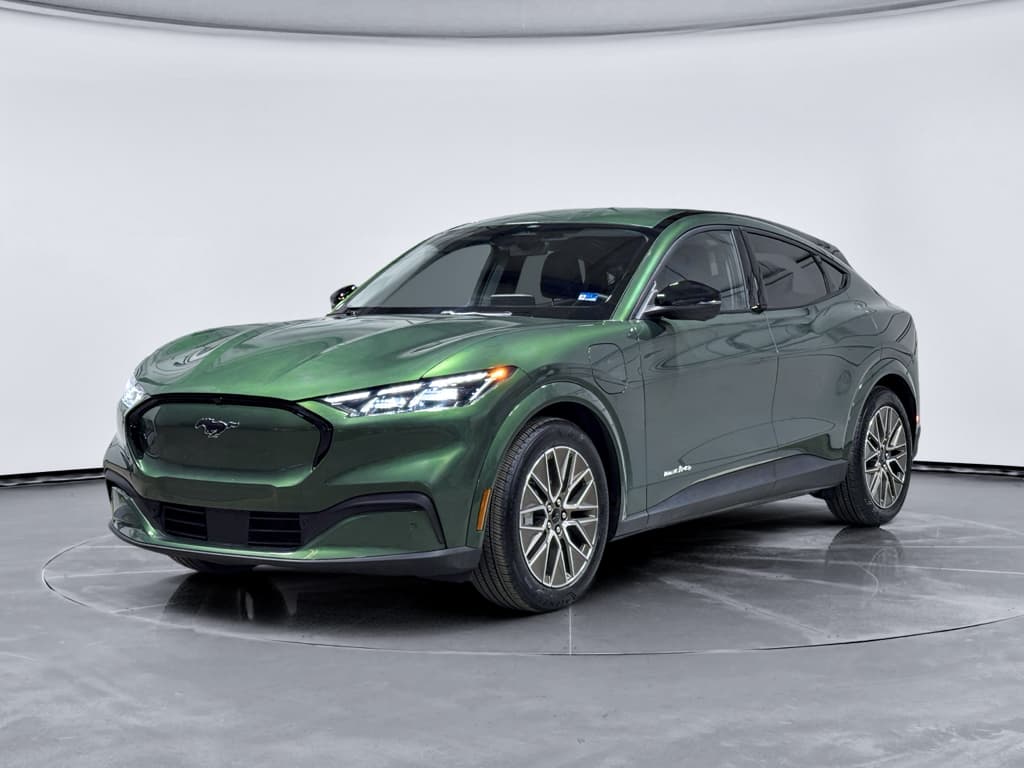
If you’re shopping for a Ford Mustang Mach‑E in 2026, insurance cost is one of the fastest ways this EV can surprise you, for better or worse. The good news is that while Ford Mustang Mach‑E insurance cost in 2026 is still higher than many gas crossovers, it’s no longer the budget-buster it was a few years ago, and there are very specific levers you can pull to bring your premium down.
Why Mach‑E insurance feels confusing right now
Ford Mustang Mach-E insurance cost in 2026: quick overview
Typical 2026 insurance costs for a Ford Mustang Mach-E
Different studies put average EV insurance premiums in 2026 around $4,000 per year for the segment as a whole, but that number is dragged up by luxury models and high‑performance trims. A Ford Mustang Mach‑E typically lands well below those extremes, closer to the $2,000–$2,600 range for a 40‑something driver with a clean record and full coverage in a typical U.S. state.
Your quote can be far outside the averages
How much is insurance for a Ford Mustang Mach-E in 2026?
Let’s put some structure around typical 2026 pricing. These aren’t offers or guarantees, but they reflect where many insurers are landing for a Ford Mustang Mach‑E in the U.S. this year:
Estimated 2026 Ford Mustang Mach-E insurance costs (U.S. averages)
Illustrative full‑coverage premiums for common driver profiles in 2026. Assumes 12,000 miles/year, comprehensive and collision, and standard liability limits.
| Driver profile & vehicle | Estimated annual premium | Estimated monthly premium | Notes |
|---|---|---|---|
| 35‑year‑old, clean record, 2024 Mach‑E Select RWD | $1,800–$2,100 | $150–$175 | Typical suburban driver with good credit and no recent claims. |
| 40‑year‑old, clean record, 2023 Mach‑E Premium eAWD | $2,000–$2,400 | $165–$200 | Popular spec; EV surcharge from repair and parts costs still bakes in. |
| 30‑year‑old, one minor at‑fault accident, 2022 Mach‑E California Route 1 | $2,400–$3,000 | $200–$250 | Prior claims and slightly older age combine to push up the rate. |
| 24‑year‑old, clean record, 2024 Mach‑E GT Performance | $3,200–$4,000+ | $265–$335+ | High‑performance trim plus youth rating is a worst‑case combination. |
| 55‑year‑old, clean record, 2021 Mach‑E Select (used purchase) | $1,500–$1,900 | $125–$160 | Older driver, older vehicle, and potentially lower comprehensive/collision limits. |
Actual rates depend heavily on your state, insurer, credit tier, and claims history, but these bands can help you sanity‑check quotes.
Real‑world reports from Mach‑E owners back this up: it’s not unusual to see numbers in the $1,100–$1,400/year range on the low end for older, higher‑deductible policies, and $3,000+ on the high end in expensive insurance states or on GT trims. The wide spread is exactly why shopping multiple quotes matters.
Use the 1% rule as a quick test
What actually drives Mustang Mach-E insurance costs?
Insurers don’t care that the Mach‑E is an enthusiast‑approved EV as much as they care about two things: how likely they are to pay a claim, and how expensive that claim will be. The Mach‑E scores well on safety but brings EV‑specific repair dynamics that still push premiums up compared with a mundane gas crossover.
Key factors behind your Mach-E insurance quote
Some you can’t change, others you absolutely can influence.
Crash safety & crash performance
The Mach‑E earns strong crash‑test scores and carries modern active safety tech. That helps keep liability and medical payments in check, especially compared with older sports coupes.
Repair costs & parts availability
EV‑specific parts (battery pack, high‑voltage electronics, aluminum body pieces) are still pricier to repair or replace than typical gas components. Longer repair times also increase rental coverage costs.
Performance & driver behavior
Even non‑GT Mach‑Es are quick. Higher torque, performance‑oriented trims, and how owners actually drive all feed into claim frequency for sporty EVs.
Where you live and park
Dense traffic, high theft regions, and extreme weather all push rates up. A garage‑kept Mach‑E in a low‑theft suburb can be hundreds cheaper to insure than the same car street‑parked in a big city.
Coverage levels & deductibles
Full coverage with low deductibles, high liability limits, and robust extras (glass, rental, roadside) will cost more. Tweaking these is one of the quickest ways to lower your Mach‑E premium.
Credit, mileage & usage
In most states, credit tier, annual mileage, and using your Mach‑E for commuting vs. business all impact price. Low‑mileage pleasure‑use policies can significantly undercut heavy‑use, long‑commute ratings.
EVs and claim severity
Mustang Mach-E vs gas Mustang: which is cheaper to insure?
Historically, the words “Ford Mustang” on a policy have been a red flag for insurers because the gas coupe attracts younger and more aggressive drivers. The Mach‑E rewrites that story somewhat: it’s a heavier, safer crossover that tends to be bought by older, more practical buyers, but it’s still a quick, stylish vehicle with expensive tech onboard.
Where the Mach‑E can be cheaper
- Safer body style: Four‑door crossover layout, better crash structure, and active safety tech help on liability and medical coverages.
- Driver profile: Many Mach‑E buyers are older and more conservative than the classic Mustang coupe demographic, which often means cleaner records.
- Usage pattern: A lot of Mach‑Es are daily commuters and family cars, not weekend drag‑strip toys, which insurers factor into claims data over time.
Where the Mach‑E is usually more expensive
- Repair and parts costs: Battery, high‑voltage systems, and aluminum panels push collision and comprehensive coverage higher.
- Newer, higher vehicle values: Even used Mach‑Es often carry higher sticker prices than many used gas Mustangs, lifting premiums.
- EV‑specific surcharges: Some insurers still load EVs broadly until they accumulate more model‑specific data.
In practice, many drivers now see similar or slightly higher premiums on a Mach‑E versus a reasonably comparable gas crossover, but potentially lower than on a high‑performance gas Mustang coupe driven by a younger owner. That nuance is why comparing quotes on both if you’re cross‑shopping makes sense.
Insurance cost examples by trim and driver profile
Because the Mach‑E range spans from practical Select trims to the GT Performance Edition, insurers don’t treat all versions equally. Here are illustrative 2026 scenarios to help you benchmark quotes:
Sample 2026 insurance scenarios for the Ford Mustang Mach-E
These are not offers, use them to sanity‑check your own quotes.
Daily commuter, Select RWD
Driver: 38, married, clean record in a mid‑cost state, 30‑mile round‑trip commute.
Vehicle: 2023 Mach‑E Select RWD, financed, full coverage, $500 deductibles.
Estimated: $1,900–$2,200/year. Could go lower with telematics or higher deductibles.
GT weekend toy
Driver: 32, one speeding ticket, urban ZIP with higher theft risk.
Vehicle: 2024 Mach‑E GT Performance, full coverage, $500 deductibles, higher liability limits.
Estimated: $3,000–$3,800/year. Performance plus location are the big cost drivers.
Low‑mileage suburban owner
Driver: 55, retired, excellent credit, low‑risk suburb, 6,000 miles/year.
Vehicle: 2021 Mach‑E Premium eAWD, owned outright, willing to carry $1,000 deductibles.
Estimated: $1,400–$1,800/year, especially with multi‑policy and telematics discounts.
Why these examples matter when you shop
10 ways to lower your Mustang Mach-E insurance cost
You can’t change the fact that an EV has an expensive battery pack in the floor, but you can absolutely influence how an underwriter sees your risk profile. Here are targeted ways Mach‑E owners are cutting premiums in 2026:
Practical steps to cut your Mach-E insurance bill
1. Get EV-friendly quotes, not generic ones
Some insurers still price EVs conservatively, while others actively seek them out and price accordingly. When you shop, look for companies advertising <strong>EV‑specific programs, telematics, or green‑vehicle discounts</strong>, their algorithms tend to treat the Mach‑E more fairly.
2. Tune your comprehensive and collision deductibles
Raising a $500 deductible to $1,000 on a Mach‑E can trim your premium noticeably, especially on higher‑value trims. Just make sure you have the cash buffer to cover that higher out‑of‑pocket cost if you do have a claim.
3. Right-size your liability limits
You don’t want to cut liability too far, but many drivers quietly carry limits that don’t match their net worth or risk profile. Talk through realistic limits with your agent; sometimes you can rebalance liability and physical‑damage coverage to fit your budget without under‑insuring yourself.
4. Enroll in a telematics or usage-based program
Because the Mach‑E already reports energy usage and driving data on your dash, pairing it with an insurer telematics app is a natural fit. Careful drivers often see <strong>10–30% discounts</strong> over time for documented low‑risk behavior and mileage.
5. Clarify your annual mileage and usage
If you work from home three days a week or primarily use the Mach‑E as a second car, make sure your policy reflects that. Being rated as a low‑mileage, pleasure‑use driver instead of a heavy‑commute driver can materially lower your premium.
6. Stack every eligible discount
Multi‑vehicle, multi‑policy (home + auto), good‑student, safe‑driver, EV or green‑vehicle, homeowner, these stackable discounts can meaningfully offset the EV repair surcharge. It’s worth asking your insurer for a <strong>line‑by‑line discount review</strong>.
7. Consider model year and trim when you buy
A used Mach‑E Select or Premium with moderate options is often cheaper to insure than a brand‑new GT Performance. When you’re shopping, build estimated insurance into your comparison of trims and model years, not just purchase price and payment.
8. Park smart and secure the car
Garaging the car, adding security cameras, or using OEM anti‑theft features (like Ford’s connected‑car services) can influence comprehensive rates and reduce the chance of theft‑related claims, particularly in higher‑risk ZIP codes.
9. Clean up tickets and claims before switching
If you’re a year away from a speeding ticket dropping off or just had a minor claim, it can pay to time your insurer switch for when your record looks its best, since many companies heavily weight the last 3–5 years of history.
10. Shop around when you change vehicles or life stage
Don’t assume your current carrier is competitive once you go electric. Major life changes, new job, new home, new Mach‑E, or kids leaving for college, are great triggers to collect new quotes and reset your pricing baseline.
Think carefully before dropping full coverage
Insuring a used Mustang Mach-E: what’s different?
By 2026, a lot of Mach‑Es on the road are used, either coming off lease or as second or third owners. That’s good news for insurance costs, because the underlying vehicle values have come down from early‑adopter highs, even as insurers have gained real‑world experience repairing them.
How used Mach‑E insurance typically compares
- Lower vehicle value: A 3–5‑year‑old Mach‑E is simply worth less than new, so collision and comprehensive coverage cost less.
- More insurer data: Underwriters now have years of Mach‑E‑specific claim history, reducing some of the early uncertainty baked into 2021–2022 pricing.
- Similar liability exposure: You’re just as capable of injuring someone in a used Mach‑E as in a new one, so liability portions of the premium don’t fall as much.
Where Recharged can give you an edge
If you’re buying a used Mach‑E through Recharged, you get a Recharged Score Report with verified battery health and transparent pricing. That matters for insurance because:
- It’s easier to decide how much physical‑damage coverage you really need when you understand the car’s true condition and value.
- A documented, well‑maintained vehicle is often easier to repair and less likely to surprise you with borderline‑total‑loss outcomes.
Our EV‑specialist team can also help you think through used EV insurance basics as part of the buying process.
Bundle financing, purchase, and insurance planning
Where Mach-E insurance fits into total ownership cost
Insurance is just one slice of the Mustang Mach‑E ownership pie. EVs often win big on fuel and routine maintenance while losing some ground on premiums and, depending on market conditions, depreciation. Looking at the full picture is the only way to know if a Mach‑E works for your budget.
How a Mach-E’s annual costs break down
High‑level snapshot of typical yearly costs for a mainstream Mach‑E driver in 2026, compared with a similar gas crossover.
| Cost category | Mach-E (typical) | Comparable gas crossover (typical) | What’s driving the difference? |
|---|---|---|---|
| Insurance (full coverage) | $2,000–$2,400 | $1,600–$2,000 | EVs still carry higher repair costs and parts pricing, especially for collision. |
| Energy (fuel/charging) | $600–$900 | $1,600–$2,200 | Electricity is usually cheaper per mile than gasoline, especially with home charging. |
| Maintenance & repairs | $500–$700 | $800–$1,100 | No oil changes, fewer moving parts, but higher prices when EV‑specific components are involved. |
| Depreciation | Depends heavily on purchase price and market | Similar ballpark over 5 years | Mach‑E values have normalized as EV prices have cooled and supply improved. |
Numbers are illustrative, but they show how higher insurance can be offset by lower fuel and maintenance.
If you focus only on the line item where the Mach‑E looks worst, insurance, you miss the bigger story. For many households, lower fueling and maintenance easily offset a few hundred dollars a year in extra premiums. That’s particularly true if you buy a fair‑priced used Mach‑E with a healthy battery instead of overpaying for a brand‑new one.
How Recharged helps keep overall costs predictable
Ready to find your next EV?
Browse VehiclesFord Mustang Mach-E insurance cost 2026: FAQs
Frequently asked questions about Mach-E insurance in 2026
The bottom line for Ford Mustang Mach‑E insurance cost in 2026 is that it’s not a mystery, just a function of repair economics, safety, and your personal risk profile. If you treat insurance as part of the Mach‑E’s total cost of ownership, shop EV‑friendly carriers, and choose the right trim and model year, you can enjoy the car’s performance and tech without letting premiums run your budget. And if you’re considering a used Mach‑E, pairing transparent battery‑health data from a platform like Recharged with smart insurance shopping is one of the most powerful ways to make electric ownership genuinely affordable.