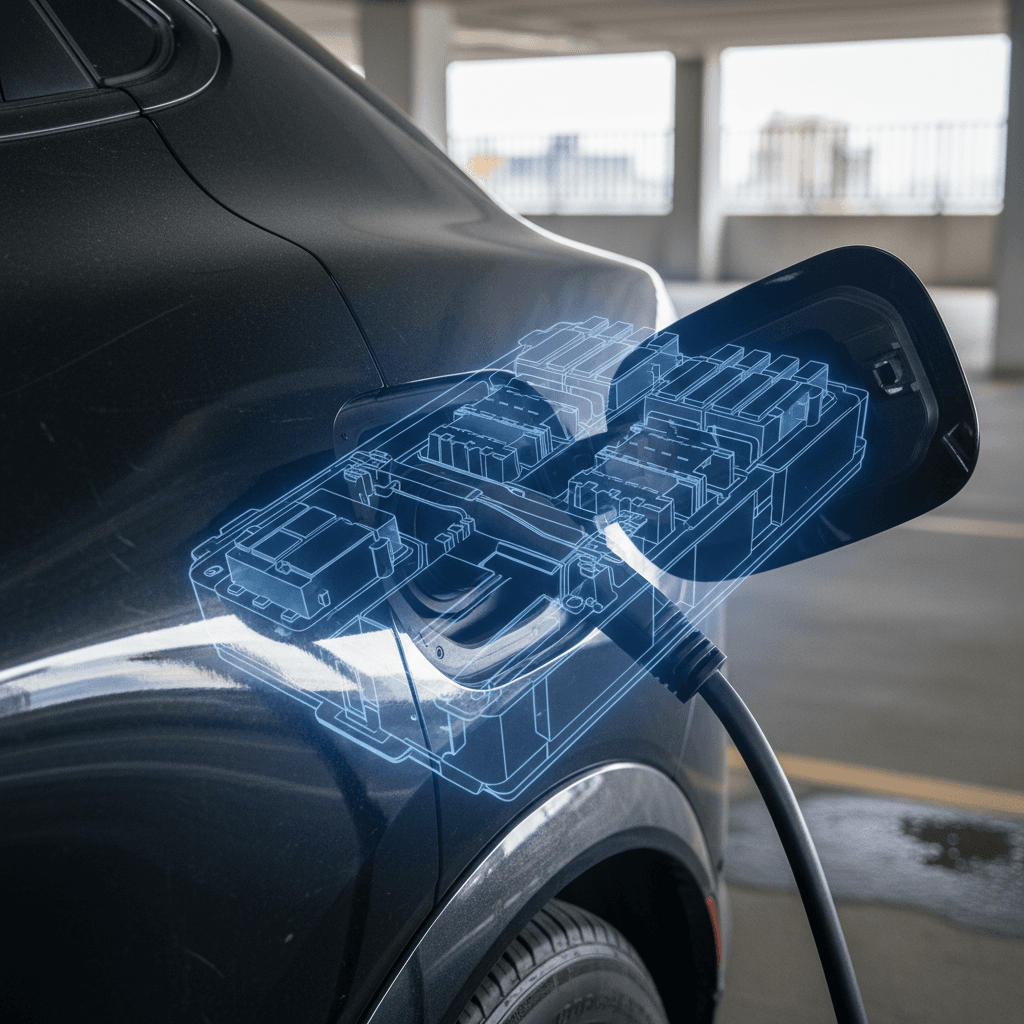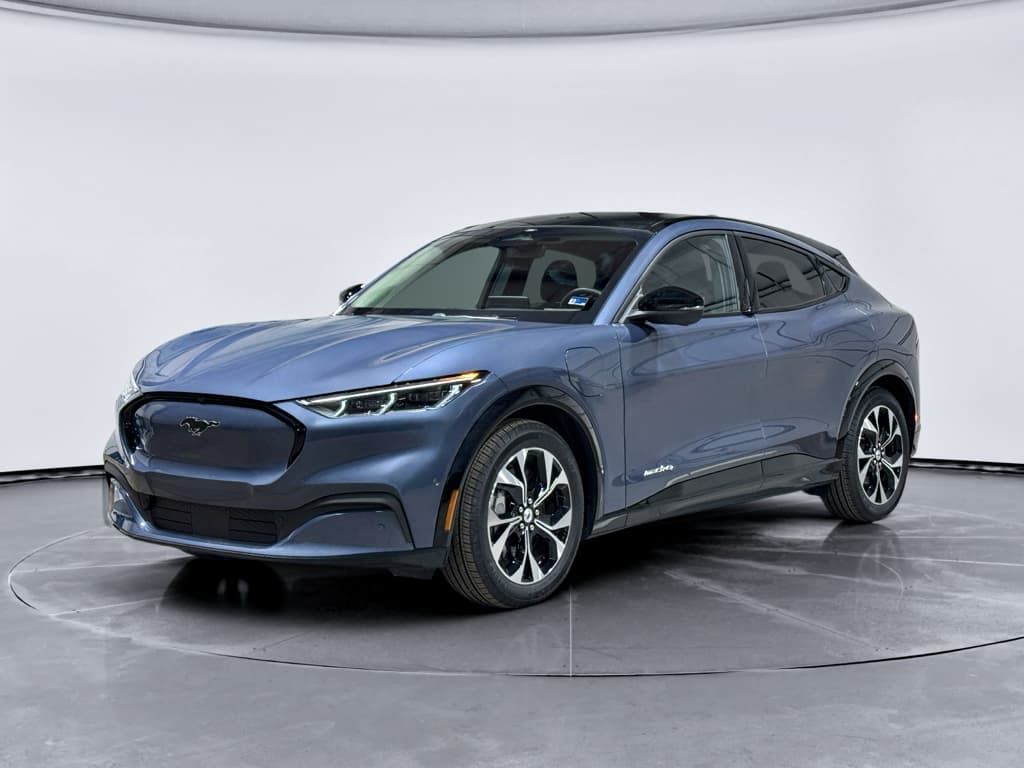
Ford’s marketing line on the Mustang Mach‑E is simple: 8 years or 100,000 miles of battery coverage. Sounds reassuring. But if you’re about to buy a Mach‑E, or a used one, that headline number immediately raises better questions: What does that battery warranty actually cover, what doesn’t it cover, and how does it work in the real world?
Quick answer
Overview: Mustang Mach-E Battery Warranty in One Glance
Ford Mustang Mach-E Warranty at a Glance
Ford’s own EV warranty language boils down to this: for the Mustang Mach‑E, the high‑voltage battery and electric‑unique components are covered for 8 years or 100,000 miles from the in‑service date, whichever comes first. That’s broadly in line with most modern EVs, and it’s fully transferable if the car is sold.
Where Recharged fits in
How Long the Mach-E Battery Warranty Lasts (Years, Miles, States)
Mustang Mach-E Factory Warranty Coverage Windows (Typical U.S. Pattern)
Approximate coverage terms you’ll see on 2021+ Ford Mustang Mach‑E models sold in the United States.
| Coverage type | Years | Miles | What it’s for |
|---|---|---|---|
| Bumper‑to‑bumper limited warranty | 3 | 36,000 | Most non‑wear items, electronics, interior, exterior defects |
| Powertrain / EV drivetrain | 5 | 60,000 | Drive unit and related hardware not separately listed as EV‑unique components |
| Electric‑unique components (incl. HV battery) | 8 | 100,000 | High‑voltage battery pack and major EV‑only hardware |
| Corrosion (perforation) | 5 | Unlimited | Rust‑through on body panels |
| Roadside assistance | 5 | 60,000 | Towing, flat tire changes, lockouts, limited battery‑related help |
Always double‑check the warranty booklet for the exact model year you’re considering, especially if you’re outside the U.S.
For **all modern Ford battery EVs in the U.S., including the Mustang Mach‑E**, the battery/EV‑component warranty is **8 years or 100,000 miles from the warranty start date**. The start date is the day the vehicle was first delivered or registered, not the model‑year printed on the window sticker.
- If you buy a 2022 Mach‑E first sold on June 1, 2022, battery coverage runs until June 1, 2030, or 100,000 miles, whichever comes first.
- If you buy that same vehicle used in 2026 with 45,000 miles, you still have 4+ years and about 55,000 miles of battery coverage left, assuming normal use.
- The clock never resets for second owners; it simply continues from that original in‑service date.
CARB states vs. the rest
What the Ford Mustang Mach-E Battery Warranty Actually Covers
Under Ford’s umbrella of Electric Unique Component coverage, the Mustang Mach‑E battery warranty focuses on the expensive high‑voltage hardware that makes the car an EV. In plain English, Ford is promising that the core propulsion system won’t fail or lose an unreasonable amount of capacity during that 8‑year/100K window.
Major Items Typically Covered Under the Mach-E Battery Warranty
Exact wording lives in the warranty booklet, but this is the practical list most owners care about.
High‑voltage battery pack
- Battery pack enclosure and internal modules
- Battery management electronics inside the pack
- HV contactors, relays, and internal wiring
eDrive / inverter hardware
- Electric drive motor(s)
- Inverter and power electronics that convert DC to AC for the motor
- Reduction gear housing where specified
Onboard charging electronics
- Onboard AC charger
- DC/DC converter (high‑voltage to 12V)
- Bussed Electrical Center, Battery Energy Control Module, and related EV controllers
If any of these components fail due to defects in materials or workmanship within the warranty period, Ford’s responsibility is to repair or replace the part, often with new or remanufactured components, at no charge to you, aside from any small deductible if you’re working through an extended service plan rather than the base factory warranty.
Good news for used buyers
Battery Capacity Loss: The 70% Rule Explained
Battery warranties live or die on a single concept: capacity loss. Ford explicitly notes that its hybrid and EV battery warranty covers “excessive capacity loss” for 8 years/100,000 miles. In practice, that’s generally interpreted as a floor of about 70% of original usable capacity for the Mustang Mach‑E.
What “70% of original capacity” means
- If your Mach‑E launched with a 91 kWh usable pack, 70% would be around 64 kWh.
- If it launched with ~70 kWh usable, 70% would be about 49 kWh.
Capacity translates directly into range. So if your EPA‑rated 270‑mile Mach‑E has genuinely lost 30% of its usable energy, you’re now looking at something like 185–190 miles in similar conditions.
How Ford evaluates capacity loss
- Ford will not simply take your word, or your home app’s word, for range loss.
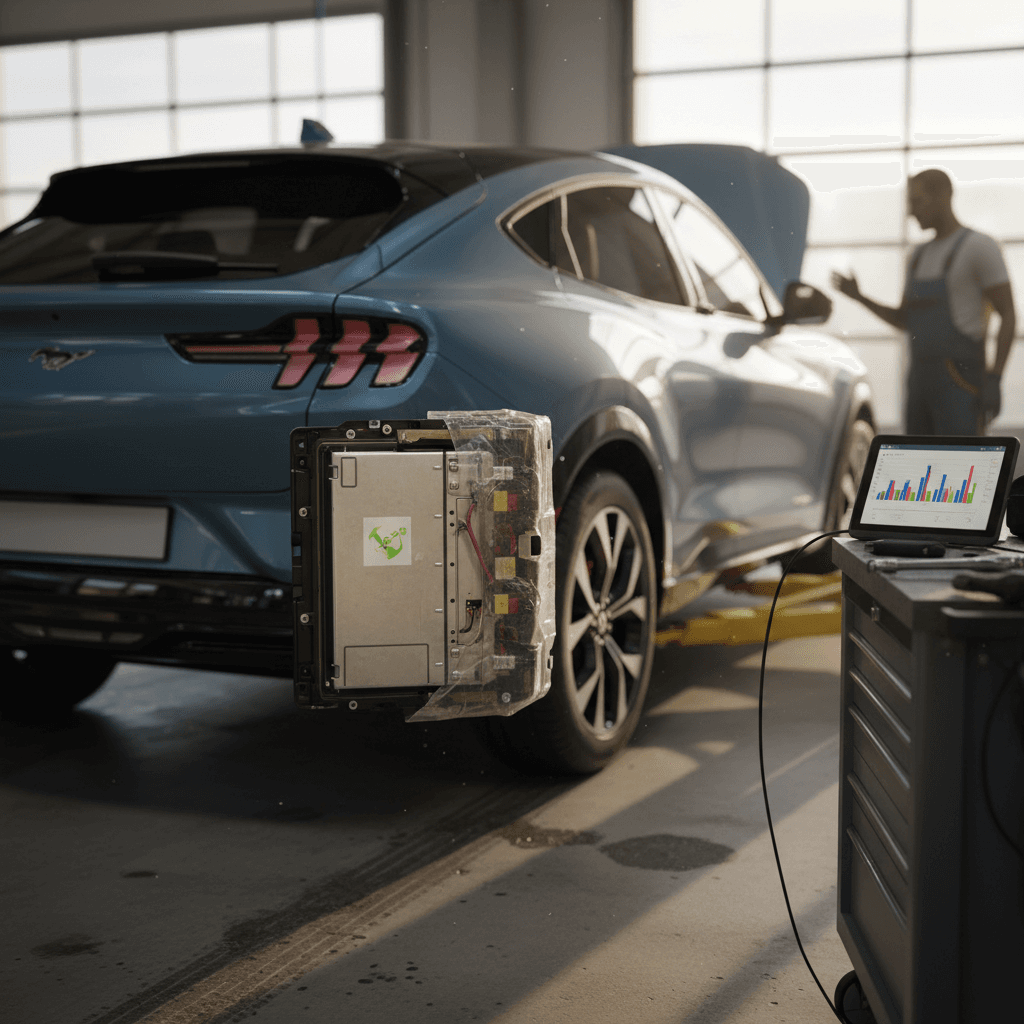
- The dealer uses factory diagnostic tools to measure the pack’s health and usable energy.
- If it’s below the warranty threshold and within 8 years/100K, Ford can authorize module replacement or, in some cases, a full pack swap.
Subjective impressions (“it feels like less range”) usually aren’t enough, you need diagnosed, verifiable degradation.
Normal vs. warrantable degradation
What the Mach-E Battery Warranty Does NOT Cover
The fine print is where disappointment usually lives. Ford’s Mach‑E battery warranty is generous by gasoline‑car standards, but it’s not a blank check. Several categories of issues are either partially covered or not covered at all.
Common Mach-E Battery Issues the Warranty Won’t Pay For
Cosmetic damage or light corrosion
Scratches on the battery enclosure, minor surface corrosion on brackets, or collision damage to underbody panels generally aren’t covered. Those are body‑shop or insurance territory, not battery warranty claims.
Range loss from driving style or conditions
If your winter highway range is disappointing, that doesn’t mean the battery is failing. High speeds, cold temperatures, roof racks, and big wheels can all cut range without any warrantable fault in the pack.
Damage from accidents or external events
Flooding, severe underbody impacts, fire from external causes, or improper recovery/towing can all damage the battery. These are insurance claims, not warranty claims, unless Ford identifies a separate manufacturing defect.
Improper modifications or repairs
Aftermarket high‑voltage modifications, unauthorized tap‑ins to the battery, or non‑Ford repairs to EV components can void coverage if they’re deemed to have contributed to the failure.
Normal wear items outside EV coverage
12‑volt batteries, tires, brake pads, and suspension parts aren’t covered by the EV battery warranty, even though they affect how the car drives and feels day to day.
The big misconception
Other EV Components Covered Under the 8‑Year/100K Warranty
The Mach‑E’s battery coverage is part of a larger **Electric Unique Component** package that protects many of the high‑voltage systems that would be extremely expensive to replace out of pocket. That’s one of the underrated perks of the Mach‑E warranty: you’re not just insuring the battery pack itself.
Examples of EV Components Typically Covered for 8 Years/100,000 Miles
Exact component names can vary in Ford literature, but these are the big‑ticket items most buyers care about.
| Component | Role in the car | Why it matters |
|---|---|---|
| High‑voltage battery assembly | Stores energy for propulsion | Single most expensive component in the vehicle |
| Battery Energy Control Module (BECM) | Supervises pack health, charging, thermal limits | Bad behavior here can mimic a dying pack |
| Onboard AC charger | Converts AC from Level 1/2 into DC for the pack | Failure can leave you unable to charge at home |
| DC/DC converter | Steps high‑voltage pack power down to 12V | Keeps the 12‑volt system alive for lights, infotainment, electronics |
| Inverter / e‑drive assembly | Drives the motor and manages power flow | Core to acceleration and regenerative braking behavior |
Covered parts must fail due to defects in materials or workmanship, not abuse or accidents.
If any of these fail under normal use during the 8‑year/100K period, you’re generally looking at a warranty repair rather than a high‑four‑ or five‑figure surprise on your own dime.
Buying a Used Mustang Mach-E: How Battery Warranty Transfers
If you’re shopping used, and especially if you’re staring at a higher‑mileage Mach‑E with a tempting price, the obvious question is: how much of that sweet 8‑year/100K coverage is actually left? The good news is that Ford’s EV battery warranty is fully transferable to subsequent owners.
How transfer works
- The warranty is tied to the VIN, not the owner.
- When the car changes hands, dealer sale, private party, or through a marketplace like Recharged, the remaining time and mileage follow the vehicle.
- No transfer fee or paperwork is typically required beyond normal title/registration.
What this looks like in practice
- A 2021 Mach‑E first sold on March 1, 2021 has battery coverage until March 1, 2029, or 100,000 miles.
- If you buy it in 2026 with 60,000 miles, you have ~3 years and 40,000 miles of EV component coverage left.
- If it already has 105,000 miles, the battery warranty is over even if the calendar says 2027.
Where Recharged helps used buyers
How to Check Your Mach-E’s Remaining Battery Warranty
You don’t have to guess how much warranty remains on a specific Mustang Mach‑E. With a VIN and a couple of minutes, you can get a pretty accurate picture.
Steps to Confirm Your Mach-E Battery Warranty Status
1. Find the original in‑service date
Ask the seller for Ford’s OASIS (dealer service) printout or an official Ford warranty status report. This will show the exact date the car first went into service, which starts all the clocks.
2. Verify current mileage
Check the odometer yourself, not just a listing photo. Remember: the <strong>first event to occur, 8 years OR 100,000 miles, ends battery coverage</strong>.
3. Use Ford’s owner portal or app
If you register the VIN in FordPass or Ford’s owner site, you can often see warranty coverages and expiration dates. It’s not perfect, but it’s a useful cross‑check against dealer paperwork.
4. Ask a Ford service department
Any Ford dealer can run your VIN and quote remaining coverage. This is especially helpful if you’re near the limits (say, 90,000+ miles or year 7).
5. For used listings, ask for documentation
If you’re shopping outside a platform like Recharged, ask the seller for recent dealer service records. They often note warranty campaign status, battery recalls, or EV component work that can affect coverage.
Real-World Scenarios: Will This Be Covered?
Let’s get out of the brochure and into the world where people actually live, with long commutes, winter road trips, and the occasional pothole that feels like it reaches the Earth’s mantle. Here’s how the Mach‑E battery warranty tends to behave in real‑life situations.
Common Mach-E Battery Questions, Answered Like a Service Advisor
Not legal advice, just practical expectations based on how Ford structures the warranty.
“My winter range fell by 30%. Is the battery toast?”
“At 95,000 miles my range feels 20% lower year‑round.”
“The car threw a high‑voltage system fault and won’t drive.”
“The car sat in a flooded parking lot and now it’s dead.”
How Not to Void Your Mach-E Battery Warranty
You don’t need to baby the Mach‑E like a museum piece, but the warranty assumes you’re using the car as an ordinary road vehicle, not a science experiment. A few habits can either protect your coverage, or give Ford an excuse to say no when you need help.
- Follow Ford’s charging guidance. Regular DC fast charging is allowed; it’s part of normal use. But any third‑party hack that bypasses factory charge controls is playing with fire, both literally and warrantably.
- Avoid DIY high‑voltage work. 12‑volt battery swaps and tires are fair game; opening the HV battery, splicing into orange cables, or bypassing safety interlocks is not.
- Fix collision damage correctly. If the underbody or battery shield takes a hit, have it inspected and properly repaired. Driving for years with bent or missing protection is an easy out for a denied claim after the next impact.
- Keep software reasonably current. Ford sometimes issues updates that change how the car manages the battery. Consistently ignoring available updates could complicate future claims if an update addressed a known issue.
Extended warranties vs. battery coverage
Ford Mustang Mach-E Battery Warranty FAQ
Ford Mustang Mach-E Battery Warranty: Frequently Asked Questions
Bottom Line: How Much Peace of Mind Does the Mach-E Battery Warranty Give You?
Strip away the legalese and the Ford Mustang Mach‑E battery warranty is actually pretty straightforward: for 8 years or 100,000 miles from the day it first hit the road, Ford is on the hook if the high‑voltage battery or core EV hardware fails, or if the pack degrades abnormally fast below about 70% of its original capacity. It won’t protect you from every annoyance, winter range drops, optimistic EPA ratings, or the realities of a road‑trip‑heavy life, but it does insulate you from the rare, catastrophic failures that keep EV skeptics awake at night.
If you’re buying new, that’s a long safety net. If you’re buying used, the trick is knowing how much of that net is left on a particular VIN, and whether the real‑world battery data backs up the promise. That’s exactly what Recharged’s Recharged Score and battery health diagnostics are built to surface, so you can buy a Mustang Mach‑E with your eyes wide open, not your fingers crossed.