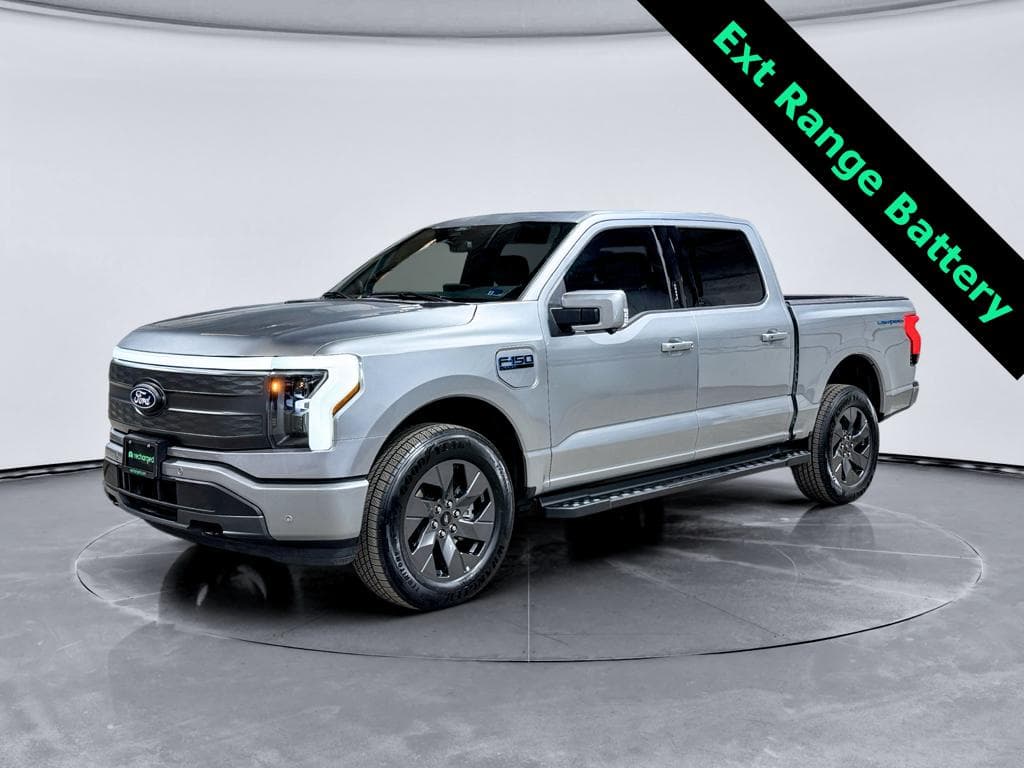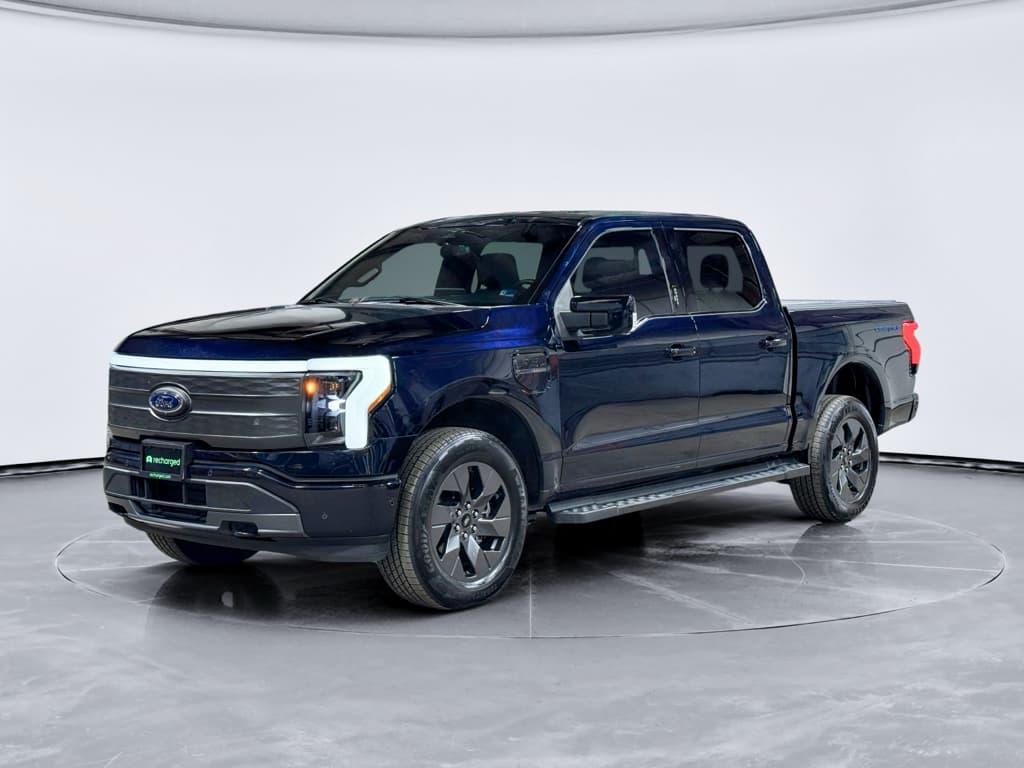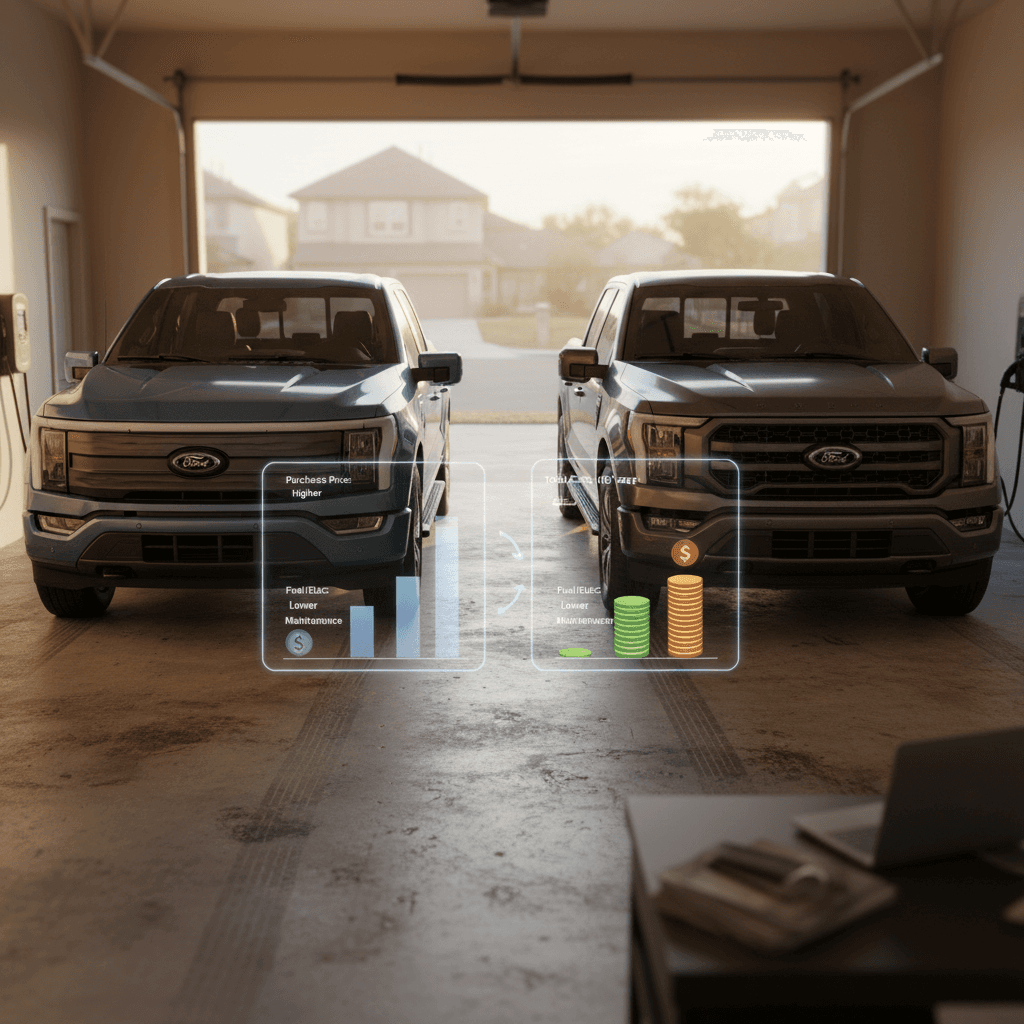
If you’re cross-shopping a Ford F-150 Lightning against a traditional gas or hybrid Ford F-150 for a 2026 purchase, the price tags don’t tell the whole story. Between changing incentives, volatile gas prices, and an evolving used-EV market, you need to think in terms of total cost of ownership, not just what’s on the Monroney sticker.
Context: model years vs calendar years
Why 2026 F-150 costs look different
Over the last few years, Ford has repeatedly adjusted Ford F-150 Lightning pricing as battery costs, demand, and competition have shifted. By the 2025 model year, Lightning MSRPs had stabilized after earlier price hikes, while gas and hybrid F-150s continued their slow, familiar climbs. At the same time, federal EV incentives have been reshuffled, and several states have added EV registration surcharges even as they keep or expand rebates.
Quick cost snapshot: Lightning vs gas F-150 (typical U.S. case)
Those averages hide a lot of nuance. A homeowner charging overnight on cheap electricity will see a very different payoff than a driver who relies on road-trip fast charging or lives in a high-rate utility district. That’s why we’ll walk through both upfront costs and ongoing costs with simple, 5‑year examples you can adapt to your own situation.
Sticker price: F-150 Lightning vs gas and hybrid
Let’s start where every deal sheet starts: MSRP. By the mid‑2020s, Ford had repositioned the F-150 Lightning lineup upward from its original 2022 launch prices, while mainstream gas and PowerBoost hybrid F-150s remained cheaper to buy new. For 2025, Ford kept Lightning pricing essentially flat across its trims, and dealers frequently discount from MSRP, especially on higher trims.
Typical new MSRPs: 2025 F-150 Lightning vs 2024–2025 F-150 (U.S.)
Approximate starting MSRPs before destination, options, or incentives. Real-world transaction prices can be several thousand dollars lower once dealer discounts and manufacturer incentives are applied.
| Model / Trim | Drivetrain | Approx. starting MSRP (new) | Notes |
|---|---|---|---|
| F-150 Lightning XLT | All-electric AWD | ≈$65,000+ | 2025 pricing; extended-range battery often included on higher trims. |
| F-150 Lightning Flash | All-electric AWD | ≈$70,000+ | Typically qualifies for maximum federal credit when available and price cap is met. |
| F-150 Lightning Lariat | All-electric AWD | ≈$79,000+ | Luxury and tech oriented; can climb quickly with options. |
| F-150 Lightning Platinum | All-electric AWD | ≈$87,000+ | Range-topping EV truck with most features standard. |
| F-150 XLT (gas V6/V8) | Gas 4x2/4x4 | ≈$45,000–$55,000 | Popular volume trims; prices vary heavily by cab, bed, and engine. |
| F-150 Lariat (gas) | Gas 4x2/4x4 | ≈$60,000–$70,000 | Comparable comfort and tech to a Lightning Lariat at a lower base price. |
| F-150 PowerBoost Hybrid | Gas–electric hybrid | Typically +$2,500 over similar gas trim | Adds fuel savings and Pro Power Onboard but still burns gasoline. |
Use this as a directional comparison; always verify current pricing on Ford’s site or with your dealer.
Don’t compare base to base
In simple terms, if you option a gas F-150 XLT or Lariat to match a Lightning’s comfort and tech, you’ll often find the Lightning still costs roughly $8,000–$12,000 more new at the outset. The hybrid PowerBoost typically narrows that gap by raising the gas truck’s price, but not enough to erase it.
Incentives and tax credits through late 2025
Federal and state incentives can chip away at that premium, especially if you’re buying before newer rules phase out some credits. Under the Inflation Reduction Act rules still in effect for the 2025 calendar year, certain F-150 Lightning trims assembled and sourced in North America can qualify for a federal clean-vehicle credit of up to $7,500, subject to MSRP caps and income limits.
- New F-150 Lightning Flash and select other trims may qualify for up to $7,500 in federal tax credits on purchases in 2025, as long as price caps and buyer income limits are met.
- Higher trims pushing near or above the $80,000 cap can lose eligibility quickly, especially once options are added.
- Leasing can unlock incentives even when a particular trim doesn’t qualify on a purchase, because the credit goes to the leasing company and is often passed through as lower payments.
- Many states layer on rebates, tax exemptions, or reduced registration fees for EVs, but several also now charge annual EV registration surcharges to replace lost gas-tax revenue.
Watch the federal-credit sunset date
Gas and hybrid F-150s generally don’t qualify for these EV-specific credits, though a plug-in hybrid variant would if Ford ever adds one at volume. That means through late 2025, the Lightning can effectively narrow its higher MSRP by several thousand dollars, especially if you stack a federal credit, a strong dealer discount, and a state-level rebate. By 2026, much of that head start may be gone, and the cost picture shifts back toward energy and maintenance savings.
Fuel vs electricity: what it costs to drive 12,000 miles a year
For most truck owners, what they pay every month to keep the tank or battery full matters more than the day-one purchase price. Here’s a simplified way to think about it for a typical 12,000‑mile‑per‑year driver in the U.S. in the mid‑2020s.
Assumptions: F-150 Lightning
- Real‑world efficiency: 2.0–2.3 miles/kWh for mixed driving.
- Home charging rate: $0.13–$0.17/kWh on an EV or off‑peak plan.
- Occasional DC fast charging on trips at $0.40–$0.60/kWh.
Many owners who mostly charge at home report effective fuel costs of roughly $0.07–$0.12 per mile, depending on rates and driving style.
Assumptions: Gas or hybrid F-150
- Gas F-150 fuel economy: 18–20 mpg combined for common trims.
- Hybrid PowerBoost: often around 22–24 mpg combined in mixed use.
- Gasoline price: $3.50–$4.00/gal national average over time, with plenty of local variation.
That typically works out to about $0.17–$0.22 per mile for a gas F‑150 and a bit less for the hybrid when prices are in this range.
Illustrative annual energy cost: 12,000 miles per year
Rounded estimates based on the assumptions above. Your costs will vary with driving style, climate, towing, rates, and how often you fast‑charge.
| Truck / scenario | Energy cost per mile | Estimated annual energy cost |
|---|---|---|
| F-150 Lightning, mostly home charging | ≈$0.08/mi | ≈$960/year |
| F-150 Lightning, mix of home + some DC fast charging | ≈$0.11/mi | ≈$1,320/year |
| Gas F-150 at 19 mpg, $3.75/gal | ≈$0.20/mi | ≈$2,400/year |
| Hybrid PowerBoost at 23 mpg, $3.75/gal | ≈$0.16/mi | ≈$1,920/year |
Think of these as ballpark numbers, not a quote from your utility or fuel station.
Run your own numbers in a few minutes
In most typical U.S. scenarios, a Lightning owner charging primarily at home will spend roughly half to two‑thirds as much on energy as a comparable gas F-150 driver. If you tow heavy frequently or live where electricity is unusually expensive, the gap narrows, but for many households, electricity remains the cheaper “fuel.”
Maintenance and repairs: where EVs often win
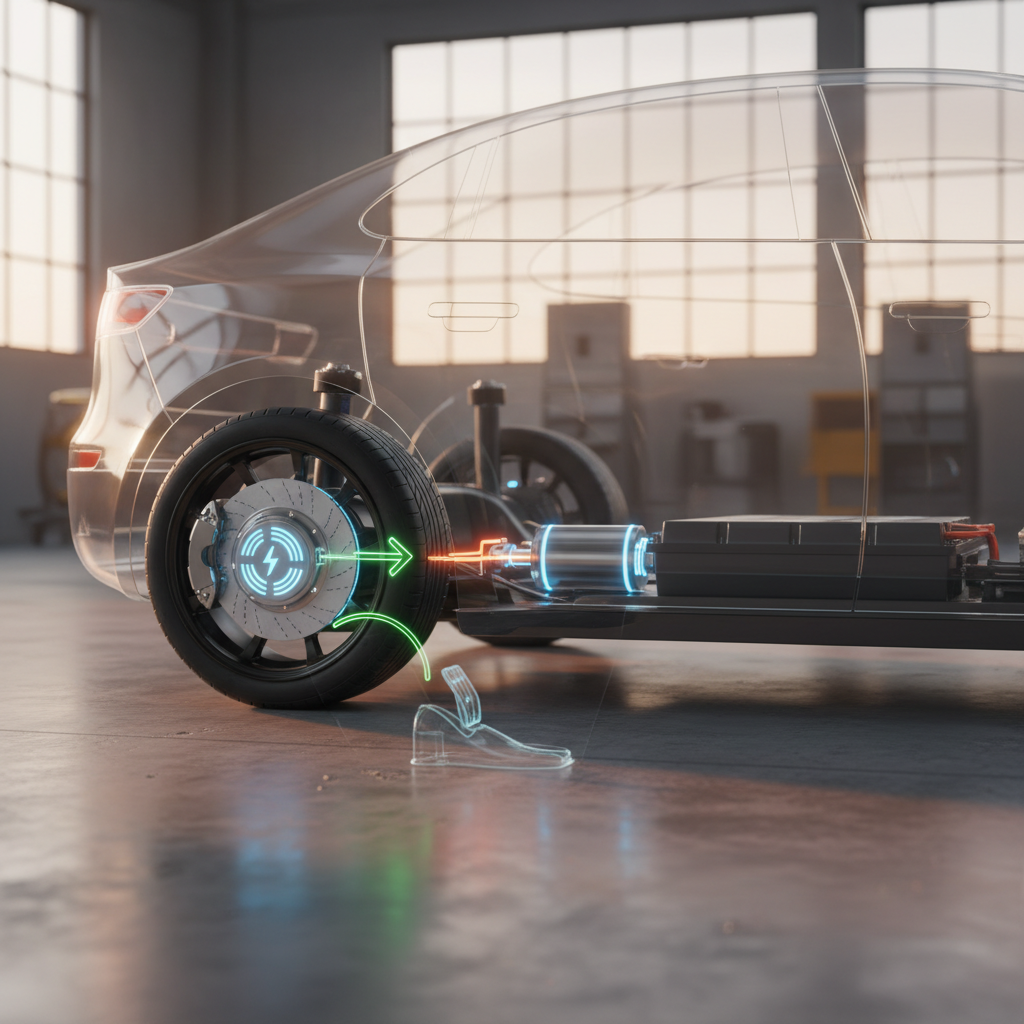
The F-150 Lightning doesn’t need oil changes, spark plugs, or transmission services, and its regenerative braking helps extend brake life. Over time, that translates into fewer line items on your service receipts compared with a traditional gas or hybrid F-150, even though some wear items, like tires, cost about the same or slightly more on the heavier EV.
Typical maintenance differences: Lightning vs gas F-150
Same truck family, very different service schedules
No engine oil or filters
Simpler driveline
Battery & software are new costs
Don’t forget tires and alignment
Put simply, routine maintenance tends to be cheaper and less frequent on the Lightning, while unexpected repairs can be pricier if they involve high‑voltage components outside warranty. Many owners find that, averaged over the first 5–8 years, the EV still comes out ahead on service spend compared with a similarly used gas truck.
Insurance, registration, and other ownership costs
Insurance and registration can quietly tilt the total‑cost picture, especially on higher‑value trucks. Lightning owners often see slightly higher insurance premiums than comparable gas F-150 drivers, a function of higher vehicle values, more expensive bodywork, and limited repair networks in some regions. At the same time, some states tack on annual EV surcharges to replace lost gas-tax revenue, even where they offer purchase rebates.
- Insurance: Expect like‑for‑like Lightning coverage to cost somewhat more than a comparable gas F-150, particularly on higher trims, though good driver profiles and regional competition can blunt the difference.
- Registration: Some states charge extra EV registration fees that can add $100–$300 per year, while others reduce or waive registration on new EVs for several years.
- Home charging install: Many owners spend $800–$2,500 to add a Level 2 home charger and electrical work. That’s an upfront cost, but spread over years of driving it can be less than a single year of gas savings.
- Charging network fees: If you rely heavily on DC fast charging, factor in idle fees, membership tiers, and peak‑pricing windows when you compare against a gas pump.
Think in “all‑in” monthly terms
Total cost of ownership: 5-year scenarios
To bring this home, let’s sketch two simplified 5‑year scenarios for a buyer cross‑shopping in 2026. These aren’t predictions; they’re frameworks you can adjust with your own quotes, rates, and driving patterns. We’ll assume 12,000 miles per year, typical insurance, and average maintenance in the U.S.
Scenario A: Suburban homeowner, lots of commuting
- Use case: 15–18k miles/year, mostly commuting, light towing.
- Charging: 90% home charging at $0.14/kWh, 10% DC fast charging.
- Trucks compared: F‑150 Lightning XLT vs. similarly equipped gas F‑150 XLT 4x4.
In this scenario, the Lightning’s higher purchase price is offset more quickly by lower “fuel” and maintenance. Over 5 years, it’s common to see the EV approach cost parity or come out slightly ahead, especially if the buyer captured a federal or state incentive before late 2025.
Scenario B: Low‑mileage driver, limited home charging
- Use case: 8–10k miles/year, short trips, some public charging.
- Charging: Mix of apartment L2 and DCFC at higher rates.
- Trucks compared: F‑150 Lightning Lariat vs. gas F‑150 Lariat or PowerBoost.
Here, the Lightning’s energy and maintenance savings are smaller, while purchase price and insurance remain higher. Over 5 years, the gas or hybrid F‑150 often remains cheaper to own, unless the EV was purchased with deep discounts or incentives.
Where the Lightning makes the most financial sense
On the flip side, if you drive relatively few miles, can’t easily install home charging, and your local electricity rates are high, a gas or hybrid F-150 may remain the financially safer bet, especially in a world where some federal incentives taper off after 2025.
Used market trends: Lightning vs gas F-150
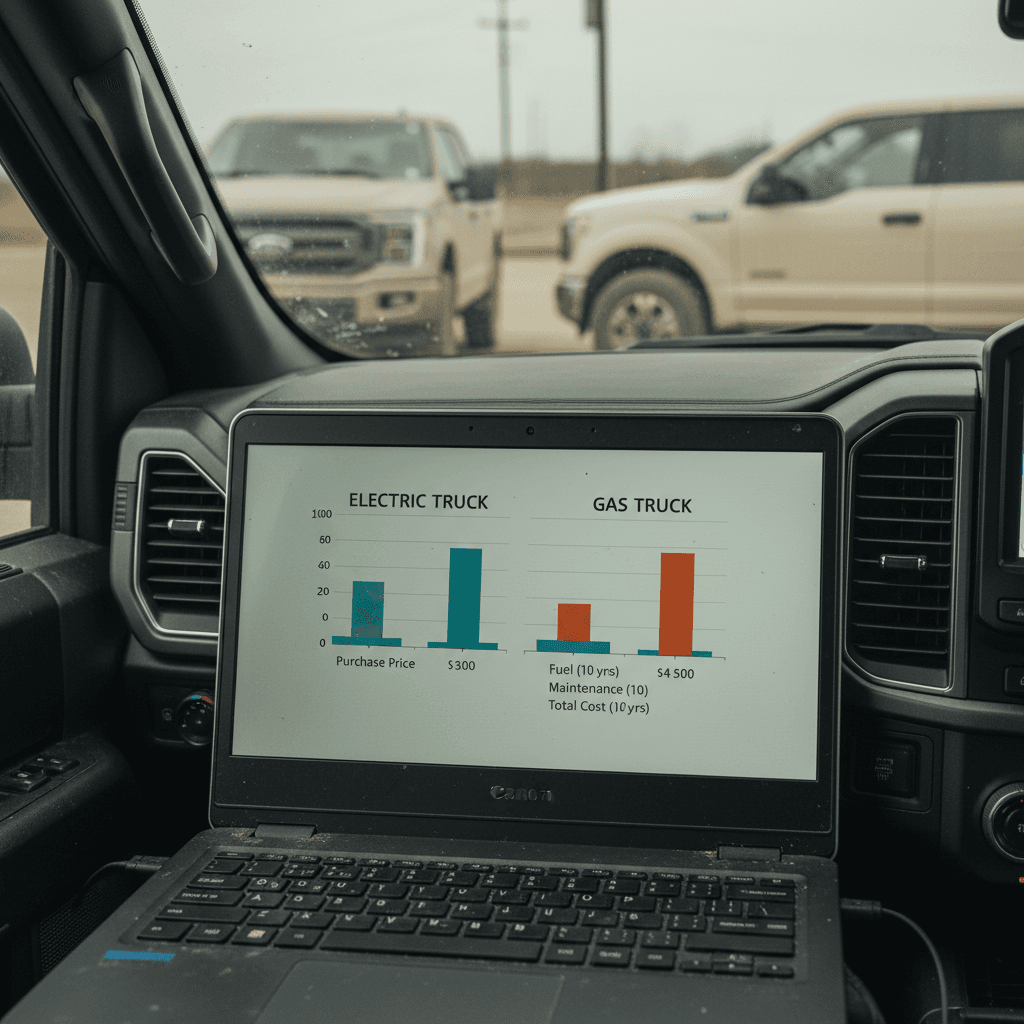
By 2026, early F-150 Lightnings from 2022–2024 will make up a growing share of the used‑truck market. Those first‑wave trucks have already seen steeper depreciation than some owners expected, driven by price cuts on new trucks, evolving incentives, and lingering questions around battery longevity and demand for full‑size EV pickups.
Key used-truck cost factors in 2026
Why a used Lightning might pencil out differently than a new one
Faster EV depreciation (for now)
Battery health is everything
Gas F-150s hold value steadily
How Recharged fits in
For some buyers, a well‑priced used Lightning with documented battery health can be the sweet spot: much lower upfront price than new, but with many years of useful life and most of the energy‑cost advantage intact. Others will prefer the predictability of a late‑model gas F-150 whose long‑term resale patterns are more established.
Which F-150 makes sense for you in 2026?
Quick decision checklist: Lightning vs gas F-150
1. How many miles do you drive each year?
If you’re regularly topping 15,000 miles a year, the Lightning’s lower per‑mile energy and maintenance costs have more time to work in your favor. If you’re closer to 8,000–10,000 miles, the gas or hybrid F‑150’s lower upfront price may be hard to beat.
2. Can you charge reliably at home or work?
Home or workplace Level 2 charging at reasonable rates is almost a prerequisite for the Lightning to shine on cost. If you’ll rely mostly on public fast charging, the math gets tougher, and a gas F‑150 starts to look more attractive.
3. Are you buying before or after key incentives fade?
A Lightning bought with a full federal credit and strong dealer incentives in 2025 looks very different on a spreadsheet than one purchased in late 2026 after those programs change. Time your purchase if you can.
4. How long do you plan to keep the truck?
The longer you own and drive the truck, the more chances the Lightning has to earn back its premium. Short‑term leases or frequent trade‑ins tend to favor models with slower depreciation, and that’s still the gas F‑150 in most cases.
5. How comfortable are you with new tech risk?
Gas and hybrid F‑150s are known quantities. The Lightning adds more software, more electronics, and a massive battery. If that excites you, the EV may be worth the risk. If it worries you, a conventional truck may fit better.
Step back and the pattern is clear: high‑mileage, home‑charging owners who captured incentives are the ones most likely to find that an F‑150 Lightning undercuts a comparable gas F‑150 on 5‑ to 8‑year total cost. Low‑mileage drivers without reliable home charging, or buyers shopping after key credits expire, will more often see the gas or hybrid truck maintain an edge on pure dollars and cents.
How Recharged can help you run the numbers
A spreadsheet can tell you only so much. The real challenge is finding the right truck at the right price with enough transparency that you’re confident in your long‑term costs, especially if you’re considering a used F‑150 Lightning.
Buying a used F-150 Lightning or other EV
- Verified battery health: Every EV on Recharged comes with a Recharged Score Report that measures real battery condition, so you’re not guessing how much range you’ll have in year eight.
- Fair market pricing: Pricing is benchmarked against national market data, so you can see how a used Lightning stacks up against gas trucks in similar condition.
- Financing and nationwide delivery: You can line up financing, trade‑in, and shipping without leaving your couch.
Trading or selling your current truck
- Instant offer or consignment: Whether you’re in a gas F‑150 today or already driving a Lightning, you can get an instant cash offer or list your truck on consignment.
- Expert EV guidance: EV‑specialist support can walk you through realistic charging costs, local incentives, and how a used Lightning compares to other trucks on your shortlist.
- Experience Center: If you’re near Richmond, VA, you can visit the Recharged Experience Center to see vehicles in person and talk through the numbers.
If you treat your next F‑150 as a multi‑year investment, not just a monthly payment, the tradeoffs between the Ford F‑150 Lightning and a gas or hybrid F‑150 come into focus. For the right driver with the right charging setup, the Lightning’s quieter operation and lower running costs can justify, 甚至 erase, its price premium over time. For others, especially in a post‑credit 2026 landscape, a well‑chosen gas or hybrid F‑150 will still deliver the familiar blend of capability and cost control they’re used to. The key is running the math honestly against your own life, and using transparent tools and partners to help you do it.
FAQ: F-150 Lightning vs F-150 cost questions
Frequently asked cost questions
“For truck buyers, the shift from gas to electric isn’t just about torque and tech. It’s about understanding a completely different cost profile over the life of the vehicle.”