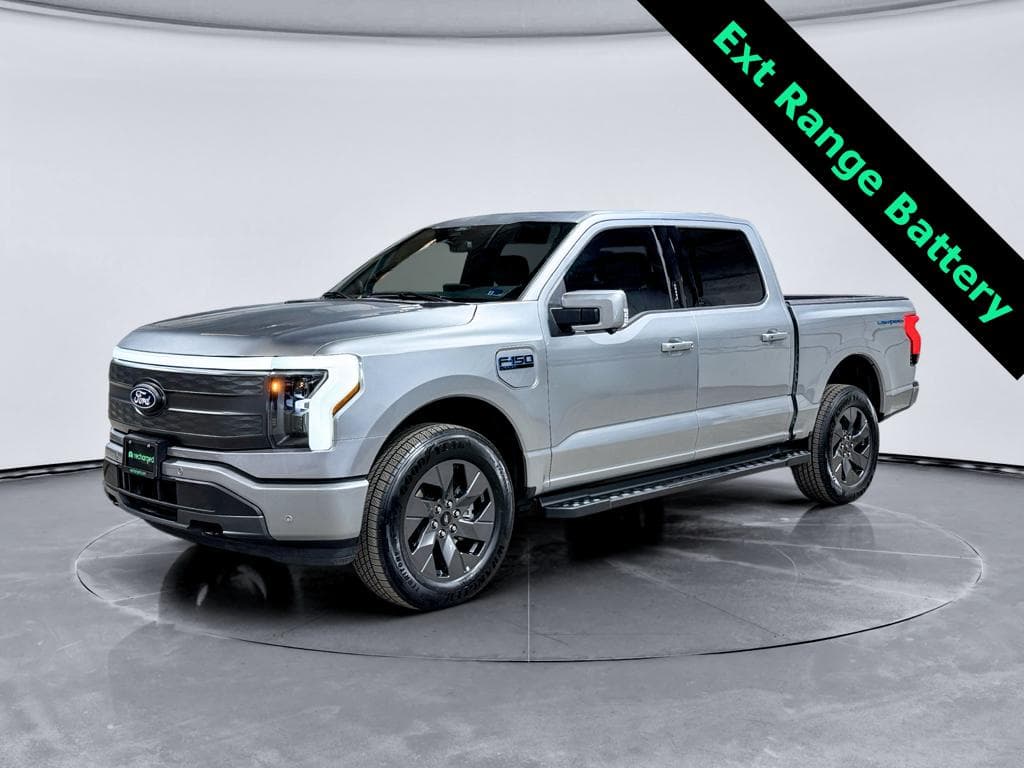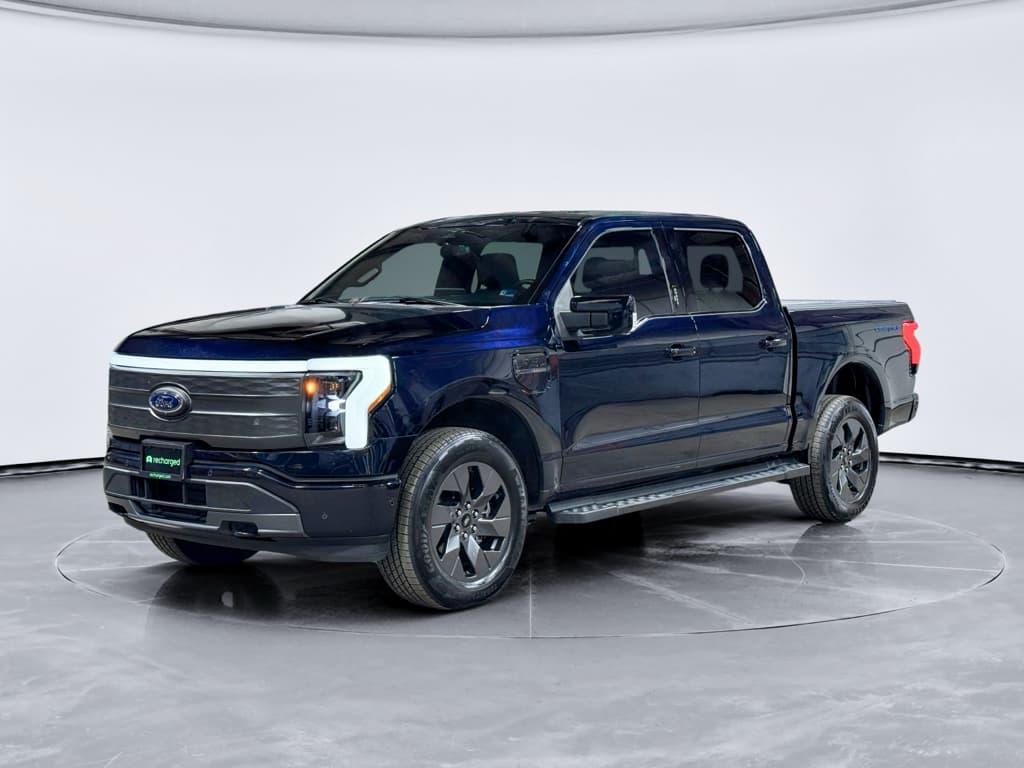
The Ford F-150 Lightning resale value forecast has gone from a simple depreciation curve to a Wall Street plot twist. In just a few years we’ve seen huge MSRP swings, production cuts, and now a strategic pullback from Ford’s original all‑electric truck plan. If you’re trying to decide whether to buy, sell, or hold a Lightning between now and 2030, you need to understand how all of that chaos translates into dollars on the used market.
Big picture
Why F-150 Lightning resale value matters right now
Resale value always matters, but for the Lightning it’s especially consequential. This was one of the first mass‑market electric pickups, launched with aggressive pricing, generous tax credits, and a wave of early reservations. Then reality hit: higher interest rates, softer EV demand, and Ford repeatedly revising production plans and pricing. By late 2025, Ford had significantly cut Lightning production and shifted resources back toward gas and hybrid F‑150s, with pauses at the Rouge Electric Vehicle Center and plans to transition to a different truck strategy.
All of that whiplash creates an unusual used market. On one hand, you have **real-world utility**, a full‑size truck with serious towing ability and bed space, plus features like Pro Power Onboard. On the other, you have legitimate concerns: long‑term support, charging infrastructure, and how quickly first‑generation EV trucks might be overshadowed by extended‑range and hybrid successors. The upshot: if you understand the dynamics, you can find a Lightning that’s *undervalued* rather than risky.
F-150 Lightning resale snapshot in 2025
Where F-150 Lightning resale values stand today
Let’s ground this forecast in current numbers. Pricing varies by trim and region, but the pattern is clear: the steepest drop has already happened.
Current F-150 Lightning value ranges (typical retail, U.S.)
Approximate asking prices you’ll see in early 2026 for common trims with average mileage and clean history.
| Model year & trim | Original MSRP (approx) | Typical used asking price* | Value retained |
|---|---|---|---|
| 2022 Pro (SR) | $40,000–$45,000 | $32,000–$38,000 | ~75–85% |
| 2023 XLT (SR/LR) | $60,000–$70,000 | $45,000–$55,000 | ~65–75% |
| 2023 Lariat (ER) | $75,000–$85,000 | $55,000–$65,000 | ~65–70% |
| 2024–2025 Platinum (ER) | $90,000+ | $65,000–$75,000 | ~70–75% |
These are ballpark figures, not offers, local markets and incentives can move numbers up or down.
Reality check
Third‑party residual guides and resale‑value rankings consistently put the Lightning **a tick above average** for EV trucks. Analysts expect many trims to retain around 43–45% of MSRP at five years, versus roughly 42% for the segment as a whole. That’s not Toyota‑Tacoma‑good, but in the volatile electric‑pickup world, it’s respectable.
How the Lightning compares to other electric trucks
Electric truck resale: Lightning vs key rivals
Most EV pickups are depreciating quickly, but they’re not all sinking at the same rate.
Ford F-150 Lightning
Resale profile: Currently the benchmark among electric full‑size trucks.
- 5‑year value retention around the mid‑40% range.
- Strong brand recognition and huge F‑Series owner base.
- Benefit: abundant parts, familiar truck packaging.
Rivian R1T
Resale profile: Cult favorite with premium pricing.
- Higher new MSRP keeps used prices elevated.
- Smaller but loyal audience; volume lower than Lightning.
- More volatile values as the company matures.
Silverado, Sierra EV, Cybertruck
Resale profile: Early, thin markets.
- Limited used inventory through 2025.
- Residuals largely theoretical, few transactions.
- Values may swing as real‑world reliability data emerges.
How to read the rankings
Key forces shaping F-150 Lightning resale value
1. Ford’s strategic pivot
Ford has sharply cut Lightning production, paused the Rouge EV plant at times, and shifted capital toward hybrid F‑150s and extended‑range EVs. That has two opposing effects on resale:
- Less future supply of brand‑new Lightnings can support used values.
- But the narrative, “Ford is moving away from this exact truck”, can spook some buyers.
Net effect: a bit more volatility in the short term, but no evidence of a total collapse. Trucks already in circulation still do the job they were built for.
2. EV demand and incentives
EV adoption has cooled from its 2021–2022 fever pitch. Incentive rules have changed, interest rates remain higher than before the pandemic, and buyers are more cautious.
- New EV truck demand has softened, pressuring MSRPs and leasing rates.
- That, in turn, sets a lower ceiling for used prices.
- However, price corrections since 2023 mean many Lightnings are already trading closer to their long‑term equilibrium.
- Battery longevity and replacement cost expectations.
- Rapid improvements in next‑generation trucks (especially hybrids and range‑extended EVs).
- Local attitudes toward EVs and charging availability in truck‑heavy states like Texas, Michigan, and the Mountain West.
- Fleet adoption, if commercial operators embrace used Lightnings as jobsite power sources, that creates a stable demand floor.
- Perception of winter range loss and towing range, word‑of‑mouth matters more than brochures.
Don’t ignore policy risk
2025–2030 F-150 Lightning resale value forecast
Forecasting used values is part economics, part weather report. Nobody can promise exact numbers, but based on current data and how trucks typically behave over time, we can sketch reasonable scenarios.
Illustrative resale value forecast for a 2024 F-150 Lightning XLT ER
Assumes typical use, average mileage, healthy battery and no major accidents. Numbers are percentage of original MSRP, not guaranteed resale values.
| Year of ownership | Calendar year | Optimistic scenario | Base‑case scenario | Pessimistic scenario |
|---|---|---|---|---|
| Year 3 | 2027 | 70–72% | 65–68% | 60–63% |
| Year 5 | 2029 | 52–55% | 45–50% | 38–42% |
| Year 7 | 2031 | 40–45% | 33–38% | 28–32% |
| Year 10 | 2034 | 32–38% | 25–30% | 18–22% |
Think of these as lanes on the highway, not painted lines on the pavement.
How this compares to gas F‑150s
The wild card is Ford’s successor strategy. If the range‑extended and hybrid trucks that follow Lightning are excellent but **expensive**, used Lightnings could gain a reputation as the smart value play, propping up residuals. If, instead, Ford brings out dramatically better trucks at accessible prices, today’s Lightning could be treated like the first‑generation smartphone you loved… and then left in the drawer.
Buying a used F-150 Lightning: strategy guide
If you’re shopping the used Lightning market in 2025–2027, you’re stepping into a buyer’s market with asterisks. Prices have come down from early‑adopter madness, but not every truck is a deal. Here’s how to tilt the odds in your favor.
Used F-150 Lightning buying checklist
1. Prioritize battery health data
Insist on a <strong>verifiable battery health report</strong>, not just a dash screenshot. At Recharged, every Lightning listing includes a Recharged Score Report that quantifies battery health, fast‑charge history, and projected long‑term capacity, so you can compare trucks apples‑to‑apples.
2. Understand your real range needs
Be honest about how you’ll use the truck. If you tow heavy or drive long distances in winter, a Standard‑Range pack may disappoint. If you’re mostly commuting and doing Home Depot runs, a lower‑priced SR truck with strong battery health might be the sweet spot.
3. Look for sane, not flashy, specs
The market tends to overpay for fully loaded Platinums and under‑appreciate <strong>mid‑trim XLT or Lariat</strong> trucks with the right options. A clean, mid‑spec Lightning with the extended‑range pack often has the best mix of price, range, and long‑term desirability.
4. Check charging and software history
Ask how and where the truck was charged. A vehicle that lived on DC fast charging seven days a week will age differently than one that mostly leveled up on a 240‑V home charger. Review OTA update history and confirm all major campaigns are complete.
5. Inspect for work‑truck abuse
Early Pro trims, especially fleet units, may show hard miles, jobsite damage, and heavy towing. That’s not a dealbreaker, but it should show up in the price. Look underneath for rust, impacts, and aftermarket wiring for upfits.
6. Use total cost of ownership math
Compare your used Lightning payment plus home charging costs to a comparable gas F‑150’s payment plus fuel and maintenance. In many zip codes, especially with off‑peak electricity, the Lightning can pencil out despite steeper depreciation.
Where Recharged fits in
Ready to find your next EV?
Browse Vehicles
Selling or trading your F-150 Lightning
If you already own a Lightning, your goal is to step off the depreciation escalator at the right time. That doesn’t always mean selling as fast as possible. It means maximizing the value you extract per dollar of depreciation.
Best timing windows
- Before warranty cliffs: Values tend to soften when the basic bumper‑to‑bumper warranty runs out, and again as the battery warranty gets closer to expiring. Selling while you can still advertise substantial remaining coverage is smart.
- Ahead of major model shifts: Once Ford’s successor trucks hit showrooms in volume, first‑gen Lightnings may see a fresh step down in value. If you’re already thinking about moving on, consider acting before that inflection point.
How to present your truck
- Document charging habits (mostly AC home charging looks good).
- Show recent service and software updates.
- Provide a third‑party battery health report, or sell through a platform like Recharged that includes one automatically.
- Highlight features that matter in real use: Pro Power Onboard, bed configuration, tow package, winter tires.
Consider multiple exit paths
Battery health: the hidden driver of resale value
With gas trucks, mileage and maintenance tell most of the story. With EV trucks, especially a heavy, work‑capable rig like the Lightning, battery health is the story. Two identical‑looking trucks can have wildly different futures depending on how their packs have aged.
How battery health shapes Lightning resale value
Same truck on paper, very different realities in practice.
Scenario A: Gently used pack
- Mostly Level 2 home charging, occasional DC fast sessions on road trips.
- Moderate loads, limited heavy towing.
- Battery health report shows minimal degradation for age.
- Outcome: Stronger resale, easier financing approval, buyers more willing to pay near guide values.
Scenario B: Hard‑worked pack
- Frequent DC fast charging, hot‑climate operation.
- Regular max‑weight towing and payload use.
- Noticeable capacity loss vs. factory spec.
- Outcome: Deeper discount required, narrower buyer pool, higher perceived risk even if the truck is cosmetically clean.
Don’t rely on the dash alone
Is the F-150 Lightning a good used buy?
The short answer: yes, with eyes open. In the used market, the Lightning is starting to make more sense than it did new. The big chunk of early depreciation is in the rearview mirror, Ford’s strategic pivot has already been priced in by many sellers, and you can finally shop real inventory instead of waiting on reservations.
Compared with rival electric trucks, the Lightning offers three things that matter long‑term for resale:
- A familiar F‑Series body and cabin that doesn’t alienate traditional truck buyers.
- A massive installed base and parts ecosystem, which supports confidence in long‑term serviceability.
- A growing track record in real‑world work, contractors actually using the Pro Power outlets, fleets logging hard miles, which helps buyers separate hype from reality.
If you’re the kind of buyer who keeps a truck 8–10 years, you should assume the Lightning will be worth less, in percentage terms, than a comparable gas F‑150. But if you buy wisely, strong battery, right trim, fair price, and factor in your fuel and maintenance savings, the math can still favor the Lightning. The key is transparency. Platforms like Recharged, with verified battery diagnostics, fair‑market pricing, and EV‑savvy guidance, turn an uncertain resale story into a knowable one.