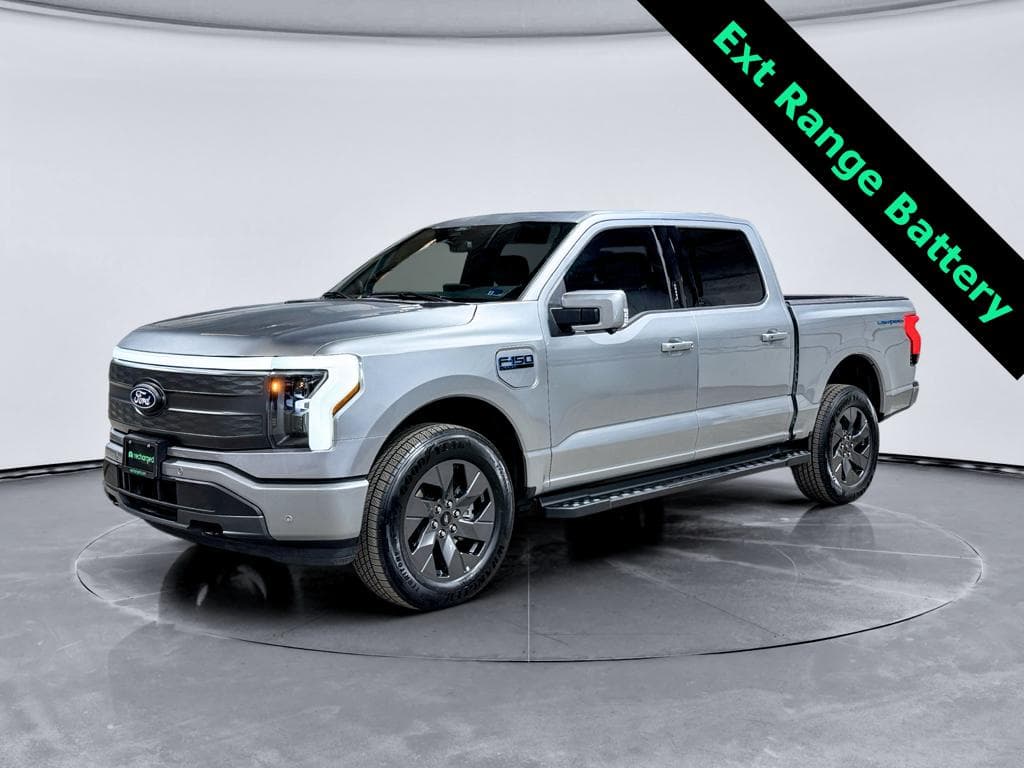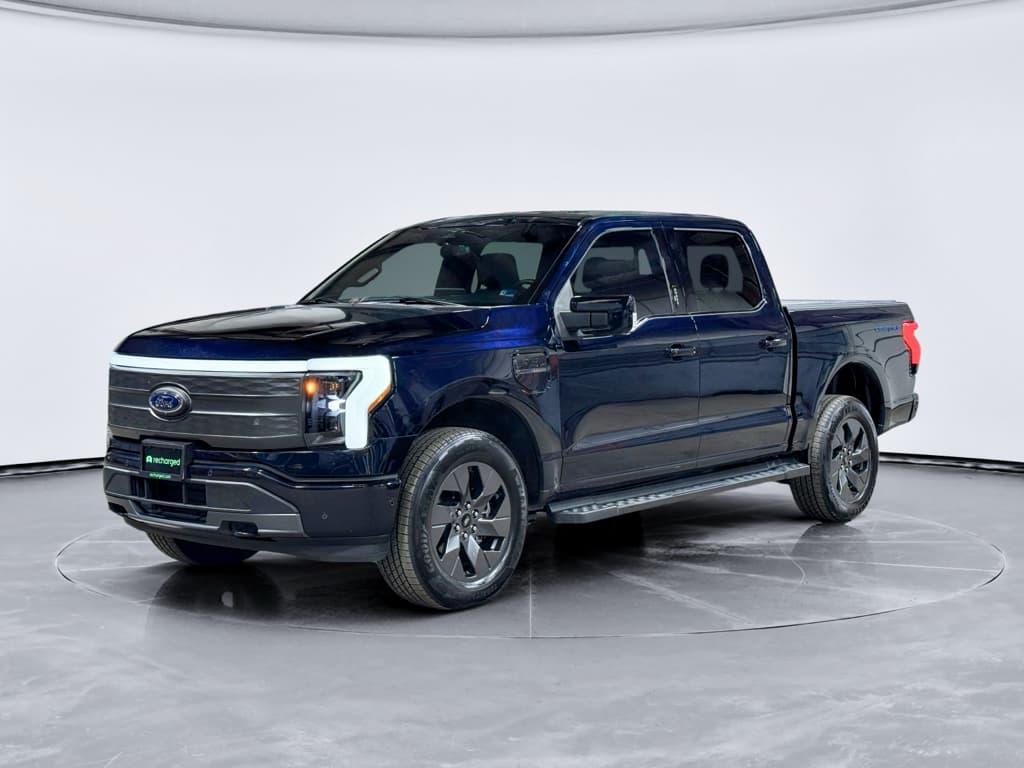
If you’re considering a Ford F-150 Lightning, you’re probably asking a simple but important question: what is the Ford F-150 Lightning insurance cost per month? Because this is a relatively expensive electric truck with a big battery, it doesn’t fit the usual pickup template insurers are used to, and that can show up in your premium.
Quick answer
How much is Ford F-150 Lightning insurance per month?
Let’s start by turning annual numbers into the monthly figure you’re searching for. Several data sources publish estimated insurance costs for the Ford F-150 Lightning, but they don’t always agree, and they often quote annual premiums, not monthly.
Ford F-150 Lightning insurance at a glance
One industry rate study pegs Ford F-150 Lightning full‑coverage insurance at around $1,700–$2,000 per year for a 40‑year‑old driver with good credit and a clean record. Broken down, that’s roughly $140–$170 per month for a typical, low‑risk owner. Other sources, especially in high‑cost states or for higher trims, show annual premiums closer to $2,400–$3,000, roughly $200–$250 per month.
Your rate can swing widely
If you’re currently insuring a gas F-150, you might see the Lightning come in slightly higher or, in some cases, surprisingly similar. That’s because insurers increasingly price based on real‑world loss data and repair costs, not a simple "EV surcharge." For some carriers and regions, the Lightning’s safety tech and lower claim frequency can offset the higher repair complexity.
Why EV trucks like the F-150 Lightning can cost more (or less) to insure
Historically, EV insurance has run 10–20% higher than comparable gas vehicles because of expensive batteries, specialized repair labor, and limited parts availability. Large EV trucks like the F-150 Lightning magnify all of those dynamics.
Why EV trucks can cost more
- Battery pack exposure: Even minor underbody damage can risk the high‑voltage battery, which can turn an otherwise repairable truck into a total loss.
- Complex electronics: Lightning integrates advanced driver‑assist systems, over‑the‑air software, and bidirectional power hardware that can be costly to diagnose and repair.
- Specialized repair network: Fewer shops are certified and equipped to work on high‑voltage systems, and their labor rates tend to be higher.
Why some owners don’t see a big jump
- Crash avoidance tech: Features like automatic emergency braking and lane‑keeping can reduce the number and severity of crashes.
- Usage patterns: Many EV owners drive fewer annual miles, which some insurers reward with lower premiums.
- Updated underwriting: As carriers collect better data on EVs, some are pricing certain models more competitively, even compared with their gas counterparts.
Electric truck, but still a truck
8 factors that change your F-150 Lightning insurance cost per month
When you ask an insurer, "How much will my Ford F-150 Lightning insurance cost per month?", their software immediately starts juggling dozens of variables. Here are the big ones you can actually understand and, in some cases, influence.
Key factors insurers use to price your Lightning
1. Your garaging ZIP code
Urban areas with more congestion, theft, and higher medical costs tend to have higher premiums. The same Lightning can cost dramatically more to insure in a major metro than in a rural county.
2. Driving record and claims history
Recent at‑fault accidents, speeding tickets, or prior comprehensive/collision claims can push your monthly cost up quickly. A clean 3–5‑year record is one of the biggest discounts you can "earn."
3. Age, experience, and household drivers
Younger drivers, especially under 25, will almost always see higher Lightning premiums. If a teen is listed on the policy or has regular access to the truck, expect a noticeable bump.
4. Coverage level and deductibles
Full coverage (liability, collision, and comprehensive) with low deductibles costs more than liability‑only. Raising your comp/collision deductibles from $500 to $1,000 can shave meaningful dollars off your monthly bill, if you’re comfortable paying more out of pocket in a claim.
5. Trim level and MSRP
A Platinum or high‑spec Lariat with a larger battery and more tech typically costs more to repair or replace than a base Pro. Insurers price that higher value into your collision and comprehensive premiums.
6. Annual mileage and usage
Pleasure‑use trucks that rack up 7,500 miles per year generally pay less than work trucks or long‑distance commuters. Business use, towing, or high annual miles can all raise rates.
7. Credit‑based insurance score (in many states)
In most U.S. states, insurers use a credit‑based score that strongly influences your premium. Better credit often means lower monthly cost. A few states restrict or ban this practice, which can change the equation.
8. Discounts and telematics programs
Bundling home and auto, safe‑driver programs, telematics apps, and EV/green‑vehicle discounts can knock 5–25% off your Lightning premium with some carriers.
Don’t forget state rules
Realistic Ford F-150 Lightning insurance examples
Because there’s so much variation, it helps to look at plausible, anonymized scenarios, not quotes, but realistic illustrations that mirror what many drivers see. All assume full‑coverage policies with common deductibles and limits.
Illustrative Ford F-150 Lightning monthly insurance costs
These scenarios are for educational purposes only and are <strong>not</strong> actual quotes. Your numbers will vary based on your insurer and profile.
| Driver profile | Location & usage | Lightning trim/year | Approx. annual premium | Approx. monthly cost |
|---|---|---|---|---|
| 45-year-old, clean record, good credit | Suburban Midwest, 10,000 miles/year, personal use | 2024 XLT | $1,950 | $160 |
| 35-year-old, one minor speeding ticket | Major metro on the West Coast, 12,000 miles/year | 2023 Lariat ER | $2,550 | $210 |
| 30-year-old, clean record, renter | Sunbelt city, street parking, 9,000 miles/year | 2022 Pro | $2,160 | $180 |
| 22-year-old, no accidents, on parents’ policy | College town, mixed campus/highway driving | 2023 Flash | $3,300 | $275 |
| 55-year-old, multi‑policy bundle, low miles | Small town, 6,000 miles/year, garages truck | 2022 Lariat (used) | $1,680 | $140 |
Examples are based on recent industry rate data and owner reports, rounded for simplicity.
How to sanity‑check your quote
How trim, model year, and coverage level affect your rate
Insurers don’t all publish Lightning‑specific rate tables, but we can still walk through how the big levers, trim, age of the truck, and coverage choices, typically show up in your payment.
What moves the needle on Lightning premiums
Same truck family, very different insurance outcomes
Trim and MSRP
Higher‑end trims like Lariat and Platinum pack more features, nicer interiors, and a bigger sticker price. That usually means:
- Higher collision/comprehensive costs
- More advanced tech to repair or recalibrate
- Slightly higher replacement cost if totaled
Model year
Newer trucks generally cost more to insure than older ones, all else equal, simply because they’re worth more. A 2025 Lightning will usually run a bit higher than a 2022 Lightning with similar mileage and coverage.
Coverage setup
Three big knobs control price:
- Liability limits: State minimum vs. 100/300 or higher
- Deductibles: $250, $500, or $1,000+
- Add‑ons: Rental, glass, roadside, gap
Richer coverage is worth it for many owners, but expect it to cost more each month.
If you’re shopping between trims, it can be helpful to run insurance quotes on each one before you decide. The difference between, say, a Pro and a Platinum might be manageable, or it might be what tips the payment from comfortable to tight once you combine loan, charging costs, and insurance.
Good news for used Lightning shoppers
How to lower your Ford Lightning insurance cost per month
You can’t change your truck overnight, but you have more control over your insurance bill than most people realize. Here are practical, non‑gimmicky levers to try.
Practical steps to reduce your Lightning premium
1. Shop multiple insurers, not just one
Different carriers model EVs and trucks very differently. It’s not uncommon to see a $60–$100 per month swing between the highest and lowest quotes, even with identical coverage. Independent agents and online comparison tools make this much easier than it used to be.
2. Tune your deductibles thoughtfully
If you have the savings to handle it, consider moving from a $500 to a $1,000 deductible on collision and comprehensive. The monthly savings won’t make you rich, but over several years it can be meaningful. Just don’t choose a deductible you couldn’t actually pay after a crash.
3. Right‑size your coverage limits
State minimums are rarely adequate for a modern truck, but you might not need business‑use limits if the truck is strictly personal. Review your liability limits, rental coverage, roadside, and extras with an agent to see what truly fits how you use the Lightning.
4. Ask about EV and telematics discounts
Some carriers offer specific <strong>EV/green‑vehicle</strong> discounts, and many now have usage‑based apps that monitor your driving habits. If you’re a smooth, low‑mileage driver, these programs can shave a noticeable percentage off your rate.
5. Bundle policies when it makes sense
Adding home, renters, or umbrella coverage with the same company can unlock substantial multi‑policy discounts. Always compare the bundle price against keeping policies separate, bundles aren’t automatically cheaper, but they often are.
6. Protect your record and reduce mileage
Tickets and at‑fault crashes are the most expensive data points you can hand an insurer. Driving defensively and consolidating trips, especially in congested city traffic, can save you far more in the long run than any promo code.
Compare apples to apples
What Lightning insurance means if you’re buying used
If you’re eyeing a used Ford F-150 Lightning, insurance is a key part of the total‑cost‑of‑ownership story. The good news: a used Lightning can be more affordable to insure than a brand‑new one, thanks to its lower market value. The caveat: insurers still care deeply about repairability and prior damage.
Why used can be friendlier on insurance
- Lower replacement value: If your used Lightning is worth $45,000 instead of $70,000, the insurer’s worst‑case payout drops, and so can your premium.
- More repair data: By the time a model has a few years on the road, insurers have better statistics on real‑world claim costs and may adjust rates accordingly.
- More flexibility on trim: You might land a higher trim used for less than a new lower‑trim truck, keeping collision costs closer together.
What to watch out for
- Hidden prior damage: A truck that’s been in a significant collision, especially one involving battery or frame components, may carry higher premiums or diminished value.
- Salvage or rebuilt titles: Some insurers either won’t write full coverage, or they’ll charge a steep premium for it.
- Battery health: While insurers mostly rate on value and claims history, battery health matters to you as the owner. A degraded pack can hurt resale and your willingness to carry full coverage.
How Recharged fits in
If you’re building a budget for a used Lightning, a simple rule of thumb is to pencil in $140–$210 per month for full‑coverage insurance for a typical, standard‑risk driver. Then, before you sign anything, get real quotes on the specific truck you’re considering, using its VIN, garaging ZIP, and your actual driving profile.
Ford F-150 Lightning insurance FAQs
Common questions about Ford F-150 Lightning insurance
Bottom line: budgeting for Lightning insurance
When you strip away the noise, a realistic Ford F-150 Lightning insurance cost per month for a typical U.S. driver with full coverage often lands somewhere between $150 and $230, with plenty of outliers on either side. Your driving record, where you live, the trim you choose, and how you configure your coverage will do more to set your payment than the simple fact that the truck is electric.
If you’re planning your total cost of ownership, build a budget that includes insurance, charging, maintenance, and financing, and then validate it with real quotes on the truck you want. And if a used Lightning is on your radar, Recharged can help you find one with verified battery health, transparent pricing, and EV‑savvy guidance from first question to final paperwork, so you can match the right truck (and insurance bill) to your life, not the other way around.