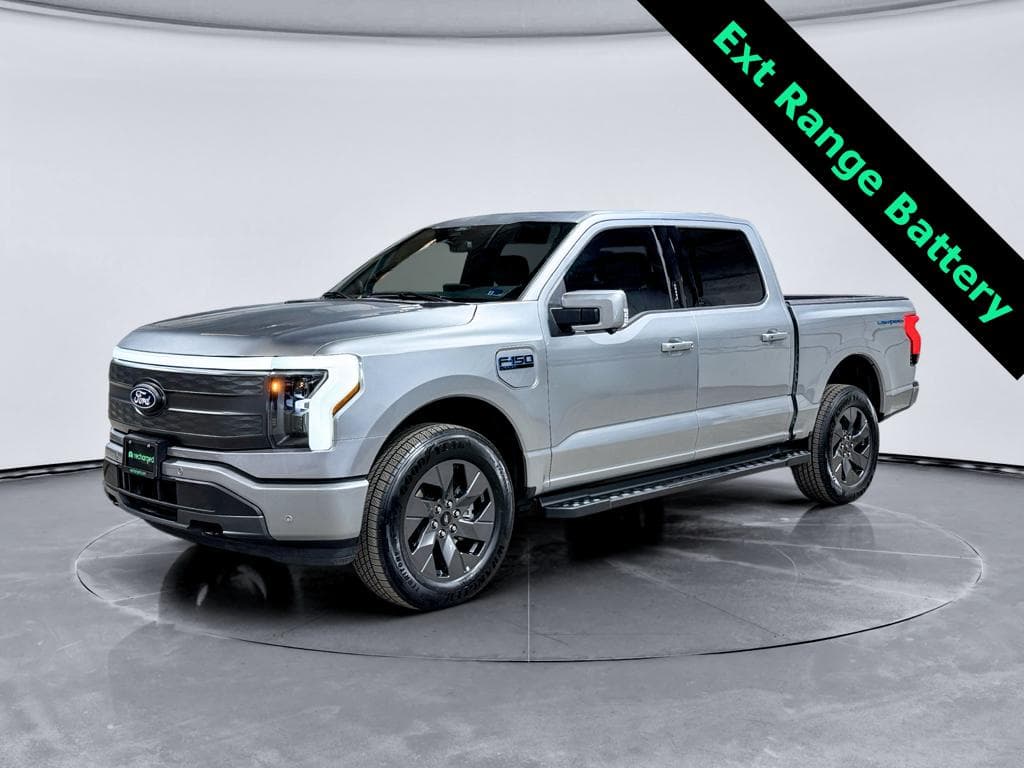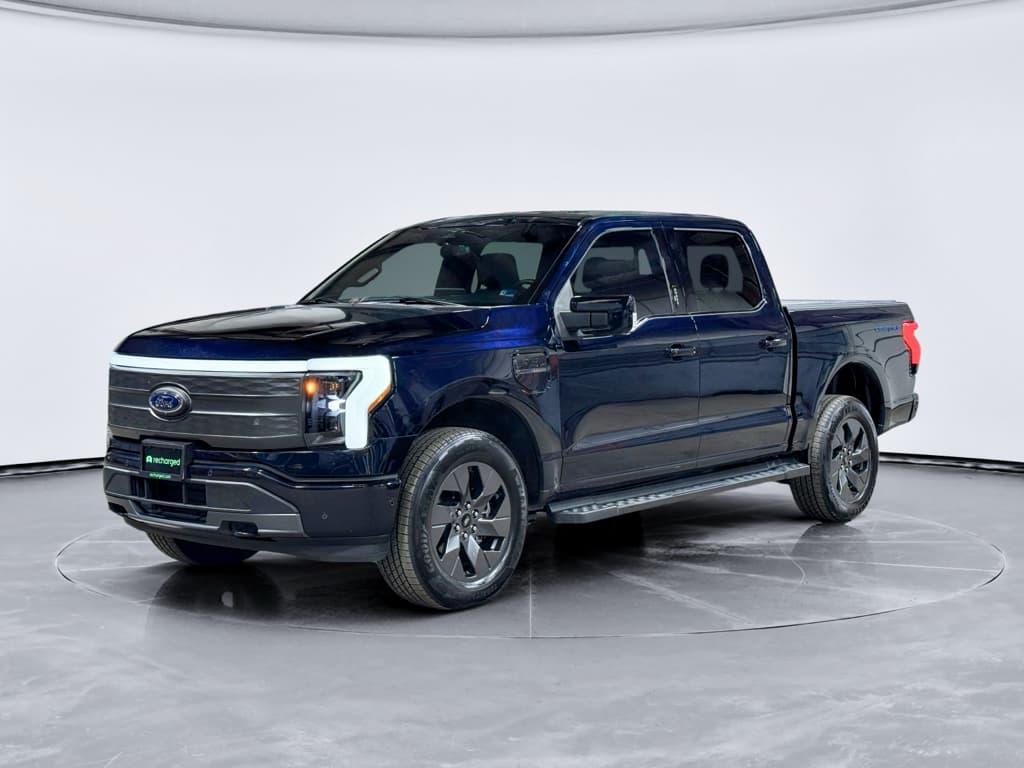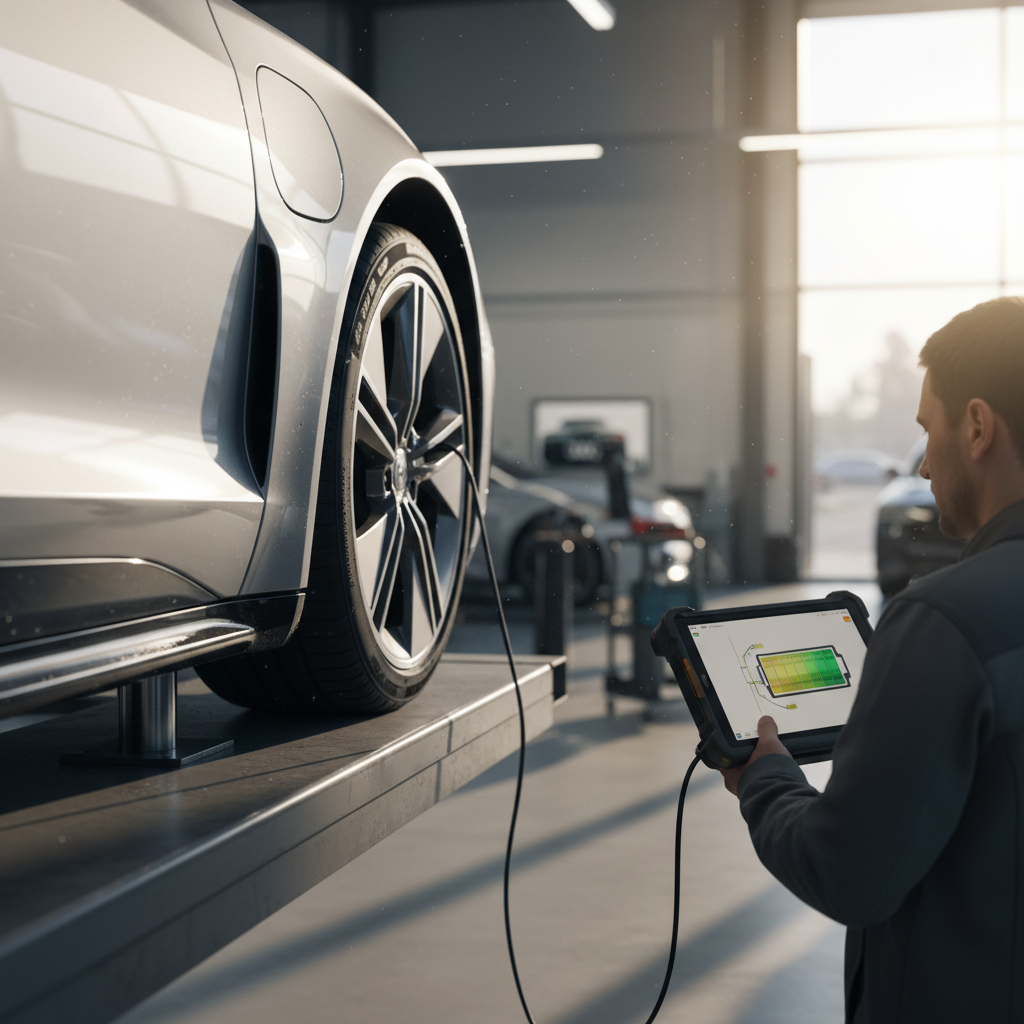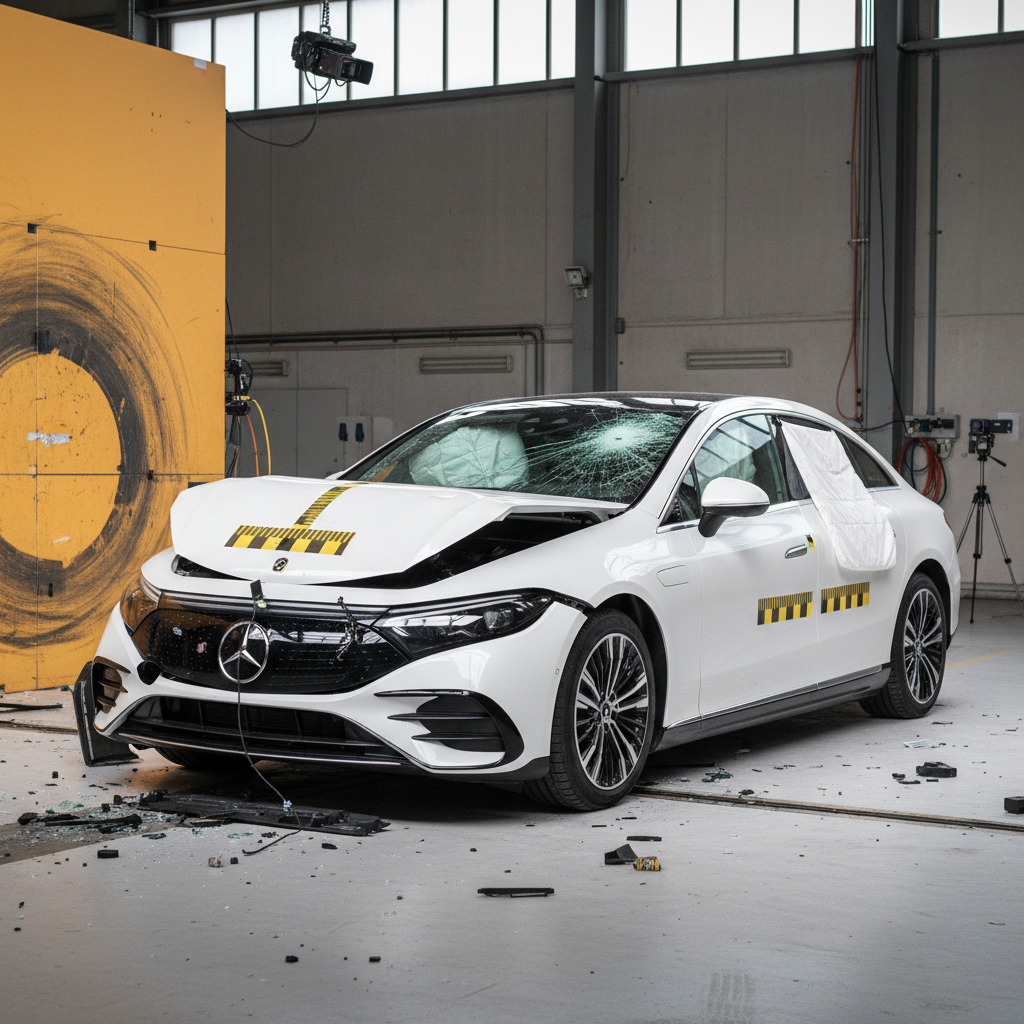
If you’re considering a Ford F-150 Lightning, new or used, insurance cost is a big part of the ownership math. Electric trucks are packed with tech, heavy battery packs, and pricey bodywork, and that all shows up in your premium. The good news: once you understand what drives F-150 Lightning insurance cost, there are clear ways to control it.
Quick take
Ford F-150 Lightning insurance cost overview
Insurers still treat electric trucks as relatively new territory. That means pricing can vary more than you might expect from one company to the next. As a rule of thumb, expect your Lightning premium to land above a gas F-150 and in line with or slightly higher than other high-value EVs like a Tesla Model Y or Rivian R1T.
F-150 Lightning insurance at a glance (typical US driver)
Your rate may look nothing like the averages
How much does Ford F-150 Lightning insurance cost?
Exact numbers will depend on your profile, but for a full-coverage policy (liability, collision, and comprehensive) in the U.S., many drivers will see Ford F-150 Lightning insurance costs between roughly $150 and $220 per month. High-cost metro areas, younger drivers, or commercial use can easily push that higher.
Get at least three quotes
Why electric trucks like the F-150 Lightning often cost more to insure
If you’ve insured a gas F-150 for years, Lightning quotes can be a surprise. The difference doesn’t come from how safe the truck is, modern EVs tend to do well in crash tests. It’s what happens after the crash that drives premiums up.
Key reasons Lightning insurance can run higher than a gas F-150
Think of it as a mix of parts prices, repair complexity, and claim severity.
Expensive parts
Specialized repairs
Higher claim severity
Advanced tech on board
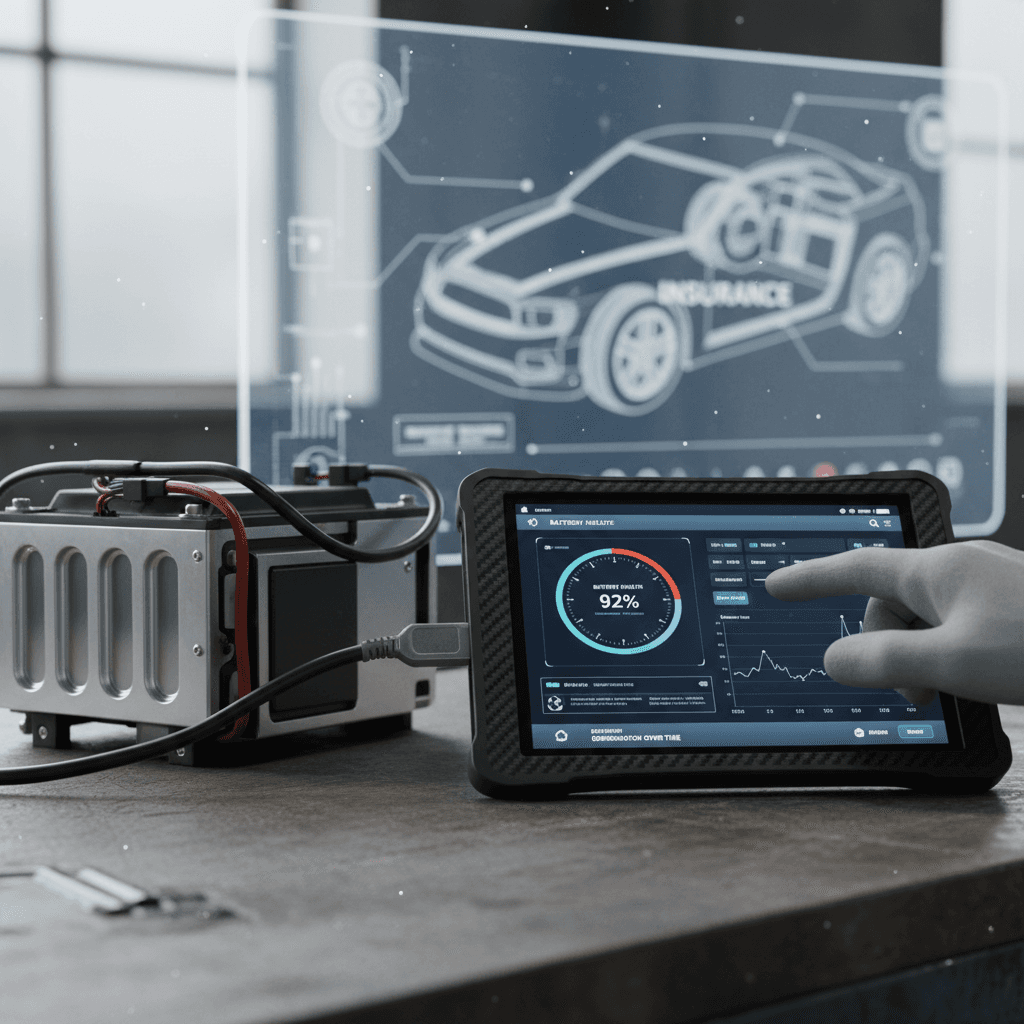
Battery evaluation
Evolving data
11 key factors that shape your F-150 Lightning insurance premium
Beyond the truck itself, insurers look hard at you, where you live, and how you use the vehicle. Here are the big levers that move F-150 Lightning insurance cost up or down.
Disclose towing and heavy hauling
How trim, battery size, and coverage choices change your rate
Not every Lightning is insured the same way. A work-spec Pro and a fully loaded Platinum have very different replacement costs, and insurers price to that reality.
Trim level & options
- Pro / XLT: Lower MSRPs and fewer luxury features usually mean slightly lower comprehensive and collision premiums.
- Lariat / Platinum: Larger wheels, more tech, and premium interiors can raise repair costs after a crash.
- Packages & accessories: Ford accessories like bed storage systems, tonneau covers, and onboard power options may need to be listed if you want them covered.
Battery size & coverage decisions
- Standard vs. Extended Range: A higher original sticker price can bump physical damage coverage costs, though the risk profile is similar.
- Deductibles: Moving from a $500 to a $1,000 deductible often cuts collision and comprehensive premiums, but make sure you can afford the out-of-pocket hit.
- Liability limits: Increasing liability limits protects your assets but adds cost. For a high-value EV truck, many owners choose higher-than-minimum limits.
Consider OEM parts coverage
Practical ways to lower your F-150 Lightning insurance cost
You can’t control everything about how insurers see your risk, but you have more levers than you might think. Start with these proven moves before you sign a policy.
Six strategies to trim your Lightning premium
Small decisions on coverage, behavior, and shopping can add up to real dollars.
Enroll in telematics
Right-size coverage
Bundle home & auto
Shop EV-friendly carriers
Avoid small claims
Take advantage of driver programs
Leverage your EV’s tech for discounts
Insuring a used Ford F-150 Lightning
A growing number of F-150 Lightnings are entering the used market, often after their first or second owner. That can be good news for insurance costs: as the truck’s insured value drops, collision and comprehensive pricing typically follow, assuming your driving profile is solid.
Why used can be cheaper to insure
If you’re shopping used, pay attention not only to the price on the windshield but also to what’s under the skin, especially battery health and prior damage. That’s where Recharged comes in.
Battery health and prior damage
- Battery condition: A healthy pack means the truck is more likely to retain value and avoid range-related issues that could influence future claims.
- Accident history: Prior structural repairs or repeated bodywork can affect how the truck performs in another crash, and how insurers perceive it.
- Title status: Salvage or rebuilt titles are much harder (and sometimes impossible) to insure with full coverage.
How Recharged helps used buyers
- Every vehicle listed with Recharged includes a Recharged Score Report with verified battery health and pricing transparency.
- Our EV-focused team can help you understand how a Lightning’s condition and history may affect long-term insurance and ownership costs.
- If you’re trading in or selling an existing EV, Recharged can provide an instant offer or consignment option to simplify the switch.
Where insurance fits into total cost of ownership
It’s easy to fixate on the monthly payment and ignore the rest. But with an F-150 Lightning, total cost of ownership, purchase price, financing, electricity, maintenance, and insurance, tells the real story.
Costs that can rise with a Lightning
- Insurance: Often higher than a gas F-150 due to repair complexity and technology content.
- Financing: If you buy a higher-trim EV truck, the financed amount may be larger, especially when new.
- Registration & taxes: Some states tie fees to vehicle value or weight, which can affect EV trucks.
Costs that typically fall
- Fuel: Many owners cut annual energy costs substantially versus gasoline, especially with home charging.
- Maintenance: No oil changes and fewer wear items can lower long-term maintenance spend.
- Incentives: Depending on timing, used EV tax credits or local incentives may soften the purchase price.
Look at the full monthly picture
Pre‑quote checklist for F-150 Lightning shoppers
Before you sign on a truck, or on a policy, take a few minutes to line up what insurers will ask you anyway. It’ll make your quotes more accurate and the process less painful.
Seven steps before you request Lightning insurance quotes
1. Decide how you’ll use the truck
Personal commuting, weekend trips, or job-site hauling? Be honest with yourself and your agent, usage drives coverage type and cost.
2. Gather driver and vehicle details
Have driver’s license numbers for all household drivers, the truck’s VIN, estimated annual mileage, and any prior incidents handy.
3. Set your coverage targets
Choose liability limits, deductibles, and whether you want extras like gap coverage or OEM parts coverage before you start shopping.
4. Check your credit and payment history
Strong credit often earns better pricing. If your credit has improved since your last policy, that’s a good time to shop rates.
5. Document safety and anti-theft features
Know which driver-assist features your Lightning has and whether it’s garage-kept. Those details can unlock discounts.
6. Decide which other policies to bundle
Home, renters, or additional vehicles can be bundled with your Lightning for multi-policy savings.
7. Compare quotes side by side
Collect quotes from at least three insurers on the same coverage levels. Focus on total value, service reputation and claims handling, not just the lowest dollar number.
Ford F-150 Lightning insurance FAQs
Common questions about insuring a Ford F-150 Lightning
Bottom line: budgeting for F-150 Lightning insurance
Insuring a Ford F-150 Lightning will usually cost more than insuring a gas F-150, but that doesn’t make the truck a bad financial move. When you zoom out and include lower fuel and maintenance costs, the math often balances out, especially if you’re thoughtful about coverage, deductibles, and which insurer you choose.
If you’re comparing new versus used, a used F-150 Lightning with solid battery health can hit a sweet spot: lower purchase price, potentially lower insurance, and the same electric capability. At Recharged, every used EV comes with a Recharged Score Report so you can see battery health, fair market pricing, and other factors that influence not just what you pay today, but your cost of ownership for years down the road.