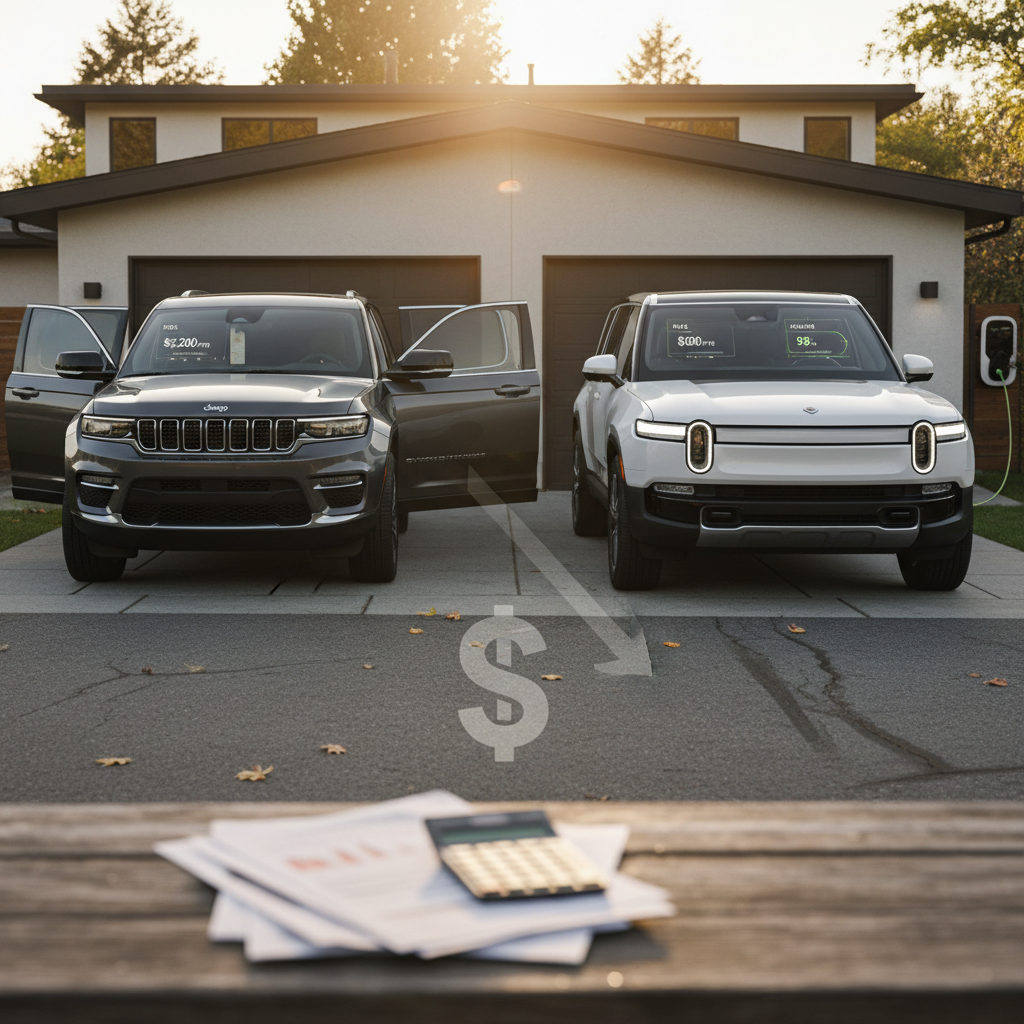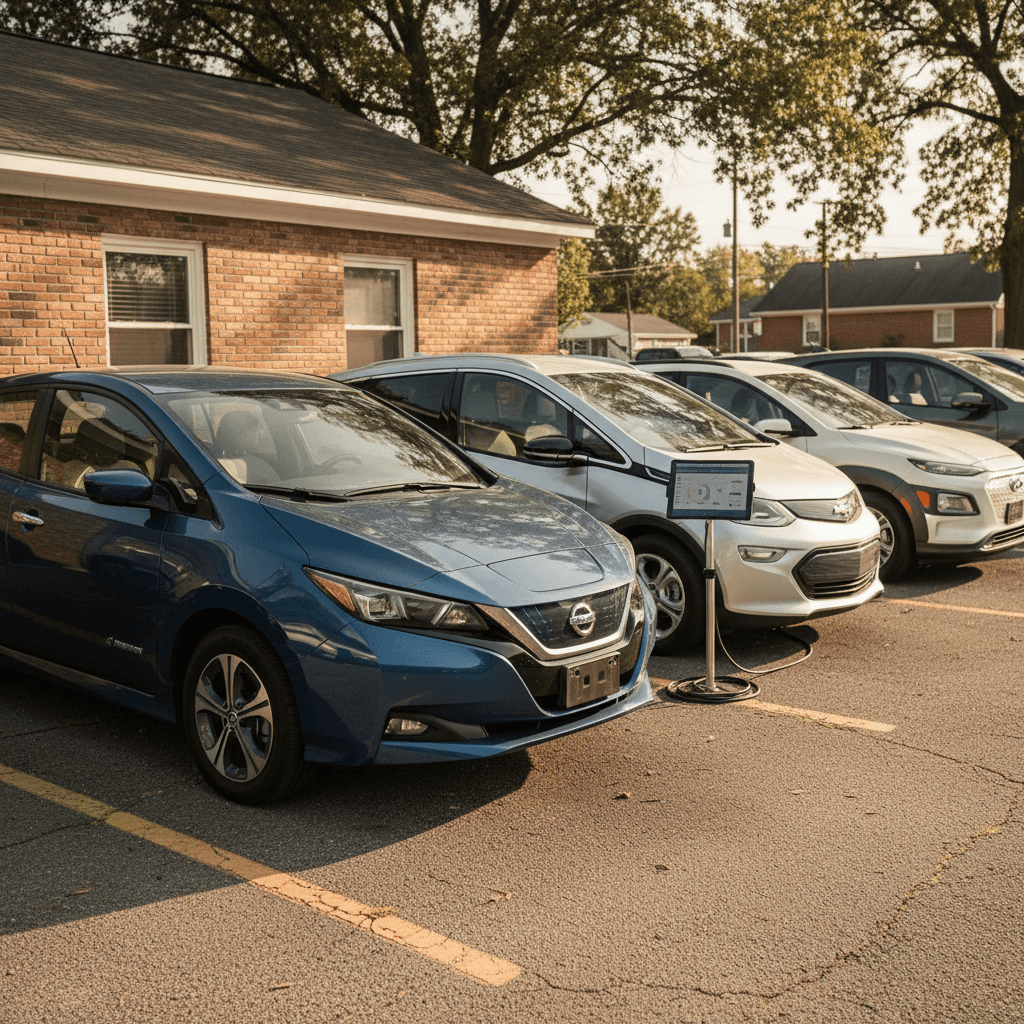
If you’re shopping for the best value used electric car in 2026, you’re in a sweet spot. New EV prices are still higher than comparable gas cars, but used EVs have already taken their steepest depreciation hit. That combination, high new prices, low used prices, is exactly what creates real bargains for patient buyers.
Why 2026 is a buyer’s market for used EVs
How we defined “best value” for 2026
“Best value” isn’t just the cheapest sticker price. For 2026, we’re looking for used EVs that combine reasonable purchase price, stable battery health, usable range, decent reliability and low running costs. We also favor models that are easy to insure, have strong parts support and aren’t about to be orphaned by their manufacturer.
Why used EVs are compelling in 2026
Value isn’t one-size-fits-all
Quick picks: best value used EVs in 2026
Below is a high-level shortlist of models that repeatedly surface on 2024–2026 “best used EV” lists and align with what we see in the used market. Exact pricing will vary by trim, mileage and local demand, but these ballparks reflect typical U.S. retail asking prices in early 2026.
Best value used electric cars for 2026
Core value picks for U.S. shoppers in 2026, focused on 2019–2023 model years.
| Model (years) | Typical 2026 price | EPA range (new) | Why it’s a value standout |
|---|---|---|---|
| Hyundai Kona Electric (2019–2023) | $15,000–$24,000 | 258 mi | Strong range, compact crossover form factor, long warranty, heavy early depreciation now baked in. |
| Kia Niro EV (2019–2022) | $14,000–$23,000 | 239 mi | Practical size, efficient, often cheaper than equivalent Teslas, generous factory battery warranty. |
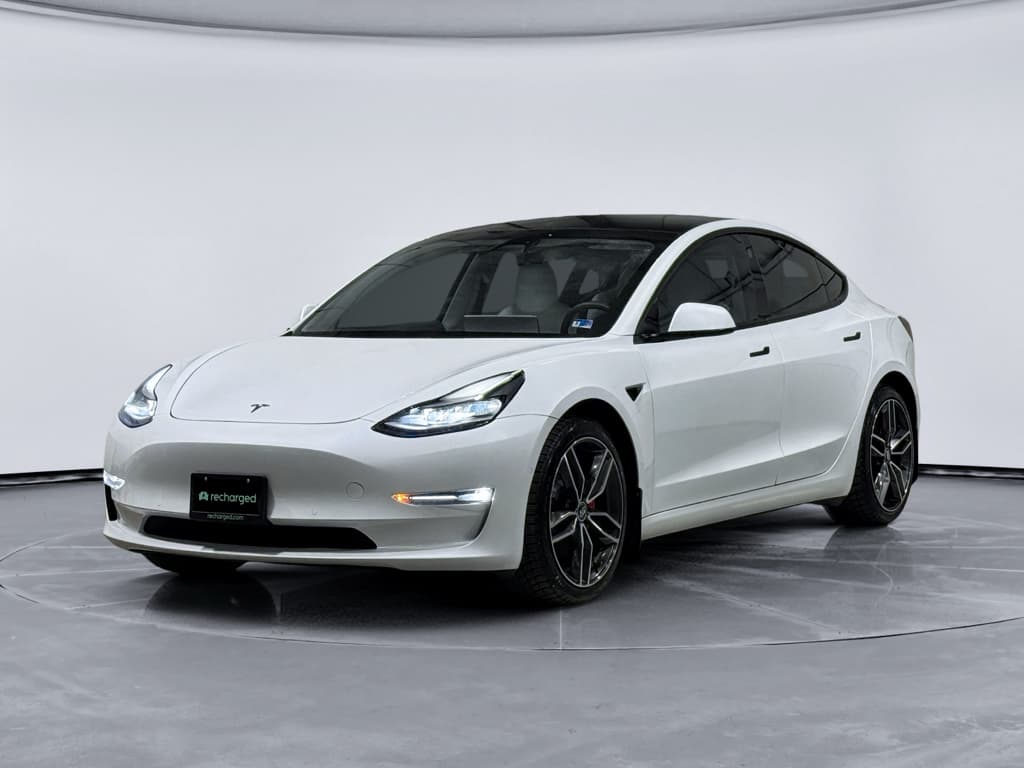
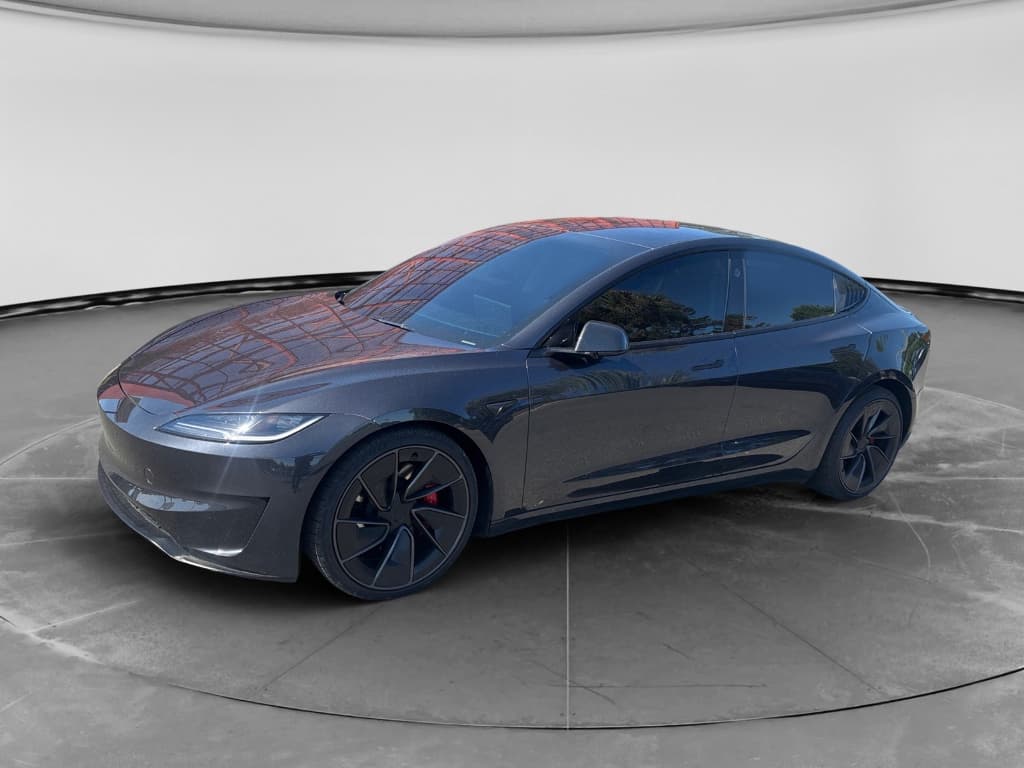
| Tesla Model 3 RWD/Long Range (2018–2022) | $19,000–$30,000+ | 220–358 mi | Access to Supercharger network, strong software support, better value now that early depreciation has hit. |
| Chevrolet Bolt EV / EUV (2019–2023) | $12,000–$20,000 | 247–259 mi | Among the lowest prices per mile of range; compact but efficient, strong urban commuter value. |
| Nissan Leaf (2018–2022, 40–62 kWh) | $9,000–$17,000 | 149–226 mi | Ultra‑affordable entry point; best if you drive shorter distances and have reliable charging at home. |
| Hyundai Ioniq Electric (2019–2022) | $12,000–$18,000 | 170 mi | Efficient and simple; great for city and suburban driving, though range is modest by 2026 standards. |
All prices are approximate retail ranges as of early 2026 and assume average mileage and clean history.
How to use this list
Best value used electric car 2026 by driver type
Match your used EV to how you drive
Recommendations assume typical 2019–2023 model years in good condition with healthy batteries.
Best overall value
Hyundai Kona Electric or Kia Niro EV
For most U.S. shoppers in 2026, these two compact crossovers hit the sweet spot: 230–260 miles of range when new, comfortable enough for families, and meaningful price drops from new MSRP. They feel like "normal" cars that just happen to be electric.
Best for long-range commuters
Tesla Model 3 (RWD or Long Range)
If you rack up highway miles, a used Model 3 offers excellent efficiency, strong DC fast charging, and access to Tesla’s huge Supercharger network. You’ll pay more than for a Leaf or Bolt, but total usability is higher if you travel often.
Best budget city car
Nissan Leaf (40 kWh) or Chevy Bolt EV
Short commute, lots of local driving, and reliable home charging? These are often the cheapest used EVs in 2026 that are still worth owning. Focus on cars with healthy batteries and skip long daily highway runs.
Special scenarios: which used EV fits you?
First EV, cautious buyer
Kia Niro EV
Feels familiar if you’re coming from a compact SUV, and many examples still carry a sizeable chunk of their original 8–10 year battery warranty. A comfortable on‑ramp to EV ownership.
Road‑trip curious
Tesla Model 3
If you want seamless long‑distance charging with minimal planning, it’s hard to beat a used Model 3. Just confirm remaining battery warranty and factor in slightly higher insurance costs.
Payment‑sensitive shopper
Chevy Bolt EV / EUV, Nissan Leaf
When your top priority is lowering the monthly payment, these are usually where the math lands. Pair a low purchase price with cheap electricity and low maintenance, and your cost per mile can beat nearly anything else on the road.
Price and depreciation: what do used EVs actually cost in 2026?
Studies published in 2025 and updated into 2026 show EVs have depreciated more than any other vehicle type over the first five years, with average value losses close to 60%. At the same time, new EVs in the U.S. still tend to cost thousands more than their gas counterparts. That gap is exactly why 3‑ to 6‑year‑old EVs now represent such strong value, their prices have reset, but their technology hasn’t suddenly gone obsolete.
Typical price bands in early 2026
- Under $12,000: Earlier Nissan Leafs, some high‑mile Bolts and older compliance cars. Great for short‑range, low‑budget buyers.
- $12,000–$18,000: The heart of the value market, many Bolts, Leaf 40/62 kWh, early Kona/Niro EVs, and older Model 3s with higher mileage.
- $18,000–$26,000: Cleaner, lower‑mile Kona/Niro EVs, Bolt EUVs, and mainstream Model 3s. Often the best balance of price, age and battery life.
- $26,000+: Late‑model Teslas, larger crossovers, and premium brands. You’re paying for space, brand and newer hardware.
Why depreciation works in your favor
New EV buyers bore the brunt of early price drops and incentive changes. By 2026, many of those cars are on their second owners, or sitting on dealer lots.
- Steep early depreciation means you’re often paying half or less of original MSRP for a 4‑ or 5‑year‑old EV.
- Yet motors and battery packs are engineered for long service lives, especially if they’ve been well‑cared‑for.
- As new EV tax incentives change or shrink, used pricing in many markets has stabilized, making it easier to judge what’s “fair.”
The flip side: some models, especially Teslas, have seen used prices climb off 2024 lows as demand for good second‑hand EVs catches up. Shopping carefully matters.
Watch out for "too cheap" outliers
Battery health: the make-or-break metric
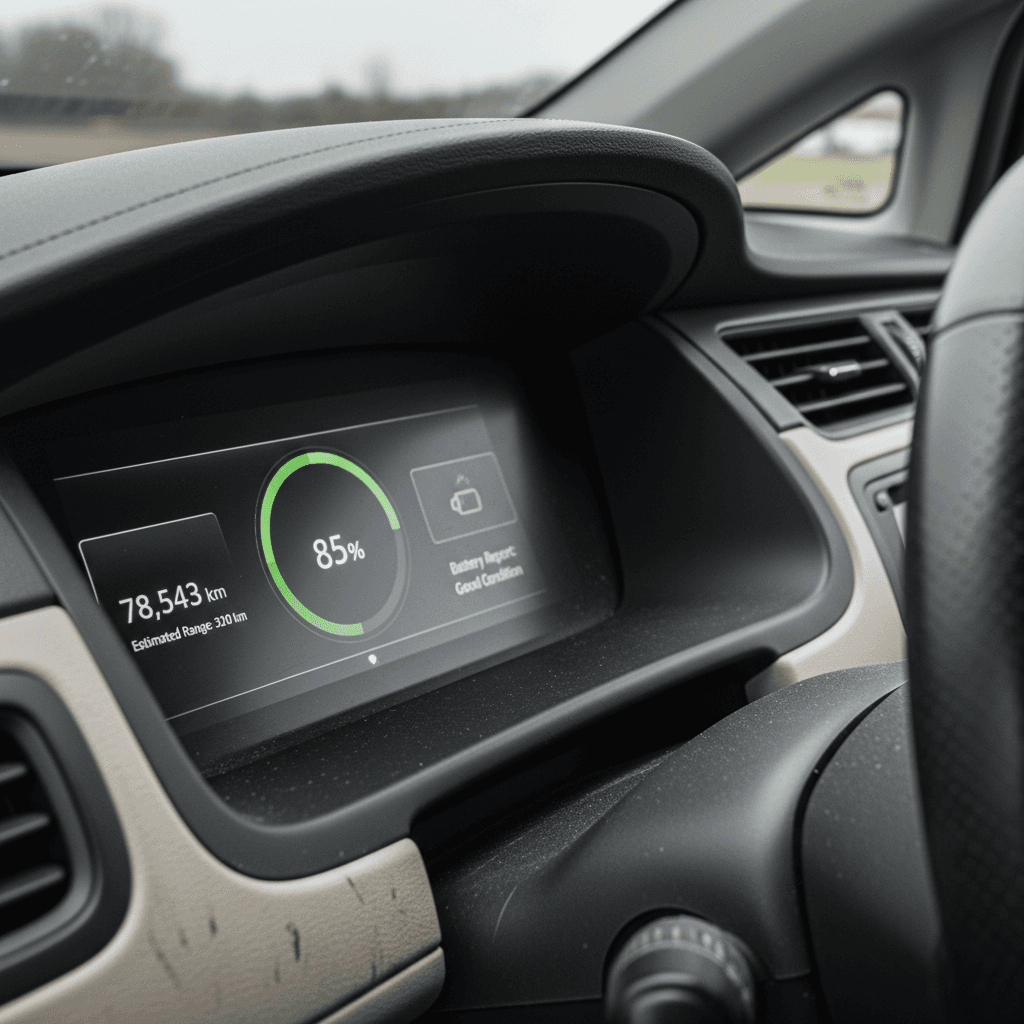
On a used electric car, the battery is both the most valuable component and the hardest for most buyers to evaluate. Unlike a gas car, where you can often hear or feel problems during a test drive, battery degradation is subtle and shows up over time as lost range and slower fast‑charging speeds.
- Aim for a battery state of health (SoH) in the mid‑90% range on a 3‑ to 4‑year‑old car, and above ~85–90% on older examples.
- Look for consistent fast‑charging behavior: a car that ramps down very early on DC fast chargers may be showing early degradation or thermal limits.
- Check whether the car is still within its 8–10 year / 100,000+ mile battery warranty and whether any packs or modules have already been replaced.
How Recharged handles battery health
Range and charging: how much do you really need?
Many shoppers fixate on maximum range numbers, but the “best value” used electric car in 2026 is the one that comfortably fits your real‑world driving, not an imaginary cross‑country road trip. For a lot of buyers, 200 miles of realistic range plus reliable home charging beats 300+ miles they rarely use.
If you mostly drive locally
- Daily round‑trip under 60–70 miles? A Nissan Leaf, Bolt EV, or Ioniq Electric can be perfect, even with some battery wear.
- Public DC fast charging speed matters less. Level 2 at home or work will quietly refill the battery overnight.
- You gain flexibility with a portable Level 2 charger or a properly installed 240V wall unit.
If you road‑trip or drive long commutes
- Target cars that still deliver 200+ miles of real‑world highway range at 70 mph, Kona/Niro EV, Model 3, Bolt EUV.
- Prioritize vehicles with robust fast‑charging networks in places you travel. Tesla still wins here in much of the U.S.
- Check charging curves and real‑world owner feedback; 150 kW "on paper" doesn’t mean much if the car only peaks there briefly.
Think in "worst case" winter miles
Ownership costs: insurance, warranty and maintenance
EVs typically save money on fuel and routine maintenance, but those savings can be blunted by higher insurance premiums or out‑of‑warranty repairs on premium brands. The best value used electric cars in 2026 share a few ownership traits:
- Reasonable insurance premiums: Mainstream brands like Hyundai, Kia and Chevrolet often insure for less than performance‑oriented luxury EVs.
- Long factory battery warranties: Many mass‑market EVs carry 8–10 year pack warranties that transfer to subsequent owners.
- Simpler hardware: Fewer air suspensions, power doors and premium features means fewer four‑figure repair bills down the line.
- Predictable service: Readily available tires, brakes and basic EV maintenance at independent shops or franchised dealers.
Beware cheap luxury EVs
How to inspect a used EV in 2026: step-by-step
Used EV buying checklist for 2026
1. Pull the history report
Check for accidents, flood damage, branded titles and multiple ownership changes in a short time. Fleet and rental usage isn’t automatically bad, but it calls for a closer look at battery and interior wear.
2. Verify battery health and warranty
Ask for a recent battery health report, not just a dashboard range estimate. Confirm build date, in‑service date and remaining battery warranty coverage based on your state and mileage.
3. Test charging at Level 2 and (if possible) DC fast
If the seller will allow it, plug into a Level 2 charger and, ideally, a DC fast charger. Watch how quickly charging ramps up and whether any errors pop up during the session.
4. Inspect tires, brakes and underbody
EVs are heavy; cheap tires and worn brakes can eat into your savings. Check for uneven wear, rust in road‑salt states, and damage to the battery tray area or cooling hardware.
5. Check software, apps and features
Make sure all key functions work: smartphone app connectivity, driver‑assist systems, charging timers and climate preconditioning. Some features require active subscriptions; factor that into your budget.
6. Confirm charging compatibility
Know whether the car uses CCS, NACS (Tesla) or CHAdeMO, and what adapters you’ll need for your local networks. With connector standards shifting, plug type matters more than it used to.
Skip the guesswork with a Recharged Score Report
How Recharged helps you find the best value used EV
The used EV market in 2026 is noisy. Prices move quickly, incentives change, and battery condition can make two identical‑looking cars worth very different amounts. Recharged is built specifically to bring order to that chaos so you can focus on whether a car fits your life and budget.
Why shoppers looking for value use Recharged
Fair, data-backed pricing
Every car on Recharged is priced against live market data and recent transactions, not just hopeful asking prices. Our Score Report flags when a vehicle is under‑ or over‑priced relative to its condition and mileage.
Verified battery diagnostics
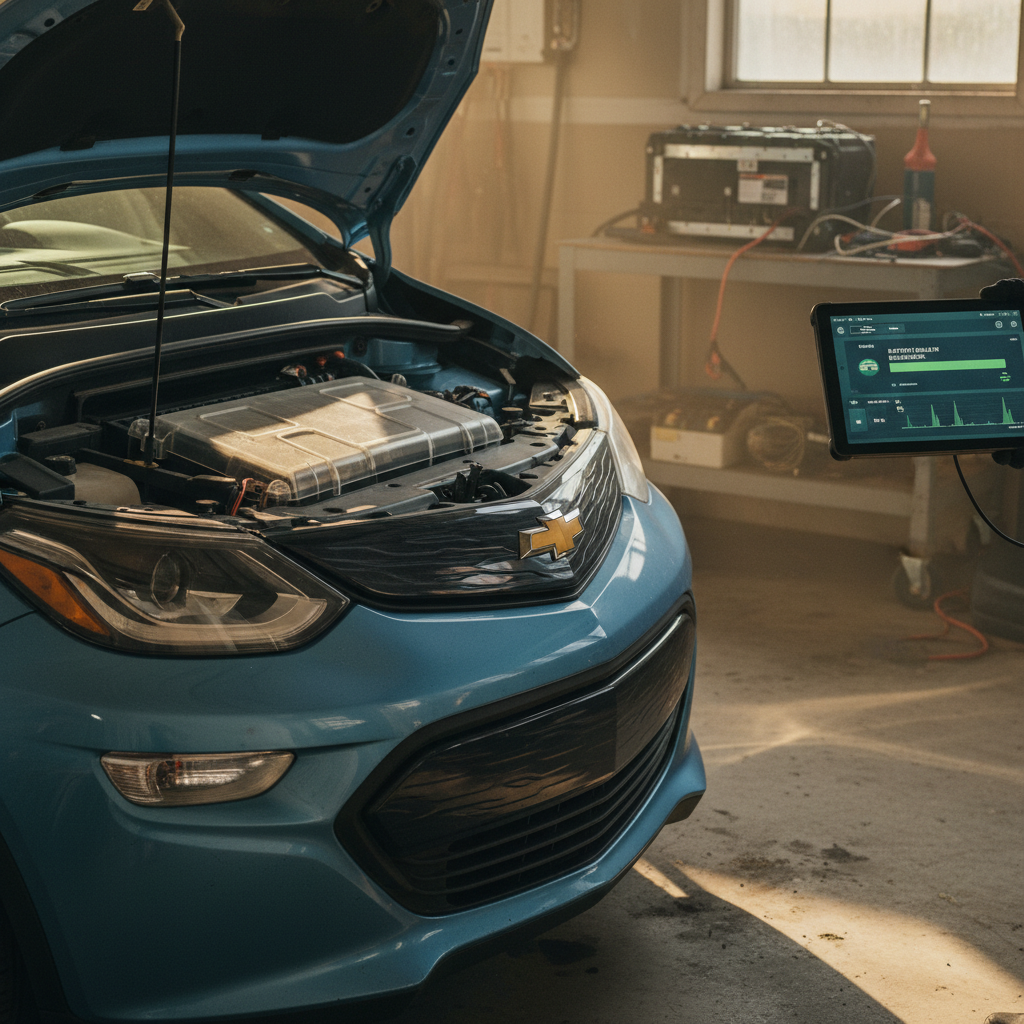
We don’t rely on vague range estimates. Recharged’s battery health diagnostics check pack condition, charging behavior and error codes, then convert that into an easy‑to‑understand report so you know what you’re buying.
Finance, trade‑in and delivery
You can arrange financing, apply your trade‑in, choose an instant offer or consignment, and get nationwide delivery, all through a fully digital experience or at our Experience Center in Richmond, VA.
Ready to find your next EV?
Browse VehiclesWhether you’re eyeing a budget Nissan Leaf or a road‑trip‑ready Model 3, Recharged’s EV‑specialist team can walk you through battery reports, charger compatibility and long‑term costs before you sign anything.
FAQs: best value used electric car 2026
Frequently asked questions about best value used EVs in 2026
Bottom line: best value used EVs for 2026
In 2026, the best value used electric cars are the ones that turn steep early depreciation into a long runway of low‑cost ownership. For most buyers, that means practical, mainstream models like the Hyundai Kona Electric, Kia Niro EV, Chevy Bolt EV/EUV, Nissan Leaf and Tesla Model 3, each with its own strengths depending on your budget and driving pattern.
If you’re willing to do a bit of homework on battery health, range and charging, the used EV market in 2026 can deliver more car, more tech and lower running costs than almost any comparable gas vehicle. And if you’d rather not go it alone, Recharged is built to make that homework easy: from Recharged Score battery diagnostics and fair‑market pricing to financing, trade‑ins and nationwide delivery. That way, “best value” isn’t just a headline, it’s the car in your driveway still feeling like a smart decision years from now.