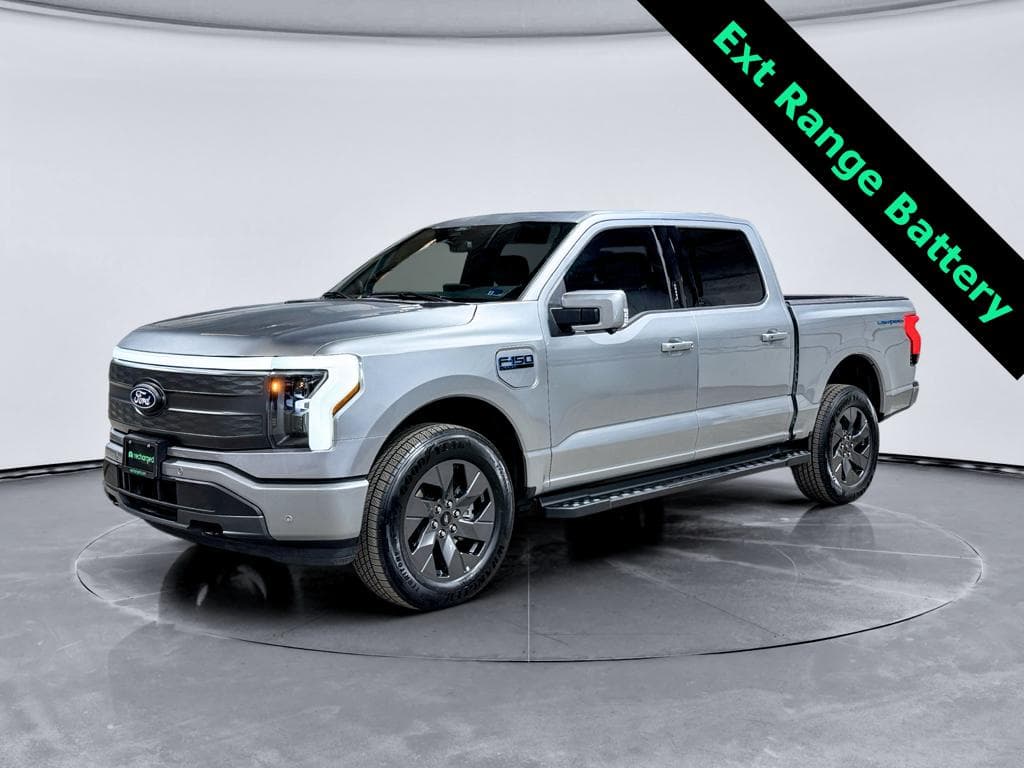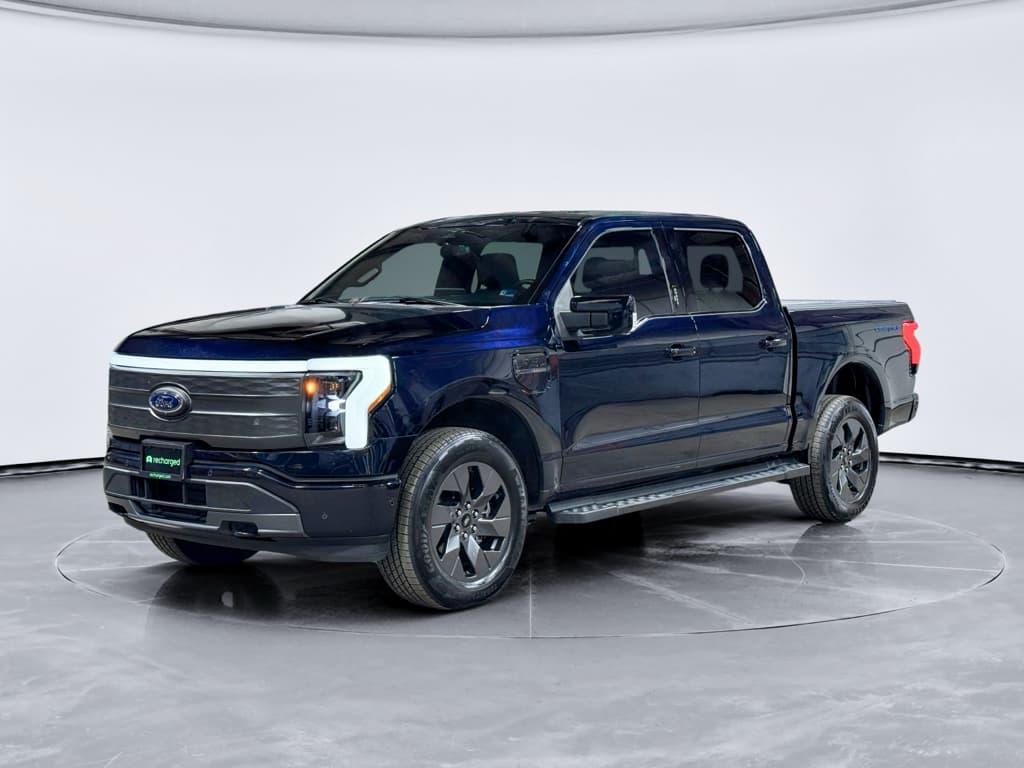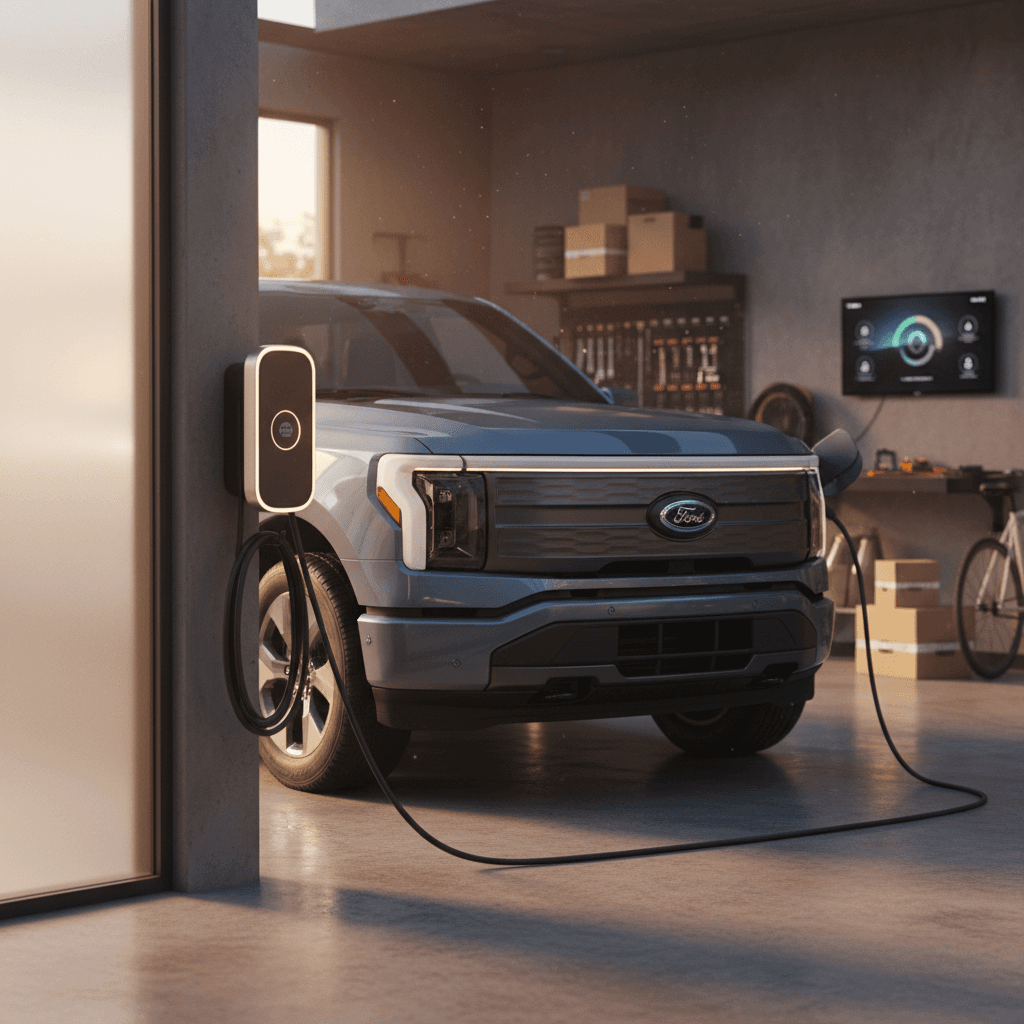
If you own a Ford F-150 Lightning, the **best home charger** isn’t just about raw speed. It’s about how you actually use your truck: long commutes vs weekend runs to the hardware store, whether you want home backup power, and how much electrical capacity your house can spare. Get those pieces wrong and you can overspend by thousands of dollars for charging performance you’ll never use.
Lightning uses Level 2 AC at home
Why home charging matters for F-150 Lightning owners
How home charging changes Lightning ownership
The F-150 Lightning is a big battery on wheels. Depending on trim and year, you’re looking at roughly **100–130 kWh** of usable capacity. That’s fantastic for range and towing, but it means a **weak home charger turns every deep recharge into an all-day affair**. Dial in the right Level 2 setup and you turn your truck into a reliable appliance: plug in at night, wake up every morning with the range you need.
Used Lightning? Check what’s included
F-150 Lightning charging basics: amps, kilowatts, and connectors
Onboard charger limits
- Standard‑range Lightnings charge at roughly 11–11.3 kW on AC power.
- Many extended‑range trims offer up to 19.2 kW AC charging when paired with an 80A circuit and the Charge Station Pro.
- Your maximum AC charging speed is always limited by the truck’s onboard charger, not just the wall box rating.
Connectors by model year
- 2022–2024 Lightnings use the familiar J1772 port for Level 2 AC charging.
- 2025+ Lightnings transition to Ford’s NACS port, but home chargers and adapters are designed to keep everyday use simple.
- Any quality Level 2 EVSE that supports your connector standard will work; the truck controls the actual charging.
Don’t overbuy amperage blindly
Top home charger options for the F-150 Lightning
When drivers search for the **Ford F-150 Lightning best home charger**, they’re usually choosing between three broad paths: Ford’s own hardware, a premium third‑party Level 2 charger, or a more budget‑friendly unit that still matches the truck’s needs.
Main home charging paths for Lightning owners
Start with how much power you really need, then layer in features and budget.
Ford Charge Station Pro (80A)
Ford’s flagship home charger, designed specifically around the Lightning.
- Up to 80A on a 100A circuit (about 19.2 kW) on supported trims.
- Required for full Intelligent Backup Power home backup integration.
- Best for owners who want ultimate speed and home energy features.
48A smart Level 2 chargers
The sweet spot for most Lightning owners.
- Up to 11.5 kW, enough to refill a standard‑range pack overnight.
- Thinner wiring and a 60A breaker instead of 100A.
- Strong app support, scheduling, and reliability from major brands.
40A & mobile solutions
For lighter daily driving or limited panel capacity.
- Inexpensive 32–40A wall boxes or upgraded mobile cords.
- Good match for short commutes and overnight stays.
- Ideal in older homes that can’t easily support heavy loads.
Ford F-150 Lightning home charger comparison
How common home charger types stack up for Lightning owners. (Assumes typical U.S. 240V service and healthy battery.)
| Charger type | Max amps (circuit) | Approx. power | Best for Lightning trims | 0–100% standard‑range | 0–100% extended‑range |
|---|---|---|---|---|---|
| Ford Charge Station Pro | 80A (100A breaker) | Up to ~19.2 kW | Extended‑range with 19.2 kW onboard charger | ~7–8 hours | ~10–11 hours |
| 48A smart Level 2 | 48A (60A breaker) | ~11–11.5 kW | Most standard‑range & many extended‑range trims | ~10–11 hours | ~14–15 hours |
| 40A Level 2 | 40A (50A breaker) | ~9.6 kW | Budget setups, moderate daily use | ~12–13 hours | ~16–18 hours |
| Ford Mobile Power Cord (30A 240V) | 30A (40A breaker) | ~7.2 kW | Occasional charging, small daily miles | Overnight top‑offs, not ideal from 0–100% | Long overnight charges; fine if you rarely arrive empty |
Approximate charge times are from near‑empty to full under ideal conditions. You rarely need a full 0–100% charge in normal use.
Ford Charge Station Pro vs 48A Level 2: which is best?
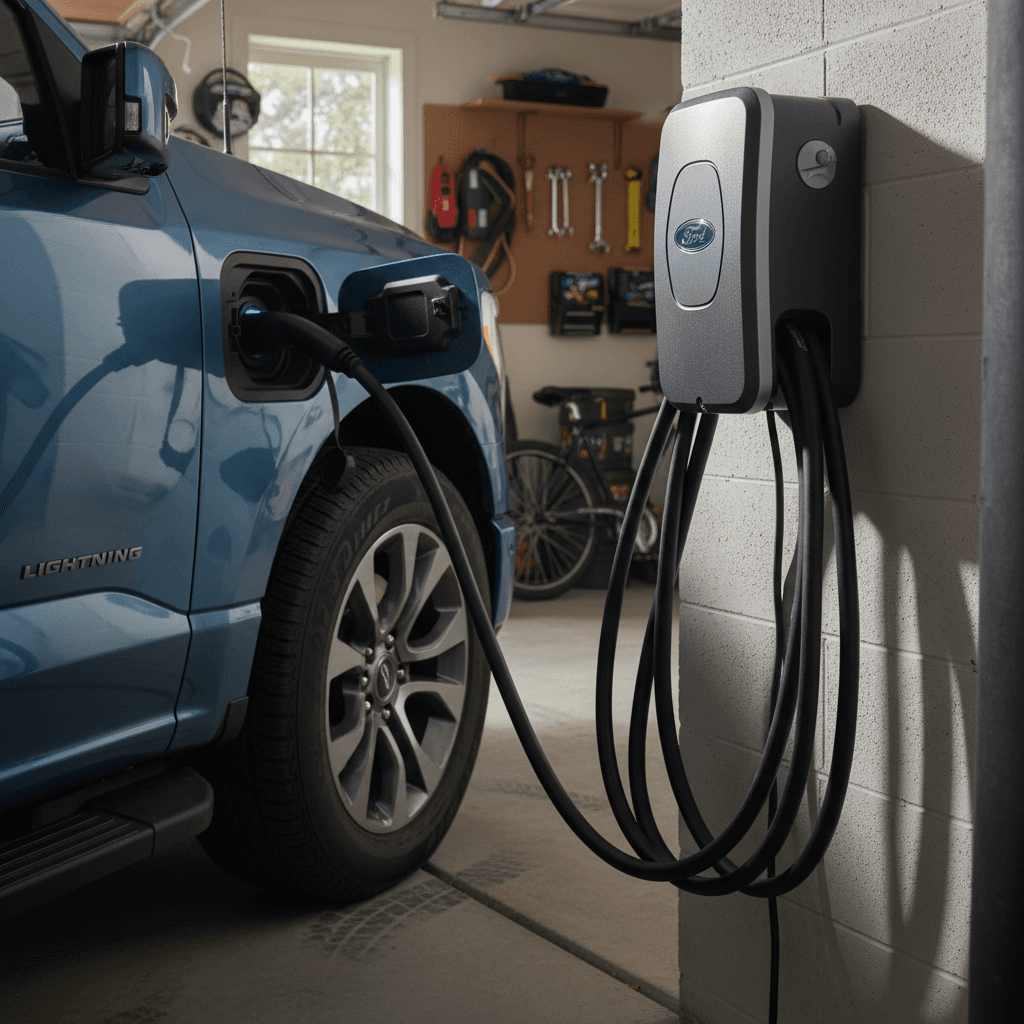
The Ford Charge Station Pro is the obvious headline choice: 80 amps, Lightning branding, and the golden ticket for full home backup power integration. But for many households, a well‑chosen 40–48A Level 2 charger is the **best home charger for a Ford F-150 Lightning**, simply because it fits the house better than it fits the brochure.
When the Ford Charge Station Pro makes sense
- You own an extended‑range Lightning with the higher‑power onboard charger and want the fastest possible AC charging.
- You plan to install or already have Ford’s Intelligent Backup Power system and want whole‑home backup via your truck.
- Your panel can realistically spare a 100A breaker without a multi‑thousand‑dollar service upgrade.
- You value a single‑vendor solution from Ford, even if the hardware is bulkier and more complex than generic units.
When a 40–48A Level 2 is the smarter play
- Your Lightning’s onboard charger maxes out around 48A (11–11.5 kW).
- You mostly drive 40–80 miles a day and rarely arrive home near empty.
- Your existing panel can easily handle a 60A or 50A circuit but not a 100A monster.
- You want a smaller, lighter handle and cable that’s easier to live with every single day.
- You don’t need full home backup, or you’re using a separate generator/backup solution.
The quiet winner for most owners
Installation and panel capacity: what you really need
Home charging isn’t just about the charger; it’s about what your **electrical panel** can deliver without tripping breakers when the dryer, oven, and heat pump all kick on. This is where many Lightning owners get a rude awakening: the truck is ready for 80A charging long before the house is.
Pre-install checklist for a Lightning home charger
1. Pull your panel’s main rating
Look at the main breaker: most U.S. homes are 100A, 150A, or 200A. An 80A EV circuit typically needs a 100A panel with plenty of unused capacity, or more realistically a 200A service.
2. Get a proper load calculation
Have a licensed electrician run a load calc that includes your HVAC, range, dryer, and planned EV charger. This determines whether you can add a 50–100A circuit safely without upgrading service.
3. Decide on circuit size before picking hardware
If the panel can only spare 60A, there’s no point in buying an 80A charger. Instead, choose a 40–48A unit that runs happily on a 50–60A breaker.
4. Plan the run and location
Shorter wire runs cost less and waste less power. Ideally your charger mounts on the wall nearest the panel, with enough cable to reach the Lightning’s charge port without stretching.
5. Think about future vehicles
If you’re likely to add a second EV, talk to your electrician about running conduit or installing a subpanel now. It’s cheaper to overspec once than to redo everything in three years.
6. Confirm outdoor vs indoor rating
Many Lightning owners park outside. Make sure your charger is rated for wet locations and extreme temperatures, not just a cozy garage wall.
Beware the surprise service upgrade
Smart features, apps, and scheduling
Once the wiring’s sorted, the next layer of "best" is software. A good Lightning home charger should be more than a dumb power hose, it should help you **pay less for electricity** and keep track of your energy use over time.
Key smart-charging features that actually matter
Skip the gimmicks. Focus on the tools that save you money or hassle.
Scheduled charging
Set your Lightning to charge during off‑peak utility windows, typically late at night, when power is cheapest.
Many utilities now have time‑of‑use plans where overnight rates can be half of daytime prices.
Solid mobile app
You want fast connection, reliable notifications, and clear reporting of kWh used, not just a pretty interface.
Good apps make it easy to see what each full charge costs and how that compares with gas.
Dynamic load management
Some premium chargers can automatically dial down current if your home is nearing its load limit.
This can be a lifesaver in homes that are panel‑constrained but still want reasonably fast charging.
Let the truck do some of the thinking
Backup power and bidirectional charging with the Lightning
One of the F-150 Lightning’s signature tricks is **Ford Intelligent Backup Power**, using the truck as a giant home battery during outages. If that’s on your wish list, it has outsized influence on what “best home charger” really means.
What you need for Intelligent Backup Power
- A compatible Lightning (most extended‑range trims are designed with this in mind).
- The Ford Charge Station Pro home charger.
- Ford’s Home Integration System hardware, which connects your house, the charger, and the grid.
- Professional installation to ensure safe transfer switching when the power goes out.
Done right, the truck can keep essential loads, or even your whole house, running for days, depending on usage.
When backup power isn’t worth chasing
- You live in an area with rare outages and already own a small generator.
- Your panel and service are too limited for the added complexity and cost of the integration hardware.
- You mostly want the Lightning as a truck first, EV second, not as a home battery science project.
- In that case, a simpler 40–48A Level 2 charger frees up budget for other upgrades, like winter tires or a bed rack.
Backup power is not a DIY project
Cost to charge at home and how to save
The nice thing about a big battery is that it’s a big battery. The less nice thing is that every full charge is a meaningful chunk of electricity. But compared with gas, even a thirsty Lightning looks like a bargain when you’re plugged into a well‑configured home charger.
- At a typical U.S. residential rate around $0.15/kWh, a roughly 120 kWh full charge is about **$18**. The same energy in gasoline for a full‑size pickup often costs two to three times more.
- On time‑of‑use rates with cheap overnight pricing, that same full charge can drop into the low‑teens, or even under $10 in some markets.
- Most owners don’t charge from 0–100%. Topping from 30–80% after daily driving uses far less energy while keeping the battery happiest.
Three easy ways to lower your Lightning charging bill
- Enroll in a **time‑of‑use** plan if your utility offers it.
- Use your charger or FordPass to **schedule charging** after 9–10 p.m. when rates often fall.
- Aim for regular partial charges (say 20–80%) instead of constant 0–100% marathons.
Choosing the best home charger for your situation
Match your Lightning home charger to your life
Daily commuter & occasional hauling
You drive 30–80 miles most days, with weekend errands and the occasional trailer.
A <strong>40–48A smart Level 2</strong> on a 50–60A circuit will easily refill overnight.
Prioritize scheduling, a good app, and outdoor‑rated hardware if you park outside.
Heavy towing, long trips, or work use
Frequent highway towing or long workdays leave the battery low by evening.
If you have an extended‑range Lightning with the big onboard charger, the <strong>Ford Charge Station Pro</strong> can be worth it.
If your panel can’t support 80A, install the fastest Level 2 you reasonably can (usually 48A) and rely on occasional DC fast charging for brutal days.
Older home or limited electrical capacity
You’re in a 100A or constrained 150A home and electricians keep mentioning upgrades.
Instead of forcing an 80A circuit, choose a **32–40A charger** sized to your panel.
A well‑tuned 32–40A setup still adds useful range overnight without blowing your budget on a new service drop.
Backup-power-focused owner
Power outages are a fact of life where you live, and a portable generator isn’t cutting it.
Leaning into Ford’s **Intelligent Backup Power** ecosystem makes sense.
Budget for the Charge Station Pro, Home Integration System, and a quality installer, and accept that this is as much a home‑energy project as a charging upgrade.
There isn’t a single universal **“best home charger” for the Ford F-150 Lightning**, there’s the best charger for the way you live, the house you live in, and the trim sitting in your driveway. For many owners that’s a smart 48A Level 2 that quietly fills the battery every night. For others, it’s Ford’s 80A Charge Station Pro at the center of a whole‑home backup system. The key is to size the hardware to your real needs, not to the marketing copy.
FAQ: Ford F-150 Lightning home charging
Frequently asked questions about F-150 Lightning home chargers
How Recharged can help with your F-150 Lightning
If you’re still deciding which F-150 Lightning, and which home charging setup, fit your life, you don’t have to puzzle it out alone. At Recharged, every used EV we sell comes with a **Recharged Score Report** that includes verified battery health, transparent pricing, and expert guidance on what you’ll need for home charging.
Our EV specialists can walk through your daily driving, your home’s electrical situation, and your budget to help you choose the right charger, whether that’s a Ford Charge Station Pro tied into backup power or a straightforward 48A wall box that just works. And with **financing, trade‑in options, digital paperwork, and nationwide delivery**, you can go from research to a sorted Lightning in your driveway with a lot less friction. When you’re ready, explore F-150 Lightning listings on Recharged and we’ll help you build the home charging plan to match.