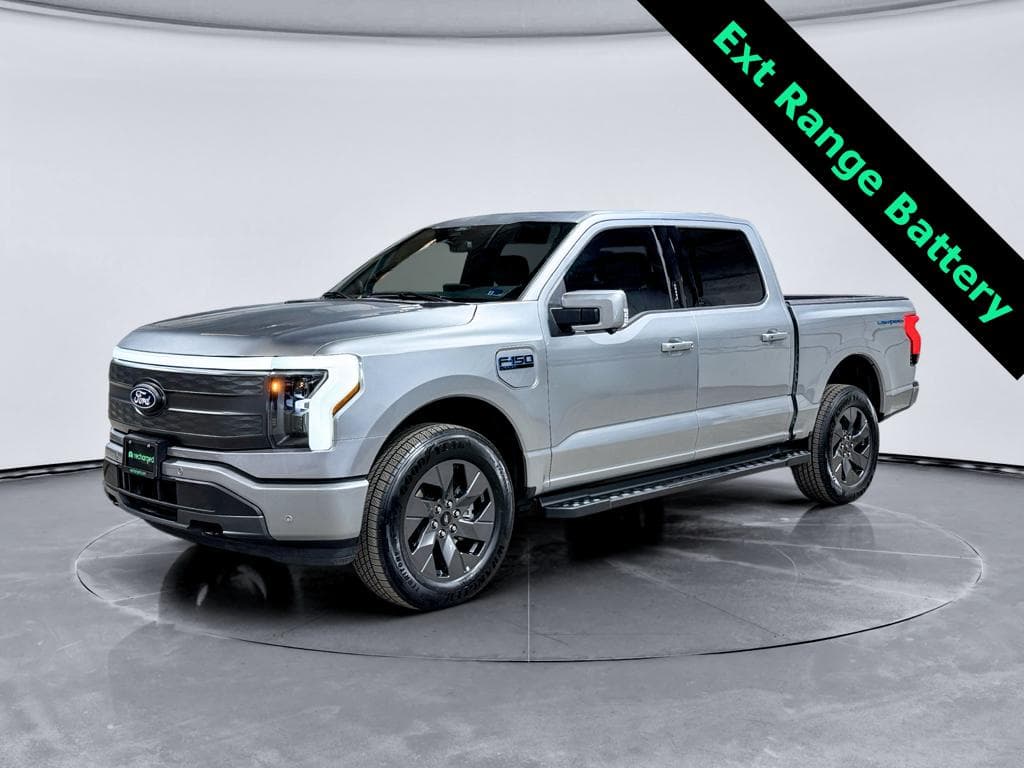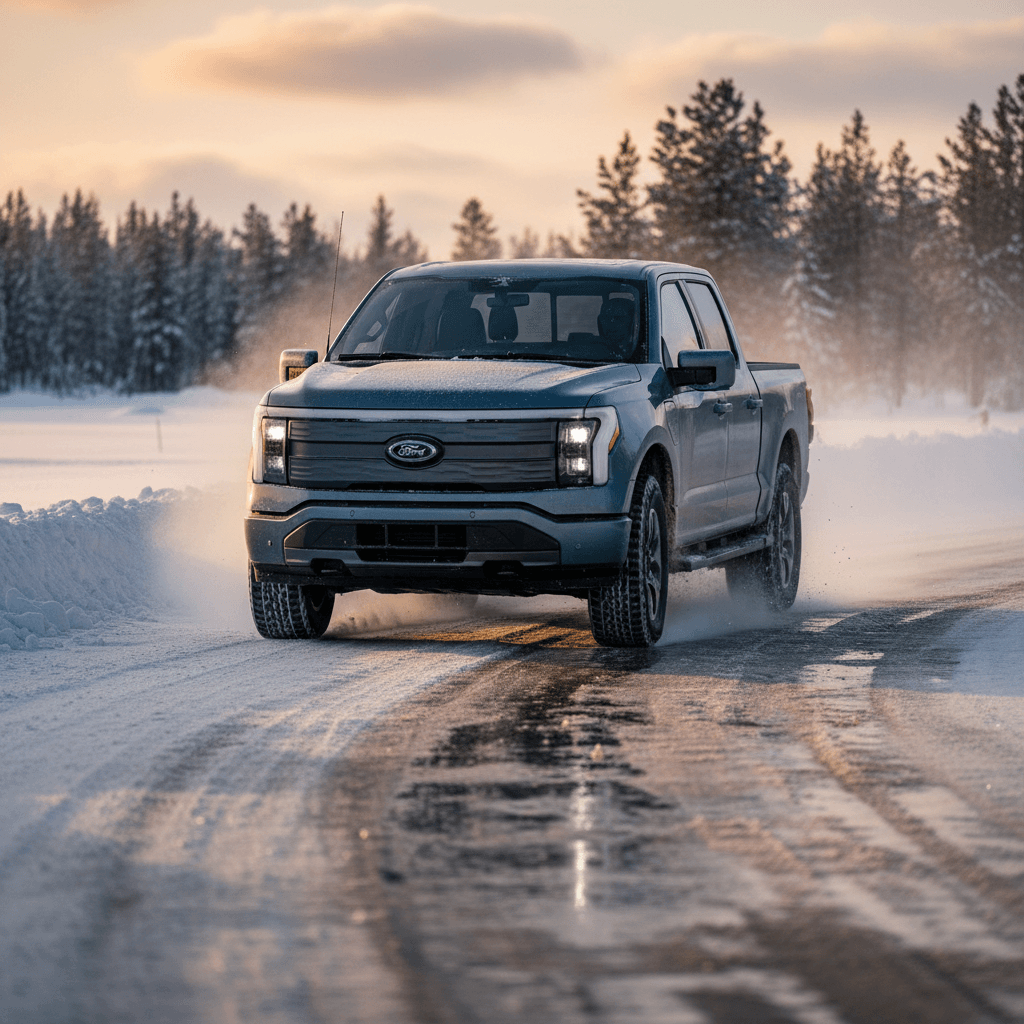
If you live where winter means plow berms, black ice, and unplowed back roads, you’re probably wondering whether the Ford F-150 Lightning is actually good in snow and ice, or if an electric pickup is just a fair-weather toy. The short answer: set up correctly, the Lightning can be a winter beast, but you need to understand its strengths, its limits, and how cold weather hits range.
Quick Take
How the F-150 Lightning Handles Snow and Ice
Let’s start with the basics: the F-150 Lightning is a heavy, all-wheel-drive pickup with around 8.5–8.9 inches of ground clearance depending on model year and trim. That’s in the same ballpark as many gas F-150s and body-on-frame SUVs, and it’s plenty for plowed roads and moderate snow depth.
Key Winter-Driving Specs for the F-150 Lightning
Don’t Rely on Specs Alone
Why Electric Trucks Like the Lightning Can Shine in Winter
EV Advantages You Actually Feel in Winter
The Lightning brings some built‑in snow benefits you don’t get in older gas trucks.
Low Center of Gravity
Instant, Controlled Torque
Cabin Heat Without Idling
Preconditioning Is Your Winter Superpower
Ford F-150 Lightning Strengths in Snow and Ice
- All-wheel drive on every model: dual-motor AWD is standard, so you’re never stuck in a 2WD base truck on all‑seasons.
- Excellent traction and stability control: the truck constantly monitors wheel slip and can trim torque far more precisely than a traditional automatic transmission and transfer case.
- One‑pedal driving that can help on slick descents: many owners like gentle, predictable regen as a kind of automatic engine braking on snowy hills when used carefully.
- Good ground clearance for plowed roads: around 8.5–8.9 inches is fine for typical accumulation, ruts and frozen parking‑lot mess.
- Heavy, stable feel: that battery weight helps it shrug off crosswinds and choppy, frozen surfaces.
Where the Lightning Feels Best in Winter
Winter Limitations: Where the Lightning Struggles
Now for the other side of the coin. When people ask whether the Ford F-150 Lightning is best for snow and ice, they’re really asking two things: Will it keep me out of the ditch, and will it still get me where I’m going without running the battery down in the cold?
Biggest Winter Pain Points for Lightning Owners
None of these are dealbreakers, but you need to plan for them.
Cold-Weather Range Loss
Deep Snow & Crusty Ruts
The Real Winter Risk: Overconfidence
Best F-150 Lightning Setup for Snow and Ice
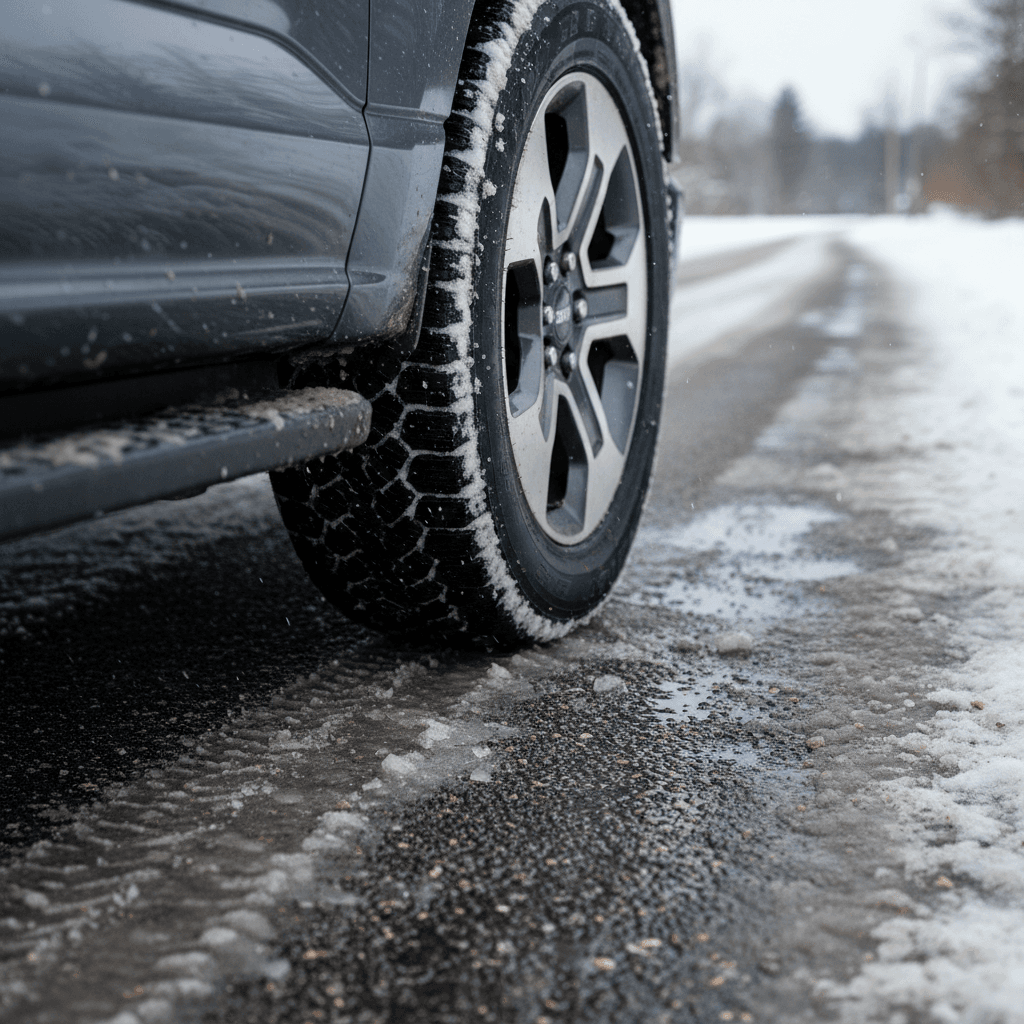
The single biggest difference between a so‑so winter truck and a brilliant one is tires. That’s even more true with the Lightning’s instant torque and heavy curb weight.
Best Tire Choices for Your Winter Driving Style
Match your F-150 Lightning’s tires to how much snow and ice you really see each year.
| Driving Environment | Best Tire Type | What It’s Good At | What You Give Up |
|---|---|---|---|
| Mild winters, mostly wet & slush | All-season truck/SUV tire | Good year‑round compromise, quiet, efficient | Limited grip on hard-packed snow and ice |
| Snowbelt suburbs & ski trips | Dedicated winter tire (studless) | Excellent snow/ice traction, shorter stopping distances | Lower efficiency, softer feel in warm temps |
| Rural & mixed dirt/snow | 3‑peak mountain snowflake all‑terrain | Better bite in deep, loose snow and slop | More noise and rolling resistance year‑round |
When in doubt, prioritize true winter tires over all‑terrains if you regularly face packed snow and ice.
Winter Setup Checklist for Your F-150 Lightning
1. Choose the right tires
If you routinely see snowpack or ice, invest in a second set of wheels with quality winter or 3PMSF all‑terrain tires sized correctly for the Lightning. It’s the best money you’ll spend on winter safety.
2. Set tire pressures for cold
Cold air drops tire pressure. Check and adjust pressures when temperatures fall so you’re running at the recommended PSI on the driver’s door sticker, even in January.
3. Protect the underbody & connectors
If you’re in a road‑salt region, consider underbody wash and protection. Keep the charge port clean and dry, and use the port door to shield it from blowing snow when parked.
4. Carry a real winter kit
Add a shovel, traction boards or sand, warm gloves, blankets, a scraper, and charging cables you can handle with cold fingers. An EV is still a truck; treat it like one.
5. Use floor liners and frunk storage
Melted snow and road salt ruin carpets. All‑weather liners and using the Mega Power Frunk to stash wet gear keep the cabin drier and less fog‑prone.
Think in Sets, Not Just Tires
Best Drive Modes and Settings for Winter Driving
Ford’s drive modes evolve a bit by model year and trim, but you’ll generally see modes like Normal, Sport, Tow/Haul, Off‑Road, and sometimes Slippery or Deep Snow/Sand. The core winter goal is simple: smooth, predictable torque and braking, not maximum performance.
Best Everyday Winter Settings
- Normal mode is usually the right answer for plowed city streets and light snow. It balances responsiveness with stability systems tuned for daily driving.
- If your truck has a Slippery or similar mode, it can soften throttle response even more and adjust traction control logic for starts on slick surfaces.
- Use one‑pedal drive where you’re comfortable with it. Many Lightning owners find that gentle regen feels like secure engine braking on snowy hills, as long as you’re smooth.
When It’s Really Slick
- On glassy ice or steep, packed snow, consider reducing regen or turning off one‑pedal if it feels grabby. You want the smoothest possible deceleration, with ABS and stability systems free to manage wheel slip.
- Avoid aggressive modes like Sport in winter unless you know the road surface is dry. Extra‑sharp throttle mapping is the last thing you want on a hidden ice patch.
- Engage any available deep snow/off‑road mode only where there’s actually loose snow to churn through, not bare pavement, to avoid driveline stress and scrubbing tires.
Don’t Lock Differentials on Mixed Surfaces
Managing Range Loss in Cold Weather
Winter doesn’t just make driving trickier; it makes every EV driver a bit of a range accountant. Batteries are less efficient when cold, heating the cabin takes serious energy, and snow and slush add rolling resistance. The F-150 Lightning is no exception.
Simple Habits That Protect Your Winter Range
None of these are glamorous, but together they make a big difference.
1. Precondition While Plugged In
2. Plan Shorter Segments
3. Use Seat & Wheel Heaters
What’s “Normal” Winter Range Loss?
Buying a Used Lightning for Winter? Checklist
Now that Ford has announced plans to end production of the current F-150 Lightning generation and shift toward a next‑gen range‑extended truck, the used market is where a lot of savvy shoppers will find theirs. If you’re hunting specifically for a winter‑ready used Lightning, you’ll want to look beyond paint color and wheel design.
Used F-150 Lightning Winter Buyer’s Checklist
1. Ask about battery health
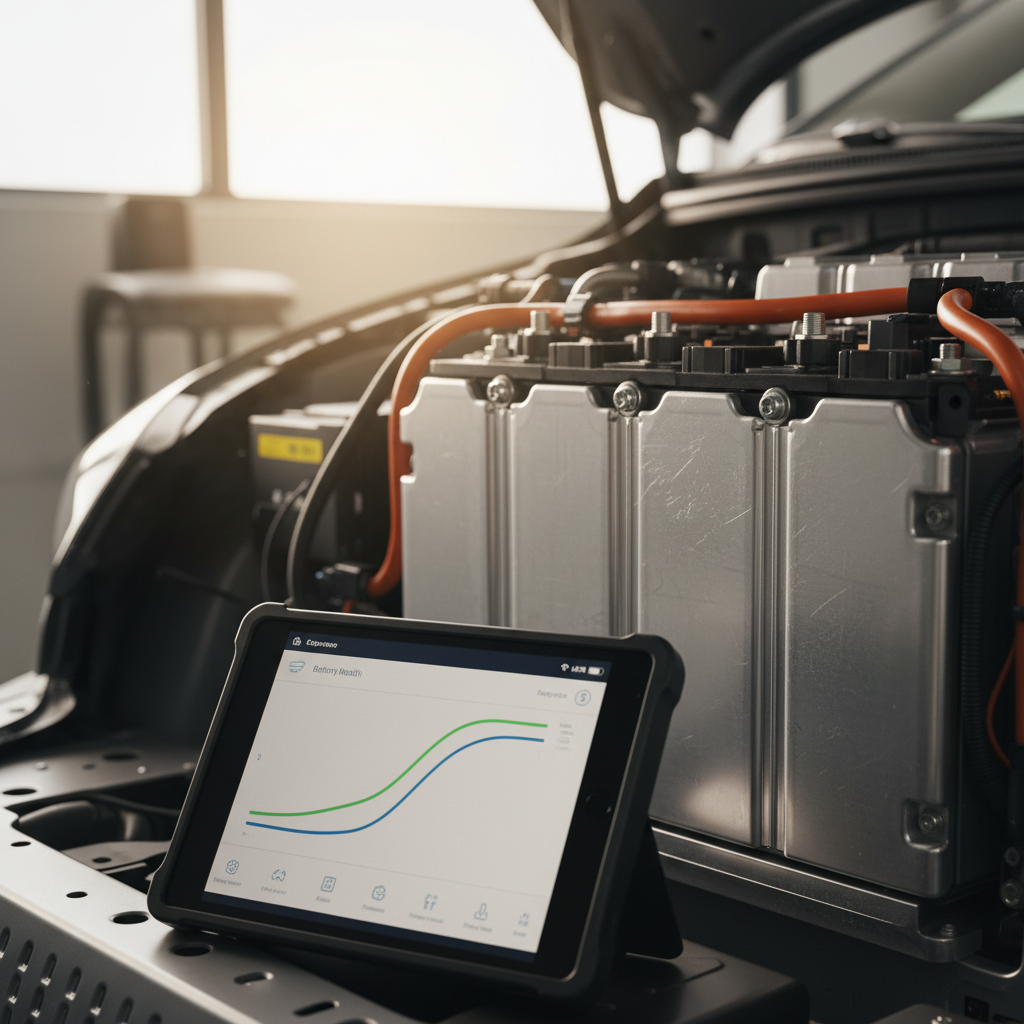
Cold weather exaggerates weak packs. A detailed battery health report, like the <strong>Recharged Score</strong> that comes with every truck on Recharged, helps you understand usable range today, not just when it was new.
2. Check tire condition and type
Are you getting worn‑out all‑seasons or a dedicated winter set in the deal? Tires are expensive on a truck this size; factor the cost of a proper winter setup into your budget.
3. Inspect underbody for rust and damage
If the truck lived in the Snowbelt, have someone look for corrosion around suspension mounting points, brake lines, and the battery enclosure. Normal surface rust is fine, structural rust is not.
4. Test all driver‑assist systems
In winter, working ABS, stability control, cameras, and parking sensors matter even more. On a test drive, feel for any weird ABS pulsing or dash warnings when braking on rough or wet pavement.
5. Verify charging habits and hardware
Ask how the previous owner charged, mostly at home Level 2 or constant DC fast charging. On Recharged, you can pair the truck with <strong>financing, trade‑in options, and nationwide delivery</strong> so you’re not stuck shopping only in your zip code.
How Recharged Helps Winter Shoppers
Ready to find your next EV?
Browse VehiclesFord F-150 Lightning Winter FAQ
Frequently Asked Questions About the F-150 Lightning in Snow and Ice
Bottom Line: Is the F-150 Lightning Best for Snow and Ice?
If your idea of winter driving is breaking trails in three feet of powder with locked differentials and rock‑crawling tires, the stock Ford F-150 Lightning is not that truck. But if you live with plowed roads, weekend ski runs, commutes on salted freeways, and a fair share of black ice, a properly set up Lightning is absolutely a winter‑worthy pickup, and in some ways, nicer to live with than its gas siblings.
The formula is simple: pick the right tires, use the calmer drive modes, respect winter range loss, and buy with clear information about battery health and prior use. Do that, and the F-150 Lightning stops being a question mark in snow and ice and starts feeling like what it really is, a modern, capable all‑weather truck that just happens to run on electrons. And if you’re shopping used, Recharged can help you compare trucks side by side, understand their batteries with the Recharged Score, line up financing, and have the right one delivered to your driveway before the next storm rolls in.