If you own a Hyundai Kona Electric, the battery is the most expensive single component in the car, and the key to enjoying strong range for years. The good news is that with a few simple habits, you can maximize your Kona Electric’s battery life without turning daily driving into a science project.
Big picture
Why battery care matters on the Kona Electric
Hyundai has been clear: the high‑voltage battery in the Kona Electric is designed to last the lifetime of the car, and it’s backed by an 8‑year battery warranty (in many markets, up to 160,000 km or 100,000 miles). In the real world, though, how you charge and drive can mean the difference between a Kona that still feels fresh at 10 years old and one that’s lost a noticeable chunk of range.
- Healthy batteries help preserve the Kona Electric’s strong EPA range over many years.
- A healthier pack keeps DC fast‑charging speeds higher for longer road trips.
- Good habits today protect resale value if you ever sell or trade your Kona EV.
Think long game, not perfection
Understanding your Kona Electric’s battery and warranty
The Kona Electric uses a liquid‑cooled lithium‑ion polymer battery pack. Depending on model year and trim, capacity is roughly mid‑40s kWh for the standard‑range pack and mid‑60s kWh for long‑range versions. Like every lithium‑ion pack, it slowly loses usable capacity over time, this is called degradation.
Kona Electric battery basics at a glance
A few facts make the rest of this guide easier to understand
Engineered buffer
Long battery warranty
Thermal management
Know your local warranty terms
Smart daily charging habits: 20–80% and beyond
If you remember only one thing from this article, make it this: lithium‑ion batteries are happiest in the middle of their state‑of‑charge (SoC) range. For a Hyundai Kona Electric, that means avoiding sitting at 0% or 100% whenever you reasonably can.
Daily charging habits that protect your Kona’s battery
Aim for a 20–80% daily window
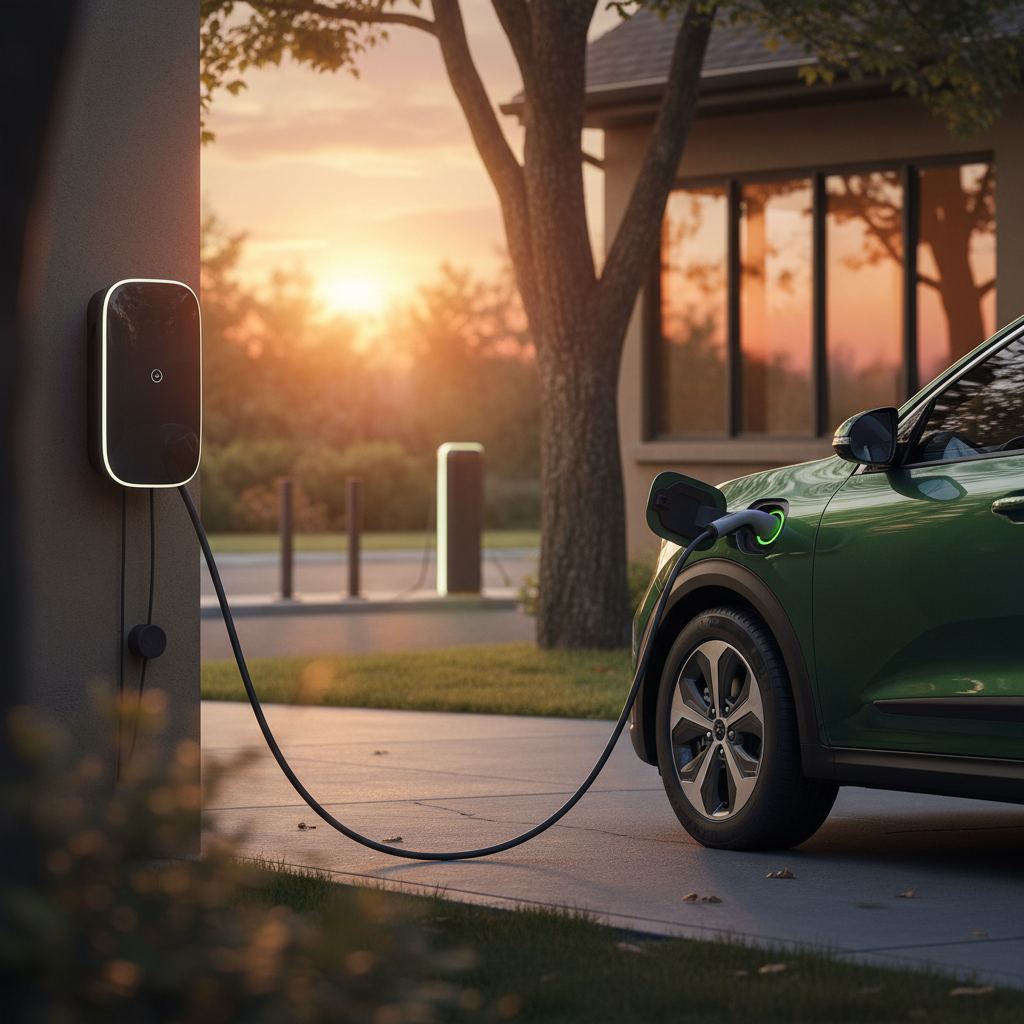
For everyday commuting, set your AC charging limit to around <strong>70–80%</strong> and try not to let the battery drop much below 10–20% regularly. This keeps the cells away from their most stressful extremes.
Use scheduled charging, not just plug‑and‑forget
If you plug in overnight, use the Kona’s <strong>departure time</strong> or scheduled charging so it finishes close to when you leave, especially on days you charge above 80%. Sitting full for many hours is tougher on the battery than simply reaching 100%.
Save 100% charges for trips
It’s absolutely fine to charge to 100% before a long drive or road trip. Just don’t make 100% every single night your default if you don’t need the range.
Favor Level 2 (AC) for routine charging
Whenever possible, use home or workplace <strong>Level 2 AC charging</strong> for your routine top‑ups. It’s gentler on the battery than frequent DC fast charging and usually cheaper too.
Avoid deep discharges when you can
The car will protect itself, but running down to the last bar or under 5% on a regular basis adds stress. Think of 0% as your true emergency reserve, not a daily target.
Garage routine that works in the real world
Using DC fast charging without abusing it
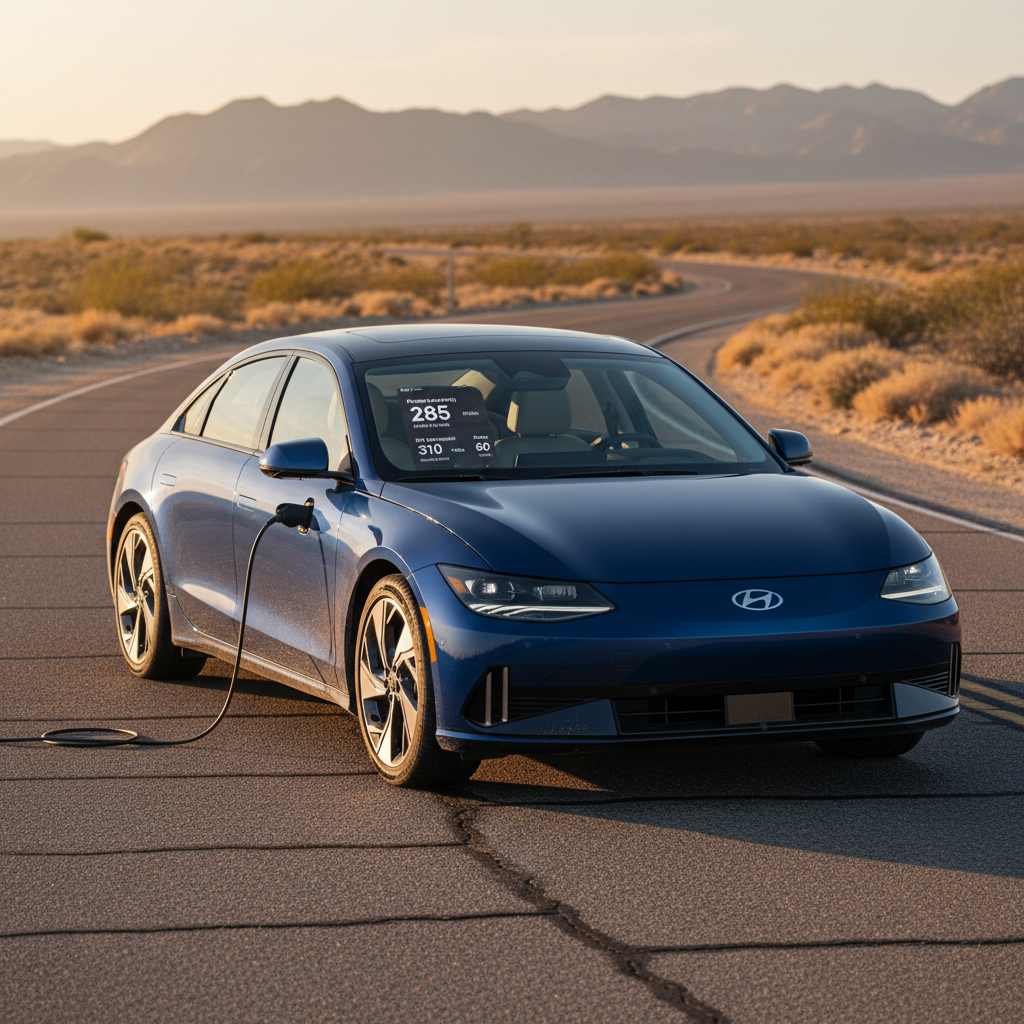
The Kona Electric can DC fast‑charge at highway stations, which is a lifesaver on road trips and busy days. But high‑power charging creates more heat in the cells, which, if used constantly, can speed up wear. Hyundai’s own guidance is to rely on DC fast charging for occasional use, not as your everyday fuel pump.
Best practices for DC fast charging your Kona Electric
Use this as your roadside cheat sheet whenever you plug into a high‑power charger.
| Scenario | Recommended target | Why it helps |
|---|---|---|
| Typical highway stop | Charge from ~10–20% up to ~70–80% | This is the fastest part of the charge curve and avoids holding the battery near full at high voltage. |
| Cold weather fast charge | Arrive with 20–40% and drive a bit before charging | A gently warmed‑up pack will charge faster and with less stress than a pack that is very cold and nearly empty. |
| Everyday local driving | Prefer Level 2 at home or work | Smooth, slower AC charging keeps pack temperatures mild and reduces long‑term stress. |
| Emergency or rare use | Charging to 90–100% on DC fast | Fine when you truly need the range; just don’t make this the normal pattern. |
You don’t have to avoid DC fast charging, just use it thoughtfully.
Don’t chase 100% at a fast charger
Driving habits that protect your battery and range
The way you drive your Kona Electric affects both how much energy you use and how hard you ask the battery to work. Aggressive acceleration and high sustained speeds heat up the pack and motor; over time, that extra thermal stress doesn’t help longevity.
Smoother driving, happier battery
- Ease into the accelerator instead of flooring it away from every light. Instant torque is fun, but brutal launches translate to high current draw and more heat.
- Use Eco or Normal mode for daily driving. Sport mode’s sharper response can tempt you into energy‑hungry habits.
- Cap your top speed when possible. Aerodynamic drag (and consumption) climbs quickly above highway limits, especially in crosswinds or cold weather.
Use regen to work with, not against, traffic
- Experiment with the Kona’s regen paddle settings. Higher regeneration lets you recapture more energy when slowing down.
- Anticipate traffic so you can coast early instead of braking hard at the last second. That’s easier on tires and keeps regen efficient.
- On long highway runs, a moderate regen setting and steady speed usually give the best blend of comfort and efficiency.
Bonus: Battery health and your wallet
Heat, cold, and storage: How temperature affects your Kona EV
Lithium‑ion cells don’t like extremes. Your Kona Electric’s battery management system works hard to keep the pack in a comfortable temperature window, but a few choices on your part can make its job much easier.
Managing your Kona Electric in hot and cold weather
Temperature is one of the biggest levers you have on battery life.
In hot climates
- Park in the shade or a garage when you can. Baking at high SoC in full sun is a worst‑case combo for degradation.
- Avoid topping to 100% in intense heat unless you’ll drive soon after. High voltage plus high temperature ages cells more quickly.
- If your Kona offers a battery protection or winter mode that manages pack temperature, keep it on during extreme seasons even if it costs a bit of range.
In cold climates
- Expect temporary range loss in winter; that’s not necessarily permanent degradation.
- Whenever possible, finish charging shortly before departure. A just‑charged pack is warmer and delivers power more easily.
- If your model supports it, use pre‑conditioning via the app while plugged in so cabin heating draws from the grid instead of the pack.
Storage rule of thumb
Kona Electric settings that help maximize battery life
Hyundai quietly bakes several battery‑friendly tools into the Kona Electric’s menus. Spending ten minutes with the settings can pay you back in years of healthier capacity.
Key Kona Electric settings to review
Set a sensible AC charge limit
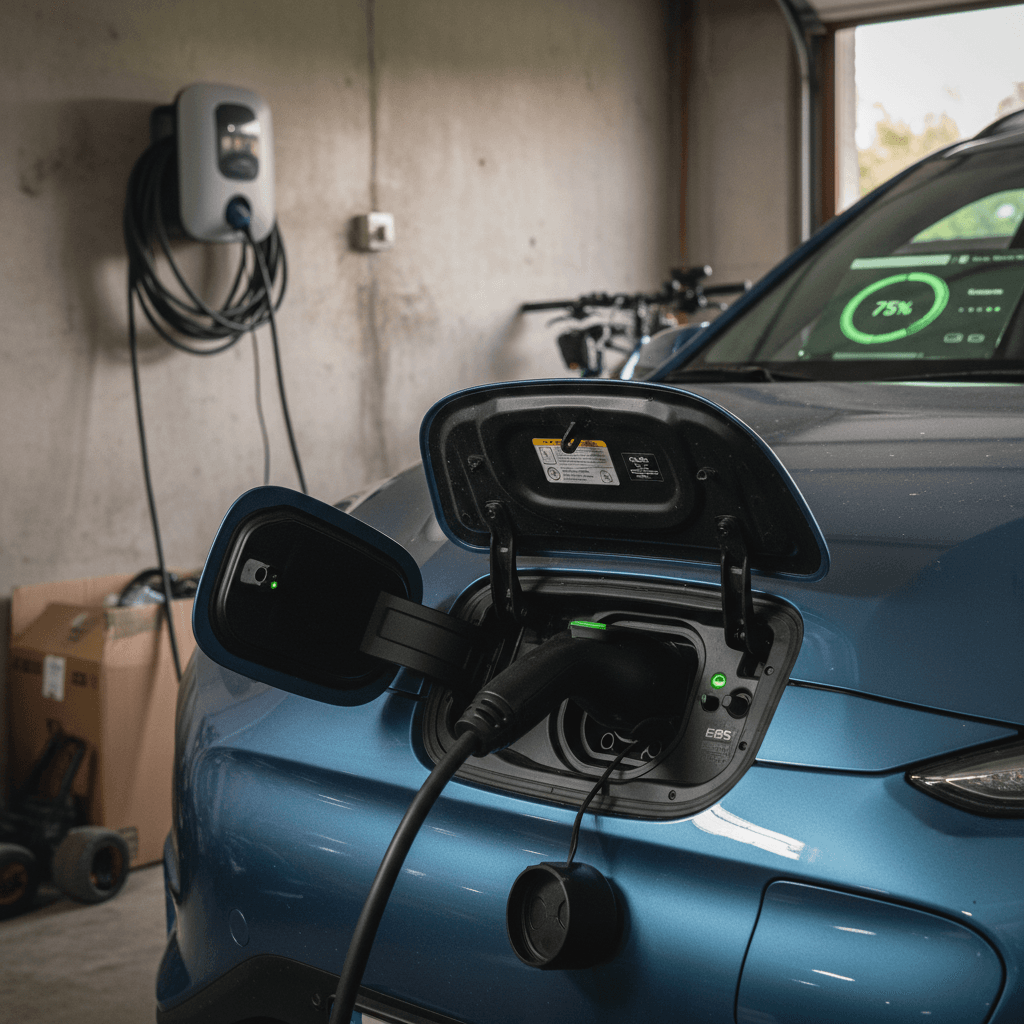
In the EV settings screen, look for the <strong>charge limit slider</strong> and dial it to about 70–80% for everyday use. Some owners even choose 60–70% if they have short commutes and easy access to charging.
Use different limits for AC vs. DC
If your Kona allows separate limits for AC and DC, consider a slightly higher DC limit for rare road‑trip charging while keeping a more conservative limit for daily home charging.
Turn on battery protection / winter mode (if equipped)
On newer Konas and in colder regions, you may see a <strong>winter mode</strong> or similar feature that keeps the battery within an optimal temperature range. It may use a bit more energy but can both improve drivability and reduce cold‑related stress.
Schedule off‑peak charging
Use the car or your home charger’s schedule to <strong>start charging during cheaper, cooler off‑peak hours</strong>. That’s easier on both your battery and your electric bill.
Enable connected services
Apps like <strong>Bluelink or myHyundai</strong> (depending on model year and market) let you remotely start cabin pre‑conditioning and check charge status, tools that help you avoid unnecessary 100% sits or deep discharges.
Signs your Kona battery may need a checkup
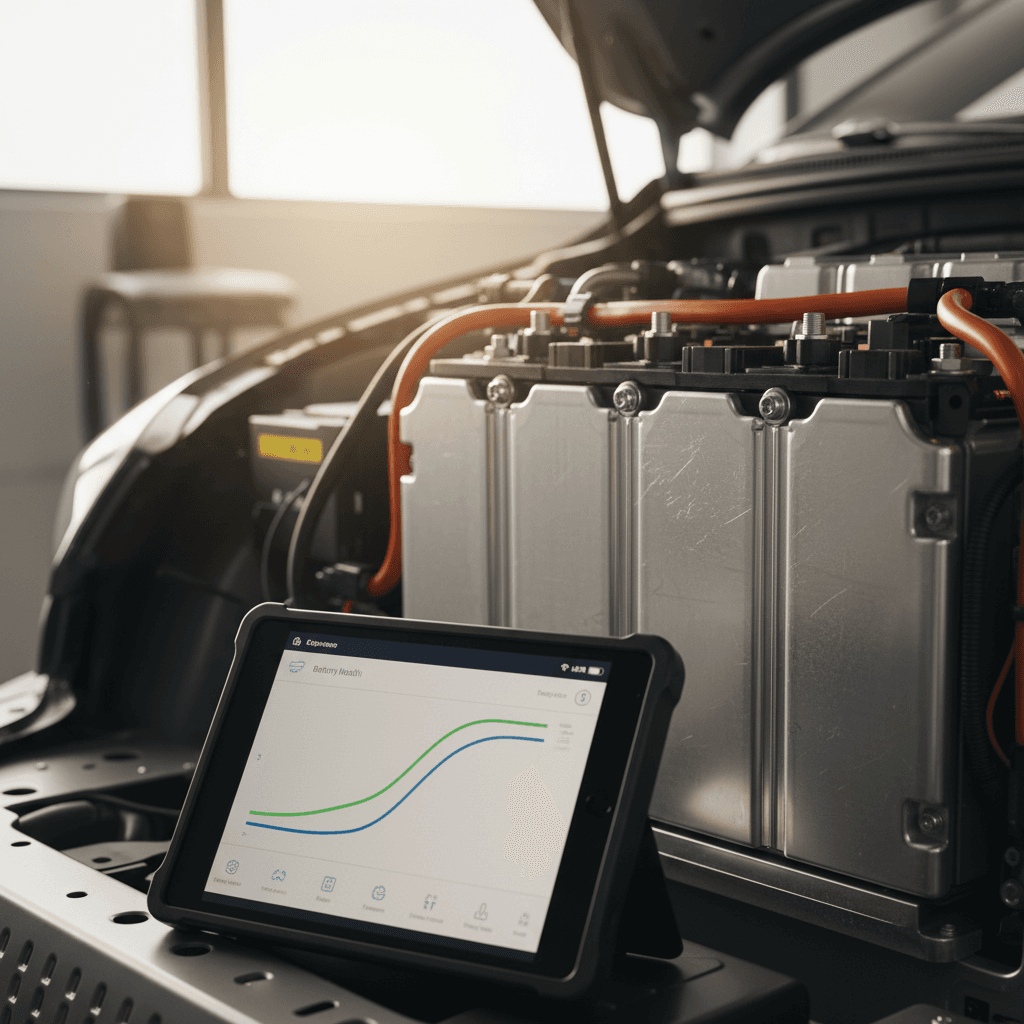
Most Kona Electric packs age slowly and quietly. But just like any mechanical part, a battery that’s been abused, damaged, or has a manufacturing defect can show early warning signs. Catching those early makes warranty or repair conversations much easier.
- You notice a sudden, sharp drop in indicated range, for example, your usual 80% now shows 30–40 fewer miles without a clear change in weather or driving style.
- The car frequently displays warnings about limited power or reduced charging speed even in mild temperatures and at moderate SoC.
- DC fast‑charging speeds remain unusually low (well under what other Kona owners typically see) despite warm weather and reasonable SoC.
- Dash lights or the app flag high‑voltage system errors or “battery condition” alerts.
Get a professional battery health check
Battery health and used Kona Electrics
If you’re considering a used Hyundai Kona Electric, battery health is the single biggest question. You can’t evaluate it the way you would oil changes on a gas car, and range can be affected by weather or recent driving, not just long‑term degradation.
Questions to ask about a used Kona Electric
- How was it charged? Occasional DC fast charging is normal; years of daily fast‑charge commuting is harder on the pack.
- Where did it live? Hot, sunny climates with lots of outdoor parking are tougher on batteries than mild ones.
- What’s the current usable range? A calm, mixed‑driving test route is more telling than a quick blast around the block.
How Recharged helps de‑mystify battery health
At Recharged, every used EV listing comes with a Recharged Score Report. That includes verified battery health data, fair‑market pricing, and expert EV inspection details, so you’re not guessing how a previous owner treated their Kona Electric.
If you already own a Kona and are thinking about selling, Recharged can help you get an instant offer or list on consignment, with your battery’s true condition front and center for buyers.
FAQ: Hyundai Kona Electric battery life
Frequently asked questions about Kona Electric battery life
Key takeaways for a long‑lived Kona Electric battery
You don’t need to be an engineer, or sacrifice everyday convenience, to maximize your Hyundai Kona Electric’s battery life. Keep the car in its comfort zone: moderate state of charge, moderate temperatures, moderate use of DC fast charging. Drive smoothly, let the battery management system do its job, and use the built‑in settings that favor health over ego‑pleasing range numbers.
If you’re already living with a Kona Electric, a few small tweaks to your charging routine can set you up for many more years of strong range. And if you’re shopping for a used one, pairing this knowledge with a transparent battery health report, like the Recharged Score that comes with every EV on Recharged, turns the biggest ownership question mark into just another line item you can understand, compare, and comfortably say yes to.