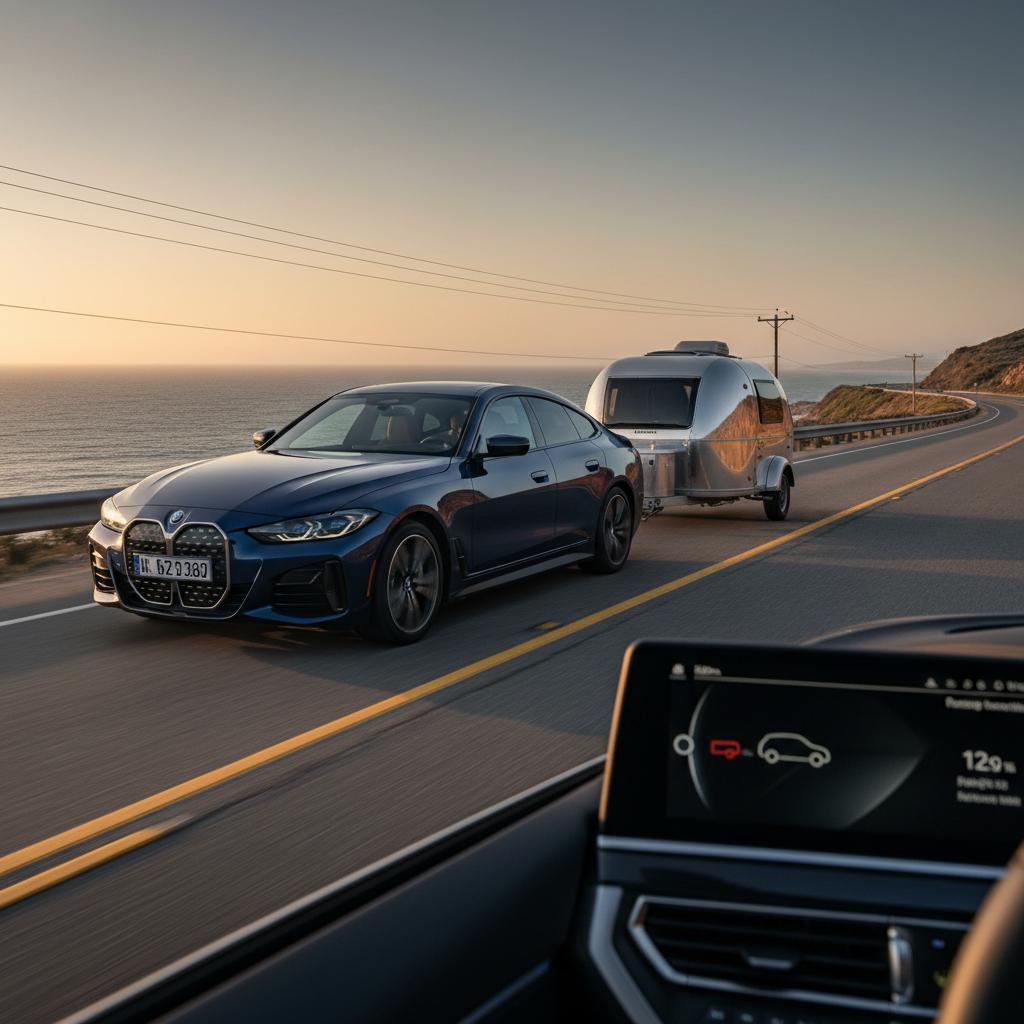
If you’re curious about the Fisker Ocean’s real-world highway range, you’ve probably noticed a big gap between the glossy 360‑mile headline and what early owners say they’re actually getting at 70–75 mph. On paper, the Ocean can run with the best long‑range electric SUVs. Out on the interstate, the picture is more complicated, and that matters a lot if you’re considering a used Ocean today.
Quick takeaway
Why highway range matters on the Fisker Ocean
Around town, most modern EVs feel like they have plenty of range. It’s highway driving that exposes the truth. Aerodynamic drag climbs fast above 60 mph, and any exaggeration in the official rating shows up the minute you set the cruise control.
The Fisker Ocean is a tall, heavy SUV with a big battery, roughly 113 kWh in the Ultra and Extreme trims. That’s great for road‑trip potential, but it also means efficiency has to be solid to hit those big 350–360‑mile estimates. Understanding the Fisker Ocean’s real-world highway range helps you:
- Decide if an Ocean actually fits your commute or road‑trip patterns
- Know how often you’ll be stopping on a long drive
- Compare the Ocean realistically against a Tesla Model Y, Hyundai Ioniq 5, or Cadillac Lyriq
- Set expectations if you’re shopping a used Ocean and worried about battery health
A note about Fisker’s turmoil
Fisker Ocean EPA range vs real-world tests
Fisker Ocean range at a glance
The headline figure you see most often is the 360‑mile EPA rating for the Ocean Extreme and One, thanks to a roughly 113‑kWh “Hyper Range” battery and all‑wheel drive. That number is competitive with, or better than, many rival electric SUVs on paper.
Independent testers have painted a more grounded picture:
- Mixed driving (Edmunds): In a loop that’s roughly 60% city and 40% highway, Edmunds saw 358 miles in an Ocean One, remarkably close to the 360‑mile claim, and on optional 22‑inch wheels instead of the more efficient 20s.
- Highway‑only 75 mph (Car and Driver): In a controlled 75‑mph highway test, Car and Driver measured about 290 miles from full to empty in an Ocean Extreme, roughly 19% below the EPA rating.
- Highway‑biased 70 mph (Consumer Reports): Consumer Reports’ 70‑mph highway test in an Ocean Ultra trim delivered 293 miles against a 350‑mile rating, again right around a 15–20% shortfall at steady freeway speeds.
What that really means
Highway range by trim: Sport, Ultra, Extreme
Trim choice matters because each Fisker Ocean uses a different battery and powertrain setup:
Fisker Ocean trims and realistic highway range
Approximate real-world highway ranges based on published tests and owner reports, assuming 70–75 mph, mild weather, and starting from 100% charge.
| Trim | Drivetrain & battery | EPA estimate | Likely 70–75 mph highway range* | Who it suits best |
|---|---|---|---|---|
| Sport | Single‑motor FWD, smaller LFP pack | ~231 mi | ~180–195 mi | City / suburban drivers, short highway hops |
| Ultra | Dual‑motor AWD, 113‑kWh NMC | ~350 mi | ~270–300 mi | Mixed‑use drivers, occasional road‑trippers |
| Extreme / One | Dual‑motor AWD, 113‑kWh NMC | 360 mi | ~280–310 mi | Frequent highway drivers and road‑trips |
These are estimates, not guarantees, plan with a buffer.
Rule of thumb for Ocean buyers
How the Fisker Ocean performs at 70–75 mph
Highway range is all about efficiency, and the Ocean’s numbers tell a story. Edmunds logged lifetime energy use of roughly 39.9 kWh per 100 miles in their long‑term car, versus a combined EPA rating of 37 kWh/100 miles. In dedicated highway testing at 70–75 mph, that creeps a bit higher.
Realistic efficiency at speed
- Ocean Extreme: At ~290 miles from 113 kWh, you’re looking at roughly 2.5–2.7 mi/kWh at 75 mph.
- Ocean Ultra: Around 293 miles from a similar pack gives you roughly the same efficiency band.
- Ocean Sport: Smaller battery and less power help a bit, but lower EPA range means you still won’t be stretching 250 miles at 75 mph.
What that feels like on the road
- Comfortable 200–230‑mile legs between fast charges in good conditions.
- Noticeable hit in cold weather, heavy rain, or strong headwinds.
- The big battery gives you a cushion, but you’ll still plan stops carefully in rural areas.
Good news for road‑trippers
Owner experiences: what drivers are reporting
Beyond formal testing, Ocean owners have been sharing their own real‑world highway range stories. They’re not lab‑grade data, but when they line up with instrumented tests, they’re worth listening to.
- One owner in Florida reported roughly 167 miles driven on mostly highway at around 70–72 mph, using about 69% of the battery. That’s roughly 2.3 mi/kWh, right in the same ballpark as the magazine tests, and achieved in the ultra‑efficient Earth mode with no climate control.
- Another owner shared a 400‑plus‑mile winter round‑trip (about 200 miles each way) at 70–75 mph in temps in the 30s–40s °F. Starting at 100% and arriving with 22–24% left each leg, they were effectively seeing something in the mid‑ to high‑200‑mile range per full charge in cold, rainy conditions.
- Several owners have noticed that software updates can change displayed range estimates, and sometimes reduce the projected miles at 100% as Fisker tweaks its algorithms. That doesn’t always mean the battery got worse, but it underlines why you should look at miles driven vs. energy used, not just what the screen promises.
The 340 miles is definitely overstated.
Watch out for the guess‑o‑meter
Factors that cut your Fisker Ocean’s highway range
Every EV loses range in tough conditions, and the Ocean is no exception. Because it starts from such a high EPA rating, the gap can feel bigger when those conditions stack up.
Biggest Fisker Ocean highway range killers
Each of these can trim 10–30% off your ideal number on its own.
High speed & headwinds
Cold weather
Big wheels & accessories
Simple ways to stretch your Ocean’s highway range
1. Dial back to 70 mph when you can
Those last 5 mph from 70 to 75 take a disproportionate bite out of range. If traffic allows, cruise closer to 65–70 mph and you can easily claw back 20–30 miles per charge.
2. Use the most efficient drive mode
Earth mode may feel dull, but it prioritizes front‑motor use and softer throttle response. On long highway slogs, that can be worth a noticeable efficiency gain.
3. Precondition while plugged in
If your Ocean supports preconditioning, warm or cool the cabin while you’re still charging. That way the pack stays warmer in winter and you spend less on climate control at speed.
4. Travel light and low
If you don’t need the crossbars or roof box, pull them off. Clean up the cargo area and avoid unnecessary weight when you’re chasing every mile of range.
5. Plan fast‑charge stops with a buffer
Don’t arrive at a charger on 2%. A 15–20% arrival buffer keeps you flexible if a station is full, offline, or delivering reduced power.
How the Ocean’s highway range compares to other EV SUVs
On paper, the Fisker Ocean Extreme’s 360‑mile EPA rating beats many of its headline rivals. In real‑world highway tests, once you level the playing field at 70–75 mph, it lands in the same broad neighborhood as other large‑battery SUVs.
Fisker Ocean Extreme vs popular EV SUVs (highway range)
Approximate real-world 70–75 mph highway ranges based on independent tests and owner data.
| Model | EPA range (best trim) | Approx. 70–75 mph range | Highway impression |
|---|---|---|---|
| Fisker Ocean Extreme | 360 mi | ~280–310 mi | Strong range, big battery, efficiency just okay |
| Tesla Model Y Long Range | 330 mi | ~260–290 mi | Efficient, fast charging, dense Supercharger network |
| Hyundai Ioniq 5 RWD Long Range | 303 mi | ~240–270 mi | Very efficient; 800‑V charging helps on long trips |
| Cadillac Lyriq RWD | 314 mi | ~260–290 mi | Smooth, quiet, similar real‑world highway legs |
| Ford Mustang Mach‑E extended range RWD | ~300 mi | ~240–270 mi | Good, not class‑leading, with improving fast‑charge behavior |
All numbers are approximate and assume mild temps and a start near 100% charge.
Where the Ocean shines, and where it doesn’t
Road trip planning in a Fisker Ocean
If you’re planning road trips in a Fisker Ocean, don’t fixate on the 360‑mile number. Instead, think in terms of comfortable, repeatable legs and realistic charge times.
Planning a realistic highway day in an Ocean
1. Aim for 180–220‑mile legs
That’s the sweet spot for most owners at 70–75 mph. It keeps you in the healthy middle of the battery’s state‑of‑charge window and lines up well with bio breaks.
2. Start early with a near‑full charge
If you can, leave home or your hotel at 90–100% so your first leg is the longest of the day. After that, you can ride the 20–80% band more comfortably.
3. Factor in slower DC fast charging
Fisker quotes roughly 10–80% in the mid‑30‑minute range on a strong DC fast charger. Plan on 35–45 minutes in the real world so a slow station doesn’t wreck your schedule.
4. Use multiple charging apps
Because the Ocean doesn’t have a tightly integrated network like Tesla’s Superchargers, use Electrify America, ChargePoint, EVgo, and your favorite planner to cross‑check options.
5. Add a weather and elevation tax
Cold temps, mountains, and crosswinds all add up. If your chosen stretch looks marginal on paper, shorten the leg or add a backup charging option.
Shopping used: what highway range means for a used Fisker Ocean
With Fisker’s future uncertain, most Oceans you’ll encounter will be used. That makes understanding real‑world range even more important. You’re not just buying a design exercise; you’re buying a big, expensive battery and the freedom it buys you on the highway.
Questions to ask a seller
- What kind of highway range do you see at 70 mph in mild weather?
- Have there been any major software updates that changed the displayed range?
- Which wheels and tires are on the car, 20s or 22s?
- Has the car lived mostly in a hot or cold climate?
Why an independent battery check matters
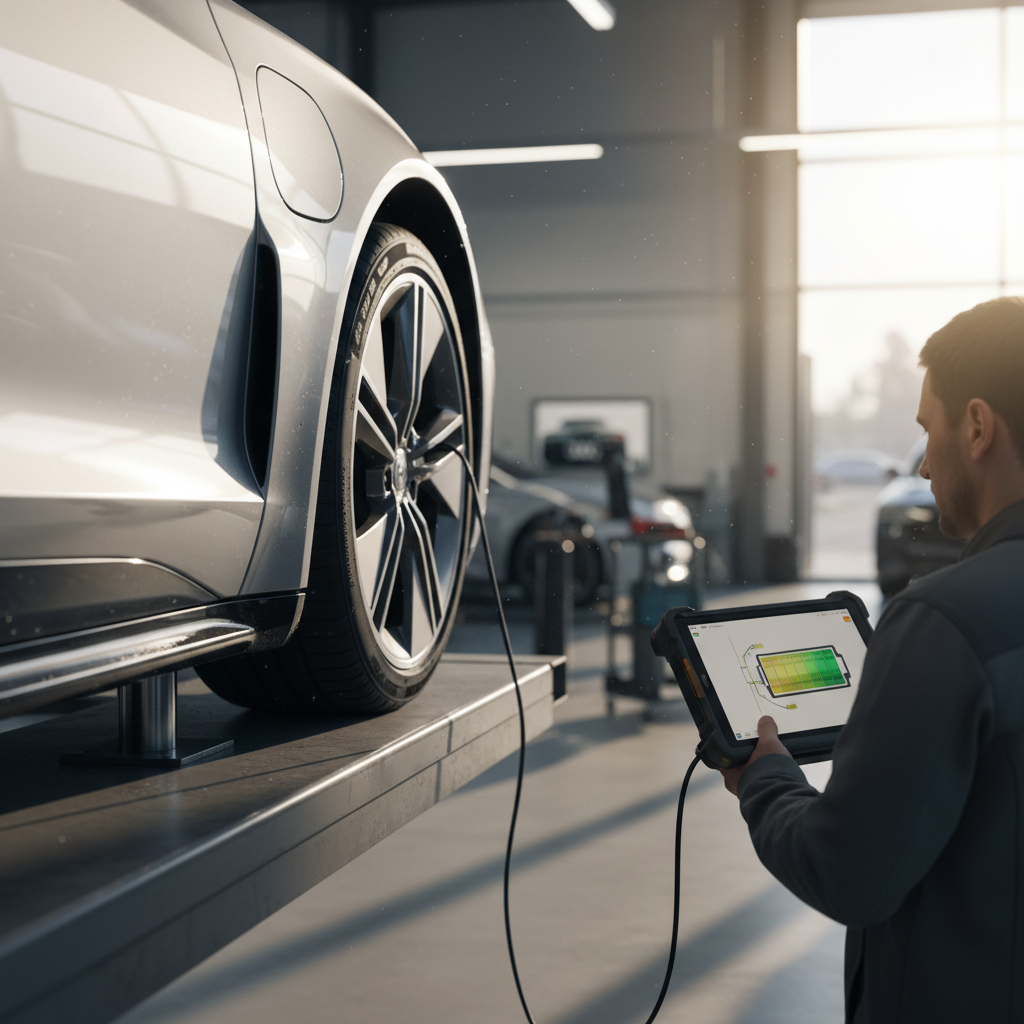
Because Fisker’s own support structure is shaky, a third‑party battery health check becomes critical. Tools that read pack capacity and cell balance can reveal whether you’re still close to that original ~113 kWh or if degradation has already chewed away a chunk of usable energy.
How Recharged can help with a used Ocean
Ready to find your next EV?
Browse VehiclesFAQ: Fisker Ocean real-world highway range
Frequently asked questions
Bottom line: can you trust the Fisker Ocean on the highway?
The Fisker Ocean’s real‑world highway range isn’t the fairy‑tale 360 miles you see in headlines, but it’s also not a disaster. At 70–75 mph, a healthy Ocean Extreme or Ultra is a high‑200‑mile EV with enough punch for serious road‑trip duty, provided you respect the usual EV caveats around weather, speed, and charging.
If you’re shopping used, think beyond the badge. Look hard at battery health, fast‑charge behavior, and honest highway efficiency. That’s exactly where tools like a Recharged Score Report and expert EV guidance can separate a clever buy from an expensive science project. Get those answers up front, and the Ocean’s big battery and solid highway legs can still make it an interesting, if unconventional, electric SUV to live with.