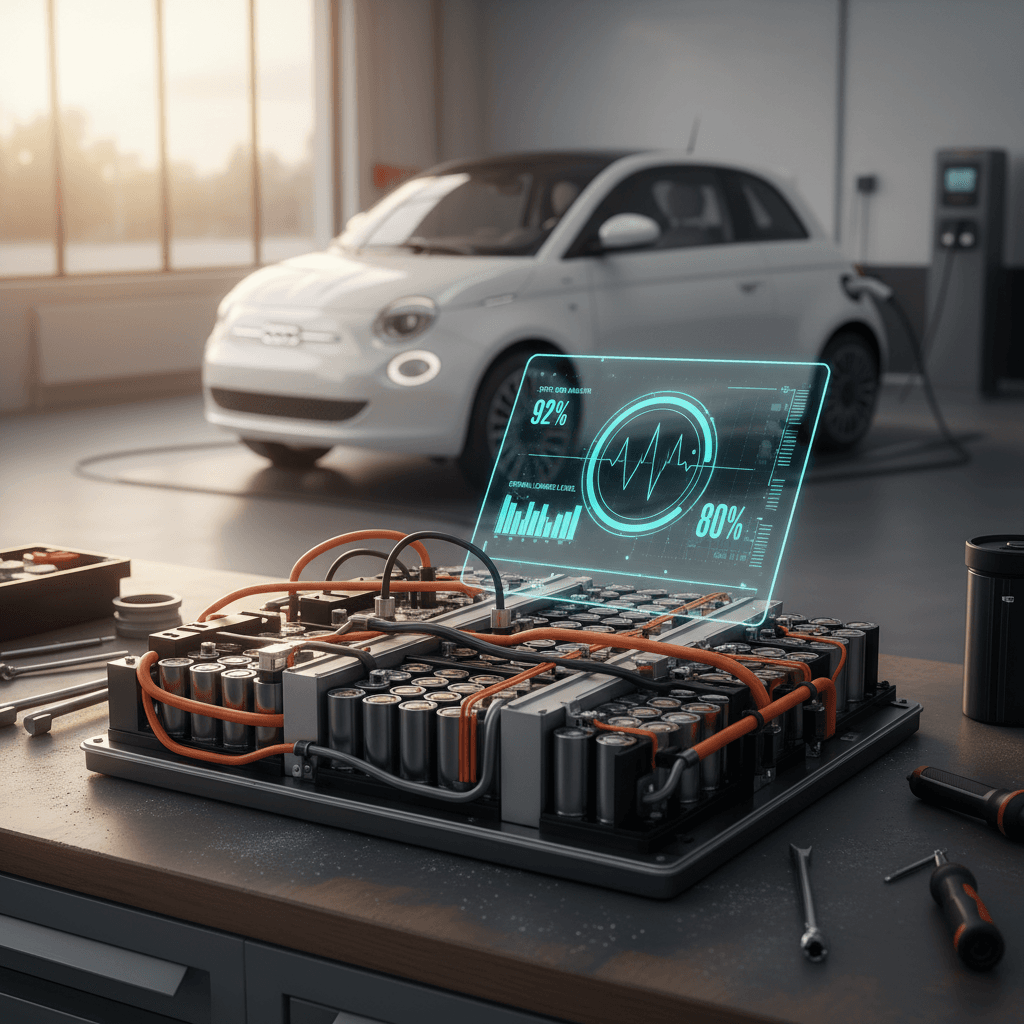
If you drive a Fiat 500e, or you’re thinking about buying a used one, maximizing battery life isn’t just a technical detail. It’s the difference between a fun, affordable city EV and a car that suddenly can’t cover your commute. This guide walks you through exactly how to maximize Fiat 500e battery life with practical, owner-friendly tips on charging, temperature, driving style, and storage.
Quick context: old vs. new 500e
Why Fiat 500e battery care matters
All lithium‑ion EV batteries lose capacity over time, but the Fiat 500e is especially sensitive because it’s a small‑battery city car. When your usable battery is only around 20–35 kWh, losing 20–30% of capacity can turn an 80‑mile car into a 55‑mile car. That’s still usable for short trips, but it shrinks your comfort zone quickly.
- Smaller packs feel every lost kilowatt‑hour more than big‑battery EVs.
- Frequent DC fast charging and high heat can accelerate wear on any EV battery, including the 500e.
- Most U.S. Fiat 500e models came with an 8‑year/100,000‑mile high‑voltage battery warranty, but older cars are now aging out of that coverage.
- Used buyers often don’t know how previous owners charged or stored the car, so good habits going forward matter even more.
Why this matters more on a 500e
Fiat 500e battery basics: generations, size, and cooling
Two main Fiat 500e generations
Your strategy is similar either way, but it helps to know what you drive.
1st‑gen Fiat 500e (U.S. "compliance car")
- Model years: roughly 2013–2019, sold mainly in California and Oregon.
- Battery: ~24 kWh lithium‑ion, liquid‑cooled/heated.
- Range when new: about 80–100 miles depending on cycle and climate.
- Charging: AC Level 2; some cars lack DC fast‑charge hardware.
New Fiat 500e (2020s+)
- Battery: 24 kWh or 42 kWh pack depending on trim.
- Range when new: roughly 120–160 miles for the larger pack.
- Charging: AC up to ~11 kW, DC fast charging available on many trims.
- Improved electronics and thermal management vs. first‑gen cars.
Warranty snapshot
Daily charging habits that maximize Fiat 500e battery life
Day‑to‑day charging habits are the single biggest lever you control. The core principle for nearly all EVs, including the 500e, is simple: avoid sitting at 100% or near 0% for long periods, and don’t fast‑charge more than you need.
Smart charging habits for your Fiat 500e
1. Aim to stay between ~20% and 80%
Whenever practical, keep your state of charge (SoC) around 20–80% for daily use. Fiat customer support has echoed this guidance for newer 500e owners, and it aligns with general lithium‑ion best practices. It reduces stress on the cells while still giving you plenty of usable range for typical city driving.
2. Use Level 2 for routine charging
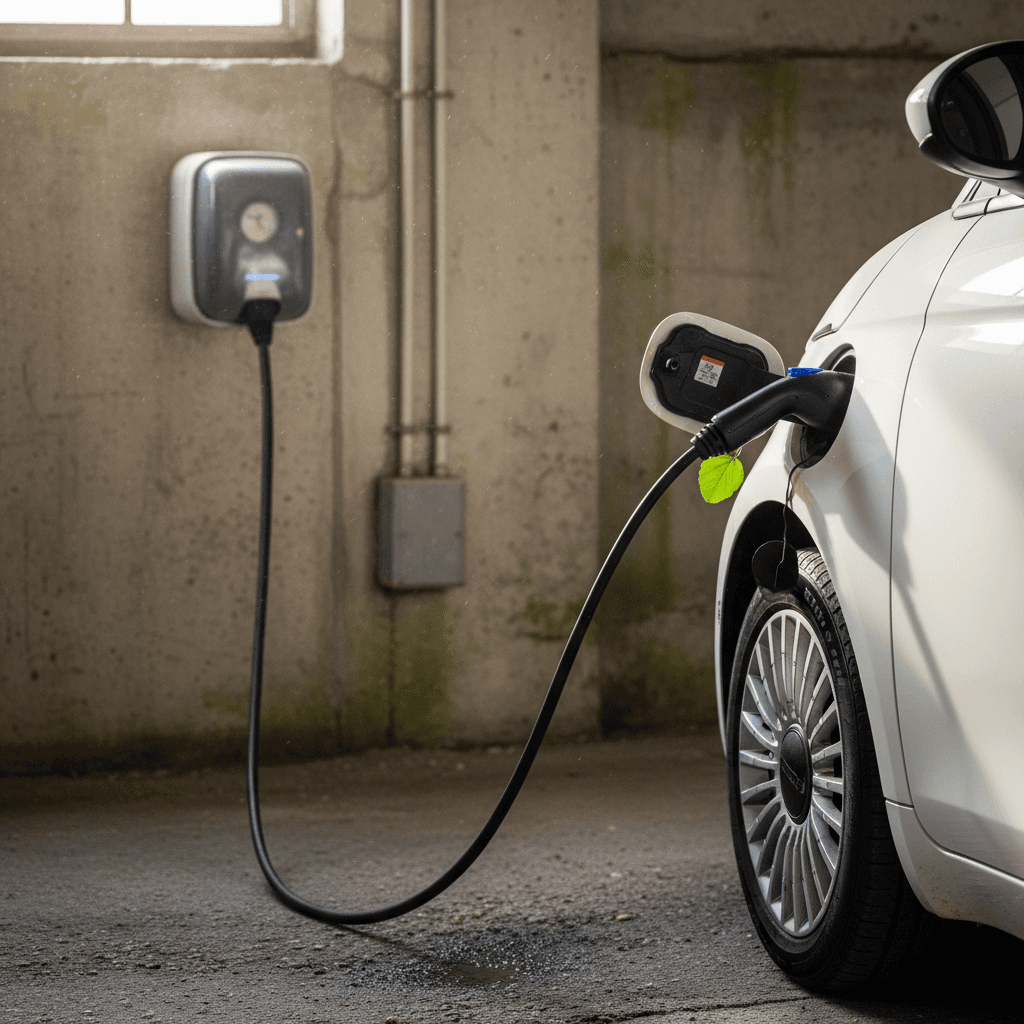
Make <strong>Level 2 (240V)</strong> your default. It’s gentler than frequent DC fast charging, yet easily refills a small pack overnight. Level 1 (120V) is fine if it meets your needs, but if you’re constantly arriving home nearly empty, a wallbox or 240V outlet is worth it.
3. Treat DC fast charging as "sometimes", not "always"
Occasional DC fast charging is OK, especially on newer 500e models that support it, but fast charging generates more heat and stress. Use it when you truly need quick turnaround, not as your default daily fill‑up.
4. Don’t obsess over 100%, time it instead
Long highway drive tomorrow? It’s fine to charge to 100% occasionally. Just <strong>time the charge so it finishes shortly before departure</strong>, rather than letting the car sit at full charge overnight.
5. Avoid running the pack down to "turtle"
The 500e has built‑in buffers to protect itself, but regularly driving until the car is nearly out of juice adds wear and can leave you stranded if the gauge isn’t perfectly accurate. Try to recharge once you’re in the 15–20% range when possible.
6. Charge more often in small bites
Topping up from 40% to 70% or 30% to 60% is easier on the battery than swing cycles from almost empty to full. With the 500e’s short range, making quick top‑offs part of your routine is both convenient and battery‑friendly.
Practical 500e example
Managing heat and cold for better battery health
Temperature is the quiet battery killer. High heat accelerates chemical aging; deep cold temporarily robs range and encourages heavier use of cabin and battery heating. The Fiat 500e’s thermal management helps, but your habits still matter, especially if you live in a hot or very cold climate.
Temperature dos and don’ts for a Fiat 500e
Tactics for hot summers and cold winters.
In hot climates
- Park in shade or indoors whenever you can. Lower cabin and pack temperatures slow degradation.
- Avoid parking at 100% in the heat. If you need a full charge, time it to finish close to departure.
- Limit back‑to‑back DC fast charges. Heat builds up with repeated sessions.
- Crack windows or use sunshades to reduce interior heat load, so the HVAC system doesn’t have to work as hard from the battery.
In cold climates
- Expect temporary range loss; that’s normal, not necessarily permanent degradation.
- Precondition the cabin while plugged in to warm the interior and battery before you drive.
- Use the 500e’s seat heaters and steering‑wheel heater (if equipped) instead of blasting cabin heat.
- If storing in winter, avoid letting the car sit nearly empty in freezing temps, keep it around 40–60% SoC.
Watch out for combined stress
Driving habits that protect your Fiat 500e battery
How you drive doesn’t just affect today’s range, it influences long‑term battery health as well. Fiat 500e owners love the instant torque, but constant launches and high‑speed runs come with a cost in both energy use and heat.
- Use smooth acceleration and anticipate traffic to minimize hard braking.
- On highways, keep speeds moderate. Aerodynamic drag climbs fast above 65–70 mph, forcing higher current draw from the pack.
- Whenever possible, coast and regenerate gently instead of constantly stomping from throttle to brake.
- Use Eco or range‑oriented drive modes if your car offers them; they often soften throttle response and tweak climate settings to cut energy use.
- Keep tires properly inflated and aligned; underinflated tires raise consumption and heat.
The upside of efficient driving
If your Fiat 500e sits for weeks: storage best practices
City EVs like the 500e often live as second cars. That’s fine, but long idle periods are another place where small choices make a big difference.
Short‑ and long‑term storage tips
1. Don’t store it full or empty
If you’ll park the car for more than a week or two, aim to leave it around <strong>40–60% charge</strong>. That’s a comfortable middle of the pack’s operating range.
2. Plug in occasionally (not constantly, on older cars)
For older 500e models without sophisticated long‑term storage logic, leaving the car plugged in 24/7 may cause frequent topping charges. If you plan to store it, charge to ~50%, unplug, and check in every few weeks.
3. Avoid extreme temperatures when parked
If possible, store the car in a garage or at least out of direct sun. In deep winter, a garage can reduce the temperature swings the pack sees.
4. Don’t forget the 12V battery
Like other EVs, the Fiat 500e has a conventional 12V battery that runs accessories and computers. If the car sits for months, consider a smart 12V maintainer (connected correctly) or start and move the vehicle periodically to keep both systems healthy.
How to monitor battery health on a Fiat 500e
You can’t open an app and see a precise "battery health percentage" on most Fiat 500e models, but you can still keep tabs on how things are trending, especially if you’re planning to keep the car for a long time or you’re evaluating a used one.
Practical ways to track your 500e’s battery health
Simple, repeatable checks matter more than perfect lab data.
Watch real‑world range
Periodically reset a trip meter and record how many miles you drive per kWh and per full charge. If your routes and climate stay similar but range steadily declines, that’s a sign of degradation.
Note max range estimate
Some 500e clusters estimate remaining range at full charge based on recent driving. It’s not perfect, but if a similar driving pattern now yields much lower full‑charge estimates, your usable capacity may be dropping.
Use a professional battery health report
Specialized tools, like the Recharged Score battery report provided with every vehicle on Recharged, use direct pack data and diagnostics to estimate remaining capacity. That’s especially valuable when you’re shopping used or verifying a high‑mileage car.
Why third‑party battery reports matter for used 500e shoppers
Used Fiat 500e? Battery checklist before you buy
The Fiat 500e has become a popular low‑cost entry into EV ownership, especially on the used market. That affordability is tied directly to the battery: a healthy pack means a fantastic city runabout; a tired pack can turn it into a short‑hop only car. Here’s how to stack the odds in your favor.
Used Fiat 500e battery due‑diligence checklist
Questions to ask and what you’re looking for before signing anything.
| Check | What to ask or do | Why it matters |
|---|---|---|
| Battery warranty status | Is the car still within its 8‑year/100,000‑mile high‑voltage battery warranty window? Ask for documentation. | Even if it won’t cover normal degradation, active warranty can help if there’s a clear defect. |
| Typical daily use | Ask how the previous owner used the car: short city trips, highway commuting, or long‑distance travel? | Lots of high‑speed or hot‑climate use plus frequent fast charging can mean more wear. |
| Charging habits | Did they mostly use Level 2 at home, public DC fast charging, or 120V outlets? | Regular DC fast charging and parking fully charged in heat both accelerate aging. |
| Real‑world range test | On a test drive, note % at start and end and miles driven; estimate usable miles from 100–0%. | Gives you a quick feel for remaining range compared with original specs. |
| Warning lights or error codes | Check the dash for battery or powertrain warnings, and scan for stored codes if possible. | Hidden faults can be expensive, especially if out of warranty. |
| Independent battery report | Request a third‑party battery health report, like the Recharged Score, if available. | Objective data on remaining capacity helps you avoid guesswork and price the car fairly. |
You can use this table as a step‑by‑step script when evaluating a used 500e privately or at a dealer.
How Recharged simplifies used 500e shopping
Fiat 500e battery life: frequently asked questions
Frequently asked questions about Fiat 500e battery life
Key takeaways: how to maximize Fiat 500e battery life
- Treat the battery as a long‑term investment: moderate state of charge, moderate temperatures, and moderate speeds win in the long run.
- Use Level 2 charging for routine refills, and save DC fast charging for when you genuinely need speed.
- Avoid leaving the car parked for days at 100% SoC or near empty, especially in very hot or cold weather.
- Drive smoothly, keep speeds reasonable, and use preconditioning to reduce energy spikes from HVAC.
- If you’re buying used, combine a real‑world range test with a professional battery health report, it’s the best insurance you have on a small‑pack EV like the 500e.
The Fiat 500e can be a fantastic, low‑cost way into EV ownership, especially in the used market, if the battery is healthy and you treat it well. By building a few simple habits around charging, temperature, and storage, you’ll stretch both range and lifespan, and you’ll have a much clearer sense of when it’s time to repair, replace, or trade out of the car. If you’re comparing used 500e options, a platform like Recharged that includes verified battery diagnostics and EV‑specialist support can turn a high‑stakes guessing game into a transparent, data‑driven decision.