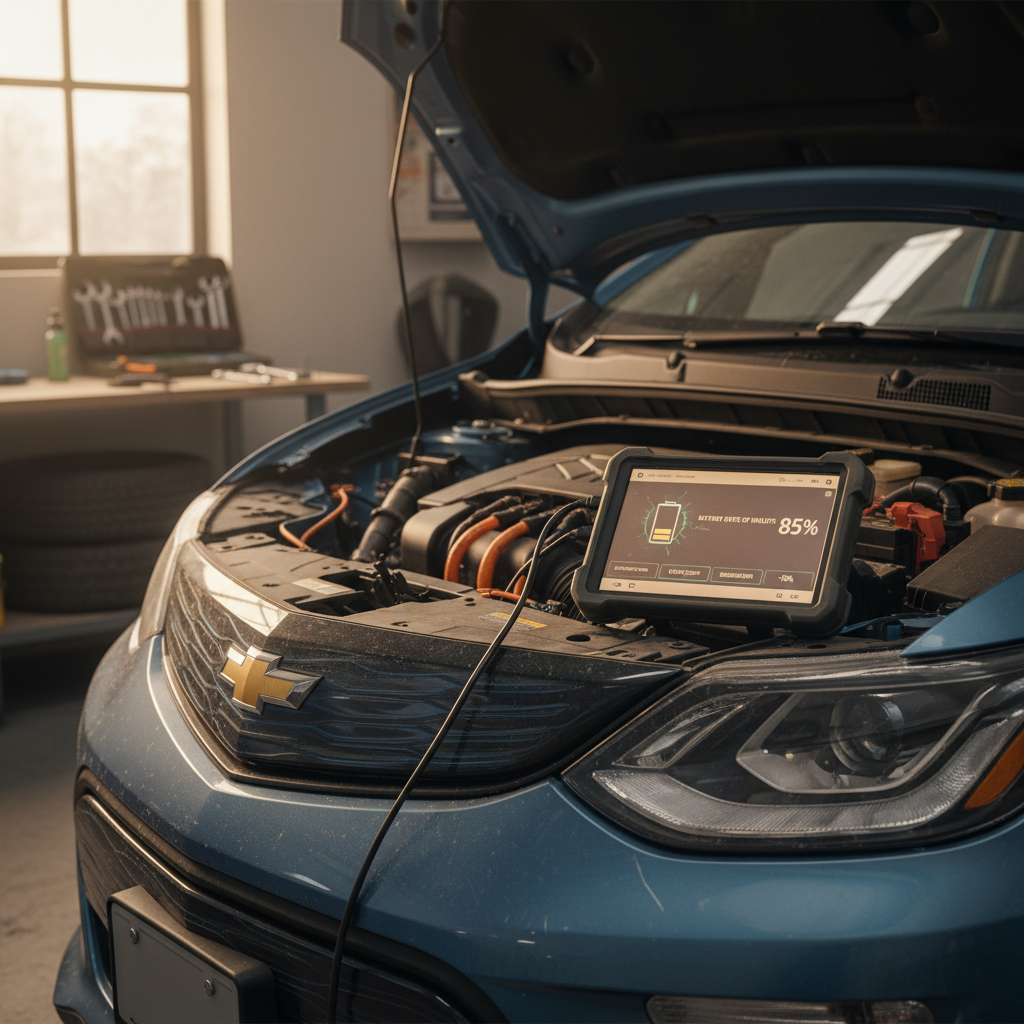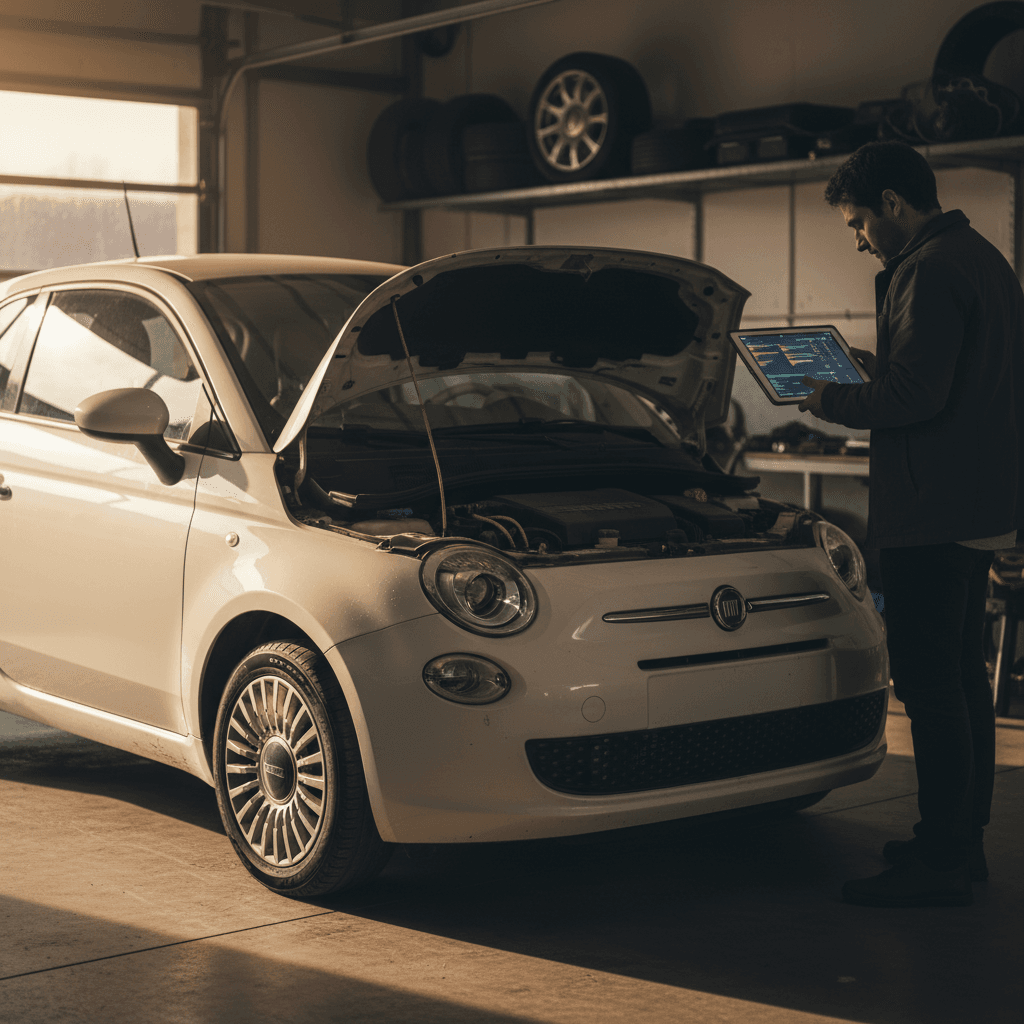
The Fiat 500e compresses electric driving into a charmingly small footprint, but small cars don't necessarily produce small diagnostic puzzles. A failure to enter drive-ready mode can begin with the ordinary 12-volt battery rather than the expensive traction battery, while charging trouble may be as simple as a schedule or cable problem. The sensible approach is to diagnose methodically and avoid replacing high-cost components on a hunch.
Start with the simple systems
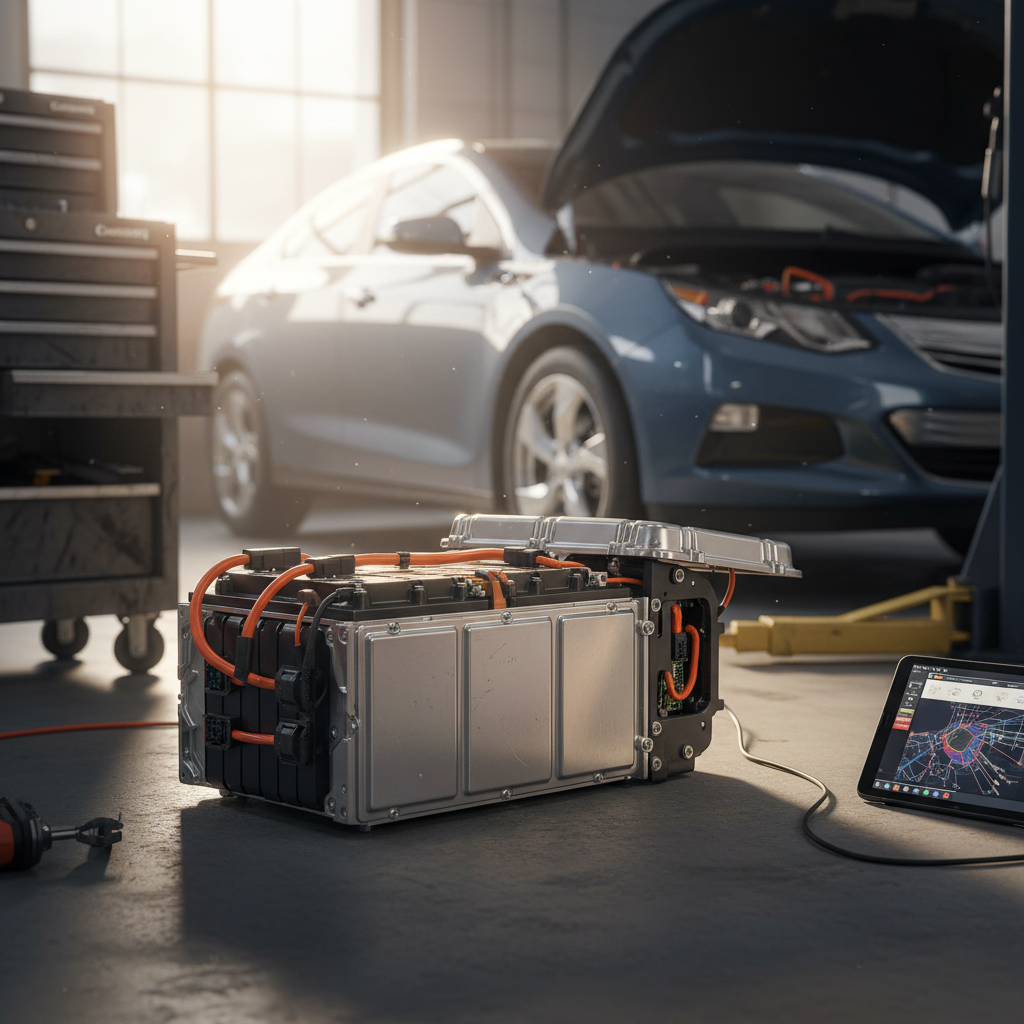
The first checks should cover the 12-volt battery, charging equipment, tire condition, and vehicle settings before anyone condemns the high-voltage battery. The 12-volt battery powers the computers and contactors that bring the EV to life, so weakness there can create several unrelated-looking warnings. If the car won't charge, test a known-good charging station or cable and confirm that scheduled charging isn't delaying the session. For more background, see our guide to EV 12-volt battery problems.
Fiat 500e symptom and fix guide
Use the symptom to choose a safe first check, not to make a final diagnosis.
| Symptom | Check first | Practical next step | Driving advice |
|---|---|---|---|
| Won't enter Ready | 12V battery and terminals | Test; replace correct-spec battery | Stop if warnings persist |
| Won't charge | Cable, station, schedule | Try known-good charging equipment | Usually safe to park |
| Range suddenly drops | Weather, tires, HVAC use | Correct pressure; test battery | Investigate abrupt changes |
| Battery warning appears | Stored diagnostic fault codes | Use EV-qualified service | Stop for red warnings |
| Screen or phone fails | Software, pairing, 12V power | Reboot, update, re-pair | Generally safe |
| Tires wear unevenly | Pressure and alignment | Align; fit matching tires | Stop for damage |
Persistent or high-voltage faults require an EV-qualified technician.
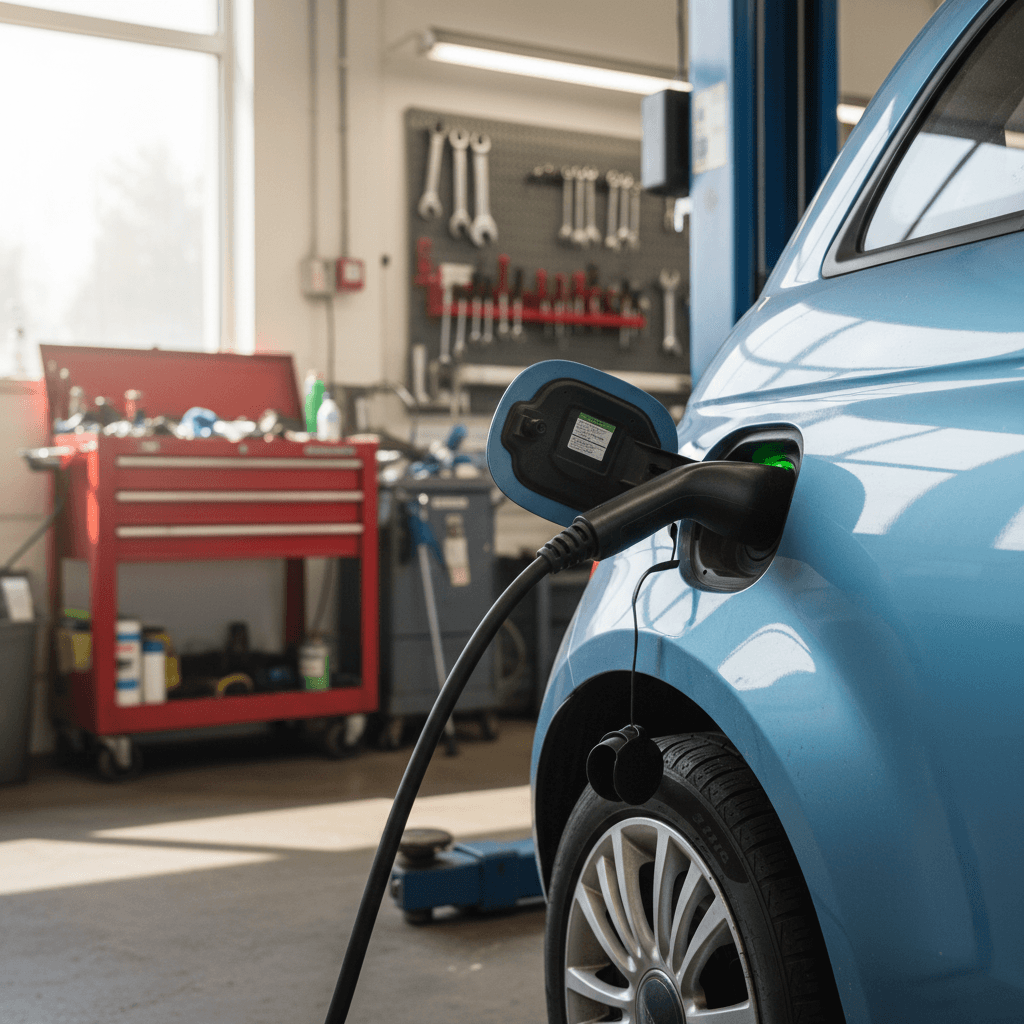
Don't open the high-voltage system
What Recharged battery data can tell you
Recharged's broader inspection data shows why battery condition should be tested rather than inferred from mileage, age, or dashboard range alone. Across 2,242 Recharged Score battery inspections, tested remaining capacity averaged 93.9% of original capacity, with a 94.9% median. Those are fleet-wide EV results, not a Fiat 500e-specific failure rate, so they can't predict the health of an individual car. The useful takeaway is simple: request a vehicle-level battery diagnostic such as the Recharged Score instead of treating one test drive as proof.
Displayed range also isn't a battery-health certificate because temperature, climate-control use, recent driving, speed, and tire pressure can change the estimate. A gradual seasonal swing may be normal; a severe or persistent change deserves diagnostic attention. Compare the car under similar conditions, charge it fully when appropriate, and document the displayed range before and after the test. A proper report should measure the battery directly rather than extrapolating from one dashboard number.
Recharged data
Used EV battery health
94%
avg remaining capacity
From Recharged battery inspections, not manufacturer estimates.
- Lowest
- 63%
- Median
- 95%
- Highest
- 100%
- Est. range
- 266 mi avg
- Cell balance pass
- 100%
- Quick charges
- 18 avg
- Slow charges
- 65 avg
Average cell imbalance: 7.3 mV
Based on vehicles Recharged tested
Recharged data
Used EV prices at Recharged
$30,997
median list price
Current list prices for matching inventory at Recharged.
- Lowest
- $12,996
- Average
- $34,803
- Highest
- $146,998
Average Recharged Score on these listings
4.8 / 5
Range
3.7 – 5.0
Based on available listings
Every EV is battery-tested with a Recharged Score. Nationwide delivery.
What should you inspect before buying?
A used 500e should pass a full charging, battery, tire, electronics, and recall check before you commit. The 500e name spans materially different vehicles, so verify the exact model year and VIN before ordering parts or assuming a repair procedure applies. Bring the charging cable supplied with the car into the inspection, and don't accept a warning light that has merely been cleared. Our broader used-EV inspection guide explains how to evaluate the rest of the vehicle.
Used Fiat 500e inspection checklist
Obtain a battery-health report
Look for measured remaining capacity and diagnostic findings, not only the estimated range shown on the instrument panel.
Test AC charging
Begin a real charging session, confirm the connector locks correctly, and watch for interruptions or warning messages.
Check the 12-volt system
Inspect the battery, terminals, and service history; unstable low-voltage power can produce misleading electronic symptoms.
Drive at multiple speeds
Listen for wheel-bearing noise, feel for vibration, and verify that acceleration and regenerative braking behave consistently.
Inspect every tire
Check tread, sidewalls, matching specifications, pressure, and wear across the full width of each tire.
Run a VIN recall check
Confirm that open safety recalls and service campaigns have been addressed for that specific vehicle.
Know when to stop troubleshooting
You should stop home troubleshooting when a fault involves high voltage, repeated battery warnings, damaged charging hardware, water intrusion, crash damage, smoke, or overheating. Routine items such as tires, cabin filters, wiper blades, and some 12-volt work may be handled by a competent general repair shop, but traction-battery and onboard-charging faults need EV training and suitable equipment. Ask whether the shop can read Fiat-specific diagnostic codes and safely isolate a high-voltage system. Clearing a code without finding its cause is concealment, not repair.
Charging problems deserve a controlled comparison before the car goes to a shop. Test another compatible charger, remove any delayed-charging schedule, inspect the connector for visible debris or damage, and note the exact dashboard message. If the same failure follows the vehicle across known-good equipment, the car needs diagnosis; if it occurs only at one station, the charging equipment or installation may be responsible. See EV charging problems and solutions for a step-by-step isolation process.
Instant offer, trade-in, or consignment. Pickup available.
Fiat 500e problems: frequently asked questions
The bottom line
A used Fiat 500e can be an appealing city EV when its electrical health is documented and its charging behavior is verified. Begin with the mundane suspects, the 12-volt battery, settings, cable, station, tires, and software, because modern EVs can turn a small voltage problem into a dashboard opera. Treat persistent battery or high-voltage warnings seriously, and have the exact car inspected rather than judging the entire model by anecdotes. The best fix is the one supported by measurements, not the most expensive part someone is willing to replace.