If you love speed, the current crop of fastest EV cars will scramble your sense of reality. We’re talking sub‑2‑second 0–60 mph times and top speeds over 300 mph, quicker than the wildest gas supercars of just a few years ago. But which electric cars are truly the fastest in 2025, and which of them make sense to actually own, especially on the used market?
Two ways to measure “fastest”
How we define the fastest EV cars
To keep this guide useful and honest, we’re focusing on production or near‑production EVs with independently verified numbers, no one‑off prototypes or vaporware. We’ll break things into three buckets:
- Record‑breaking hyper EVs: engineering showcases with extreme top speeds and track times
- Insanely quick 0–60 mph sprinters: the cars that feel like being launched off an aircraft carrier
- Fast but (relatively) attainable daily‑drivable EVs, including models that show up on the used market
Numbers vary by test
Fast EV reality check: 2025 headline numbers
Record‑breaking hyper EVs: the absolute fastest cars on earth
At the top of the EV food chain live a handful of hypercars that exist mainly to move goalposts. They’re fantastically expensive, wildly complex, and, let’s be honest, mostly bragging rights. But they set the boundaries for what’s possible.
Fastest EVs by outright top speed
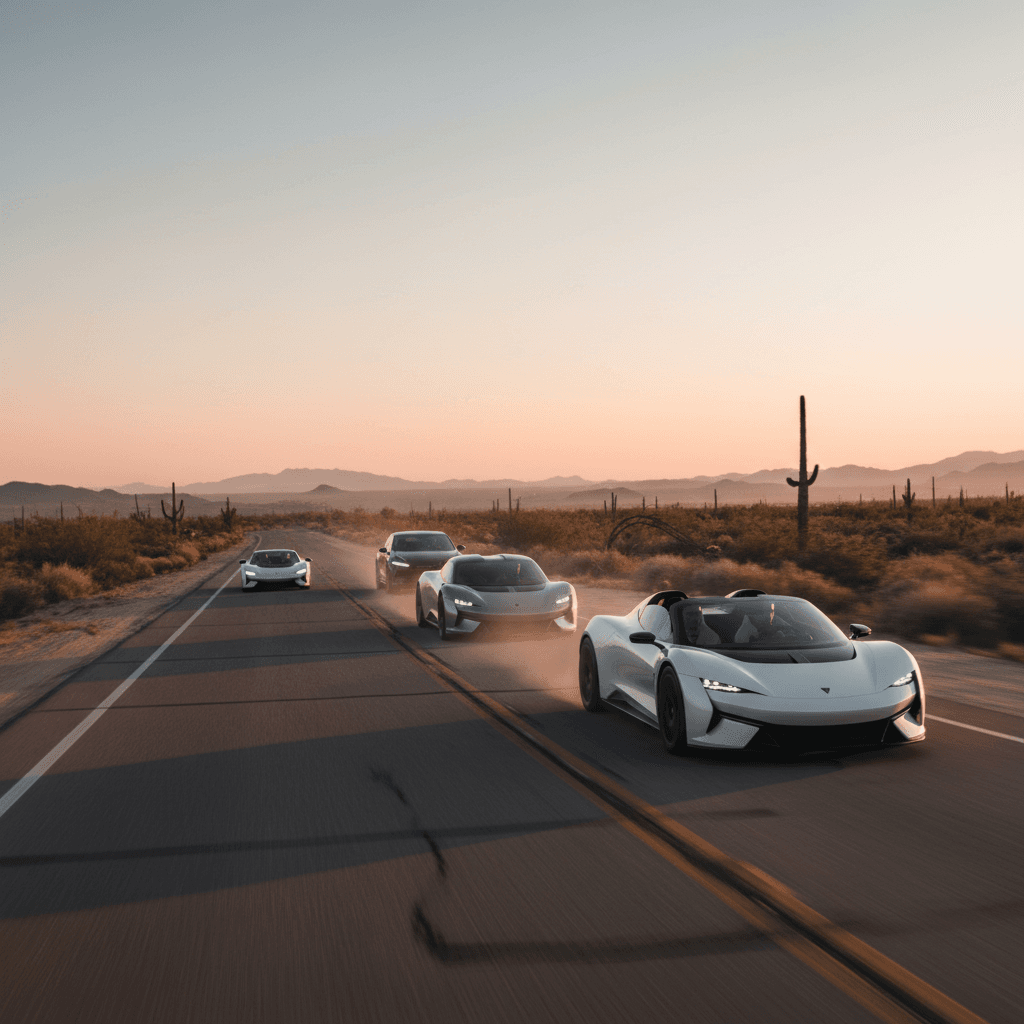
These are the moonshots, the fastest electric cars ever recorded as of late 2025.
Yangwang U9 Xtreme
Approx. top speed: ~308 mph
0–60 mph: claimed under 2.0 s
Type: Track‑focused hypercar
BYD’s Yangwang U9 Xtreme, a limited‑run evolution of the U9, has reportedly hit about 308 mph at the ATP Papenburg oval in Germany, eclipsing even the Bugatti Chiron Super Sport 300+. It uses a quad‑motor powertrain with well over 2,000 hp and an ultra‑high‑voltage system to push past previous records.
Rimac Nevera R
Top speed: ~268 mph
0–60 mph: ~1.66 s (with rollout)
Power: ~2,107 hp (quad‑motor)
The 2025 Rimac Nevera R is the sequel to the already‑absurd Nevera, with more power, more aero, and a wall of speed records. It has run over 260 mph and set a string of acceleration and braking records, including 0–250–0 mph in the mid‑20‑second range.
Aspark Owl
Top speed: ~249 mph (claimed)
0–60 mph: sub‑2 s (claimed)
Type: Ultra‑low, ultra‑light hyper EV
The Aspark Owl is a Japanese‑designed, Italian‑built hypercar that’s chased quarter‑mile and top‑speed records. It hasn’t hit the same verified numbers as Rimac or Yangwang yet, but it’s part of the rarefied club of EVs knocking on the 250‑mph door.
Reality check: this is fantasy garage territory
Fastest‑accelerating EVs: 0–60 mph kings
Top speed numbers are cocktail‑party fodder, but what you actually feel day‑to‑day is acceleration. That neck‑snapping, instant shove from 0–60 mph (and beyond) is where EVs absolutely embarrass most gas cars.
EVs that rewrite 0–60 mph
Sub‑2‑second territory used to belong to dedicated drag cars. Now it’s showroom‑stock EVs.
Rimac Nevera R
0–60 mph: ~1.66 s (with rollout)
Quarter‑mile: ~7.9 s
Layout: Quad‑motor AWD
The Nevera R currently sits on top of most 0–60 mph leaderboards. Its all‑wheel torque vectoring and ultra‑sticky tires make it launch like a rail‑gun shot. It’s not just quick off the line; it blitzes to 200+ mph in seconds.
Tesla Model S Plaid
0–60 mph: ~1.9–2.1 s (with rollout)
Top speed: ~200 mph (with Track Pack)
Seats: 5 adults
When Tesla launched the Model S Plaid, it reset expectations for what a large luxury sedan could do. In the right conditions and configuration, it will run 0–60 mph under 2 seconds and a quarter‑mile in the 9‑second range, while carrying your kids and luggage.
Xiaomi SU7 Ultra
0–60 mph: claimed ~1.9–2.0 s
Ring time: just over 7 minutes (unmodified car)
Market: Currently China‑focused
The SU7 Ultra is Xiaomi’s take on a four‑door super‑EV. It’s lapped the Nürburgring quicker than some hypercars, and its acceleration figures put it right up against the Plaid and Nevera on paper, though it isn’t widely available in North America yet.
How to read outrageous 0–60 times
Fastest EVs you can actually daily
Most shoppers searching for the “fastest EV cars” aren’t looking for a seven‑figure hypercar. You want something that feels outrageous merging onto the freeway, but can still deal with car seats, Costco runs, and winter tires. Here are some of the standout performance EVs that show up in real driveways, and on the used market.
Real‑world fast EVs (and the numbers that matter)
These are the cars that will actually make your commute and road trips more fun.
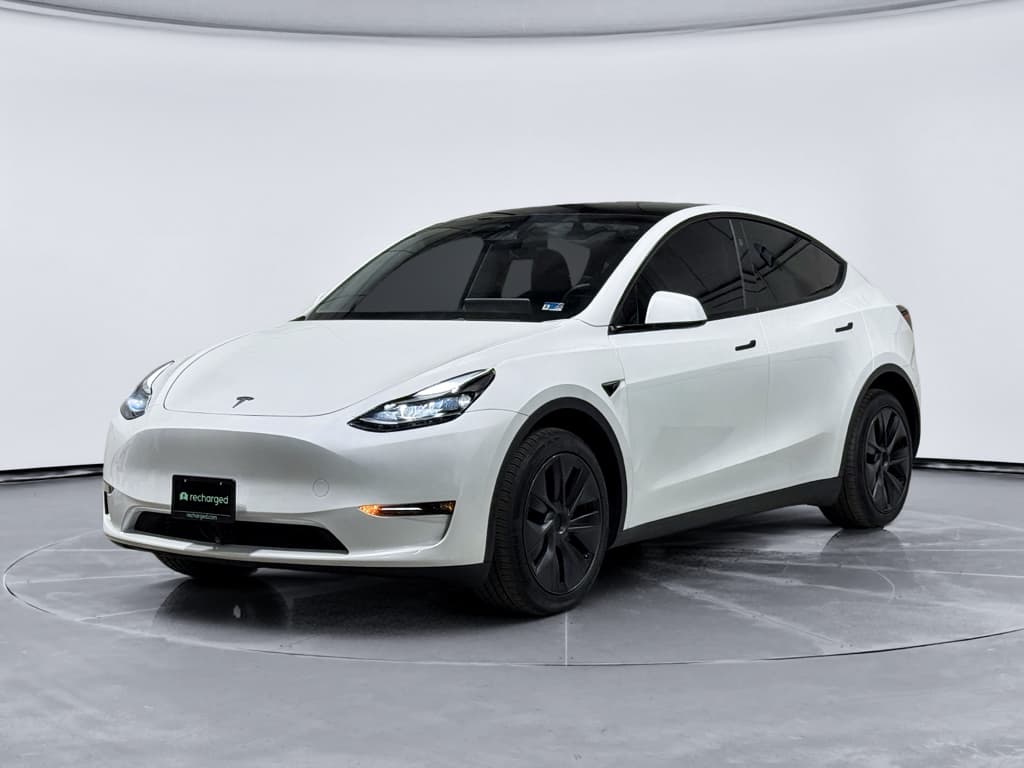
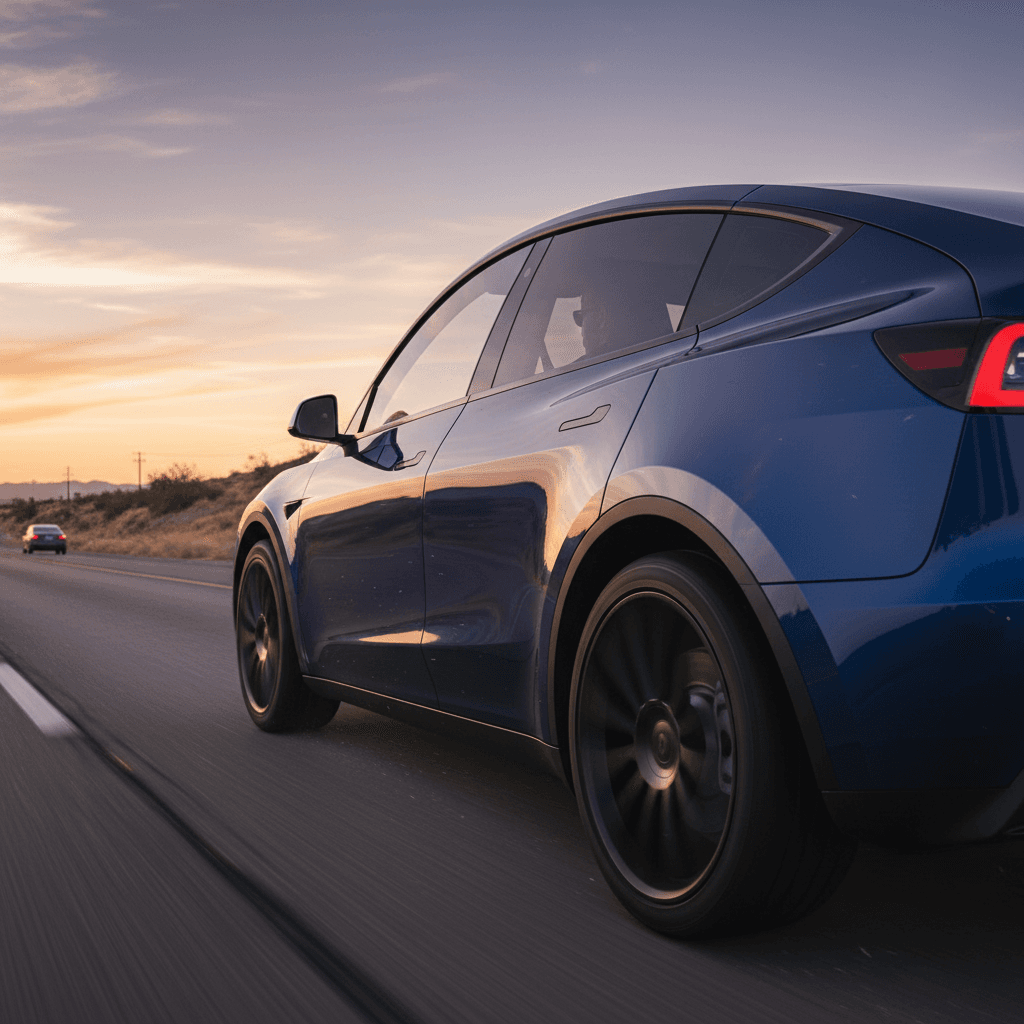
Tesla Model S Plaid & Model 3 Performance
Model S Plaid
0–60 mph: ~2.0 s (with rollout)
Range: ~350+ miles (EPA‑rated, depending on year)
Why it matters: Big‑body luxury, supercar pace, huge Supercharger network.
Model 3 Performance
0–60 mph: low‑3‑second range, with some testers dipping under 3 seconds
Why it matters: Compact, agile, far more affordable, and one of the most common fast EVs on the used market.
On Recharged, you’ll often see used Model S Plaid and Model 3 Performance listings with verified battery health and fair‑market pricing, making it easier to enjoy those numbers without paying new‑car money.
Hyundai Ioniq 5 N & Kia EV6 GT
Hyundai Ioniq 5 N
0–60 mph: ~3.3 s
Power: around mid‑600 hp
Character: Hot‑hatch attitude with drift mode, wild sounds, and track‑ready cooling.
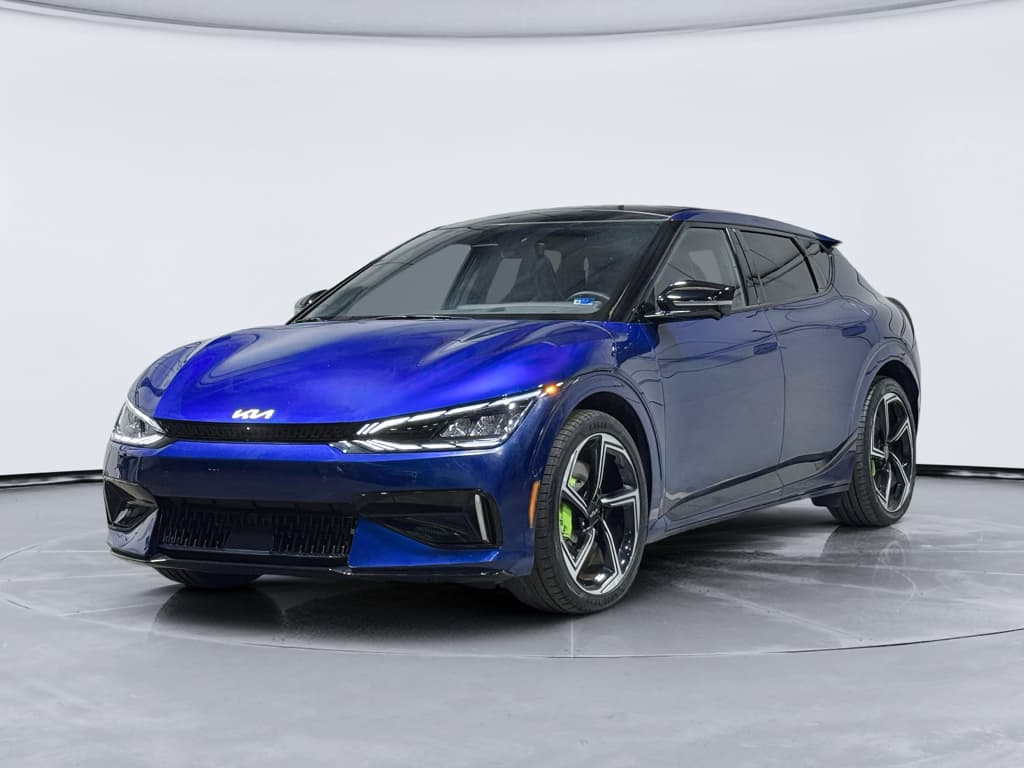
Kia EV6 GT
0–60 mph: ~3.3 s in updated versions
Range: Shorter than base EV6, but still road‑trip capable
Character: Sleek crossover shape, supercar‑level thrust, family‑friendly packaging.
Both are brilliant choices if you want a fast EV that feels playful and engaging, not just brutally straight‑line quick.
More fast EVs worth a look
Quick enough to thrill, practical enough to live with.
Performance SUVs
Examples: Ford Mustang Mach‑E GT, Kia EV9 GT‑Line, Chevy Blazer EV SS, Cadillac Lyriq‑V.
0–60 mph: typically 3.3–4.0 s.
These give you tall seating and family‑friendly cabins with acceleration that would embarrass yesterday’s V8s.
Porsche Taycan & Audi e‑tron GT
0–60 mph: low‑3‑second range in Turbo/Turbo S and RS trims.
Strengths: Gorgeous interiors, repeatable performance, and sharp handling.
They’re also showing up more often on the used market at prices that are tempting compared with new MSRPs.
“Sleeper” trims
Many EV lineups hide a genuinely quick variant one step below the full‑fat halo model, think Long Range dual‑motor Teslas or mid‑tier Polestar and Volvo EVs. They won’t win every drag race, but they feel properly fast and often cost much less.
Quick spec table: top fast EVs in 2025
Here’s a simplified snapshot of some headline‑grabbers and real‑world heroes. Specs are rounded to what most shoppers need to know.
Fastest EV cars: top speed and 0–60 mph at a glance
Approximate, commonly cited figures for performance‑focused EVs as of late 2025. Always check the specific model year and configuration when you shop.
| Model | Type | Approx. 0–60 mph | Approx. top speed | Availability |
|---|---|---|---|---|
| Yangwang U9 Xtreme | Hypercar | < 2.0 s (claimed) | ~308 mph | Ultra‑limited, not US‑market mainstream |
| Rimac Nevera R | Hypercar | ~1.7 s (with rollout) | ~268 mph | Ultra‑limited, multi‑million‑dollar |
| Aspark Owl | Hypercar | sub‑2.0 s (claimed) | ~249 mph (claimed) | Very limited |
| Tesla Model S Plaid | Large sedan | ~2.0 s (with rollout) | ~200 mph (Track Pack) | Widely available, including used |
| Xiaomi SU7 Ultra | Sport sedan | ~2.0 s (claimed) | 200+ mph (claimed) | Primarily China, emerging in other markets |
| Hyundai Ioniq 5 N | Crossover | ~3.3 s | ~160 mph | New and (soon) used |
| Kia EV6 GT | Crossover | ~3.3 s | ~160 mph | New and used |
| Ford Mustang Mach‑E GT | Crossover | ~3.7 s | ~124 mph | New and used |
| Porsche Taycan Turbo S | Sport sedan | ~2.6–2.8 s | ~162 mph | New and used |
| Tesla Model 3 Performance | Compact sedan | low‑3s (some sub‑3) | ~162 mph | Widespread, especially used |
Top‑speed monsters live in a different world from the quick family EVs you can actually buy used, but they all share the same instant‑torque DNA.
Why used fast EVs are so appealing right now
What makes an EV so fast?
The recipe for the fastest EV cars isn’t magic, it’s physics, electronics, and a lot of clever software. Here’s what’s happening under the skin when you pin the accelerator and your stomach does that little flip.
Instant torque and no shifting
Electric motors deliver peak torque almost instantly. There’s no waiting for turbos to spool or downshifts to happen, you just get a solid shove from zero rpm. Many fast EVs use a single fixed‑ratio gear, so you never fall out of the power band.
- Result: Explosive launches and effortless passing power.
- Upside for daily use: Smooth, quiet, drama‑free commuting when you’re not in the mood to go full send.
Traction, torque vectoring, and low center of gravity
Most performance EVs use dual‑ or quad‑motor all‑wheel drive with software constantly adjusting power at each wheel. Combine that with a heavy battery pack mounted low in the chassis and you get a car that’s hard to upset.
- Result: Massive grip off the line and through corners.
- Upside for safety: Confident stability in bad weather, if you choose sensible tires.
Performance and safety can go hand‑in‑hand
Buying a used fast EV: what to watch for
Shopping for a used fast EV isn’t like picking up a used hot‑hatch. You’re dealing with massive torque, heavy curb weights, and complex battery and cooling systems. The upside: if you choose carefully, you can get staggering performance for the price of a well‑equipped midsize SUV.
Key checks before you buy a fast used EV
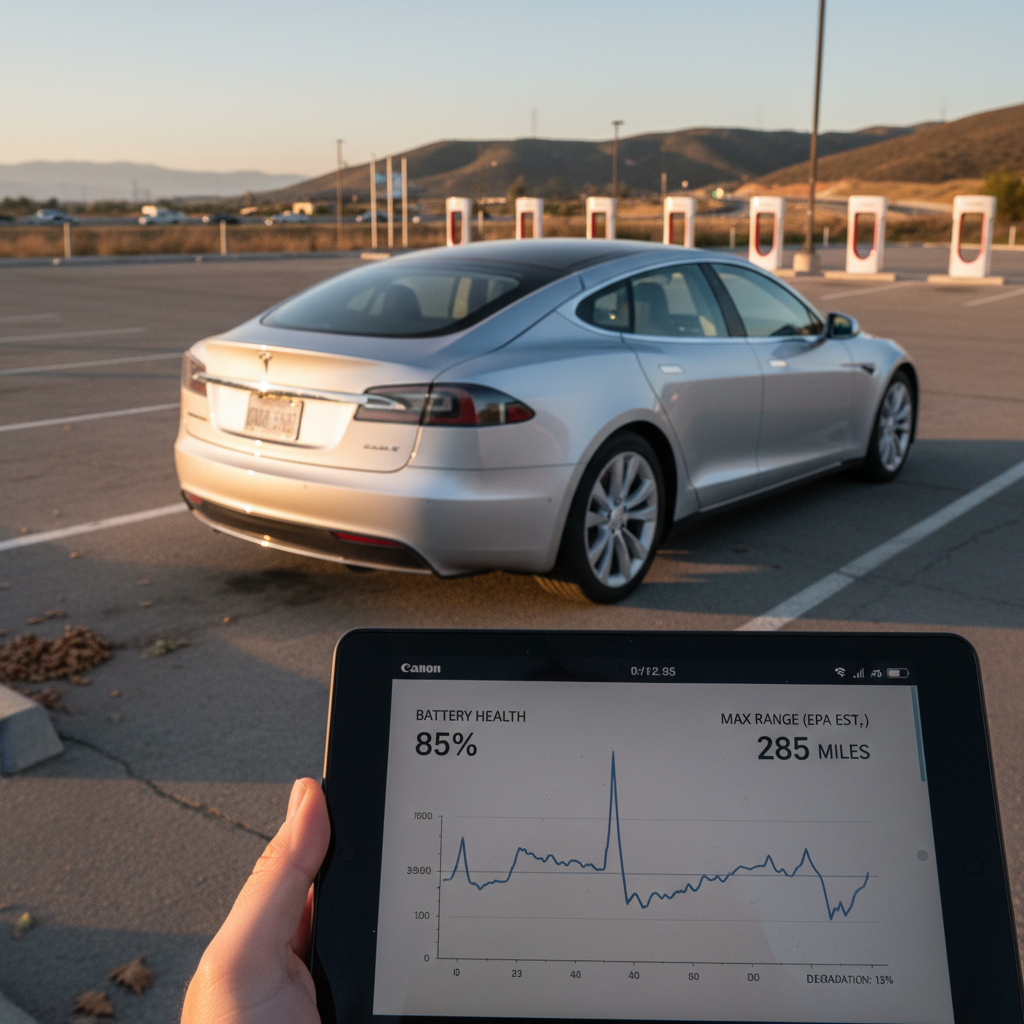
1. Battery health and fast‑charging history
Performance EVs often see more DC fast‑charging and spirited driving, both of which can accelerate battery wear. You’ll want to see <strong>objective battery‑health data</strong>, not just a guess based on range. Recharged’s Score Report pulls this into one transparent view.
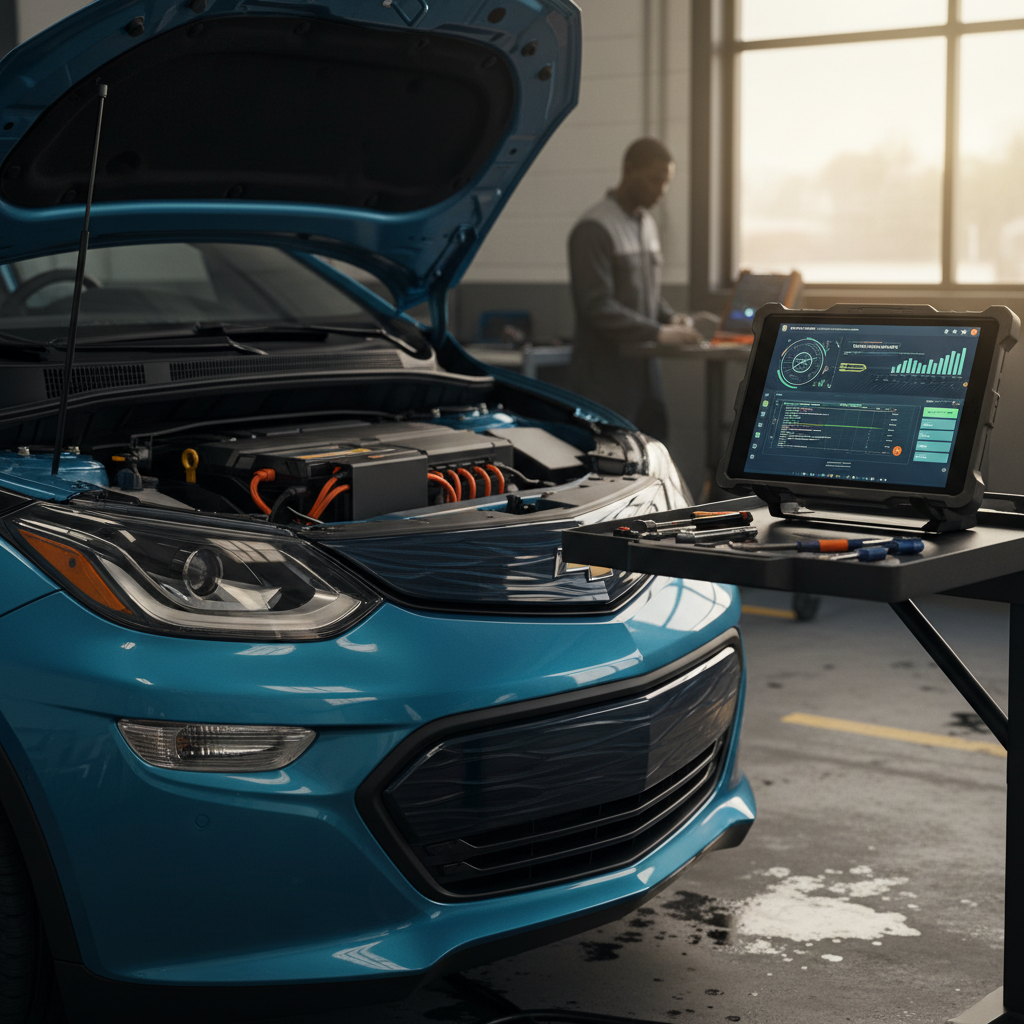
2. Cooling system and brakes
Those insane acceleration runs dump a lot of heat into the pack, motors, and brakes. On a used car, make sure the cooling system is healthy and the brakes aren’t overdue for expensive service. Any signs of tracked abuse should factor into the price.
3. Suspension, tires, and alignment
Heavy, powerful EVs are hard on tires and suspension components. Look for uneven tire wear, vibrations at speed, or clunks over bumps. Budget for a fresh set of high‑performance tires if the current ones are marginal, especially if you’re buying a Plaid or Taycan.
4. Software, recalls, and warranties
Fast EVs are software‑defined cars. Confirm that <strong>software updates</strong> are current, recall work is done, and whether any performance‑related warranties (battery, drive units) still apply. A vehicle history that shows regular dealer or specialist service is a big plus.
5. Insurance and operating costs
A 2‑second 0–60 EV can sit in a luxury‑car insurance bracket, and tires and brakes may be pricier than you’re used to. Get real quotes for insurance, understand typical tire life, and check electricity rates or charging costs in your area before you sign.
Let the numbers work for you
Is a hyper EV worth it, or should you go practical?
Standing next to something like a Rimac Nevera R or Yangwang U9 Xtreme is a little surreal. They feel like science‑fiction props, humming softly instead of idling angrily. But unless your life includes private tracks and very patient neighbors, the real sweet spot for most drivers is a fast but livable EV.
Who a hyper EV is (actually) for
- Collectors who want the latest tech trophy.
- Track‑day regulars with deep pockets and deep‑cooling garages.
- Brands using them as rolling tech demos.
They’re incredible machines, but you’ll experience 2% of what they can do on public roads, and pay 100% of the cost and complexity.
Who a fast daily EV is for
- Drivers who want a car that’s effortlessly quick in real traffic.
- Families who don’t want to sacrifice practicality for fun.
- Enthusiasts who’d rather spend money on road trips than race‑team logistics.
A used Taycan, Model S Plaid, Ioniq 5 N, or EV6 GT will still make you laugh out loud on an on‑ramp, and they can commute, road‑trip, and school‑run without breaking a sweat.
If your itch is simply to own one of the fastest EV cars on earth, the Yangwang U9 Xtreme and Rimac Nevera R are your north stars, setting mind‑bending benchmarks for top speed and acceleration. But if what you really want is that same instant‑torque thrill every time you leave a stoplight, without needing a race team, your best move is a fast, well‑chosen daily EV. That’s where Recharged comes in: with verified battery health, transparent pricing, and EV‑savvy guidance, you can find a used performance EV that fits your budget, your life, and, yes, your need for speed.