If you’re shopping used, the phrase “fastest depreciating electric cars 2026” shouldn’t scare you. It should make your eyes light up. Depreciation is brutal if you bought new, but if you’re the second owner, those same falling prices can turn a $70,000 status symbol into a $22,000 commuter car. The key is knowing which EVs are dropping fastest, why it’s happening, and how to separate screaming deals from future headaches.
Depreciation reality check
Why EVs Are Depreciating So Fast in 2026
Electric cars are behaving like consumer electronics. The tech moves fast, the early hardware ages badly, and new prices swing wildly. In 2024–2025, aggressive price cuts on new EVs, an end to some federal incentives, and a flood of off‑lease and fleet cars pushed used EV values down much faster than comparable gas vehicles.
- Rapid tech turnover: Newer EVs get longer range, faster charging, and better driver‑assist, making a five‑year‑old model feel "last‑gen" in a way a five‑year‑old Civic never does.
- Price cuts on new EVs: When a manufacturer carves $8,000–$15,000 off MSRP on new inventory, used values fall in sympathy.
- Battery uncertainty: Many buyers still worry about battery replacement costs, even though most packs age slowly and are covered by long warranties.
- Patchy demand: The 2025 "EV winter" narrative cooled new‑car enthusiasm, even as used EV sales quietly climbed, on lower prices.
Don’t confuse price drop with “bad car”
How EV Depreciation Compares by 5 Years
Fastest Depreciating Electric Cars in 2026: The Short List
Different studies slice the data different ways, year‑over‑year price change, five‑year depreciation, or two‑year trade‑in offers, but the same suspects keep reappearing. Here’s a consolidated view of the fastest depreciating electric cars using late‑2024 and 2025 market data projected into the 2026 used market.
Headline Fast-Depreciating Electric Cars (5-Year View)
Approximate five‑year depreciation or recent one‑year price drops, using the latest available data and rounded for clarity. Actual values vary by mileage, spec, and market.
| Model | Segment | Typical 5-Year Value Loss* | Notes |
|---|---|---|---|
| Jaguar I-Pace | Luxury SUV | ≈72% | Serial headliner in “worst depreciation” studies; stylish but niche. |
| Audi Q8 e-tron / e‑tron | Luxury SUV | ≈71% | Early luxury EV SUV hit by rapid tech turnover and heavy discounts. |
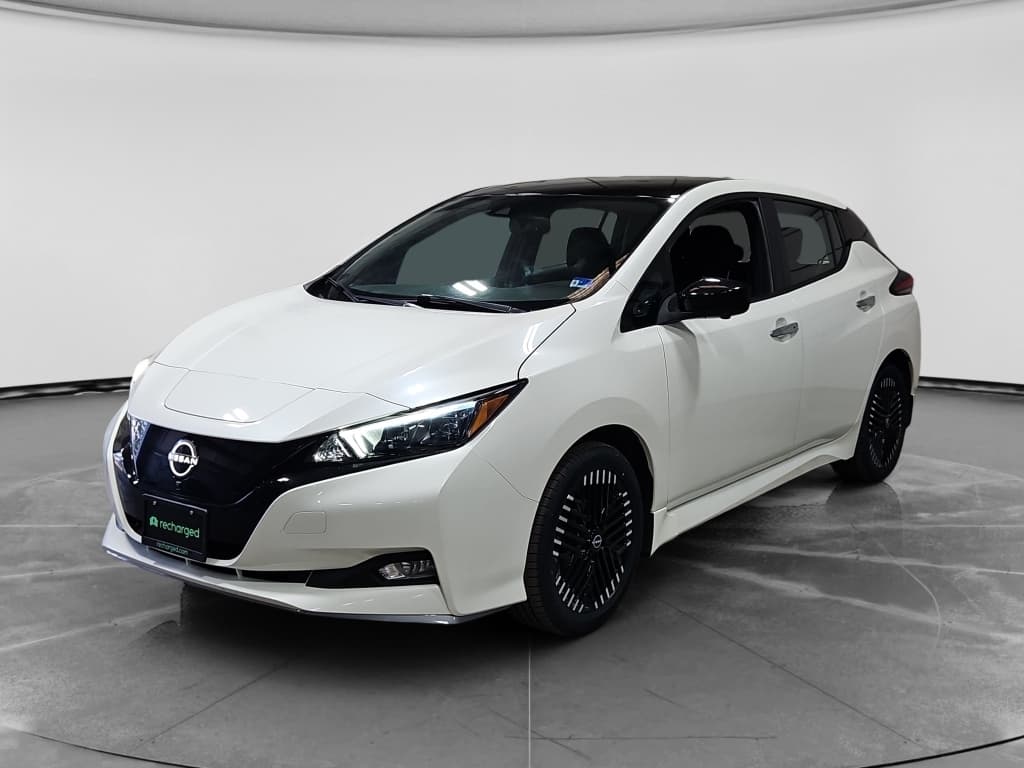
| Nissan Leaf (esp. SV Plus) | Compact hatch | ≈64% | Shorter range and older CHAdeMO fast‑charge tech drag values down. |
| Tesla Model S | Luxury sedan | ≈63–65% | Price cuts, fleet sell‑offs, and aging tech hurt early Model S values. |
| Tesla Model X | Luxury SUV | ≈63% | Same story as Model S, plus high repair costs spook second owners. |
| Hyundai Kona Electric | Subcompact SUV | ≈58–60% | Solid car but early‑gen short range and tax‑credit pressure cut prices. |
| Tesla Model Y | Crossover | ≈56–60% | Once a resale hero, now often cited for 40–60% drops within a few years. |
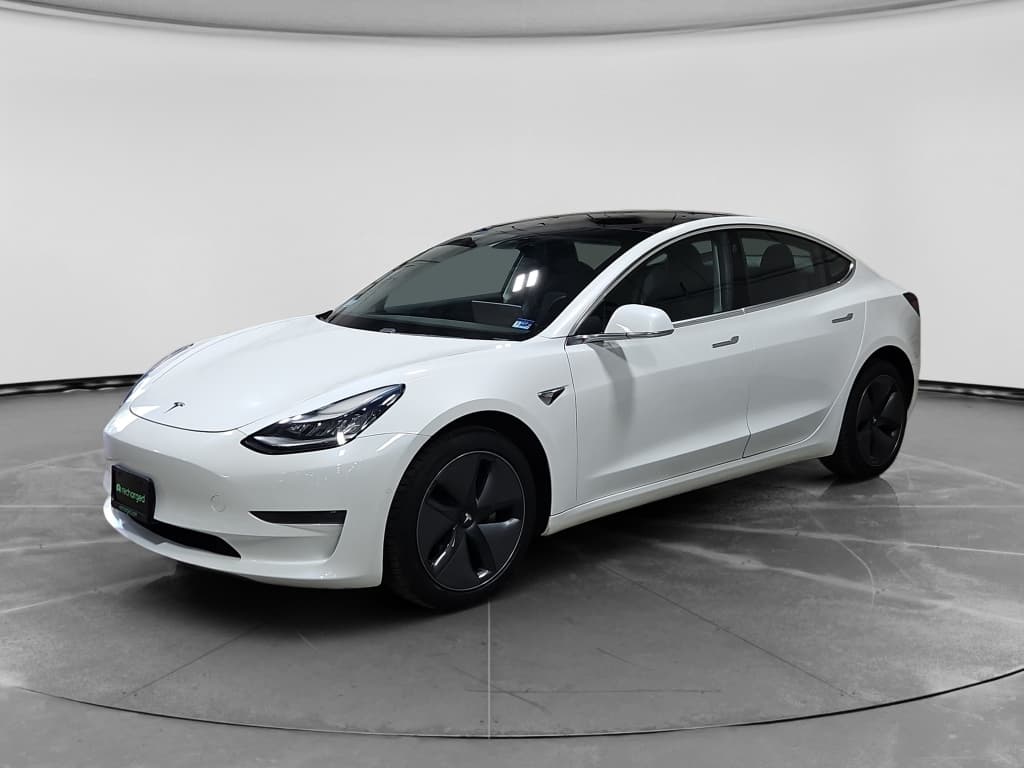
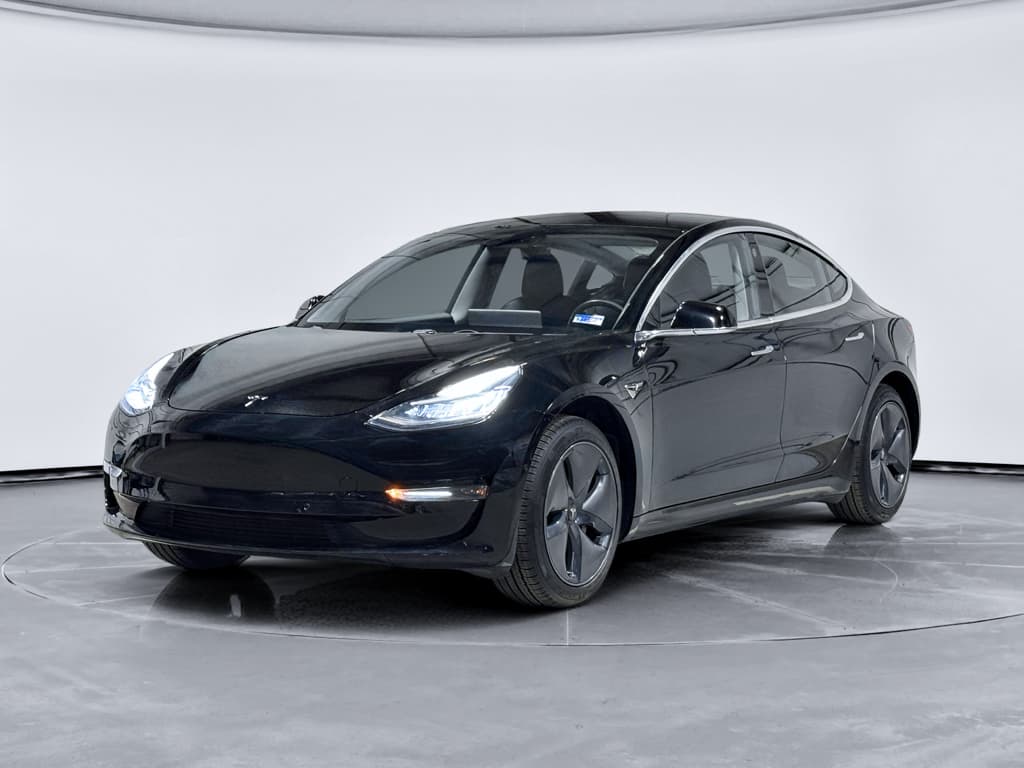
| Tesla Model 3 | Sedan | ≈50–56% | Mass‑market volume and new‑car discounts pushed down used prices. |
| Mercedes-Benz EQS | Luxury sedan | ≈60% | Six‑figure luxury EV with niche demand and big early discounts. |
| Lucid Air | Luxury sedan | ≈55%+ (from 2022) | Start‑up brand risk plus steep new‑car incentive stacking. |
These models consistently show among the steepest value losses in recent market analyses.
About the numbers
Deep Dive: The EVs Losing Value Fastest
What’s Really Killing These EVs’ Resale Value?
Model‑specific stories behind the eyebrow‑raising depreciation curves.
Jaguar I-Pace: 72% Vanishing Act
On paper, the Jaguar I‑Pace is everything enthusiasts say they want: quick, handsome, with real chassis talent. On the market, it’s a depreciation experiment gone wrong.
- High original MSRP for a then‑unproven EV.
- Limited dealer support and low sales volume in the U.S.
- Range and charging specs that now look modest for the price.
Result: five‑year losses north of 70%, pushing many I‑Paces into the low‑$20k bracket, eligible for the used EV tax credit in many cases.
Tesla Model S & X: From Darlings to Discounts
Five years ago, used Model S and Model X were near‑money machines. Then came multiple new‑car price cuts, Hertz fire‑sales, and newer Teslas with longer range and sharper interiors.
- Older S/X now compete with cheaper, fresher Model 3/Ys.
- High repair and parts costs scare second owners.
- Luxury buyers jump to newer metal quickly.
The result is some of the steepest luxury EV depreciation on the market.
Nissan Leaf: Victim of Its Own Pioneering
The Nissan Leaf did the missionary work for affordable EVs, but early tech doesn’t age gracefully.
- Early Leafs lack active battery cooling, hurting long‑term range.
- CHAdeMO fast‑charging is effectively a dead standard in North America.
- Short real‑world highway range depresses demand outside cities.
Great cheap runabout, but buyers punish it on resale.
Tesla Model 3 & Y: Volume Meets Volatility
The Model 3 and Model Y show up in almost every “fastest depreciating” list, not because they’re bad cars, but because they’re everywhere.
- Huge production volume swells used supply.
- Frequent new‑car price changes whipsaw used values.
- Fleet sell‑offs (Hertz, etc.) flood the market.
For buyers, that’s an opportunity: a used Model 3 or Y can deliver a lot of car per dollar in 2026.
Mercedes EQS & Other Luxury EVs
Luxury EV sedans like the Mercedes‑Benz EQS and Audi’s e‑tron derivatives combine the worst depreciation traits: high MSRP, narrow audience, and fast‑moving tech.
- Six‑figure sticker prices limit the second‑hand buyer pool.
- Newer rivals undercut them with more range for less money.
- Brand‑new luxury EVs still qualify for incentives that used ones don’t.
Result: mighty percentage drops, even if the cars themselves are deeply competent.
Lucid Air & Startup Risk
The Lucid Air has world‑class range and performance, but used buyers price in brand risk.
- Worries about long‑term service network and parts.
- Heavy discounting and incentives on new inventory.
- Low name recognition outside enthusiast circles.
Breathtaking when new, nervy as a five‑figure used purchase, unless you buy carefully.
Are Any EVs Holding Their Value?
Not every EV is a falling knife. Some models, particularly trucks and well‑regarded crossovers, are depreciating more like conventional vehicles, painful, but not apocalyptic.
Models With Relatively Strong Resale
- Rivian R1T: Recent data shows roughly 50% value retained after five years, impressive for a niche EV truck.
- Some newer crossovers (Ioniq 5, EV6, etc.): Still depreciating faster than gas cars, but less catastrophically than early luxury EVs.
- Later‑generation Teslas: Mid‑cycle refreshes with better range and build quality may age more gracefully than 2018–2020 cars.
Why These EVs Hold Value Better
- Practical body styles: Trucks and crossovers always have broader demand than low‑roof sedans.
- Competitive range and charging: If it still does 250+ miles and takes fast DC charging well, buyers are calmer.
- Stronger brand story: Some OEMs have stabilized pricing and messaging instead of roller‑coaster discounts.
Even so, EV depreciation as a class remains steeper than gas or hybrid vehicles in 2026.
How to Use Fast EV Depreciation to Your Advantage
If you’re buying new, this section is a horror movie. If you’re buying used, it’s a clearance sale. The trick is to let the first owner eat the ugly part of the curve, then step in once price and remaining battery life intersect in your favor.
Three Ways Steep Depreciation Helps You as a Used EV Buyer
Let someone else pay for the early years of tech FOMO.
1. Luxury for Camry Money
A Jaguar I‑Pace or Mercedes EQS that started life over $100,000 can fall into the $30k–$40k band within five years. That’s midsize‑sedan territory for something that still drives like an S‑Class spaceship.
2. Sweet Spot: 3–5 Years Old
By year three or four, most EVs have taken the bulk of their value hit but still have plenty of battery warranty left. Your cost‑per‑mile can be dramatically lower than buying new.
3. Incentives on Top of Discounts
In the U.S., many used EVs under a certain price cap can qualify for a federal used clean vehicle credit. Combine that with steep depreciation and the math gets friendly in a hurry.
Where Recharged fits in
Battery Health: The Kingmaker of Used EV Values
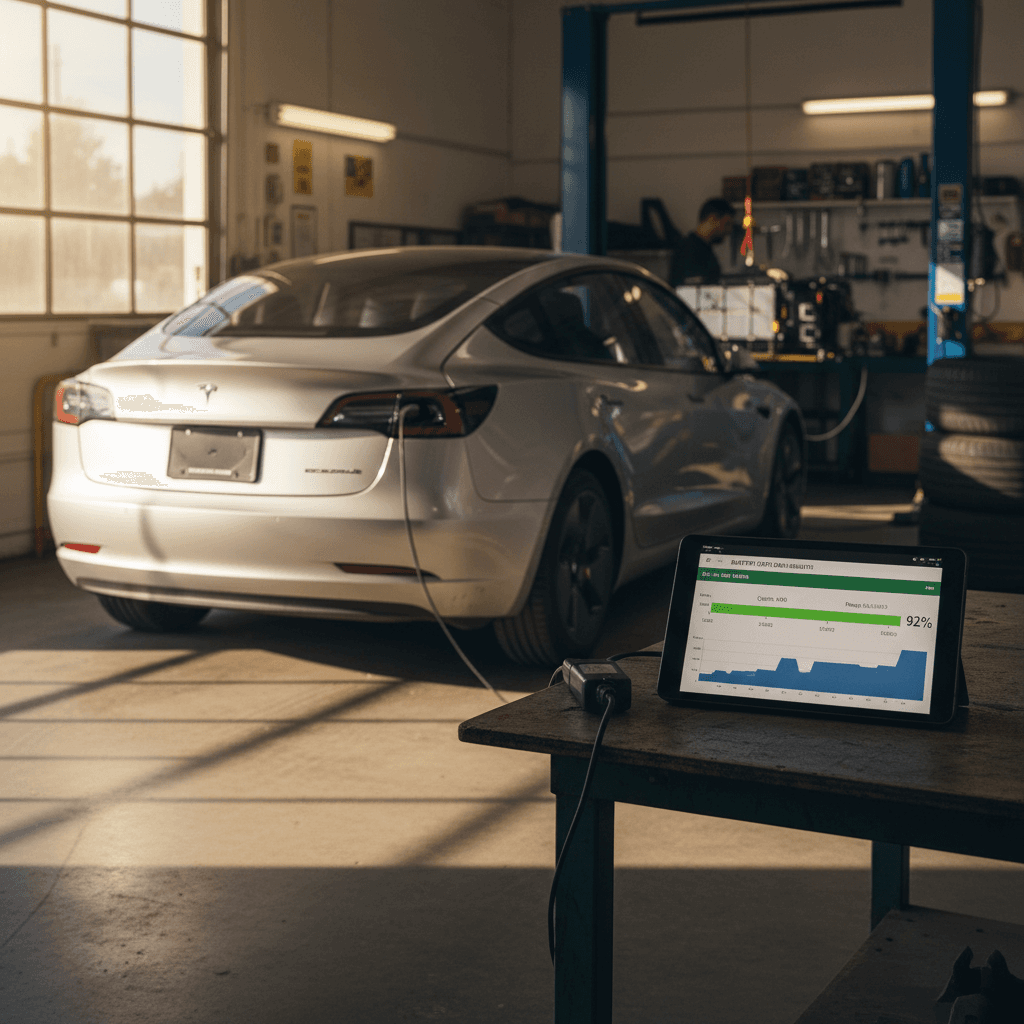
Underneath all the charts and percentages, battery State of Health (SOH) is what really determines whether a cheap used EV is a bargain or a trap. Industry‑wide, recent data suggests roughly 1.5–2% capacity loss per year on average, with Tesla packs often doing a bit better. But the spread between individual cars can be huge.
- A five‑year‑old EV at 88–90% SOH is a gem; it will feel almost new in day‑to‑day use.
- The same car at 75% SOH may have lost 40–60 miles of range, and a big chunk of resale value.
- Below 70–75% SOH, you’re into specialist‑use territory (short‑range city car) unless the price is truly rock‑bottom.
Hard rule: No battery report, no deal
Fast vs. Slow Depreciating EVs: Real Cost Comparison
To make this concrete, imagine you’re shopping in early 2026 with a budget around $28,000. You’re cross‑shopping a fast‑depreciating luxury EV and a relatively stable mainstream crossover. Which actually costs you more over five years?
Illustrative 5-Year Cost of Ownership: Fast vs. Slower Depreciating EV
Simplified example using rounded projections for a 2021 Jaguar I‑Pace vs. a 2021 Hyundai Ioniq 5, both bought used in 2026.
| Fast-Depreciating EV (2021 Jaguar I-Pace) | Moderate-Depreciating EV (2021 Hyundai Ioniq 5) | |
|---|---|---|
| Purchase price in 2026 | $27,000 | $28,000 |
| Estimated value in 2031 | $10,000 | $14,000 |
| 5-year depreciation cost | $17,000 | $14,000 |
| Approx. electricity (5 yrs) | $2,500 | $2,500 |
| Approx. maintenance (5 yrs) | $3,500 | $3,000 |
| Total 5-year cost (excl. insurance, tax) | ≈$23,000 | ≈$19,500 |
Depreciation dwarfs electricity and maintenance in most EV ownership math.
The key takeaway
Checklist: Buying a Fast-Depreciating EV Without Regrets
Essential Checks Before You Pull the Trigger
1. Pull a verified battery health report
Aim for at least <strong>80% SOH</strong>, and insist on recent data. On Recharged, this is baked into the Recharged Score, so you’re not guessing about remaining range.
2. Check remaining battery & drivetrain warranty
Many EVs carry 8‑year / 100k‑mile battery warranties. A five‑year‑old Jaguar I‑Pace or Tesla can still have several years of coverage left, hugely important if you’re riding the depreciation wave.
3. Look up real-world range, not just EPA
Some early EVs lose more range in cold weather or at highway speeds. Make sure the <em>current</em> real‑world range (given the SOH) still fits your commute with margin.
4. Confirm charging standard & network access
Older Leafs use CHAdeMO; many newer EVs are moving to NACS. Make sure your local fast‑charging options match the plug on the car, or that you’re okay living mostly on Level 2 home charging.
5. Research common failure points
Luxury EVs often have complex air suspensions, soft‑close doors, and trick interiors. Search for known issues and price out repairs before you buy, especially out of factory warranty.
6. Sanity‑check pricing vs. market data
Compare asking price with recent sales data for similar cars. On Recharged, pricing is anchored to fair‑market values, so you can see instantly if a car is appropriately discounted for its age and battery health.
FAQ: Fastest Depreciating Electric Cars in 2026
Frequently Asked Questions About EV Depreciation in 2026
Bottom Line: Avoid These EVs, or Embrace Them?
The phrase “fastest depreciating electric cars 2026” sounds like a blacklist, but for the right buyer it’s closer to a treasure map. Yes, models like the Jaguar I‑Pace, early Tesla S/X, Nissan Leaf, and several luxury EVs have taken spectacular value hits. That’s brutal for first owners, and a gift for anyone shopping used with clear eyes and good data.
If you focus on battery health, remaining warranty, realistic range, and repair risk, a fast‑depreciating EV can deliver champagne‑level comfort for seltzer‑water money. Skip those steps and you’re just the second owner volunteering to subsidize the third.
If you’re ready to explore this part of the market, start with cars that already had their big fall, not ones just beginning the plunge. On Recharged, every used EV comes with a Recharged Score battery report and fair‑market pricing baked in, so you can hunt for depreciation‑driven deals without flying blind.