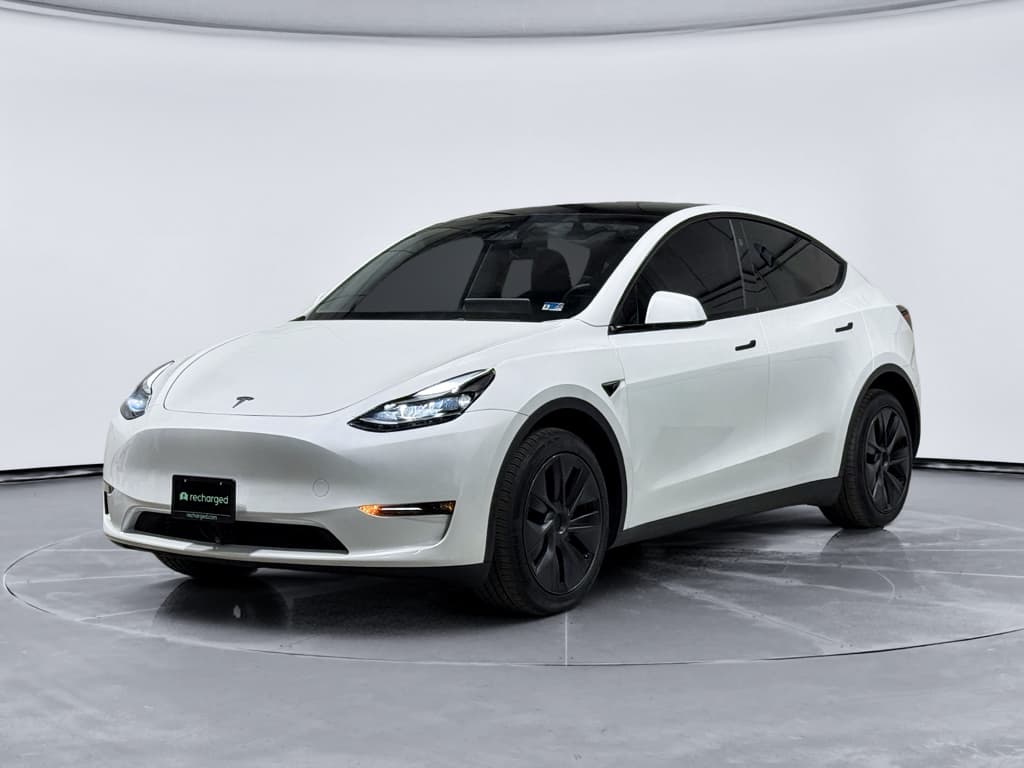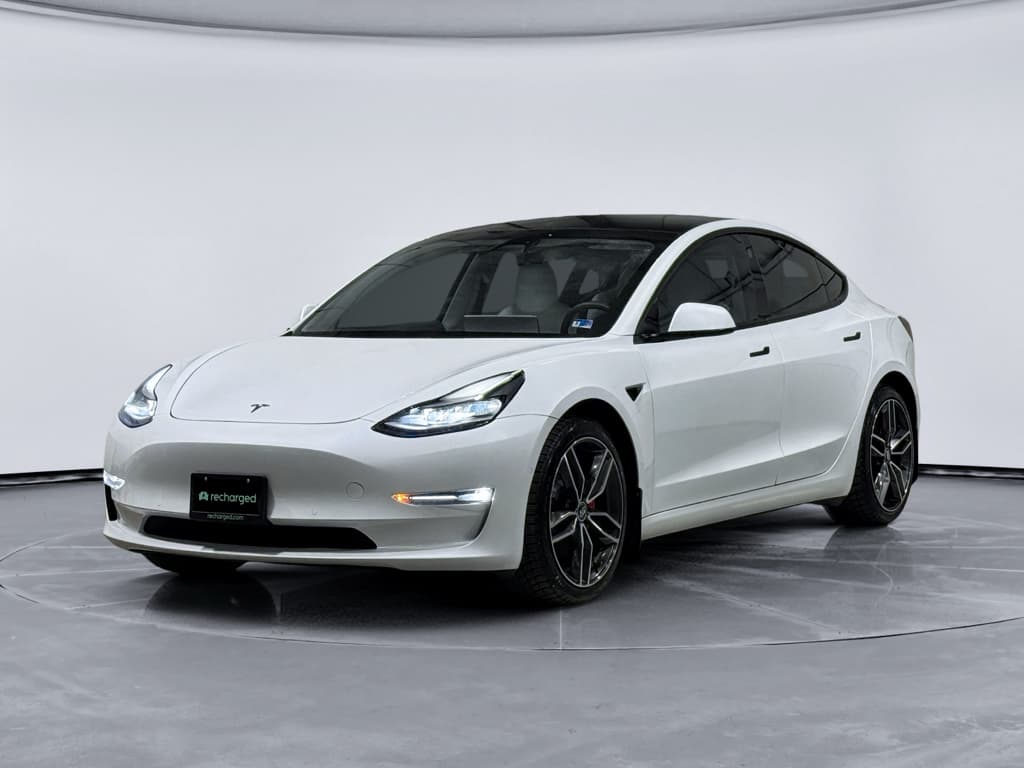
Stomp the throttle in a modern performance EV and the world comes at you like a jump cut. The fastest accelerating electric cars don’t just feel quick; they bend your sense of time, matching or beating the best gasoline hypercars while carrying kids, dogs, and Costco runs.
About this guide
Why fast-accelerating EVs are a big deal
For decades, sub‑3‑second 0–60 mph times were the domain of exotic gasoline supercars. Today, electric sedans and SUVs do it on street tires, in silence, with a Spotify playlist running. Instant torque from electric motors, all‑wheel drive, and sophisticated traction control have turned brutal acceleration into an everyday party trick.
- Instant torque: Electric motors deliver peak torque from basically zero rpm, so there’s no waiting for a gearbox or turbos.
- All‑wheel precision: Dual‑ and quad‑motor setups can juggle power to each wheel in milliseconds, maximizing grip.
- Software magic: Launch modes, battery pre‑conditioning, and torque vectoring make repeatable, mind‑bending launches possible.
Quick reality check
How we define “fastest”: 0–60 mph explained
There are a few different ways to measure 0–60 mph, and they matter. Manufacturers often quote internal numbers; independent outlets like Car and Driver and MotorTrend run their own tests. Some results include a 1‑foot rollout (ignoring the first foot of movement), which shaves about 0.1–0.3 seconds off the time.
Common 0–60 mph measurement differences
Why one EV can have three different “official” times
Manufacturer claims
Best‑case numbers on ideal surfaces, often with rollout and perfect launch settings. Great for bragging rights, not always repeatable on the street.
Independent instrumented tests
Outlets like Car and Driver and MotorTrend use their own gear and procedures. These numbers are the best way to compare cars apples‑to‑apples.
Real‑world launches
Your local road, colder tire temps, and imperfect reactions add a few tenths. The car’s character matters more than the absolute number here.
How to read this article
Record-breaking electric hypercars
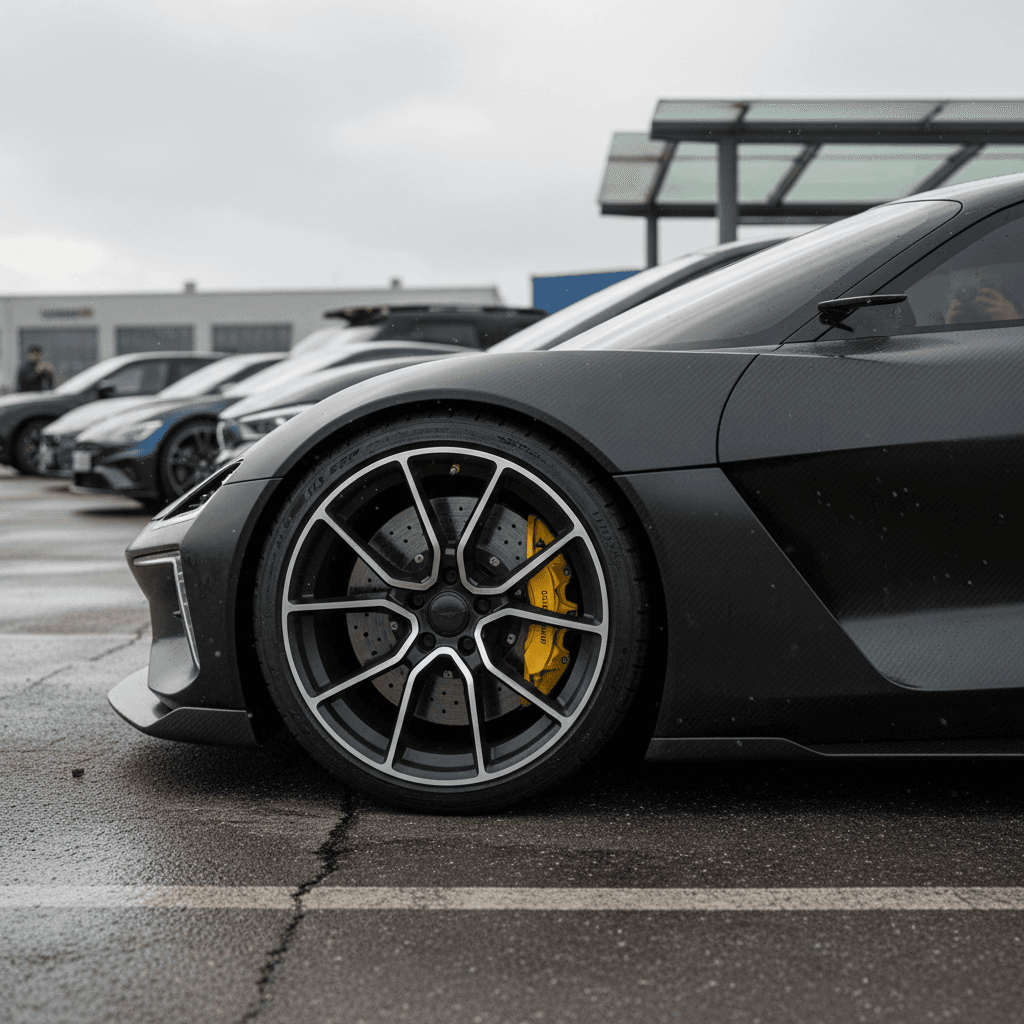
If you want the absolute quickest accelerating electric cars on earth, you’re in hypercar territory: seven‑figure prices, limited production, and acceleration that leaves your organs in another ZIP code. These aren’t common sights at the grocery store, but they set the bar for what’s physically possible.
Fastest accelerating electric hypercars (0–60 mph)
Representative 0–60 mph times based on recent manufacturer claims and independent testing where available.
| Model | 0–60 mph (approx.) | Power | Top speed | Price (approx.) |
|---|---|---|---|---|
| Aspark Owl | 1.7 s | ~1,984 hp | 273 mph | $3.1M |
| Rimac Nevera / Nevera R | 1.7–1.8 s | 1,914–2,100+ hp | 256+ mph | $2.3–2.5M |
| Pininfarina Battista | ~1.8 s | 1,900 hp | 217 mph | $2.5M |
| Lotus Evija | ~2.0 s | 1,972 hp | 218 mph | $2.3M |
| Xiaomi SU7 Ultra* | ~2.0 s (0–100 km/h) | 1,500+ hp (approx.) | 350+ km/h | High‑end, China‑first |
All are low‑volume or limited‑run hypercars, amazing to read about, vanishingly rare in the wild.
What these numbers actually feel like
Fastest accelerating sedans you might actually see
Here’s where it gets interesting: four‑door electric sedans that run with the world’s wildest hypercars to 60 mph, then calmly drive your commute. These are the cars that have rewritten the rulebook.
Super‑sedan acceleration, distilled
Fastest accelerating electric sedans (0–60 mph)
These numbers blend recent independent tests and widely cited specs. Exact figures vary slightly by source and conditions.
| Model | 0–60 mph (approx.) | Power | EPA range (approx.) | Price (new) |
|---|---|---|---|---|
| Lucid Air Sapphire | ~1.9 s | 1,234 hp | ~427 mi | ~$250,000 |
| Porsche Taycan Turbo GT | ~2.0–2.1 s | 1,000+ hp | ~300 mi | ~$230,000 |
| Tesla Model S Plaid | ~2.0–2.1 s | 1,020 hp | ~360–390 mi | ~$90,000 |
| Audi RS e‑tron GT Performance | ~2.3 s | 925 hp | ~280 mi | ~$160,000 |
| Mercedes‑AMG EQS 53 4MATIC+ | ~3.2 s | 751 hp | ~280 mi | ~$150,000 |
Even the “slowest” car on this list is violently, hilariously quick.
The sweet spot for mere mortals
SUVs and trucks that launch like supercars
Acceleration isn’t just for low‑slung sedans anymore. Today’s performance SUVs and even pickups can embarrass serious sports cars away from a stoplight. The physics may not make sense to your brain, but the stopwatch doesn’t lie.
Fastest accelerating electric SUVs and trucks
Representative 0–60 mph times for some of the quickest tall‑riding EVs.
| Model | Type | 0–60 mph (approx.) | Power | Price (new) |
|---|---|---|---|---|
| Tesla Model X Plaid | 3‑row SUV | ~2.3 s | 1,020 hp | ~$95,000 |
| Rivian R1T Dual/Quad Max | Pickup | ~2.5–2.6 s | 800+ hp (max trims) | ~$90,000+ |
| Hyundai Ioniq 5 N | Crossover | ~2.8 s (launch control) | 641 hp | ~$70,000 |
| Tesla Cybertruck Cyberbeast | Pickup | ~2.6 s | 845 hp | ~$100,000 |
| GMC Hummer EV 3X | Pickup | ~3.0 s (Watts to Freedom) | ~830 hp | ~$110,000 |
If you can’t quite stomach a six‑figure sedan, some of these SUVs pop up on the used market with serious performance per dollar.
The SUV paradox
How 0–60 claims get confusing: rollout, tires, and modes
If you spend five minutes comparing 0–60 charts, you’ll quickly realize the numbers don’t always line up. The same car might be quoted at 1.99 seconds in one place and 2.1 seconds in another. That’s not lying; it’s methodology.
1. Rollout and test procedure
Some testers use a 1‑foot rollout, ignoring the first foot of vehicle movement before the clock starts. That alone can trim 0.1–0.3 seconds. Surface prep, ambient temperature, and wind all play supporting roles.
2. Tires, modes, and battery state
Sticky track tires and aggressive launch control can unlock the headline numbers, but you may not want to run those setups in the rain, snow, or on worn asphalt. Many EVs need the battery pre‑conditioned and above a certain state of charge to deliver maximum thrust.
Don’t chase a tenth of a second
Should 0–60 be your top priority?
With EVs, 0–60 has become the loudest spec in the room, but it’s rarely the most important. Once you’re comfortably under about 4.5 seconds, the difference between “quick” and “insanely quick” matters less day‑to‑day than range, charging, comfort, and price.
Other performance questions to ask
Because you won’t live at every stoplight.
How does it feel past 60?
Some EVs rocket off the line but taper off at highway speeds. Others, like certain Lucids and Porsches, keep pulling hard well past the legal limit.
Can you use the performance?
Brakes, cooling, and suspension matter if you plan to run canyon roads or track days. Straight‑line speed without control is just a YouTube clip waiting to happen.
What’s the trade‑off in range?
Performance trims often get larger motors and stickier tires, both of which eat into real‑world range. Decide how much you’re willing to sacrifice.
If you’re range‑sensitive
Fast EVs and the used market
Here’s the good news: you don’t need hypercar money, or even new‑car money, to experience vicious EV acceleration. Early performance models like the Tesla Model S P100D, Raven Performance, and later Plaid cars are increasingly common on the used market, often for the price of a new midsize crossover.
Power is nothing without battery health
That’s where tools like the Recharged Score come in. When you buy a used EV through Recharged, you get a battery‑health report based on diagnostics rather than guesswork, fair‑market pricing, and EV‑specialist support from test‑drive to delivery. If you’re eyeing an older Model S Performance, a Taycan, or even an Ioniq 5 N in a few years, that extra transparency is the difference between a thrill ride and a money pit.
Checklist: choosing a fast EV that fits your life
Key questions before you chase 0–60 bragging rights
1. How quick is “quick enough”?
Be honest about your needs. Anything under about 4.5 seconds 0–60 mph already feels shockingly fast. If you rarely floor it, you may be better served by a long‑range trim with strong but not insane acceleration.
2. What’s your real budget, purchase and ownership?
Factor in tires, insurance, and potential brake work. High‑power EVs can chew through consumables faster, especially if you use launch modes often.
3. Do you have the charging setup to support it?
A performance EV is best enjoyed when you can charge conveniently. Consider whether you’ll have <a href="/articles/home-ev-charging-guide">Level 2 home charging</a> or rely heavily on public fast charging.
4. How important is cabin and cargo space?
Quad‑motor rockets are fun, but if you need three rows or a big cargo area, a slightly slower SUV or truck might be a better all‑rounder.
5. Will you track or canyon‑drive the car?
If yes, prioritize thermal management, brake hardware, and handling reviews, not just straight‑line claims. Cars like the Taycan Turbo GT are tuned for this kind of abuse.
6. Are you open to buying used?
A used high‑performance EV can deliver 90% of the drama at 50–60% of the original price. Just make sure you get a battery‑health evaluation, something built into every purchase at Recharged.
Respect the physics
FAQ: Fastest accelerating electric cars
Frequently asked questions about quick EVs
Bottom line on fast‑accelerating EVs
The era of the fastest accelerating electric cars isn’t coming; it’s here. Hypercars like the Aspark Owl and Rimac Nevera prove what’s possible, while sedans such as the Lucid Air Sapphire, Porsche Taycan Turbo GT, and Tesla Model S Plaid make near‑supercar acceleration something you can experience on a Tuesday commute.
For most drivers, the smarter move is to find an EV that’s quick enough, under about 4–5 seconds to 60, then focus on range, comfort, charging, and long‑term costs. If you want that gut‑punch acceleration without lighting your savings on fire, the used market is your friend. Through Recharged, you can shop high‑performance EVs with verified battery health, fair pricing, and EV‑savvy specialists in your corner, so the only surprise is how hard your passengers scream when you finally floor it.