If you’re hunting for fast cars under $15K in 2026, you’ve probably noticed the internet hasn’t caught up with reality. Lists written years ago still promise clean WRXs and 370Zs for pocket change, but real-world prices, interest rates, and repair costs tell a different story. This guide cuts through the fantasy and focuses on quick cars you can realistically buy around $15,000 today, including some surprisingly rapid used EVs.
What this guide covers
Why fast cars under $15K are getting harder to find
Between 2020 and 2024, used car prices spiked and never fully came back to pre-pandemic norms. Performance models were hit twice: first by enthusiasts chasing “future classics,” and second by owners holding onto fun cars longer because new models got more expensive. By 2026, a lot of the once-obvious bargains (E46 M3s, STIs, clean 350Zs) have climbed well past $15,000 or are only available at that price with mileage and wear that make them financial landmines.
The 2026 reality of cheap speed
That’s why this article balances acceleration with total cost of ownership. A $12,000 Audi S4 that needs $8,000 in timing chain and suspension work is not a cheap fast car, it’s an expensive slow project.
How we defined “fast” under $15K for 2026
“Fast” is relative, so let’s be explicit. Modern performance cars routinely do 0–60 mph in under 5 seconds, while economy cars sit in the 7.5–9.5 second range. For this guide, a fast car under $15K means:
- Realistic 0–60 mph in under 7.0 seconds in stock or lightly modified form.
- Common asking prices around $12,000–$17,000 in early 2026, so $15K is achievable with negotiation or higher miles.
- Mechanical and parts support that make it possible to run the car hard without constantly gambling your savings.
- Good subjective speed: sharp throttle response, engaging chassis, and brakes that match the power.
Why we don’t chase unicorns
Top fast gas cars under $15K in 2026
If you want the classic recipe, engine noise, manual gears, and a chassis that talks to you, there are still compelling gas cars hovering around the $15K mark. Expect to compromise on mileage, options, or cosmetics, but these remain among the best “slow-car-fast” and “fast-enough” choices.
Representative fast gas cars around $15K (2026 market)
Approximate U.S. market observations for common trims in decent driver condition. Local supply will vary.
| Model | Typical Years in Budget | 0–60 mph (approx.) | What makes it appealing | Key watch-outs |
|---|---|---|---|---|
| Mazda MX‑5 Miata (NC) | 2006–2015 | 6.0–6.5 s | Light weight, great shifter, cheap consumables, huge aftermarket. | Rust in salt states, neglected soft tops, track abuse disguised as “weekend car.” |
| Nissan 350Z | 2003–2008 | 5.3–5.8 s | Strong V6, rear‑drive balance, plenty of torque, still feels properly quick. | Hard‑driven drift builds, oil consumption, worn synchros in manuals. |
| Ford Mustang V6 / EcoBoost (early S550, base trims) | 2015–2017 V6 & some EcoBoost high‑mile cars | ~5.5–6.0 s | Modern chassis, good safety tech, plentiful parts, tunable. | Accident repairs, cheap coilovers, tired clutches; avoid heavily tuned cars at this price. |
| VW GTI (Mk6/Mk7, high miles) | 2010–2017 | ~6.0 s | Practical hatch with real pace, excellent steering, daily‑drivable. | Carbon buildup on DI engines, DSG servicing, cooling system leaks. |
| Subaru WRX (older, stock-ish) | 2009–2014 | 5.3–5.7 s | All‑wheel drive grip, turbo torque, huge community support. | Ringland failures on abused cars, modified tunes, rust, tired suspensions. |
| Honda Civic Si (8th/9th gen) | 2006–2015 | 6.5–6.9 s | High‑revving naturally aspirated engines, good shifters, reliable if maintained. | VTEC run hard on low oil, cheap mods, mismatched tires and brakes. |
Always verify current asking prices, mileage, and maintenance history in your area before you buy.
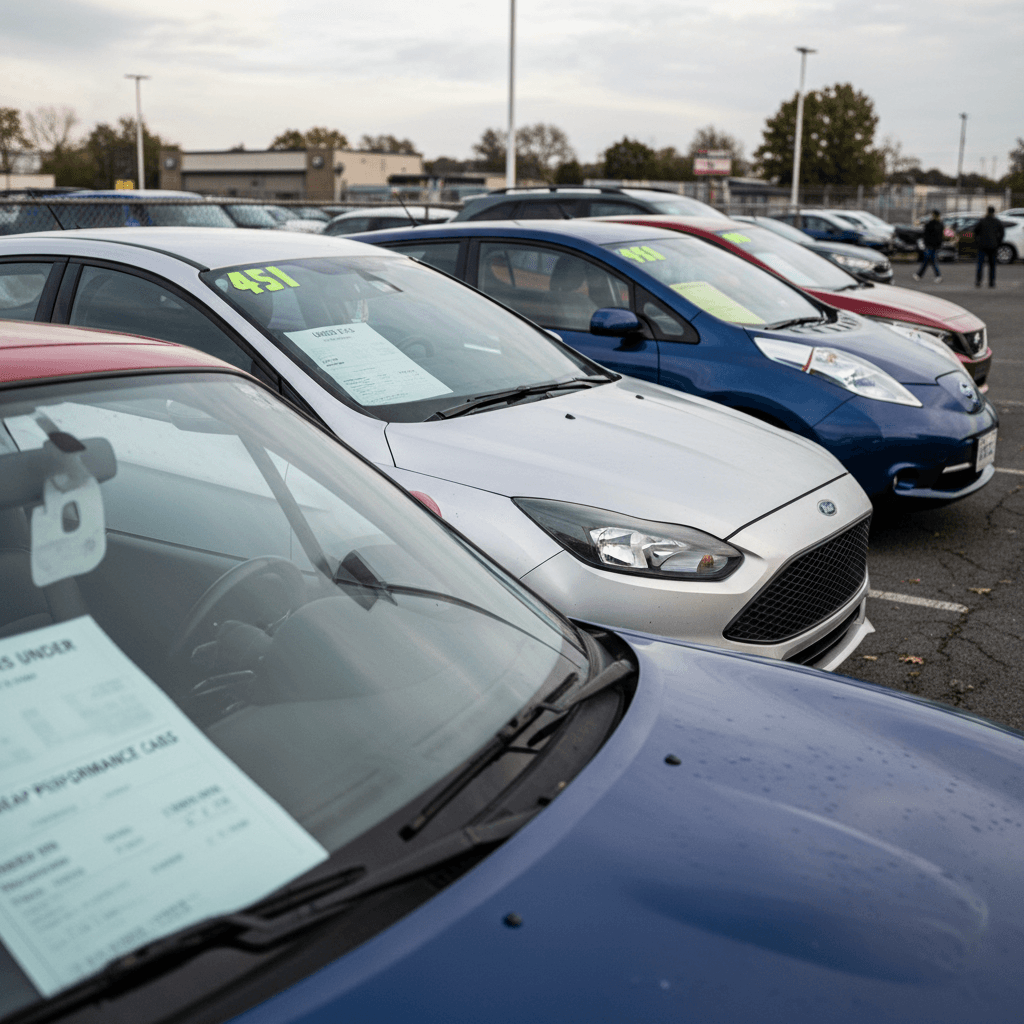
Use data, not just vibes
Quick used EVs under $15K in 2026
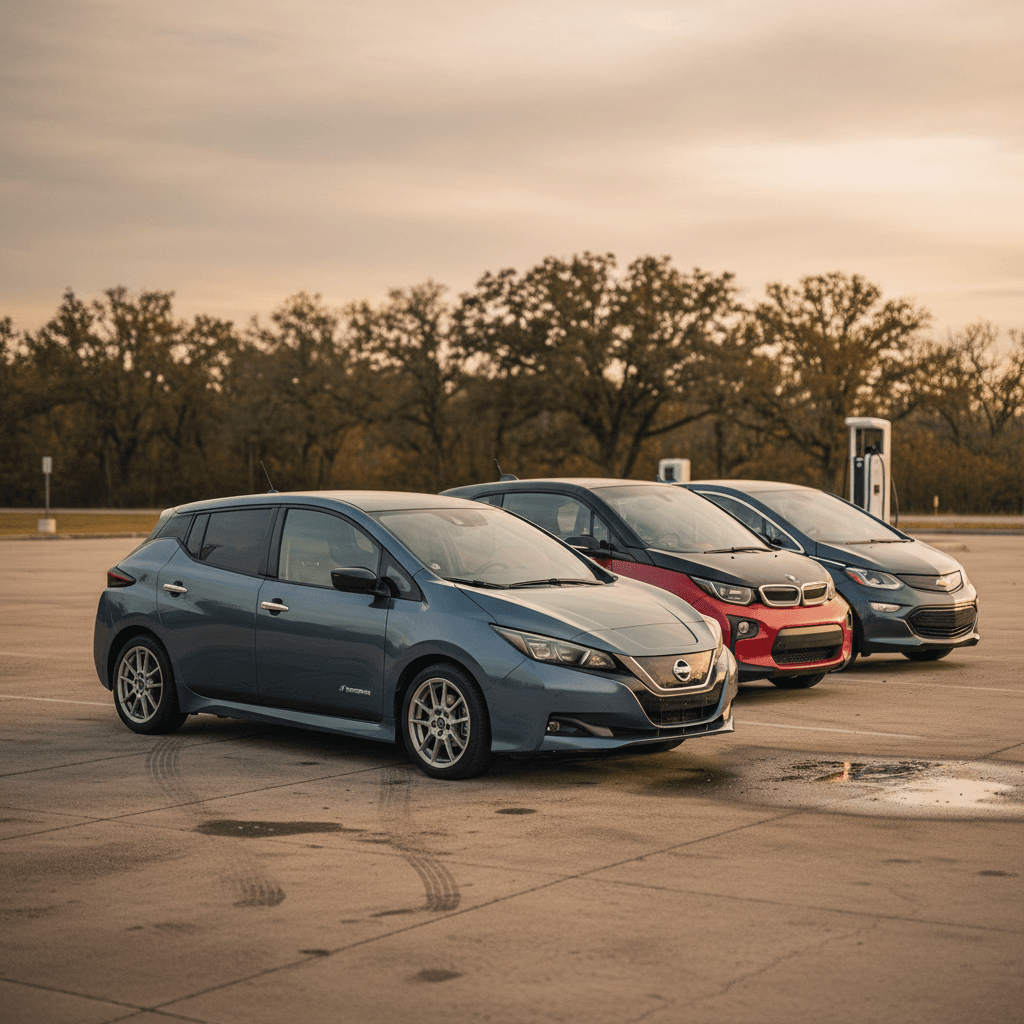
If you’re open to electric, there are used EVs under $15,000 that won’t embarrass a hot hatch in a stoplight sprint, even if their top speeds and track stamina are limited. The key advantages are instant torque and much lower running costs, especially if you can charge at home.
Representative quick used EVs around $15K
Exact prices vary by mileage and region, but these models regularly show up in or near budget in early 2026.
Chevrolet Bolt EV (2017–2019)
Why it’s fast enough: 0–60 mph in roughly 6.5 seconds, thanks to strong torque from its single motor.
- Typically $13k–$18k depending on mileage and battery warranty status.
- Feels snappy 0–40 mph, ideal for urban and suburban driving.
- Watch for early‑build battery recall work and remaining warranty on pack.
BMW i3 (94 Ah & 120 Ah)
Why it’s quick: Low curb weight and instant torque make the i3 feel more eager than its numbers suggest (roughly mid‑7s to 60 in many tests, quicker in lighter BEV trims).
- Some higher‑mile 2017+ cars with the larger battery now dip toward $15k.
- Rear‑drive, tight turning circle, quirky but fun to hustle.
- Check carbon body repairs, rear tires, and any REx engine service if equipped.
Hyundai Ioniq Electric & Kia Soul / Niro EV (older high‑mile)
Why they’re interesting: Not drag‑strip monsters, but brisk enough for daily use, with excellent efficiency.
- Early Ioniq Electrics and higher‑mile first‑gen Niro/Soul EVs are entering the $13k–$17k band.
- Great for commuters who value low running costs but still want EV punch off the line.
- Check DC fast‑charge history, battery health, and warranty status carefully.
Why EVs often *feel* faster than they are
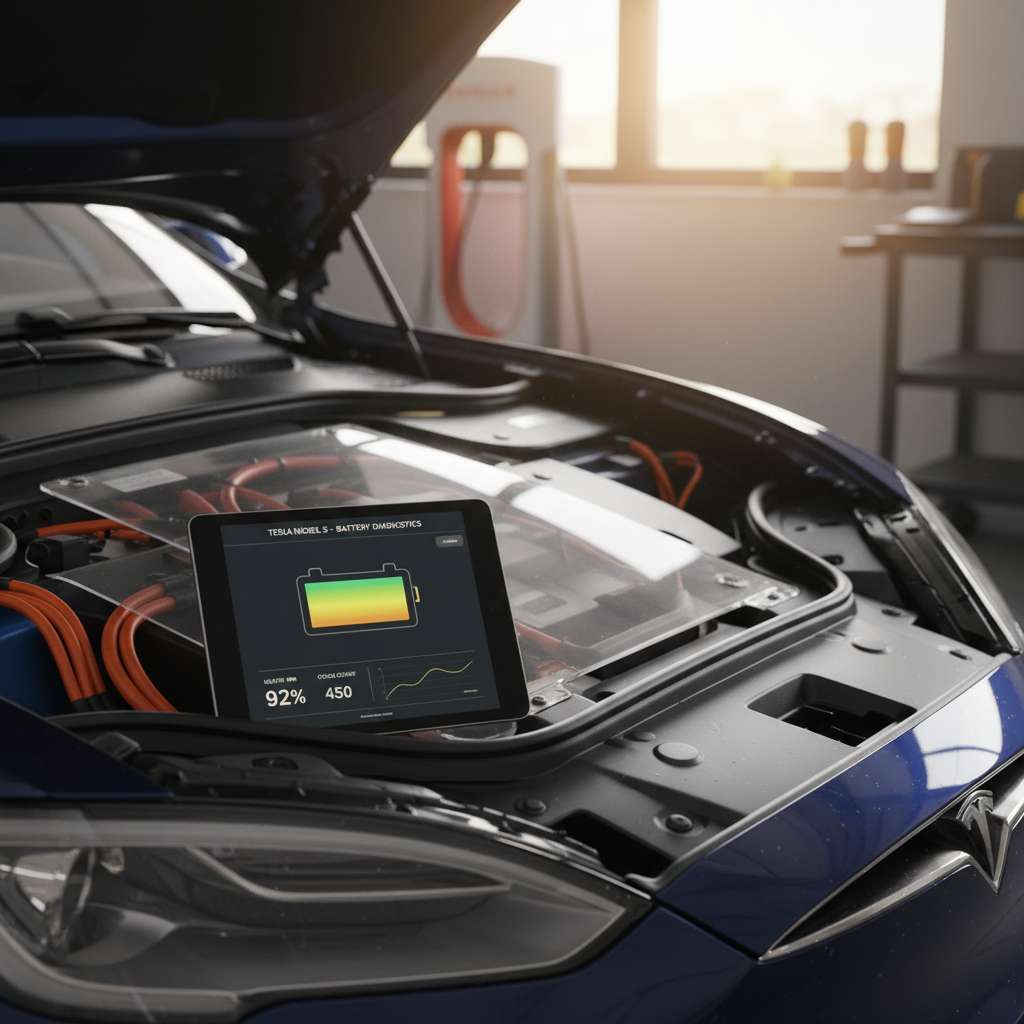
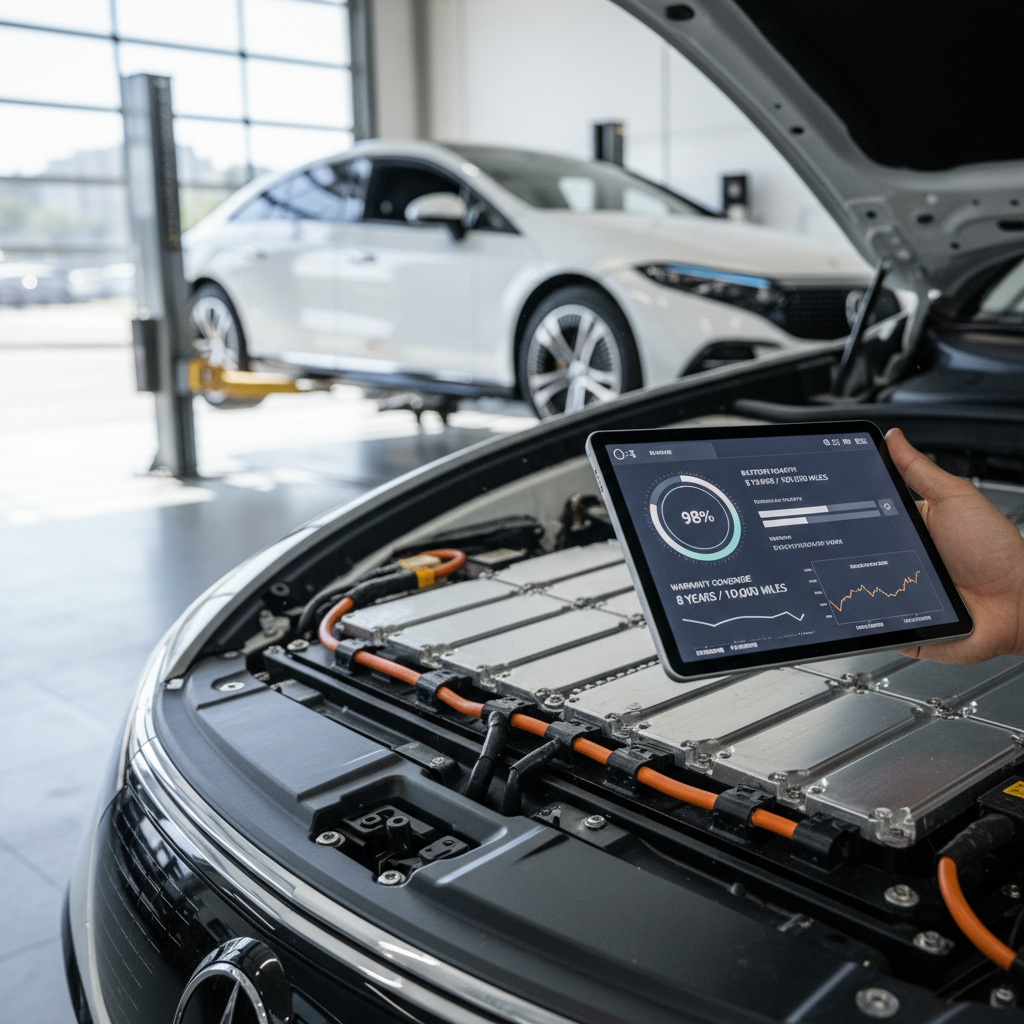
If you’re specifically hunting used EVs under $15,000, focus on models with a documented battery history. That’s exactly why Recharged builds a Recharged Score Report for every EV we sell, it includes verified battery diagnostics, fair market pricing, and a clear look at how the pack has aged, so you’re not guessing about the most expensive component in the car.
Gas vs EV: Which “fast under $15K” route fits you?
Fast gas car under $15K
- Best for: Drivers who care about sound, shifting gears, and back‑road feel more than efficiency.
- Strengths: Long highway range, great noise and feel, easy to modify, big enthusiast communities.
- Costs: Higher fuel and maintenance bills; clutch, timing, suspension, and brake work can quickly match your purchase price if neglected by the previous owner.
- Risks: Prior abuse (track days, drifting, amateur tuning) is common. A pre‑purchase inspection is non‑negotiable.
Quick used EV under $15K
- Best for: Commuters and city drivers who want strong low‑speed shove and low running costs more than track‑day pace.
- Strengths: Instant torque, quiet, minimal routine maintenance, lower fuel cost if you can charge at home or work.
- Costs: Range and charging network matter on longer trips; out‑of‑warranty battery replacement is expensive.
- Risks: Unknown battery degradation, especially in hot climates or heavily DC‑fast‑charged cars. You need real pack health data, not just a guess.
How to decide in 60 seconds
Inspection checklist for cheap fast cars
Fast cars change hands more often and get driven harder than average appliances. Whether you’re shopping a Miata or a used EV, assume the car has seen some abuse until you prove otherwise.
Pre‑purchase checks for any $15K performance car
1. Demand full service records
Look for evidence of regular oil changes, brake and coolant service, and any major repairs. Gaps in documentation on a turbo car, hot hatch, or EV battery cooling system are a major red flag.
2. Scan for modifications, not just bolt‑ons
Intakes and exhausts are visible; software isn’t. Ask explicitly about tunes, launch control use, track days, and drag passes. Cheap coilovers and random-brand tires are clues the car’s been driven hard on a budget.
3. Inspect tires and brakes as a driving history report
Mismatched, worn, or ultra‑cheap tires on a powerful car are a sign of corner‑cutting. Look for heat‑checked rotors and uneven pad wear that suggest heavy tracking or poor maintenance.
4. Listen and feel on the test drive
Clunks, vibration under power, or notchy shifts hint at tired bushings, worn mounts, or a clutch on its way out. On EVs, listen for drivetrain whine and check for any warnings or limited‑power messages.
5. Pull diagnostic data when possible
A generic OBD scan is the bare minimum on gas cars. On EVs, use a tool (or a seller like Recharged) that can read detailed battery health metrics, DC fast‑charge counts, and temperature history.
6. Get an independent pre‑purchase inspection
For a $15K fast car, a $200–$300 inspection at a brand‑knowledgeable shop is cheap insurance. Walk away from any seller who resists this, there are always other cars.
The $3,000 surprise problem
Financing and total cost on a $15K performance budget
Most shoppers browsing fast cars under $15K don’t have $15,000 in cash lying around. Even at this price point, loan terms, interest rates, and insurance can swing the real monthly cost more than the difference between a $13K and a $16K asking price.
Where your money actually goes
A realistic view of owning a $15K fast car for three years.
Purchase & interest
A modest used‑car loan on $15K can easily add $1,500–$3,000 in interest over 3–5 years, depending on your credit and rate.
That’s enough to fund a clutch replacement or a full set of premium tires, budget accordingly.
Insurance & registration
Sporty models and turbo cars often carry higher insurance premiums than sedans or EVs with the same sticker price.
Always get quotes on specific VINs before signing anything.
Maintenance & repairs
Budget at least $1,000–$1,500 per year for maintenance on older performance gas cars: fluids, tires, brakes, and the occasional surprise.
Used EVs shift more of that risk to the battery; fewer routine items, but a bigger single point of failure.
Run the full three-year math
How Recharged can help you find a quick used EV
If you’re leaning toward the EV side of the “fast cars under $15K” equation, the hardest parts are understanding battery health and separating good deals from future headaches. That’s exactly where Recharged is built to help.
- Every EV we list comes with a Recharged Score Report that includes verified battery diagnostics, real‑world range estimates, and fair market pricing for that exact car.
- You can shop fully online, get EV‑savvy financing, and arrange nationwide delivery without spending weekends at dealerships.
- Already have a fun gas car? You can trade in or get an instant offer and roll the value into a quick EV that’s cheaper to run every day.
- If you’d rather see and feel the car first, you can visit our Experience Center in Richmond, VA for test drives and on‑the‑spot guidance from EV specialists.
Build a two‑car solution
Ready to find your next EV?
Browse VehiclesFAQ: Fast cars under $15K in 2026
Frequently asked questions
Bottom line: Yes, you can still go fast on $15K
In 2026, finding fast cars under $15K is less about chasing mythical barn finds and more about playing the odds intelligently. If you want noise and gears, cars like the NC Miata, 350Z, and older GTI or WRX still deliver plenty of pace and engagement, so long as you prioritize condition over internet fame. If you care more about real‑world punch and low running costs, a quick used EV such as a Bolt EV or BMW i3 can feel every bit as lively around town while quietly saving you money.
Whichever path you pick, the same rule applies: insist on documentation, objective performance and health data, and a proper inspection. When you’re ready to explore the EV side of cheap speed, Recharged can help you compare options, pre‑qualify for financing, and see verified battery health before you ever click “buy.” That’s how you turn a $15K performance dream into something that’s fast, fun, and financially sustainable.