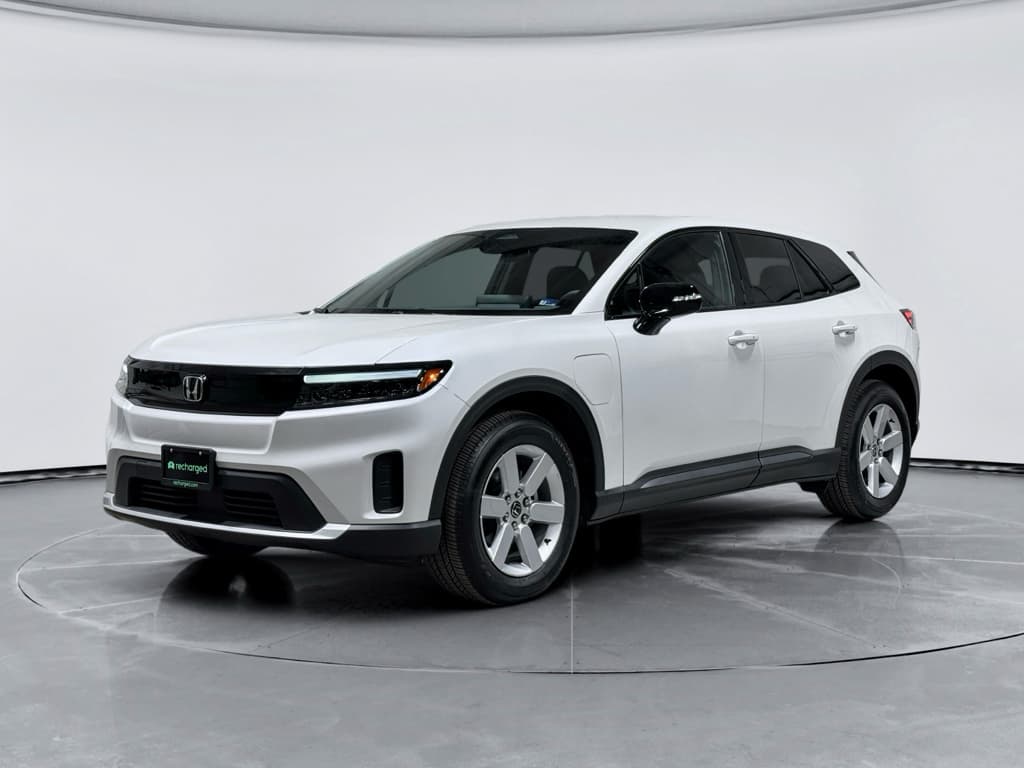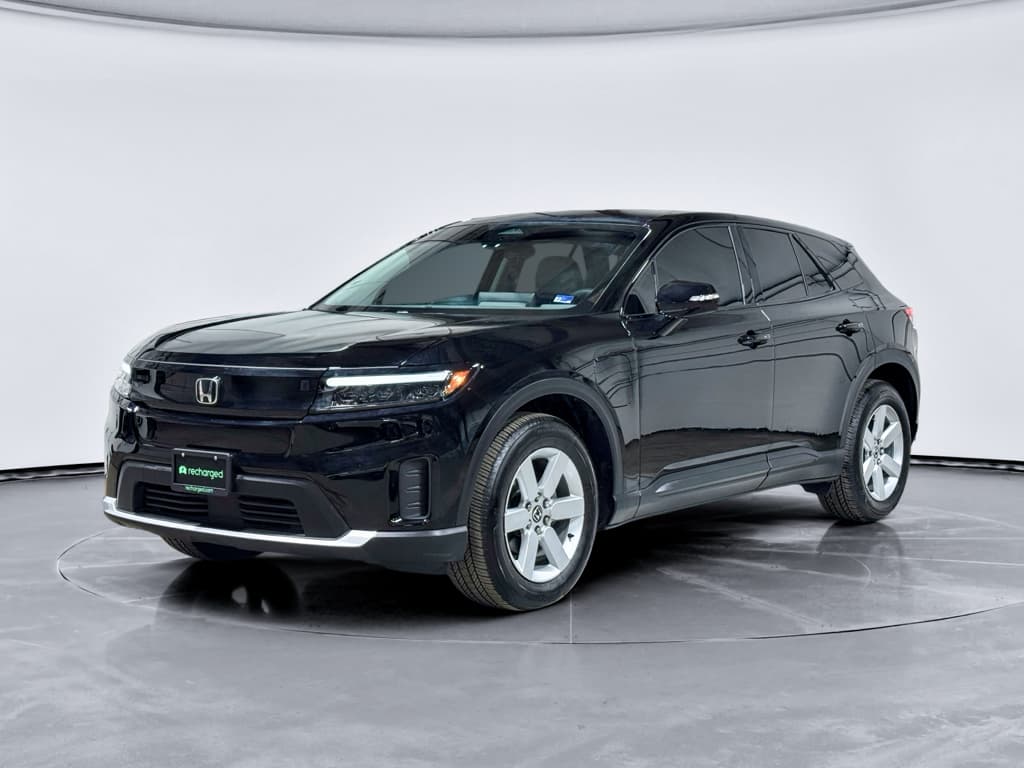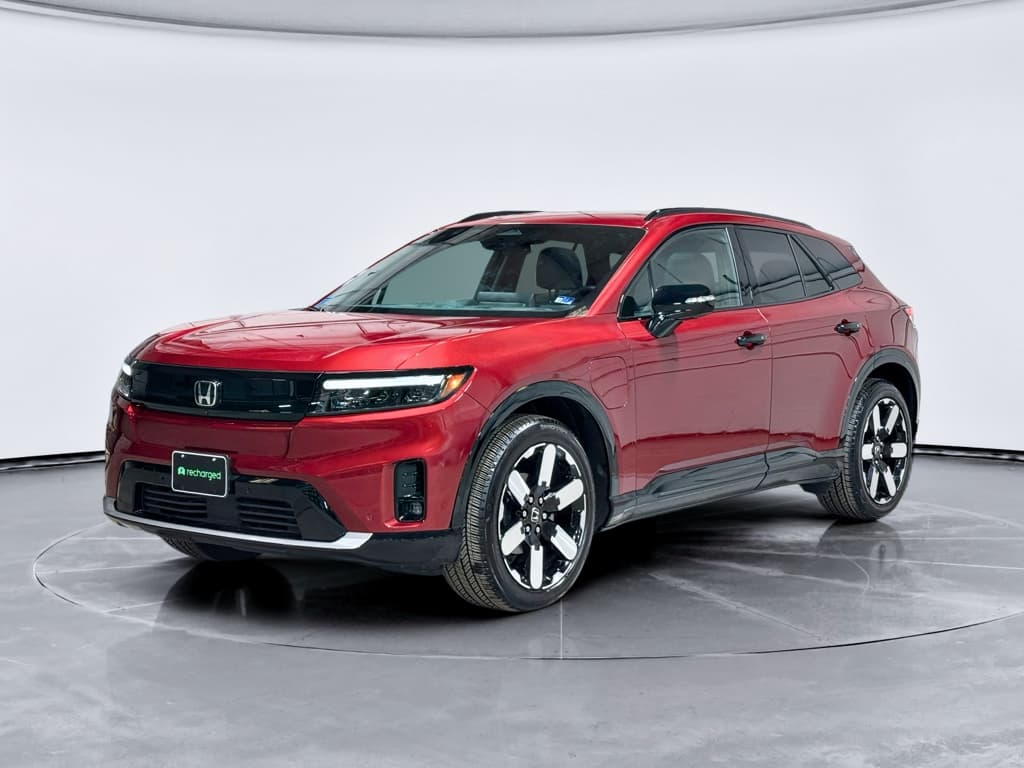
If you’re shopping the used EV market and wondering whether a used Honda Prologue is worth buying, you’re not alone. Honda’s first mass-market electric SUV is still new enough that 2024–2025 models are just starting to show up on used lots, with tempting prices and some very real question marks. Let’s walk through the numbers, the early reliability picture, and how the Prologue stacks up against rival electric SUVs so you can decide if it belongs in your driveway.
Quick verdict
Should you buy a used Honda Prologue?
Reasons it can be worth it
- Big, practical midsize SUV with lots of passenger and cargo space.
- 85 kWh battery and EPA range around 280–308 miles when new, depending on trim and drive type.
- 8‑year/100,000‑mile high-voltage battery warranty is transferable, covering every used example for years.
- Used prices have fallen fast versus MSRP, creating better value for second owners.
Reasons to be cautious
- Heavier-than-average depreciation so far for a Honda SUV.
- Early reliability concerns tied to GM’s Ultium platform electronics and software.
- Charging speed (around 150 kW peak) is solid but no longer class‑leading.
- Competition from Hyundai Ioniq 5, Kia EV6, Tesla Model Y and Chevy Blazer EV is intense on the used market.
In other words, a used Prologue isn’t an automatic yes or an automatic no. It’s a value play with caveats. The rest of this guide breaks those caveats down so you can judge whether the trade-offs make sense for your budget and risk tolerance.
Honda Prologue basics: what you’re actually buying used
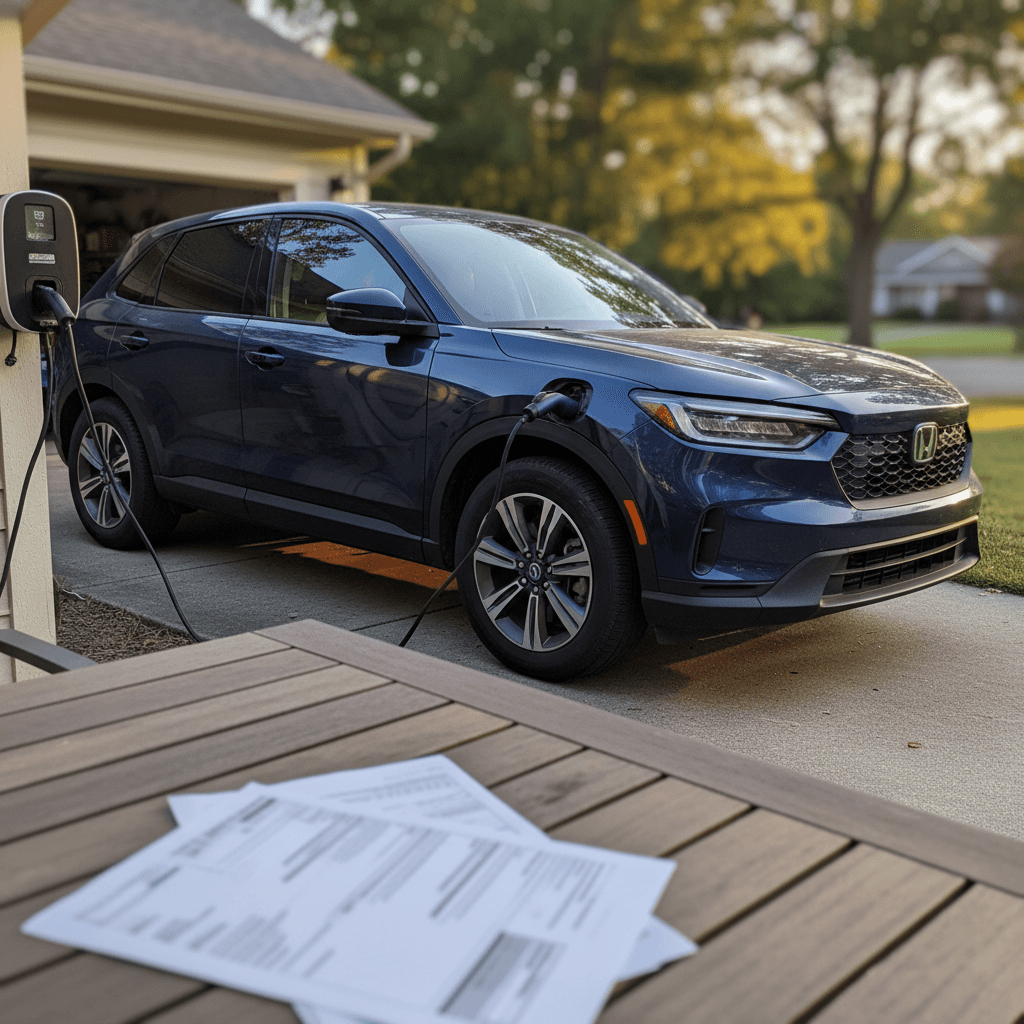
The Honda Prologue launched for the 2024 model year and rides on General Motors’ Ultium EV platform, shared closely with the Chevrolet Blazer EV under the skin. Every U.S.-market Prologue uses an 85 kWh lithium-ion battery and offers either single‑motor front-wheel drive or dual‑motor all‑wheel drive.
- Typical EPA range when new: roughly 280–308 miles depending on trim and FWD vs. AWD.
- Peak DC fast-charging rate: about 150–155 kW, good for roughly 65 miles of added range in around 10 minutes under ideal conditions.
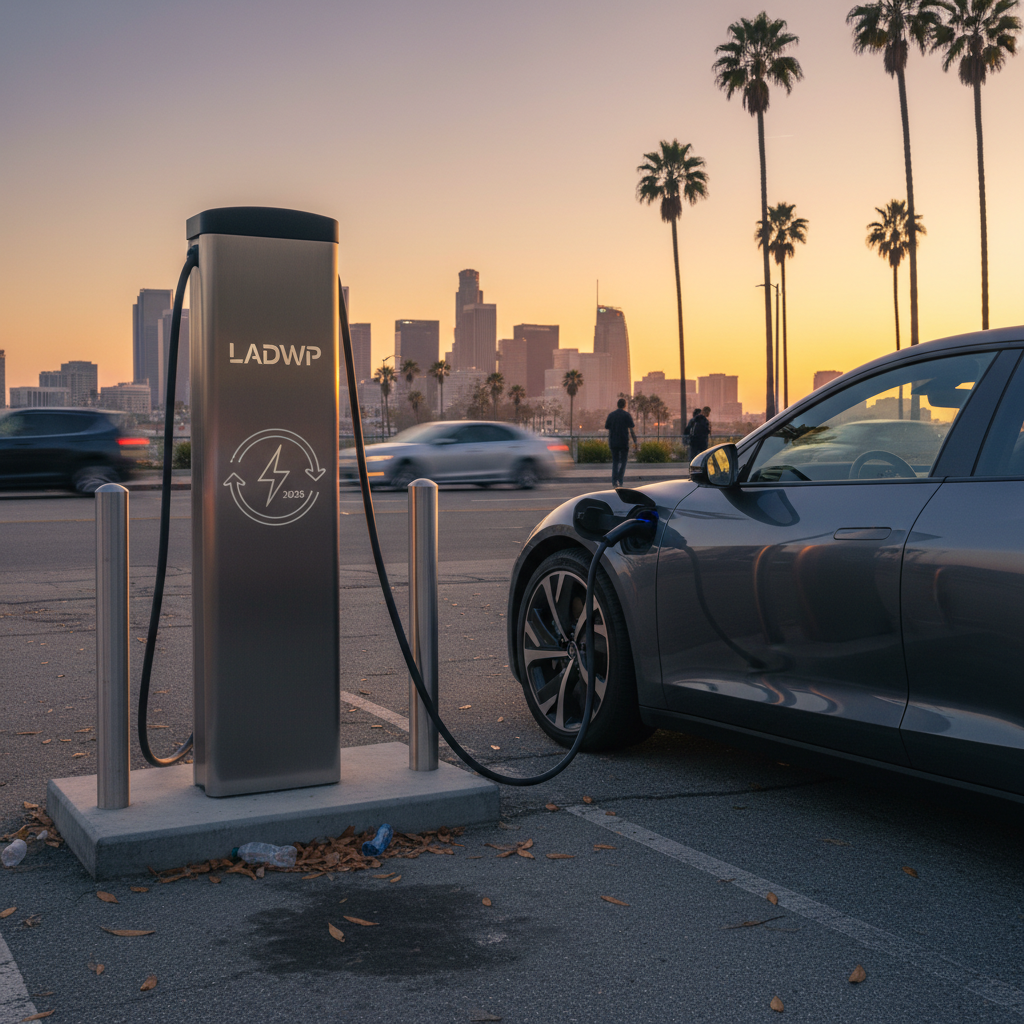
- Onboard AC charging: about 11.5 kW, meaning a full charge overnight on a 240 V Level 2 home charger.
- Size class: two-row, midsize SUV, similar footprint to a CR‑V but roomier inside, closer to a Blazer EV or Model Y.
For used shoppers, that means you’re getting a genuinely modern EV package: competitive range, proper DC fast-charging, and enough interior room for a family. The question isn’t whether the Prologue looks good on paper, it does. The question is how it’s aging in the real world, and what you should pay for one today.
Used Honda Prologue pricing and depreciation
Early Honda Prologue value snapshot
This is where the Prologue breaks from the classic Honda script. Historically, CR‑Vs and Pilots have been resale stars. The Prologue? Not so much, at least so far. Early 2024 models that stickered around $51,000 are already showing used retail values in the low‑$20,000s by spring 2026, implying roughly 55–60% depreciation in about two years of age and normal miles.
What that means for you
Forecast models for the Prologue suggest a fairly steep front‑loaded drop in the first 3–4 years, then a slower, more gas‑SUV‑like curve after that. If you’re considering a 2024 or 2025 used example today, you’re effectively stepping in after the “ouch” phase that first owners absorbed, one reason a used Prologue can look compelling next to a brand‑new one on the same lot.
What makes a used Honda Prologue attractive?
Key strengths of a used Honda Prologue
Where this electric SUV still earns serious consideration
Modern battery & range
The 85 kWh pack and near‑300‑mile EPA ranges mean even a lightly used Prologue still delivers plenty of highway range for most U.S. drivers, especially if you mostly charge at home.
Solid charging experience
Up to ~150 kW DC fast charging is no longer segment‑leading, but it’s perfectly adequate for road trips. Honda offers home charging hardware, and the Prologue’s 11.5 kW onboard charger takes full advantage of a 240 V Level 2 setup.
Roomy, easy to live with
A simple cabin layout, generous second‑row room and a large cargo area make the Prologue feel familiar if you’re coming out of a CR‑V or Pilot. There’s no wild design learning curve here.
Honda brand perception
Even with GM bones underneath, the Honda badge still carries weight on the used market. That helps with buyer confidence and, over the long term, may support stronger resale than some niche EV brands.
Clean, quiet commute
One‑pedal driving capability, smooth power delivery and a quiet cabin make the Prologue a relaxed commuter or family hauler, especially compared with older gas crossovers.
Better value second‑hand
Because new‑car prices launched high and depreciation hit quickly, the value equation looks far better on the used side. You’re paying more realistic money for the hardware you’re getting.
Where a used Prologue shines at Recharged
Ready to find your next EV?
Browse VehiclesWhere a used Prologue can disappoint
No used EV is perfect, and the Prologue carries a few specific risk factors you’ll want to understand before you sign anything.
- Heavier depreciation than most Honda SUVs. If you’re the second owner and plan to sell again in 2–3 years, you may still see noticeable value erosion, especially if new EV prices keep falling.
- Ultium-platform software and hardware bugs. While not as notorious as some Chevy Blazer EV issues, Prologue owners have reported sporadic error messages, infotainment quirks and occasional service delays when dealers need to coordinate with GM systems.
- Mixed early-owner reports on reliability. Some drivers report thousands of trouble‑free miles; others describe frustrating early glitches and slow resolutions. In other words, the Prologue’s reliability picture isn’t as consistently boring, in a good way, as Honda’s gas crossovers.
- Charging speed is only mid‑pack now. 150 kW peak was competitive a couple of years ago, but rivals like Hyundai’s E‑GMP models can charge meaningfully faster on road trips.
- Future product uncertainty. Honda is already developing its own next‑generation EV platform. That doesn’t make the Prologue a dead end, but it does mean it may feel like a transitional model in Honda’s EV history.
Watch for steeply priced used examples
Battery health, range and warranty coverage on a used Prologue
Battery health is the make‑or‑break factor in any used EV deal. The Prologue at least shows up to that conversation with the right paperwork: Honda backs the high‑voltage battery with an 8‑year/100,000‑mile limited warranty, and that coverage transfers to subsequent owners as long as the vehicle stays within the time and mileage caps.
- All 2024–2025 Prologues on the road today are still well within their battery warranty window.
- Normal range loss of a few percent over the first couple of years is expected; large drops or big left‑right differences in range between trips deserve investigation.
- Public fast charging done heavily in very hot climates can accelerate degradation, but the Prologue’s thermal management system is designed to keep the pack in a safe temperature window.
How Recharged checks Prologue battery health
If you’re shopping outside a platform like Recharged, push the seller for documented range at a given state of charge, recent software updates, and any high‑voltage or charging‑system repairs under warranty. An independent EV inspection that includes a scan of the battery and power electronics is money well spent.
Reliability so far: Honda badge, GM Ultium reality
Reliability is where expectation and reality diverge most sharply. Many shoppers walk onto a lot seeing a Honda badge and assume CR‑V‑level peace of mind. Underneath, though, the Prologue is a Honda‑tuned body on GM’s Ultium platform, with shared components and software architecture.
“No question we are Honda guinea pigs with the Prologue… In a few years, I will trade this Prologue in for a fully native Honda SUV.”
Early‑owner accounts are split. Some drivers have logged thousands of miles with no issues beyond a glitchy app. Others report warning lights, camera or sensor failures, HVAC and battery‑conditioning quirks, and occasional struggles as dealers coordinate fixes involving GM software tools. To Honda’s credit, service bulletins and software updates have addressed some of the more common bugs, but the overall pattern is still more variable than shoppers expect from a mainstream Honda crossover.
How to read the reliability tea leaves
How a used Prologue compares to rival used EV SUVs
Used Honda Prologue vs. key rivals (high-level snapshot)
A simplified look at where the Prologue tends to land versus popular used EV SUVs of similar age.
| Model | Typical used price (similar age) | EPA range when new | Fast-charging strength | Resale/depreciation pattern |
|---|---|---|---|---|
| Honda Prologue | Often low-$20k to mid-$30k for early 2024–2025 models | ~280–308 miles | Solid ~150 kW, but not class-leading | Steeper early drop; value improves as a used buy |
| Tesla Model Y | Higher, often mid-$30k and up for similar age/miles | Up to mid‑300‑mile variants | Very dense Supercharger network, strong speeds | Historically strong demand; better resale so far |
| Hyundai Ioniq 5 | Similar or slightly higher pricing than Prologue | ~220–303 miles | Ultra‑fast 800‑V architecture; excellent speeds | Depreciation moderate; strong owner satisfaction |
| Chevy Blazer EV | Similar platform, often discounted heavily used | High‑200s to low‑300s depending on trim | Similar 150 kW ballpark | Launch issues weighed on demand, creating deals |
| Nissan Ariya | Often similar or lower than Prologue, depending on trim | ~205–289 miles | Mid‑pack DC speeds | Resale softer; value buy if you find a clean one |
Always compare specific trims, mileages and local pricing before making a final decision.
The picture that emerges: the Prologue doesn’t dominate any single metric, but as used prices soften, it becomes a rational, middle‑lane choice, especially if you prioritize a conventional SUV feel over flashy styling or bleeding‑edge charging tech. Against its closest cousin, the Chevy Blazer EV, the Prologue trades some raw performance and brand recognition for a calmer design and Honda’s retail/service network.
Who a used Honda Prologue is (and isn’t) right for
Is a used Prologue a fit for your situation?
Match the SUV to your real-world use case, not just its spec sheet
Great fit if…
- You want a quiet, spacious electric family SUV with simple controls and good range.
- You mostly charge at home and only road‑trip occasionally.
- You plan to keep the vehicle long enough (5+ years total age) to ride out further depreciation.
- You’re willing to do extra diligence on software history, recalls and battery health.
Probably not ideal if…
- You expect classic Honda “set it and forget it” ownership with almost zero quirks.
- You rely heavily on DC fast charging in extreme climates, where charging robustness matters most.
- You want the absolute fastest road‑trip charging, Hyundai/Kia 800‑V models still lead there.
- You plan to flip the vehicle in just a year or two and care deeply about residual value.
Used Honda Prologue inspection checklist
11 things to check before you buy a used Prologue
1. Confirm remaining warranty coverage
Ask for the in‑service date and mileage so you can confirm how much of the 8‑year/100,000‑mile battery and EV‑component warranty remains. Verify this against Honda’s records, not just a salesperson’s word.
2. Pull a detailed service and recall history
Request a full dealer service printout and check that all relevant software updates, recalls and service bulletins have been completed, especially anything related to charging, cameras, HVAC and the high‑voltage system.
3. Run a battery-health assessment
If you’re buying through Recharged, review the <strong>Recharged Score</strong> battery report for capacity, degradation trends and any high‑voltage fault codes. Otherwise, consider an independent EV specialist who can read live battery data.
4. Test DC fast charging
If possible, take the vehicle to a DC fast charger and observe peak charging speeds and stability. Unexpectedly low speeds, repeated charge-session failures or error messages are red flags that warrant further diagnosis.
5. Check for warning lights and stored codes
During the test drive, cycle through drive modes and accessories. Afterwards, have a technician scan for stored diagnostic trouble codes, even if the dash is clear.
6. Inspect tires, brakes and suspension
The Prologue is a heavy EV. Uneven tire wear, tired shocks or early brake issues can show up quickly if the previous owner drove hard or neglected rotation and alignment.
7. Evaluate interior electronics
Spend real time with the infotainment system, digital cluster, cameras and driver‑assist features. Glitches during your test drive can foreshadow ownership headaches.
8. Review charging history if available
Some vehicles log basic charging statistics. A car that lived on DC fast charging in very hot or very cold climates deserves closer inspection of battery health.
9. Confirm adapter and charging-cable condition
If the seller includes home charging equipment or adapters, confirm they’re OEM or high‑quality units and that the cables, connectors and seals are in good shape.
10. Compare price against new-car incentives
Before agreeing to a number, check what new Prologues (or rival EVs) are actually transacting for after federal and state incentives. A used example should meaningfully undercut that real‑world number.
11. Get a written return or exchange policy
Especially with newer EVs, having a short return window or exchange policy adds a safety net in case a hidden issue appears in the first days of ownership.
How Recharged simplifies the checklist
FAQ: buying a used Honda Prologue
Frequently asked questions about used Honda Prologues
Bottom line: is a used Honda Prologue worth buying?
On balance, a used Honda Prologue is worth buying for the right shopper at the right price. You’re getting a modern, spacious electric SUV with competitive range, an 85 kWh battery under warranty, and pricing that finally lines up with the hardware thanks to steep early depreciation. You’re also stepping into a first‑generation Honda EV built on someone else’s platform, with an early reliability record that’s more uneven than the emblem on the grille might suggest.
If you go in eyes‑open, armed with a battery‑health report, a clean software and service history, and clear expectations about resale, a used Prologue can be a solid, rational way to get into an electric SUV without Model Y money. If you’re allergic to glitches, plan to flip the vehicle quickly, or value rock‑solid track records above all else, you may be happier in a more established rival.
Either way, don’t rush. Compare live pricing across models, insist on transparent battery and warranty information, and lean on EV‑savvy help when you can. Platforms like Recharged exist precisely for this moment in the market, where early‑generation EVs like the Honda Prologue are moving into the used lane, and smart buyers can separate the genuine deals from the experiments best left to someone else.