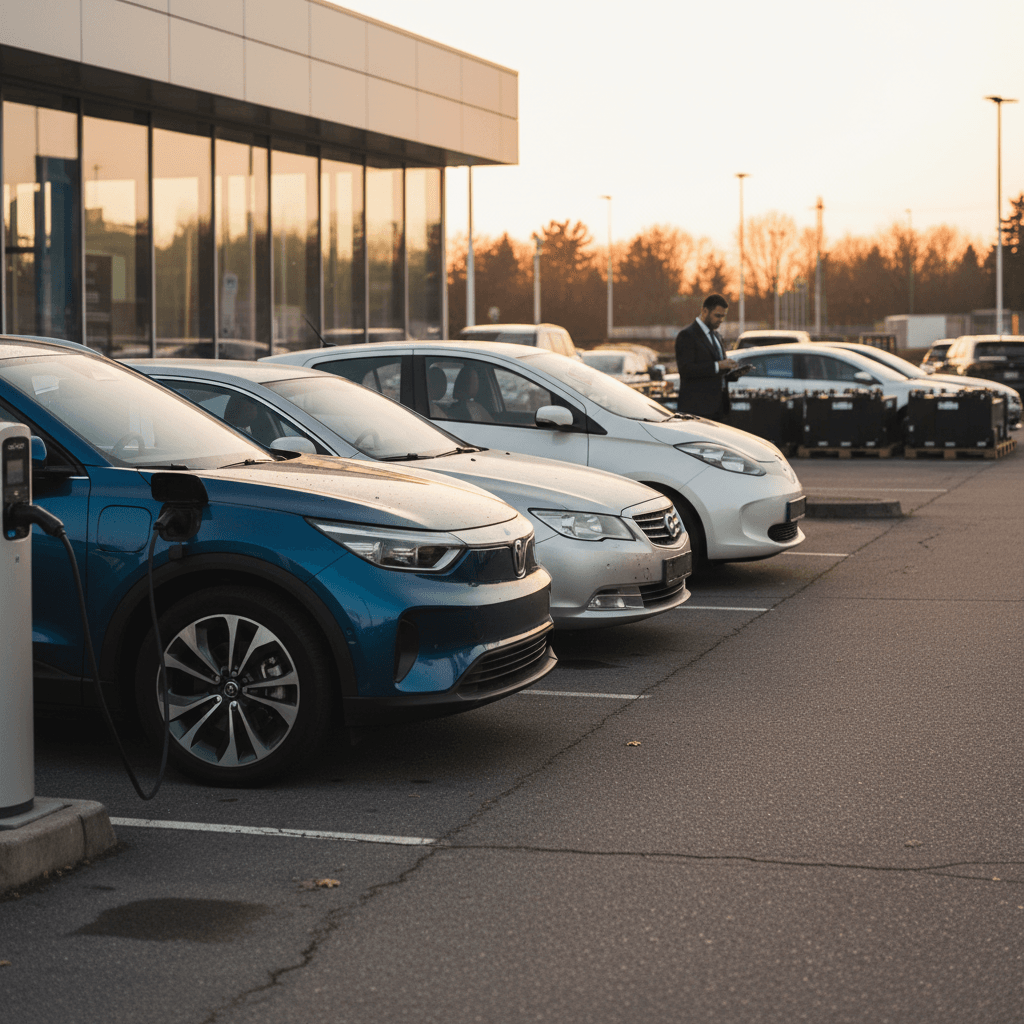
Searches for “EVs EVs” may look messy, but they reveal something real: people are hearing about electric vehicles everywhere and want a straightforward explanation. If you’re EV-curious in 2025, wondering how EVs work, what they cost, and whether a used EV makes sense, this guide is for you.
What this guide covers
Why everyone is talking about EVs, EVs in 2025
EVs, EVs by the numbers
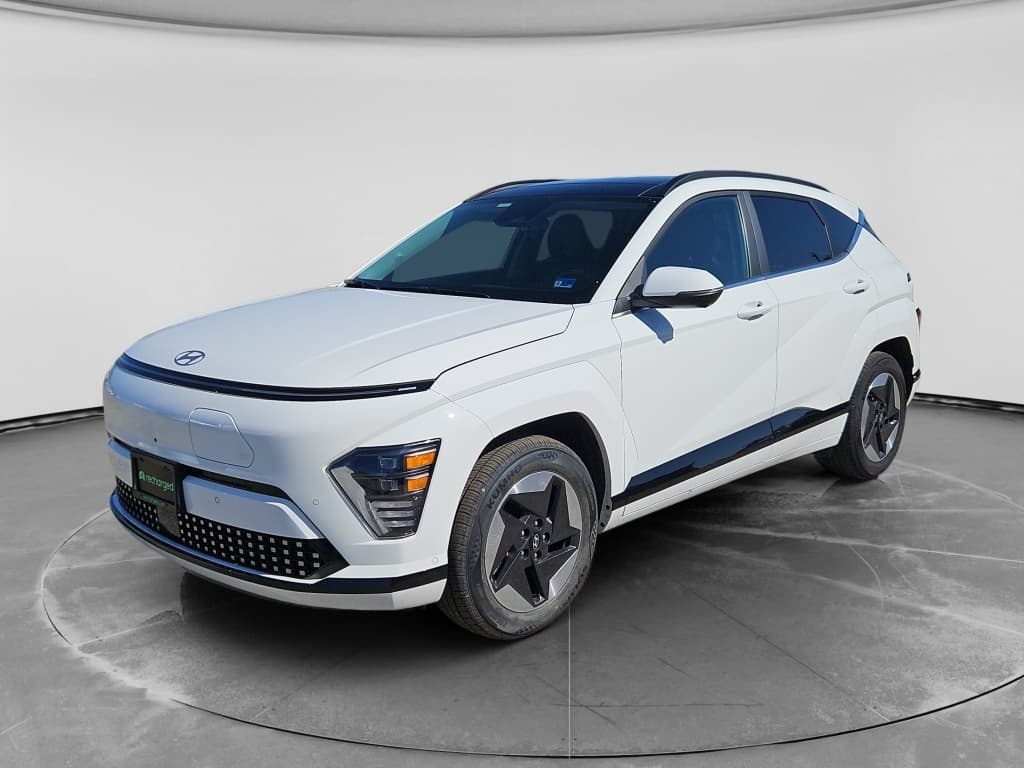
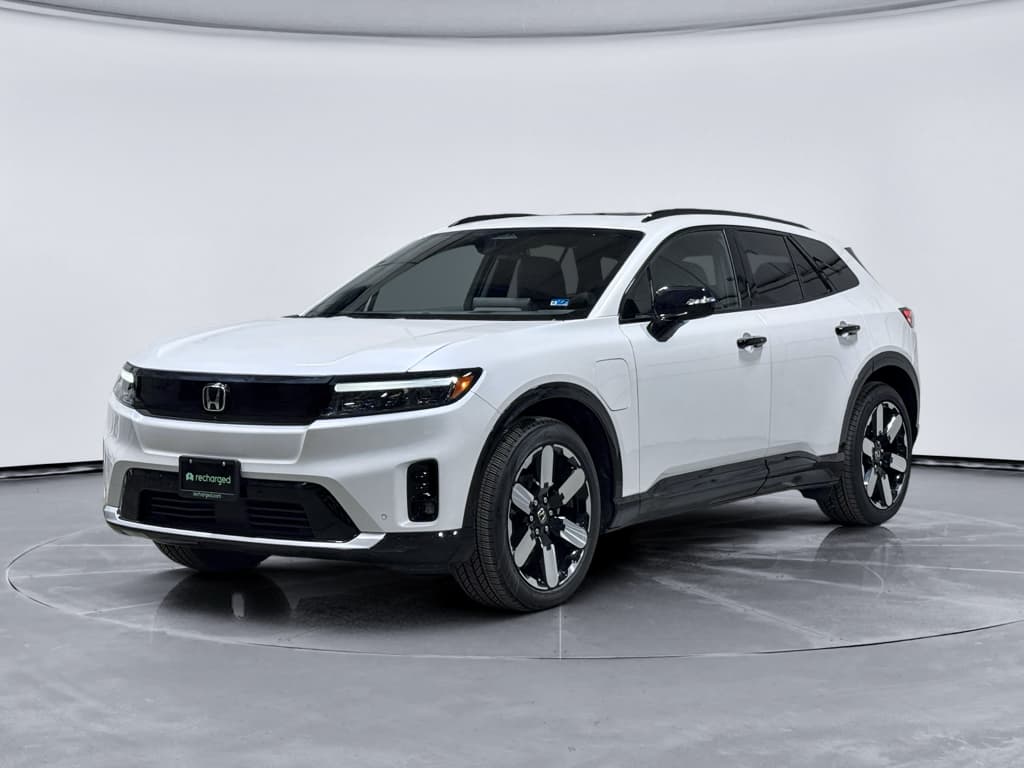
A decade ago, EVs were niche, mostly early adopters and tech enthusiasts. Today, EVs, EVs show up in just about every segment: compact crossovers, pickups, luxury sedans, three‑row SUVs, even commercial vans. Automakers from Chevrolet and Ford to Hyundai, Kia, BMW, and Mercedes-Benz have committed billions to electrification, and the model range finally reflects that for everyday buyers.
Tip for shoppers
How EVs work, in plain English
1. Powertrain basics
Instead of an engine, an EV uses an electric motor powered by a large high‑voltage battery pack. Press the accelerator and the motor draws electricity from the battery, turning the wheels immediately, no gears to shift, no revving.
- Instant torque makes most EVs feel quick off the line.
- Fewer moving parts mean fewer things to service.
2. Regenerative braking
When you lift off the accelerator, the motor can run in reverse as a generator, slowing the car and sending energy back into the battery. This is called regenerative braking.
- Less wear on traditional brakes.
- In stop‑and‑go driving, regen can add meaningful range.
Battery capacity is measured in kilowatt‑hours (kWh), similar to how you’d describe the size of a gas tank. A 60 kWh battery might deliver somewhere around 220–260 miles of rated range, depending on the vehicle. Charging power is measured in kilowatts (kW); higher kW generally means faster charging, especially at DC fast‑charging stations.
- Most mainstream EVs today offer 230–320 miles of EPA‑rated range.
- Efficiency is typically 2.5–4.0 miles per kWh, depending on size, aerodynamics, and driving style.
- Cold weather, high speeds, and roof racks can all reduce real‑world range.
Don’t chase range you’ll never use
EVs, EVs and the true cost of ownership
Sticker price grabs attention, but the long‑term math often favors EVs, especially when you look at fuel and maintenance. Electricity is usually cheaper per mile than gasoline, and EVs have far fewer consumable parts to service over time.
Where EVs save you money
EVs, EVs can cost more upfront but often less to run over time
Fuel costs
A typical EV might cost the equivalent of $1–$1.50 per gallon when charged off‑peak at home, versus $3–$4 for gasoline in many parts of the U.S.
Maintenance
No oil changes, fewer fluids, no exhaust system, no timing belt. You still have tires, cabin filters, and brake fluid, but overall service visits are fewer.
Depreciation
EV vs gas: a simple example
Where EVs can still cost more is in upfront price and insurance, depending on model and region. That’s one reason the used EV market has become so interesting: buyers can sidestep the highest depreciation years and lock in lower running costs.
Charging EVs at home and on the road
When people type “EVs EVs” into a search bar, what they’re often asking is: “How would I charge this thing?” The good news: for most drivers, 80–90% of charging can happen at home, quietly in the background.
Three main ways to charge EVs
From overnight top‑ups to road‑trip fast charging
Level 1 (120V)
Uses a standard household outlet. Adds roughly 3–5 miles of range per hour. Works for light drivers or as a backup.
Level 2 (240V)
Requires a 240V outlet or wall charger. Typical home setups add 20–35 miles per hour, enough to refill most daily driving overnight.
DC fast charging
Public fast‑charging stations along highways can add 150–200 miles in 20–35 minutes on newer EVs. Ideal for road trips, not daily use.
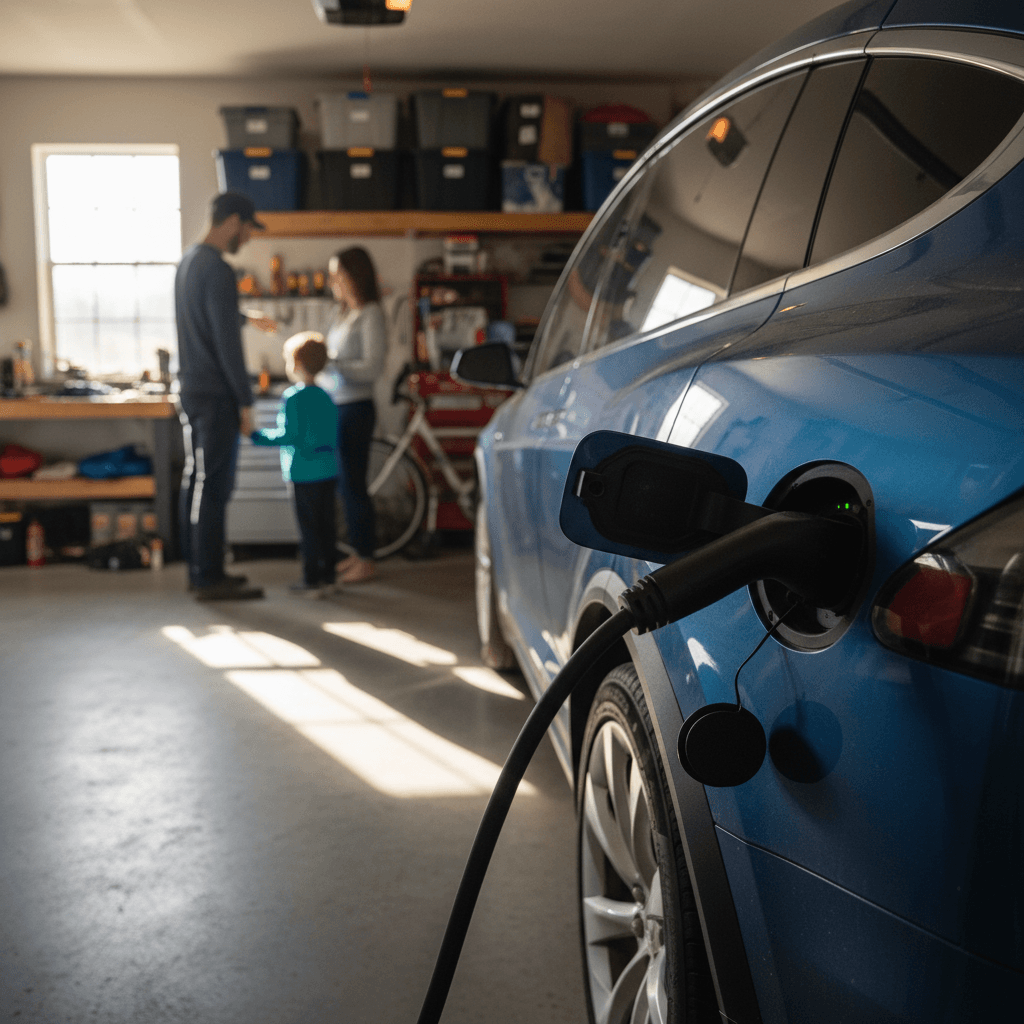
Can I charge an EV at home? Quick checklist
1. Do you have off‑street parking?
A dedicated driveway, garage, or carport makes home charging dramatically easier. Street parking can work in some cities, but usually requires public charging nearby.
2. Is 240V power available or feasible?
If you have a dryer outlet or can run a new 240V circuit, Level 2 charging becomes possible. Always use a licensed electrician for any new high‑voltage work.
3. How many miles do you drive daily?
If your average is under 50 miles, even modest home charging can keep you topped up. High‑mileage drivers benefit most from reliable Level 2.
4. Are public chargers convenient?
Check maps from major networks to see what’s near your commute, gym, or grocery store. This matters more if home charging is limited.
Safety first
The rise of used EVs, EVs and market trends
The used‑vehicle market is where EVs, EVs start to look especially compelling. Lease returns, early‑generation crossovers, and off‑lease luxury models are hitting lots in volume. At the same time, new‑EV discounts and incentives have pulled some prices down, making used EVs more affordable than they were just a few years ago.
Why used EVs are gaining traction
Ready to find your next EV?
Browse VehiclesWho used EVs fit best
Three common buyer profiles that align well with used EVs
| Profile | Typical Daily Miles | Charging Access | Why a Used EV Works |
|---|---|---|---|
| Suburban commuter | 30–60 | Garage or driveway | Predictable routes and home Level 2 charging maximize savings. |
| Two‑car household | Varies | At least one off‑street spot | EV handles daily driving while gas car covers long trips if needed. |
| Urban professional | 10–40 | Apartment + workplace/public charging | Short trips and destination charging can offset lack of a home charger. |
You don’t need to be an early adopter to benefit from an electric vehicle, especially used ones.
Because EV technology has matured quickly, you’ll also see significant differences between model years, range improvements, faster charging, better driver‑assist tech. A marketplace focused on EVs can help you compare these details side‑by‑side.
Battery health: what really matters
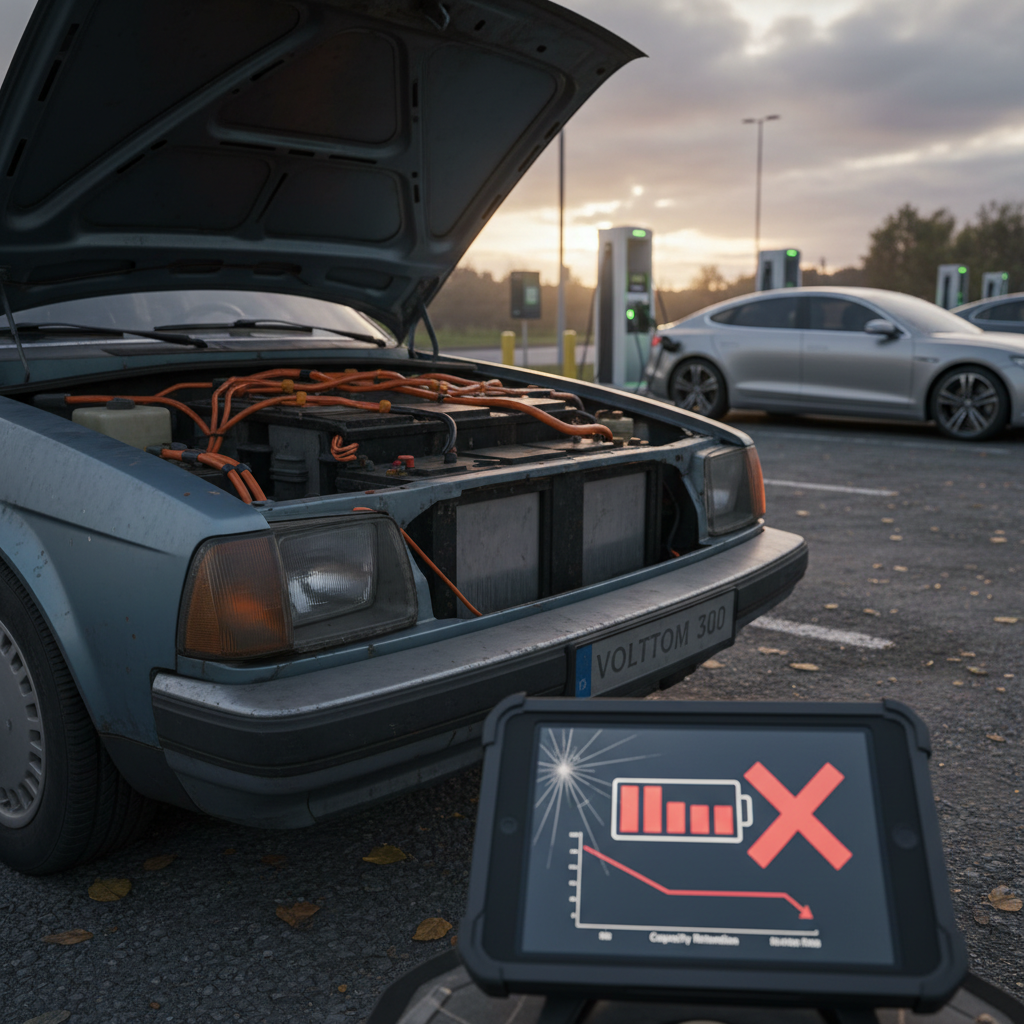
For many buyers, the big question behind all the “EVs EVs” hype is simple: will the battery last? Modern EV batteries are engineered to retain most of their capacity over many years, but usage patterns, climate, and charging habits all play a role.
Key factors that affect EV battery health
What to pay attention to when you shop used EVs
Heat and climate
Extreme heat is harder on batteries than cold. EVs in very hot regions that fast‑charge frequently may show more degradation than those in milder climates.
Charging habits
Occasional fast charging is fine, but living on DC fast chargers or constantly charging to 100% can accelerate wear. Many owners keep daily charging between 20–80%.
Mileage and duty cycle
High highway mileage at steady speeds is often easier on batteries than repeated hard acceleration and fast charging. But as with gas cars, overall miles still matter.
Software and reports
Modern EVs report state of health through onboard diagnostics. Recharged’s Score Report uses diagnostics to verify battery condition before you commit.
How Recharged reduces the guesswork
Incentives, taxes, and financing for EVs
Incentives for EVs, EVs are in flux. Federal and state programs have evolved, and some proposals would scale back popular tax credits over the next few years. That makes it more important than ever to understand what you qualify for, especially on the used side.
- Federal incentives for new EVs now depend on where vehicles and batteries are built, as well as income and MSRP caps.
- Used‑EV credits have opened the door to savings on pre‑owned models, but eligibility rules and timelines can change.
- Many states and utilities still offer rebates or lower electricity rates for EV owners or home charger installations.
Always verify current incentives
On the financing side, EVs are increasingly treated like any other late‑model used vehicle by lenders. Platforms like Recharged can help you line up financing, compare payment scenarios, and even factor trade‑in value if you’re moving out of a gas car.
How to choose the right EV for you
With EVs now available in nearly every body style, the challenge isn’t finding an electric car, it’s finding the right one. Rather than starting with brand loyalty, start with your daily reality: parking, commute, climate, and budget.
Step‑by‑step: matching an EV to your life
1. Define your real range needs
Track your driving for a week. If your longest typical day is 80 miles, a 230‑mile EV leaves plenty of buffer even with winter and highway losses.
2. Map your charging options
List where you could realistically charge: home, work, a public station near your gym or grocery store. The more convenient the spots, the easier EV life becomes.
3. Prioritize body style and space
Need a family crossover, a compact city car, or something that can tow on weekends? Filter EVs by body style first, then by range and price.
4. Compare total monthly cost
Don’t just compare purchase prices. Look at payment, insurance, estimated electricity costs, and expected maintenance versus your current vehicle.
5. Use expert tools and support
A marketplace like Recharged lets you compare multiple used EVs, see battery‑health details, and get guidance from EV‑specialist advisors, not just generic sales pitches.
For many mainstream shoppers, used EVs are the on‑ramp into electrification. The pricing has finally come down to earth while the technology has quietly gotten better.
FAQ about EVs, EVs in 2025
Frequently asked questions about EVs, EVs
Key takeaways for first-time EV buyers
EVs, EVs, however you type it, are no longer a science‑project corner of the market. They’re mainstream options that can genuinely lower your running costs and simplify day‑to‑day driving, especially if you can charge at home or work. The trick is matching the right vehicle to your lifestyle and using solid data, not hype, to make your decision.
If you’re considering your first EV, start with your daily range needs and charging options, then look to the growing used EV universe for value. A platform like Recharged gives you verified battery health, fair pricing, financing help, trade‑in options, and expert support, all without stepping into a traditional showroom. That combination of transparency and choice is why more shoppers are discovering that their next car doesn’t just have to be an EV, it can be the right EV for the way they actually live.