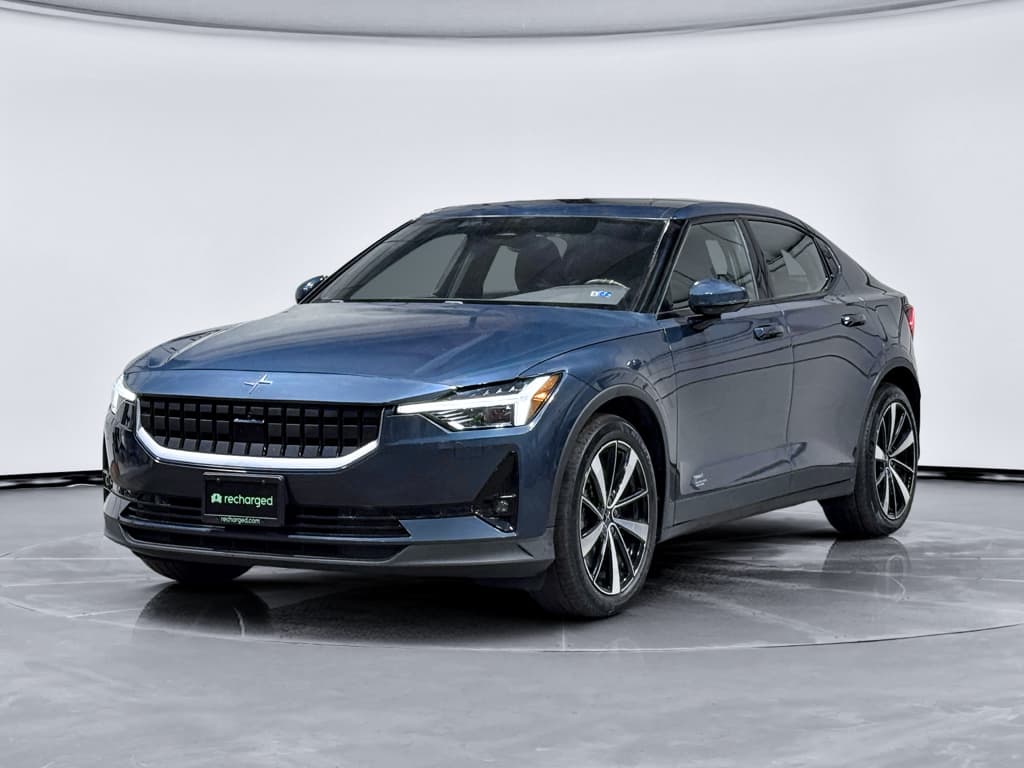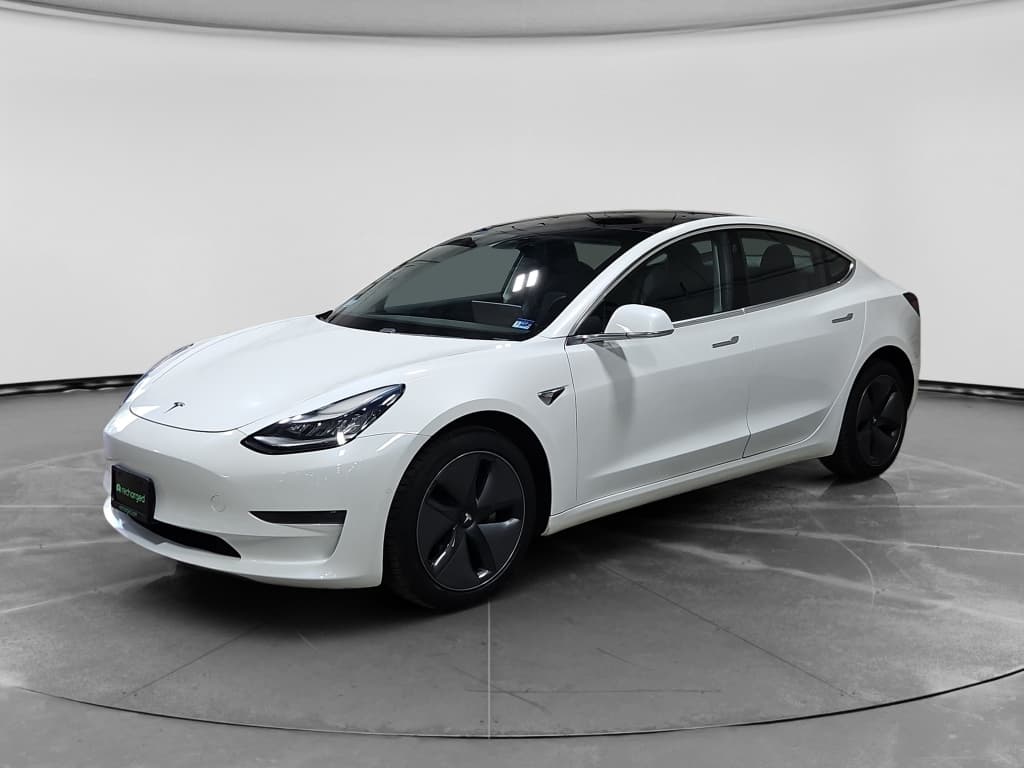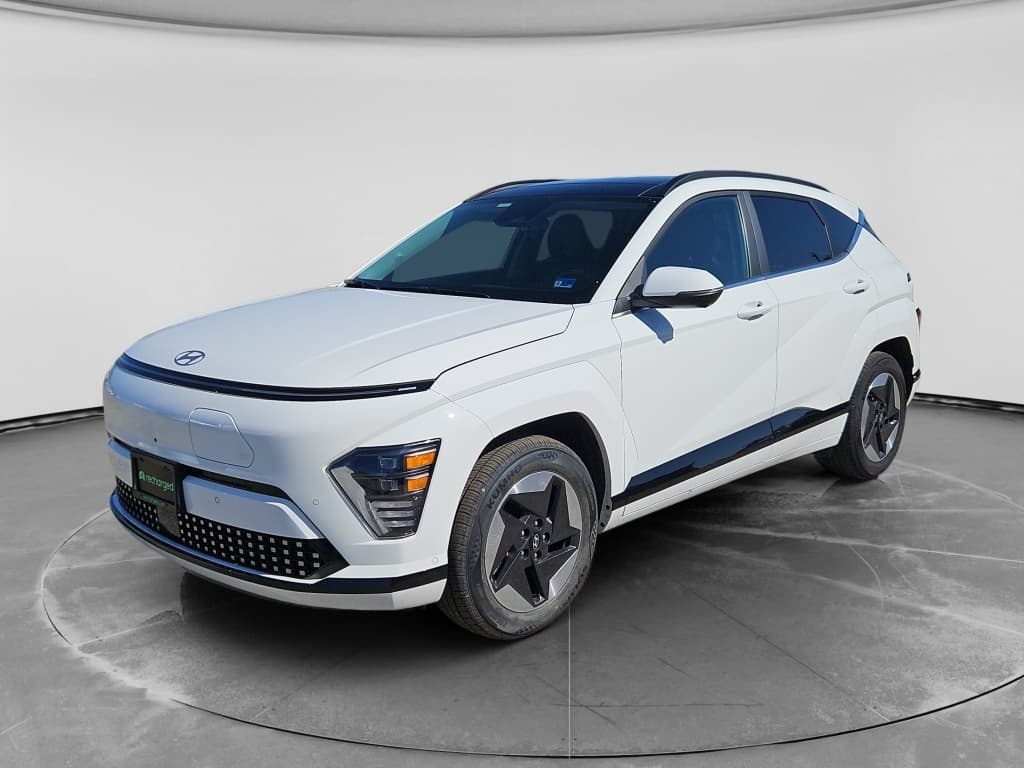
If you’re wondering how much EV wheel size range impact really matters, you’re not alone. Automakers love to show off big wheels and low-profile tires, but your range meter is less impressed. On an electric vehicle, changing wheel and tire packages can easily swing real‑world range by 5–20%, sometimes more. Understanding why that happens can save you money, frustration, and even help you pick the right used EV.
Key takeaway
Why EV wheel size matters for range
On a gas car, bigger wheels mostly affect ride and maybe a couple of MPG. On an EV, the same change hits the heart of the ownership experience: usable driving range. Because your battery is a fixed energy tank, every extra watt it takes to spin heavier, wider, or less aerodynamic wheels shows up as fewer miles on the dash. That’s why range changes from wheel options are now baked right into many EPA ratings and window stickers.
How much range can wheel size change?
How wheel size affects EV efficiency
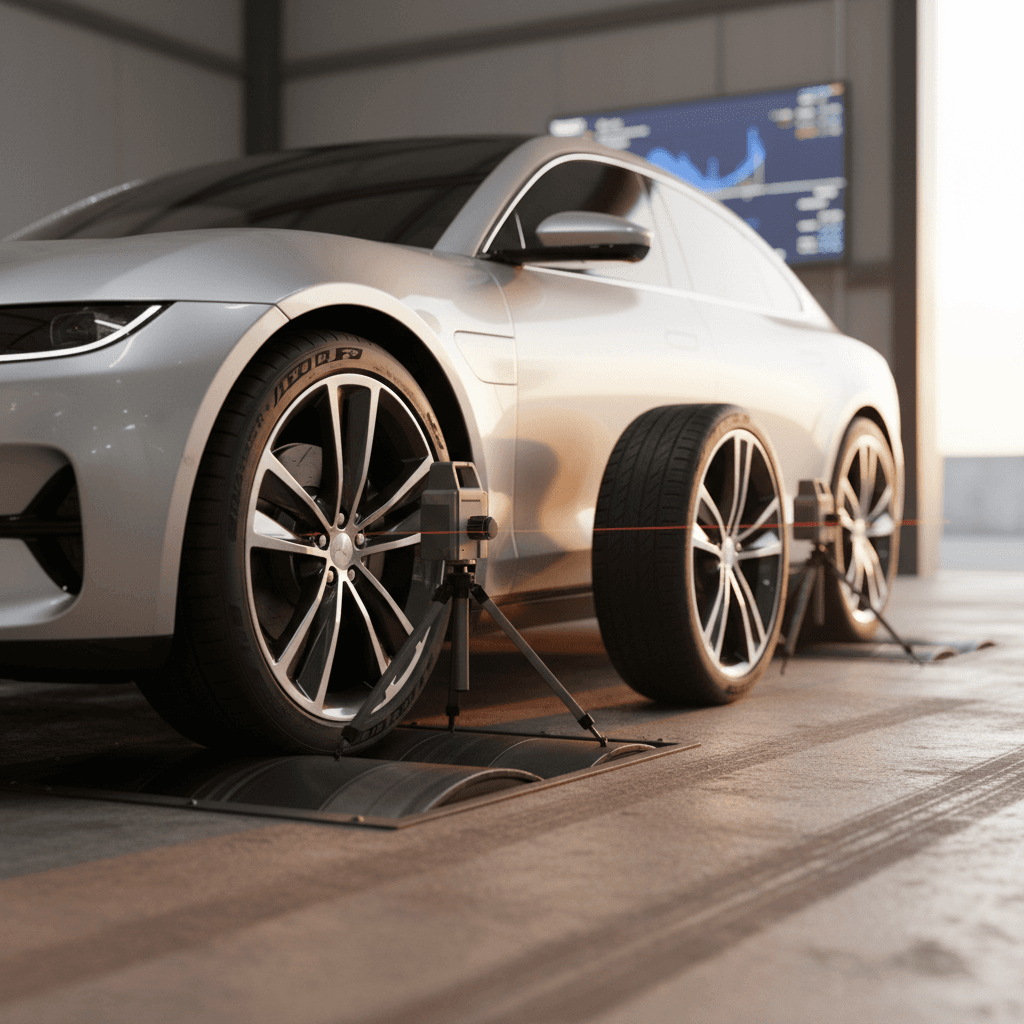
When you talk about the EV wheel size range impact, you’re really talking about three forces your car has to overcome: inertia, rolling resistance, and aerodynamic drag. Wheel and tire choices influence all three.
- Rotational inertia and weight: Larger diameter wheels usually weigh more. Because they’re rotating mass, your EV expends extra energy every time you accelerate or climb a hill.
- Rolling resistance: Many upsized wheel packages use wider, lower‑profile tires. More rubber on the road plus stiffer sidewalls usually equals higher rolling resistance, more energy turned into heat instead of forward motion.
- Aerodynamics: Open, intricate wheel designs and wide tires disturb airflow. At highway speeds, even small changes in aero can nibble away at range mile after mile.
Think in “packages,” not just inches
Real-world examples of wheel size and range impact
This isn’t just theory. Several mainstream EVs show clear, measured range differences as wheel size increases, even when everything else stays the same.
Factory wheel options and estimated range impact
Approximate range changes from wheel upgrades on popular EVs. Exact figures vary by trim and test cycle, but the pattern is consistent: bigger wheels, less range.
| Model & configuration | Smaller wheel package | Larger wheel package | Approx. range change | Notes |
|---|---|---|---|---|
| Tesla Model 3 RWD | 18" aero wheels | 19" sport wheels | ≈3–5% less range | Tesla EPA data and independent tests show a modest but measurable drop with the 19s. |
| Tesla Model 3 Performance | 18" wheels | 20" wheels | ≈7% less range | EPA ratings show roughly a 23‑mile loss going from 18" to 20" on similar trims. |
| Hyundai Ioniq 6 Long Range RWD | 18" wheels | 20" wheels | ≈20% less range | Real‑world testing has shown a drop of about 50 miles when moving to 20s. |
| BMW i4 eDrive40 | 17" wheels | 20" wheels | ≈23% less range | Range falls from roughly 301 to 233 miles when equipped with 20" wheels. |
Wheel size changes can trim anywhere from a few percent to more than 20% of your range, depending on the vehicle and tire setup.
Beware the “top trim on big wheels” trap
Beyond diameter: weight, width, and aero design
1. Wheel & tire weight
Every extra pound you add to the wheel‑and‑tire combo is a pound your battery has to spin thousands of times per trip. Lighter wheels reduce rotational inertia, helping both range and ride quality. Heavier aftermarket alloys or off‑road setups often hurt efficiency noticeably.
2. Tire width & profile
Wider tires improve grip but increase rolling resistance and aerodynamic drag. Very low‑profile tires (short sidewalls) can also increase energy loss because they’re often paired with stickier compounds and stiffer constructions aimed at performance, not efficiency.
3. Wheel aerodynamics
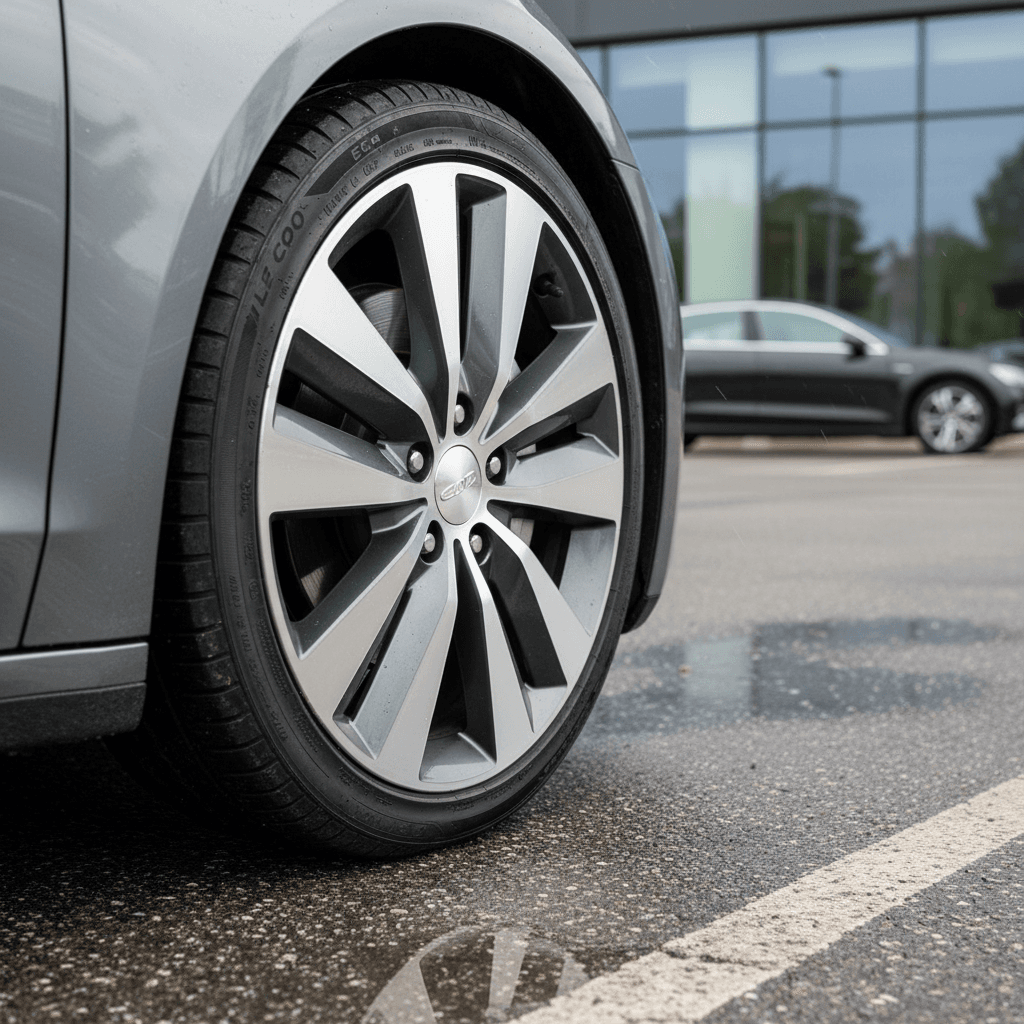
EV‑specific wheels typically have smooth faces, small openings, and, on some models, clip‑on aero covers. Reducing the “void” (open) area in the wheel helps air flow more cleanly around the car, particularly at highway speeds where drag dominates energy use.
Aero covers are free range
Ride quality, handling, and noise tradeoffs
Range isn’t the only thing on the table. When you change wheel size, you also change how the car feels, and how it sounds.
What you gain and lose with different wheel sizes
There’s no free lunch, only the right compromise for how you drive.
Smaller wheels (typically 17–18")
- Softer ride thanks to taller tire sidewalls.
- Better impact absorption over potholes and expansion joints.
- Less risk of bending a rim on bad pavement.
- Generally lower road noise if you pick a quiet tire.
- Often the best choice for maximum range.
Larger wheels (typically 19–21")
- Sharper steering feel and less body roll.
- More responsive cornering, especially with performance tires.
- More aggressive stance and “showroom” look.
- Usually a firmer, sometimes harsher ride.
- Noticeable range penalty on many EVs.
Potholes hit harder on big wheels
EV wheel size & range impact when buying a used EV
If you’re shopping the used market, which is exactly where Recharged lives, wheel size can quietly separate a great deal from a frustrating daily driver. Two seemingly identical cars can feel totally different to live with if one is on aero 18s and the other wears heavy 21‑inch wheels and sticky tires.
Used EV checklist: wheels, tires, and real-world range
1. Compare wheel size to original spec
Look up the factory wheel sizes for the model and trim you’re considering. If the used car is riding on larger aftermarket wheels, assume some range loss, and confirm whether you’re comfortable with that.
2. Inspect tire type and tread pattern
Efficiency‑oriented, all‑season tires with simple tread blocks usually mean better range than aggressive performance or off‑road patterns. Deep, blocky treads can be surprisingly thirsty on an EV.
3. Ask about real-world highway range
Owner history, EPA labels, and test‑drive experience all help you understand how far the car really goes on its current wheel and tire setup, not just how it performed in lab testing.
4. Consider a wheel “downgrade”
Sometimes the smartest move is to choose a used EV that originally came on big wheels, then buy a smaller, more efficient OEM set. That can be cheaper than stepping up to a longer‑range trim.
5. Get the battery checked, not just the wheels
Wheels affect efficiency, but battery health still rules range. At Recharged, every car gets a <strong>Recharged Score Report</strong> with verified battery diagnostics, so you can separate wheel‑induced range loss from true battery degradation.
6. Factor replacement costs into your budget
Low‑profile performance tires wear faster and cost more to replace than modest all‑season rubber. That affects your total cost of ownership, especially if you drive a lot of highway miles.
How Recharged helps
Ready to find your next EV?
Browse VehiclesHow to choose wheels and tires to protect your range
Whether you’re configuring a new EV or planning changes on a used one, a few guidelines will help you balance style, performance, and efficiency.
Smart wheel & tire choices for range-conscious EV owners
Use these principles whether you’re upgrading or just replacing worn tires.
Stay close to stock diameter
Avoid huge jumps in outer diameter. Keeping overall tire height close to stock maintains speedometer accuracy and helps ensure stability control and driver‑assist systems behave properly.
Prioritize low rolling resistance
Look for EV‑specific or low‑rolling‑resistance tires from reputable brands. They’re engineered to shave energy loss without sacrificing wet braking and safety.
Don’t go wider than you need
A modest increase in width for better grip is fine, but huge jumps mostly add drag. If you don’t track the car or tow regularly, you probably don’t need ultra‑wide rubber.
Choose aero-friendly wheel designs
Smooth faces, smaller openings, and aero covers all help. If your EV came with covers in the box, using them for long highway trips is an easy way to gain a few extra miles.
Watch wheel weight
If you’re buying aftermarket wheels, compare weights carefully. A slightly smaller, lighter wheel can improve both range and ride compared with a larger, heavier option.
Respect load and speed ratings
EVs are heavy and have instant torque. Make sure any wheel and tire combo meets or exceeds the manufacturer’s load and speed ratings, and avoid bargain options that skimp on safety margins.
Think about resale value
Maintenance tips to keep range strong
Even if you never change wheel size, how you care for your tires has a measurable effect on range. The same basic habits that extend tire life also help you go farther on every charge.
- Check tire pressure monthly and before long trips. Under‑inflation increases rolling resistance and heat buildup. Use the pressure on the door jamb label, not the number on the tire sidewall.
- Rotate tires on schedule. Front and rear tires wear differently on EVs thanks to heavy batteries and strong regenerative braking. Regular rotations keep wear even and can delay an expensive replacement set.
- Get alignments checked after impacts. Hitting a pothole or curb hard enough to feel it in the steering can knock alignment out, causing drag and premature tire wear.
- Avoid unnecessary roof racks and cargo boxes. They add drag on top of whatever the wheels are doing, multiplying range loss at highway speeds.
- Monitor range changes over time. If you see a sudden drop after a wheel or tire swap, it’s a sign to re‑evaluate your setup, or get a battery health report to be sure nothing else is going on.
Don’t ignore uneven wear
FAQ: EV wheel size and range impact
Frequently asked questions about EV wheels and range
The bottom line on EV wheel size and range
Wheel size is one of the most visible choices you can make on an electric vehicle, and one of the easiest places to give away range without realizing it. Bigger wheels and aggressive tires can look fantastic and sharpen handling, but they also add weight, rolling resistance, and aerodynamic drag. Over thousands of miles, that means more charging stops and higher energy bills.
If you prioritize efficiency and comfort, smaller factory wheels, aero designs, and low‑rolling‑resistance tires are your friends. If you’re eyeing a used EV, pay close attention to wheel packages and tire types alongside battery health. At Recharged, every vehicle includes a Recharged Score Report with verified battery diagnostics and transparent pricing, so you can confidently weigh the tradeoff between style, range, and long‑term ownership costs, and drive away in the EV that truly fits the way you live.